
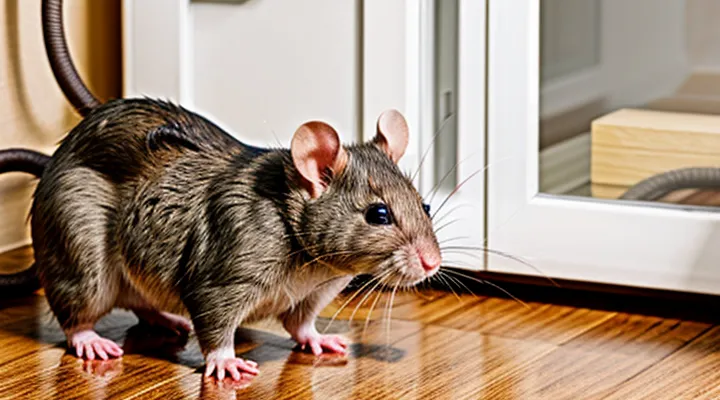
Understanding Rat Odor
What Causes Rat Odor?
Rat Droppings and Urine
Rat droppings and urine are the primary sources of indoor rodent odor. Fresh droppings emit a faint, musky scent; as they age, bacterial breakdown produces a stronger, ammonia-like smell. Urine contains urea, which converts to ammonia, contributing to the pervasive odor that lingers on surfaces, fabrics, and insulation.
Effective odor control requires immediate removal and thorough decontamination:
- Wear disposable gloves and a mask to prevent inhalation of airborne particles.
- Collect droppings with a damp paper towel; avoid dry sweeping, which disperses particles.
- Dispose of waste in a sealed plastic bag and discard it outside the residence.
- Saturate the contaminated area with an enzymatic cleaner designed for protein-based stains; these products break down the organic matter that fuels odor.
- Allow the solution to dwell for the manufacturer‑specified contact time, then blot or rinse with clean water.
- For porous materials (carpet, upholstery, insulation), apply the enzymatic cleaner, then use a wet‑vac or steam‑cleaner to extract residues.
- After treatment, ventilate the space by opening windows and using fans to circulate fresh air for at least 30 minutes.
Safety considerations:
- Verify that the cleaning agent is EPA‑registered for rodent contamination.
- Do not use bleach alone; it may mask odor temporarily but does not neutralize the underlying proteins.
- Maintain a clean‑room protocol until the area dries completely, as dampness can encourage mold growth.
Preventive measures:
- Seal entry points larger than ¼ inch to stop new infestations.
- Store food in airtight containers and eliminate water sources.
- Conduct regular inspections of hidden spaces (behind appliances, in wall cavities) to detect early signs of droppings or urine.
By promptly removing droppings, applying enzymatic decontamination, and maintaining strict sanitation, the characteristic rodent odor can be eliminated from indoor environments.
Rat Nests
Rat nests are a primary source of the pungent, ammonia‑like scent that accumulates in homes where rodents are present. The material used for construction—soft fabrics, shredded paper, insulation, and food debris—absorbs urine and feces, creating a reservoir for odor‑producing bacteria. Removing the nest eliminates the bulk of the smell and prevents further contamination.
Identify nests by looking for dense, irregular piles in hidden locations such as wall voids, attic corners, under appliances, and behind stored items. Signs include shredded material, droppings, gnaw marks, and a distinct, sour odor. Use a flashlight and a disposable glove to inspect suspect areas without disturbing the nest excessively, which could release additional odor particles.
Effective eradication follows a three‑step protocol:
- Containment – Seal entry points with steel wool or metal mesh to stop new rodents from rebuilding.
- Removal – Wear protective clothing, extract the nest material, and place it in a sealed, disposable bag.
- Sanitization – Apply an enzymatic cleaner to the affected surface; the enzyme breaks down urine crystals and neutralizes bacterial growth. Allow the area to dry completely before restoring furnishings.
Prevent recurrence by maintaining a clean environment: store food in airtight containers, eliminate water sources, and conduct regular inspections of potential nesting sites. Consistent monitoring and prompt cleaning of any discovered nests will keep indoor rat odor at a minimal level.
Deceased Rats
Dead rodents generate strong, lingering odors that can permeate walls, insulation, and furnishings. Prompt identification and removal are essential to prevent the smell from spreading throughout the interior space.
Locate the source by inspecting concealed areas such as wall voids, crawl spaces, attics, and behind appliances. Use a flashlight and, if necessary, a mirror to reach tight spots. Follow any visible signs of decay, including discoloration, fluid stains, or insect activity.
Once the carcass is found, follow these steps:
- Wear disposable gloves and a mask to avoid direct contact with contaminants.
- Carefully extract the body using a sturdy tool (tongs or a scoop) to minimize tissue rupture.
- Place the remains in a sealed plastic bag, then double‑bag and seal tightly.
- Dispose of the sealed bags according to local hazardous‑waste regulations or place them in an outdoor trash container that is regularly collected.
- Clean the surrounding area with a detergent solution, then apply an enzymatic cleaner designed to break down organic residues.
- After cleaning, disinfect the surface with a solution of 1 part bleach to 9 parts water, allowing a 10‑minute contact time before wiping dry.
- Seal any entry points or gaps that allowed the rodent to enter, using steel wool, caulk, or hardware cloth.
If the odor persists after removal and cleaning, treat the affected materials (carpet, drywall, insulation) with an odor‑absorbing product such as activated charcoal or a commercial odor‑neutralizing spray. In severe cases, replace contaminated insulation or drywall to eliminate residual smells completely.
Regular inspection of hidden spaces and prompt action when dead rodents are discovered will maintain a odor‑free indoor environment.
Immediate Actions to Eliminate Odor
Locating the Source of the Odor
Visual Inspection
Visual inspection provides the first line of defense against persistent rodent odor inside a building. By locating the source, you can target cleaning, sealing, and removal efforts efficiently.
Inspect the following zones systematically:
- Kitchen countertops, cabinets, and pantry shelves.
- Under appliances, especially refrigerators and stoves.
- Utility rooms, basements, and crawl spaces.
- Wall voids, ceiling panels, and attic insulation.
- Entry points such as vents, gaps around pipes, and door thresholds.
During the walk‑through, watch for these indicators:
- Dark droppings on surfaces, in corners, or along walls.
- Urine stains that appear as yellowish or amber spots, often with a strong ammonia scent.
- Chewed or gnawed materials, including wood, plastic, and wiring.
- Nesting material: shredded paper, fabric, or insulation.
- Visible dead rodents or carcasses, which accelerate odor production.
Record each finding with location, type of evidence, and severity. Prioritize areas with multiple signs, as they typically generate the strongest smell. After documentation, proceed to targeted cleaning, disinfection, and sealing of entry points to eliminate the odor source.
Using Your Sense of Smell
Detecting rat odor early is essential for effective mitigation. Your olfactory system provides immediate feedback on the presence and intensity of the smell, allowing you to pinpoint problem areas before the scent spreads throughout the home.
Begin each inspection by entering a room and breathing calmly through the nose. Note any sharp, musky, or ammonia‑like notes that differ from normal household odors. Move methodically from corners to the center, pausing at potential entry points such as gaps under doors, vent openings, and pantry shelves. Record the locations where the odor is strongest; these spots usually indicate active nests or food sources.
Use the observations to guide cleaning and sealing actions:
- Target areas with the highest odor concentration for thorough cleaning with enzymatic cleaners.
- Seal cracks, holes, and gaps identified during the sniff test to block future entry.
- Place odor‑absorbing materials (e.g., activated charcoal, baking soda) near detected hotspots to reduce lingering scent.
- Re‑evaluate the space after each intervention, relying on your sense of smell to confirm progress.
Regularly repeat the olfactory survey, especially after seasonal changes or when new food storage is introduced. Consistent sensory monitoring ensures that any resurgence of rat odor is caught promptly, maintaining a healthy indoor environment.
Cleaning and Sanitizing Affected Areas
Removing Droppings and Urine
Removing rat droppings and urine is the most effective way to eliminate lingering odor in an indoor environment. Begin by securing personal protection: wear disposable gloves, a N‑95 respirator, and eye protection to avoid exposure to pathogens. Ventilate the area by opening windows and using fans to direct airflow outward.
Next, gather cleaning supplies: enzymatic cleaner designed for pet waste, a stiff brush, disposable paper towels, heavy‑duty trash bags, and a bucket of warm water with a mild detergent. Follow these steps:
- Collect solid waste – Use paper towels to lift droppings, placing each piece directly into a sealed bag. Avoid sweeping, which can aerosolize particles.
- Absorb urine – Blot wet spots with additional paper towels until no moisture remains. Do not rub, as this spreads contamination.
- Apply enzymatic solution – Saturate the affected surface with the cleaner, ensuring it penetrates porous materials such as wood, carpet padding, or insulation. Allow the product to work for the time specified by the manufacturer, typically 10–15 minutes.
- Scrub and rinse – Use the brush to dislodge residues, then rinse with warm, soapy water. For non‑removable flooring, mop the area thoroughly.
- Dispose of waste – Seal the bag containing droppings and used towels, then place it in an outdoor trash container. Wash hands and any reusable tools with disinfectant after removal.
After cleaning, neutralize any remaining odor by applying a second layer of enzymatic spray or a certified odor‑absorbing compound. Allow the treated area to dry completely before re‑occupying the space. Repeating this process promptly after each incident prevents odor buildup and reduces health risks associated with rat waste.
Disinfecting Surfaces
Disinfecting surfaces eliminates the bacterial and protein residues that sustain rat odor. Begin by removing visible debris with a disposable cloth or paper towel. Follow with a solution of 1 part household bleach to 10 parts water, ensuring the mixture contacts all affected areas for at least five minutes before wiping clean. Alternative agents—hydrogen peroxide (3 % solution), enzymatic cleaners, or commercial rodent‑specific disinfectants—provide effective sanitation when bleach is unsuitable.
Key practices:
- Wear gloves and eye protection to avoid skin irritation.
- Test the disinfectant on a small, inconspicuous spot to confirm material compatibility.
- Apply the solution to floors, baseboards, countertops, and any hard surfaces the rodents have contacted.
- Use a scrub brush on textured surfaces to dislodge embedded residue.
- Rinse with clean water if the disinfectant leaves a strong odor or residue, then dry thoroughly.
- Dispose of used cloths in sealed bags; clean reusable tools with hot, soapy water after each use.
After disinfecting, increase airflow by opening windows or operating exhaust fans. Fresh air dilutes lingering smells and accelerates drying, preventing microbial regrowth. Regular surface treatment—once weekly during an infestation and monthly thereafter—maintains a neutral indoor environment.
Using Enzyme Cleaners
Enzyme cleaners break down the proteins, fats, and urine residues that generate the characteristic rat smell. By hydrolyzing these organic compounds, the cleaners eliminate the source of odor rather than merely masking it.
Choose a product that contains protease, lipase, and amylase enzymes. Verify that the formulation is non‑toxic, suitable for the surfaces in question, and labeled for pet‑related stains, as these specifications ensure effective breakdown of rat waste.
- Locate all areas where urine, droppings, or nesting material are present.
- Remove solid debris with a disposable scoop or vacuum equipped with a HEPA filter.
- Apply the enzyme solution generously, ensuring full coverage of the contaminated surface.
- Allow the solution to work for the manufacturer‑recommended dwell time, typically 10–15 minutes, to permit enzymatic activity.
- Rinse with clean water if the surface is washable; otherwise, let it air‑dry completely.
Regular treatment of high‑risk zones, combined with adequate ventilation, prevents odor recurrence. Monitoring for lingering scent after each application helps determine whether additional cycles are required.
Ventilating the Space
Opening Windows and Doors
Opening windows and doors creates a direct pathway for fresh air to replace stagnant indoor air that carries rat odor. Increased airflow dilutes volatile compounds released by urine, feces, and secretions, lowering their concentration to levels that are less perceptible.
Effective ventilation requires attention to several factors:
- Position openings opposite each other to establish a cross‑draft, maximizing air exchange.
- Keep openings open for a minimum of 30 minutes after cleaning or removing contaminated materials; longer periods are beneficial during warm weather.
- Use window screens to prevent rodents from re‑entering while maintaining airflow.
- Adjust the size of openings based on outdoor temperature; larger openings in cool weather may cause drafts that lower indoor comfort.
- Combine natural ventilation with mechanical fans when outdoor conditions are unsuitable, ensuring fans exhaust air toward the open windows or doors.
Regularly inspect windows and doors for gaps that allow rat entry. Seal cracks after the odor has been reduced to prevent re‑contamination. Maintaining a schedule of daily or twice‑daily ventilation, especially after any cleaning activity, sustains low odor levels and supports overall indoor air quality.
Using Fans and Air Purifiers
Effective ventilation and filtration are essential components of any strategy aimed at eliminating rat smell inside a home. Proper airflow dilutes odor molecules, while air purifiers capture them before they disperse.
- Position a high‑capacity fan near the source of the odor to create a directed current that pushes contaminated air toward an open window or exhaust vent.
- Use a second fan at the exit point to accelerate the removal of stale air.
- Ensure fans operate continuously during periods of heightened activity, such as cleaning or waste disposal.
Select an air purifier equipped with a HEPA filter and an activated‑carbon layer. HEPA filtration removes fine particles, whereas carbon adsorption targets volatile organic compounds responsible for the characteristic rat odor. Place the unit in the most affected room, ideally at least one foot from walls to allow unrestricted airflow.
Maintain equipment regularly. Clean fan blades and replace filters according to manufacturer recommendations; a clogged filter reduces efficiency and can re‑emit trapped odors. Verify that the purifier’s fan speed matches the room’s volume; larger spaces may require multiple units or a higher airflow rating.
Integrating these ventilation and purification practices with routine sanitation yields a measurable decline in indoor rat odor, creating a healthier environment for occupants.
Long-Term Solutions for Odor Prevention
Eradicating the Rat Infestation
Trapping Rats
Rats inside a dwelling generate strong, lingering smells that persist until the source is removed. Capturing the animals eliminates the primary source of the odor and prevents further contamination of surfaces and insulation.
Effective trapping requires careful preparation and execution:
- Choose a trap type suited to the infestation level (snap, live‑catch, or electronic).
- Position traps along walls, behind appliances, and near known activity sites; rats travel close to edges.
- Bait each trap with high‑fat foods such as peanut butter, bacon bits, or dried fruit.
- Set traps in the evening when rats are most active; check them early each morning.
- Replace or rebait any trap that fails to capture a rat within 24 hours.
After capture, handle the rodents with gloves and seal them in a disposable bag before discarding in a sealed container. Clean the trap surface with a disinfectant solution to remove scent traces that could attract other rats. Inspect surrounding areas for droppings, urine stains, and gnaw marks; clean these spots with an enzymatic cleaner to break down odor‑producing compounds.
Integrating trapping with rigorous sanitation—removing food residues, sealing entry points, and maintaining dry conditions—maximizes odor reduction and lowers the risk of re‑infestation.
Professional Pest Control
Professional pest‑control services address indoor rat odor by combining thorough inspection, targeted extermination, and post‑treatment sanitation. Technicians begin with a systematic survey of the property to locate nesting sites, food sources, and entry points. Identifying these hotspots allows precise placement of traps and bait stations, minimizing the risk of secondary contamination.
Once activity is confirmed, certified operators deploy industry‑grade rodenticides and mechanical traps according to regulatory standards. Integrated pest‑management (IPM) protocols prioritize low‑toxicity solutions and limit exposure to occupants. After the rodents are removed, specialists treat residual urine and feces with enzymatic cleaners that break down odorous compounds at the molecular level.
The final phase eliminates lingering smells and prevents recurrence:
- Seal cracks, gaps, and utility openings with steel‑wool, caulk, or metal flashing.
- Install door sweeps and vent covers to block future ingress.
- Apply odor‑neutralizing agents (e.g., activated charcoal, ozone generators) in affected rooms.
- Advise on waste‑management practices that remove food attractants.
- Schedule periodic follow‑up inspections to verify that control measures remain effective.
By integrating extermination, structural exclusion, and advanced deodorization, professional pest‑control providers deliver a comprehensive solution that restores indoor air quality and eliminates rat‑related odors.
Sealing Entry Points
Inspecting for Gaps and Cracks
Inspecting for gaps and cracks is a critical step in eliminating rat odor from interior spaces. Rats enter through openings as small as a pencil diameter; any breach allows scent‑bearing urine and feces to infiltrate. Identifying these entry points stops new contamination and prevents ongoing odor production.
Inspection process
- Conduct a visual sweep of walls, floors, ceilings, and foundations. Look for visible cracks, holes, or gaps around pipes, vents, and utility lines.
- Use a flashlight to reveal hairline fissures in drywall, baseboards, and window frames.
- Run a thin piece of gauze or a smoke stick along suspected seams; movement indicates airflow that rats can exploit.
- Examine exterior walls for damage that may be mirrored inside, especially where siding or brick has shifted.
Tools and techniques
- Flexible inspection mirror for hard‑to‑see corners.
- Infrared thermometer to detect temperature differentials that suggest hidden openings.
- Moisture meter to locate damp areas where rats commonly nest.
Sealing recommendations
- Fill small cracks with acrylic caulk; allow 24 hours to cure before applying a second coat.
- Apply expanding polyurethane foam to larger gaps, trimming excess after expansion.
- Install steel wool or copper mesh behind sealants for added durability against gnawing.
- Reinforce around pipes with metal flashing secured by corrosion‑resistant screws.
A systematic inspection followed by proper sealing eliminates pathways for rats, directly reducing the source of indoor odor. Regular re‑inspection, especially after seasonal temperature changes, ensures that newly formed gaps are promptly addressed.
Using Steel Wool and Sealant
Steel wool blocks the tiny openings that rats use to enter walls, ceilings, and floor joists. When packed tightly into gaps, the fibers resist chewing and create a physical barrier that prevents rodents from accessing interior spaces where their waste generates odor.
Sealant reinforces the barrier by filling larger cracks and sealing the edges of the steel‑wool insertion. A silicone‑based or polyurethane sealant adheres to wood, drywall, and metal, creating an airtight seal that traps moisture and limits the release of volatile compounds from rat urine and feces.
Application procedure
- Identify all visible gaps, holes, and seams around the perimeter, utility penetrations, and vent openings.
- Insert steel wool into each opening, compressing it until the fibers are densely packed.
- Apply sealant over the steel wool, smoothing the surface to ensure complete coverage.
- Allow the sealant to cure according to the manufacturer’s instructions before exposing the area to moisture or traffic.
Regular inspection of sealed points confirms the integrity of the barrier and maintains a low‑odor environment.
Maintaining a Clean Environment
Regular Cleaning Practices
Regular cleaning eliminates the source of rat odor by removing urine, feces, and secretions that cling to surfaces. Use a disposable paper towel to pick up fresh droppings, then spray the area with an enzymatic cleaner that breaks down organic matter. Allow the solution to sit for the manufacturer‑recommended dwell time before wiping with a clean cloth.
Vacuum carpets and upholstery with a HEPA‑rated filter to capture microscopic particles and trapped odors. After vacuuming, apply a neutralizing spray designed for pet and rodent smells, following the product’s contact time instructions. Repeat the process weekly in high‑traffic zones.
Hard floors require mopping with hot water and a degreasing agent that dissolves dried residue. Rinse the floor with clean water, then dry thoroughly to prevent moisture buildup that can attract rodents.
Laundry items such as bedding, curtains, and removable cushion covers should be laundered in the hottest water setting permissible for the fabric. Add a cup of white vinegar to the rinse cycle to neutralize lingering scent.
Maintain a schedule:
- Daily removal of visible droppings.
- Twice‑weekly vacuuming with HEPA filtration.
- Weekly mop of hard surfaces.
- Monthly deep clean of fabrics and upholstery.
Consistent application of these practices reduces the intensity of rat odor, discourages further infestation, and improves indoor air quality.
Proper Food Storage
Proper food storage eliminates the primary attractant that encourages rats to linger and excrete, which directly reduces the buildup of odor inside a home.
Seal all edible items in airtight containers made of glass, metal, or heavy‑duty plastic. Keep containers off the floor and away from walls to prevent rodents from gnawing through gaps. Store dry goods in bins with snap‑tight lids; refrigerate or freeze perishables within two hours of purchase. Dispose of leftovers in sealed bags and remove them from the kitchen promptly.
- Use containers rated “rat‑proof” or “pest‑resistant.”
- Inspect seals regularly for cracks or wear.
- Label containers with purchase dates; rotate stock to avoid spoilage.
- Clean storage areas weekly with a disinfectant solution.
- Place trash cans with tight‑closing lids and empty them daily.
Maintain a routine of checking pantry shelves for spills, crumbs, or damaged packaging. Immediate cleanup of any food residue removes scent cues that draw rats, thereby limiting their presence and the associated odor.
Waste Management
Effective control of indoor rat odor begins with disciplined waste handling. Food remnants, droppings, and discarded materials provide the scent cues that attract rodents and amplify their smell. Eliminating these sources cuts the odor at its origin.
Implement a waste‑management routine that includes:
- Store all edible waste in containers with airtight lids.
- Transfer refuse to sealed bags before placing it in external bins.
- Empty indoor trash receptacles at least once daily, preferably more often in high‑traffic areas.
- Clean the interior of containers with a disinfectant after each use to remove residual odors.
- Keep compost or recycling bins outside the living space; if indoor storage is unavoidable, use double‑walled containers with carbon filters.
Choose disposal methods that prevent odor leakage. Use trash bags made of thick, puncture‑resistant material and tie them securely. Position outdoor bins away from entry doors and windows, and schedule regular collection by waste services to avoid accumulation. For areas prone to moisture, place absorbent liners beneath bins to inhibit bacterial growth that contributes to foul smells.
Maintain the surrounding environment. Sweep and mop floors where waste is handled, and vacuum upholstery to remove trapped particles. Periodic deep cleaning of pantry shelves, cabinets, and under appliances removes hidden residues that can sustain rat scent. By adhering to these waste‑management practices, indoor rat odor diminishes rapidly, creating a cleaner, less inviting habitat for rodents.
Odor Neutralizers and Air Fresheners
Natural Deodorizers
Natural deodorizers provide a chemical‑free method for controlling rodent odor inside a home. Their volatile compounds neutralize malodorous molecules rather than merely masking them, which helps maintain a healthier indoor environment.
- Baking soda – absorbs odors from surfaces and fabrics; sprinkle on carpets, let sit for 30 minutes, then vacuum.
- White vinegar – acetic acid breaks down odor‑causing bacteria; wipe down hard floors and countertops with a 1:1 water‑vinegar solution.
- Activated charcoal – porous structure traps volatile compounds; place sachets in closets, under furniture, and near entry points.
- Citrus peels – contain limonene, a natural deodorizing agent; dry peels in a low‑heat oven, then distribute in corners or use as a simmering potpourri.
- Essential oil blends (e.g., eucalyptus, tea tree, lavender) – possess antimicrobial properties; add a few drops to a spray bottle with water and mist affected areas.
Application should target both the source and the surrounding environment. Clean any visible waste with a mild detergent, then treat the cleaned area with the chosen deodorizer. For porous materials such as upholstery, sprinkle baking soda, allow absorption, and repeat weekly until odor subsides. Place activated charcoal containers near ventilation openings to continuously filter circulating air.
Regular maintenance enhances effectiveness. Replace charcoal sachets every two weeks, refresh citrus peels weekly, and reapply vinegar or essential‑oil sprays after each thorough cleaning session. Combining these natural agents with prompt waste removal creates a sustainable approach to reducing rat odor indoors.
Commercial Odor Eliminators
Commercial odor eliminators provide a targeted approach for neutralising rodent‑related smells within interior spaces. These products differ from simple air fresheners by chemically breaking down odorous molecules rather than merely masking them, resulting in lasting improvement of indoor air quality.
Typical formulations include:
- Oxidising agents (e.g., hydrogen peroxide, potassium peroxymonosulfate) that convert volatile compounds into harmless substances.
- Enzymatic blends that catalyse the degradation of organic residues left by rodent activity.
- Adsorptive powders (activated charcoal, zeolite) that capture airborne particles and reduce re‑emission.
- Aerosol sprays containing neutralising surfactants designed for quick, surface‑level treatment.
Effective use requires adherence to the following steps:
- Identify zones with visible droppings, urine stains, or concentrated odour.
- Remove solid waste and clean surfaces with a detergent compatible with the chosen eliminator.
- Apply the product according to manufacturer instructions, ensuring adequate coverage of affected areas.
- Allow the chemical reaction to complete; most agents achieve peak activity within 15–30 minutes.
- Ventilate the space briefly to disperse any residual vapour, then monitor for lingering odour.
When selecting a commercial solution, evaluate:
- Compatibility with building materials (avoid corrosive formulations on metal or painted surfaces).
- Safety data sheets for occupational exposure limits, especially in occupied rooms.
- Proven efficacy against rodent‑specific compounds such as ammonia, skatole, and indole.
- Certification from independent testing agencies confirming performance claims.
Proper integration of these products into a broader sanitation routine can substantially diminish rodent odour, creating a healthier indoor environment without reliance on temporary fragrance masking.
Addressing Lingering Odors
Deep Cleaning and Restoration
Carpet and Upholstery Cleaning
Effective management of indoor rodent odor begins with thorough treatment of soft furnishings. Carpets and upholstered pieces absorb urine, feces, and scent glands, making them primary reservoirs for lingering smell. Prompt removal of contaminants and targeted cleaning restore a neutral environment.
Begin by extracting loose debris. A high‑efficiency vacuum equipped with a HEPA filter captures dried particles and dander. Follow with a pre‑treatment solution containing an enzymatic formula; enzymes break down organic compounds that generate odor. Apply the solution uniformly, allow the recommended dwell time, then blot excess liquid with clean towels.
For deep penetration, employ a steam‑cleaning device. Steam at temperatures above 150 °C denatures proteins and volatilizes residual odor molecules. Ensure the machine’s extraction function removes moisture to prevent mold growth. After steaming, spread a thin layer of baking soda across the surface, let it sit for 30 minutes, then vacuum again to absorb any remaining scent traces.
When upholstery cannot be removed, use a portable extraction wand. Insert the wand into seams and crevices, inject enzymatic cleaner, and extract fluid with the built‑in suction. Repeat on all affected areas, focusing on corners where rodents tend to nest.
Regular maintenance reduces re‑accumulation:
- Vacuum weekly with a HEPA‑rated attachment.
- Spot‑clean spills immediately using an enzyme‑based cleaner.
- Schedule professional steam extraction every 6–12 months.
If odor persists after these steps, consider replacing heavily contaminated padding or fabric, as saturated layers may retain scent despite surface treatment. Combining meticulous cleaning with preventive measures—sealing entry points and eliminating food sources—ensures long‑term control of rodent odor within the home.
Painting Walls
Painting interior walls can be an effective measure for controlling rodent odor within a home. By creating a sealed surface, paint prevents odors from penetrating porous materials and reduces the chance of scent lingering in the environment.
A solid preparation routine is essential. Begin by removing all debris, droppings, and stains from the walls. Apply a detergent solution, rinse thoroughly, and allow the surface to dry completely. Follow with a high‑quality, odor‑blocking primer designed for low‑VOC environments; this layer locks in residual smells and provides a uniform base for the topcoat.
Steps for applying paint:
- Select a semi‑gloss or satin finish, which offers better resistance to moisture and odor absorption than flat paints.
- Use a roller for large areas and a brush for edges and corners to ensure even coverage.
- Apply the primer in a thin, consistent coat; allow the manufacturer‑specified drying time before proceeding.
- Apply two coats of the chosen paint, allowing adequate drying time between layers to achieve optimal sealant performance.
- Inspect the surface for missed spots; touch up as needed to maintain a continuous barrier.
After painting, maintain the barrier by promptly cleaning any new stains, avoiding harsh chemicals that could degrade the paint film, and periodically ventilating the space to reduce overall humidity, which can exacerbate odor retention. Regular inspection of walls for cracks or wear will help preserve the effectiveness of the paint seal against rodent smell.
Replacing Contaminated Materials
Insulation Replacement
Replacing compromised insulation is a direct method for eliminating persistent rodent odor inside a building. Damaged or soiled insulation traps urine, feces, and secretions, allowing the smell to linger even after cleaning other surfaces. Removing the affected material cuts off the source of the odor and prevents further absorption.
Steps for effective insulation replacement:
- Identify all areas where insulation appears stained, damp, or has a strong odor. Common locations include walls, ceilings, attics, and crawl spaces.
- Seal entry points before removal to stop additional rodents from accessing the space.
- Wear protective gear (gloves, mask, eye protection) to avoid exposure to contaminants.
- Carefully extract the old insulation, placing it in sealed bags for disposal according to local hazardous‑waste regulations.
- Clean the cavity with a disinfectant solution that neutralizes ammonia and protein residues.
- Allow the space to dry completely; moisture encourages bacterial growth and odor recurrence.
- Install new insulation of appropriate R‑value, ensuring a tight fit without gaps.
- Restore any vapor barriers or fire‑rated coverings removed during the process.
Completing these actions removes the primary reservoir of odor, improves indoor air quality, and reduces the likelihood of future scent buildup. Regular inspection of insulation integrity supports long‑term odor control.
Replacing Damaged Wood or Drywall
Replacing damaged wood or drywall removes the primary source of rat odor absorption. When rodents gnaw or urinate on structural materials, the porous surfaces retain volatile compounds that continue to release unpleasant smells long after the animals are gone. Removing these compromised sections eliminates the reservoir that perpetuates the odor.
Steps to replace affected wood or drywall:
- Identify all areas with visible gnaw marks, stains, or a strong scent. Use a flashlight and a nose test to locate hidden damage.
- Cut out the damaged material with a reciprocating saw or drywall saw, leaving a margin of at least 1 inch of clean, undamaged substrate.
- Treat the exposed framing or studs with a rodent‑resistant sealant or primer that blocks odor penetration.
- Install new drywall or pressure‑treated lumber, securing it with appropriate fasteners.
- Apply a low‑VOC, odor‑blocking joint compound and finish with paint formulated for odor resistance.
Completing the replacement restores a non‑porous barrier, preventing residual rat scent from re‑emerging and supporting overall indoor odor control.