
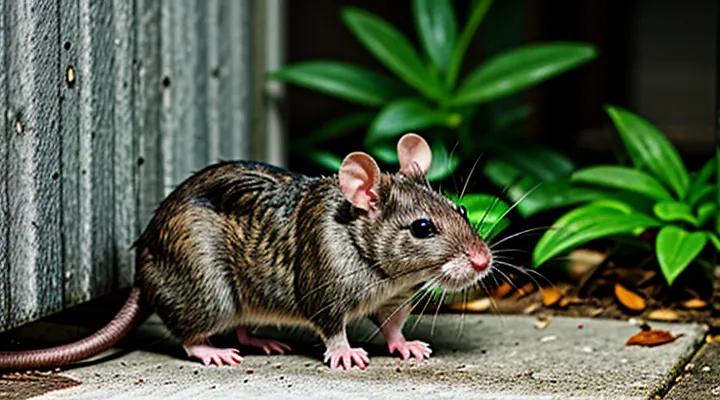
Understanding the Natural Lifespan of Rats
Average Lifespan
Rats typically live between two and three years under domestic conditions, with most individuals reaching maturity by eight weeks and showing a gradual decline after the second year. Laboratory strains can extend to four years when provided with optimal nutrition, temperature control, and minimal stress, while wild populations rarely survive beyond twelve months due to predation, disease, and environmental hazards.
Key factors that modify lifespan include:
- Genetic background: selective breeding for health or specific traits can add months to longevity.
- Diet quality: balanced protein and micronutrient intake correlates with extended survival.
- Housing conditions: spacious, clean environments reduce stress‑related mortality.
- Health interventions: prompt treatment of respiratory infections and tumors prevents early death.
Understanding these typical age limits allows caretakers to differentiate normal aging from terminal decline. When a rat approaches or exceeds the upper bound of its expected lifespan—approximately three years for pets and four years for lab specimens—observable signs such as severe weight loss, persistent lethargy, and loss of grooming become reliable indicators that the animal is nearing the end of its natural life cycle.
Factors Influencing Lifespan
Genetics
Genetic analysis provides objective criteria for detecting the final stage of life in laboratory rats. Specific molecular changes precede overt physiological decline and can be measured without invasive observation.
Key genetic indicators include:
- Up‑regulation of pro‑apoptotic genes such as Bax, Caspase‑3, and p53 in peripheral blood mononuclear cells.
- Down‑regulation of mitochondrial DNA‑encoded oxidative‑phosphorylation genes (ND1, COX1) reflecting compromised cellular energy production.
- Elevated expression of inflammatory cytokine transcripts (IL‑6, TNF‑α) detectable by quantitative PCR.
- Increased promoter methylation of Sirt1 and FoxO3, correlating with reduced stress‑response signaling.
- Accumulation of somatic mutations in the TP53 locus, identifiable through next‑generation sequencing, associated with loss of genomic stability.
These markers appear consistently within 24–48 hours before observable signs of death, such as loss of locomotion or respiratory failure. Integrating multiplex PCR panels with real‑time monitoring of circulating cell‑free DNA enhances early detection, allowing precise timing of terminal events for experimental protocols.
Diet and Nutrition
Changes in a rat’s eating and drinking habits often precede the final stage of life. A noticeable decline in food consumption, refusal of favorite foods, and a shift to irregular, small meals signal that the animal’s metabolic systems are failing. Simultaneously, reduced water intake or complete cessation of drinking indicates severe dehydration, which commonly accompanies terminal illness.
Weight loss provides a quantitative measure of nutritional collapse. A rapid drop of more than 10 % of body mass within a few days, despite continued access to food, reflects muscle wasting and loss of fat reserves. Alterations in fecal output—such as decreased frequency, smaller pellets, or the presence of mucus—suggest impaired digestion and absorption. In contrast, occasional watery diarrhea may indicate gastrointestinal distress that further compromises nutrient uptake.
Nutrient deficiencies become evident through physical signs. Dull or unkempt fur, skin lesions, and loss of grooming behavior point to insufficient protein and essential fatty acids. Pale or yellowed gums reveal anemia, often caused by inadequate iron or vitamin B12. A decline in activity level, combined with a lack of interest in enrichment items, frequently correlates with reduced vitamin D and calcium availability, which affect muscle strength and neurological function.
Key diet‑related indicators of imminent mortality:
- Consistent refusal of food and water
- Rapid body‑weight loss (>10 % in ≤ 72 hours)
- Decreased, malformed, or mucus‑laden feces
- Fur that becomes brittle, dull, or unkempt
- Signs of anemia (pale gums) and skin lesions
- Marked reduction in grooming and activity
Monitoring protocol:
- Record daily feed and water consumption; any drop below 50 % of normal warrants immediate veterinary assessment.
- Weigh the rat at least twice weekly; document trends to detect abrupt loss.
- Inspect feces each day for changes in consistency, size, or presence of mucus.
- Examine coat condition and gum color during routine handling.
- Consult a veterinarian if two or more indicators appear concurrently, as they collectively suggest the rat is approaching the end of life.
Environment and Care
Rats approaching the end of life display distinct environmental and caregiving cues. Deterioration of the cage’s condition often accompanies declining health: bedding becomes soiled more frequently, and the animal may abandon the nest, seeking isolation in corners or behind objects. Temperature regulation fails; the rat may huddle excessively or, conversely, wander to warm areas despite reduced activity. Water consumption drops sharply, leaving the bottle nearly empty, while food intake decreases to a fraction of normal portions.
Key care observations include:
- Reduced grooming; fur appears dull, matted, and may develop patches of hair loss.
- Respiratory changes; breaths become shallow, irregular, or accompanied by audible wheezing.
- Mobility loss; the rat struggles to climb, exhibits tremors, or remains motionless for extended periods.
- Eye and nasal discharge; clear or cloudy secretions indicate systemic failure.
- Vocalization decline; squeaks become faint or cease altogether.
Prompt adjustments in the environment—such as providing soft, low‑lying bedding, maintaining a stable warm temperature, and ensuring easy access to water—support comfort during this stage. Limiting handling reduces stress, while monitoring the listed signs allows caregivers to recognize the approach of death and make humane decisions regarding palliative care.
Health Conditions
Rats approaching the end of life exhibit distinct physiological changes that signal imminent mortality. Recognizing these signs enables timely humane intervention and prevents unnecessary suffering.
- Profound weight loss exceeding 20 % of normal body mass.
- Persistent hypothermia, with body temperature falling below 35 °C (95 °F).
- Labored respiration, characterized by irregular, shallow breaths and audible wheezing.
- Cyanosis of the extremities, indicating severe oxygen deprivation.
- Extreme lethargy, where the animal remains motionless for extended periods despite stimulation.
- Anorexia lasting more than 48 hours, accompanied by refusal to drink water.
- Uncontrolled hemorrhage from wounds or internal bleeding evident through abdominal distension.
- Abnormal gait, including dragging of hind limbs or inability to maintain balance.
- Observable organ dysfunction, such as jaundice (liver failure) or excessive salivation (renal insufficiency).
These health conditions collectively reflect systemic decline and are reliable indicators that a rat is nearing death. Immediate assessment and appropriate care decisions should follow their identification.
Key Signs of a Rat's Declining Health
Behavioral Changes
Lethargy and Reduced Activity
Rats approaching the end of life often display a marked decline in energy. They may remain motionless for hours, only moving to eat or drink if absolutely necessary. Normal exploratory behavior disappears; the animal stays in a single corner or nest, showing little interest in surrounding stimuli.
Typical manifestations include:
- Persistent lying down with eyes half‑closed or closed.
- Minimal response to handling; the rat may curl into a ball and resist being lifted.
- Decreased grooming; fur becomes unkempt and may appear dull.
- Reduced intake of food and water, sometimes ceasing altogether.
- Slow, shallow breathing that may be barely perceptible.
Observation of these patterns, especially when combined, signals that the rat’s physiological systems are failing. Prompt veterinary consultation is advised to confirm the condition and discuss humane options.
Hiding and Isolation
Rats on the brink of death often withdraw from normal activity patterns, seeking concealed locations and avoiding contact with conspecifics. This shift in social behavior provides a reliable cue for caretakers monitoring health decline.
In the final stage, a rat will spend most of its waking hours hidden inside burrows, under bedding, or behind equipment. It may refuse to emerge for food, water, or cleaning, even when stimuli that normally provoke movement are present. The animal’s preferred hiding spot becomes increasingly remote from the main cage area.
Isolation manifests as a marked reduction in social engagement. The rat will reject grooming, ignore vocalizations, and distance itself from group nesting sites. It may construct a solitary nest or cling to a corner, deliberately separating itself from other rodents.
Key behavioral indicators:
- Persistent concealment in dark, hard‑to‑reach areas
- Reluctance to leave the nest despite hunger or thirst cues
- Absence of interaction with cage mates, including avoidance of physical contact
- Preference for solitary nesting over communal structures
These behaviors result from progressive weakness, metabolic distress, and pain, which drive the animal to minimize exposure and conserve energy. Recognizing the pattern allows timely intervention, such as providing easy access to water, minimizing handling stress, and consulting a veterinarian for humane end‑of‑life care.
Changes in Social Interaction
Rats nearing the end of life display marked alterations in their social behavior. These changes provide reliable cues for caretakers and researchers seeking to identify terminal decline.
- Decreased participation in group activities; the animal spends most of its time isolated in a corner or hidden area.
- Reduced grooming of cage mates; the individual stops cleaning others and may neglect self‑grooming.
- Lower frequency of ultrasonic vocalizations associated with social contact; calls become sparse or absent.
- Increased aggression toward conspecifics when approached, reflecting heightened irritability.
- Diminished response to tactile stimuli from peers; the rat withdraws when touched.
These behavioral shifts arise from physiological stress, pain, and declining energy reserves. As metabolic demands rise, the animal conserves resources by limiting social expenditure, resulting in observable withdrawal and hostility.
To detect these signs, monitor the rat’s location within the enclosure, record interaction frequency, and note changes in grooming and vocal patterns. Consistent documentation over several days distinguishes transient stress from progressive terminal decline.
Loss of Appetite and Thirst
A rat that stops eating and drinking signals a critical decline in health. The absence of food intake reduces energy reserves, accelerates organ failure, and often precedes fatal outcomes. Likewise, diminished water consumption leads to rapid dehydration, electrolyte imbalance, and compromised circulation.
Key observations include:
- No interest in standard diet, even when presented with favorite foods.
- Refusal of water from bottles or droplets, accompanied by dry mouth and reduced urine output.
- Weight loss measurable within days, indicating catabolism of body tissue.
- Lethargy paired with the lack of feeding behavior, suggesting systemic weakness.
These changes typically emerge after other severe symptoms, such as respiratory distress or neurological impairment, have been present. Prompt veterinary assessment is essential once appetite and thirst disappear, as they represent immediate indicators of a life‑threatening condition.
Difficulty Moving or Walking
Rats approaching the end of life often display a marked decline in mobility. The animal may struggle to rise from a seated position, exhibit trembling when attempting to stand, or collapse entirely. Muscular weakness becomes evident as the rat drags its hind limbs, shuffles without purpose, or fails to coordinate steps. Observers should note any loss of balance, frequent falls, or an inability to navigate familiar pathways.
Key indicators of severe locomotor impairment include:
- Reluctance or inability to climb onto food dishes, wheels, or elevated platforms.
- Persistent limping on one or both legs, accompanied by a rigid gait.
- Extended periods of immobility, where the rat remains motionless for hours despite external stimuli.
- Visible atrophy of leg muscles, often accompanied by a thin, waxy coat.
These symptoms differ from temporary ailments such as minor injuries or infections, which typically improve with treatment. When mobility loss progresses despite supportive care, it suggests systemic failure rather than localized issues. In such cases, the rat’s energy reserves are depleted, and the central nervous system begins to lose function, leading to the observed paralysis-like state.
If difficulty moving is observed, caregivers should assess the rat’s overall condition, provide a soft, low‑lying environment to prevent falls, and monitor for additional signs of decline, such as reduced responsiveness, loss of appetite, or abnormal breathing. Continuous observation helps determine whether the animal is entering the final stage of life and informs humane decisions regarding end‑of‑life care.
Tremors or Seizures
Tremors and seizures are among the most reliable indicators that a rat is approaching the end of its life. Unlike occasional muscle twitches that occur during normal sleep cycles, terminal tremors present as continuous, rhythmic shaking of the limbs, head, or entire body. Seizure activity appears as sudden, uncontrolled convulsions that may last from a few seconds to several minutes and often involve loss of posture and unresponsiveness.
Key characteristics distinguishing terminal episodes from benign movements include:
- Persistence: tremors do not subside with rest and may increase in intensity.
- Frequency: seizures occur repeatedly, sometimes several times within an hour.
- Coordination loss: the rat cannot maintain balance or navigate its environment.
- Vocalization: audible distress sounds may accompany convulsive events.
- Autonomic changes: rapid breathing, drooling, or cyanotic gums often accompany the episodes.
These manifestations typically arise from systemic deterioration such as renal failure, severe infection, or progressive neurological disease. As organ function declines, electrolyte imbalances and toxin accumulation disrupt neuronal signaling, precipitating the observed motor disturbances.
Monitoring should focus on the onset, duration, and pattern of the events. Early detection enables humane decision‑making, including consultation with a veterinarian and, when appropriate, the provision of palliative care or euthanasia to prevent unnecessary suffering.
Physical Symptoms
Weight Loss and Emaciation
Weight loss and emaciation provide the most reliable visual evidence that a rat is approaching the end of life. The animal’s body condition deteriorates rapidly, and the loss becomes apparent within days.
Key observations include:
- Visible reduction of muscle mass, especially along the spine and hind limbs.
- Prominent ribs and vertebrae that were previously concealed by flesh.
- Decreased girth of the abdomen, often accompanied by a sunken belly.
- Diminished subcutaneous fat, making the skin appear thin and translucent.
These changes result from a combination of reduced food intake, metabolic imbalance, and organ failure. When a rat stops eating, the gastrointestinal tract empties, and stored energy reserves are depleted. The body then catabolizes muscle tissue to meet basic energy demands, leading to the rapid onset of emaciation.
Monitoring body weight with a precise scale offers quantitative confirmation. A drop of more than 10 % of the rat’s normal weight within a short period signals severe decline. Consistent weight measurements, taken at the same time each day, reduce variability and improve detection accuracy.
In practice, veterinarians and caretakers should combine visual assessment with regular weighing. Immediate veterinary consultation is warranted when the described signs appear, as they indicate a critical health crisis that may require humane intervention.
Dull or Puffed-Up Fur
A rat nearing the end of its life often exhibits changes in coat condition that are easy to detect. The fur may lose its natural sheen, becoming matte and flat. This dullness results from reduced blood flow and dehydration, which prevent the hair from reflecting light as it once did. In addition, the fur can take on a puffed‑up appearance, especially around the neck and back. The puffiness occurs when the animal’s body temperature drops and the skin contracts, causing the hair to stand on end.
Key observations for dull or puffed‑up fur:
- Matte texture: No longer glossy; appears dry and lifeless.
- Loss of grooming: The rat stops cleaning its coat, leading to uneven patches.
- Puffiness: Hair stands up, creating a “fluffed” look, often accompanied by a hunched posture.
- Temperature change: The animal feels cooler to the touch, reinforcing the puffed‑up sign.
These coat changes signal severe physiological decline. When they appear, monitor the rat closely for additional signs such as reduced mobility, loss of appetite, and abnormal breathing. If multiple indicators are present, consult a veterinarian promptly to assess the animal’s condition and discuss humane options.
Labored Breathing
Labored breathing, also known as dyspnea, is a critical indicator that a rat is approaching the end of life. The animal’s respiratory effort becomes visibly strained; the chest and abdomen move irregularly, and the breathing rate may increase or become erratic. Audible wheezing or gurgling sounds often accompany the effort, and the rat may adopt a hunched posture to facilitate airflow.
Key characteristics to monitor:
- Irregular rhythm: breaths are uneven, with pauses followed by rapid inhalations.
- Increased depth: thoracic muscles contract forcefully, creating noticeable expansion.
- Audible noises: wheezes, rattles, or gasps heard without a stethoscope.
- Postural changes: rat lies on its side or curls tightly, exposing the abdomen.
- Reduced response: minimal reaction to gentle stimuli, indicating weakened oxygen supply.
When these signs appear, supportive care should focus on minimizing stress, providing a warm, quiet environment, and ensuring easy access to water. Interventions such as supplemental oxygen may be considered, but the primary goal is to maintain comfort while acknowledging the imminent outcome.
Discharge from Eyes or Nose
Discharge from the eyes or nose is a reliable indicator that a rat is approaching the end of life. The fluid is typically clear, watery, or slightly blood‑tinged and appears without an obvious cause such as injury or infection. In terminal stages, the animal’s immune system weakens, leading to reduced tear and nasal gland function, which results in uncontrolled secretion.
Key characteristics of terminal ocular or nasal discharge:
- Consistency: thin, watery, or serous rather than thick, pus‑like material.
- Color: clear to pale pink; occasional faint blood may be present.
- Onset: sudden appearance after a period of relative stability.
- Distribution: may drip onto the fur, creating a damp patch around the face and whisker area.
- Accompanying signs: lethargy, loss of appetite, reduced grooming, and abnormal breathing patterns.
When these symptoms emerge together, they signal that the rat’s physiological systems are failing. Immediate veterinary assessment is advisable to confirm that the discharge is not due to a treatable infection, but in most cases, the presence of uncontrollable eye or nose fluid aligns with the final phase of the disease process. Monitoring the volume and persistence of the discharge helps caregivers gauge the progression toward death and make informed decisions about humane care.
Sores or Tumors
Sores and tumors often signal that a rat is approaching the end of its life. These lesions differ from ordinary injuries in several critical ways.
- Rapid enlargement: A mass that grows noticeably within days suggests aggressive pathology, commonly associated with terminal disease.
- Irregular margins: Borders that are uneven, ragged, or infiltrative indicate malignant development rather than a benign cyst.
- Necrotic core: Blackened, foul‑smelling tissue at the center of a wound reflects tissue death and systemic infection.
- Bleeding and ulceration: Persistent hemorrhage or open sores that do not heal despite care point to compromised immune function.
- Systemic signs: Weight loss, lethargy, and loss of appetite frequently accompany severe cutaneous lesions, reinforcing the prognosis.
When these characteristics appear, the rat’s physiological reserves are typically exhausted, and survival expectancy diminishes sharply. Immediate veterinary assessment is advisable to confirm diagnosis and discuss humane options.
Changes in Droppings or Urine
Observing fecal and urinary output provides reliable insight into a rodent’s deteriorating health. Near the end of life, rats typically produce fewer droppings; the remaining pellets become unusually soft, elongated, or watery, indicating reduced gastrointestinal motility and fluid imbalance. Urine may appear scant or absent, and when present, it often turns dark amber or reddish, reflecting dehydration and possible hematuria.
Key alterations to monitor:
- Frequency drops to fewer than two pellets per day.
- Pellet consistency shifts from firm, cylindrical forms to loose, mushy masses.
- Presence of mucus or blood streaks within feces.
- Urine volume diminishes markedly; occasional drops may be concentrated, with a deep amber hue.
- Unusual odor intensifies, suggesting bacterial overgrowth or organ failure.
These patterns, when combined with other clinical signs, confirm that the animal is approaching the terminal stage. Prompt veterinary consultation is advisable to manage pain and provide humane care.
Cold Extremities
Cold extremities are a reliable indicator that a rat’s circulatory system is failing, often preceding death. When peripheral blood flow diminishes, the paws, tail, and ears become noticeably cool to the touch, sometimes appearing bluish or grayish. This change occurs because the body redirects blood to vital organs, leaving the limbs deprived of warmth.
The physiological mechanism involves vasoconstriction driven by the autonomic nervous system. As the animal approaches the end of life, sympathetic activity intensifies, narrowing peripheral vessels to preserve core temperature. Reduced perfusion lowers tissue temperature, producing the characteristic chill.
Observers should assess the following signs:
- Paws, tail, or ears feel cold compared with the animal’s body.
- Skin color shifts toward pallor or slight cyanosis.
- The rat shows reduced movement and sluggish response to stimuli.
- Breathing becomes shallow and irregular, often accompanied by a faint, irregular heartbeat.
When cold extremities are detected, caretakers should:
- Verify temperature by gently touching the extremities; a noticeable temperature drop confirms the sign.
- Monitor other terminal indicators such as loss of appetite, severe lethargy, and abnormal respiration.
- Minimize handling to reduce stress; provide a warm, quiet environment if comfort is desired.
- Consult a veterinarian for confirmation and guidance on humane end‑of‑life care.
Recognizing the chill in a rat’s limbs enables timely assessment of its condition and supports informed decisions regarding supportive measures or humane euthanasia.
Providing Comfort for an Aging or Ailing Rat
Creating a Supportive Environment
Soft Bedding
Soft bedding offers a reliable indicator of a rat’s deteriorating health. When a rat approaches the end of its life, the quality and arrangement of the bedding change noticeably. Observation of these changes can confirm that the animal is in a critical state without requiring invasive tests.
The bedding becomes unusually compacted around the animal. A rat that is weak or unable to move will remain in one spot, causing the surrounding material to flatten and clump. This localized compression often appears as a dense, uneven mound that contrasts with the surrounding loose substrate.
Moisture content rises sharply. A dying rat may lose control of bodily functions, leading to urine or fecal leakage that soaks the bedding. The affected area turns damp, darkened, and may emit a strong, unpleasant odor. The presence of wet, clumped material signals that the rat is no longer maintaining normal hygiene.
Temperature shifts become apparent through the bedding. A healthy rat generates body heat that keeps the immediate bedding slightly warm. In terminal decline, reduced metabolism results in cooler bedding directly beneath the animal. Touching the area reveals a cold spot that persists even after brief exposure to ambient air.
Behavioral signs accompany bedding changes. The rat may cease grooming, leading to unkempt fur that drags across the substrate, further spreading debris and creating additional mess. A lack of movement combined with the aforementioned bedding alterations provides a clear, observable pattern of impending death.
Key observations:
- Flattened, clumped bedding centered on the rat’s location.
- Damp, discolored material with a strong odor.
- Persistent cold spot under the animal.
- Unclean fur dragging across the substrate.
Monitoring these bedding characteristics allows caretakers to assess the final stage of a rat’s life accurately and to provide appropriate end‑of‑life care.
Easy Access to Food and Water
Easy access to nourishment is a reliable indicator of a rat’s health status. When a rodent approaches the end of its life, its interaction with food and water changes markedly.
A decline in consumption appears first. The animal may ignore food placed within reach, show hesitation before approaching the bowl, or take only a few bites before retreating. Water intake follows a similar pattern; the rat may sip briefly, then stop, or avoid the water source altogether.
Physical signs accompany reduced intake. Weight loss becomes evident within days, and the abdomen may appear sunken. The fur loses its glossy appearance, becoming dull and ragged. Respiratory effort may increase as the animal conserves energy, leading to shallow breaths that are audible when the rat is near a water source.
Behavioral cues provide additional evidence. The rat may exhibit lethargy, spending most of the day immobile in a corner rather than exploring the cage. Social interaction declines; the rodent withdraws from group activities and avoids contact with conspecifics.
Typical observations can be listed as follows:
- Decreased or absent food consumption despite placement in the cage.
- Minimal water drinking, even when water is readily available.
- Noticeable weight loss and a flattened abdomen.
- Dull, unkempt fur and reduced grooming.
- Lethargic posture, prolonged inactivity.
- Withdrawal from social and exploratory behavior.
These factors, taken together, offer a clear picture of a rat’s approaching mortality. Monitoring food and water interaction enables timely recognition of the condition and informs appropriate care decisions.
Reduced Stressors
Reduced stressors create a stable baseline from which subtle physiological changes become detectable. When external pressures are minimized, a rat’s normal activity patterns, respiratory rhythm, and grooming behavior settle into consistent rhythms, allowing deviations that signal terminal decline to stand out.
Key stressors to eliminate include:
- Loud noises and sudden vibrations
- Overcrowding and unpredictable cage mates
- Frequent handling or restraint
- Temperature fluctuations outside the 20‑24 °C range
- Inconsistent lighting cycles
- Poor ventilation leading to ammonia buildup
Removing these factors lowers cortisol surges and prevents compensatory metabolic shifts that can mask early signs of organ failure. Consequently, observers can notice:
- Reduced movement speed and reluctance to explore
- Shallow, irregular breathing without external agitation
- Diminished grooming frequency and loss of fur sheen
- Persistent hunched posture even when the environment is calm
By maintaining a low‑stress environment, the correlation between observed behaviors and underlying health deterioration becomes more reliable, facilitating timely identification of a rat approaching death.
Nutritional Support
Easily Digestible Foods
Easily digestible foods serve as practical indicators when a rat approaches the end of its life. Consumption of soft, low‑fiber items often increases as the animal’s ability to process complex chow declines. Observing a shift toward such foods provides objective data for caretakers assessing terminal progression.
Typical easily digestible choices include:
- Cooked white rice, plain and unseasoned
- Soft boiled eggs, yolk only
- Mashed banana or pumpkin puree
- Low‑fat yogurt, unsweetened
- Wet commercial formula designed for geriatric rodents
These items require minimal chewing and reduce gastrointestinal workload, allowing a weakened rat to obtain limited nutrients without exacerbating discomfort. A sudden preference for these foods, especially when previously ignored, frequently coincides with reduced activity, weight loss, and altered grooming behavior—key signs of imminent mortality.
Monitoring intake quantity and frequency offers a quantifiable metric. A decline to fewer than two small servings per day, combined with other physiological changes, strongly suggests the animal is nearing death. Prompt documentation of these patterns supports humane decision‑making and informs veterinary intervention when appropriate.
Hydration Strategies
Hydration status provides a reliable indicator of impending mortality in laboratory rats. A rapid decline in fluid intake, accompanied by reduced urine output and concentrated urine, signals deteriorating renal function and systemic failure. Monitoring these parameters allows early identification of a terminal trajectory.
Effective hydration management supports both diagnostic observation and humane care. Implement the following measures:
- Record daily water consumption per cage; a drop of more than 30 % from baseline warrants immediate assessment.
- Inspect urine for color change; dark, amber urine indicates dehydration and possible organ compromise.
- Offer supplemental fluids through calibrated drinking bottles or automated dispensers to ensure accurate measurement.
- Administer subcutaneous isotonic saline (0.9 % NaCl) at 10 ml/kg when oral intake falls below 50 % of normal, repeating every 12 hours until intake stabilizes.
- Use sterile, low‑volume oral gels for animals unable to drink, applying 0.5 ml per 100 g body weight every 4 hours.
Collecting quantitative hydration data alongside behavioral and physiological observations creates a comprehensive profile of each rat’s health status. Sudden deviations in fluid balance, when documented systematically, provide objective evidence that the animal is approaching death, enabling timely humane intervention.
Pain Management Considerations
Consulting a Veterinarian
When a pet rat displays rapid weight loss, labored breathing, persistent lethargy, or refusal to eat and drink, professional veterinary assessment becomes critical. Delaying care can obscure treatable conditions and increase distress for the animal.
Key indicators that warrant immediate contact with a veterinarian include:
- Sudden collapse or inability to stand
- Dark, tarry feces or blood in the stool
- Unexplained swelling of the abdomen or limbs
- Severe nasal or ocular discharge
- Extreme temperature fluctuations (cold extremities, elevated core temperature)
Before the appointment, gather precise information to aid diagnosis:
- Onset and progression of symptoms
- Recent changes in diet, environment, or social hierarchy
- Any known injuries, exposure to toxins, or previous illnesses
- Current medications or supplements
- Detailed observations of behavior, posture, and vocalizations
During the consultation, the veterinarian will perform a physical examination, possibly supplemented by imaging (X‑ray, ultrasound) and laboratory tests (blood work, fecal analysis). Findings guide decisions on supportive therapy—fluids, analgesics, nutritional support—or, when prognosis is poor, humane euthanasia. The practitioner will explain the rationale, expected outcomes, and potential complications, allowing the owner to make an informed choice.
After the visit, follow the prescribed care plan, monitor the rat’s condition closely, and report any new or worsening signs promptly. Maintaining accurate records of treatments and observations assists the veterinarian in adjusting interventions or confirming the final course of action.
Distinguishing Illness from End-of-Life Stages
Common Rat Ailments
Respiratory Infections
Respiratory infections are a primary clinical indicator that a rat is approaching the end of life. Pathogens such as Mycoplasma pulmonis, Streptococcus pneumoniae, and viral agents invade the lower airways, causing inflammation, fluid accumulation, and reduced oxygen exchange. The resulting physiological stress accelerates systemic decline.
Typical manifestations include:
- Rapid, shallow breathing with audible wheezing
- Nasal or ocular discharge that becomes thick and discolored
- Persistent cough or choking sounds
- Visible effort to inhale, often accompanied by flaring nostrils
- Decreased activity and loss of appetite concurrent with breathing difficulty
These signs emerge when the respiratory system can no longer compensate for the infection’s damage. Laboratory analysis—culture, PCR, or radiography—confirms the presence of pathogenic agents and reveals lung consolidation or pleural effusion, both of which correlate with poor prognosis.
Management focuses on palliative care: humidified environment, minimal handling, and, when appropriate, short‑term antibiotic or antiviral therapy to alleviate discomfort. Intervention rarely alters the outcome because the infection indicates extensive tissue compromise.
In summary, the onset of severe respiratory infection, characterized by labored breathing, discharges, and coughing, reliably signals that a rat is in the terminal phase of illness. Recognizing these symptoms enables timely humane decisions.
Tumors
Tumors are a common terminal indicator in laboratory and pet rats. Their presence often signals systemic decline and reduced life expectancy. When a rat develops a neoplasm, several observable changes accompany the disease progression.
- Rapid weight loss despite normal food intake
- Visible swelling or palpable masses under the skin, especially on the abdomen, limbs, or head
- Reduced mobility, reluctance to climb or explore, and altered gait
- Persistent lethargy, prolonged periods of inactivity, and diminished response to stimuli
- Unexplained bleeding or ulceration at tumor sites, sometimes accompanied by discharge
Internal tumors, such as those affecting the liver, lungs, or gastrointestinal tract, may not produce external signs but can be inferred from clinical observations. Respiratory distress, irregular breathing patterns, and abnormal abdominal distension often point to hidden growths. Blood tests revealing anemia, elevated white‑cell counts, or abnormal liver enzymes further support a neoplastic diagnosis.
Early detection relies on regular physical examination and monitoring of behavior. Palpation of the body surface, careful observation of feeding habits, and noting any changes in coat condition help identify tumor development before severe complications arise. Imaging techniques—ultrasound, X‑ray, or MRI—provide definitive confirmation and assess tumor size and spread.
In advanced stages, tumors compromise organ function, leading to metabolic failure, cachexia, and eventual death. Recognizing the combination of external masses, systemic weakness, and physiological abnormalities enables timely assessment of a rat’s deteriorating condition.
Kidney Disease
Renal disease is a leading factor in the decline of a rat’s health and often signals an approaching end of life. Progressive loss of kidney function disrupts fluid balance, electrolyte regulation, and waste elimination, producing observable changes that indicate terminal deterioration.
Key clinical indicators of advanced kidney failure include:
- Profound weight loss despite adequate food availability
- Excessive thirst and urine output, followed by a sudden drop in urine production
- Swelling of the abdomen and limbs due to fluid accumulation (edema)
- Lethargy, reduced mobility, and inability to maintain normal posture
- Discoloration of the gums and mucous membranes (pale or bluish hue)
- Respiratory distress, characterized by rapid, shallow breaths or audible wheezing
Behavioral shifts accompany these physiological signs. Rats may become reclusive, cease grooming, and display a lack of interest in nesting material. Vocalizations often diminish, and when present, they may be weak or irregular.
Diagnostic observations reinforce visual assessment. Elevated blood urea nitrogen (BUN) and creatinine levels, hyperphosphatemia, and metabolic acidosis confirm renal compromise. Urinalysis typically reveals proteinuria, hematuria, and reduced specific gravity.
When these criteria converge, the prognosis is grave. Immediate humane intervention, including analgesia, fluid therapy tailored to renal tolerance, and environmental enrichment to reduce stress, is recommended. Euthanasia should be considered once pain cannot be managed and quality of life is irreversibly compromised.
Arthritis
Arthritis frequently appears in aging rats and can signal that the animal is approaching the end of life. In the final stages, joint inflammation intensifies, limiting mobility and causing noticeable discomfort. Observers should watch for the following indicators:
- Persistent limping or refusal to move normally
- Swelling around elbows, knees, hips, or shoulders that does not subside with gentle handling
- Visible redness or heat on affected joints
- Reluctance to groom, leading to a rough or unkempt coat
- Decreased appetite and weight loss accompanying reduced activity
These symptoms, combined with general lethargy and altered breathing patterns, provide a reliable framework for assessing whether a rat is nearing death. Prompt veterinary consultation is advisable when multiple signs emerge simultaneously.
Progressive Deterioration
Gradual Decline in Condition
A rat approaching the end of life shows a steady deterioration that differs from occasional illness spikes. Observers should focus on persistent changes rather than isolated incidents.
- Weight loss becomes continuous; the animal fails to regain any mass even with supplemental feeding.
- Fur turns dull, may develop patches of hair loss, and loses its normal sheen.
- Mobility declines gradually; the rat moves slower, hesitates before climbing, and may refuse to explore familiar areas.
- Appetite diminishes over days, not just missed meals; the rat may ignore preferred foods entirely.
- Respiratory pattern shifts to shallow, irregular breaths that persist throughout periods of rest.
- Eyes appear sunken, with reduced tear production and a matte surface that does not reflect light as before.
- Social interaction wanes; the rat isolates itself, avoids contact with cage mates, and shows little response to handling.
These indicators develop over a period of several days to weeks. Their progressive nature, rather than abrupt onset, signals that the animal is entering a terminal phase. Continuous monitoring of these trends enables timely decisions regarding humane care.
Making Difficult Decisions
Quality of Life Assessment
Assessing a rat’s quality of life is essential when signs suggest terminal decline. The evaluation focuses on measurable physical, behavioral, and physiological factors that together indicate whether the animal remains capable of experiencing a reasonable level of welfare.
Physical criteria include weight loss exceeding 15 % of baseline, persistent dehydration, and unrepaired wounds that fail to heal within 48 hours. Neurological signs such as loss of coordination, tremors, or seizures also signal severe distress. Respiratory patterns—irregular breathing, audible wheezing, or prolonged apnea—provide direct evidence of systemic failure.
Behavioral observations are equally informative. Reduced mobility, refusal to eat or drink, and diminished interaction with cage mates or enrichment items reflect declining motivation. Abnormal grooming, excessive self‑biting, or pronounced lethargy indicate chronic discomfort. Social withdrawal, when the rat isolates itself despite available companionship, further confirms deteriorating well‑being.
A concise assessment tool can be organized as a checklist:
- Body condition: weight loss, coat quality, hydration status.
- Mobility: gait stability, ability to climb or explore.
- Feeding: frequency and amount of food and water intake.
- Pain indicators: vocalization, grimacing, self‑injury.
- Respiratory function: rate, depth, audible sounds.
- Activity level: interaction with environment, social behavior.
Each item receives a score from 0 (normal) to 2 (severe). A cumulative total exceeding a predetermined threshold—typically 8–10 points—warrants consideration of humane euthanasia. The scoring system enables consistent decision‑making across caretakers and reduces reliance on subjective judgment.
Applying this structured quality‑of‑life assessment ensures that interventions align with the animal’s actual condition, avoiding unnecessary prolongation of suffering while respecting the ethical responsibility to provide compassionate care.
Veterinary Consultation
A professional veterinary assessment provides the most reliable determination of whether a pet rat is approaching the end of life. Direct observation by a qualified clinician eliminates guesswork and ensures that any intervention respects the animal’s welfare.
Veterinarians evaluate several critical indicators:
- Profound lethargy or inability to move voluntarily
- Marked respiratory distress, including irregular breathing or audible wheezing
- Absence of normal grooming behavior and a dull, unkempt coat
- Persistent hypothermia, with body temperature well below the species norm
- Severe weight loss exceeding 15 % of expected body mass within a short period
Diagnostic procedures complement visual assessment:
- Physical examination to check pulse, heart rate, and mucous membrane color
- Rectal temperature measurement for accurate thermoregulation status
- Blood sampling for complete blood count and biochemical panel, highlighting organ failure or infection
- Radiographic imaging to identify internal abnormalities such as tumors or organ enlargement
Based on these findings, the veterinarian offers clear options: humane euthanasia when quality of life is irreversibly compromised, or palliative measures—fluid therapy, analgesics, and supportive care—if the condition permits a reasonable recovery period. The clinician also provides guidance on post‑mortem handling, grief support, and preventive strategies to protect other rodents in the household.
Euthanasia Considerations
When a rat exhibits irreversible decline, euthanasia may become the humane option. Decision‑making must rest on objective indicators rather than speculation.
Signs that justify intervention include persistent anorexia, severe weight loss exceeding 20 % of ideal body mass, unresponsive hypothermia, uncontrolled hemorrhage, and loss of mobility that prevents normal grooming or feeding. Neurological collapse—absence of reflexes, seizures, or coma—also signals a terminal state.
Legal and ethical frameworks require adherence to national animal welfare statutes and institutional protocols. Veterinarians must document the clinical justification, obtain owner consent where applicable, and ensure that the procedure aligns with professional codes of conduct.
Preferred methods involve rapid‑acting barbiturates administered intravenously or intraperitoneally at doses proven to induce unconsciousness within seconds, followed by a second dose to guarantee cardiac arrest. Confirmation of death requires absence of pulse, respiratory effort, and pupillary reflexes.
Procedural checklist:
- Verify that all eligibility criteria are met.
- Prepare sterile equipment and calculate precise drug dosage.
- Restrain the animal gently to minimize stress.
- Administer the anesthetic agent, observe loss of consciousness.
- Deliver the second dose after a brief interval.
- Record time of death, drug batch, and observer signatures.
Implementing these steps ensures that the end‑of‑life process respects the animal’s welfare, complies with regulatory standards, and provides clear documentation for future reference.