
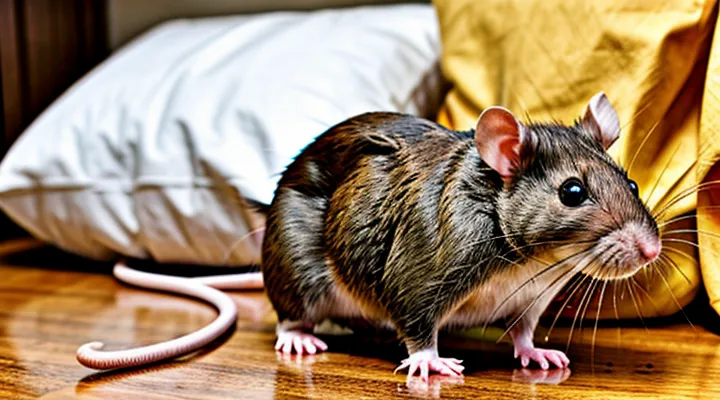
Understanding Rat Health Baselines
Observing Normal Behavior
Activity Levels
Rats normally exhibit constant exploration, rapid climbing, and frequent grooming. A noticeable decline in these behaviors often signals health problems. When a rat becomes lethargic, spends extended periods motionless, or avoids typical activities such as running on a wheel, the reduction in activity level warrants immediate attention.
Key observations include:
- Decreased locomotion: slower movement across the cage, reluctance to climb or tunnel.
- Reduced grooming: fewer bouts of fur cleaning, leading to a dull coat.
- Altered feeding patterns: less time spent at the food hopper, prolonged pauses between meals.
- Social withdrawal: avoidance of interaction with cage mates, isolation in corners.
Monitoring these parameters daily provides an early warning system. Consistent documentation of activity trends enables rapid identification of deviations from the rat’s baseline, facilitating prompt veterinary evaluation.
Social Interaction
Social interaction provides a reliable early indicator of health problems in laboratory and pet rats. Healthy rats engage in regular grooming, play, and hierarchical behaviors; deviations often signal underlying disease. Reduced grooming, withdrawal from group activities, or increased aggression can appear before overt physiological symptoms.
Observing group dynamics yields specific warning signs:
- Decline in mutual grooming frequency
- Isolation of an individual from the colony
- Excessive biting or defensive posture toward familiar cage mates
- Loss of interest in nesting material or communal feeding stations
These behavioral changes correlate with common rodent ailments such as respiratory infections, gastrointestinal distress, and metabolic disorders. Monitoring social patterns alongside physical examinations enhances diagnostic accuracy and allows timely intervention.
Eating and Drinking Habits
Observing a rat’s food and water intake provides immediate clues about its health status. A sudden decrease in consumption often precedes visible symptoms, while excessive drinking can indicate metabolic or renal disturbances. Regular monitoring establishes a baseline, making deviations easier to detect.
Key indicators related to nutrition and hydration include:
- Reduced appetite or complete refusal of food for more than 24 hours
- Preference for soft or watery foods instead of standard pellets
- Rapid weight loss measured against a known growth curve
- Increased water intake exceeding normal daily volume (polydipsia)
- Dehydrated appearance: sunken eyes, tacky skin, or reduced skin elasticity
- Presence of blood or mucus in urine or droppings, suggesting gastrointestinal irritation
When any of these patterns emerge, prompt veterinary evaluation is warranted. Early intervention based on altered eating and drinking behavior can prevent progression of underlying disease and improve recovery prospects.
Grooming Patterns
Observing a rat’s grooming behavior provides a reliable indicator of its health status. Healthy rodents maintain a consistent, methodical grooming routine that includes regular cleaning of the fur, whiskers, and paws. Any deviation from this pattern warrants immediate attention.
Typical signs of illness manifested through grooming include:
- Reduced grooming frequency – the animal spends noticeably less time cleaning its coat, resulting in a dull, matted appearance.
- Excessive grooming – repetitive licking or scratching of a specific area, often leading to hair loss or skin lesions.
- Abnormal posture during grooming – hunching, trembling, or inability to reach certain body parts.
- Unusual odors – a stale or foul smell emanating from the fur, suggesting infection or metabolic disorder.
- Visible debris or blood – presence of fecal material, pus, or blood in the fur indicates gastrointestinal or dermatological problems.
When these symptoms appear, correlate them with other clinical observations such as changes in appetite, activity level, and weight. Prompt veterinary assessment should follow, as early detection through grooming patterns can prevent disease progression and improve treatment outcomes.
Physical Characteristics of a Healthy Rat
Coat Condition
The condition of a rat’s fur provides immediate insight into its health status. A smooth, glossy coat with evenly spaced hairs indicates adequate nutrition, hydration, and normal metabolic function. Any deviation from this baseline can signal underlying disease.
Typical healthy coat characteristics:
- Uniform color without patches
- Soft texture, free of brittleness
- Absence of bald spots or thinning areas
- Lack of excessive shedding beyond normal molting cycles
Signs of concern include:
- Dull, dry, or rough fur
- Localized hair loss or thinning
- Greasy or oily sheen
- Clumps of matted hair, especially around the tail or hindquarters
- Unusual discoloration, such as yellowing or darkening
When abnormalities appear, take the following steps:
- Observe the rat for additional symptoms (e.g., lethargy, weight loss, respiratory changes).
- Check the environment for factors that may affect coat health, such as low humidity, inadequate diet, or harsh bedding.
- Provide a balanced diet rich in essential fatty acids and vitamins to support skin and fur integrity.
- Consult a veterinarian promptly if the coat condition deteriorates or is accompanied by systemic signs.
Eyes and Nose
Rats display distinct ocular and nasal signs when they are unwell. Clear, bright eyes indicate normal health, while cloudiness, redness, or discharge suggest infection, trauma, or systemic disease. Pupils that remain dilated or constricted without a response to light point to neurological impairment or pain. Swelling around the eyes often accompanies sinusitis or facial injuries.
Nasal observations provide equally valuable clues. A dry, cracked nostril lining may signal dehydration, whereas excessive nasal discharge—especially if thick, colored, or foul‑smelling—signals respiratory infection or allergic reaction. Frequent sneezing or audible breathing difficulties indicate congestion, pneumonia, or upper‑airway obstruction. Nasal ulcerations or crusts can result from aggressive grooming, parasites, or dermatologic conditions.
Key visual indicators to monitor:
- Cloudy or blood‑stained ocular discharge
- Redness or swelling of the eyelids or surrounding tissue
- Abnormal pupil size or lack of light reflex
- Nasal discharge: color, consistency, odor
- Persistent sneezing, wheezing, or audible labored breathing
- Dry, cracked, or ulcerated nasal mucosa
Regular, systematic examination of the eyes and nose enables early detection of disease, facilitates timely veterinary intervention, and improves recovery prospects for laboratory or pet rats.
Ears and Tail
The ears provide a rapid visual cue to a rat’s health status. Normal ear tissue is pink, smooth, and free of crust or excessive wax. Redness, swelling, or ulceration suggests infection or dermatitis. Discharge that is watery, purulent, or foul‑smelling indicates otitis or systemic disease. Rough, dry, or scaly skin on the pinna often reflects nutritional deficiencies or ectoparasite infestation. Any loss of fur around the ear base, especially if accompanied by hair loss elsewhere, may signal hormonal imbalance or chronic stress.
The tail serves as an additional diagnostic surface. A healthy tail appears firm, uniformly pink, and retains a smooth, hairless surface. Palpable cold spots, discoloration, or mottling point to circulatory compromise or peripheral vasoconstriction. Swelling, edema, or thickening of the tail can be a sign of trauma, infection, or subcutaneous abscess. Ulcers, necrotic patches, or excessive scabbing indicate severe local infection or systemic illness such as sepsis. Sudden changes in tail length or curvature, including a bent or twisted tail, often reflect musculoskeletal injury or neurological impairment.
Key visual and tactile indicators for each structure:
- Ears
- Tail
- Firm, pink, hairless surface
- No cold spots, discoloration, or mottling
- No swelling, edema, or thickening
- No ulcers, necrosis, or excessive scabbing
- Normal straight alignment without bends
Regular inspection of ears and tail, combined with gentle palpation, enables early detection of disease processes in rats and supports timely veterinary intervention.
Body Condition
Body condition provides a rapid visual cue to a rat’s health status. A well‑conditioned animal displays a smooth, glossy coat, clear skin over the ribs and spine, and a firm abdomen without excessive fat deposits or swelling.
Normal body condition includes a round, muscular torso, evenly distributed body fat, and ribs that are not readily visible but can be felt with gentle pressure. The tail should be supple, and the hindquarters should have a distinct curvature without protruding bone.
Signs of compromised condition are readily observable:
- Noticeable weight loss or a sharp decline in body mass.
- Prominent ribs, spine, and pelvic bones indicating severe emaciation.
- Dull, patchy, or missing fur, especially around the head, back, and hind limbs.
- Swollen abdomen, suggesting fluid accumulation, organ enlargement, or gastrointestinal blockage.
- Excessive fat covering the abdomen or hindquarters, which may mask underlying issues.
Assessment steps:
- Weigh the rat using a calibrated scale; compare the result to species‑specific weight ranges.
- Palpate the rib cage and spine to determine the depth of underlying tissue.
- Examine the coat for texture, sheen, and uniformity.
- Observe the abdomen for distension, rigidity, or asymmetry.
- Record any changes over time to detect trends.
When any of the listed abnormalities appear, prompt veterinary evaluation is required. Early intervention based on body‑condition assessment can prevent disease progression and improve outcomes.
Common Signs of Illness
Respiratory Issues
Sneezing and Congestion
Sneezing and nasal congestion are primary indicators that a rat’s respiratory system is compromised. Frequent, audible sneezes, especially when accompanied by visible mucus discharge, suggest irritation of the nasal passages or an underlying infection. In healthy rats, occasional sneezes may occur during grooming, but repeated episodes point to a problem that requires attention.
Observe the quality and quantity of nasal secretions. Clear, thin mucus often signals a mild irritation, while thick, yellow‑to‑green discharge indicates bacterial involvement. Nasal flaring, labored breathing, or a tendency to keep the head lowered can accompany congestion and should be documented. In conjunction with sneezing, reduced activity, loss of appetite, or weight loss strengthens the suspicion of a respiratory illness.
Key observations for early detection:
- Sneezing more than two times per hour, consistently over several days.
- Mucus that changes color, becomes viscous, or drips from the nostrils.
- Audible wheezing or clicking sounds during inhalation.
- Pawing at the nose or excessive grooming of the facial area.
- Signs of discomfort such as head shaking or reluctance to explore.
Prompt veterinary evaluation is advisable when multiple signs appear together, as untreated respiratory infections can progress rapidly in small mammals. Early intervention improves recovery prospects and reduces the risk of complications.
Labored Breathing
Labored breathing in rats appears as increased effort to inhale or exhale, often visible as flaring nostrils, pronounced chest movements, or audible wheezing. The animal may adopt a hunched posture, exhibit reduced activity, and show signs of distress such as vocalization or rapid weight loss.
Typical indicators include:
- Rapid, shallow respirations
- Visible abdominal or thoracic muscle contractions
- Audible crackles or wheezes during respiration
- Open‑mouth breathing or extended neck posture
Common causes range from respiratory infections (e.g., Mycoplasma, Streptococcus) and allergic reactions to environmental irritants, to cardiac failure, pulmonary edema, and neoplastic growths. Toxic exposure, such as ammonia or carbon monoxide, can also provoke respiratory distress.
Immediate actions:
- Isolate the affected rat to minimize stress and prevent contagion.
- Provide supplemental oxygen via a flow‑through chamber or mask.
- Keep the environment warm, dry, and free of strong odors.
- Record respiratory rate, depth, and pattern for comparison.
Diagnostic procedures:
- Physical examination focusing on auscultation of lung fields.
- Radiographic imaging to assess lung opacity, fluid accumulation, or masses.
- Hematologic analysis for elevated white‑blood cell counts or specific pathogens.
- Nasal or lung lavage for microbiological culture.
Treatment considerations:
- Antibiotic therapy targeting identified bacterial agents, adjusted for sensitivity.
- Anti‑inflammatory drugs to reduce airway swelling, administered under veterinary guidance.
- Diuretics for pulmonary edema, with careful monitoring of fluid balance.
- Supportive care, including nutrition and hydration, to maintain body condition during recovery.
«Porphyrin Staining» Around Eyes and Nose
Porphyrin staining appears as reddish‑brown discoloration of the fur surrounding the eyes and nose. The pigment originates from the tear and nasal secretions of rats and is visible when the animal produces excessive tears or nasal discharge.
The stain is most intense on the whisker pads, the medial canthi, and the rostral part of the nose. Fresh staining is glossy and dark; as it dries, it becomes matte and may spread to adjacent fur.
Typical triggers include:
- Acute stress or handling trauma
- Ocular irritation such as conjunctivitis, corneal ulceration, or foreign bodies
- Upper respiratory infections causing nasal discharge
- Systemic illness that induces excessive lacrimation (e.g., renal failure, lymphoma)
Distinguishing pathological staining from normal grooming requires observation of the following signs:
- Persistent or increasing intensity over several days
- Accompanying signs: sneezing, nasal crusting, swelling, or reduced activity
- Asymmetry or unilateral concentration, suggesting localized injury
When porphyrin staining persists or is coupled with other clinical signs, immediate veterinary evaluation is warranted. Diagnostic steps generally involve:
- Physical examination of the eyes and nasal passages
- Microscopic analysis of secretions for bacterial or viral agents
- Blood work to assess organ function and detect systemic disease
Prompt treatment of the underlying cause—antibiotics for infection, anti‑inflammatory medication for irritation, or supportive care for systemic disorders—reduces staining and prevents further health deterioration. Continuous monitoring of the stain’s progression provides a reliable indicator of the rat’s recovery or the need for additional intervention.
Lethargy and Lack of Appetite
Lethargy and loss of appetite are primary indicators that a rat’s health is compromised. A rat exhibiting reduced activity will spend most of the day motionless, avoid climbing, and show little interest in familiar toys or environments. Concurrently, a decrease in food and water consumption signals metabolic distress; the animal may ignore the feeder, leave food untouched for extended periods, or drink only sporadically.
Key observations:
- Behavioral changes: prolonged inactivity, reluctance to explore, diminished grooming.
- Feeding patterns: reduced bite size, skipped meals, minimal water intake.
- Physical signs: weight loss, flattened abdomen, dull coat, possible respiratory sounds if illness progresses.
When these symptoms appear, immediate steps are essential:
- Isolate the affected rat to prevent potential spread.
- Offer soft, easily digestible foods (e.g., soaked pellets, plain oatmeal) and fresh water within reach.
- Monitor temperature and weight daily; record any further decline.
- Contact a veterinarian experienced with rodents, providing details of behavior, diet, and environmental conditions.
Prompt recognition of lethargy combined with anorexia enables timely intervention, improving the likelihood of recovery and reducing the risk of severe complications.
Skin and Coat Problems
Hair Loss and Balding
Hair loss in rats often signals health problems and should be evaluated promptly. Observe the pattern of alopecia: localized patches, symmetrical thinning, or complete baldness indicate different underlying issues.
Typical causes include:
- Parasites such as mites or fleas that irritate the skin and trigger scratching.
- Nutritional deficiencies, particularly lack of essential fatty acids, protein, or vitamins.
- Hormonal imbalances, for example, thyroid disorders that affect coat quality.
- Stress‑induced over‑grooming, manifested by excessive licking or biting of fur.
- Dermatologic infections caused by bacteria or fungi, which may produce crusts or scabs alongside hair loss.
When assessing a rat, perform a systematic examination:
- Check the skin for redness, scaling, or lesions.
- Feel for warmth or swelling that could indicate inflammation.
- Review the animal’s diet and recent changes in feeding regimen.
- Note any behavioral signs such as increased grooming, lethargy, or weight loss.
- Collect a sample of fur or skin scrapings for microscopic analysis if parasites or infection are suspected.
Treatment depends on the identified cause. Antiparasitic medication resolves mite or flea infestations; dietary adjustments restore nutritional balance; hormone therapy addresses endocrine disorders; antimicrobial agents are required for bacterial or fungal infections. Reducing environmental stressors—providing enrichment, stable temperature, and adequate bedding—helps prevent self‑induced alopecia.
Regular monitoring of coat condition, combined with prompt veterinary consultation, improves early detection of systemic disease in rats.
Scabs and Wounds
Scabs and wounds are immediate visual cues that a rat may be experiencing health problems. Their presence often signals trauma, skin infection, or underlying systemic disease, making prompt evaluation essential for accurate diagnosis.
When inspecting a rat, note the size, shape, and location of any crusted area or open lesion. A fresh, moist wound typically appears pink with slight bleeding, while an older scab is dry, darkened, and may detach easily. Observe surrounding tissue for redness, swelling, or discharge, which can indicate secondary infection.
Key indicators of infection include:
- Redness extending beyond the wound margin
- Swelling or heat in the affected area
- Purulent or foul‑smelling discharge
- Excessive licking or scratching by the animal
- Behavioral changes such as lethargy or loss of appetite
If any of these signs are present, initiate wound care immediately. Clean the area with a sterile saline solution, remove loose crust carefully, and apply a veterinarian‑approved topical antiseptic. Avoid human antibiotics or ointments unless prescribed, as they may be toxic to rodents. Monitor the rat daily; improvement should be evident within 24–48 hours. Persistent inflammation, spreading lesions, or systemic signs (e.g., fever, weight loss) require veterinary consultation without delay.
Lumps and Bumps
Lumps and bumps are among the most visible signs that a rat may be experiencing a health problem. Early detection relies on careful observation of the animal’s body surface during routine handling.
When a growth is noticed, note the following characteristics:
- Size: measure the greatest dimension; rapid enlargement often indicates inflammation or neoplasia.
- Consistency: firm, rubbery, or fluctuant texture helps differentiate between solid masses and fluid‑filled cysts.
- Location: subcutaneous, abdominal, or on the limbs; certain areas are more prone to specific conditions.
- Change over time: stable lumps may be benign, while those that increase in size, become painful, or ulcerate require immediate veterinary assessment.
Common causes include:
- Abscesses resulting from bite wounds or foreign bodies, typically warm, painful, and may discharge pus.
- Subcutaneous tumors such as fibrosarcomas or mast cell tumors, which are usually firm and may be fixed to underlying tissues.
- Cysts formed from blocked sebaceous glands, generally smooth and non‑painful but capable of enlarging.
- Hernias, identifiable by a bulge that enlarges with increased intra‑abdominal pressure and may be reducible.
If a lump meets any of the concerning criteria—rapid growth, pain, irregular texture, or ulceration—schedule a veterinary examination without delay. Diagnostic steps commonly employed are:
- Palpation under sedation to assess depth and mobility.
- Fine‑needle aspiration or core biopsy for cytological or histopathological analysis.
- Imaging studies (ultrasound or radiography) to evaluate internal involvement.
- Blood work to detect systemic inflammation or organ dysfunction.
Management depends on diagnosis. Abscesses may require drainage and antibiotics; tumors often need surgical excision, possibly followed by chemotherapy; cysts can be removed or left untreated if asymptomatic. Regular health checks, maintaining a clean cage environment, and prompt treatment of injuries reduce the likelihood of developing problematic masses.
Consistent monitoring of the rat’s exterior condition, combined with swift veterinary intervention when abnormalities arise, forms a reliable strategy for maintaining the animal’s overall wellbeing.
Excessive Scratching
Excessive scratching in a rat often signals an underlying health issue. The behavior appears as repeated, vigorous pawing at the skin or fur, sometimes accompanied by hair loss, redness, or scabs. Observation of the frequency, intensity, and location of the scratching provides the first clue that the animal is experiencing discomfort.
Typical presentation includes:
- Continuous or intermittent pawing that disrupts normal activity
- Visible lesions such as alopecia, crusts, or ulcerations
- Secondary signs like weight loss or lethargy when the problem is severe
Common causes fall into three categories:
- Parasites – mites (e.g., Myobia), lice, or fleas generate intense irritation.
- Dermatological conditions – fungal infections (dermatophytosis), bacterial dermatitis, or allergic reactions to bedding, food, or environmental contaminants.
- Systemic disorders – liver disease, renal insufficiency, or hormonal imbalances can produce pruritus as a secondary symptom.
Diagnostic steps should proceed methodically:
- Perform a thorough physical exam, noting lesion pattern and any accompanying systemic signs.
- Collect skin scrapings for microscopic examination to identify mites or fungal elements.
- Conduct a bacterial culture from open wounds when infection is suspected.
- Run basic blood chemistry to assess liver and kidney function, and consider a complete blood count for signs of inflammation or allergy.
Management focuses on eliminating the primary cause and alleviating discomfort. Parasite infestations require appropriate acaricides or insecticides applied according to veterinary guidelines. Dermatological infections respond to antifungal or antibacterial agents, often combined with topical soothing preparations. If systemic disease is identified, treat the underlying organ dysfunction while providing analgesics or antihistamines to reduce itching. Environmental adjustments—clean bedding, hypoallergenic feed, and reduced humidity—help prevent recurrence. Continuous monitoring of scratching behavior ensures that treatment remains effective and that any new issues are detected promptly.
Digestive Upset
Diarrhea or Constipation
Diarrhea and constipation are the most apparent gastrointestinal disturbances in pet rats and laboratory subjects. Both conditions alter stool consistency, frequency, and appearance, providing clear visual cues for early detection of health problems.
- Watery, unformed feces indicate diarrhea; the stool may contain mucus, blood, or a foul odor.
- Small, hard, dry pellets suggest constipation; the animal may strain when attempting to defecate or produce little to no waste for several days.
Additional signs accompany these primary symptoms. Diarrhea often coincides with dehydration, lethargy, and a rapid weight loss. Constipation may be accompanied by a swollen abdomen, reduced appetite, and visible discomfort when the rat sits or moves.
Prompt intervention reduces the risk of severe complications. For diarrhea, assess hydration status, provide electrolyte solutions, and isolate the rat to prevent pathogen spread. For constipation, increase dietary fiber, ensure constant access to fresh water, and consider gentle abdominal massage or a veterinary-prescribed laxative.
Monitoring stool patterns daily enables swift identification of deviations from normal output and supports timely veterinary care.
Weight Loss
Weight loss in a rat often signals an underlying health problem. A sudden or progressive decline in body mass indicates that the animal is not absorbing nutrients, is experiencing metabolic stress, or is coping with a systemic disease. Monitor daily weight; a loss of more than 5 % within a week warrants immediate veterinary assessment.
Typical patterns associated with pathological weight loss include:
- Decrease in food intake or difficulty chewing.
- Visible reduction of muscle tone and abdominal fat.
- Lethargy concurrent with reduced grooming behavior.
- Presence of diarrhea or vomiting, which can exacerbate fluid and nutrient loss.
When weight loss is observed, verify that the rat’s diet remains balanced, assess for signs of infection, respiratory distress, or organ dysfunction, and record measurements to track progression. Prompt diagnostic testing—such as blood panels, fecal examinations, and imaging—helps identify the cause and guides appropriate treatment.
Abdominal Swelling
Abdominal swelling in a rat signals a potential health problem that requires prompt attention. Visible distension may be subtle; feel the abdomen gently for firmness or fluid accumulation. Changes in size often accompany reduced activity, loss of appetite, or altered grooming behavior.
Common causes include:
- Tumors of the reproductive or gastrointestinal tract
- Fluid buildup from liver or kidney failure
- Severe constipation or intestinal blockage
- Infection or inflammation of the abdominal cavity (peritonitis)
To assess the condition, follow these steps:
- Observe the rat for signs of pain, such as hunching, vocalization, or reluctance to move.
- Palpate the abdomen carefully, noting any hard masses or areas of tenderness.
- Record weight fluctuations; rapid gain may indicate fluid, while loss suggests wasting.
- Contact a veterinarian for imaging (ultrasound or X‑ray) and laboratory tests to identify the underlying pathology.
Immediate veterinary consultation is advisable if swelling progresses quickly, the rat shows respiratory distress, or any signs of severe discomfort appear. Early diagnosis improves the likelihood of effective treatment and recovery.
Vomiting (Rare in Rats)
Vomiting is uncommon in rats; when it occurs, it often signals a serious underlying problem. Observe the following indicators:
- Repeated attempts to expel material from the mouth, sometimes accompanied by a metallic taste.
- Unusual drooling or frothy saliva.
- Loss of appetite and weight despite normal food availability.
- Lethargy, tremors, or abnormal posture after the episode.
Typical causes include:
- Gastrointestinal obstruction from foreign objects or tumor growth.
- Severe infection affecting the stomach or intestines.
- Toxic ingestion of chemicals, plants, or contaminated food.
- Metabolic disturbances such as electrolyte imbalance.
Immediate actions:
- Isolate the affected rat to prevent stress and potential spread of disease.
- Record the time, frequency, and appearance of the vomitus for veterinary assessment.
- Provide fresh water in small, frequent amounts; avoid forcing food until a professional evaluates the situation.
- Contact a veterinarian promptly, describing all observed symptoms and recent changes in diet, environment, or behavior.
Early detection and swift veterinary intervention improve the likelihood of recovery, as vomiting in rats rarely resolves without treatment.
Musculoskeletal and Neurological Signs
Limping or Difficulty Moving
Limping or difficulty moving signals a potential health problem in a rat. The symptom appears as uneven gait, reluctance to use a limb, or reduced activity. Observation should focus on the animal’s stance, the symmetry of steps, and any hesitation when climbing or exploring.
Key indicators include:
- Favoring one side while walking or standing
- Dragging or holding a paw close to the body
- Sudden or gradual reduction in speed or distance traveled
- Audible squeaking or whimpering when the limb is touched
Possible underlying causes are:
- Traumatic injury (fracture, sprain, bruising)
- Localized infection or abscess
- Arthritis or degenerative joint disease
- Neurological impairment (nerve damage, spinal issues)
- Metabolic disorders affecting muscle strength
Immediate actions:
- Separate the affected rat to prevent competition and stress.
- Conduct a gentle visual inspection for swelling, redness, or wounds.
- Palpate the limb to locate tenderness; note any discharge.
- Record the frequency and duration of the abnormal gait.
- If the limp persists beyond 24 hours, worsens, or is accompanied by other symptoms (loss of appetite, weight loss, respiratory distress), seek veterinary evaluation promptly.
Early detection of locomotor difficulties allows timely intervention, reducing the risk of complications and supporting recovery.
Head Tilt
Head tilt, or vestibular dysfunction, presents as an abnormal, persistent head deviation toward one side. The sign often appears suddenly and may be accompanied by circling, loss of balance, or abnormal gait. Recognizing this symptom is essential for early intervention in rodent health assessments.
Common causes include inner‑ear infections, ototoxic drug exposure, traumatic injury, neoplasia affecting the vestibular nuclei, and metabolic disorders such as hypoglycemia or hepatic encephalopathy. Parasites (e.g., Trichosporon spp.) and vitamin deficiencies can also produce vestibular signs.
When a rat exhibits head tilt, follow these steps:
- Observe duration and severity of the tilt; note any concurrent nystagmus, ataxia, or abnormal posture.
- Conduct a physical examination of the ears for discharge, swelling, or debris.
- Perform otoscopic inspection to identify inflammation, foreign bodies, or masses.
- Run basic blood work (CBC, chemistry panel) to detect systemic disease.
- Consider imaging (radiography, CT, or MRI) if neoplasia or structural lesions are suspected.
- Initiate appropriate therapy based on identified cause: antimicrobial agents for bacterial otitis, anti‑inflammatory medication for trauma, vitamin supplementation for deficiencies, or surgical intervention for tumors.
Prompt documentation of head tilt and systematic evaluation improve prognosis and guide targeted treatment in affected rats.
Loss of Balance or Coordination
Rats suffering from neurological impairment often display a noticeable decline in balance and coordination. Common manifestations include frequent falling, inability to navigate familiar obstacles, and a wobbling gait when moving across a flat surface. These signs may appear suddenly or progress gradually, depending on the underlying condition.
Observable behaviors that indicate loss of coordination:
- Repeatedly slipping or sliding while climbing or descending cages.
- Inconsistent foot placement, such as dragging one hind limb or staggered steps.
- Difficulty maintaining posture on narrow perches or during suspension.
- Unsteady climbing, with frequent pauses or back‑pedaling.
When these symptoms are present, immediate veterinary assessment is advised to determine the cause, which may range from inner‑ear infections and toxin exposure to traumatic brain injury or degenerative disease. Early detection improves the likelihood of successful intervention and recovery.
Seizures or Tremors
Seizures and tremors are immediate indicators of neurological distress in rodents. Observable signs include sudden, rhythmic muscle contractions, loss of balance, and repetitive shaking of the limbs or body. Episodes may last from a few seconds to several minutes, often followed by a period of confusion or lethargy.
Key characteristics to monitor:
- Clonic movements – rapid, jerky motions of the paws, tail, or whiskers.
- Tonic rigidity – sustained muscle stiffness that can cause the rat to fall on its side.
- Facial twitching – brief, involuntary contractions around the eyes or mouth.
- Loss of posture – inability to maintain upright stance, leading to collapse.
- Post‑episode behavior – disorientation, decreased activity, or excessive sleeping.
When seizures occur, the rat may emit a high‑pitched vocalization or display drooling. Tremors often present as continuous, low‑amplitude shaking without loss of consciousness. Distinguishing between the two helps determine whether the cause is epileptic, metabolic, or toxic.
Prompt veterinary assessment is essential. Record the frequency, duration, and context of each episode, and note any recent changes in diet, environment, or exposure to chemicals. This information enables accurate diagnosis and appropriate treatment.
Dental Problems
Overgrown Teeth
Overgrown incisors are a common indicator of dental disease in laboratory and pet rats. The condition arises when the continuously growing teeth fail to wear down, leading to excessive length.
Typical manifestations include:
- Visible elongation of the front teeth, often curling outward or upward.
- Difficulty chewing, resulting in reduced food intake and weight loss.
- Excessive drooling or saliva accumulation around the mouth.
- Facial swelling or abscess formation near the incisors.
- Behavioral changes such as reduced activity or increased grooming of the mouth area.
If left untreated, overgrown teeth can cause malocclusion, oral ulceration, and secondary infections that may progress to systemic illness. Early detection relies on regular visual inspection of the oral cavity and monitoring of feeding behavior.
Diagnostic steps:
- Perform a gentle oral examination using a flashlight and a small speculum.
- Measure tooth length against a calibrated ruler or compare to a reference photograph.
- Assess for signs of inflammation, discharge, or tissue damage.
- If uncertainty remains, obtain a radiograph to evaluate root structure and underlying bone health.
Therapeutic measures:
- Trim the incisors under anesthesia using a high‑speed dental bur or specialized rodent dental scissors.
- Apply a topical antiseptic to the trimmed edges to prevent infection.
- Provide soft, easily chewable foods for several days post‑procedure.
- Schedule follow‑up examinations weekly until normal tooth wear resumes.
Preventive practices:
- Offer a diet rich in fiber and hard pellets that promote natural grinding.
- Include wooden chew toys or branches to encourage regular tooth abrasion.
- Conduct monthly oral checks as part of routine health assessments.
Drooling
Drooling in rats signals a potential health problem and should be evaluated promptly. Normal saliva is minimal; excessive moisture indicates an underlying issue.
Common causes include dental malocclusion, oral infections, neurological disorders, and exposure to toxins. Dental problems often produce uneven tooth growth, leading to difficulty chewing and increased salivation. Oral infections such as gingivitis or abscesses generate inflammation that stimulates saliva production. Neurological conditions, for example seizures or vestibular disease, disrupt normal swallowing control, resulting in drooling. Toxic ingestion, particularly of substances that irritate the mucosa, can also cause rapid salivation.
When drooling appears, assess the following factors:
- Consistency of saliva (watery vs. thick)
- Presence of blood or pus
- Accompanying signs: difficulty eating, weight loss, lethargy, facial twitching, or nasal discharge
- Duration and frequency of episodes
- Environmental changes, such as new bedding or cleaning agents
If drooling persists for more than a few hours, is accompanied by additional symptoms, or interferes with food intake, veterinary consultation is required. Immediate actions include isolating the rat, providing soft, easily chewable food, and monitoring temperature and hydration status. Early detection and treatment of the underlying cause improve prognosis and reduce the risk of complications.
Difficulty Eating
Difficulty eating signals potential health problems in rats. Monitor food intake daily; a reduction of 20 % or more warrants attention. Observe the animal’s posture while feeding; hunched back, drooping head, or reluctance to approach the bowl may indicate pain or oral discomfort.
Key observations include:
- Reduced consumption: fewer bites, slower chewing, or complete avoidance of food.
- Changes in food type preference: shift from solid pellets to softened or liquid diets.
- Visible oral lesions: swelling, ulceration, or discharge around the mouth.
- Weight loss: measurable decline on a calibrated scale over one to two weeks.
- Behavioral signs: increased grooming of the face, irritability, or lethargy.
Common causes of eating difficulty are dental overgrowth, dental malocclusion, oral infections, gastrointestinal obstruction, and systemic illnesses such as respiratory infections or metabolic disorders. Dental problems often produce sharp, uneven incisors that hinder bite efficiency; examine teeth for length and alignment. Gastrointestinal blockage may present with a distended abdomen and lack of fecal output; palpation can reveal rigidity.
Assessment steps:
- Record daily food intake and body weight.
- Conduct a visual inspection of the mouth with a bright light and magnification.
- Perform gentle palpation of the abdomen for tenderness or masses.
- If abnormalities persist for 24–48 hours, consult a veterinarian for radiography or endoscopic examination.
Prompt intervention—adjusting diet texture, providing dental trimming, or initiating medical treatment—prevents further deterioration and supports recovery. Regular health checks incorporate these observations, ensuring early detection of feeding difficulties and associated illnesses.
Weight Loss
Weight loss in laboratory or pet rats often signals underlying disease. A decrease of 5–10 % of body mass within one week, or any consistent decline over several days, should trigger immediate evaluation.
- Measurement: Use a calibrated digital scale; record weight at the same time each day, preferably before feeding. Compare to baseline values obtained during the first two weeks of life.
- Thresholds:
- Accompanying signs: Dull coat, reduced activity, hunched posture, abdominal distension, and changes in drinking or eating patterns often accompany rapid weight reduction.
- Potential causes: Gastrointestinal parasites, respiratory infections, neoplasia, metabolic disorders, or chronic stress. Each condition may produce distinct patterns; for example, parasitic infestations commonly cause gradual loss with watery stools, while tumor growth may produce abrupt decline with palpable masses.
- Intervention steps:
- Verify scale accuracy and weigh again to exclude handling errors.
- Offer high‑calorie supplement (e.g., Nutri‑Gel) and monitor intake.
- Collect feces for parasite screening; perform a complete blood count and serum chemistry.
- If no improvement within 48 h, consult a veterinarian for imaging and targeted therapy.
Consistent documentation of weight trends, coupled with prompt assessment of related clinical signs, enables early detection of illness and improves prognosis for affected rats.
When to Seek Veterinary Care
Urgent Symptoms Requiring Immediate Attention
Severe Bleeding
Severe bleeding in a rat is a critical indicator of underlying pathology and requires immediate attention. Visible blood loss may appear as fresh red fluid on the fur, paws, tail, or around the mouth. Look for the following signs:
- Continuous dripping or pooling of blood on bedding.
- Pale or grayish mucous membranes, especially around the eyes and nose.
- Rapid, shallow breathing and weak pulse.
- Lethargy, inability to move, or collapse.
- Unexplained bruising or swelling at injury sites.
Internal hemorrhage may present without external blood. Observe for abdominal distension, sudden weight loss, or signs of shock such as cold extremities and reduced responsiveness. Laboratory evaluation, including hematocrit and clotting profiles, confirms the extent of blood loss. Prompt veterinary intervention, fluid therapy, and hemostatic treatment are essential to prevent fatal outcomes.
Difficulty Breathing
Difficulty breathing in a rat signals a serious health issue and requires immediate observation. Typical signs include rapid, shallow breaths; audible wheezing or clicking noises; nostril flaring; hunched posture; reduced activity; and a pale or bluish tongue and gums. In severe cases the rat may pause between breaths or adopt a prone position to ease airflow.
Possible causes range from respiratory infections such as Mycoplasma pulmonis, allergic reactions, and nasal tumors to environmental factors like poor ventilation, high humidity, or exposure to smoke. Congestive heart failure and metabolic disorders can also manifest as labored respiration.
When difficulty breathing is detected, follow these steps:
- Isolate the rat in a quiet, warm area to reduce stress.
- Measure respiratory rate for one minute; normal adult rats breathe 70‑115 breaths per minute at rest.
- Examine nasal passages for discharge or obstruction.
- Check temperature; hypothermia may accompany respiratory distress.
- Contact a veterinarian promptly; provide details of observed symptoms, recent environmental changes, and any medication history.
Early detection and swift veterinary intervention improve prognosis and reduce the risk of fatal complications.
Collapse or Unconsciousness
Rapid identification of a rat that has collapsed or become unconscious is essential for timely intervention. A rat in this state may appear limp, fail to respond to gentle stimulation, or lie motionless with a flattened body. Respiratory effort can become shallow or irregular, and the ears may appear pale or bluish. The animal often loses normal posture, with the head drooping and limbs extended or tucked under the body.
Typical indicators include:
- Lack of movement when the cage is gently tapped
- Absence of vocalization or squeaking
- Unresponsive pupils that remain fixed or dilated
- Cool, moist fur on the ventral surface
- Weak or absent pulse detectable at the femoral artery
First‑aid assessment should begin with a brief, gentle tactile stimulus to confirm unresponsiveness. If the rat does not react, check breathing by observing chest movement and listening for airflow. Place the animal on a warm, insulated surface and maintain a clear airway; avoid forcing the mouth open. If breathing is shallow or absent, administer small, controlled breaths using a syringe with a fine needle, taking care not to over‑inflate the lungs. Monitor heart rate by palpating the femoral pulse for at least 30 seconds.
Common causes of collapse encompass hypoglycemia, severe dehydration, traumatic injury, toxic exposure, or acute infections such as respiratory or gastrointestinal disease. Persistent unconsciousness, prolonged apnea, or failure to recover after basic supportive measures warrants immediate veterinary attention. Prompt professional evaluation improves prognosis and reduces the risk of irreversible damage.
Sudden Paralysis
Sudden paralysis in a rat manifests as rapid loss of muscle control, typically affecting one or more limbs. The animal may be unable to stand, exhibit limp or flaccid extremities, and show reduced response to tactile stimulation on the affected side.
Key clinical signs:
- Immediate inability to walk or climb
- Drooping or hanging limbs
- Absence of reflexes when the paw is pinched
- Unchanged mental alertness; eyes remain bright and responsive
Common causes include:
- Traumatic injury to the spinal cord or peripheral nerves
- Acute toxic exposure (e.g., rodenticide, heavy metals)
- Vascular events such as spinal hemorrhage or infarction
- Infectious agents causing rapid neurodegeneration (e.g., herpesvirus, Listeria)
Diagnostic approach:
- Perform a thorough physical examination, noting limb position, reflexes, and pain response.
- Obtain a detailed history of recent handling, environmental changes, and potential toxin contact.
- Conduct radiographic imaging of the spine to identify fractures or lesions.
- If imaging is inconclusive, pursue magnetic resonance imaging or computed tomography for soft‑tissue assessment.
- Collect blood and cerebrospinal fluid samples for toxicology panels, complete blood count, and pathogen screening.
Immediate management steps:
- Isolate the rat to prevent stress and secondary injury.
- Provide supportive care: maintain body temperature, ensure hydration, and administer analgesics as needed.
- Initiate emergency treatment based on identified cause (e.g., chelation therapy for heavy‑metal poisoning, antitoxin administration for rodenticide exposure).
- Consult a veterinarian experienced in small‑animal neurology for advanced interventions, including possible surgical decompression.
Preparing for a Vet Visit
Documenting Symptoms
Accurate symptom documentation forms the backbone of any effort to identify health issues in a rat. Begin each observation session by recording the date, time, and environmental conditions such as temperature and cage hygiene. Note the rat’s baseline behavior—activity level, grooming habits, and interaction with conspecifics—so deviations become evident.
Observe and log physical signs with precise terminology:
- Respiratory changes: rate, effort, audible wheezes or sneezes.
- Gastrointestinal signs: stool consistency, frequency, presence of blood or mucus.
- Dermatological observations: fur condition, lesions, swelling, or discoloration.
- Neurological indicators: tremors, ataxia, seizures, or altered reflexes.
- Appetite and water intake: quantity consumed, refusal patterns, and changes in feeding behavior.
For each symptom, record:
- Onset (exact time or approximate period).
- Duration (continuous, intermittent, or resolved).
- Severity (mild, moderate, severe) using a consistent scale.
- Contextual factors (stressors, recent handling, diet changes).
Maintain a dedicated logbook or digital spreadsheet with separate columns for each data point. Ensure entries are legible, dated, and signed by the observer. Regularly review the compiled data to detect trends, correlate multiple symptoms, and inform veterinary consultation. Consistent, detailed records accelerate diagnosis and improve treatment outcomes for the affected rodent.
Transporting Your Rat Safely
When a rat shows signs of disease, moving the animal to a veterinary clinic or a quarantine area must be done without adding stress. Use a hard‑shelled carrier that locks securely, fits the rat comfortably, and allows ventilation. Line the bottom with a clean, absorbent towel to prevent slipping and to absorb any fluids.
- Select a carrier sized for the rat’s body length plus at least two inches of extra space.
- Ensure the carrier’s latch engages smoothly; test it before loading the rat.
- Place a small water bottle with a leak‑proof tip inside; remove if the animal is nauseated.
- Keep the carrier upright; avoid tilting that could cause the rat to slide.
Before transport, inspect the rat for injuries, bleeding, or discharge. If wounds are present, apply a sterile gauze pad and gentle pressure to control bleeding. Record temperature, respiration rate, and any abnormal behavior; communicate these details to the veterinarian.
During travel, maintain ambient temperature between 68–75 °F (20–24 °C). Shield the carrier from direct sunlight, drafts, and sudden temperature shifts. Do not handle the rat directly; use gloved hands or a soft brush to guide it into the carrier, minimizing the risk of bites.
After arrival, place the carrier in a quiet, low‑light area while the veterinarian examines the rat. Clean the carrier with a mild disinfectant after each use to prevent cross‑contamination.
Questions to Ask Your Veterinarian
When a rat shows signs of distress, clear communication with the veterinarian determines the speed and accuracy of diagnosis. Prepare specific questions to maximize the appointment’s effectiveness.
- What symptoms should I consider urgent and require immediate attention?
- Which physical examinations will you perform to assess organ function?
- What laboratory tests (blood work, fecal analysis, imaging) are indicated for the observed signs?
- How do you differentiate between common infections, metabolic disorders, and neoplastic conditions in rodents?
- What treatment options are available, and what are the expected outcomes for each?
- Are there any medications that can be safely administered at home, and what dosage guidelines apply?
- What dietary or environmental changes can support recovery and prevent recurrence?
- How frequently should follow‑up visits be scheduled, and what indicators will signal improvement or deterioration?
- What signs of relapse or complications should prompt a call to the clinic?
Understanding the veterinarian’s diagnostic plan and recommended interventions enables timely care and reduces the risk of severe disease progression. Document the answers, ask for clarification when needed, and follow the prescribed monitoring schedule to ensure the rat’s health stabilizes.