
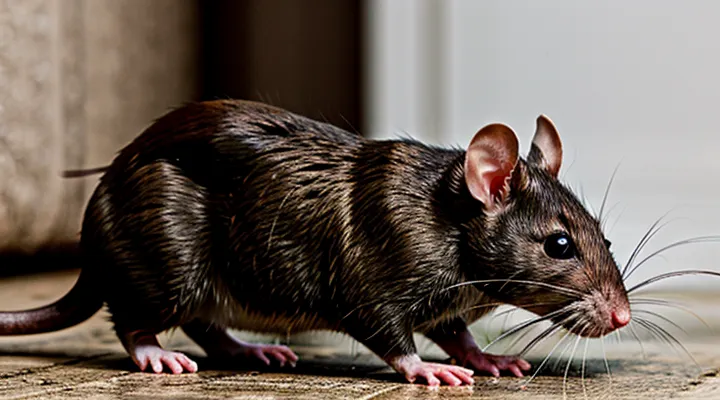
Observing General Behavior and Appearance
Changes in Activity Levels
Lethargy or Decreased Movement
Lethargy, expressed as reduced activity, diminished response to stimuli, or prolonged periods of stillness, is a primary indicator that a rat may be experiencing illness. The sign is often the first observable deviation from normal behavior and warrants immediate attention.
Typical manifestations include:
- Decreased exploration of the cage or environment.
- Reluctance to climb, chew, or engage with enrichment items.
- Extended periods of lying flat on the belly or side.
- Slow or absent reaction to handling or gentle prodding.
- Reduced intake of food and water, sometimes accompanied by weight loss.
Underlying causes span infectious agents (bacterial, viral, parasitic), metabolic disturbances (hypoglycemia, electrolyte imbalance), organ dysfunction (hepatic, renal), and environmental stressors (temperature extremes, poor ventilation). Chronic conditions such as neoplasia may also present initially with generalized inactivity.
Assessment should proceed as follows:
- Observe the rat for at least 15 minutes in a quiet setting, noting posture, response to touch, and willingness to move.
- Record food and water consumption over the preceding 24 hours.
- Measure body weight and compare to baseline records.
- Conduct a brief physical examination: check for nasal or ocular discharge, abdominal distension, and palpate for pain.
- If any abnormality is detected, collect a fecal sample and consider a complete blood count and serum chemistry panel.
Prompt intervention may involve:
- Providing easily accessible, high‑calorie nutrition (e.g., softened pellets, fruit puree).
- Maintaining ambient temperature within the species‑specific comfort range.
- Isolating the animal to reduce stress and prevent potential transmission.
- Initiating veterinary consultation for diagnostic testing and targeted therapy.
Persistent lethargy despite supportive measures signals the need for urgent professional evaluation to prevent progression to severe disease.
Hyperactivity or Restlessness
Hyperactivity and restlessness frequently signal underlying health problems in laboratory or pet rats. Sudden increases in locomotor activity, repetitive pacing, or constant agitation often precede or accompany disease processes.
Typical manifestations include:
- Continuous running on wheels or cage bars without normal rest periods
- Repetitive circling or back‑and‑forth movements
- Inability to settle even when food and water are available
- Frequent grooming or chewing of cage components beyond normal levels
- Heightened response to minor stimuli, such as light touches or sounds
Common physiological sources of this behavior are:
- Pain from musculoskeletal injury or dental overgrowth
- Neurological disturbances such as seizures, encephalitis, or peripheral neuropathy
- Metabolic imbalances, notably hypoglycemia or electrolyte disorders
- Infectious agents that provoke fever or inflammation, for example, respiratory pathogens or bacterial sepsis
- Toxic exposure to chemicals, heavy metals, or contaminated feed
Effective observation requires systematic recording:
- Note the time of day, duration, and intensity of restless episodes
- Compare activity levels with baseline behavior established during a healthy period
- Assess environmental factors (temperature, lighting, cage enrichment) to rule out external stressors
- Perform a brief physical exam focusing on posture, gait, and signs of discomfort
When hyperactivity persists for more than a few hours or escalates rapidly, immediate veterinary evaluation is warranted. Diagnostic steps may include:
- Full blood panel to detect infection, organ dysfunction, or metabolic shifts
- Radiographic or ultrasound imaging to identify internal lesions or musculoskeletal problems
- Neurological assessment, possibly supplemented by electroencephalography
- Toxicology screening if exposure to harmful substances is suspected
Prompt treatment—pain management, antimicrobial therapy, metabolic correction, or environmental modification—reduces the risk of progression to severe disease and restores normal activity patterns.
Alterations in Eating and Drinking Habits
Anorexia or Reduced Food Intake
Reduced food consumption signals potential pathology in rodents. A decline of 10–20 % in daily intake, measured against baseline records, warrants immediate attention. Observable indicators include:
- Small, irregular pellets left in the feeder
- Weight loss exceeding 5 % of initial body mass within a week
- Lethargy or decreased activity in the cage
- Wet or soiled fur around the ventral region, suggestive of self‑grooming deficits
Quantitative assessment should begin with daily weighing of each animal and systematic recording of feed disappearance. Comparing current values to established growth curves distinguishes normal developmental fluctuations from pathological anorexia.
Common etiologies encompass gastrointestinal disturbances, respiratory infections, metabolic disorders, and stress‑related responses. Distinguishing among them requires targeted diagnostics:
- Physical examination for abdominal distension, nasal discharge, or respiratory effort.
- Fecal analysis to detect parasites or dysbiosis.
- Blood sampling for complete blood count and serum chemistry, focusing on glucose, electrolytes, and inflammatory markers.
- Radiographic or ultrasonographic imaging when obstruction or organ enlargement is suspected.
Management protocols involve restoring caloric intake while addressing the underlying cause. Strategies include:
- Providing palatable, high‑energy supplemental gels or liquid diets.
- Adjusting environmental conditions—temperature, humidity, cage enrichment—to reduce stress.
- Initiating antimicrobial or antiparasitic therapy based on laboratory results.
- Monitoring weight and feed consumption twice daily for the first 48 hours after intervention.
Prompt identification of reduced feeding behavior reduces morbidity and improves experimental reliability. Continuous documentation of intake patterns remains a cornerstone of health surveillance in laboratory rat colonies.
Increased or Decreased Thirst
Increased or decreased water intake is a reliable indicator of physiological disturbance in laboratory and pet rats. Polydipsia, defined as consumption of water exceeding 15 ml per 100 g body weight per day, often accompanies renal insufficiency, diabetes mellitus, hyperthyroidism, or central nervous system lesions. Observe the bottle or trough for frequent refilling, spillage, or the animal’s persistent licking of the water source. Record daily intake to detect trends; a sudden rise or decline warrants immediate evaluation.
Conversely, hypodipsia, or reduced drinking behavior, may signal dehydration, hypovolemia, severe infection, or neurological impairment affecting thirst regulation. Rats that avoid the water source, appear lethargic, and exhibit dry mucous membranes require prompt fluid replacement and diagnostic testing.
Key diagnostic steps:
- Measure daily water consumption and compare with baseline values.
- Assess urine output and specific gravity for signs of concentrating ability.
- Perform blood glucose, serum electrolytes, and renal function panels.
- Conduct a physical exam focusing on body condition, skin turgor, and signs of pain or neurological deficits.
Intervention should align with the underlying cause: insulin therapy for diabetic polydipsia, fluid therapy for hypodipsia due to dehydration, or targeted treatment for endocrine or renal disorders. Continuous monitoring of drinking patterns provides early detection of disease progression and informs therapeutic adjustments.
Weight Loss or Gain
Weight fluctuations provide the most immediate clue that a rat’s health is compromised. A stable adult rat typically maintains a body mass within a narrow range specific to its strain, age, and sex; deviations of 10 % or more signal a problem that warrants investigation.
Regular weighing, preferably at the same time each day, establishes a baseline. Use a digital balance calibrated to 0.1 g, record values in a log, and calculate percent change from the initial measurement. Sudden loss often precedes observable symptoms, while gradual gain may indicate metabolic or endocrine disorders.
Common causes of rapid weight loss include:
- Gastrointestinal parasites or dysbiosis
- Respiratory infections that reduce appetite
- Dental disease limiting food intake
- Neoplastic growth consuming nutrients
- Stress‑induced anorexia
Weight gain may result from:
- Hypothyroidism or other hormonal imbalances
- Fluid accumulation due to heart or kidney failure
- Excess caloric intake in confined environments
- Tumor development producing secretory hormones
When weight change is detected, assess additional parameters: food consumption, fecal output, coat condition, and activity level. Correlate findings with clinical signs such as labored breathing, nasal discharge, or altered grooming. Laboratory tests—complete blood count, serum chemistry, and fecal flotation—confirm underlying pathology.
Prompt intervention depends on the magnitude and rate of change. Loss exceeding 15 % within 48 hours requires immediate veterinary evaluation; slower declines merit close monitoring and supportive care. For weight gain, distinguish between healthy growth in juveniles and pathological accumulation in adults before initiating treatment.
Accurate, consistent weight tracking remains a cornerstone of disease detection in laboratory and pet rats, enabling early diagnosis and improving therapeutic outcomes.
Changes in Coat Condition and Skin
Ruffled or Dull Fur
Ruffled or dull fur signals a health problem in rats. Healthy fur appears smooth, glossy, and lies flat against the skin; deviation from this condition indicates possible illness.
- Possible causes: skin parasites (mites, fleas), nutritional deficiencies, endocrine disorders, chronic stress, or systemic infections.
- Observation tips: run a fingertip gently over the coat; note any rough texture, clumping, or loss of shine. Check for patches of missing hair, scabs, or excessive grooming marks.
- Associated signs: weight loss, lethargy, changes in appetite, nasal discharge, or abnormal behavior often accompany coat deterioration.
- Immediate actions: isolate the affected rat, examine the environment for humidity or bedding issues, and consult a veterinarian for diagnostic testing (skin scrapings, blood work, dietary assessment).
Prompt identification and treatment of the underlying condition usually restore fur quality and prevent further health decline.
Hair Loss or Bald Patches
Hair loss or bald patches are a frequent external indicator of underlying health problems in laboratory and pet rats. Sudden thinning of the fur, especially on the head, back, or tail base, often signals dermatological or systemic disorders. The condition may appear as small, circular alopecia that expands over days, or as irregular, larger areas of missing hair.
Common causes include:
- Parasitic infestations (e.g., mites, lice) that irritate the skin and provoke scratching.
- Fungal infections such as dermatophytosis, which produce scaly, hair‑free zones.
- Bacterial skin infections that generate crusted lesions and localized hair loss.
- Nutritional deficiencies, particularly of essential fatty acids and vitamins, leading to poor coat quality.
- Hormonal imbalances, for instance thyroid dysfunction, that disrupt normal hair cycling.
- Stress‑related over‑grooming, where the animal removes its own fur in response to environmental or social pressures.
Diagnostic steps should involve visual inspection, skin scrapings examined under a microscope, fungal cultures, and, when indicated, blood tests to assess metabolic or endocrine status. Veterinary evaluation is warranted if hair loss progresses rapidly, is accompanied by redness, swelling, discharge, weight loss, or changes in behavior.
Treatment protocols depend on the identified cause. Antiparasitic medications address mite or lice infestations; antifungal creams or systemic agents manage fungal infections; antibiotics treat bacterial involvement; dietary supplementation restores nutritional balance; and hormone therapy corrects endocrine disorders. Environmental enrichment and reduction of stressors help prevent self‑induced grooming.
Monitoring the rat’s coat after intervention provides immediate feedback on therapeutic efficacy. Persistent or recurrent alopecia warrants re‑examination to rule out chronic or multi‑factorial disease processes.
Scabs, Lumps, or Sores
Scabs, lumps, and sores are primary visual indicators of health problems in laboratory or pet rats. Their appearance often signals underlying infection, trauma, or neoplastic growth and warrants immediate examination.
A scab may develop after a wound has begun to heal. If the scab is dry, uniform in color, and the surrounding skin is intact, it usually reflects a simple abrasion. However, a scab that is moist, irregular, or accompanied by swelling suggests bacterial infection or a deeper tissue injury. In such cases, the area should be cleaned with a sterile solution, and a veterinarian consulted for possible antimicrobial treatment.
Lumps can arise from several sources:
- Subcutaneous abscesses: soft, fluctuating masses that may feel warm to the touch; often follow bite wounds or punctures.
- Tumors: firm, non‑painful nodules that grow slowly; may be benign (fibroma) or malignant (sarcoma). Rapid enlargement or ulceration over the lump increases the likelihood of malignancy.
- Enlarged lymph nodes: typically located near the neck or groin; indicate systemic infection or immune response.
When assessing a lump, note its size, consistency, mobility, and any change over time. Palpation should be gentle to avoid causing stress or additional injury.
Sores are open lesions that expose underlying tissue. Key characteristics include:
- Red, inflamed margins: common in ulcerative infections such as Mycoplasma pulmonis or dermatophytosis.
- Necrotic centers: dark tissue that may indicate tissue death or advanced infection.
- Presence of discharge: serous, purulent, or hemorrhagic fluid points to bacterial involvement.
Proper wound care involves debridement of necrotic tissue, application of a non‑adhesive dressing, and monitoring for signs of systemic illness such as lethargy, weight loss, or changes in grooming behavior.
Routine observation of the rat’s coat and skin, combined with prompt veterinary assessment of any scab, lump, or sore, forms the cornerstone of early disease detection and effective intervention.
Dry or Flaky Skin
Dry or flaky skin frequently indicates an underlying health problem in rats. The condition manifests as visible scaling, brittleness, or loss of fur in localized patches or across larger body areas. Often the skin feels rough to the touch and may be accompanied by itching or excessive grooming.
Common causes include:
- Nutritional deficiencies, particularly low levels of essential fatty acids or vitamins A and E.
- Parasite infestations such as mites, lice, or fungal infections that irritate the epidermis.
- Bacterial skin infections, which can produce crusty lesions and foul odor.
- Environmental stressors, including low humidity, drafts, or contact with abrasive bedding materials.
- Systemic diseases like renal failure or hormonal imbalances, which affect skin integrity.
When evaluating a rat with dry skin, observe the following:
- Distribution of scaling—whether confined to paws, tail, or widespread.
- Presence of redness, swelling, or discharge, suggesting secondary infection.
- Grooming behavior—excessive scratching or hair loss may indicate pruritus.
- Recent changes in diet, housing, or exposure to new animals, which could trigger nutritional or parasitic issues.
- Weight loss or lethargy, signs that the skin problem may be part of a broader illness.
Prompt veterinary assessment is warranted if scaling persists for more than a few days, if lesions worsen, or if the rat exhibits additional symptoms such as reduced appetite or abnormal stool. Treatment typically targets the underlying cause: dietary supplementation for deficiencies, appropriate antiparasitic medication, antibacterial or antifungal therapy, and environmental modifications to improve humidity and reduce irritants. Early intervention prevents progression to more severe dermatoses and supports overall health.
Respiratory Symptoms
Sneezing and Coughing
Sneezing and coughing are primary respiratory indicators that a rat may be experiencing illness. Observe the frequency, intensity, and context of each symptom. Sudden, repetitive sneezes often signal upper‑airway irritation, while persistent coughing points to lower‑respiratory involvement.
Key considerations:
- Frequency: More than three episodes within a minute suggests pathological origin.
- Accompaniment: Nasal discharge, watery eyes, or wheezing strengthens the suspicion of infection.
- Environment: Dust, ammonia buildup, or strong odors can provoke reflex sneezing; eliminate these factors before attributing the sign to disease.
- Progression: An increase in episode count over days indicates worsening condition and warrants veterinary assessment.
Common causes include:
- Bacterial or viral infections – Mycoplasma pulmonis, Sendai virus, and Streptococcus spp. often produce both sneezing and coughing.
- Allergic reactions – Sensitivity to bedding material, food additives, or airborne allergens may trigger sneezing without systemic illness.
- Foreign bodies – Inhaled particles can cause mechanical irritation, leading to intermittent coughs.
- Dental disease – Overgrown incisors or oral abscesses may produce nasal discharge and sneezing due to proximity to the nasal cavity.
Diagnostic steps:
- Conduct a thorough physical exam, focusing on the nasal passages, pharynx, and thorax.
- Collect nasal swabs for bacterial culture and PCR testing for viral agents.
- Perform radiographs to identify lung consolidation, sinusitis, or foreign objects.
- Evaluate blood work for elevated white‑blood‑cell counts or inflammatory markers.
Treatment protocols depend on etiology. Antibiotics target confirmed bacterial infections; antiviral agents are limited but may be used for specific viruses. Anti‑inflammatory drugs reduce swelling, and environmental modifications prevent recurrent irritation. Persistent or severe symptoms require immediate veterinary intervention to avoid progression to pneumonia or systemic illness.
Labored or Open-Mouth Breathing
Recognizing respiratory distress in rats provides an early warning of systemic disease. Labored breathing, characterized by visible effort of the thoracic muscles, and open‑mouth respiration, where the animal maintains an expanded oral cavity while inhaling, signal compromised airway function.
Key visual cues include:
- Rapid, shallow breaths with pronounced flank movement
- Audible wheezing or crackles during inhalation or exhalation
- Persistent mouth opening, especially when the animal is at rest
- Cyanotic or pale mucous membranes around the nose and gums
- Reduced activity, lethargy, or inability to maintain normal posture
Common etiologies for these signs are:
- Upper respiratory infections (e.g., Mycoplasma pulmonis)
- Pulmonary edema secondary to heart failure or fluid overload
- Aspiration of foreign material or feed particles
- Allergic or inflammatory airway responses
- Neoplastic growths obstructing the trachea or bronchi
When labored or open‑mouth breathing is observed, immediate steps are:
- Isolate the affected rat to reduce stress and limit pathogen spread.
- Measure respiratory rate and pulse oximetry if available.
- Provide a warm, humidified environment to ease airway irritation.
- Administer supplemental oxygen through a low‑flow mask or chamber.
- Contact a veterinarian for diagnostic evaluation and treatment planning.
Diagnostic work‑up should focus on:
- Physical examination of the nasal passages, oral cavity, and thorax
- Radiographic imaging to identify pulmonary infiltrates, masses, or fluid accumulation
- Nasal or tracheal swabs for bacterial culture and sensitivity testing
- Complete blood count and serum chemistry to assess inflammatory markers and organ function
Therapeutic measures depend on the underlying cause but generally include:
- Broad‑spectrum antibiotics for bacterial infections, adjusted per culture results
- Diuretics and cardiac medications for fluid‑related conditions
- Bronchodilators or anti‑inflammatory drugs to reduce airway resistance
- Supportive care such as fluid therapy, nutritional supplementation, and environmental enrichment
Prompt identification of labored or open‑mouth breathing, combined with targeted diagnostics and treatment, improves survival chances and reduces the spread of contagious respiratory disease within a colony.
«Porphyrin Staining» (Reddish Discharge) Around Nose and Eyes
Porphyrin staining appears as a reddish‑brown crust around the nose and eyes of a rat. The pigment is a by‑product of the tear and nasal glands and can be released in response to irritation, infection, or systemic illness.
Common triggers include:
- Respiratory infection (e.g., Mycoplasma, Streptococcus)
- Ocular disease (conjunctivitis, corneal ulcer)
- Severe stress or overcrowding
- Dental overgrowth causing facial trauma
Distinguishing normal grooming residue from pathological staining requires observation of additional signs. Normal secretion is thin, watery, and clears quickly; pathological staining is thick, adherent, and persists despite cleaning.
When porphyrin staining is noted, follow these steps:
- Inspect the animal for sneezing, nasal discharge, or labored breathing.
- Examine the eyes for swelling, discharge, or redness.
- Check the fur for alopecia, scabs, or lesions.
- Record body temperature and weight changes.
- Isolate the rat and contact a veterinarian if any of the above abnormalities are present.
Prompt identification of the underlying cause reduces the risk of severe disease progression and improves recovery prospects.
Audible Breathing Sounds (Wheezing, Clicking)
Audible breathing abnormalities provide immediate clues to respiratory pathology in laboratory rats. Wheezing presents as a high‑pitched, continuous tone during expiration and may extend into inspiration when airway obstruction is severe. It indicates narrowed bronchi or bronchioles, often caused by inflammatory swelling, mucus accumulation, or allergic reactions. Clicking sounds are short, sharp noises heard during the inspiratory phase; they arise from turbulent airflow through partially collapsed or stiffened tracheal rings, frequently associated with upper‑airway edema, neoplasia, or foreign bodies.
When evaluating a rat, place the animal in a quiet environment and listen from a distance of 5–10 cm. Note the timing (inspiration vs. expiration), pitch, and duration of each sound. Normal rodents emit soft, intermittent breaths without discernible tones. Persistent wheeze or repeatable clicks merit further investigation.
Typical diagnostic steps include:
- Visual inspection for nasal discharge, sneezing, or labored posture.
- Measurement of respiratory rate; tachypnea (>150 breaths per minute) often co‑occurs with audible abnormalities.
- Radiographic imaging to identify airway narrowing, masses, or fluid accumulation.
- Bronchoalveolar lavage for cytology and microbial culture when infection is suspected.
Therapeutic measures depend on the underlying cause. Anti‑inflammatory agents (e.g., corticosteroids) reduce edema‑related wheeze, bronchodilators (e.g., albuterol) alleviate bronchial constriction, and antimicrobial therapy targets bacterial pneumonia. In cases of obstructive foreign material, prompt removal via endoscopic or surgical techniques prevents progression to respiratory failure.
Regular auditory monitoring, combined with objective clinical data, enhances early detection of respiratory disease and improves outcomes for affected rats.
Examining Specific Body Parts
Eyes
Discharge or Crusting
Discharge or crusting on a rat’s skin, nose, eyes, or oral cavity often indicates an underlying pathology. Normal secretions are clear, thin, and transient; any deviation in color, consistency, or persistence warrants attention.
Typical characteristics of abnormal discharge include:
- Color changes: yellow, green, brown, or blood‑tinged fluid.
- Viscosity increase: thick, mucoid, or pus‑like texture.
- Odor: foul or sour smell suggests bacterial involvement.
- Location: accumulation around the eyes, nostrils, mouth, or on the fur may point to specific organ systems.
Crusting develops when secretions dry on the skin or mucous membranes. Common causes are:
- Upper respiratory infections: nasal discharge dries into crusts around the nostrils.
- Conjunctivitis: ocular discharge hardens, forming crusts on the eyelids.
- Dermatological conditions: bacterial or fungal skin infections produce exudate that crusts over lesions.
- Dental disease: oral pus may dry on the whisker pads or fur near the mouth.
Assessment steps:
- Observe the animal in a well‑lit environment; note the exact site, amount, and appearance of the material.
- Gently press the area with a sterile swab to evaluate the consistency and collect a sample if laboratory analysis is required.
- Compare findings with baseline health records; any new or worsening signs should trigger a veterinary consultation.
Management typically involves cleaning the affected area with sterile saline, applying appropriate topical or systemic antimicrobial agents, and monitoring for resolution. Persistent or recurrent crusting may indicate chronic infection, immune compromise, or environmental factors such as poor ventilation or excessive humidity, all of which require comprehensive investigation.
Swelling or Redness
Swelling and redness are primary visual indicators of pathology in laboratory or pet rats. Observe the animal’s body for any localized enlargement or erythema, especially on the paws, tail, muzzle, and ventral abdomen. Note the following characteristics:
- Size – Measure the diameter of the affected area; rapid increase suggests inflammatory or infectious processes.
- Color – Bright red or deep pink hues indicate hyperemia; purplish tones may signal hemorrhage or necrosis.
- Temperature – Warm to the touch relative to surrounding tissue points to active inflammation.
- Consistency – Firm, indurated masses differ from soft, fluctuant swellings that often contain pus.
- Pain response – Withdrawal, vocalization, or guarding when the area is palpated signals discomfort.
Document the onset time, progression rate, and any accompanying signs such as discharge, limping, or altered grooming. Correlate swelling with potential etiologies: bacterial abscess, traumatic injury, allergic reaction, or tumor growth. Immediate veterinary evaluation is warranted for:
- Rapid expansion within 24 hours.
- Persistent redness exceeding 48 hours without improvement.
- Signs of systemic illness (e.g., lethargy, weight loss, fever).
Diagnostic steps include physical examination, fine‑needle aspiration for cytology, and imaging (radiography or ultrasound) to assess underlying structures. Early detection of swelling or redness enables timely intervention and improves the prognosis for affected rats.
Cloudiness or Milky Appearance
Cloudy or milky appearance in a rat is a reliable indicator of underlying pathology. The sign may manifest in the eyes, nasal passages, or bodily fluids and warrants immediate attention.
In the eyes, a milky cornea often signals cataract formation, uveitis, or severe infection. Observe for loss of transparency, reduced responsiveness to light, and swelling of the surrounding tissue. Presence of discharge that appears opaque rather than clear suggests bacterial conjunctivitis or keratitis.
Nasal or oral secretions that turn milky indicate respiratory infection, especially when accompanied by sneezing, labored breathing, or reduced appetite. Thick, whitish mucus can result from Streptococcus or Pasteurella infection, while a frothy, milk‑like sputum may point to lung edema.
Urine that appears cloudy typically contains sediment, blood, or protein. Collect a small sample in a clean container; centrifuge if possible to separate solid components. Elevated white blood cells or crystals confirm urinary tract infection or renal compromise.
Fecal matter with a milky sheen often reflects malabsorption or dysbiosis. Perform a fecal smear to detect excess yeast, parasites, or bacterial overgrowth. A consistent milky coating may also indicate lipid malabsorption secondary to pancreatic disease.
When cloudiness is detected, follow these steps:
- Isolate the affected rat to prevent spread.
- Conduct a physical examination focusing on eyes, nasal passages, and excretory outputs.
- Obtain samples (ocular swab, nasal lavage, urine, feces) for microscopic analysis and culture.
- Initiate appropriate antimicrobial therapy based on laboratory results.
- Monitor the animal daily for resolution of milky appearance and overall health improvement.
Prompt identification of cloudiness, coupled with targeted diagnostics, reduces morbidity and supports rapid recovery in laboratory and pet rats.
Protruding Eyes («Exophthalmia»)
Protruding eyes, or exophthalmia, indicate abnormal swelling of orbital tissues and are a visible sign that a rat may be ill. The condition can develop rapidly, making early detection critical for effective intervention.
Common causes include:
- Respiratory infections that produce sinus congestion and fluid accumulation.
- Dental disease, especially overgrown incisors that push the eye forward.
- Systemic infections such as Mycoplasma pulmonis or Streptococcus spp.
- Neoplasia affecting orbital structures.
- Traumatic injury to the skull or facial region.
Assessment begins with a thorough visual inspection. Observe the degree of ocular protrusion, eyelid position, and presence of discharge. Palpate the peri‑orbital area for tenderness or masses. Measure intra‑ocular pressure if equipment is available. Compare findings with baseline observations of healthy rats to distinguish mild swelling from severe exophthalmia.
Treatment depends on the underlying etiology. Antibiotics target bacterial infections; analgesics and anti‑inflammatories reduce pain and edema. Dental correction resolves protrusion caused by overgrown teeth. Surgical removal of tumors or drainage of abscesses may be required for neoplastic or suppurative cases. Supportive care, including humidified environment and nutritional supplementation, aids recovery.
Monitoring should continue daily for changes in eye appearance, behavior, and weight. Persistent or worsening exophthalmia warrants veterinary consultation and possible imaging to identify hidden pathology. Prompt response to this sign improves prognosis for affected rats.
Ears
Swelling or Redness
Swelling and redness are immediate visual cues that a rat may be experiencing an underlying health issue. Observe the animal’s body for any localized enlargement, especially around the face, limbs, tail base, or abdomen. Redness should appear as a distinct change from the normal pinkish hue of healthy skin, often accompanied by a hotter surface temperature.
Key characteristics to assess include:
- Size and shape – measure the diameter; rapid expansion suggests inflammation or infection.
- Consistency – firm, immobile masses may indicate abscesses or tumor growth; soft, fluctuant swellings often contain pus.
- Temperature – a noticeably warmer area compared to surrounding tissue points to active inflammation.
- Pain response – gentle palpation that elicits withdrawal or vocalization confirms discomfort.
Differential diagnosis relies on pattern recognition. Facial swelling combined with ocular discharge typically signals upper respiratory infection, while swelling near the hindquarters may be linked to reproductive or urinary tract problems. Redness limited to the tail tip can result from trauma or peripheral vasculitis.
When swelling or redness is detected, immediate steps include:
- Isolate the affected rat to prevent stress on cage mates.
- Record the location, dimensions, and progression over 12‑hour intervals.
- Collect a sample of any exudate for microscopic examination if present.
- Contact a veterinarian with the documented observations for targeted treatment, which may involve antibiotics, anti‑inflammatory medication, or surgical drainage.
Prompt identification of these external signs reduces the risk of systemic complications and facilitates timely therapeutic intervention.
Scabs or Crusting
Scabs and crusting on a rat’s skin often signal underlying pathology. They appear as dry, hardened lesions that may be raised or flat and can be localized or widespread.
Typical causes include:
- Bacterial skin infection (e.g., Staphylococcus spp.) producing purulent discharge that dries into crust.
- Fungal dermatitis (e.g., dermatophytes) leading to flaky, crusted patches.
- Parasitic infestations such as mites or fleas, which irritate the epidermis and result in scab formation.
- Traumatic injury that fails to heal properly due to infection or poor nutrition.
- Allergic dermatitis, where repeated scratching creates secondary scabs.
When evaluating scabs, consider the following observations:
- Location: head, ears, and tail are common sites for mite‑related lesions; ventral abdomen often shows bacterial involvement.
- Size and depth: superficial crusts suggest mild irritation; deep, thickened scabs may indicate chronic infection.
- Presence of exudate: yellowish or bloody fluid beneath the crust points to active infection.
- Surrounding skin condition: erythema, edema, or alopecia adjacent to the scab provides clues about the inflammatory response.
- Behavior changes: excessive grooming, scratching, or signs of pain imply discomfort and warrant immediate attention.
Diagnostic steps:
- Perform a visual inspection under adequate lighting.
- Gently remove a small portion of crust for microscopic examination to detect bacteria, fungi, or parasites.
- Collect a swab for culture if bacterial infection is suspected.
- Conduct a skin scrape for mite identification when ectoparasites are probable.
Treatment recommendations depend on the identified cause. Broad‑spectrum topical antibiotics address bacterial lesions, while antifungal creams are required for fungal dermatitis. Parasitic infestations necessitate appropriate acaricides or insecticides applied according to veterinary guidelines. Supportive care includes maintaining a clean environment, providing balanced nutrition, and minimizing stress to promote healing.
Persistent or rapidly spreading scabs, especially when accompanied by systemic signs such as lethargy, weight loss, or fever, require veterinary assessment without delay. Early intervention reduces the risk of secondary complications and supports recovery.
Head Tilt
Head tilt, also known as vestibular syndrome, is a common indicator of neurological disturbance in laboratory and pet rats. The condition manifests as a persistent deviation of the skull toward one side, often accompanied by circling, loss of balance, and abnormal posture. Observation of these signs should prompt immediate veterinary assessment because underlying disorders can progress rapidly.
Typical causes include:
- Inner‑ear infections (e.g., bacterial otitis media, fungal otitis interna) that disrupt the vestibular apparatus.
- Central nervous system lesions such as encephalitis, neoplasia, or traumatic brain injury.
- Toxic exposure to substances that affect the vestibular system, for example, certain rodenticide compounds.
- Metabolic imbalances, notably severe hypocalcemia or electrolyte disturbances.
Diagnostic work‑up begins with a thorough physical and neurological examination to localize the lesion. Otoscopic inspection may reveal ear canal discharge or tympanic membrane abnormalities. Imaging—computed tomography or magnetic resonance imaging—provides detailed visualization of middle‑ear structures and brain tissue. Laboratory tests, including complete blood count, serum chemistry, and culture of ear exudate, help identify infectious agents or systemic disease.
Treatment strategies depend on the identified etiology:
- Antimicrobial therapy for bacterial or fungal otitis, selected according to culture and sensitivity results.
- Anti‑inflammatory agents and analgesics to reduce swelling and discomfort.
- Supportive care, such as assisted feeding and environmental modification (elevated bedding, reduced obstacles), to prevent injury while balance recovers.
- Surgical intervention for severe middle‑ear disease or neoplastic masses when indicated.
Prognosis varies. Early detection and targeted therapy improve outcomes, often resulting in partial or full resolution of the tilt within weeks. Delayed intervention increases the risk of permanent vestibular damage and secondary complications, including weight loss and secondary infections. Monitoring neurological status throughout treatment is essential to adjust therapy promptly and to assess recovery progress.
Mouth and Teeth
Drooling
Drooling in rats often signals underlying pathology. Normal rodents may produce minimal saliva when eating, but excessive, continuous, or foamy secretion indicates a problem. Observe the following characteristics to determine clinical relevance:
- Volume and consistency – persistent, copious flow or frothy saliva differs from brief wetness after a meal.
- Location – drool accumulating around the mouth, whisker pads, or on the cage floor suggests impaired oral control.
- Associated behavior – reduced grooming, lethargy, or difficulty chewing reinforce concern.
Common etiologies include:
- Dental disease – overgrown incisors or malocclusion cause oral pain, leading to increased salivation.
- Neurological disorders – seizures, toxin exposure, or head trauma can disrupt the facial nerve, resulting in uncontrolled drooling.
- Respiratory infections – upper‑airway inflammation may stimulate salivary glands as a secondary response.
- Gastrointestinal distress – vomiting or severe nausea can provoke excessive saliva production.
- Systemic toxicity – exposure to heavy metals, pesticides, or certain medications may manifest with salivation as an early sign.
When drooling is detected, follow these steps:
- Record onset time, frequency, and quantity.
- Inspect oral cavity for tooth overgrowth, lesions, or discharge.
- Assess neurological function by checking reflexes and coordination.
- Evaluate respiratory sounds and temperature for signs of infection.
- Review recent diet changes, environmental exposures, and medication history.
If any abnormal findings accompany drooling, immediate veterinary consultation is warranted. Early intervention can prevent progression and improve prognosis.
Misaligned or Overgrown Teeth («Malocclusion»)
Misaligned or overgrown incisors, commonly referred to as malocclusion, represent a frequent dental disorder in laboratory and pet rats. The condition arises when the continuously growing front teeth fail to wear down evenly, leading to a shift in alignment or excessive length.
Typical clinical indicators include:
- Visible elongation of one or both upper incisors
- Uneven bite causing the animal to chew on one side only
- Drooling or wet fur around the mouth
- Reduced food intake, weight loss, or signs of facial pain
- Facial swelling or ulceration where the teeth press against soft tissue
Underlying factors often involve genetic predisposition, inadequate gnawing material, or trauma to the jaw. A diet lacking hard objects for natural tooth wear accelerates the problem, while insufficient calcium or vitamin D may weaken periodontal support.
Prompt intervention prevents secondary complications such as abscess formation, mandibular fractures, or systemic infection. Veterinary management typically consists of:
- Sedation or anesthesia to allow safe handling
- Trimming of the overgrown incisors using specialized dental pliers
- Assessment of occlusal surfaces to ensure proper contact
- Prescription of analgesics and antibiotics when inflammation or infection is present
- Modification of housing and diet to provide chewable enrichment items (e.g., untreated wood blocks, mineral rods)
Regular monitoring of dental health should become part of routine examinations for any rat under observation. Early detection of malocclusion, based on the described signs, enables timely corrective action and supports overall wellbeing.
Swelling in the Jaw Area
Swelling in the jaw region is a prominent indicator of health problems in laboratory or pet rats. It often appears as a localized enlargement that may be firm or fluctuant, sometimes accompanied by redness or discharge. The condition can develop rapidly, so early detection is essential for effective intervention.
Typical characteristics include:
- Asymmetry of the facial profile, with one side noticeably larger.
- Visible bulge over the mandible or maxilla.
- Changes in eating behavior, such as difficulty gnawing or reduced food intake.
- Audible discomfort when the animal is handled or the area is palpated.
Common etiologies encompass:
- Dental overgrowth (malocclusion) causing pressure on the jawbone.
- Abscess formation following oral trauma or bacterial invasion.
- Neoplastic growths, including fibrosarcoma or lymphoma, that arise in the gingival tissue.
- Inflammatory lesions linked to systemic infections, such as Mycoplasma spp. or Streptococcus.
Diagnostic steps:
- Conduct a thorough physical examination, noting size, temperature, and consistency of the swelling.
- Perform oral inspection to assess tooth alignment, gingival health, and presence of pus.
- Obtain radiographs or CT scans to evaluate bone involvement and differentiate solid masses from fluid-filled cavities.
- Collect aspirate or biopsy material for cytology, bacterial culture, and histopathology.
Management recommendations:
- Treat bacterial infections with appropriate antibiotics after confirming susceptibility.
- Correct malocclusion by trimming overgrown incisors under anesthesia.
- Refer to a veterinary oncologist for confirmed neoplasia; surgical excision or chemotherapy may be indicated.
- Provide supportive care, including soft diet, analgesics, and environmental enrichment to reduce stress.
Monitoring includes weekly measurements of the swollen area, observation of feeding patterns, and reassessment of imaging results. Prompt response to changes in size or clinical signs can prevent progression to severe systemic illness.
Ulcers or Lesions
Ulcers and lesions are among the most visible indicators of health problems in laboratory or pet rats. They appear as breaks in the skin or mucous membranes, often exposing underlying tissue. Typical locations include the ventral abdomen, tail, paws, and oral cavity. The edges may be irregular, and the base can range from red and moist to necrotic and blackened.
Key visual cues to recognize an ulcer or lesion include:
- A crater‑shaped defect with a defined margin
- Discoloration or ulcerated tissue that does not heal within 24‑48 hours
- Presence of pus, blood, or foul odor
- Excessive licking or scratching of the affected area
- Swelling or edema surrounding the site
When an ulcer is observed, assess its depth and size. Superficial lesions usually measure less than 2 mm and involve only the epidermis; deeper ulcers penetrate the dermis and may involve underlying muscle or bone. Lesions larger than 5 mm, or those that increase in size despite basic care, require immediate veterinary evaluation.
Management steps:
- Clean the area with a sterile saline solution; avoid harsh antiseptics that can damage tissue.
- Apply a non‑adherent dressing if the ulcer is open and bleeding.
- Monitor for signs of systemic infection: lethargy, loss of appetite, or fever.
- Provide analgesia and, when indicated, a short course of antibiotics based on culture results.
- Re‑examine the rat daily; document changes in size, appearance, and behavior.
Differential diagnoses for skin defects include bites from cage mates, pressure sores from hard surfaces, and neoplastic growths. Distinguishing features—such as the presence of a rolled margin in tumors or the pattern of injury consistent with aggressive behavior—aid in narrowing the cause. Laboratory analysis of tissue samples, when feasible, confirms the nature of the lesion and guides targeted treatment.
Prompt identification and appropriate care of ulcers and lesions reduce the risk of secondary infections, improve animal welfare, and prevent the spread of contagious agents within a colony.
Feet and Legs
Swelling or Redness of Joints
Swelling or redness of the joints is a primary indicator of musculoskeletal pathology in laboratory rats. Visible edema may appear as an enlarged, firm limb segment, while erythema presents as a distinct pink to reddish hue surrounding the joint capsule. Both conditions often accompany pain‑related behaviors such as reduced mobility, limping, or reluctance to bear weight.
Key observations for accurate assessment:
- Asymmetry between left and right limbs; unilateral swelling suggests localized injury or infection.
- Rapid onset of edema within hours may indicate acute trauma or septic arthritis.
- Progressive enlargement over days points to chronic inflammation, such as immune‑mediated polyarthritis.
- Presence of heat, discharge, or ulceration around the joint reinforces the likelihood of infectious etiology.
- Correlation with systemic signs—fever, weight loss, lethargy—strengthens the diagnosis of systemic disease.
When joint swelling or redness is detected, perform a physical examination to palpate for tenderness, assess range of motion, and note any crepitus. Record measurements of limb circumference using a flexible tape to monitor progression. If the condition persists or worsens, obtain radiographs to evaluate bone involvement and consider laboratory analysis of synovial fluid for bacterial culture or inflammatory cell count. Early identification and intervention reduce morbidity and improve experimental outcomes.
Limping or Difficulty Walking
Limping or difficulty walking signals musculoskeletal or neurological problems in a rat. Observe the animal’s gait regularly; sudden favoring of one limb, uneven stride, or inability to keep pace indicates an issue.
Common causes include:
- Trauma to bone, joint, or muscle
- Arthritis or degenerative joint disease
- Infections such as abscesses or septic arthritis
- Neurological deficits from spinal injury or nerve compression
- Metabolic disorders affecting bone strength
To evaluate the condition:
- Examine the affected limb for swelling, heat, or visible wounds.
- Gently palpate joints and bones for pain response.
- Compare range of motion with the opposite limb.
- Check for signs of systemic illness—fever, lethargy, loss of appetite.
- Record any changes in behavior or activity level over 24‑48 hours.
Seek veterinary attention if the limp persists beyond 48 hours, if pain intensifies, or if additional symptoms such as discharge, severe swelling, or neurological signs appear. Prompt treatment improves recovery prospects and prevents secondary complications.
Swelling on Footpads («Bumblefoot»)
Swelling on the footpads, commonly called bumblefoot, is a frequent indicator of infection or injury in laboratory and pet rats. The condition appears as a localized, often painful, enlargement of the pad, sometimes accompanied by a darkened or purulent surface. Early detection relies on visual inspection and tactile assessment during routine health checks.
Typical signs include:
- Red or yellow discoloration of the pad
- Presence of a raised, firm mass
- Discharge or crust formation
- Limping or reluctance to bear weight on the affected limb
- Excessive grooming of the foot area
Underlying causes range from traumatic wounds, inappropriate cage flooring, and bacterial contamination (most often Staphylococcus aureus) to poor nutrition and compromised immunity. Accurate diagnosis requires cleaning the area, examining for necrotic tissue, and, when necessary, collecting a swab for microbiological analysis.
Effective management combines local and systemic treatment:
- Gently cleanse the pad with sterile saline.
- Apply an antiseptic ointment or topical antibiotic.
- Administer a systemic antibiotic based on culture results or broad-spectrum coverage.
- Provide analgesics to reduce pain.
- Adjust husbandry: use soft bedding, maintain cage cleanliness, and ensure balanced diet.
Preventive measures focus on environmental hygiene, regular foot inspections, and prompt attention to minor injuries before they develop into full‑scale bumblefoot. Consistent monitoring reduces morbidity and supports overall rat welfare.
Tremors or Weakness
Tremors and weakness frequently signal underlying pathology in laboratory and pet rats. Recognizing these signs enables timely intervention and reduces morbidity.
Tremors appear as rhythmic, involuntary movements of the limbs, whiskers, or head. They may be continuous or episodic, intensify with stress, and often worsen during handling. Common etiologies include neurotoxic exposure, metabolic disturbances, and infectious agents such as encephalomyelitis.
- Heavy metal poisoning (lead, zinc)
- Hypoglycemia or electrolyte imbalance
- Viral or bacterial central nervous system infection
Weakness manifests as reduced grip strength, difficulty climbing, or reluctance to explore. It reflects muscular or neuromuscular impairment and may accompany tremors or occur independently. Evaluation should include:
- Observation of gait and ability to ascend vertical surfaces.
- Grip test using a calibrated force gauge.
- Assessment of posture and spontaneous activity levels.
When tremors or weakness are detected, isolate the affected animal, record onset and progression, and conduct a basic health panel (blood glucose, electrolytes, complete blood count). Persistent or worsening signs warrant veterinary examination, imaging, and targeted therapy based on the identified cause.
Tail and Genitals
Swelling or Lumps on Tail
Swelling or lumps on a rat’s tail often indicate underlying health problems. Common causes include abscesses, tumors, traumatic injury, and fungal infections. Observe the following characteristics:
- Size: rapid increase suggests infection; slow growth may indicate neoplasia.
- Consistency: soft, fluctuant masses are typically abscesses; firm, nodular lesions often represent tumors.
- Color: redness and warmth point to inflammation; pale or ulcerated surfaces may signal necrosis.
- Pain response: reluctance to move or vocalization when the tail is handled signals discomfort.
Diagnostic steps:
- Perform a visual inspection and palpation to assess shape, firmness, and tenderness.
- Collect a sample of any discharge for cytology or bacterial culture.
- If the lump is persistent or enlarging, arrange imaging (radiography or ultrasound) to determine depth and involvement of surrounding tissue.
- Consider biopsy for definitive histopathological diagnosis when neoplasia is suspected.
Management depends on the identified cause. Abscesses require drainage and appropriate antibiotics; fungal infections need antifungal therapy; tumors may be surgically excised or treated with chemotherapy if indicated. Immediate veterinary consultation is warranted for any rapid swelling, severe pain, or signs of systemic illness such as lethargy, loss of appetite, or weight loss. Early intervention improves prognosis and reduces the risk of complications.
Discharge from Genital Area
Discharge from the genital area is a primary indicator of underlying pathology in laboratory or pet rats. Normal secretions are clear, scant, and odorless; any deviation signals a problem.
Typical characteristics to observe:
- Color: yellow, green, brown, or bloody fluid suggests bacterial infection, uterine pathology, or trauma.
- Consistency: thick, curd-like material points to fungal involvement; watery discharge often accompanies viral or hormonal disturbances.
- Odor: foul or putrid smell indicates necrotic tissue or septic processes.
- Quantity: increased volume, especially when accompanied by staining of bedding, reflects active inflammation or systemic illness.
Common etiologies include:
- Uterine infection (metritis): prevalent in breeding females; presents with purulent, foul-smelling discharge.
- Vaginal prolapse: leads to moist, blood-tinged exudate; may be accompanied by swelling.
- Urinary tract infection: can produce clear or slightly cloudy fluid that drips from the genital region.
- Dermatophytosis or fungal dermatitis: generates thick, white to yellow crusts that may be mistaken for discharge.
- Neoplasia of reproductive organs: often results in intermittent, bloody discharge.
Assessment protocol:
- Isolate the animal to prevent spread of infectious agents.
- Record discharge color, odor, volume, and texture.
- Perform a gentle swab for microscopic examination and culture; Gram staining distinguishes bacterial from fungal organisms.
- Conduct a physical exam to detect swelling, masses, or signs of pain.
- Order complete blood count and serum chemistry if systemic involvement is suspected.
- Initiate targeted therapy based on laboratory results; empirical broad-spectrum antibiotics may be required pending culture.
Prompt identification and treatment reduce morbidity and prevent transmission to cage mates. Absence of discharge does not rule out disease; regular monitoring remains essential for maintaining rat health.
Tumors or Cysts
Tumor and cyst formation are frequent sources of morbidity in laboratory and pet rats; early detection prevents unnecessary suffering and improves experimental reliability.
Visible abnormalities include:
- Asymmetrical swelling of the abdomen, flank, or submandibular region
- Skin ulceration or erythema over a mass
- Hair loss localized to the lesion area
- Unexplained weight loss or reduced feed intake
Palpation provides the most immediate assessment. Use gloved fingers to apply gentle, steady pressure along the ventral abdomen, hind limbs, and cranial neck. A firm, non‑compressible nodule suggests a neoplasm, whereas a fluctuant, easily depressible structure is more typical of a cyst. Note the lesion’s size, mobility, and attachment to surrounding tissue.
Radiography and ultrasonography confirm the presence and internal characteristics of the mass. Radiographs reveal calcification or bone involvement; ultrasonography distinguishes solid from fluid‑filled structures, assesses vascularity, and guides fine‑needle aspiration.
Cytology or histopathology validates the diagnosis. Fine‑needle aspirates yield cellular morphology; a predominance of epithelial cells with atypia indicates a tumor, while a clear, protein‑rich fluid with low cellularity points to a cyst. Fixed tissue sections provide definitive classification and grade.
Differentiation hinges on consistency, mobility, and imaging pattern. Tumors are generally firm, may infiltrate adjacent tissue, and display irregular borders on ultrasound. Cysts are smooth, well‑circumscribed, and exhibit anechoic centers.
Common anatomical sites differ by strain: Sprague‑Dawley rats frequently develop mammary adenocarcinomas, while Wistar rats show a higher incidence of subcutaneous fibrosarcomas. Cysts often arise in the renal pelvis or subcutaneous tissue following chronic inflammation.
When a mass is confirmed, surgical excision remains the preferred treatment for isolated, accessible lesions. Ensure complete removal with clean margins to reduce recurrence. For inoperable tumors, consider chemotherapy protocols validated for rodent models, monitoring response through serial imaging and weight tracking.
Systematic observation, tactile examination, and targeted diagnostics together enable reliable identification of neoplastic and cystic disease in rats, supporting both animal welfare and scientific integrity.
Understanding Common Rat Ailments
Respiratory Diseases
Mycoplasmosis
Mycoplasmosis, caused by Mycoplasma pulmonis, is a frequent respiratory disorder in rats. Early detection prevents rapid spread within a colony and reduces morbidity.
Typical manifestations include:
- Intermittent or persistent sneezing
- Serous or purulent nasal discharge
- Conjunctival exudate
- Labored breathing, especially on exertion
- Progressive weight loss
- Decreased activity and grooming
Pathological changes are evident in the upper and lower airways. Lesions comprise rhinitis, otitis media, bronchopneumonia, and peribronchial lymphoid hyperplasia. Necropsy often reveals thickened nasal turbinates and inflamed lung tissue.
Diagnostic options are:
- Direct observation of clinical signs
- Post‑mortem examination of respiratory tracts
- Culture of nasal swabs on specialized media
- Polymerase chain reaction targeting M. pulmonis DNA
- Serologic assays detecting specific antibodies
Transmission occurs through direct contact, aerosolized droplets, and contaminated bedding. The agent persists in the environment for several weeks, facilitating colony-wide infection.
Control measures consist of:
- Immediate isolation of symptomatic animals
- Strict sanitation of cages and equipment
- Administration of tetracycline or macrolide antibiotics according to susceptibility testing
- Supportive care, including hydration and nutritional supplementation
- Culling of chronically infected individuals when treatment fails
Preventive strategies focus on biosecurity:
- Use of barrier‑type housing to limit exposure
- Routine health surveillance with periodic serology
- Quarantine of new arrivals for a minimum of four weeks
- Prohibition of cross‑housing between infected and clean groups
Recognizing Mycoplasmosis promptly and applying targeted interventions preserves the health of rat colonies and safeguards experimental integrity.
Streptococcosis
Streptococcosis, caused by Streptococcus spp., is a common bacterial infection in laboratory and pet rats. Clinical recognition relies on observing characteristic signs and applying targeted diagnostic methods.
Typical manifestations include:
- Sudden onset of lethargy and inappetence.
- Respiratory distress such as labored breathing, nasal discharge, or audible wheezing.
- Ocular involvement, often presenting as conjunctival redness or purulent discharge.
- Swelling of submandibular or cervical lymph nodes.
- Hemorrhagic lesions on the skin, especially around the tail base and hind limbs.
- Fever detectable with a rectal probe above normal rat body temperature (≈38 °C).
Confirmatory diagnostics consist of:
- Collection of nasal, ocular, or tissue swabs for bacterial culture on blood agar; colonies typically display beta‑hemolysis.
- Polymerase chain reaction (PCR) targeting Streptococcus species DNA from swab material.
- Hematology revealing neutrophilic leukocytosis and elevated acute‑phase proteins.
- Post‑mortem examination showing suppurative inflammation in lungs, liver, and spleen.
Effective intervention requires:
- Initiation of broad‑spectrum antibiotics (e.g., enrofloxacin or ampicillin) pending culture results.
- Supportive care, including warmed housing, fluid therapy, and nutritional supplementation.
- Isolation of affected individuals to prevent aerosol and contact transmission.
Early detection of the outlined clinical signs, combined with prompt laboratory confirmation, reduces morbidity and mortality associated with streptococcosis in rat populations.
Pneumonia
Pneumonia in rats presents as an acute or chronic inflammation of the lung parenchyma, typically triggered by bacterial, viral, or fungal agents. Laboratory strains are especially susceptible to opportunistic pathogens such as Mycoplasma pulmonis and Streptococcus pneumoniae. The condition compromises gas exchange, leading to rapid deterioration if untreated.
Observable indicators include:
- Labored breathing, audible wheezes, or nasal flaring
- Decreased activity, reduced grooming, and weight loss
- Elevated temperature and tachycardia
- Coughing or audible respiratory sounds
- Cyanotic mucous membranes in severe cases
Diagnostic confirmation relies on:
- Physical examination of thoracic sounds with a stethoscope
- Radiographic imaging showing alveolar infiltrates or consolidation
- Collection of bronchoalveolar lavage fluid for cytology and culture
- Hematology revealing neutrophilia or lymphocytosis
- PCR or serology for specific pathogens when indicated
Therapeutic measures consist of:
- Broad‑spectrum antibiotics (e.g., enrofloxacin or doxycycline) adjusted after culture results
- Supportive care: supplemental oxygen, fluid therapy, and temperature regulation
- Anti‑inflammatory agents (e.g., meloxicam) to reduce pulmonary edema
- Isolation of affected individuals to prevent spread
Preventive strategies focus on maintaining a pathogen‑free environment, regular health monitoring, and vaccination where available. Proper ventilation, low stocking density, and routine sanitation reduce aerosol transmission. Early detection through systematic observation of respiratory behavior remains essential for controlling pneumonia in rat colonies.
Skin Conditions
Mites and Lice
Mite and lice infestations are common sources of illness in laboratory and pet rats. Infested animals display specific external and behavioral cues that differentiate parasitic problems from other health issues.
External signs include:
- Small, moving specks on the skin, often visible near the ears, neck, and tail base.
- Red or inflamed patches where the skin has been irritated.
- Thickened fur or loss of hair in localized areas.
- Presence of dark, sand‑like debris, the excrement of mites, that may accumulate in bedding.
Behavioral indicators consist of increased scratching, excessive grooming, and restlessness, especially when the rat is confined to a clean cage. Persistent itching can lead to secondary bacterial infections, evident as pus‑filled lesions or foul odor.
Diagnosis relies on direct observation with a magnifying lens or stereomicroscope. Collecting a sample by gently brushing fur over a white surface allows identification of live parasites or their eggs. Skin scrapings examined under low magnification confirm species, distinguishing fast‑moving mites from slower, sessile lice.
Effective control requires immediate removal of the parasites and environmental decontamination. Recommended steps are:
- Apply a veterinary‑approved topical acaricide or insecticide according to the product’s dosage schedule.
- Replace all bedding, clean food dishes, and disinfect cage surfaces with a solution safe for rodents.
- Quarantine affected rats for at least two weeks, monitoring for recurrence of symptoms.
- Conduct weekly examinations of all colony members during the quarantine period to catch early reinfestation.
Preventive measures focus on maintaining low humidity, regular grooming, and routine health checks. Monitoring weight and coat condition provides early warning of parasitic stress before severe disease develops.
Fungal Infections
Fungal infections in laboratory or pet rats present with distinct clinical signs that differentiate them from bacterial or viral illnesses. Common pathogens include Trichophyton spp., Aspergillus spp., and Candida spp. Early detection relies on observation of external and internal manifestations.
- Dry, flaky skin or alopecia, especially on the face, ears, and tail base
- Redness or swelling of the muzzle, paws, or perianal region
- Discolored or thickened nails, often accompanied by cracking
- Respiratory distress such as labored breathing, nasal discharge, or wheezing when pulmonary involvement occurs
- Weight loss and reduced activity without an obvious cause
Physical examination should be followed by laboratory confirmation. Collect skin scrapings, nail clippings, or respiratory secretions for direct microscopic examination using potassium hydroxide (KOH) preparation. Culture on Sabouraud dextrose agar identifies the specific fungus, while histopathology of biopsy samples reveals hyphal invasion. Polymerase chain reaction (PCR) assays provide rapid species-level identification when available.
Treatment protocols depend on the identified organism. Topical antifungal creams containing miconazole or clotrimazole address superficial lesions. Systemic therapy with itraconazole, fluconazole, or terbinafine is required for deep or disseminated infections; dosage must be adjusted for the rat’s weight and monitored for hepatic toxicity. Supportive care includes humidified environments to ease respiratory symptoms and nutritional supplementation to counteract weight loss.
Prevention emphasizes strict hygiene and environmental control. Regular cage cleaning, removal of soiled bedding, and disinfection with agents effective against fungi reduce spore load. Avoid overcrowding and maintain ambient humidity below 60 % to limit fungal growth. Quarantine newly acquired rats for at least two weeks, observing them for skin changes before integration with existing colonies.
Abscesses
Abscesses in rats appear as localized swellings filled with pus, often resulting from bacterial infection after trauma or bite wounds. The skin over the lesion may be thickened, reddened, or ulcerated, and the area feels warm to the touch. Rats commonly exhibit reduced activity, loss of appetite, and a hunched posture when an abscess is present.
Typical clinical signs include:
- Firm, dome‑shaped mass under the skin
- Heat and erythema surrounding the swelling
- Purulent discharge if the abscess ruptures
- Fever or elevated body temperature
- Lethargy and decreased grooming
Palpation reveals a fluctuant core surrounded by a fibrous capsule. Visual inspection may uncover secondary signs such as hair loss or scabbing. Laboratory confirmation involves aspirating the fluid for cytology and culture, which identifies the causative organism and guides antimicrobial selection. Radiography can detect internal abscesses in the thoracic or abdominal cavities that are not externally visible.
Effective management requires drainage of the purulent material, thorough cleaning of the cavity, and administration of appropriate antibiotics based on culture results. Analgesics alleviate pain, and supportive care—adequate hydration and nutrition—promotes recovery. In chronic cases, surgical excision of the capsule may be necessary to prevent recurrence.
Prevention focuses on maintaining a clean environment, promptly treating wounds, and monitoring for early signs of infection. Regular health checks allow rapid identification of swelling before it progresses to a mature abscess, reducing morbidity and improving overall colony health.
Tumors
Mammary Tumors
Mammary tumors are among the most frequently observed neoplasms in laboratory and pet rats, making early detection essential for accurate health assessment.
Typical clinical signs include:
- Visible nodules or masses along the ventral thoracic or abdominal region
- Redness, ulceration, or discharge from the skin covering the tumor
- Localized swelling that may increase in size within days to weeks
- Decreased grooming of the affected area, leading to soiled fur
Physical examination should involve systematic palpation of each mammary gland pair. Use gentle, firm pressure to detect firm, irregular, or mobile masses. Note texture, attachment to underlying tissue, and any pain response.
Progression often follows a pattern of slow enlargement, occasional necrosis, and potential metastasis to lymph nodes, lungs, or liver. Rapid growth or ulceration usually indicates a higher grade malignancy.
Diagnostic confirmation relies on:
- Fine‑needle aspiration for cytology, providing cellular morphology without invasive surgery.
- Histopathological analysis of excised tissue, distinguishing adenomas from carcinomas and assessing invasion depth.
- Imaging—ultrasound or radiography—to evaluate internal spread when metastasis is suspected.
Management options depend on tumor type and stage. Surgical excision with clean margins remains the primary treatment for localized tumors. Adjunct chemotherapy may be considered for malignant or metastatic cases, though efficacy varies. Regular monitoring after intervention is mandatory to detect recurrence early.
Recognizing these specific manifestations and applying targeted diagnostic procedures enable timely identification of mammary neoplasia, supporting effective health management in rats.
Pituitary Tumors
Pituitary tumors are a frequent endocrine pathology in laboratory rats and present a distinct set of clinical and laboratory indicators that aid in early detection. Enlargement of the pituitary gland disrupts hormone balance, leading to observable changes in behavior, physiology, and body composition.
Typical manifestations include:
- Progressive weight gain despite unchanged food intake, reflecting excess growth‑hormone secretion.
- Hyperprolactinemia, producing mammary gland enlargement and occasional lactation in non‑pregnant females.
- Reduced fertility, irregular estrous cycles, and diminished sperm production linked to gonadotropin imbalance.
- Polydipsia and polyuria caused by antidiuretic hormone dysregulation.
- Neurological signs such as ataxia, head tilting, or visual deficits when tumor mass compresses adjacent structures.
Diagnostic confirmation relies on a combination of non‑invasive and invasive methods. Serum assays should measure elevated levels of growth hormone, prolactin, and other pituitary hormones. Imaging techniques, particularly high‑resolution magnetic resonance, visualize gland enlargement and assess invasion into surrounding tissue. Post‑mortem histopathology provides definitive classification, revealing cell type, mitotic index, and invasion depth.
Management strategies focus on early identification to limit systemic effects. Regular monitoring of body weight, water consumption, and reproductive parameters can reveal deviations promptly. When a tumor is suspected, immediate hormone profiling and imaging reduce the interval to diagnosis, allowing timely intervention or humane endpoint decisions.
Skin Tumors
Skin tumors in rats appear as palpable masses, ulcerated plaques, or nodular lesions on the hair‑covered surface. Most common forms include fibrosarcoma, squamous cell carcinoma, and melanocytic tumor. Fibrosarcoma presents as firm, non‑painful nodules that may enlarge rapidly. Squamous cell carcinoma often originates on the dorsal skin, showing ulceration and crusting. Melanocytic tumors manifest as pigmented, raised lesions, occasionally with irregular borders.
Observable indicators:
- Localized swelling or firm mass
- Ulceration, crust, or necrotic center
- Pigmentation changes or loss of normal hair coat
- Rapid increase in size over days to weeks
- Secondary infection or discharge
Diagnostic approach:
- Physical examination to locate and measure the lesion.
- Fine‑needle aspiration or core biopsy for cytology and histopathology.
- Imaging (radiography or ultrasound) to assess depth and possible metastasis.
- Histological grading to determine malignancy level.
Differential diagnoses include abscesses, granulomas, and inflammatory dermatitis. Distinguishing features are the lack of systemic signs such as fever in tumors, and the presence of a solid, non‑fluctuant core on palpation.
Management options:
- Surgical excision with wide margins for localized tumors.
- Radiation therapy for incompletely resectable or recurrent lesions.
- Chemotherapy (e.g., doxorubicin, cyclophosphamide) for high‑grade malignancies.
- Supportive care, including analgesics and antibiotics for secondary infections.
Prognosis depends on tumor type, grade, and completeness of removal. Early detection through regular visual inspection and palpation markedly improves therapeutic outcomes.
Other Health Issues
Kidney Disease
Recognizing renal pathology is essential when evaluating a rat’s health. Kidney disease often presents without obvious external cues, requiring careful observation of behavior and physiological parameters.
Typical manifestations include:
- Reduced water intake or excessive drinking
- Decreased urine output or abnormal urine color
- Lethargy and loss of interest in food
- Weight loss despite normal feeding
- Abdominal distension from fluid accumulation
- Elevated respiratory rate secondary to metabolic acidosis
Diagnostic procedures rely on objective measurements. Blood sampling provides serum creatinine, blood urea nitrogen, and electrolyte values that indicate renal impairment. Urinalysis reveals proteinuria, glucosuria, or hematuria. Imaging techniques such as ultrasonography identify structural changes, including enlarged kidneys, cortical thinning, or calculi. Post‑mortem histopathology confirms lesions like tubular necrosis, glomerulonephritis, or interstitial fibrosis.
Management focuses on supportive care. Fluid therapy corrects dehydration and restores electrolyte balance. Dietary modifications reduce protein load while ensuring adequate nutrition. Pharmacologic interventions may include diuretics, antihypertensives, or anti‑inflammatory agents, selected based on underlying pathology. Monitoring of renal parameters guides treatment adjustments and informs prognosis.
Heart Disease
Heart disease in laboratory rats presents with distinct cardiovascular and systemic manifestations that can be identified through routine observation and targeted examinations. Respiratory rate may increase, and the animal often exhibits labored breathing even at rest. Peripheral cyanosis, especially of the extremities and mucous membranes, signals inadequate oxygen delivery. Visible swelling of the abdomen or limbs suggests fluid accumulation secondary to cardiac insufficiency.
Physical assessment should include palpation of the thoracic region for irregular heartbeats or diminished pulse strength. Auscultation, when feasible, reveals tachycardia, arrhythmias, or muffled heart sounds. Body weight loss, reduced grooming, and lethargy accompany chronic cardiac decline. Laboratory analysis may show elevated plasma levels of cardiac biomarkers such as troponin I and B-type natriuretic peptide.
Diagnostic imaging enhances detection accuracy. Chest radiographs display cardiomegaly, pulmonary congestion, or pleural effusion. Echocardiography provides direct measurement of ventricular dimensions, wall thickness, and ejection fraction, distinguishing between hypertrophic, dilated, or restrictive forms of cardiac pathology.
Management decisions rely on the severity of clinical signs and diagnostic findings. Early intervention with diuretics, ACE inhibitors, or beta‑blockers can mitigate progression, while severe cases may require humane euthanasia to prevent undue suffering. Continuous monitoring of heart rate, respiratory pattern, and fluid balance remains essential for evaluating treatment efficacy.
Dental Problems
Dental problems are a frequent source of illness in laboratory and pet rats. Early detection relies on observing specific behavioral and physical indicators.
Rats with dental issues may:
- Chew excessively or gnaw at cage bars, cages, or bedding.
- Show reduced food intake or prefer soft foods.
- Exhibit weight loss despite unchanged feeding schedule.
- Display drooling, wet fur around the mouth, or staining of the whisker pads.
- Present facial swelling, particularly around the jaw or eyes.
- Produce abnormal sounds while chewing, such as clicking or grinding.
Physical examination should include:
- Visual inspection of the incisors for overgrowth, misalignment, or discoloration.
- Palpation of the maxillary and mandibular arches to detect tenderness or swelling.
- Assessment of the oral cavity for ulcerations, abscesses, or debris accumulation.
Radiographic imaging, when available, confirms the extent of incisor overgrowth, root abnormalities, or osteomyelitis. Prompt veterinary intervention—typically dental trimming, analgesics, and antibiotics—prevents secondary infections and restores normal feeding behavior. Continuous monitoring of dental health reduces the risk of systemic complications and improves overall welfare.
Stroke
Stroke in laboratory rats presents a rapid onset of neurological impairment that can be detected without extensive diagnostic equipment. Prompt identification relies on observation of specific motor, sensory, and behavioral alterations.
Typical manifestations include:
- Sudden loss of balance or inability to right the animal when placed on its side.
- Asymmetrical limb use, such as reduced grip strength or dragging of one forelimb.
- Decreased spontaneous movement, evident by prolonged periods of immobility in the home cage.
- Abnormal gait patterns, including circling or staggered steps.
- Facial droop or reduced whisker movement on the affected side.
- Altered response to tactile stimuli, demonstrated by diminished reaction to gentle touch.
Physical examination should assess reflexes (e.g., pinna and corneal reflexes) and pupillary size, noting any unilateral dilation. Scoring systems, such as the modified Neurological Severity Score, provide quantitative measures for severity and progression.
Imaging techniques, including magnetic resonance imaging or computed tomography, confirm infarct location and size but are not required for initial detection. Post‑mortem histology, employing TTC staining, validates the presence of ischemic tissue and assists in experimental validation.
Consistent monitoring of the described signs enables reliable detection of cerebral ischemia, facilitating timely intervention and accurate data collection in research settings.