
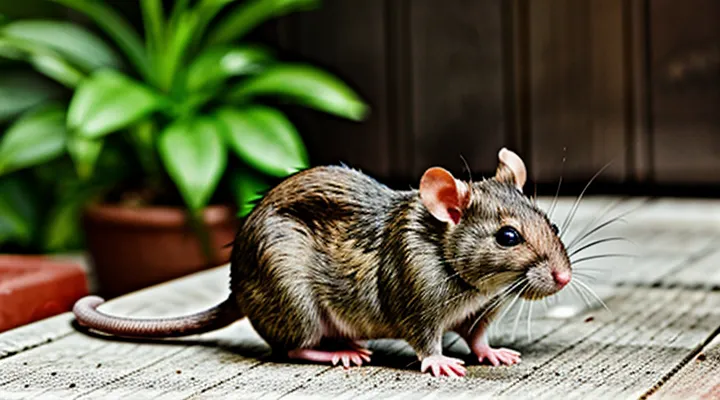
Recognizing Potential Health Issues
The Challenge of Diagnosis
Diagnosing allergic reactions in rats presents several obstacles that differ from those encountered in larger mammals. Clinical signs are often subtle, and rodents conceal discomfort, making visual assessment unreliable without systematic observation. Respiratory distress, nasal discharge, and skin lesions may indicate an immune response, yet these manifestations overlap with infectious or environmental irritants, complicating interpretation.
Accurate identification requires integration of behavioral monitoring, physical examination, and targeted laboratory analysis. A structured protocol includes:
- Continuous video tracking to detect changes in grooming frequency, activity level, and posture.
- Detailed inspection of the fur and skin for erythema, alopecia, or edema, documented with high‑resolution photography.
- Collection of blood samples for serum IgE quantification, histamine levels, and cytokine profiling, using assays validated for rodent specimens.
- Nasal lavage or bronchoalveolar fluid sampling to assess eosinophil counts and specific allergen‑binding antibodies.
Differential diagnosis must rule out bacterial or fungal infections, parasitic infestations, and exposure to toxic substances. Culture and PCR testing of relevant tissues, combined with environmental sampling for potential allergens (e.g., bedding material, feed additives), provide essential context for interpreting immunological results.
Ultimately, the challenge lies in correlating objective laboratory data with nuanced behavioral cues, requiring expertise in rodent physiology and familiarity with validated diagnostic thresholds. Consistent application of a multi‑modal approach reduces misclassification and supports reliable detection of allergic conditions in rats.
Distinguishing Allergy from Infection («The Baseline Health Check»)
A baseline health check provides the first line of distinction between allergic reactions and infectious processes in laboratory rats. The assessment begins with a systematic observation of clinical signs, followed by targeted diagnostics.
Typical manifestations differ markedly:
- Allergy indicators
- Sudden onset of pruritus, excessive grooming, or localized skin erythema.
- Swelling of the face, ears, or limbs without accompanying fever.
- Respiratory distress limited to wheezing or mild dyspnea, often after exposure to a known allergen.
- Infection indicators
- Persistent fever, lethargy, or weight loss.
- Purulent discharge, ulcerated lesions, or systemic edema.
- Rapidly progressing respiratory symptoms accompanied by nasal discharge or cough.
Diagnostic workflow:
- Record temperature, weight, and behavior over a 24‑hour period.
- Perform a complete blood count; eosinophilia suggests an allergic component, while neutrophilia points to bacterial infection.
- Collect nasal or wound swabs for culture and sensitivity when discharge is present.
- Conduct a skin prick or intradermal test using suspected allergens; a wheal‑and‑flare response confirms hypersensitivity.
- If respiratory signs dominate, obtain thoracic radiographs and bronchoalveolar lavage for cytology and microbial culture.
Interpretation hinges on pattern recognition: elevated eosinophils, positive allergen test, and absence of pathogenic organisms support an allergic diagnosis; conversely, fever, neutrophilia, and positive cultures confirm infection. Combining clinical observation with laboratory data ensures accurate differentiation, guiding appropriate therapeutic intervention.
Manifestation of Allergic Symptoms
Respiratory Tract Indicators
Frequent Sneezing and Snuffling
Frequent sneezing and persistent snuffling are primary indicators of a possible allergic response in laboratory or pet rats. These respiratory signs appear as rapid, repetitive nasal expulsions, often accompanied by audible nasal discharge. In allergic rats, the episodes occur without an obvious infectious trigger and may increase in intensity when the animal is exposed to specific environmental allergens such as dust, bedding material, or new food items.
Key characteristics that differentiate allergy‑related sneezing from other causes include:
- Sudden onset after introduction of a potential allergen.
- Absence of fever, lethargy, or weight loss.
- Clear or mildly mucoid nasal discharge, not purulent.
- Repetitive bouts lasting seconds to minutes, recurring several times per hour.
Observation of these patterns, combined with a detailed record of recent environmental changes, allows reliable identification of allergic rhinitis in rats. Confirmatory steps may involve:
- Removing suspected allergens (switching bedding, filtering air, changing diet).
- Monitoring symptom frequency for a 24‑ to 48‑hour period.
- Conducting a brief veterinary examination to exclude infections or dental issues that can produce similar signs.
When symptoms diminish after allergen removal, the diagnosis of an allergic reaction is substantiated, and appropriate management—such as hypoallergenic bedding, dietary adjustments, or antihistamine therapy under veterinary guidance—can be implemented.
Audible Congestion and Wheezing
Audible congestion and wheezing are primary respiratory indicators that suggest an allergic response in laboratory rats. When an allergen triggers inflammation of the upper airway, turbulent airflow produces distinct sounds that can be detected without invasive procedures.
- Characteristics of the sound: high‑pitched whistling during inspiration, low‑frequency rumbling during expiration, intermittent crackles that increase with activity.
- Frequency: sounds appear within minutes to hours after exposure to the suspected allergen and may persist for several days.
- Intensity: louder wheezes correlate with greater airway obstruction; soft, occasional wheezes may indicate mild hypersensitivity.
Observation methods include real‑time auscultation with a pediatric stethoscope, digital recording for spectral analysis, and comparison with baseline respiratory sounds. Spectral peaks above 250 Hz typically signify constricted airways, while broadband noise suggests mucus accumulation.
Differential diagnosis requires ruling out infectious agents: bacterial pneumonia produces coarse crackles and fever, whereas allergic wheezing lacks systemic temperature rise. Administering a short‑acting bronchodilator and noting immediate reduction in sound amplitude supports an allergic etiology.
Consistent monitoring of audible respiratory changes enables early intervention, reduces animal distress, and improves experimental reliability.
Cutaneous Reactions and Itching
Excessive Scratching («Pruritus»)
Excessive scratching, known as pruritus, is a primary indicator that a rat may be experiencing an allergic reaction. The behavior manifests as frequent, vigorous use of the forepaws or hind limbs to rub against the cage, bedding, or body surfaces. Observable patterns include:
- Repetitive scratching of a specific area for more than a few seconds at a time.
- Reddened or inflamed skin at the site of irritation.
- Presence of hair loss or thinning around the scratched region.
- Development of crusts, scabs, or ulcerations due to self‑trauma.
- Increased grooming that appears compulsive rather than routine.
Accompanying signs can reinforce the suspicion of an allergy:
- Nasal discharge or sneezing, indicating respiratory involvement.
- Watery eyes or periorbital swelling.
- Sudden changes in appetite or weight loss linked to chronic discomfort.
To confirm pruritus as an allergic response, follow a systematic assessment:
- Conduct a thorough visual inspection of the skin and fur for lesions and discoloration.
- Review recent environmental changes, such as new bedding, food ingredients, or cleaning agents.
- Perform a skin scrape or cytology to exclude parasites or fungal infections.
- Obtain a veterinary diagnosis that may include blood work or allergen‑specific testing.
Management focuses on eliminating the offending allergen, providing topical anti‑inflammatory treatments, and, when necessary, prescribing antihistamines or corticosteroids under veterinary supervision. Monitoring the rat’s behavior after intervention helps determine the effectiveness of the treatment and guides further adjustments.
Development of Scabs and Open Sores
Skin lesions that appear as scabs or open sores frequently signal hypersensitivity in rats. The immune response triggers localized inflammation, leading to itching, scratching, and subsequent damage to the epidermis. Continuous trauma produces crusted areas that may evolve into ulcerated wounds if the underlying cause persists.
Typical manifestations include:
- Crusty plaques ranging from a few millimeters to several centimeters.
- Red or pink margins surrounding the lesion, indicating active inflammation.
- Lesions located on the face, ears, forepaws, or dorsal neck, areas readily accessible to the animal’s paws.
- Progression from a dry scab to a moist, open sore within 24–48 hours when irritation continues.
Observation criteria:
- Presence of a firm, darkened crust over previously inflamed skin.
- Emergence of a central ulcer with serous or purulent discharge.
- Rapid enlargement of the lesion despite normal grooming behavior.
- Accompanying signs such as swelling, heat, or localized heat loss.
Distinguishing allergic lesions from infectious or traumatic wounds requires attention to lesion pattern and accompanying systemic signs. Allergic sores often lack the foul odor, excessive exudate, or spreading margins typical of bacterial infections. Traumatic injuries usually present as clean cuts without the surrounding erythema characteristic of an immune‑mediated response.
Routine monitoring should record lesion size, color, and texture daily. Intervention includes eliminating the suspected allergen, applying topical anti‑inflammatory agents, and, when necessary, administering systemic antihistamines or corticosteroids under veterinary supervision. Prompt treatment prevents scab deterioration into chronic ulcers and reduces the risk of secondary infection.
Redness or Inflammation of the Skin
Redness or inflammation of the skin provides a direct visual cue that a rat may be experiencing an allergic reaction. The affected area typically appears swollen, warm to the touch, and may exhibit a pink to deep red hue. In many cases the skin becomes moist or oozes a thin fluid, indicating increased vascular permeability.
Key characteristics to observe include:
- Localized swelling that expands over hours or days.
- Sharp contrast between inflamed and healthy fur, often with hair loss at the margin.
- Rapid onset after exposure to a suspected allergen such as new bedding, feed, or cleaning agents.
- Accompanying signs such as scratching, licking, or biting at the site, which can exacerbate the lesion.
Distinguishing allergic inflammation from other conditions requires attention to context. Infections usually produce purulent discharge and may be accompanied by fever, while traumatic injuries present with bruising or obvious wounds. Persistent skin redness without an apparent wound, especially when linked to a recent environmental change, strongly suggests an immune‑mediated response.
Routine inspection is essential. Examine the rat’s coat daily, focusing on the ears, neck, abdomen, and limbs where allergic lesions commonly develop. Gently palpate any reddened area to assess temperature and firmness. Record the progression of symptoms to provide accurate information to a veterinarian.
When skin inflammation spreads, interferes with normal grooming, or is accompanied by respiratory distress, weight loss, or lethargy, immediate veterinary assessment is warranted. Treatment may involve removal of the offending allergen, topical anti‑inflammatory agents, and systemic antihistamines or corticosteroids prescribed by a professional.
Other Observable Physical Signs
Watery Eyes and Nasal Discharge
Watery eyes and nasal discharge are among the most reliable external indicators of an allergic response in laboratory or pet rodents. The ocular secretions appear as a clear, thin fluid that may coat the cornea and surrounding fur, often causing the animal to blink or rub its face against cage bars. Nasal discharge presents as a similar clear or slightly milky fluid exiting the nostrils, sometimes staining the bedding.
Key observations for accurate assessment:
- Consistency: Both secretions remain watery rather than thick or purulent, distinguishing them from bacterial infections.
- Color: Lack of coloration (no yellow, green, or blood) supports an allergic etiology.
- Timing: Symptoms emerge shortly after exposure to a suspected allergen, such as new bedding, dust, or dietary components.
- Distribution: Bilateral ocular involvement and symmetrical nasal flow are typical; unilateral signs may suggest trauma or localized infection.
When evaluating a rat, maintain a clean observation area to avoid contaminating the secretions. Use a soft, lint‑free swab to collect a small sample for microscopic examination if needed; the presence of eosinophils confirms an allergic mechanism. Record the frequency and volume of discharge over several days to assess progression.
Differential diagnosis should rule out respiratory infections, which produce thicker, colored mucus and are often accompanied by lethargy, weight loss, or audible breathing sounds. Allergic reactions, in contrast, rarely affect the animal’s overall activity level beyond mild discomfort.
Management includes removing the identified allergen, improving ventilation, and, if symptoms persist, administering antihistamine therapy under veterinary guidance. Monitoring the resolution of watery eyes and nasal discharge provides a direct measure of treatment efficacy.
Lethargy and Behavioral Changes
Lethargy and altered behavior are primary indicators that a rat may be experiencing an allergic reaction. Affected animals often display reduced activity, spending most of the day motionless in corners or nests. This withdrawal from normal exploration is accompanied by a noticeable decline in grooming; fur may appear dull and matted due to infrequent cleaning.
Other observable changes include:
- Decreased responsiveness to stimuli such as gentle handling or environmental sounds.
- Uncharacteristic aggression or, conversely, excessive passivity when approached.
- Irregular feeding patterns, ranging from complete refusal of food to rapid, erratic consumption.
- Disrupted sleep cycles, with prolonged periods of deep sleep interspersed with brief, restless awakenings.
These symptoms frequently emerge within hours of exposure to the offending allergen and may intensify if the trigger persists. Continuous monitoring of activity levels, social interaction, and grooming habits provides reliable data for early detection of allergic responses in rats. Prompt identification enables timely intervention, reducing the risk of secondary complications such as secondary infections or severe systemic reactions.
Pinpointing Environmental Triggers
Common Substrate-Based Allergens
Aromatic Wood Shavings («Pine and Cedar»)
Aromatic wood shavings, particularly those derived from pine and cedar, are common bedding materials for laboratory and pet rats. Their volatile compounds can provoke respiratory and dermal hypersensitivity in susceptible individuals. Recognizing an allergic response requires careful observation of specific clinical signs, systematic assessment, and, when necessary, confirmatory testing.
Typical manifestations include:
- Sneezing, nasal discharge, or audible wheezing.
- Labored breathing, especially during activity or when exposed to fresh bedding.
- Persistent scratching, fur loss, or erythema at contact points such as the ventral abdomen and paws.
- Decreased food and water intake accompanied by weight loss.
When these symptoms appear after the introduction of pine or cedar shavings, the bedding should be considered a probable allergen. A stepwise approach helps differentiate allergy from infection or environmental stress:
- Remove the aromatic shavings and replace them with an inert, dust‑free substrate (e.g., paper or aspen). Observe the rat for 48–72 hours; improvement suggests a hypersensitivity reaction.
- Conduct a physical examination focusing on the respiratory tract and skin. Auscultation may reveal increased airway resistance; skin inspection should note any localized inflammation.
- If signs persist, perform a basic hematology panel. Elevated eosinophil counts support an allergic etiology.
- In research settings, a controlled exposure test can be administered: re‑introduce a small quantity of the aromatic shavings under observation. Recurrence of symptoms confirms causality.
Management strategies emphasize avoidance and supportive care. Replace aromatic bedding permanently with low‑allergen alternatives, ensure adequate ventilation to disperse residual volatiles, and consider antihistamine therapy for severe cases after veterinary consultation. Monitoring body weight, respiratory rate, and skin condition provides ongoing confirmation that the allergic response has been mitigated.
Dust and Fine Particulate Matter
Dust and fine particulate matter are frequent airborne agents that can provoke hypersensitivity in laboratory rats. Inhalation of particles smaller than 10 µm penetrates the lower respiratory tract, where they interact with mucosal immune cells and may trigger IgE‑mediated responses.
Typical exposure occurs through cage bedding, ventilation systems, and handling activities. Concentrations above 0.5 mg m⁻³ for dust and 0.05 mg m⁻³ for fine particulate matter increase the likelihood of allergic manifestations.
Observable signs of an allergic reaction to airborne particles include:
- Persistent sneezing or nasal scratching
- Rhinorrhea with clear or slightly mucoid discharge
- Labored breathing, increased respiratory rate, or audible wheezing
- Periorbital swelling or facial edema
- Reduced activity and weight loss over several days
Diagnostic procedures used to confirm allergen‑induced pathology are:
- Clinical scoring of respiratory and dermal symptoms at regular intervals
- Measurement of serum-specific IgE levels against common dust components
- Bronchoalveolar lavage for eosinophil count and cytokine profiling
- Histopathological examination of nasal and lung tissue for inflammatory infiltrates
- Intradermal skin testing with standardized dust extracts to assess immediate hypersensitivity
Effective management requires continuous monitoring of particulate concentrations and implementation of control measures:
- Replace dusty bedding with low‑dust alternatives
- Install high‑efficiency particulate air (HEPA) filters in cage racks and room ventilation
- Perform weekly gravimetric sampling of cage air to verify compliance with target levels
- Limit cage cleaning frequency to reduce aerosol generation while maintaining hygiene
- Provide enrichment items made from non‑allergenic materials
By integrating symptom surveillance with laboratory diagnostics and environmental controls, researchers can reliably identify and mitigate dust‑related allergic reactions in rats.
Dietary Components as Causes
Identifying Specific Food Sensitivities
Recognizing food‑related hypersensitivity in rats demands systematic observation and targeted testing. Observable indicators include:
- Reduced food intake or weight loss
- Diarrhea, soft stools, or mucus in feces
- Scratching, facial rubbing, or ear swabs with blood
- Respiratory changes such as wheezing or labored breathing
- Skin reddening, swelling, or lesions on the abdomen and limbs
Diagnostic procedures focus on isolating the offending ingredient:
- Elimination diet – replace the standard feed with a hypoallergenic base, then reintroduce single foods weekly while monitoring clinical signs.
- Oral challenge – administer a measured dose of the suspect food to a fasted rat; record immediate and delayed reactions.
- Serum analysis – measure specific IgE or IgG antibodies against known dietary proteins using ELISA kits validated for rodents.
- Skin testing – inject a small amount of food extract intradermally; measure wheal diameter after 15‑30 minutes.
- Fecal cytokine assay – evaluate levels of mast‑cell protease‑1 or eotaxin as markers of intestinal allergy.
Interpretation requires correlation of test outcomes with clinical presentation. A positive oral challenge combined with elevated specific antibodies confirms a food sensitivity. Negative serology but consistent symptoms may indicate a non‑IgE‑mediated mechanism, warranting further histopathological examination of intestinal tissue.
Management entails removing the identified trigger from the diet, providing a nutritionally balanced hypoallergenic formulation, and monitoring recovery. Re‑challenge after a symptom‑free interval validates the diagnosis and prevents inadvertent re‑exposure.
Reactions to Treats or Supplements
When a rat receives a new treat or supplement, immediate or delayed reactions may indicate an allergic response. Observe the animal closely for the following clinical signs:
- Swelling of the face, ears, or paws
- Scratching, biting, or excessive grooming of the skin
- Redness, rash, or hives on the fur-covered areas
- Respiratory distress: rapid breathing, wheezing, or nasal discharge
- Gastrointestinal upset: vomiting, diarrhea, or loss of appetite
- Lethargy or sudden collapse
Timing of symptom onset helps differentiate allergy from other adverse effects. Immediate reactions typically appear within minutes to an hour after ingestion; delayed responses may develop over several hours to a day.
If any of these signs emerge, take these steps:
- Cease administration of the suspect treat or supplement.
- Remove potential residual material from the cage and provide fresh water.
- Record the exact time of exposure and symptom appearance for future reference.
- Contact a veterinarian experienced with rodents; they may prescribe antihistamines, corticosteroids, or supportive care based on severity.
- Conduct a controlled re‑challenge only under veterinary supervision to confirm the allergen, using a minimal dose and close monitoring.
Documentation of each incident, including the specific product, batch number, and observed signs, creates a reliable database for preventing recurrence and for informing future dietary choices.
Household and External Irritants
Exposure to Cleaning Chemicals
Exposure to cleaning chemicals can trigger allergic responses in laboratory rats. Chemical irritants such as ammonia, phenols, and quaternary ammonium compounds may sensitize the respiratory tract, skin, and ocular mucosa, leading to measurable immune reactions.
Recognizable signs of a chemical‑induced allergy include:
- Persistent sneezing or nasal discharge
- Labored breathing, wheezing, or increased respiratory rate
- Red, inflamed, or ulcerated skin lesions at points of contact
- Excessive tearing or conjunctival redness
- Decreased activity, loss of appetite, or weight loss
Diagnostic confirmation involves:
- Observing the listed clinical signs after controlled exposure.
- Conducting a skin prick or intradermal test with diluted chemical extracts to assess immediate hypersensitivity.
- Measuring serum IgE levels specific to the suspected chemicals.
- Performing histopathological examination of affected tissues for eosinophilic infiltration.
Preventive measures consist of substituting harsh cleaners with rodent‑safe alternatives, ensuring proper ventilation, and implementing routine health monitoring to detect early allergic manifestations.
Perfumes and Air Fresheners
Perfumes and air fresheners contain volatile organic compounds that can provoke immune responses in laboratory rats. Common allergens include synthetic musks, citrus oils, and phthalate esters; these substances are present in many commercial fragrance formulations.
Typical manifestations of a fragrance‑related allergy in rats are:
- Nasal discharge or sneezing
- Periorbital swelling
- Redness and irritation of the skin, especially around the snout and paws
- Increased scratching or grooming behavior
- Reduced activity or lethargy
Distinguishing a fragrance‑induced reaction from other irritants requires systematic observation. First, note the timing of symptom onset relative to the introduction of a scented product. Second, remove the source and monitor for symptom regression within 24–48 hours. Third, conduct a controlled exposure test with a diluted sample of the suspected fragrance to confirm reproducibility of the response.
When evaluating a rat for allergic sensitivity, maintain a fragrance‑free environment during baseline assessments. Use unscented bedding, food, and water. If a reaction is confirmed, replace scented items with hypoallergenic alternatives, such as fragrance‑free cleaning agents and natural ventilation.
Regular health checks should include visual inspection of the respiratory tract and skin, documentation of any abnormal behavior, and recording of environmental changes. Implementing these measures limits the risk of fragrance‑related allergies and ensures reliable experimental outcomes.
Steps Following Suspected Allergy
Required Information for Veterinary Consultation
Documentation of Symptom Frequency
Accurate recording of symptom frequency is essential for identifying allergic reactions in rats. Each observation should include the date, time, and environmental conditions to allow correlation with potential allergens.
- Nasal discharge: count occurrences per 24 h, note consistency and color.
- Scratching or grooming of the face and paws: tally bouts, record duration of each bout.
- Respiratory rate: measure breaths per minute at rest, repeat every 6 h.
- Skin erythema or edema: grade severity on a standardized scale, log each instance.
- Appetite changes: document missed feedings or reduced consumption daily.
- Body weight: weigh the animal at consistent times, calculate weekly change percentage.
Data should be entered into a structured spreadsheet with columns for animal ID, symptom type, frequency count, severity rating, and any administered treatments. Regular review of the compiled dataset enables detection of patterns, such as increasing symptom incidence after exposure to a specific feed or bedding material, thereby supporting a definitive allergy diagnosis.
Listing of Recent Environmental Changes
Recent shifts in laboratory and housing conditions have introduced variables that can provoke allergic reactions in rats. Recognizing these reactions requires awareness of both environmental alterations and the clinical signs they produce.
- Elevated ambient temperature due to upgraded HVAC systems
- Introduction of polymer‑based bedding and nesting materials
- Adoption of plant‑derived or soy‑based feed formulations
- Increased use of enzymatic cleaning agents in cages
- Higher indoor concentrations of volatile organic compounds from new equipment
- Greater humidity levels associated with sealed enclosure designs
- Presence of airborne mold spores from recent water‑damage repairs
- Extended photoperiods implemented for behavioral studies
Each factor can act as an allergen or irritant, sensitizing the respiratory tract, skin, or mucous membranes. For instance, polymer fibers may embed in fur and be inhaled, while mold spores readily trigger nasal inflammation. Elevated humidity encourages fungal growth, amplifying exposure risk. Chemical residues from cleaning agents can provoke dermal reactions.
Observable indicators of an allergic response in rats include:
- Persistent scratching or grooming of the fur
- Red, inflamed skin patches or alopecia
- Sneezing episodes exceeding normal frequency
- Nasal discharge, clear or mucous‑laden
- Watery or swollen eyes
- Labored breathing or audible wheezing
- Reduced activity, lethargy, or altered feeding behavior
- Unexplained weight loss
Effective detection combines environmental monitoring with systematic observation of these signs. When symptoms appear, confirmatory diagnostics such as serum IgE measurement or skin prick testing guide targeted interventions. Adjusting housing variables—replacing bedding, optimizing humidity, and selecting low‑irritant cleaning products—reduces allergen load and mitigates rat allergic reactions.
Diagnostic Procedures
Implementing Elimination Trials
Elimination trials are a systematic method for confirming a suspected allergen in laboratory rats. The approach isolates a single dietary or environmental component, removes it from the animal’s exposure, and monitors clinical signs for improvement. A subsequent re‑introduction of the same component tests whether symptoms recur, establishing causality.
The procedure follows these steps:
- Baseline assessment: Record respiratory rate, nasal discharge, skin lesions, and behavior for at least three days while the rat receives its usual diet and housing conditions.
- Removal phase: Substitute the suspected allergen with a nutritionally equivalent alternative. Continue observation for 7‑14 days, noting any reduction in pruritus, sneezing, or gastrointestinal distress.
- Re‑challenge phase: Re‑introduce the original item in a controlled dosage. Observe for the return of symptoms within 24‑48 hours.
- Control comparison: Maintain a parallel group of rats that never experience the removal or re‑challenge, confirming that changes are not due to unrelated variables.
Interpretation criteria are strict: symptom resolution during removal and reproducible recurrence after re‑challenge constitute a positive result. Absence of change in either phase suggests the tested component is not the allergen, prompting evaluation of alternative candidates.
Key considerations include maintaining consistent environmental parameters (temperature, humidity, bedding) throughout the trial, ensuring that nutritional adequacy is not compromised, and documenting all observations with timestamps. Properly executed elimination trials provide reliable evidence for identifying allergens in rats, facilitating targeted management and reducing unnecessary exposure.
Modifying the Rat«s Habitat
Adjusting a rat’s living environment creates conditions that make allergic responses more apparent and easier to track. By controlling variables that can trigger or mask symptoms, researchers obtain clearer data on the presence and severity of reactions.
- Replace standard wood shavings with hypoallergenic paper bedding; eliminate dust‑borne particles that provoke respiratory irritation.
- Provide a single, nutritionally balanced diet free of common allergens such as soy or wheat; monitor intake to detect aversion or gastrointestinal distress.
- Remove scented cleaning agents and replace them with neutral, fragrance‑free solutions; ensure surfaces are rinsed thoroughly to avoid residue.
- Limit enrichment items to those made of untreated, non‑porous materials; avoid natural fibers that shed allergenic particles.
These modifications isolate potential irritants, allowing observation of specific signs: increased scratching or fur loss, nasal discharge, wheezing, reduced activity, and changes in grooming patterns. When a symptom appears after introducing a controlled allergen—such as a new food ingredient—its correlation becomes evident.
A systematic monitoring schedule supports reliable detection. Record baseline behavior for three days under the standardized habitat, then introduce the suspected allergen and log observations at six‑hour intervals for the first 48 hours. Repeat the cycle with each variable change, maintaining consistent lighting, temperature, and cage dimensions to prevent confounding factors.
By structuring the habitat to minimize extraneous stimuli, the investigator can differentiate genuine allergic reactions from stress‑related behaviors, thereby achieving accurate recognition of allergy in the subject.
Long-Term Management and Prevention
Effective long‑term control of allergic reactions in laboratory rats depends on consistent environmental, nutritional, and health‑care practices. Maintaining a stable, low‑allergen setting reduces the likelihood of sensitization and limits symptom recurrence.
- Keep cages, bedding, and feed free from common rodent allergens such as dust mites, mold spores, and protein‑rich residues. Replace bedding weekly and use low‑dust, hypoallergenic materials.
- Provide a balanced diet formulated without known allergenic proteins. Introduce any new feed gradually and observe for adverse skin or respiratory signs.
- Implement a regular health‑screening schedule. Quarterly veterinary examinations should include skin assessments, respiratory auscultation, and, when indicated, serum IgE testing.
- Record all allergic episodes with date, severity, and potential triggers. Use the data to adjust husbandry protocols and to identify patterns that may require intervention.
Long‑term prevention also involves genetic considerations. When breeding colonies, select individuals that have demonstrated minimal allergic responses to reduce hereditary susceptibility. Maintain strict quarantine for new arrivals to prevent introduction of novel allergens into the established environment.
Consistent application of these measures creates a predictable, low‑risk environment, supporting the welfare of the rats and the reliability of experimental outcomes.