
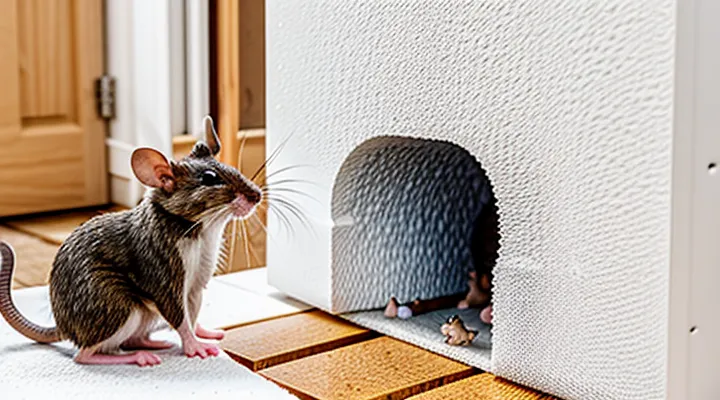
Understanding the Threat: Why Mice Target Foam Insulation
The Appeal of Foam Insulation for Rodents
Nesting and Shelter
Mice are attracted to foam insulation because its softness, warmth, and accessibility create an ideal nesting environment. The material’s ability to retain heat and provide a concealed space encourages rodents to build shelters, which can lead to gnawing damage, reduced insulating efficiency, and potential health hazards.
To prevent mice from establishing nests within foam insulation, implement the following measures:
- Inspect the building envelope for gaps larger than ¼ inch and seal them with steel wool, caulk, or expanding foam designed for pest exclusion.
- Install metal flashing or mesh around vents, utility penetrations, and foundation cracks to block entry while allowing airflow.
- Remove debris, loose insulation, and stored materials near the exterior that could serve as supplemental nesting sites.
- Apply rodent-repellent compounds or ultrasonic devices in areas where insulation is exposed, following manufacturer instructions for safety and effectiveness.
- Conduct regular visual checks of attic, crawl spaces, and wall cavities; replace any compromised foam sections promptly to eliminate hidden shelters.
By eliminating entry points, reducing attractive nesting substrates, and maintaining vigilant inspection routines, foam insulation remains intact and its thermal performance is preserved without interference from rodent activity.
Material for Chewing
Mice gnaw foam insulation because it offers soft texture, easy bite resistance, and access to concealed spaces. The material’s low density and porous structure make it an attractive target for rodent incisors, which continuously grow and require constant wear.
Effective deterrence relies on introducing substances that either damage rodent teeth or are unpalatable. Materials with high hardness, low elasticity, or strong chemical odor discourage chewing. Commonly employed options include:
- Steel mesh or aluminum flashing, thickness ≥ 0.5 mm, installed over foam panels.
- Rigid polyurethane board, density ≥ 30 kg/m³, placed as a protective overlay.
- Silicone‑based sealants infused with natural repellents (peppermint oil, capsaicin) applied to vulnerable seams.
- Fiberglass cloth, woven with ≥ 200 g/m², bonded to insulation surfaces.
When selecting a barrier, prioritize the following criteria:
- Hardness – Materials rated above 60 Shore A resist rodent incisors.
- Adhesion – Compatibility with foam ensures a seamless seal, preventing gaps.
- Durability – Resistance to moisture and temperature fluctuations maintains effectiveness over time.
- Safety – Non‑toxic components protect occupants and pets.
Installation steps:
- Clean insulation surface to remove dust and debris.
- Cut barrier material to fit each panel, allowing a 5‑mm overlap at seams.
- Secure with corrosion‑resistant staples or construction adhesive rated for foam.
- Seal all joints with a rodent‑repellent caulk to eliminate entry points.
Regular inspection of barrier integrity, especially after severe weather, confirms continued protection. Replacing damaged sections promptly restores the defensive envelope and limits further gnawing.
Signs of Rodent Infestation
Droppings and Urine
Mice droppings and urine introduce moisture and ammonia that degrade foam insulation’s structural integrity. The moisture penetrates cell walls, causing expansion, loss of R‑value, and eventual collapse. Ammonia accelerates polymer breakdown, leading to brittleness and odor retention.
Detecting contamination requires visual inspection and odor assessment. Fresh droppings appear as small, dark pellets; older deposits darken and may cling to surfaces. Urine stains manifest as wet patches or discoloration, often accompanied by a sharp, acrid smell.
Effective response includes immediate removal and sanitation:
- Wear disposable gloves and a mask; avoid direct contact with waste.
- Use a HEPA‑rated vacuum to collect solid droppings, disposing of the bag in a sealed container.
- Apply an enzymatic cleaner to urine‑affected foam; allow sufficient dwell time to neutralize ammonia.
- Rinse the area with a mild detergent solution, then dry thoroughly using low‑heat airflow to prevent residual moisture.
- Seal any gaps or entry points discovered during inspection to block future access.
Regular monitoring of insulation condition and prompt cleanup of any signs of rodent activity are essential to maintain performance and extend the lifespan of foam insulation.
Gnaw Marks and Tunnels
Mice leave distinct gnaw marks on foam insulation, typically shallow, crescent‑shaped cuts about ¼‑inch deep. The edges are uneven, and the material may appear frayed where the rodents have chewed. These marks signal that the insulation is compromised and that rodents have access to the cavity.
Tunnels appear as narrow passages, often 1‑2 inches in diameter, extending through the foam. They connect entry points such as gaps around pipes, vents, or structural seams. Tunnels reduce the thermal efficiency of the insulation and provide a protected route for further rodent movement.
Detecting these signs early prevents extensive damage. Inspect insulation during routine maintenance, focusing on areas near utility penetrations, attic corners, and foundation walls. Use a flashlight to reveal fresh cuts and follow any visible tunnels back to their source.
Preventive actions:
- Seal all openings larger than ¼ inch with steel wool, copper mesh, or cement‑based sealant.
- Install rigid metal flashing around vents, ducts, and pipe entries.
- Apply rodent‑resistant foam or barrier tape over exposed insulation surfaces.
- Place ultrasonic repellents or natural deterrents (e.g., peppermint oil) near vulnerable zones.
- Conduct quarterly visual checks and repair any new gnaw marks or tunnels immediately.
By addressing gnaw marks and tunnels promptly, the integrity of foam insulation remains intact and the risk of rodent‑induced heat loss is minimized.
Unpleasant Odors
Mice infestations often turn foam insulation into a source of foul smells. Urine, droppings, and dead rodents release ammonia and sulfur compounds that permeate the material, creating persistent odors that reduce indoor air quality and may indicate hidden damage.
The primary contributors to unpleasant odors are:
- Accumulated mouse urine that seeps into the foam’s open cells.
- Decomposing droppings that release volatile organic compounds.
- Decaying bodies trapped within insulation cavities.
Addressing odor problems requires eliminating the rodents and preventing future entry. The following measures are recommended:
- Seal all gaps larger than ¼ inch with steel wool, metal mesh, or caulk designed for pest control.
- Install a protective barrier—metal flashing or rigid foam sheathing—over exposed insulation to block gnawing.
- Apply a rodent‑repellent spray containing natural essential oils or synthetic deterrents directly to the foam surface, reapplying according to manufacturer instructions.
- Conduct regular inspections of crawl spaces and attics, removing any waste or nesting material promptly.
- Replace heavily contaminated foam sections with new, sealed insulation to eliminate entrenched odors.
Implementing these actions stops mice from contaminating foam, removes existing smells, and preserves the insulating performance of the building envelope.
Proactive Prevention Strategies
Sealing Entry Points
Inspecting the Exterior
Inspecting the building’s exterior is the first line of defense against rodents that can breach foam insulation. A thorough visual survey identifies entry points that mice exploit, allowing immediate remediation before damage occurs.
Begin by walking around the structure and examining all seams where the wall meets the foundation, roof, and windows. Look for cracks larger than a quarter inch, gaps around pipe penetrations, and deteriorated caulking. Pay special attention to the following areas:
- Openings around utility lines (electric, water, gas) – seal with steel wool and expanding foam.
- Vents, soffits, and eaves – install mesh screens of ¼‑inch or smaller.
- Exterior doors and garage entryways – check weatherstripping and replace damaged sections.
- Foundation cracks – fill with hydraulic cement or appropriate sealant.
- Roof-to-wall joints – apply high‑temperature silicone sealant to any visible gaps.
After identifying potential access points, document each defect, prioritize based on size and proximity to insulation, and apply appropriate sealing materials. Use metal flashing or hardware cloth for larger openings; avoid soft materials like cotton that mice can gnaw through.
Conduct the exterior inspection at least twice a year—once before winter and once after spring rains—because seasonal weather changes often reveal new vulnerabilities. Regular maintenance of the building envelope reduces the likelihood that mice will reach and compromise foam insulation.
Using Rodent-Proof Materials
Rodent‑proof materials are essential for safeguarding foam insulation against mouse damage. Selecting products that resist gnawing and seal entry points prevents rodents from compromising thermal performance and structural integrity.
Commonly used rodent‑resistant options include:
- Steel mesh or hardware cloth with openings no larger than ¼ inch.
- Rigid metal flashing for seams and corners.
- Polyethylene or PVC sheeting with reinforced edges.
- High‑density closed‑cell foam that incorporates a metal core.
- Cement‑based sealants applied to gaps around pipes and wiring.
Installation guidelines:
- Cover all exposed foam surfaces with metal mesh, overlapping seams by at least 2 inches and securing with corrosion‑resistant staples.
- Apply flashing around edges where foam meets walls, floors, or roof trusses; seal joints with a cement‑based sealant to eliminate gaps.
- Wrap penetrations (e.g., electrical conduits, HVAC ducts) in PVC sheathing, then encase with steel mesh and seal with the same cement‑based product.
- Inspect the completed barrier for any loose sections, ensuring the material is tightly fastened and continuous.
Regular inspection of the installed barriers, combined with prompt repair of any damage, maintains the protective envelope and deters mice from accessing foam insulation.
Steel Wool and Caulk
Steel wool provides a physical barrier that rodents cannot easily chew through. When placed around the edges of foam panels, it fills gaps and cracks where mice might gain entry. The dense, interwoven fibers resist gnawing, forcing pests to seek alternative routes.
Caulk seals the remaining openings that steel wool cannot cover. Silicone‑based or acrylic caulk adheres to both wood and foam, creating a seamless seal that eliminates air drafts and rodent pathways. Applying caulk over the steel wool ensures the barrier remains intact even if the wool shifts slightly during installation.
- Insert steel wool into all seams, joints, and penetration points surrounding the insulation.
- Trim excess wool so it sits flush with the surface.
- Apply a continuous bead of caulk over the wool, smoothing it to eliminate gaps.
- Inspect the sealed areas regularly; reapply caulk if cracks appear or if the wool becomes displaced.
Combining these two materials produces a durable, rodent‑proof shield that preserves the thermal performance of foam insulation.
Hardware Cloth
Hardware cloth, a galvanized wire mesh with openings typically ranging from ¼ to ½ inch, creates a physical barrier that prevents mice from gnawing through foam insulation. Its rigid structure resists chewing, and the fine aperture size excludes rodents while allowing airflow and moisture escape, preserving the insulation’s performance.
When installing hardware cloth around foam panels, follow these steps:
- Cut mesh to cover all exposed edges and seams of the foam.
- Secure the mesh with stainless‑steel staples or screws, spacing fasteners no more than 2 inches apart.
- Overlap adjacent pieces by at least 2 inches and seal overlaps with exterior‑grade caulk.
- Attach the mesh to framing members using heavy‑duty nails or brackets to prevent sagging over time.
Regular inspection of the mesh for rust, corrosion, or displacement ensures long‑term protection. Replace any compromised sections promptly to maintain an uninterrupted barrier against rodent intrusion.
Removing Attractants
Food Sources
Mice are drawn to foam insulation when food is readily available nearby. Eliminating these attractants reduces the likelihood that rodents will gnaw at the material in search of nourishment.
Typical food sources that encourage mouse activity around insulation include:
- Open pantry items such as cereal, grains, and dried fruit
- Pet food left in bowls or stored in unsealed containers
- Garbage cans without tight-fitting lids
- Birdseed spillage on windowsills or balconies
- Compost piles or kitchen scraps placed close to the building envelope
Effective measures to deny mice access to these resources:
- Store all dry goods in airtight, metal or heavy‑plastic containers.
- Clean countertops, floors, and shelves promptly after meals; sweep up crumbs and spills.
- Keep pet feeding areas indoors and remove uneaten food after each use.
- Use garbage cans with secure lids and empty them regularly.
- Position bird feeders away from the structure and collect fallen seed.
- Locate compost bins at a distance from the building and use sealed containers for kitchen waste.
By removing food incentives, the incentive for mice to breach foam insulation diminishes, preserving the material’s thermal performance and structural integrity.
Water Sources
Mice are drawn to moisture; any water source near foam insulation creates a pathway for entry and damage. Eliminating or controlling these sources reduces the likelihood that rodents will gnaw through the material.
- Inspect roofs, walls, and foundations for leaks; repair cracks, broken shingles, and faulty flashing immediately.
- Seal all pipe penetrations with silicone or metal flashing to prevent condensation droplets from forming on insulation surfaces.
- Install drip edges and proper gutter slopes to divert rain away from the building envelope, avoiding pooling at the base of walls.
- Maintain ground grading so water flows away from the structure; consider French drains or swales in areas prone to runoff.
- Use dehumidifiers or ventilation fans in crawl spaces and attics to keep relative humidity below 50 %, limiting moisture buildup on foam panels.
- Store firewood, compost, and other organic material at least three feet from the building exterior to remove auxiliary water reservoirs.
- Regularly clean pet water dishes and outdoor fountains, refilling them with fresh water to prevent overflow onto insulation surfaces.
By systematically removing standing water, condensation, and excess humidity, the environment becomes inhospitable to mice, preserving the integrity of foam insulation.
Debris and Clutter
Debris and clutter create pathways and hiding places that invite mice to explore attic and wall cavities where foam insulation resides. Loose cardboard, shredded paper, and accumulated junk can be gnawed for nesting material, allowing rodents to reach and damage the insulation. Removing these attractants eliminates shelter and reduces the likelihood of mice breaching the foam barrier.
To safeguard foam insulation, keep storage areas clean and organized. Implement the following actions:
- Store boxes on shelves, not on the floor; discard any damaged or torn containers.
- Seal trash bins with tight‑fitting lids and remove waste regularly.
- Vacuum or sweep corners, corners of crawl spaces, and storage rooms weekly.
- Eliminate piles of clothing, fabric, or insulation scraps that could serve as bedding.
- Inspect basements, garages, and utility rooms for forgotten debris and clear it promptly.
A clutter‑free environment forces mice to seek shelter elsewhere, preserving the integrity of foam insulation and maintaining its thermal performance.
Landscaping Modifications
Trimming Vegetation
Trimming vegetation around a building reduces the likelihood that mice will locate and gnaw foam insulation. Overgrown shrubs, vines, and tall grass provide cover and direct pathways to the structure, allowing rodents to approach walls and roof cavities undetected.
- Cut back shrubs to at least three feet from the foundation.
- Remove vines that climb walls or eaves, especially near attic vents.
- Mow lawns regularly, keeping grass no higher than two inches.
- Dispose of yard waste promptly; piles of leaves or debris serve as nesting sites.
- Prune tree branches so they do not touch the roof or siding, eliminating natural bridges.
Maintaining a clear perimeter eliminates shelter and travel routes, forcing mice to seek alternative, less accessible routes. Consistent vegetation management complements other protective measures such as sealing gaps and installing rodent‑proof screens, creating a comprehensive defense for foam insulation.
Maintaining a Clear Perimeter
A clear perimeter around foam insulation eliminates entry points that mice exploit. Trim vegetation, remove debris, and keep the ground level smooth to prevent rodents from gaining foothold. Seal gaps where utilities penetrate walls or floors; use steel wool combined with caulk for durable closure.
Key actions include:
- Cutting back shrubbery and vines within a two‑foot radius of the building.
- Removing leaf piles, mulch, and stored materials that provide cover.
- Smoothing concrete or stone pathways to avoid crevices.
- Installing metal flashing or mesh around foundation seams.
- Inspecting and repairing damaged siding, soffits, and roof eaves regularly.
Consistent perimeter maintenance reduces the likelihood of mice locating and gnawing at foam insulation, thereby preserving its thermal performance and structural integrity.
Protective Measures for Foam Insulation
Physical Barriers
Wire Mesh and Hardware Cloth
Wire mesh and hardware cloth serve as the most reliable physical barrier between mice and foam insulation. The material’s strength and fine aperture prevent rodents from gnawing through or squeezing into cavities, protecting the insulation’s integrity and maintaining thermal performance.
Effective barrier design requires specific mesh characteristics. Use a gauge of at least 19‑20 and an opening no larger than ¼ inch (6 mm). Stainless steel or galvanized steel provides corrosion resistance in humid or outdoor environments. When installing, overlap sections by at least 2 inches (5 cm) and secure the overlap with stainless‑steel staples or self‑drilling screws. Seal all seams with exterior‑grade silicone caulk to eliminate any residual gaps.
Key installation steps:
- Cut mesh to fit around joists, studs, and pipe penetrations, allowing a tight fit without stretching.
- Attach the mesh directly to structural members using corrosion‑resistant fasteners, spacing fasteners every 6–8 inches (15–20 cm) along the edges.
- Cover all openings, including vent holes and utility conduits, with separate mesh patches secured in the same manner.
- Inspect the barrier after installation; reinforce any areas showing signs of stress or deformation.
Regular maintenance extends the barrier’s lifespan. Conduct quarterly visual checks for rust, loose fasteners, or rodent damage. Replace compromised sections promptly to preserve a continuous defense against mice. By adhering to these specifications and installation practices, wire mesh and hardware cloth effectively safeguard foam insulation from rodent intrusion.
Metal Flashing
Metal flashing is a thin sheet of steel, aluminum, or copper formed to cover joints, seams, and edges where foam insulation meets exterior surfaces. Its rigidity and durability create a physical barrier that rodents cannot gnaw through as easily as soft insulation material.
Mice exploit gaps around eaves, soffits, and roof penetrations to reach foam boards. When flashing is correctly installed, it seals these entry points, limiting access and protecting the insulation from chew damage and moisture infiltration.
Installation guidelines:
- Cut flashing to overlap the foam edge by at least 2 inches on all sides.
- Secure the sheet with corrosion‑resistant screws or nails, spacing fasteners no more than 12 inches apart.
- Apply a high‑temperature silicone sealant along the seam between flashing and foam to eliminate micro‑cracks.
- Fold the flashing inward at corners to create a tight, interlocking joint that resists rodent pressure.
Maintenance recommendations:
- Inspect flashing twice yearly, focusing on roof valleys, vent openings, and foundation walls.
- Replace any sections showing rust, bends, or loose fasteners promptly.
- Clear debris that could conceal gaps or provide nesting material.
- Reinforce vulnerable areas with additional flashing strips if repeated gnaw marks appear.
By integrating metal flashing into the envelope of foam insulation, homeowners create a robust, long‑lasting defense against mouse intrusion while preserving the thermal performance of the building envelope.
Repellents and Deterrents
Natural Repellents
Mice can gnaw through foam insulation, compromising thermal performance and creating entry points for pests. Natural repellents offer a chemical‑free approach to deter rodents while preserving the integrity of the material.
- Peppermint oil: strong scent that mice avoid; apply a few drops to cotton balls and place them near insulation seams.
- Cedar shavings: volatile compounds repel rodents; spread a thin layer around exposed foam.
- Clove oil: antibacterial and aromatic; dilute 1 % with water and spray on surfaces adjacent to insulation.
- Garlic powder: pungent odor discourages foraging; sprinkle lightly on the outer surface of insulation panels.
- Chili powder or cayenne: irritates sensory receptors; dust a minimal amount around gaps.
Apply repellents after installing insulation and repeat every two weeks during peak rodent activity. Position cotton balls or spray points at the junction of walls, ceilings, and floor joists where mice are likely to travel. Ensure coverage does not saturate foam, which could reduce its R‑value.
Test each repellent on a small foam area to confirm no discoloration or degradation. Keep substances out of reach of children and pets; use sealed containers for oils and store powders in airtight bins. Ventilate rooms after spraying to prevent lingering odors.
Inspect insulation quarterly for signs of chew marks or droppings. Replace compromised sections promptly and replenish repellents to maintain continuous protection.
Peppermint Oil
Peppermint oil emits a strong menthol scent that rodents find intolerable. When applied correctly, it creates a temporary barrier that discourages mice from gnawing or nesting in foam insulation.
To use peppermint oil effectively:
- Dilute 10–15 ml of pure peppermint essential oil in one liter of water.
- Add a few drops of mild liquid soap to improve surface tension.
- Transfer the mixture to a spray bottle.
- Spray the solution onto the exterior of foam panels, seams, and any visible entry points.
- Reapply every 3–5 days, or after heavy rain, to maintain potency.
Safety considerations:
- Test a small area first to confirm the foam’s resistance to the solvent.
- Avoid direct contact with skin; wear gloves during preparation.
- Keep the solution away from open flames, as essential oils are flammable.
Peppermint oil should complement, not replace, structural sealing, trap placement, and regular inspection. Combined with these measures, it reduces the likelihood of mice compromising foam insulation.
Dryer Sheets
Rodents frequently gnaw foam insulation, creating gaps that reduce energy efficiency and increase repair costs. Effective deterrents must be inexpensive, easy to apply, and safe for indoor use.
Dryer sheets emit a strong fragrance that repels mice. The scent, derived from synthetic fragrances, overwhelms the animals’ keen sense of smell, discouraging them from entering treated areas. Sheets are lightweight, non‑toxic, and readily available in most households.
- Place a dryer sheet directly against the foam surface in each vulnerable cavity.
- Secure the sheet with tape or a staple to prevent displacement by airflow.
- Replace sheets every two weeks, or sooner if the scent diminishes.
- Use multiple sheets in larger installations, spacing them no more than 12 inches apart.
Dryer sheets alone do not form a barrier; combine them with sealing cracks, installing mesh screens, and maintaining a clean environment to remove food sources. Regular inspection ensures that the foam remains intact and that mouse activity is detected early.
Ultrasonic Devices
Ultrasonic devices emit high‑frequency sound waves that are uncomfortable for rodents but inaudible to humans. The emitted frequencies typically range from 20 kHz to 50 kHz, disrupting mouse communication and causing them to avoid the treated area.
To protect foam insulation, follow these steps:
- Choose a model with adjustable frequency settings; this allows adaptation to local rodent populations.
- Install units at least 12 inches above the foam surface to prevent direct contact and ensure sound propagation.
- Space devices no more than 15 feet apart in large rooms; overlapping coverage creates a continuous deterrent zone.
- Power each unit continuously; intermittent operation reduces effectiveness and may encourage mice to return.
- Replace batteries or verify electrical connections monthly; loss of power eliminates the ultrasonic barrier.
Effectiveness varies with environmental factors. Hard surfaces such as metal or concrete reflect sound, enhancing coverage, while thick insulation or dense furniture absorb waves, creating blind spots. Conduct a quick test by placing a hand‑held ultrasonic detector near each unit; audible feedback confirms proper emission.
Ultrasonic devices should complement, not replace, physical barriers. Seal gaps around ducts, vents, and wiring before deployment. Combining sound deterrence with exclusion techniques yields the most reliable protection for foam insulation against mouse intrusion.
Commercial Rodent Repellents
Commercial rodent repellents provide a practical means of preserving foam insulation from mouse damage. Products designed for professional use deliver consistent deterrence, reducing the risk of gnaw‑through and the associated loss of thermal performance.
Key categories include:
- Ultrasonic emitters – emit high‑frequency sound waves that irritate rodents without affecting humans or pets.
- Chemical repellents – contain bittering agents or volatile compounds such as capsicum or peppermint oil, applied directly to insulation surfaces.
- Bait stations – enclosed devices that attract mice with poisoned bait, limiting exposure to non‑target species.
- Scented barriers – granules or sprays that create an odor profile mice avoid, typically placed around the perimeter of insulated cavities.
Effective deployment follows a systematic approach:
- Identify all entry points and gaps in the building envelope.
- Install ultrasonic units at each access point, ensuring line‑of‑sight coverage throughout the insulated zone.
- Apply chemical repellent evenly across foam surfaces, using a brush or spray to achieve full contact.
- Position bait stations at least 12 inches from insulation to prevent accidental contamination.
- Distribute scented barrier material along joists and studs, maintaining a continuous layer.
Safety and regulatory compliance are essential. Verify that chemical formulations meet local health‑environment standards, and select ultrasonic devices certified for commercial use. Routine inspection—monthly for device functionality and quarterly for repellent potency—maintains efficacy and prevents re‑infestation.
Incorporating Rodent-Resistant Insulation
Boric Acid-Treated Foam
Boric‑acid‑treated foam combines standard insulation material with a measured concentration of boric acid, a low‑toxicity rodent deterrent. The mixture retains thermal performance while introducing a chemical barrier that discourages mice from gnawing or nesting within the foam.
The deterrent effect relies on boric acid’s abrasive texture and mild toxicity. When a mouse contacts the treated surface, the substance irritates oral tissues and interferes with digestive processes, causing the animal to avoid the material after a brief exposure.
Application guidelines:
- Select foam panels pre‑impregnated with boric acid or apply a certified boric‑acid spray to clean, dry foam surfaces.
- Ensure uniform coverage by using a fine‑mist nozzle, maintaining a coating thickness of 0.5 mm to achieve consistent protection.
- Allow the coating to cure for at least 24 hours before sealing the cavity, preventing premature runoff.
- Install foam according to manufacturer specifications, sealing seams with boric‑acid‑compatible tape to eliminate gaps.
Safety considerations:
- Verify that the boric‑acid concentration does not exceed 2 % by weight, complying with building‑code limits for indoor use.
- Wear gloves and eye protection during application; avoid inhaling aerosolized particles.
- Store treated foam in a cool, dry environment to preserve efficacy and prevent degradation.
Monitoring and maintenance:
- Inspect the insulation annually for signs of wear, moisture, or rodent activity.
- Reapply a thin boric‑acid layer to any areas showing diminished coverage.
- Replace compromised panels promptly to maintain both thermal efficiency and rodent resistance.
Mineral Wool or Rock Wool
Mineral wool, also known as rock wool, offers a dense, fibrous barrier that resists gnawing by rodents. Its high compressive strength and abrasive texture deter mice from penetrating foam insulation. When installed around foam panels, mineral wool fills gaps, seams, and voids that otherwise provide access points for pests.
Key characteristics that enhance protection:
- Rigid structure prevents bite marks; mice cannot easily chew through the tightly packed fibers.
- Non‑combustible composition reduces fire risk while maintaining insulation performance.
- Moisture‑resistant formulation limits mold growth, preserving the integrity of surrounding foam.
Effective application steps:
- Cut mineral wool to fit the perimeter of foam boards, ensuring a snug fit against walls, ceilings, and floor joists.
- Secure the material with metal staples or wire mesh to eliminate loose edges that could be exploited.
- Seal all joints with a rodent‑proof sealant, such as silicone or polyurethane, to create a continuous barrier.
- Inspect the installation periodically for signs of wear or displacement, and replace compromised sections promptly.
Combining mineral wool with additional deterrents—such as steel mesh or hardened steel plates—provides a multi‑layered defense that significantly lowers the likelihood of mouse intrusion. Properly executed, this approach safeguards foam insulation, maintains thermal efficiency, and extends the lifespan of the building envelope.
Post-Infestation Management
Trapping and Removal
Snap Traps
Snap traps are a direct method for eliminating mice that threaten foam insulation. The devices deliver a swift, lethal force, preventing gnawing damage that compromises thermal performance.
Effective use of snap traps requires strategic placement. Position traps along known mouse pathways: near wall voids, behind appliances, and at the edges of insulation panels. Secure each trap on a flat surface to ensure proper trigger alignment; a misaligned mechanism reduces capture rates.
Select traps with a sturdy steel spring and a concealed trigger plate to avoid accidental activation by humans or pets. Bait the trap with high‑protein items such as peanut butter or dried meat; these attract mice more reliably than sugary options. Replace bait daily to maintain potency.
Maintain trap efficacy through regular inspection. Remove captured mice promptly, clean the trap with a mild disinfectant, and reset the spring tension before redeployment. Rotate trap locations weekly to cover new activity zones and discourage mice from learning avoidance patterns.
When installing snap traps, observe safety protocols: wear thick gloves, keep hands away from the trigger, and store unused traps out of reach of children. Dispose of captured rodents in sealed bags and follow local regulations for waste handling.
By integrating snap traps into a comprehensive rodent‑control plan—combined with sealing entry points and proper insulation installation—property owners can safeguard foam insulation from structural compromise and preserve energy efficiency.
Live Traps
Live traps provide a humane method for removing mice that threaten foam insulation. By capturing rodents before they gnaw or tunnel through the material, these devices reduce the likelihood of insulation breaches that compromise thermal performance.
Effective use of live traps involves several precise steps:
- Select traps sized for common house mice, typically 4–6 inches long, with smooth interiors to prevent injury.
- Position traps along known mouse pathways: near baseboards, behind appliances, and at entry points where foam meets structural framing.
- Bait traps with high‑protein foods such as peanut butter, sunflower seeds, or dried meat; small amounts increase attraction while minimizing waste.
- Check traps at least twice daily; release captured mice at least one mile from the property to deter immediate return.
- Reset traps promptly after each capture to maintain continuous pressure on the rodent population.
Integrating live traps with complementary measures—sealing gaps, maintaining a clean environment, and using deterrents—creates a layered defense that preserves foam insulation integrity without resorting to lethal control methods.
Professional Pest Control
Professional pest‑control services provide the expertise and resources needed to safeguard foam insulation against rodent intrusion. Technicians begin with a thorough inspection, identifying gnaw‑damage, nesting sites, and potential entry points such as gaps around vents, utility penetrations, and foundation cracks. Accurate assessment enables targeted interventions that preserve the integrity of the insulation material.
Effective protection relies on a combination of physical barriers, monitoring devices, and, when necessary, approved rodenticides. Technicians install metal flashing, concrete sealants, or heavy‑duty mesh to block access routes. They place snap traps or electronic monitors in strategic locations to detect early activity. Chemical treatments are applied following strict safety protocols to minimize risk to occupants and pets while ensuring rapid population reduction.
Integrated pest‑management (IPM) principles guide long‑term control. IPM includes:
- Regular follow‑up inspections to verify seal integrity and trap performance.
- Seasonal adjustments to barrier installations based on rodent activity patterns.
- Education of property owners on sanitation practices that reduce attractants.
By employing these professional measures, foam insulation remains functional, reducing heat loss and preventing costly repairs caused by mouse damage.
Cleaning and Sanitization
Disinfecting Contaminated Areas
Mice can leave urine, feces, and saliva on foam insulation, creating a health risk and degrading the material. Prompt disinfection removes pathogens, reduces odor, and prevents further attraction of rodents.
- Remove visible debris with disposable gloves and a sealed bag.
- Apply an EPA‑approved disinfectant that is safe for foam, following the label’s concentration and contact time.
- Saturate the contaminated zone, ensuring the foam is not oversaturated to avoid swelling.
- Allow the surface to air dry completely before sealing or reinstalling any protective barriers.
Wear a mask and goggles during the process to avoid inhaling aerosols. Ventilate the area for at least 30 minutes after application. Dispose of all cleaning materials in sealed containers and wash hands thoroughly.
After disinfection, inspect the foam for signs of moisture damage. If the material shows softening, replace the affected sections to maintain thermal performance. Regular monitoring and immediate cleaning after any rodent activity preserve the insulation’s integrity and deter future infestations.
Repairing Damaged Insulation
Damage to foam insulation caused by rodents compromises thermal performance and allows moisture intrusion. Prompt repair restores energy efficiency and reduces the risk of further infestation.
Assessment and preparation
- Inspect all exposed surfaces for chewed or missing sections.
- Mark compromised areas with a waterproof pencil.
- Remove loose fragments and clean the surrounding zone with a vacuum equipped with a HEPA filter.
- Apply a mild disinfectant to eliminate urine residues and odors that attract pests.
Repair procedure
- Cut a piece of closed‑cell spray foam or rigid board to match the dimensions of the damaged segment.
- Fit the replacement snugly, ensuring no gaps remain between the new material and existing insulation.
- Seal seams with a rodent‑resistant adhesive or expanding foam sealant, pressing firmly to eliminate air pockets.
- Cover the repaired spot with a thin layer of protective mesh or metal flashing to deter gnawing.
- Allow sealant to cure according to manufacturer specifications before restoring wall or ceiling finishes.
Preventive actions after repair
- Install steel wool or copper mesh at all ventilation openings and utility penetrations.
- Apply a non‑toxic rodent repellent spray to the perimeter of the insulated cavity.
- Schedule quarterly visual checks to detect early signs of nibbling.
Materials and tools
- Closed‑cell spray foam or rigid foam board
- Rodent‑resistant adhesive or expanding sealant
- Protective mesh or metal flashing
- HEPA vacuum, utility knife, measuring tape, waterproof marker
Consistent inspection and immediate repair of compromised sections keep foam insulation effective and limit the likelihood of future rodent damage.