
Understanding the Problem
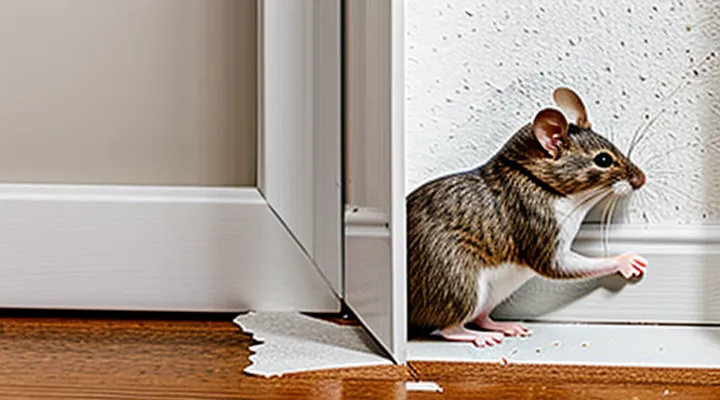
Why Mice Are a Problem
Health Risks Associated with Mice
Mice infestations present several direct health hazards. Pathogens carried by rodents can contaminate food, surfaces, and air. Common diseases transmitted include salmonellosis, leptospirosis, hantavirus pulmonary syndrome, and listeriosis. These infections cause symptoms ranging from gastrointestinal upset to severe respiratory distress and organ failure.
Allergic reactions arise from mouse urine, droppings, and shed hair. Proteins released in these materials trigger asthma attacks, rhinitis, and skin irritation, especially in individuals with pre‑existing sensitivities. Continuous exposure increases the likelihood of chronic respiratory problems.
Bacterial contamination occurs when mice gnaw electrical wiring, insulation, or structural components. Resulting damage may produce sparks, fire hazards, and release of toxic fumes, compounding the risk of inhalation injury and carbon monoxide exposure.
Effective prevention focuses on eliminating entry points. Sealing gaps in walls, foundations, and utility penetrations blocks the primary route rodents use to access indoor environments. Reducing access directly limits exposure to the health risks outlined above.
Property Damage Caused by Mice
Mice infiltration leads to measurable property degradation. Chewed wood compromises structural integrity, creating gaps that accelerate decay. Gnawed electrical wiring exposes conductors, increasing fire risk and causing costly repairs. Insulation fibers are tunneled and displaced, reducing thermal efficiency and raising heating expenses. Urine and droppings contaminate surfaces, fostering bacterial growth and triggering health‑related remediation costs.
Typical damage categories include:
- Structural weakening from gnawed framing members
- Electrical system impairment due to chewed cables
- Insulation loss and reduced energy performance
- Sanitary contamination requiring professional cleaning
Effective sealing of wall openings eliminates entry points, directly preventing the described damages. Durable sealants applied to cracks and gaps form a barrier that blocks rodent access, preserving building components and avoiding expense. Regular inspection of sealed areas ensures barrier integrity and sustains protection over time.
How Mice Enter Homes
Common Entry Points
Mice exploit any opening that provides access to interior spaces; recognizing typical entry routes is essential before applying sealants.
- Gaps around utility penetrations, such as pipes, cables, and conduit sleeves.
- Cracks at the junction of wall studs and plaster, especially where drywall meets foundation.
- Openings surrounding vent covers, air ducts, and exhaust fans.
- Spaces beneath baseboards and along floor‑to‑wall seams.
- Unfinished openings around doors, windows, and garage door thresholds.
Inspection should begin at ground level, progressing upward to locate each defect. Use a flashlight and a flexible probe to confirm continuity of gaps. Apply a durable, rodent‑resistant material—such as steel‑wool backing sealed with silicone or polyurethane caulk—to fill each opening. Verify that the sealant adheres fully and that no residual voids remain, then re‑examine after a short interval to ensure integrity.
The Size of Openings Mice Can Squeeze Through
Mice possess a flexible skeletal structure that allows passage through remarkably narrow gaps. The limiting factor is the diameter of the mouse’s skull, typically ranging from 0.5 cm to 0.7 cm in adult house mice. Consequently, any opening larger than approximately 6 mm in width or height provides a potential entry point.
Key dimensions observed in field studies:
- Head width: 5 mm to 7 mm (average 6 mm)
- Body thickness: up to 20 mm, but the head dictates the minimal aperture required for entry
- Ability to compress: mice can flatten their bodies to fit through gaps as narrow as the head width, while maintaining enough space to maneuver
These measurements imply that cracks, gaps around pipe penetrations, and seams in drywall that exceed 6 mm present a realistic risk of infestation. Even seemingly minor fissures, such as those caused by settling foundations or poorly fitted baseboards, must be addressed.
Effective sealing strategies therefore target any aperture greater than 6 mm. Materials with low elasticity, such as fire‑rated caulk, expanding foam, or steel wool backed with sealant, should be applied to close gaps completely. Regular inspection of wall junctions and maintenance of exterior cladding reduce the likelihood that mice will locate a passage into the interior space.
Preparing for Crack Sealing
Identifying All Potential Entry Points
Inspecting Interior Walls
Inspecting interior walls is the first critical step in preventing rodent ingress. Begin by clearing furniture and decorations that obscure the surface, allowing a clear view of all vertical and horizontal sections. Use a bright, handheld flashlight to reveal hairline fissures, gaps around outlets, and seams where plaster has detached. Pay special attention to areas where pipes, wiring, and vent ducts penetrate the wall, as these junctions often hide tiny openings.
Identify each defect and categorize it by size and location. Record findings in a simple table or notebook, noting whether the crack runs parallel or perpendicular to the wall studs, as this influences the sealing method. For cracks wider than two millimeters, verify the presence of moisture or mold, which can attract mice and compromise repair materials.
Key inspection actions:
- Remove wall coverings that mask underlying damage.
- Illuminate the surface with a focused light source.
- Probe suspicious gaps with a thin, rigid instrument (e.g., a steel rod) to assess depth.
- Document all observations with precise measurements.
- Prioritize repairs that involve structural joints and utility penetrations.
«Regular inspection prevents infestations», states a leading pest‑control specialist, underscoring that thorough interior wall assessment eliminates the primary pathways mice exploit before any sealing work begins.
Inspecting Exterior Walls and Foundation
Inspect exterior walls and foundation before any sealing work. Look for visible cracks, gaps around utility penetrations, and separation between siding and the ground. Identify areas where soil contacts the structure, as moisture can enlarge openings over time.
Key inspection actions:
- Walk the perimeter, noting any fissures larger than ¼ inch.
- Examine the base of the wall for mortar loss, loose bricks, or displaced stones.
- Check flashing and sealant joints around doors, windows, and vents for deterioration.
- Probe suspected cracks with a screwdriver to assess depth and movement.
- Record each defect with location and dimensions for prioritized repair.
After documenting defects, prioritize those that provide direct pathways to the interior. Seal larger openings with appropriate materials—epoxy‑based fillers for structural cracks, silicone‑based caulk for flexible joints. Apply a moisture‑resistant barrier on the foundation before sealing to prevent future expansion. Regularly revisit the exterior after seasonal changes to verify that repairs remain intact and no new entry points have formed.
Gathering Necessary Tools and Materials
Types of Sealants (Caulk, Expanding Foam, Steel Wool, Mortar)
Mice exploit any opening larger than a quarter‑inch, so sealing cracks is a prerequisite for rodent exclusion. Selecting the appropriate sealant determines durability and effectiveness.
-
«Caulk» – silicone‑based or acrylic formulations fill narrow gaps around trim, baseboards, and window frames. Apply with a smooth‑bead gun, press into the fissure, and smooth the surface before curing. Ideal for joints that experience movement but require a flexible seal.
-
«Expanding foam» – polyurethane foam expands up to 30 times its volume, conforming to irregular voids behind drywall or foundation walls. Cut the nozzle, insert into the crack, and allow the foam to set for 10–15 minutes. Trim excess with a utility knife once hardened; the resulting barrier resists chewing.
-
«Steel wool» – dense, coarse fibers obstruct rodents physically while allowing airflow. Pack tightly into holes larger than a nail, then overlay with caulk or foam to prevent displacement. Steel wool alone does not seal moisture, so combine with a water‑resistant sealant for exterior applications.
-
«Mortar» – cement‑based mixtures create a rigid, long‑lasting seal for large structural cracks in concrete or brick. Clean the fissure, dampen the surface, then press mortar into the void, smoothing with a trowel. Allow 24 hours to achieve full strength before exposing to traffic.
Each material addresses specific crack dimensions and substrate conditions. For optimal protection, assess the opening size, location, and exposure to moisture, then apply the sealant that matches those parameters. Regular inspection ensures that repaired areas remain intact, maintaining a mouse‑free interior.
Safety Gear
When sealing wall fissures to block rodent entry, personal protection is essential. Direct skin contact with sealants, dust, or sharp debris can cause irritation or injury; therefore, appropriate equipment must be worn at all times.
Protective gloves made of nitrile or latex prevent chemical exposure and shield hands from splinters. Safety goggles or face shields guard eyes against splatter from sealant tubes and dust generated during surface preparation. Respiratory protection, such as a half‑mask respirator equipped with a P100 filter, reduces inhalation of fine particles and volatile compounds released by adhesives.
A disposable coverall or work shirt with long sleeves limits skin exposure to contaminants. Slip‑resistant footwear with steel toes safeguards feet from falling tools and provides stability on uneven surfaces.
Key safety gear items:
- Nitrile or latex gloves
- Impact‑resistant goggles or full face shield
- Half‑mask respirator with P100 filter
- Disposable coveralls or long‑sleeve work shirt
- Slip‑resistant, steel‑toe boots
Before commencing repairs, inspect all equipment for damage, replace compromised items, and verify proper fit. After the sealing process, remove protective gear carefully to avoid contaminating clothing or the surrounding environment. Proper use of safety equipment minimizes health risks and ensures a thorough, uninterrupted sealing operation.
Cleaning Supplies
Proper preparation of wall openings is essential for successful rodent exclusion. Clean surfaces allow sealants to adhere firmly, preventing future gaps.
Essential cleaning supplies include:
- Vacuum with HEPA filter – removes dust and debris from cracks.
- Stiff-bristled brush – dislodges loose material lodged in fissures.
- Mild detergent solution – eliminates grease and organic residues.
- Microfiber cloths – wipe away detergent without leaving lint.
- Protective gloves – safeguard hands from irritants.
- Disposable masks – limit inhalation of fine particles.
Procedure:
- Vacuum each crack thoroughly, capturing dust and small particles.
- Use the brush to scrape away loose plaster, paint flakes, or insulation fragments.
- Apply the detergent solution with a cloth, scrubbing the interior of the opening to dissolve grime.
- Rinse the area with a clean, damp microfiber cloth; ensure no residue remains.
- Allow the surface to dry completely before applying sealant.
«Clean surfaces ensure adhesion», a principle that underpins effective rodent-proofing. Following these steps maximizes sealant performance and reduces the likelihood of mice re-entering the home.
Step-by-Step Crack Sealing Process
Cleaning the Cracks
Removing Debris and Dust
Before applying any sealant, eliminate all loose material from the crack. Use a shop‑vac or a stiff brush to pull out wood splinters, plaster fragments, and any accumulated dust. A clean surface ensures the adhesive bonds directly to the substrate rather than to contaminants.
After mechanical removal, wipe the opening with a damp cloth to capture fine particles. Allow the area to dry completely; residual moisture can weaken the sealant’s cure and create a gap for rodents.
When the cavity is free of debris, apply a primer compatible with the chosen sealant. Primer penetrates any remaining microscopic dust, forming a uniform base that maximizes adhesion.
Typical sequence:
- Vacuum or brush out large fragments.
- Damp‑wipe to collect fine dust.
- Let the surface dry fully.
- Apply a compatible primer.
- Proceed with the sealing material.
Following this preparation eliminates entry points that mice could exploit, guaranteeing a durable barrier against future infestations.
Drying the Area Thoroughly
Dry surfaces provide the only reliable foundation for any sealant. Moisture trapped in a crack expands and contracts, compromising adhesion and creating pathways for rodents. Therefore, eliminating all dampness is a prerequisite for a lasting barrier.
- Identify moisture sources: leaks, condensation, or recent water damage.
- Remove standing water with absorbent cloths or a wet‑vacuum.
- Apply high‑velocity fans to circulate air across the affected area.
- Operate a dehumidifier until relative humidity drops below 50 % in the vicinity.
- Verify dryness with a moisture meter; readings should show less than 10 % moisture content before proceeding.
Only after confirming a completely dry substrate should sealant be applied. A dry environment ensures the material cures properly, adheres securely, and eliminates the risk of mice exploiting weakened joints.
Applying Sealant Appropriately
For Small Cracks (Caulk)
Small gaps along baseboards, window frames, or between drywall panels admit rodents with ease. Caulk provides a flexible, airtight seal that accommodates minor movement while blocking entry points.
Select a caulk formulated for interior use with low shrinkage; acrylic‑latex blends cure quickly and can be painted, while silicone offers superior elasticity for joints subject to moisture. Prior to application, clean the crack of dust, debris, and loose material; a vacuum or brush ensures adhesion. Apply painter’s tape on each side of the opening to create clean edges.
Steps for sealing small cracks with caulk:
- Load the caulk gun and cut the nozzle tip at a 45° angle, leaving an opening slightly smaller than the crack width.
- Press the gun steadily, forcing material into the gap until it overfills by a few millimeters.
- Smooth the bead with a damp finger or a caulk‑smoothing tool, pressing the filler into the void and creating a uniform surface.
- Remove the tape while the caulk is still pliable to avoid tearing the seal.
- Allow the product to cure according to manufacturer instructions; typically 24 hours before exposure to moisture or paint.
After curing, inspect the joint for any gaps or cracks. Reapply caulk where necessary to maintain a continuous barrier. Regular checks around high‑traffic areas and seasonal inspections help ensure the seal remains effective against rodent intrusion.
For Larger Gaps (Expanding Foam, Mortar)
When a wall opening exceeds a few millimeters, simple caulk no longer provides reliable protection against rodent intrusion. Two materials offer durable closure for such gaps: expanding polyurethane foam and cementitious mortar.
• Expanding foam – purchase a can designed for exterior use, cut the nozzle to a 1‑2 mm opening, and insert the tip into the crack. Activate the dispenser and allow the foam to fill the void completely; it expands up to 30 times its liquid volume, sealing irregular shapes. After curing (typically 10‑15 minutes), trim excess with a utility knife and apply a thin coat of paint or a layer of mortar for added weather resistance.
• Mortar – mix sand, lime, and Portland cement in a 1:1:0.5 ratio with water until a smooth, workable paste forms. Pack the mixture firmly into the gap using a trowel, ensuring no air pockets remain. Smooth the surface flush with the surrounding wall and allow the mortar to cure for at least 24 hours before exposing it to moisture.
Both methods create a barrier that resists gnawing and prevents mice from exploiting larger structural fissures. Choose expanding foam for irregular or hard‑to‑reach openings, and mortar for vertical seams or areas requiring a hard, load‑bearing seal. Regular inspection and maintenance of these repairs sustain long‑term protection.
Reinforcing with Steel Wool for Persistent Areas
Steel wool provides a durable barrier in gaps that resist gnawing. Its coarse fibers interlock, creating a texture that rodents cannot easily chew through, making it ideal for cracks that persist after initial sealing attempts.
When applying steel wool to a crack, follow these steps:
- Clean the opening thoroughly to remove dust and loose material.
- Pack the steel wool tightly into the gap, ensuring no voids remain.
- Cover the packed area with a flexible sealant, such as acrylic caulk, to lock the fibers in place and protect against moisture.
- Allow the sealant to cure according to the manufacturer’s instructions before exposing the wall to normal conditions.
For larger openings, combine steel wool with a backing material. Insert a strip of rigid mesh or metal flashing, then overlay with steel wool before sealing. This layered approach adds structural support and prevents the wool from compressing over time.
Avoid using steel wool in areas exposed to high humidity without a protective sealant, as moisture can cause rust and degrade the barrier. Periodically inspect reinforced sites for signs of corrosion or displacement, and reapply steel wool and sealant as needed.
By integrating steel wool into the sealing process, persistent cracks become robust obstacles that deter mouse entry and maintain the integrity of the wall envelope.
Sealing Around Pipes and Wires
Sealing the gaps surrounding pipes and electrical wiring is a critical step in preventing rodent entry through wall openings. Rodents exploit even the smallest voids around these penetrations, so a complete, durable seal eliminates a primary access route.
- Inspect each pipe and cable entry for visible cracks, gaps, or loose fittings.
- Remove debris, dust, and loose material to create a clean surface for adhesion.
- Choose an appropriate sealant: silicone‑based caulk for flexible joints, polyurethane foam for larger voids, and fire‑rated silicone where electrical components are present.
- Apply sealant directly into the gap, ensuring it fills the cavity without leaving air pockets.
- For irregular shapes, insert steel wool or copper mesh before sealing to provide a structural backstop.
- Smooth the sealant surface with a putty knife, creating a continuous barrier that conforms to the surrounding wall.
Materials must match the environmental conditions of the installation. Silicone caulk resists moisture and temperature fluctuations, while expanding polyurethane foam expands to fill irregular spaces but requires trimming after curing. Metal flashing or mesh reinforces the seal around moving pipes, preventing future separation.
Maintain the integrity of the seal by checking for shrinkage or cracking after seasonal temperature changes. Reapply sealant promptly if any deterioration occurs. Using fire‑rated products around electrical conduits ensures compliance with safety codes while preserving the rodent‑proof barrier.
Addressing Exterior Gaps and Foundation Cracks
Repairing Damaged Mortar
Repairing damaged mortar is a critical component of blocking entry points that rodents exploit. Cracks larger than a quarter‑inch provide sufficient space for mice to navigate, and deteriorated mortar weakens the overall integrity of the wall.
Assess the affected area. Remove loose material with a cold chisel, then clean the cavity of dust and debris using a brush or compressed air. The surface must be dampened lightly to improve mortar adhesion.
- Prepare a mortar mix that matches the original composition; a ratio of one part lime to three parts sand is standard for most residential walls. Add water gradually until the mixture reaches a plastic consistency.
- Load the mortar into a pointing trowel. Press the material firmly into the crack, over‑filling slightly to compensate for shrinkage.
- Smooth the joint with a jointing tool, creating a concave profile that sheds water and discourages nesting.
- Protect the repair from rapid drying by misting the area periodically for the first 24 hours. Allow full cure for at least three days before applying paint or sealant.
Conduct a final inspection. Verify that the repaired joint is flush with surrounding masonry and that no gaps remain. Schedule periodic checks, especially after severe weather, to ensure the mortar retains its integrity and continues to deter rodent infiltration.
Using Concrete Patch for Foundation Cracks
Cracks in a foundation create direct pathways for rodents, demanding a reliable barrier that withstands pressure and moisture. Concrete patch, a polymer‑enhanced mortar, bonds to concrete, fills voids, and hardens into a load‑bearing surface, making it suitable for sealing foundation fissures.
Key characteristics of concrete patch include:
- High adhesion to damp substrates, eliminating the need for complete drying before application.
- Flexibility that accommodates minor substrate movement without cracking.
- Resistance to water infiltration, reducing conditions that attract pests.
Application procedure:
- Remove loose debris, dust, and any deteriorated material from the crack using a wire brush or vacuum.
- Wet the crack lightly; excess water should drain, leaving the surface damp but not saturated.
- Mix the concrete patch according to the manufacturer’s ratio, achieving a uniform, lump‑free consistency.
- Press the mixture into the crack with a trowel, over‑filling slightly to allow for shrinkage.
- Smooth the surface flush with surrounding concrete, shaping a slight convex profile to direct water away.
- Allow the patch to cure for the specified period, protecting it from rapid drying by covering with a plastic sheet if necessary.
After curing, inspect the repaired area for gaps or surface defects. Apply a secondary coat if any voids remain. Regular monitoring during seasonal changes ensures the seal remains intact, preventing future rodent intrusion.
«Concrete patch provides a durable seal that deters mice from exploiting foundation weaknesses».
Post-Sealing Measures and Maintenance
Inspecting Your Work
After applying sealant to wall cracks, a systematic inspection confirms that the barrier will stop rodents from entering the interior.
A visual sweep should cover the entire treated area. Look for any visible gaps, unfinished edges, or sections where the sealant has peeled away. The surface must appear continuous and free of cracks larger than a millimeter.
A tactile examination follows the visual check. Run a gloved finger along each sealed line; any softness or indentation indicates insufficient adhesion or remaining voids that require additional material.
Illuminate the walls with a bright flashlight held at a shallow angle. Shadows reveal subtle openings that are invisible under normal lighting. Pay particular attention to corners, junctions with baseboards, and areas where different building materials meet.
Conduct an airflow test to detect hidden passages. Hold a thin stream of smoke from a incense stick or a small amount of talc dust near the sealed joints. If the particles are drawn into a crack, the seal is incomplete and must be reinforced.
Inspection checklist
- Verify that the sealant covers the full length of each crack.
- Confirm that the cured surface is smooth and free of cracks or bubbles.
- Ensure no gaps remain at the interface between wall and floor, window frames, or utility openings.
- Re‑apply sealant to any compromised spots identified during the tactile or airflow tests.
- Allow the final layer to cure for the manufacturer‑specified period before exposing the area to normal household activity.
Completing these steps provides confidence that the wall sealing will effectively block mouse ingress.
Regular Maintenance Checks
Regular maintenance checks form the backbone of any strategy aimed at preventing rodent entry through wall imperfections. Consistent inspection identifies new fissures before they become viable pathways for mice.
A practical schedule includes a brief visual survey each month and a comprehensive examination at the change of seasons. The monthly review focuses on obvious gaps, while seasonal checks address hidden areas such as behind appliances and within insulation layers.
Key inspection points:
- Exterior and interior wall surfaces for hairline cracks or widening seams.
- Sealant joints around windows, doors, and utility penetrations.
- Ventilation openings, including grilles and ductwork sleeves.
- Foundation contact zones where moisture may degrade caulking.
When deficiencies are detected, immediate remediation is required. Clean debris from the affected area, apply a high‑quality, rodent‑resistant sealant, and reinforce compromised sections with mesh or expanding foam where appropriate. Replace worn caulking strips on a regular basis to maintain elasticity.
Document each inspection in a log, noting date, observed issues, and corrective actions taken. A recorded history provides trend data, enabling proactive adjustments to the sealing regimen and ensuring long‑term effectiveness against mouse intrusion.
Additional Deterrents
Traps and Baits (as a secondary measure)
Sealing wall openings eliminates the primary pathway for rodents, yet a residual risk remains when tiny fissures go unnoticed or when re‑entry occurs after repairs. In such cases, traps and baits serve as a secondary line of defense, targeting any mice that manage to bypass the barrier.
- Snap traps provide immediate mortality; placement near suspected travel routes maximizes capture rates. Position traps perpendicular to the wall, with the trigger end facing the expected direction of movement.
- Live‑catch traps allow for humane removal; check devices at least twice daily to prevent stress‑related injury. Relocate captured rodents at a distance of no less than one mile from the residence.
- Electronic traps deliver a rapid, electric shock; they require a power source and periodic cleaning of the interior chamber.
- Bait stations contain anticoagulant or non‑anticoagulant formulations; secure stations to prevent accidental exposure of children or pets. Rotate bait types every two weeks to reduce the likelihood of habituation.
Integrating traps and baits with a rigorous inspection schedule enhances overall control. After each sealing operation, conduct a visual audit of the repaired area, then install a minimum of two traps within a three‑foot radius of the work site. Replace or replenish baits according to manufacturer guidelines, and document capture data to identify patterns of activity. This systematic approach ensures that any residual mouse presence is promptly addressed, reinforcing the effectiveness of the primary sealing strategy.
Maintaining a Clean Environment
Maintaining a clean environment directly supports the effectiveness of wall‑crack sealing measures aimed at preventing rodent intrusion. Dust, debris, and food residues accumulate in gaps, creating attractive pathways for mice and compromising sealant adhesion. Regular sanitation removes these attractants and prepares surfaces for optimal sealant performance.
Key actions for a hygienic setting:
- Remove all food particles from floors, countertops, and storage areas; store perishables in sealed containers.
- Vacuum or sweep cracks and surrounding walls before applying sealant to eliminate loose material.
- Clean surfaces with a mild detergent solution, rinse thoroughly, and allow complete drying.
- Dispose of waste in sealed bins; empty bins frequently to avoid odor buildup.
- Conduct periodic inspections of high‑traffic zones, cleaning any new debris that could impair seal integrity.
A tidy interior reduces the likelihood of mice exploiting minor openings and extends the lifespan of sealing compounds. Consistent cleaning routines, combined with proper crack sealing, create a double barrier that discourages rodent entry.