
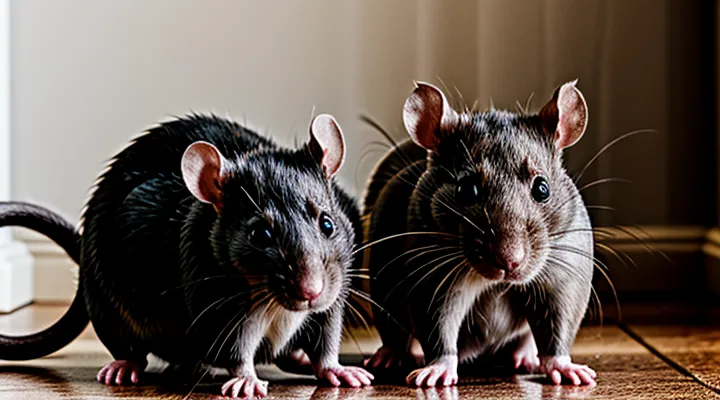
Understanding Rat Social Behavior
Why Introductions Are Necessary
The Importance of Companionship
Companionship provides rats with essential social enrichment, reducing stress and encouraging natural behaviors. When a new rat joins an existing group, the presence of a trusted partner accelerates adaptation and minimizes fear responses.
Social interaction improves mental well‑being, supports exercise through play, and promotes regular grooming, which helps maintain coat condition and skin health. Balanced group dynamics also reduce the likelihood of aggression, leading to a more harmonious enclosure.
Effective introduction strategies focus on fostering companionship from the first encounter:
- Gradual visual exposure through a solid divider for 24–48 hours.
- Controlled scent exchange by swapping bedding between cages.
- Supervised short‑duration free‑range sessions in a neutral space.
- Observation of mutual grooming and shared nesting behavior as indicators of accepted companionship.
Consistent monitoring during these stages ensures that each rat establishes a reliable social bond, laying the foundation for a stable, contented community.
Preventing Aggression and Stress
Understanding the sources of aggression and stress is the first step in successful rat introductions. Common triggers include territorial disputes, sudden environmental changes, and inadequate socialization periods. Recognizing these factors allows owners to adjust conditions before tension escalates.
Effective practices for minimizing conflict:
- Provide a neutral enclosure where both animals have no prior claim; remove existing bedding and hideouts before the first meeting.
- Limit initial interactions to brief, supervised sessions of five to ten minutes; gradually extend duration as calm behavior persists.
- Offer identical food bowls and water sources to eliminate competition over resources.
- Maintain a consistent temperature and low noise level; sudden fluctuations increase cortisol release.
- Introduce scent exchange by swapping nesting material between cages 24 hours before contact; familiar odors reduce defensive responses.
Continuous observation is essential. Signs of mounting stress include excessive grooming, teeth chattering, and retreat to corners. Early detection of these behaviors should prompt immediate separation and a return to the neutral environment. Repeating the exposure cycle with shorter intervals reinforces positive associations and lowers the likelihood of aggression.
Signs of a Healthy Introduction
Positive Body Language
Positive body language serves as the primary indicator that rats feel safe and receptive during an encounter. Recognizing these signals allows the owner to manage the introduction process with confidence and reduce stress for both animals.
Common signs of a relaxed and sociable rat include:
- Erect ears that swivel toward the other rat, showing attention.
- A smooth, unruffled coat without piloerection.
- Gentle, rhythmic whisker movements.
- Slow, deliberate sniffing rather than rapid, defensive sniffs.
- Calm, steady breathing and a relaxed posture with limbs loosely extended.
To promote positive body language, follow these steps:
- Place the rats in a neutral, spacious enclosure free of dominant scent markers.
- Offer a shared enrichment item, such as a chewable tunnel, to encourage cooperative interaction.
- Maintain a quiet environment, limiting sudden noises and abrupt movements.
- Observe initial contact closely; intervene only if aggressive postures, such as lunging or raised fur, appear.
- Gradually increase interaction time, rewarding calm behavior with treats placed near both rats.
Consistent observation of these cues and deliberate environmental management create a foundation for harmonious introductions, ensuring both rats display confidence and curiosity rather than fear.
Accepted Interactions
When introducing two rats, the interaction must be safe, calm, and mutually agreeable. Begin with visual contact through a solid barrier; this allows each animal to assess the other without physical risk. After several short sessions, progress to brief, supervised physical contact on a neutral surface.
Key accepted interactions include:
- Gentle sniffing: allow each rat to investigate the other’s scent by approaching slowly and pausing.
- Mutual grooming: observe for reciprocal licking of fur, a clear sign of comfort.
- Shared feeding: place a small amount of food within reach of both rats; simultaneous eating reinforces positive association.
- Playful chasing: brief, low‑intensity chases on a clean playpen indicate confidence and acceptance.
- Resting together: when both rats settle on the same bedding without tension, the bond is strengthening.
Monitor body language continuously. Flattened ears, relaxed whiskers, and a steady breathing pattern signal acceptance. Signs of aggression—raised fur, lunging, or biting—require immediate separation and a return to barrier‑only exposure. Repeating the outlined steps daily, while maintaining a consistent routine, facilitates a smooth transition to a harmonious cohabitation.
Pre-Introduction Preparations
Health Checks and Quarantine
Veterinary Examination
The veterinary examination establishes the health baseline required before any interaction between a new rat and resident animals. During this assessment, the veterinarian evaluates external condition, dental alignment, respiratory sounds, and gastrointestinal function. Any signs of parasites, skin lesions, or abnormal behavior are documented and addressed prior to introduction.
Key components of the examination include:
- Visual inspection of coat, eyes, and ears for parasites or injuries.
- Palpation of the abdomen to detect masses or discomfort.
- Oral examination to assess incisor length and gum health.
- Auscultation of lung and heart sounds to identify respiratory or cardiac issues.
- Fecal analysis for parasites and bacterial pathogens.
- Blood sample for complete blood count and biochemical profile when indicated.
Results guide the owner in scheduling de‑worming, vaccination, or treatment protocols. Only after clearance from the veterinarian should the introduction process commence, ensuring minimal stress and optimal health for all rats involved.
Isolation Period Protocols
Isolation after acquisition protects resident colony from pathogens and allows assessment of the newcomer’s health. The quarantine zone must be separate, ventilated, and equipped with appropriate bedding, food, and water dispensers.
Standard quarantine lasts fourteen days, during which the rat receives daily visual checks and a health examination on days 1, 7, and 14. Any signs of respiratory distress, skin lesions, or abnormal behavior require immediate veterinary consultation and may extend the isolation period.
- Keep the enclosure at 20‑24 °C with 40‑60 % relative humidity.
- Provide fresh water and a balanced diet; replace food daily to prevent contamination.
- Clean the cage twice daily; replace bedding weekly or when soiled.
- Record weight, temperature, and activity each day; note deviations from baseline.
- Limit handling to brief, gentle interactions; use clean gloves for each session.
Release criteria include stable weight, normal temperature (36.5‑38.5 °C), absence of clinical signs, and a clean veterinary assessment. Upon meeting these conditions, the rat may be introduced to the main colony following established social integration procedures.
Setting Up the Introduction Area
Neutral Territory Selection
Selecting a neutral area creates a balanced environment where neither rat feels territorial advantage. Choose a spacious cage or a temporary enclosure that both animals have never occupied. Ensure the surface is easy to clean, free of strong odors, and provides ample hiding spots and climbing structures. Position the space away from high‑traffic zones to reduce external stressors.
Key considerations for neutral territory:
- Dimensions large enough for two rats to move freely without crowding.
- Neutral bedding material, such as plain paper strips, that does not carry the scent of either animal.
- Fresh water bottles and identical food dishes placed symmetrically.
- Lighting that mimics natural cycles, avoiding sudden brightness changes.
- Minimal background noise; a quiet room supports calm interaction.
After establishing the area, monitor initial encounters closely. Observe body language for signs of aggression or curiosity, and be prepared to intervene if tension escalates. The neutral setting remains a critical factor in fostering a harmonious relationship between the rodents.
Creating a Safe Environment
Creating a safe environment is the foundation for successful rat introductions. A secure setting reduces stress, prevents injuries, and encourages natural social behavior.
Key elements to implement:
- Provide a spacious enclosure with multiple hiding spots, such as tunnels, shelters, and stacked platforms.
- Ensure the substrate is non‑abrasive and easy to clean; paper‑based bedding or coconut fiber meet these criteria.
- Maintain a consistent temperature between 18 °C and 24 °C and a humidity level of 40‑60 %.
- Install a sturdy, chew‑proof cage lid to eliminate escape routes.
- Place water bottles and food dishes on stable platforms to avoid spills and contamination.
- Introduce neutral objects (e.g., cardboard tubes) that both rats can explore together, fostering shared territory.
Regular monitoring reinforces safety. Observe interactions for signs of aggression, such as excessive biting or blocking access to resources. Adjust cage layout promptly if dominance patterns emerge, adding additional shelters or feeding stations to disperse competition.
A well‑structured habitat, coupled with vigilant oversight, creates the conditions necessary for rats to accept one another and establish a harmonious group dynamic.
Scent Swapping and Familiarization
Exchanging Bedding
Exchanging bedding is a critical component of a successful rat introduction program. Fresh, clean substrate reduces stress, limits scent overlap, and prevents the spread of parasites that could impede social bonding.
Replace bedding at least once every 48 hours during the initial two‑week adjustment period. Use low‑dust, non‑perfumed material such as paper‑based strips or aspen shavings. Avoid cedar or pine, which contain oils harmful to rodents’ respiratory systems.
Key steps for bedding management:
- Remove all old substrate and discard in a sealed bag.
- Clean the cage interior with warm water and a mild, unscented detergent; rinse thoroughly.
- Dry the cage completely before adding fresh bedding.
- Distribute a uniform layer of 2–3 cm depth to allow burrowing and nesting behavior.
- Place enrichment items (hideouts, tunnels) on top of the new substrate to maintain familiar landmarks.
Monitor the cage for signs of soiling or odor. If urine or feces accumulate faster than the recommended interval, increase the frequency of changes. Consistent bedding turnover supports a stable environment, encouraging rats to focus on social interaction rather than discomfort.
Rotating Cages
Rotating cages provide a dynamic environment that encourages natural exploratory behavior, reducing stress during the introduction of new rats. By allowing the enclosure to turn slowly, the animals experience varied perspectives without the need for manual repositioning, which minimizes handling and potential aggression.
Key attributes to consider when selecting a rotating cage:
- Sturdy base with smooth rotation mechanism to prevent jerky movements.
- Secure locking system that holds the cage in place when rotation is not required.
- Transparent walls for visual monitoring while maintaining a safe barrier.
- Adequate ventilation slots to ensure airflow throughout the rotating cycle.
Implementation guidelines:
- Place the cage on a level surface free of obstacles.
- Activate rotation at a low speed (approximately 1–2 revolutions per minute) to allow rats to adjust gradually.
- Observe behavior for signs of discomfort; reduce rotation speed or pause if tension arises.
- Clean the cage after each introduction session, removing waste and sanitizing surfaces with a rodent‑safe disinfectant.
Safety precautions include checking the rotation mechanism for wear before each use, securing all cables and accessories to avoid entanglement, and ensuring the cage’s weight capacity exceeds the combined mass of the rats and accessories. Properly maintained rotating cages contribute to smoother introductions, promoting harmonious coexistence within the household.
The Introduction Process: Step-by-Step
Initial Supervised Encounters
Short, Controlled Sessions
Short, controlled sessions provide a safe framework for introducing unfamiliar rats. By limiting exposure to brief, predictable intervals, stress levels remain low and the animals can focus on positive social cues.
Key advantages include rapid habituation to the presence of a new companion, reduced aggression, and easier observation of body language. The limited duration also allows owners to intervene before escalation occurs.
Practical steps for implementing short, controlled sessions:
- Begin with a neutral enclosure no larger than a few square feet; ensure the surface is clean and free of hiding spots that could mask tension.
- Introduce the newcomer for a period of five to ten minutes, maintaining visual contact from a distance that does not provoke flight responses.
- Observe specific behaviors such as grooming, sniffing, and ear posture; note any signs of avoidance or defensive posturing.
- End the session before any escalation, then return the rats to separate housing for at least one hour to process the interaction.
- Repeat the cycle, gradually extending the time by two‑minute increments each day, while monitoring stress indicators.
Consistency remains essential. Conduct sessions at the same time each day, using identical lighting and ambient noise levels. This routine reinforces predictability, encouraging the rats to associate the interaction with a calm environment.
When the animals display relaxed body language across multiple sessions, transition to longer shared periods within a larger, enriched space. The gradual increase preserves the trust built during the initial short, controlled encounters.
Observing Interactions
Observing interactions provides the most reliable indicator of whether a pair of rats is accepting each other. Careful attention to subtle signals prevents prolonged conflict and promotes a harmonious colony.
Key behaviors to monitor include:
- Body posture: relaxed muscles, open stance, and gentle foot placement signal comfort; tense limbs, hunched backs, or rapid side‑to‑side movements indicate anxiety.
- Vocalizations: soft chirps and low squeaks often accompany friendly investigation, whereas high‑pitched squeals suggest distress.
- Grooming patterns: mutual grooming reflects trust; aggressive biting or excessive self‑grooming may reveal tension.
Environmental factors influence interaction quality:
- Space allocation: provide a neutral enclosure larger than the combined body length of both rats; cramped conditions amplify aggression.
- Duration of initial exposure: limit first sessions to 10‑15 minutes, extending gradually as tolerance improves.
- Light and noise levels: maintain low illumination and minimal background sounds to reduce stressors.
Intervention protocol:
- If persistent aggression appears—evident through lunging, biting, or prolonged vocal distress—separate the animals immediately.
- Re‑introduce after a 24‑hour interval, adjusting enclosure size or adding enrichment objects to diffuse focus.
- Document each session, noting specific behaviors and timestamps, to track progress and identify patterns that require modification.
Gradual Increase in Contact
Using a Divided Cage
Using a divided cage provides a controlled environment for rat introductions, allowing visual contact without immediate physical interaction. The barrier prevents aggression while the animals become accustomed to each other's presence.
Key advantages of a divided setup include:
- Separate feeding stations maintain individual dietary monitoring.
- Independent bedding zones reduce stress caused by shared waste.
- Transparent partitions enable observation of body language and vocalizations.
Effective implementation follows a three‑phase protocol:
- Acclimation – Place each rat in its own compartment for 24 hours. Ensure the cage offers adequate enrichment such as tunnels, chew toys, and nesting material.
- Visual exposure – Remove the solid divider, leaving only a mesh or clear panel. Allow the rats to view each other for 30–60 minutes, monitoring for signs of curiosity or tension.
- Physical interaction – After consistent calm behavior, replace the barrier with a short, removable gate. Supervise the initial contact for 10–15 minutes, ready to separate the animals if mounting or biting occurs.
Maintenance recommendations:
- Clean each side daily to prevent odor buildup.
- Rotate enrichment items weekly to sustain interest.
- Inspect the divider for cracks or loose fittings before each session.
«A well‑managed divided cage minimizes conflict and promotes a smoother transition to cohabitation».
Extending Supervised Playtime
Extending supervised playtime contributes to smoother integration of new rats by reinforcing positive associations with the owner’s presence and with each other. Short, controlled sessions build confidence, reduce stress signals, and allow observation of hierarchy formation without risking injury.
Key practices for lengthening supervised interactions:
- Gradually increase duration by 5‑10 minutes each session, monitoring body language for signs of discomfort such as excessive grooming or rapid retreat.
- Maintain a neutral environment; avoid sudden noises or bright lights that could interrupt the activity.
- Provide enrichment items (tunnels, chew toys, climbing structures) that encourage cooperative exploration while keeping the rats within sight.
- Rotate the pair’s positions in the play area to expose them to different spatial cues, fostering adaptability.
- Record each session’s length and observed behaviors in a log to identify trends and adjust the schedule accordingly.
Consistent extension of these sessions leads to stronger social bonds, better handling tolerance, and a smoother transition to unsupervised cohabitation.
Integrating into the Main Cage
Full-Time Supervision
Full-time supervision is indispensable when a rat joins an existing household. Continuous presence enables immediate detection of stress signals, prevents escape, and guarantees rapid response to health concerns.
Key responsibilities include:
- Monitoring the animal’s interaction with other pets and humans during the first 48 hours.
- Verifying that the enclosure remains secure, with no gaps or loose fittings.
- Providing a rotation of enrichment items to discourage boredom and reduce destructive behavior.
- Observing feeding patterns and water intake to identify early signs of illness.
Implementation steps:
- Assign a designated caretaker who remains in the same room as the rat for the initial adjustment period.
- Conduct hourly visual checks, noting posture, grooming, and vocalizations.
- Record any deviations from normal activity in a log; seek veterinary advice if abnormalities persist beyond 24 hours.
- Adjust lighting, temperature, and cage placement based on observed comfort levels.
Consistency across days reinforces confidence, accelerates habituation, and minimizes the likelihood of territorial disputes. Maintaining vigilant oversight throughout the introduction phase establishes a stable foundation for a harmonious coexistence.
Monitoring for Dominance and Submission
When new rats are placed together, immediate assessment of social hierarchy prevents aggression and promotes cohesion. Observe body posture: a rat that stands tall, lifts its tail, and approaches the newcomer with a forward stride displays dominant intent. Conversely, a lowered posture, tail tucked, and retreating movements indicate submission.
Key behavioral markers to record include:
- Ear position: erect ears signal confidence; flattened ears suggest fear or deference.
- Facial expressions: teeth bared or whiskers forward denote dominance; whiskers drawn back reflect submissiveness.
- Vocalizations: sharp squeaks accompany assertive actions, while soft chirps accompany tentative interactions.
- Movement patterns: dominant individuals often initiate exploration of shared space, while submissive rats follow or pause near the dominant’s periphery.
Continuous monitoring during the first 24 hours is essential. Document each interaction in a log, noting time, participants, and observed signals. Patterns emerging from the log reveal the pecking order and enable timely intervention if dominance escalates to bullying.
If a dominant rat repeatedly forces another into corners or prevents access to food, introduce a neutral barrier such as a thin cardboard divider for brief intervals. After several cycles of separated and combined sessions, reassess hierarchy markers. Repetition of positive, low‑conflict encounters confirms a stable social structure; persistent aggression warrants reconsideration of group composition.
Troubleshooting and Common Challenges
Dealing with Aggression
Recognizing Warning Signs
Introducing new rats requires vigilant observation of behavioral cues that indicate stress, aggression, or health concerns. Early detection of adverse reactions prevents injury and facilitates a smoother integration process.
Key warning signs include:
- Persistent squeaking or high‑pitched vocalizations that differ from normal chatter.
- Biting or lunging directed at the newcomer, accompanied by a rigid posture.
- Excessive grooming of a single individual, suggesting compulsive behavior.
- Withdrawal into corners, reduced exploration, or refusal to eat and drink.
- Visible signs of illness such as nasal discharge, flaky fur, or lethargy.
When any of these indicators appear, immediate action is essential. Separate the animals to a neutral enclosure, assess health status, and consult a veterinarian if symptoms suggest infection. Gradual re‑introduction should follow a structured protocol, allowing short, supervised interactions that increase in duration as tolerance improves. Monitoring continues until all individuals display calm, cooperative behavior without the listed warning signs.
Safe Separation Techniques
Safe separation is essential when two rats need distance without causing stress. Direct visual contact should be blocked with solid barriers; clear acrylic panels allow observation while preventing physical interaction. Separate feeding stations eliminate competition for food and reduce aggressive encounters. Provide distinct nesting areas equipped with identical bedding to prevent territorial disputes. Rotate enrichment items between enclosures regularly to maintain novelty and discourage boredom‑driven aggression.
Key practices for maintaining safe separation:
- Install a double‑door system: one door opens to a neutral holding cage, the second leads to the target enclosure, ensuring no direct hand‑to‑hand transfer.
- Schedule staggered cleaning times: clean each habitat at different intervals to avoid simultaneous presence of both rats in the same room.
- Use scent‑masking agents such as unscented pine shavings in each cage to minimize odor‑based triggers.
- Monitor temperature and humidity independently for each enclosure to prevent physiological stress that could amplify aggression.
When temporary joint sessions are required, employ a neutral, spacious arena free of familiar objects. Supervise closely, intervene at the first sign of mounting or biting, and immediately return the animals to their separate habitats. Consistent application of these techniques supports harmonious cohabitation and reduces the risk of injury.
Addressing Shyness or Fear
Building Trust
Building trust is the foundation of a successful introduction between a new rat and its caretaker. Trust develops through consistent, low‑stress interactions that respect the animal’s natural instincts.
Key principles for establishing trust:
- Offer food directly from the hand to create a positive association.
- Maintain a calm voice and slow movements to reduce perceived threats.
- Limit exposure to unfamiliar scents and loud noises during early sessions.
- Allow the rat to approach voluntarily; avoid forced handling.
Practical steps reinforce these principles:
- Begin with brief, daily hand‑feeding sessions lasting no more than two minutes.
- Gradually increase the duration of gentle petting once the rat accepts food from the hand.
- Introduce a safe, enclosed area where the rat can explore without escape routes that lead to sudden exits.
- Observe body language; relaxed whiskers, upright ears, and exploratory locomotion indicate growing confidence.
Signs that trust has been established include voluntary climbing onto the caretaker’s hand, seeking eye contact, and emitting soft vocalizations such as «purrs». When these behaviors appear consistently, the rat is ready for more extensive interactions and eventual integration with other rats.
Encouraging Positive Associations
Creating a positive emotional link with a new rat accelerates acceptance and reduces stress during the introduction process. Consistent, pleasant experiences shape the animal’s perception of the newcomer and the shared environment.
- Offer favorite treats immediately after each brief encounter; associate the presence of the other rat with a rewarding scent.
- Use a soft, neutral bedding material that carries the scent of both animals; allow sniffing without forced contact.
- Conduct short, supervised sessions in a neutral enclosure; gradually increase duration as calm behavior persists.
- Apply gentle vocal reassurance at a low volume; pair the sound with treat delivery to reinforce a calm atmosphere.
Observe body language closely: relaxed posture, grooming, and exploratory sniffing indicate successful association building. Signs of aggression, such as biting or excessive chasing, require immediate separation and a return to shorter, treat‑focused interactions.
Maintain a consistent reinforcement schedule for at least two weeks after initial acceptance. Regularly alternate positive stimuli to prevent habituation and sustain the favorable connection between the rats.
When to Seek Professional Help
Persistent Aggression
Persistent aggression can undermine the success of introducing unfamiliar rodents. Recognizing early warning signs prevents escalation. Common indicators include frequent biting, prolonged chasing, and repeated vocalizations that differ from normal social chatter. When these behaviors persist beyond a brief adjustment period, intervention becomes necessary.
Identify underlying triggers before attempting further integration. Overcrowding, insufficient hiding spaces, and mismatched ages or sexes often generate tension. Ensure each rat has access to at least one private nest box and multiple escape routes within the enclosure. Provide ample enrichment items to disperse attention and reduce competition for resources.
When aggression continues, adopt a structured re‑introduction protocol:
- Separate the individuals into adjacent compartments that allow visual and olfactory contact without physical interaction. Maintain this arrangement for 24–48 hours.
- Rotate the compartments daily, swapping the locations of each rat to prevent territorial imprinting.
- After the visual acclimation phase, introduce a neutral, clean cage equipped with fresh bedding and multiple shelters. Place both rats together for a supervised 15‑minute session.
- Observe behavior closely; terminate the session immediately if biting or intense chasing resumes.
- Repeat short supervised sessions, gradually extending the duration until calm coexistence is evident for at least several hours.
If persistent aggression remains despite repeated attempts, consider permanent separation. Chronic hostility can lead to injuries, stress‑induced health problems, and reduced lifespan. Consulting a veterinarian or a specialist in rodent behavior provides additional strategies tailored to specific personalities.
Chronic Stress in Rats
Chronic stress significantly impairs the health and behavior of newly introduced rats. Persistent activation of the hypothalamic‑pituitary‑adrenal axis elevates cortisol levels, leading to immune suppression, gastrointestinal disturbances, and reduced growth rates. Recognizing stress early prevents long‑term welfare issues and supports successful integration.
Typical indicators of chronic stress include:
- Decreased grooming and a dull coat
- Persistent vocalizations or heightened startle responses
- Reduced food and water intake
- Weight loss despite adequate nutrition
- Stereotypic behaviors such as excessive pacing or bar‑biting
Effective strategies to mitigate chronic stress involve environmental, dietary, and social adjustments. Provide a stable enclosure with ample hiding places, nesting material, and consistent lighting cycles. Introduce enrichment items gradually to avoid overwhelming the animal. Ensure a balanced diet rich in essential nutrients, and maintain clean water sources. When forming a new group, follow a gradual, scent‑exchange protocol and monitor interactions closely, separating individuals displaying aggression or extreme anxiety.
Regular health assessments, including weight measurements and veterinary check‑ups, confirm that stress levels remain within acceptable limits. Documentation of observations facilitates timely interventions and promotes the overall well‑being of the rat colony.
Post-Introduction Care
Maintaining Harmony
Providing Adequate Resources
Providing the right resources establishes a stable environment for newly introduced rats, reduces stress, and encourages natural behavior.
Essential items include:
- Spacious cage with multiple levels, minimum 2 sq ft per animal.
- Soft, absorbent bedding such as paper strips or aspen shavings; avoid cedar or pine.
- Fresh water supplied via a sealed bottle or heavy‑glass dispenser.
- Balanced diet: high‑quality rat pellets complemented by occasional fresh vegetables and protein treats.
- Enrichment objects: chewable wood blocks, tunnels, climbing ropes, and puzzle feeders.
- Secure hiding places: small houses, PVC tubes, or overturned containers.
- Cleaning tools: scoop, mild disinfectant, and spare liners for regular maintenance.
Each component serves a specific purpose. A larger cage permits territorial negotiation and reduces aggression. Appropriate bedding absorbs waste, controls odor, and prevents respiratory irritation. Constant access to clean water prevents dehydration, while a nutritionally complete diet supports immune function during the adjustment period. Enrichment stimulates exploratory instincts, preventing boredom‑related conflicts. Hiding spots allow individuals to retreat, fostering a sense of security. Routine cleaning maintains hygiene, limiting disease transmission.
By securing these resources before the first interaction, the caretaker creates a foundation that promotes harmonious integration and long‑term well‑being.
Continued Observation
Continued observation after the initial meeting determines whether the rats accept each other and remain healthy. Immediate signs of successful integration include calm grooming, shared nesting, and the absence of aggressive lunges. Persistent vigilance is required for at least two weeks, because stress may manifest after an initial period of harmony.
Key aspects to monitor:
- Body condition: regular weight checks, coat texture, and appetite.
- Social interaction: frequency of grooming, proximity during rest, and hierarchy formation.
- Vocalizations: reduced squeaking or chattering indicates lower anxiety.
- Physical health: presence of wounds, respiratory discharge, or abnormal stool.
- Environmental usage: equal access to food, water, and hideouts.
Maintain a daily log noting time, observed behaviors, and any deviations from baseline. Adjust cage enrichment, feeding schedules, or spatial arrangement promptly when patterns suggest tension or illness. Separate individuals only after confirming that aggression persists despite environmental modifications.
Long‑term well‑being depends on the owner’s commitment to systematic monitoring, early intervention, and consistent documentation. This disciplined approach ensures a stable, cooperative community of rats.
Recognizing When an Introduction Has Failed
Long-Term Incompatibility
Introducing new rats requires assessment of long‑term compatibility. Initial curiosity does not guarantee lasting harmony; mismatched temperaments often emerge after weeks of cohabitation. Owners should monitor interactions beyond the first few days to detect latent aggression or dominance that may lead to injury or chronic stress.
Key indicators of enduring incompatibility include:
- Persistent biting or chasing that does not subside after several sessions.
- One rat consistently monopolizing food, water, or nesting material, causing deprivation for the other.
- Repeated vocalizations such as high‑pitched squeaks when the pair is together, suggesting distress.
- Visible injuries (hair loss, bite wounds) that fail to heal despite proper care.
When any of these signs persist, separation is advisable. Provide each rat with an individual enclosure, maintain separate feeding stations, and consider re‑introduction only after evaluating temperament, age, and sex compatibility. Long‑term stability often depends on gradual exposure, neutral territory, and consistent observation of social dynamics.
Alternative Solutions
When conventional introductions prove stressful, alternative solutions can reduce aggression and promote coexistence.
- Scent exchange using a clean cloth placed in each cage for several days.
- Visual exposure through a transparent barrier before physical contact.
- Neutral‑ground meetings in a temporary enclosure free of established scents.
- Shared enrichment items, such as tunnels or chew toys, introduced after scent swapping.
- Gradual increase of interaction time, beginning with brief supervised sessions and extending duration as tolerance improves.
Scent exchange allows each rat to become familiar with the other's odor without direct confrontation. Visual exposure lets individuals assess body language while remaining physically separated, decreasing the likelihood of sudden attacks. Neutral‑ground meetings prevent territorial advantage, giving both rats equal claim to the shared space. Introducing shared enrichment after scent familiarity encourages cooperative play and reduces competition over resources. Extending interaction periods incrementally builds confidence, ensuring that both rats adjust at a comfortable pace.