
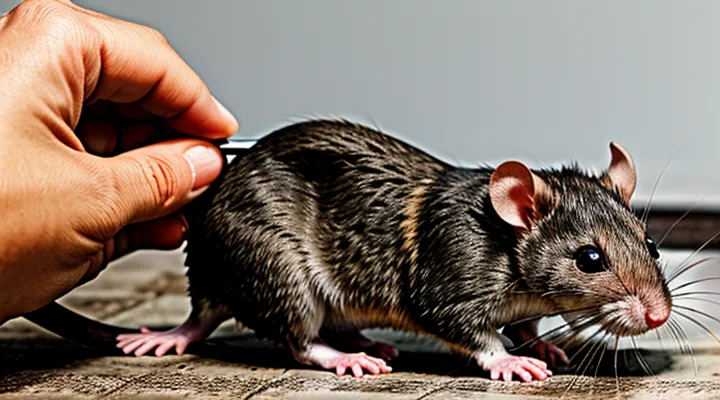
Understanding the Risks
Health Hazards
Zoonotic Diseases
When a rat dies, the body can harbor pathogens capable of crossing species barriers. Direct contact with blood, urine, feces, or tissue may transmit infections to humans or other animals.
Common zoonotic agents associated with rodents include:
- «Leptospirosis» – bacteria shed in urine, capable of penetrating skin abrasions.
- «Hantavirus» – virus present in lung tissue and excreta, inhaled as aerosolized particles.
- «Salmonellosis» – bacteria found in gastrointestinal contents, spread through handling.
- «Rat‑bite fever» (Spirillum minus) – bacteria transmitted via bites or contaminated wounds.
- «Yersiniosis» – Yersinia pestis and related species, historically linked to plague.
Risk mitigation requires personal protective equipment: impermeable gloves, disposable gown, face shield or goggles, and a mask rated for aerosol protection. After removal, the carcass should be placed in a sealed, puncture‑resistant container. Autoclaving or incineration eliminates residual organisms; if unavailable, double‑bagging and deep burial with at least 30 cm of soil provides an acceptable alternative.
Disinfection of surfaces and tools follows exposure. A solution of 1 % sodium hypochlorite applied for ten minutes, then rinsed with clean water, effectively inactivates most rodent‑borne pathogens. Hand hygiene with soap and alcohol‑based sanitizer completes the decontamination process.
Allergic Reactions
Handling a deceased rodent poses a risk of allergic reactions for individuals with sensitivities to rodent proteins, dander, or urine residues. Exposure can trigger respiratory distress, skin inflammation, or systemic symptoms such as hives and swelling.
Typical manifestations include sneezing, wheezing, itchy rash, and, in severe cases, anaphylaxis. Immediate recognition of these signs allows prompt medical intervention, reducing the likelihood of complications.
Preventive measures focus on minimizing contact with allergenic material:
- Wear disposable nitrile gloves and a sealed face mask to block inhalation of airborne particles.
- Use a disposable gown or a dedicated lab coat to protect skin.
- Place the carcass in a sealed, biohazard‑rated container before disposal.
- Perform all tasks in a well‑ventilated area or under a fume hood to reduce aerosol formation.
- Wash hands thoroughly with soap and water after removing protective equipment.
If symptoms develop, administer an antihistamine or, for anaphylactic reactions, an epinephrine auto‑injector according to established medical guidelines. Seek emergency medical care without delay.
Post‑handling decontamination includes sanitizing work surfaces with an appropriate disinfectant, discarding single‑use protective gear in a designated waste bin, and laundering reusable clothing separately from other laundry. Regular training on allergen awareness and emergency response reinforces safety during the management of dead rodents.
Odor Management
Decomposing rodent tissue releases volatile compounds that quickly create an unpleasant environment. Prompt odor control prevents contamination of surrounding areas and reduces health risks.
Immediate actions
- Place the carcass in an airtight container; seal with a rubber gasket or heavy-duty plastic wrap.
- Transfer the container to a freezer or dedicated waste bin located away from living spaces.
Cleaning procedures
- Remove all bedding, nesting material, and surfaces that contacted the animal.
- Wash affected surfaces with hot water and a detergent that contains enzymatic agents.
- Apply a disinfectant containing at least 0.5 % hydrogen peroxide; allow a contact time of ten minutes before rinsing.
- Sprinkle a layer of activated charcoal or baking soda on porous surfaces; leave for several hours, then vacuum.
Ventilation and deodorization
- Open windows and run exhaust fans to increase air exchange.
- Position an air purifier equipped with a HEPA filter and an activated‑carbon filter near the treatment area.
- Distribute a few drops of essential oil such as «eucalyptus» on a cotton pad; place the pad in the room for a limited period to mask residual smells.
Disposal and long‑term prevention
- Seal the container containing the frozen carcass with tape; label clearly as biological waste.
- Transfer to a licensed hazardous‑waste disposal service according to local regulations.
- Store future rodent supplies in sealed containers; maintain regular cleaning schedules to minimize organic buildup.
Following these steps eliminates foul odors efficiently and maintains a safe, sanitary environment.
Immediate Actions
Assessing the Situation
Location of the Deceased Rat
When a rat has died, the place where the body is kept determines safety, sanitation, and ease of disposal. Selecting an appropriate site prevents the spread of disease, eliminates odors, and facilitates proper removal.
Potential locations include:
- A sealed plastic container placed on a non‑absorbent surface such as a tiled floor or metal tray. The container should be airtight to contain fluids and prevent scavenger access.
- A disposable cardboard box lined with a plastic bag, stored in a refrigerator or freezer if immediate disposal is not possible. This method preserves the specimen and slows decomposition.
- An outdoor area away from food preparation zones, preferably on a concrete slab or in a buried pit at a depth of at least six inches. Burial must comply with local regulations regarding wildlife remains.
- A designated biohazard waste bin provided by municipal services. The bin should be located in a secure, ventilated area until collection.
Regardless of the chosen spot, the following precautions are mandatory:
- Wear disposable gloves and, if available, a mask to avoid direct contact with bodily fluids.
- Disinfect the surrounding surface with a solution containing at least 0.1 % bleach after removal.
- Seal the container or bag tightly before transport to a waste facility or composting site.
Choosing a suitable location and adhering to these steps ensures hygienic handling and compliant disposal of the deceased rodent.
Presence of Other Pests
When a dead rodent is discovered, the surrounding environment often hosts additional vermin that can exploit the carrion. Immediate identification of these secondary pests prevents infestation expansion and reduces disease transmission risk.
Key considerations include:
- Inspection of nearby areas for signs of insects, such as beetles, flies, or maggots, which are attracted to decaying tissue.
- Observation of rodent activity patterns that may indicate the presence of fleas, ticks, or mites seeking a new host.
- Assessment of structural entry points that could allow cockroaches, ants, or other scavengers to access the site.
Control measures should be implemented promptly:
- Remove the carcass using sealed, disposable gloves and place it in a double‑bagged, leak‑proof container.
- Apply an appropriate insecticide or pest‑specific treatment to the immediate vicinity, following manufacturer guidelines.
- Seal cracks, gaps, and openings in walls, floors, and foundations to restrict pest ingress.
- Conduct a thorough sanitation sweep, disposing of contaminated materials in sealed waste containers.
- Schedule a follow‑up inspection within 48 hours to verify the absence of secondary pest activity.
Documentation of pest observations and remediation actions supports ongoing monitoring and facilitates timely response to future incidents.
Necessary Supplies
Personal Protective Equipment («PPE»)
Handling a deceased rodent poses exposure risks from pathogens, allergens, and bodily fluids. Protective barriers prevent direct contact and reduce contamination of surfaces and personnel.
Recommended protective equipment includes:
- Disposable nitrile gloves, double‑layered when possible;
- Fluid‑resistant laboratory coat or disposable coveralls;
- Face shield or safety goggles to guard mucous membranes;
- N95 respirator or equivalent particulate filter when aerosol generation is likely;
- Closed‑toe, puncture‑resistant shoes or shoe covers.
Donning sequence: wash hands, secure respirator, place goggles or shield, put on coveralls, then gloves. Ensure seams and cuffs overlap to eliminate gaps. Removal follows reverse order: gloves first, then coveralls, followed by goggles and respirator, concluding with hand washing. Dispose of all items in biohazard bags, seal, and label for incineration or approved autoclave processing.
Decontamination of reusable components, such as goggles, requires disinfection with an EPA‑registered disinfectant after each use. Maintain a log of PPE inventory, inspection dates, and replacement intervals to guarantee integrity of the barrier system.
Disposal Materials
Proper disposal of a deceased rodent prevents disease transmission and eliminates unpleasant odors. Select materials that seal the body, resist leakage, and allow safe removal from the premises.
- Heavy‑duty polyethylene bags, thick enough to resist tearing, provide a primary barrier.
- Double‑bagging with a second, smaller bag adds redundancy in case of puncture.
- Biohazard‑rated containers, featuring snap‑tight lids, are suitable for laboratory or clinical settings.
- Compostable bags, certified for organic waste, permit environmentally friendly burial when local regulations allow.
- Rigid plastic tubs with screw‑on lids, lined with absorbent pads, enable containment during transport to incineration facilities.
Disinfectant solutions, such as a 10 % bleach mixture, should be applied to the exterior of sealed packages before handling. After disposal, wash hands thoroughly with soap and water, and clean any surfaces that contacted the material. Follow local health codes regarding burial depth or incineration requirements to ensure compliance.
Safe Removal Procedures
Donning PPE
Proper preparation of personal protective equipment («PPE») prevents exposure to pathogens that may be present on a deceased rodent. The sequence of actions must be consistent, repeatable, and performed before any contact with the carcass.
- Select appropriate garments: fluid‑resistant gown, disposable gloves, face shield or goggles, and a fitted respirator with a certified filter.
- Perform hand hygiene with an alcohol‑based solution before touching any item.
- Put on the gown, ensuring full coverage of torso and limbs; secure fastenings at the back.
- Apply the respirator, adjusting straps for a snug seal; perform a seal check by inhaling and exhaling.
- Position the face shield or goggles over the eyes, confirming no gaps.
- Don the first pair of gloves, pulling them over the gown cuffs.
- If double gloving is required, add a second glove layer, extending it to the fingertips.
- Verify that all components are intact, free of tears, and properly sealed.
During removal, follow a reverse order, disinfecting hands between each step. Discard all disposable items in a biohazard container and decontaminate reusable equipment according to institutional protocols. This disciplined approach minimizes the risk of contamination while handling a dead rat.
Handling the Carcass
Avoiding Direct Contact
When a rodent dies indoors, preventing skin exposure reduces the risk of disease transmission. Protective barriers create a physical separation between the body and the handler, limiting contact with potential pathogens.
Key measures for «Avoiding Direct Contact»:
- Wear disposable nitrile or latex gloves that extend to the wrist.
- Use a sturdy disposable bag or sealed container to enclose the carcass.
- Manipulate the animal with tongs, forceps, or a scooping tool rather than hands.
- Disinfect gloves and tools with a 10 % bleach solution after removal.
- Perform thorough hand washing with antimicrobial soap for at least 20 seconds before and after the task.
After the carcass is sealed, place the bag in a secondary container before disposal in accordance with local regulations. Clean and disinfect any surfaces that may have been touched during the process. Regularly replace protective equipment to maintain barrier integrity.
Using Tools
When a rat dies in a household or laboratory setting, safe removal requires specific equipment to prevent disease transmission and environmental contamination.
Personal protection begins with a pair of disposable latex or nitrile «gloves». These create a barrier against blood, saliva, and potential pathogens. Follow with a disposable mask and eye protection if aerosol‑borne agents are suspected.
Tools for physical extraction include:
- «Tweezers» or small forceps for grasping the carcass without direct contact.
- «Plier‑type grabbers» when the body is lodged in confined spaces.
- «Rigid spatula» for lifting the rat from surfaces where gripping is difficult.
Containment and disposal rely on sealed containers. Use a rigid, puncture‑resistant «biohazard bag» or a double‑layered plastic zip‑lock bag. After placement, expel excess air, close tightly, and label according to local regulations.
Sanitization follows removal. Apply an EPA‑approved disinfectant to the work area, tools, and gloves. After contact time, wipe surfaces with disposable «disinfectant wipes». Finally, discard all single‑use items in a designated waste stream and wash reusable tools with hot, soapy water before storage.
Adhering to this equipment protocol minimizes health risks and ensures compliance with safety standards.
Containing the Remains
Double Bagging Method
The double‑bagging method provides a reliable barrier against leakage and odor when disposing of a deceased rodent.
First bag: select a sturdy, puncture‑resistant plastic bag, preferably with a zip‑lock closure. Place the animal inside, ensuring the bag conforms tightly to the body. Expel excess air, then seal the bag completely.
Second bag: insert the sealed first bag into a second, larger plastic bag of similar durability. Remove remaining air by gently pressing the bag, then seal securely.
If required by local regulations, attach a label indicating “dead rodent” and the date of disposal.
Finally, place the double‑bagged package in a regular waste container that will be collected promptly. The dual containment prevents accidental exposure and simplifies compliance with health‑safety standards.
Sealing the Bags
Sealing the bags is a critical step after removing a deceased rodent from the environment. Use two layers of heavy‑duty polyethylene bags; place the carcass in the inner bag, remove excess air, and close the opening with a tight twist tie or heat‑sealed clip. Immediately insert the sealed inner bag into a second, larger bag, expel remaining air, and secure it with a robust knot or commercial zip‑seal. Label the outer bag with “biohazard” and the date of collection to ensure proper tracking during disposal. Store the double‑sealed package in a cool, dry area until it can be transferred to a licensed waste‑management service, which will handle incineration or sanitary landfill placement in accordance with local regulations. This method prevents odor leakage, minimizes pathogen spread, and satisfies health‑safety requirements.
Disposal Methods
Municipal Waste Collection
Checking Local Regulations
When a rodent dies inside a home or property, the first step is to verify the legal requirements that govern its removal and disposal. Local health departments, animal control agencies, and municipal waste services publish specific rules regarding hazardous wildlife, disease prevention, and waste classification. Ignoring these regulations can lead to fines, contamination risks, or improper handling of biohazard material.
Key actions for compliance include:
- Contact the municipal health office to request information on permitted disposal methods for deceased small mammals.
- Review city ordinances or county codes that define whether the carcass must be treated as medical waste, regular trash, or a separate biohazard category.
- Determine if a licensed pest‑control provider is required for collection, especially in multi‑unit dwellings or commercial settings.
- Obtain any necessary permits or documentation before transporting the carcass to a designated disposal facility.
- Record the date, location, and method of disposal as evidence of adherence to local statutes.
Failure to follow the outlined procedures may expose occupants to pathogens such as hantavirus or leptospirosis and can result in enforcement actions. By consulting the appropriate authorities and adhering to published guidelines, the removal of a dead rat remains safe, lawful, and environmentally responsible.
Proper Placement for Pickup
When a deceased rat must be removed, the placement of the carcass for collection determines safety, compliance, and efficiency. The container should be sturdy, leak‑proof, and sized to accommodate the animal without crushing. Seal the container with a tamper‑evident lid to prevent exposure to pathogens and to satisfy regulatory requirements. Label the exterior with a clear indication of contents, for example «Dead rodent – biohazard», and include the date of placement.
The chosen location for pickup must meet the following criteria:
- Accessible to the collection service without obstruction.
- Isolated from food preparation, storage, and consumption areas.
- Situated in a temperature‑controlled environment if a delay in pickup is anticipated; refrigeration slows decomposition and reduces odor.
- Clearly marked on facility maps and documented in the waste‑management log.
Before positioning the sealed container, verify that the area complies with local health‑department guidelines. Place the container on a non‑absorbent surface, such as a sealed tray, to contain any accidental leakage. Ensure that personnel handling the container wear appropriate personal protective equipment, including gloves and disposable gowns, and that hand hygiene is performed immediately after contact.
After the collection team retrieves the sealed container, record the time of pickup, the responsible technician, and any observations regarding the condition of the container. Store the documentation with other biohazard waste records for audit purposes. This systematic approach minimizes risk to staff, maintains regulatory compliance, and ensures that the deceased rat is disposed of safely.
Burial
Choosing a Location
Selecting an appropriate site for a deceased rodent minimizes health risks and respects sanitary standards. The chosen area must be isolated from food preparation zones, living quarters, and high‑traffic pathways.
- «Isolation from food storage and preparation surfaces» prevents accidental contamination.
- «Adequate ventilation» reduces odor accumulation and disperses potential pathogens.
- «Ease of access for protective equipment» allows safe handling without obstruction.
- «Secure containment capability» ensures the carcass remains sealed until disposal.
- «Compliance with local regulations» avoids legal complications related to wildlife waste.
Placement on a disposable, non‑porous surface—such as a sealed plastic tray—facilitates removal. The surface should be positioned on a stable, elevated platform to protect against accidental contact with pets or children. After disposal, the area must be disinfected with an EPA‑approved sanitizer and left to dry before returning to regular use.
Depth and Covering
When a rat dies, burial provides a simple, sanitary solution. Select a location away from food storage, water sources, and high‑traffic areas. Soil composition should allow drainage and prevent odor buildup.
- Minimum depth: 12 inches (30 cm) for small rodents; increase to 18 inches (45 cm) if the ground is loose or sandy.
- Soil layer: place a layer of absorbent material (e.g., shredded newspaper or sawdust) at the bottom of the pit.
- Placement: position the carcass centrally, ensuring the body does not touch the pit walls.
- Covering: backfill with native soil, compact gently to eliminate air pockets. Add an additional 2‑inch (5 cm) layer of mulch or compost to aid decomposition and mask scent.
After burial, mark the spot discreetly to avoid accidental disturbance. Monitor the site for signs of scavenger activity; if observed, reinforce the covering with a thin sheet of plastic before adding the final soil layer. This approach minimizes health risks and environmental impact while respecting the animal’s remains.
Incineration («If Permitted»)
Safety Precautions
Handling a dead rodent poses health risks that require strict safety measures. Direct contact can transmit zoonotic pathogens, and improper disposal may contaminate the environment.
- Wear disposable nitrile gloves; discard them immediately after use.
- Use a sealed plastic bag to contain the carcass; double‑bag for added protection.
- Apply a disinfectant (e.g., 10 % bleach solution) to the bag exterior before disposal.
- Perform the procedure in a well‑ventilated area to minimize inhalation of aerosolized particles.
- Avoid splashing or crushing the body; handle it gently to reduce the spread of fluids.
- Wash hands thoroughly with soap and water for at least 20 seconds after glove removal.
- Clean and disinfect any surfaces or tools that contacted the animal.
Proper disposal follows local regulations; typically, sealed bags are placed in a trash container designated for hazardous waste. Adhering to these precautions minimizes infection risk and ensures safe management of the deceased animal.
Environmental Considerations
When a rodent carcass is discovered, immediate attention to environmental impact prevents disease spread and ecological disruption. Containment in a sealed, leak‑proof bag limits pathogen escape, while avoiding direct burial reduces soil contamination and protects groundwater.
Selection of disposal method must align with local regulations and sustainability goals. Incineration eliminates biological material without leaching, whereas landfill placement in a designated hazardous waste section ensures proper monitoring. If composting is considered, strict temperature control and isolation from edible crops are mandatory to prevent pathogen persistence.
Recommended practice: encase the remains in a double‑layered biodegradable bag, label as biohazard, and transport to an authorized incineration facility or licensed landfill. Avoid disposal near water bodies, wildlife habitats, or agricultural fields to safeguard ecosystems.
Post-Removal Sanitation
Cleaning the Area
Disinfectants to Use
When a rodent carcass is removed, surfaces and tools must be decontaminated to prevent disease transmission. Effective disinfectants eliminate bacterial, viral, and parasitic agents that may remain on skin, clothing, and equipment.
- «Sodium hypochlorite» (household bleach) diluted to 1 % (approximately 1 part bleach to 9 parts water). Contact time: 10 minutes. Effective against most pathogens, including hantavirus.
- «Hydrogen peroxide» at 3 % concentration. Contact time: 5 minutes. Suitable for non‑porous surfaces; does not produce hazardous fumes.
- «Quaternary ammonium compounds» (e.g., benzalkonium chloride) according to manufacturer’s dilution instructions. Contact time: 5–10 minutes. Compatible with plastics and metals.
- «Phenolic disinfectants» (e.g., ortho‑phenylphenol) used at 0.5 % solution. Contact time: 10 minutes. Provides broad‑spectrum activity, especially for hard‑to‑kill spores.
- «Isopropyl alcohol» 70 % solution. Contact time: 1 minute. Useful for quick surface wipes; limited residual effect.
Preparation steps: mix disinfectant in a clean container, label with concentration and expiration date, apply using disposable towels or spray bottles, ensure full coverage of all contact points, and maintain required contact time before wiping or rinsing.
Safety measures: wear disposable gloves, protective eyewear, and a mask; work in a well‑ventilated area; avoid mixing bleach with ammonia or acids to prevent toxic gas formation; dispose of contaminated materials in sealed, leak‑proof bags before discarding. After decontamination, wash hands thoroughly with soap and water.
Ventilating the Space
Ventilating the area where a dead rodent was found reduces odor accumulation and limits the spread of airborne pathogens. Immediate airflow prevents bacterial growth and minimizes health risks for occupants.
Steps to achieve effective ventilation:
- Isolate the space by sealing doors and windows that lead to other rooms.
- Open any available windows to create natural cross‑draft.
- Position a box fan or industrial blower toward the opening, directing stale air outward.
- Supplement with an air purifier equipped with a HEPA filter to capture microscopic particles.
- Maintain airflow for at least 30 minutes, extending the period if strong odor persists.
- After ventilation, verify air quality with a portable monitor before re‑entering the space.
Proper airflow, combined with filtration, ensures the environment returns to safe conditions promptly.
Deodorizing
Natural Remedies
When a rodent dies indoors, swift removal prevents bacterial growth and unpleasant odor. Natural agents eliminate decay without introducing synthetic chemicals.
- Vinegar solution (equal parts white vinegar and water) applied to the carcass and surrounding area neutralizes acidity and reduces microbial activity.
- Baking soda sprinkled over the remains absorbs moisture and curtails foul smells.
- Essential oil blends containing tea‑tree, eucalyptus, or lavender, diluted in carrier oil, create antimicrobial barriers when rubbed onto the tissue.
- Diatomaceous earth spread around the site desiccates residual fluids and deters insects.
- Dried herbal powders such as neem, rosemary, or sage, applied directly, release volatile compounds that inhibit decomposition.
Application follows a simple sequence: first, place the deceased animal in a disposable container; second, coat the exterior with the chosen natural agent; third, seal the container and allow the treatment to act for at least thirty minutes before disposal.
Final disposal recommends sealing the treated container in a double‑layered biodegradable bag and discarding it in an outdoor trash receptacle away from living spaces. Afterwards, ventilate the area and repeat a mild vinegar rinse to ensure residual odor is eliminated.
Adhering to these natural methods maintains hygiene, respects ecological concerns, and avoids reliance on harsh chemicals.
Commercial Products
Commercial products designed for the safe removal and disposal of a dead rodent address hygiene, legal compliance, and pest‑control concerns. These items simplify the process, reduce exposure to pathogens, and ensure that waste is handled according to local regulations.
- Biohazard disposal kits: sealed containers, absorbent pads, and protective gloves packaged for single‑use applications.
- Heavy‑duty waste bags: puncture‑resistant, leak‑proof liners rated for biological waste.
- Disinfectant sprays and wipes: EPA‑registered formulations targeting bacterial and viral contaminants common in rodent carcasses.
- Rodent‑specific incineration units: compact, electric models that combust carcasses at temperatures exceeding 800 °C, eliminating organic material completely.
- Professional pest‑control services: licensed operators equipped with certified disposal equipment and documentation for regulatory reporting.
Selection criteria prioritize product certification, ease of use, and compatibility with existing waste‑management systems. Proper application of these commercial solutions minimizes health risks and streamlines the disposal workflow.
Preventing Future Infestations
Identifying Entry Points
Sealing Cracks and Holes
After the carcass has been removed, the surrounding structure must be sealed to stop other rodents from entering and to contain any residual odors.
Inspect all walls, floors, and ceilings for openings larger than a few millimeters. Typical entry points include gaps around pipes, vent openings, and seams between building materials.
Select sealing materials that resist chewing and moisture. Preferred options are steel wool combined with silicone caulk, expanding polyurethane foam, or cement‑based mortar for larger voids.
Apply the chosen sealant following these steps:
- Clean the area of dust and debris; a dry surface ensures adhesion.
- Insert steel wool into narrow cracks, then cover with a thin layer of silicone caulk to lock the fibers in place.
- For gaps wider than ¼ inch, dispense expanding foam, allow it to cure, then trim excess material flush with the surrounding surface.
- For structural holes, mix mortar according to manufacturer instructions, press firmly into the opening, and smooth the surface to match the existing finish.
Allow all sealants to cure completely before re‑occupying the space. Regularly inspect sealed areas for signs of deterioration and repair promptly to maintain an effective barrier.
Repairing Damaged Screens
When a rodent carcass contaminates a window or ventilation screen, the integrity of the mesh often suffers. Immediate repair prevents further infestation and restores barrier function.
First, isolate the affected area. Wear disposable gloves and a mask, then remove the dead animal using a sealed container. Discard the container according to local hazardous‑waste regulations.
Second, clean the screen surface. Apply an enzymatic cleaner to dissolve organic residues, scrub gently with a soft brush, and rinse with warm water. Allow the screen to dry completely; moisture encourages mold growth.
Third, evaluate the mesh for tears, holes, or stretched sections. If damage is minor, patch the area with a self‑adhesive screen repair tape. For larger breaches, cut a replacement piece of screen material matching the original mesh gauge, then:
- Position the patch over the damaged zone.
- Secure edges with a thin bead of silicone sealant.
- Press firmly to eliminate air pockets.
- Smooth the sealant with a fingertoint.
Finally, reinstall the repaired screen, ensuring tight alignment with the frame. Test by gently pulling the mesh to confirm stability. Document the repair date for future maintenance tracking.
Eliminating Food Sources
Storing Food Securely
When a rodent carcass is discovered, the primary concern is preventing contamination of stored provisions. Immediate assessment of all food items within the affected area determines which products require disposal and which remain safe for consumption.
- Discard any food that shows signs of exposure, damage, or odor.
- Transfer remaining supplies to containers that provide a seal against pests and moisture; preferred options include glass jars with screw‑top lids, heavy‑duty plastic tubs with locking clips, or metal tins with airtight seals.
- Position containers on elevated surfaces, away from walls and corners where rodents may travel.
- Employ rodent‑proof shelving or metal racks to minimize contact with flooring.
- Label each container with the date of transfer and inspection to track freshness and handling history.
After securing food, clean the storage area with a disinfectant solution recommended for food‑contact surfaces. Allow the surface to dry completely before returning sealed containers. Regularly inspect storage spaces for signs of gnaw marks or droppings, and maintain a schedule of preventive measures, such as sealing entry points and using traps, to reduce the risk of future incidents.
Regular Cleaning Practices
After a rodent carcass is removed, systematic sanitation eliminates pathogens and deters attraction of other pests. Immediate disinfection of the removal site and surrounding surfaces reduces the risk of bacterial and viral contamination.
- Wear disposable gloves and a mask before handling any contaminated material.
- Dispose of gloves, masks, and absorbent pads in sealed, biohazard‑rated bags.
- Apply an EPA‑approved disinfectant to all contact surfaces; allow the recommended contact time before wiping.
- Clean floors, countertops, and equipment with hot water and detergent, followed by a secondary disinfectant rinse.
- Launder reusable cloths and mop heads at temperatures exceeding 60 °C; dry thoroughly before reuse.
Routine cleaning schedules should incorporate these steps after each incident. Daily inspection of high‑traffic areas, combined with weekly deep‑cleaning cycles, maintains a hygienic environment and supports long‑term health safety.
Trapping and Baiting Strategies
Humane Trapping
Humane trapping provides a safe and ethical method for retrieving a dead rat from indoor or outdoor environments. The approach minimizes stress for occupants and prevents secondary contamination.
Key considerations for effective humane trapping include:
- Choose a live‑capture trap constructed of sturdy wire mesh and equipped with a secure, vented lid.
- Position the trap along established rodent pathways, near walls, or adjacent to recent activity signs.
- Bait the trap with a small amount of attractive food, such as peanut butter or seed mix, to encourage entry.
- Inspect the trap at regular intervals, ideally every 30 minutes, to reduce decomposition time.
- Wear disposable gloves and a facial mask when handling the trap to protect against disease transmission.
After capture, transfer the deceased animal to a sealed, bio‑hazard bag and dispose of it according to local regulations. Disinfect the trap with a solution of bleach (1 part bleach to 9 parts water) before storage or reuse. Clean surrounding surfaces with an approved sanitizer to eliminate residual pathogens.
Chemical Baits («Use with Caution»)
Chemical baits serve as a rapid method to neutralize pathogens associated with a dead rat, but they demand strict adherence to safety protocols. The label «Use with Caution» summarizes the required level of vigilance.
- Wear disposable gloves, impermeable gown, and eye protection before any contact.
- Ensure adequate ventilation; operate in a well‑aired area or under a local exhaust system.
- Keep bait containers sealed when not in use; store away from food, water, and children’s access.
- Verify the expiration date; discard any product past its shelf life.
Apply bait only to surfaces directly contaminated by the carcass. Use the minimum effective quantity, following the manufacturer’s dosage chart. Place the bait in a sealed, puncture‑resistant container to prevent accidental ingestion by pets or wildlife. Clearly label the container with the warning phrase «Use with Caution» and the date of application.
After the bait has fulfilled its purpose, collect all residues and containers in a double‑layered, leak‑proof bag. Transfer the bag to a licensed hazardous‑waste disposal facility in accordance with local regulations. Decontaminate tools and work surfaces with an appropriate disinfectant, then rinse protective equipment before disposal or reuse.
Observing these measures eliminates the risk of secondary poisoning, protects personnel, and ensures compliance with environmental standards while addressing the health hazards posed by a deceased rat.