
When is a Bath Necessary?
Why Do Rats Need Bathing?
Hygiene and Odor Control
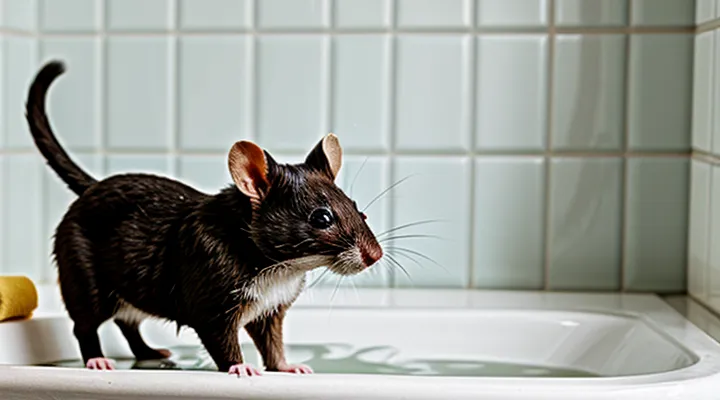
Bathing pet rats requires a focus on skin health and odor reduction. Clean water at a lukewarm temperature (30‑35 °C) prevents shock and supports effective cleansing. Use a small, shallow container to limit movement and reduce stress; a sink or bathtub basin works well.
Apply a mild, unscented laboratory‑grade soap or a veterinary‑approved rodent shampoo. Limit the amount to a thin film; excessive suds can trap moisture in the fur, encouraging bacterial growth. Rinse thoroughly with fresh lukewarm water until no residue remains, then gently pat dry with a soft, absorbent towel.
After drying, follow these steps to control odor:
- Trim excess fur around the tail and hindquarters where waste accumulates.
- Apply a single‑use, dust‑free powder (e.g., cornstarch) to absorb residual moisture.
- Clean the enclosure with an enzymatic cleaner designed for small mammals; avoid harsh chemicals that can irritate the skin.
- Replace bedding with a low‑dust, absorbent material such as paper‑based pellets.
Regular grooming between baths—brushing the coat, checking for skin lesions, and removing debris—maintains hygiene and minimizes the need for frequent full‑body washes, thereby keeping odor at a minimum.
Parasite Treatment (Under Vet Guidance)
When preparing a home bath for pet rats, verify the presence of ectoparasites before immersing the animal. Conduct a visual inspection of the coat, ears, and ventral area for fleas, mites, or ticks. Any signs of infestation require immediate veterinary consultation; self‑medication can cause toxicity or ineffective control.
A veterinarian will prescribe an appropriate antiparasitic agent, such as a topical fipronil formulation or an oral ivermectin dose calibrated to the rat’s weight. Follow the exact dosage schedule, and observe the waiting period recommended before the bath to allow the medication to distribute through the skin and bloodstream.
During the bath, use a mild, rodent‑safe shampoo that does not interfere with the parasite treatment. Rinse thoroughly to remove residual product that could dilute the medication’s effectiveness. After drying, re‑examine the coat to confirm that the treatment remains active and that no new parasites are visible.
Key steps for successful parasite management in a home bathing routine:
- Schedule veterinary assessment prior to the first bath.
- Apply the prescribed antiparasitic according to weight‑based instructions.
- Allow the medication to act for the vet‑specified interval before bathing.
- Use a gentle, species‑appropriate cleanser; avoid harsh chemicals.
- Perform a post‑bath inspection and report any adverse reactions to the veterinarian.
Adhering strictly to veterinary guidance minimizes health risks, ensures effective parasite eradication, and supports the overall hygiene of rats during regular bathing.
Allergic Reactions in Owners
Bathing pet rats can expose owners to allergens present in the animal’s fur, skin secretions, and cleaning products. Recognizing and managing these reactions is essential for safe grooming.
Allergic symptoms typically include:
- Sneezing, runny nose, or nasal congestion
- Itchy, red, or watery eyes
- Skin redness, hives, or itching on exposed areas
- Coughing or shortness of breath in severe cases
Risk factors increase when owners have a history of pet allergies, asthma, or prolonged exposure without protective measures.
Preventive actions:
- Use hypoallergenic, fragrance‑free shampoos formulated for small mammals.
- Wear disposable nitrile gloves and a mask covering nose and mouth during the bath.
- Keep the bathing area well‑ventilated; open windows or use a fan.
- Limit bathing frequency to the minimum required for hygiene, usually once every few weeks.
- Wash hands thoroughly after handling the rat or cleaning equipment.
If an allergic reaction appears during or after grooming:
- Remove the source of exposure; stop the bath and place the rat in a separate, well‑ventilated space.
- Discard contaminated gloves and wash hands with soap and water.
- Apply a cold compress to skin irritation; use over‑the‑counter antihistamine tablets if tolerated.
- Monitor respiratory symptoms; administer a prescribed inhaler if the owner has asthma.
Seek professional medical care when:
- Symptoms persist beyond 30 minutes despite self‑treatment.
- Breathing difficulty, wheezing, or throat swelling develops.
- Skin reactions spread rapidly or become painful.
By implementing protective equipment, selecting low‑allergen products, and responding promptly to symptoms, owners can minimize allergic risks while maintaining proper hygiene for their rats.
When to Avoid Bathing
Stress or Illness
Bathing small rodents can trigger physiological stress and expose them to disease if procedures are not carefully managed. Recognizing stress and illness before, during, and after a wash prevents complications and supports recovery.
Signs of acute stress
- Rapid breathing or panting
- Vocalizations such as squeaking or chattering
- Attempts to flee or aggressive bites
- Rigid posture, tail held low, or excessive grooming after the bath
Health conditions that contraindicate a wash
- Respiratory infection (nasal discharge, wheezing)
- Skin lesions, burns, or open wounds
- Diarrhea or recent gastrointestinal upset
- Fever or lethargy observed in the preceding 24 hours
Measures to reduce stress
- Use lukewarm water (30‑32 °C) and limit exposure to 2‑3 minutes.
- Prepare a shallow, non‑slippery container to allow the rat to stand securely.
- Apply a gentle, rodent‑safe shampoo sparingly; avoid vigorous scrubbing.
- Keep the environment quiet, free of sudden noises, and handle the animal with calm, steady movements.
Post‑bath monitoring
- Dry the rat with a low‑heat hair dryer set on the coolest setting, or towel‑dry gently.
- Observe for shivering, prolonged trembling, or refusal to eat within an hour.
- Check the cage for any signs of skin irritation or unusual droppings over the next 24 hours.
Adhering to these protocols minimizes the likelihood that a routine cleaning session will induce stress‑related disorders or exacerbate existing illnesses.
Pregnancy or Nursing
When a female rat is pregnant or nursing, bathing procedures require extra caution to protect both the mother and her offspring. The mother’s temperature regulation and stress levels are critical; excessive handling or water exposure can disrupt gestation or milk production.
Before the bath, verify that the rat is healthy, the litter is present, and the environment is warm (around 24 °C). Use a shallow container with lukewarm water—no hotter than 30 °C—to prevent hypothermia. Apply a mild, fragrance‑free rodent shampoo, diluted according to the product label, and limit contact time to under two minutes.
Key steps:
- Fill the container with a few centimeters of water, ensuring the rat can stand without submerging the belly.
- Gently place the rat in the water, supporting the hindquarters to keep the abdomen elevated.
- Lather the coat with a small amount of shampoo, avoiding the genital area and nipples.
- Rinse thoroughly with clean, lukewarm water, preventing soap residue.
- Transfer the rat to a soft, dry towel; pat the fur gently, avoiding vigorous rubbing that could stress the animal.
- Place the rat in a pre‑warmed enclosure until fully dry, monitoring body temperature throughout.
After bathing, observe the mother for signs of distress, reduced appetite, or changes in nursing behavior. If any abnormality appears, consult a veterinarian promptly. Regular bathing is unnecessary for pregnant or lactating rats; limit it to situations where the coat is soiled or a health issue demands cleaning.
Very Young or Elderly Rats
Bathing very young or elderly rats requires special handling to prevent stress, hypothermia, and skin irritation.
For newborn and juvenile rats (under four weeks old):
- Use a shallow container with warm water (30‑32 °C).
- Limit immersion to a few seconds; keep the head above water.
- Apply a tiny amount of unscented, mild pet shampoo only to the back and sides.
- Rinse with a gentle stream of lukewarm water, avoiding the face and ears.
- Dry immediately with a soft towel, then place the animal in a pre‑warmed enclosure (around 28 °C) until completely dry.
- Monitor for shivering or lethargy; intervene promptly if temperature drops.
For senior rats (over 18 months old):
- Test water temperature (28‑30 °C) to avoid overheating.
- Support the animal’s body with both hands to reduce strain on joints.
- Use a minimal amount of hypoallergenic, fragrance‑free shampoo; focus on areas prone to oil buildup, such as the tail base and ventral region.
- Rinse thoroughly, ensuring no residue remains, which could cause skin irritation.
- Pat dry with an absorbent cloth, then keep the rat in a quiet, warm area for at least 15 minutes.
- Observe for signs of arthritis pain or reduced mobility; provide a soft surface for the rat to rest on.
General precautions for both age groups:
- Never force a rat into water; allow it to enter voluntarily.
- Limit bathing frequency to once every 4‑6 weeks unless the animal becomes visibly dirty.
- Keep grooming tools separate from those used for other pets to prevent cross‑contamination.
- Consult a veterinarian if the rat shows persistent skin redness, excessive scratching, or respiratory distress after a bath.
Preparing for the Bath
Gathering Your Supplies
Shallow Basin or Sink
A shallow basin or a kitchen sink provides a stable, low‑profile environment for washing pet rats. Choose a container that fits the animal comfortably without forcing it to stand upright; the water level should cover only the hindquarters, typically 1–2 cm deep. This depth prevents the rat from becoming buoyant while allowing thorough cleaning of the fur and skin.
Before filling the basin, verify that the water temperature is lukewarm, around 30–32 °C (86–90 °F). Water that is too hot can cause burns, and water that is too cold may induce shock. Add a few drops of a mild, rodent‑safe shampoo if necessary; excessive suds can irritate the skin.
During the bath, support the rat’s body with one hand, keeping the head above water. Use a soft cloth or fingertip to gently rub the fur, paying attention to the tail and hind legs where dirt accumulates. Rinse promptly with clean, lukewarm water to remove all soap residues.
After rinsing, place the rat on a dry towel and pat the fur dry. Avoid vigorous rubbing, which can damage delicate hair. Transfer the animal to a warm, draft‑free area until the coat is completely dry; a low‑heat heat lamp set at a safe distance can accelerate drying if needed.
Cleaning the basin or sink after each use prevents bacterial growth. Discard any remaining water, wash the container with a mild detergent, rinse thoroughly, and dry before the next bath.
Key steps for using a shallow basin or sink:
- Select a container that allows the rat to lie flat with minimal water depth.
- Fill with lukewarm water (30–32 °C).
- Add a small amount of rodent‑safe shampoo if required.
- Support the rat, clean gently, and rinse completely.
- Dry the animal on a towel in a warm, draft‑free space.
- Sanitize the bathing vessel after each session.
Warm Water (Not Hot)
Warm water is the safest medium for cleaning pet rats because their skin and fur are sensitive to temperature extremes. Aim for a water temperature between 95 °F and 105 °F (35 °C–40 °C). This range relaxes the animal, promotes efficient cleaning, and prevents thermal shock.
To achieve the correct temperature, fill a shallow basin with tap water and measure with a kitchen thermometer. If the water is cooler than the target range, add a small amount of heated water and retest until the desired temperature is reached. Avoid using hot water directly from the tap; it often exceeds safe limits and can cause burns.
When preparing the bath, follow these steps:
- Place a non‑slippery mat at the bottom of the basin to give the rat traction.
- Adjust the water level so the rat’s paws can touch the surface without submerging its head.
- Introduce the rat gently; allow it to explore the warm water for a few seconds before beginning cleaning.
- Use a soft, pet‑safe brush or fingertip to loosen debris, applying minimal pressure.
- Rinse briefly with the same warm water to remove soap residue; avoid any detergents that can irritate the skin.
- Dry the animal promptly with a low‑heat hair dryer set on “warm” or with a soft towel; keep the environment warm to prevent hypothermia.
Maintain water temperature throughout the bath by adding small amounts of warm water if it begins to cool. Do not replace the entire bath with hot water during cleaning, as sudden temperature changes stress the rat’s circulatory system.
Consistently using water within the specified temperature range ensures a comfortable, effective bathing experience and reduces the risk of injury or stress.
Rat-Safe Shampoo (Unscented, Hypoallergenic)
Rat‑Safe Shampoo is formulated without fragrance and with hypoallergenic ingredients, eliminating the risk of skin irritation common in scented products. The mild surfactants cleanse without stripping natural oils, while the pH balance matches that of a rat’s skin, preventing dryness and inflammation.
When bathing pet rats, follow these steps to maximize safety and effectiveness:
- Prepare a shallow basin with lukewarm water (approximately 30 °C). Test the temperature with a fingertip before introducing the animal.
- Place a single rat in the water, supporting its body gently to avoid stress.
- Apply a small amount of shampoo to the fur, avoiding the eyes, ears, and nose.
- Massage the lather into the coat for 10–15 seconds, ensuring thorough coverage.
- Rinse with clean, lukewarm water until no suds remain; residual shampoo can cause irritation.
- Pat the rat dry with a soft towel, then allow it to finish drying in a warm, draft‑free area.
Key product attributes supporting the process:
- Unscented formula eliminates olfactory stress for sensitive rodents.
- Hypoallergenic composition reduces the likelihood of allergic reactions.
- Non‑soap base prevents excessive stripping of the protective lipid layer.
Regular use of this shampoo, combined with proper bathing technique, maintains healthy skin and fur while minimizing the potential for adverse reactions.
Soft Towels
Soft towels are essential for safely drying a rat after a bath. Their absorbency removes excess moisture without pulling fur, which can cause skin irritation or hair loss. Choose towels made of 100 % cotton or a cotton‑bamboo blend; these fibers are gentle, highly absorbent, and free of synthetic lint that could cling to the animal’s coat.
When selecting a towel, consider the following criteria:
- Size: at least 12 × 12 inches to cover the whole body.
- Thickness: medium‑weight fabric that soaks quickly yet remains pliable.
- Texture: smooth surface without raised loops or seams.
- Cleanliness: freshly laundered, free of detergents or fabric softeners.
During the drying stage, lay the rat on the towel, gently pat the fur to remove water, and then roll the towel around the body, applying light pressure to absorb remaining moisture. Replace the towel with a dry one if it becomes saturated before the animal is fully dry. After use, wash towels in hot water with a mild, fragrance‑free detergent; rinse thoroughly to eliminate residue, then dry on a low‑heat setting to preserve fabric softness.
Proper handling of soft towels minimizes stress for the rat, speeds up the drying process, and maintains the integrity of the animal’s coat.
Treats
Treats function as positive reinforcement during the bathing process, encouraging cooperation and reducing stress.
Choose rewards that are nutritionally appropriate and easy to consume quickly. Safe options include small pieces of fresh fruit (apple, banana), dried peas, tiny bits of cheese, or commercially formulated rat treats with low sugar content. Avoid foods high in fat, salt, or artificial additives, as they can compromise health and interfere with hygiene.
Administer treats at three key moments:
- Pre‑bath – present a treat to signal the upcoming activity and create a calm association.
- During – offer a bite when the rat tolerates water or remains still, reinforcing desired behavior.
- Post‑bath – give a final reward after drying, confirming completion of the routine.
Maintain treat hygiene by storing them in airtight containers, keeping them away from moisture, and discarding any that become stale or contaminated. This practice prevents bacterial growth that could affect both the rat’s health and the cleanliness of the bathing area.
Integrating appropriate treats into the bathing protocol streamlines handling, supports animal welfare, and promotes consistent grooming habits.
Creating a Calm Environment
Quiet Room
A quiet room provides the stable environment needed for safe and effective cleaning of pet rats in a domestic setting. Low noise levels prevent stress, which can cause rapid breathing and sudden movements that increase the risk of slipping or injury during the bath.
Select a space isolated from household traffic, such as a spare bathroom or a closed closet. Ensure the area is well‑ventilated but free from drafts; a small fan on low speed can circulate air without creating turbulence. Place a non‑slippery mat on the floor to give the rats traction while they stand in shallow water.
Prepare the bathing station before bringing the animals inside. Use a shallow container no deeper than two centimeters, fill with lukewarm water (approximately 30 °C), and add a few drops of a mild, rodent‑safe shampoo. Keep the container on a stable surface to avoid spills that could amplify noise.
During the bathing process, keep conversations and other sounds to a minimum. Speak softly if guidance is needed, and avoid sudden movements that could generate echoes. After rinsing, gently pat the rats dry with a soft towel and place them in a warm, quiet corner of the same room until completely dry.
Key elements for a suitable quiet room:
- Isolation from high‑traffic areas
- Stable, non‑slippery flooring
- Controlled temperature and ventilation
- Minimal acoustic disturbance
By maintaining these conditions, the bathing experience remains calm, reducing the likelihood of stress‑induced complications and promoting thorough cleaning.
Comfortable Temperature
When bathing pet rats, water must be warm enough to prevent shock but cool enough to avoid burns. Aim for a temperature between 95 °F (35 °C) and 100 °F (38 °C). Test the water with a thermometer or by placing a fingertip in the basin; the skin should feel comfortably warm, not hot.
Maintain the room temperature above 70 °F (21 °C) during the bath. Cooler ambient air can cause rapid heat loss, leading to hypothermia once the rat is removed from the water. If the room is cooler, use a space heater or warm blankets to keep the environment stable.
Prepare the bathing area in advance: fill the basin with the measured water, arrange a towel within reach, and have a dry, insulated surface ready for post‑bath drying. This reduces the time the rat spends exposed to cooler air.
After bathing, dry the rat thoroughly with a soft towel, then place it in a pre‑warmed cage or enclosure. Monitor the animal for signs of shivering or lethargy for several minutes; if any occur, increase the ambient temperature or provide additional warmth.
Key temperature guidelines:
- Water: 95 °F – 100 °F (35 °C – 38 °C)
- Room: ≥ 70 °F (≥ 21 °C)
- Post‑bath drying area: same as room or slightly warmer
Adhering to these temperature parameters ensures a safe, stress‑free cleaning experience for domesticated rats.
Minimal Distractions
When washing pet rats, eliminating unnecessary stimuli is essential for safety and effectiveness. A quiet environment reduces the animal’s stress response, preventing sudden movements that could lead to injury or water splashing.
- Choose a room with minimal foot traffic; close doors and turn off televisions or loud appliances.
- Use a small, shallow basin instead of a large tub to keep the rat within view and limit the area that needs monitoring.
- Remove toys, bedding, and other objects from the bathing surface to avoid accidental entanglement.
- Keep lighting soft but sufficient to see the rat’s body; harsh glare can cause the animal to panic.
Prepare all supplies—warm water, gentle pet shampoo, towel, and drying area—before the rat enters the water. Having everything at hand prevents interruptions that could startle the animal.
Maintain a steady, calm voice throughout the process. Sudden noises or high-pitched tones trigger a fight‑or‑flight reaction, making the rat more likely to thrash.
After the bath, transfer the rat promptly to a dry, warm spot away from drafts. The brief, distraction‑free routine supports a smooth cleaning experience and promotes the rat’s well‑being.
The Bathing Process
Gentle Introduction to Water
Acclimatizing Your Rat
Acclimating a rat to bathing conditions reduces stress and improves cooperation during the cleaning process. Begin by introducing the animal to the bathing area while it remains dry. Place a shallow container with a soft towel on the floor, allow the rat to explore, and reward calm behavior with a brief treat. Repeating this exposure for several minutes each day familiarizes the pet with the location and eliminates fear of the unfamiliar surface.
Gradual desensitization to water follows the initial habitat introduction.
- Fill the container with lukewarm water to a depth that reaches the rat’s belly, not higher than the hips.
- Gently lower the rat into the water for a few seconds, then immediately return it to the towel.
- Increase immersion time by 10‑15 seconds per session, monitoring the animal’s reaction.
- Maintain a calm voice and steady hand throughout each step.
Consistent short sessions, paired with treats after each successful immersion, condition the rat to associate bathing with positive outcomes. After several days of incremental exposure, the rat should tolerate a full bath without panic, enabling effective hygiene care at home.
Using a Gentle Stream of Water
A gentle stream of water provides the safest means of cleaning pet rats without causing panic or injury. The flow must remain soft enough to avoid splashing while still reaching all body surfaces.
Prepare a shallow basin filled with lukewarm water (approximately 30‑32 °C). Adjust the faucet to a low‑pressure setting; a detachable sprayer or a gentle trickle from a turned‑off tap works well. Place a non‑slip mat at the bottom of the basin to give the animal stable footing.
When bathing, hold the rat securely but gently, allowing the head to stay above water. Direct the stream from the side, moving it slowly across the back, sides, and hindquarters. Avoid directing water at the ears, eyes, or nose. If the rat shows signs of distress, pause and resume only after it calms.
After rinsing, transfer the rat to a clean towel. Pat the fur dry, then place the animal in a warm, draft‑free area until completely dry. Observe for any skin irritation before returning the rat to its cage.
Key steps
- Fill basin with lukewarm water, set low‑pressure flow.
- Secure rat, keep head above water, apply stream from side.
- Rinse thoroughly, avoid face and ears.
- Dry with towel, keep in warm environment, check skin condition.
Applying the Shampoo
Small Amount of Shampoo
When cleaning pet rats, the quantity of shampoo matters as much as the formula itself. A modest dose prevents skin irritation, reduces the risk of residue buildup, and ensures thorough rinsing.
Use only a few drops—typically 0.5 ml to 1 ml for an adult rat weighing 300–400 g. Dilute the shampoo in lukewarm water to create a mild suds solution (approximately 1 % concentration). Apply the mixture with a soft cloth or a fingertip, gently massaging the fur while avoiding the eyes, ears, and genital area.
After the brief lather, rinse the animal completely with clean, lukewarm water. Verify that no bubbles remain by running water over the fur and feeling for slip. Pat the rat dry with a low‑lint towel; do not use a hair dryer.
Key points for using a minimal amount of shampoo:
- Measure precisely; excess foam complicates rinsing.
- Choose a pet‑safe, unscented formula free of harsh detergents and preservatives.
- Test a small skin patch before full application to detect adverse reactions.
- Limit bathing frequency to once every 4–6 weeks unless the rat becomes visibly dirty.
Following these guidelines ensures a safe, comfortable cleaning experience while maintaining the animal’s skin health.
Gentle Massage
Gentle massage is an integral component of a safe and effective rat bathing routine. It helps to relax the animal, promotes circulation, and assists in removing stubborn debris from fur and skin.
During the bath, apply light pressure with the pads of your fingers, following the natural direction of the rat’s coat. Move slowly from the neck toward the tail, covering each segment for a few seconds before progressing. The motion should be smooth, avoiding any sudden squeezes or jerks.
- Hold the rat securely but without restraint that restricts breathing.
- Use a fingertip‑wide circle on the back, then glide forward along the sides.
- Gently massage the hindquarters and tail base to loosen trapped dirt.
- Finish with a brief, soft stroke on the belly to calm the animal before rinsing.
Avoid massaging over irritated skin, open wounds, or areas where the rat shows signs of discomfort. If the animal tenses or attempts to escape, pause the massage and reassess grip and temperature of the water. Consistent, brief sessions develop trust and reduce stress during future baths.
Avoiding Eyes and Ears
When giving a rat a bath, keep water away from the eyes and ears to prevent irritation, infection, or hearing damage. Use a shallow container so the animal can stand without submerging its head. Hold the rat gently but firmly, supporting the body with one hand while the other hand controls the flow of water.
- Fill the tub with lukewarm water no deeper than 1–2 cm.
- Place a soft, damp cloth over the eyes; a thin cotton swab can shield the ear openings.
- Direct a gentle stream from a cup or sprayer toward the body, avoiding direct contact with the face.
- If cleaning the fur near the head, use a damp fingertip rather than pouring water.
- After the bath, pat the head dry with a separate towel, ensuring no moisture remains in the ear canals.
Inspect the eyes and ears after each session for redness, discharge, or swelling. If any signs of distress appear, rinse the area with sterile saline and consult a veterinarian promptly. Regularly cleaning the surrounding cage reduces the need for frequent baths, further minimizing exposure of sensitive areas.
Rinsing Thoroughly
Ensuring All Shampoo is Removed
Residual shampoo left on a rat’s coat can cause skin irritation, respiratory distress, and disrupt the animal’s natural grooming behavior. Eliminating all soap traces is therefore a non‑negotiable part of a safe home‑bathe routine.
Use lukewarm water and a small, dedicated cup or handheld sprayer to rinse. Direct a gentle stream over the back, belly, and limbs while holding the rat securely but without restricting movement. Avoid pouring water directly into the ears or eyes; instead, tilt the head slightly forward to let excess liquid drain naturally.
After the initial rinse, repeat the process with fresh water at least twice. During each pass, palpate the fur with clean fingertips to detect any lingering slickness. If a surface feels soapy, continue rinsing until the coat feels dry to the touch.
Finalize the check by wiping the fur with a damp, lint‑free cloth. The cloth should come away free of bubbles or soap residue. Follow with a soft towel to absorb remaining moisture, then place the rat in a warm, draft‑free area to finish drying.
Consistent application of these steps guarantees complete removal of shampoo, preserving the rat’s health and comfort.
Using Clean, Warm Water
Clean, warm water is the foundation of a safe bath for pet rats. Use fresh tap water that has been filtered or boiled and cooled to remove chlorine and contaminants. The water temperature should be between 95 °F and 100 °F (35 °C–38 °C); temperatures outside this range cause stress or hypothermia. Test the temperature with a thermometer before introducing the animal.
Prepare a shallow basin that allows the rat to stand without submerging its head. Fill the basin with enough water to cover the paws and lower body, typically 1–2 inches (2.5–5 cm) deep. Keep the bathing area indoors, away from drafts and direct sunlight, to maintain the water temperature throughout the session.
Steps for using clean, warm water:
- Verify temperature with a reliable thermometer.
- Place a non‑slippery mat or towel at the bottom of the basin.
- Gently lower the rat into the water, supporting its body to prevent panic.
- Allow the animal to soak for 30–60 seconds, using a soft cloth to remove dirt.
- Rinse briefly with the same warm water to eliminate soap residue, if any.
- Lift the rat promptly, dry with a lint‑free towel, and keep it warm until fully dry.
Consistent use of clean, warm water reduces the risk of skin irritation, infection, and temperature shock, ensuring a comfortable bathing experience for indoor rats.
Post-Bath Care
Drying Your Rat
Patting Dry with a Soft Towel
After the rinse, gently press a clean, soft towel against the rat’s body to absorb moisture. The towel’s texture must be plush enough to hold water without irritating the delicate fur.
Place the rat on a flat surface, lay the towel over its back, and apply light, even pressure. Move the towel in short, overlapping strokes, covering the head, limbs, and tail. Avoid rubbing motions that could damage the coat or cause stress.
- Position the animal so its spine aligns with the towel’s center.
- Press gently for 2–3 seconds, then lift and reposition to a fresh section.
- Continue until most of the visible water is removed.
- Replace the towel if it becomes saturated; a dry surface maintains efficiency.
A dry environment prevents hypothermia. Keep the rat in a warm room and monitor its behavior; shivering indicates insufficient drying. Using a dedicated towel for each bathing session eliminates cross‑contamination and maintains hygiene.
Avoiding Drafts
When washing pet rats, keep the bathing area free of air currents. Drafts can lower the animals’ body temperature rapidly, leading to stress or hypothermia.
- Choose a room with closed windows and doors.
- Turn off ceiling fans, air‑conditioners, and heating vents before beginning the bath.
- If a bathroom is used, seal the exhaust fan with a towel or temporarily disconnect it.
- Position the water basin on a stable surface away from open doorways.
Maintain a stable ambient temperature of 20‑24 °C (68‑75 °F). Use a space heater or warm blanket nearby, but ensure the heat source does not blow directly on the rats. After the bath, dry the animals promptly with a low‑heat hair dryer set on the coolest setting, or wrap them in a soft towel in a draft‑free area.
Inspect the space for hidden gaps under doors or around windows. Installing weather stripping or draft excluders eliminates unnoticed airflow that could affect the rats during and after bathing.
Ensuring Complete Dryness
After a rat’s bath, achieving thorough dryness prevents skin irritation, hypothermia, and fungal growth. The following protocol ensures that the animal remains warm and moisture‑free before returning to its enclosure.
- Remove excess water immediately by gently patting the fur with a soft, lint‑free towel. Avoid vigorous rubbing, which can damage delicate coat fibers.
- Place the rat on a dry surface—such as a clean kitchen counter or a dedicated drying mat—while continuing to absorb moisture with a second towel. Hold the animal upright to allow water to drain from the underbelly and limbs.
- Apply a low‑heat, low‑speed hair dryer set to “warm” (never hot). Keep the nozzle at least six inches from the fur and move it continuously to avoid localized overheating. A few seconds per body region is sufficient.
- Monitor body temperature by feeling the ears and tail. If the skin feels cool, increase drying time slightly; if it feels hot, pause the dryer and allow the rat to rest.
- Once the coat feels dry to the touch, transfer the rat to a pre‑warmed cage (temperature 24‑26 °C). Provide a clean, absorbent bedding layer to absorb any residual dampness.
- Observe the rat for the next 30 minutes for signs of shivering or excessive grooming, which may indicate remaining moisture. If necessary, repeat gentle towel drying or brief warm‑air exposure.
Completing these steps within 10–15 minutes minimizes stress and supports rapid recovery, ensuring the pet remains healthy after each cleaning session.
Reassurance and Rewards
Offering Treats
Treats play a functional role in rat bathing routines by reinforcing calm behavior and creating a positive association with the process. Offer a small, highly palatable reward immediately before the bath to encourage the animal to approach the water area. Follow with another treat after the session to signal successful completion.
Select treats that are safe for rodents and easy to consume quickly. Ideal options include:
- Tiny pieces of fresh fruit such as banana or apple (no seeds).
- Commercial rat pellets or small crumble portions.
- Soft cheese cubes or a few bits of boiled egg white.
- Specialized rodent chew sticks broken into bite‑size segments.
Avoid sugary or salty snacks that could interfere with hydration or cause digestive upset. Store treats in a sealed container to maintain freshness and prevent contamination.
Deliver treats using clean hands or a sterile spoon to prevent introducing pathogens to the bathing environment. Present the reward on a flat surface near the water, allowing the rat to sniff and eat without interfering with the bath.
Incorporate treats into a consistent schedule: pre‑bath incentive, brief pause during rinsing if the rat shows stress, and post‑bath reward. This pattern builds a predictable routine, reduces anxiety, and encourages cooperation during future cleaning sessions.
Cuddles and Playtime
After the water is removed, keep the rat in a warm, dry environment and hold it gently. Direct skin contact transfers body heat, lowers stress, and helps the animal recover from the temperature change.
Cuddling should be brief but firm enough to maintain warmth. Place the rat on a clean towel, wrap the edges loosely, and stroke the back with slow, even motions. Observe the breathing pattern; a steady rhythm indicates comfort.
Playtime follows the cuddle period and serves two functions: it re‑engages the rat’s muscles and reinforces the bond created by handling. Offer activities that encourage natural movement without risking injury.
- Provide a short, soft tunnel for the rat to explore.
- Present untreated wooden chew sticks to stimulate gnawing.
- Use a lightweight ball that rolls across the cage floor for gentle chase.
- Allow brief supervised free‑range time in a secure, escape‑proof area.
Limit each play session to a few minutes, watching for signs of fatigue or overheating. Consistent cuddles and brief, safe play after bathing promote healthy recovery and strengthen trust between owner and pet.
Alternatives to a Full Bath
Spot Cleaning
Damp Cloth Method
The Damp Cloth Method offers a safe, low‑stress alternative to full immersion baths for pet rats. It removes surface dirt while preserving the animal’s natural oils and reduces the risk of hypothermia.
Required items:
- Soft, lint‑free cloth
- Warm (not hot) water at 37‑38 °C
- Mild, rodent‑safe cleanser (optional)
- Towel for drying
- Disposable gloves (optional for hygiene)
Procedure:
- Wet the cloth with warm water; wring out excess so it is damp, not dripping.
- If using cleanser, apply a thin layer to the cloth and spread evenly.
- Gently hold the rat, supporting the body with one hand to prevent escape.
- Lightly rub the damp cloth over the fur, avoiding the face, ears, and genital area.
- Rotate the cloth as it becomes soiled; repeat until the coat appears clean.
- Immediately wrap the rat in a dry towel, patting to remove moisture.
- Allow the animal to air‑dry in a warm, draft‑free environment for 5–10 minutes before returning to the cage.
After cleaning, inspect the skin for irritation or parasites. Replace the cloth after each session to prevent bacterial buildup.
Key considerations:
- Limit sessions to once every two weeks unless the rat becomes visibly dirty.
- Do not submerge the animal; immersion can cause shock and respiratory distress.
- Use only rodent‑approved cleaners; harsh chemicals damage the coat and skin.
- Monitor the rat’s behavior; signs of stress (excessive grooming, vocalization) indicate the need to pause the process.
Unscented Wipes
Unscented wipes are a practical alternative to full‑body baths for domestic rats, offering a quick, low‑stress cleaning method that minimizes skin irritation. Their lack of fragrance eliminates the risk of respiratory discomfort, while the gentle, alcohol‑free formula preserves the animal’s natural skin barrier.
When selecting wipes, verify that the label specifies:
- No added perfumes or essential oils
- Alcohol‑free composition
- Absence of harsh detergents or sulfates
- Ingredients limited to mild moisturizers such as aloe or glycerin
Application procedure:
- Place a clean towel on a flat surface and position the rat in the center.
- Hold the animal gently but securely, supporting the hindquarters to prevent sudden movements.
- Using a single unscented wipe, clean the dorsal fur, moving from the neck toward the tail.
- Address localized soiling (e.g., around the rear or paws) with a fresh wipe, applying light pressure to avoid skin abrasion.
- Avoid direct contact with the eyes, ears, and genital openings; use a damp cotton ball for those areas if necessary.
- After wiping, pat the fur dry with a soft towel to remove excess moisture.
Unscented wipes reduce the need for water immersion, which can cause hypothermia in small rodents. They also simplify hygiene routines for owners who lack a dedicated bathing setup, ensuring rats remain clean without compromising health.
Dust Baths
Chinchilla Dust (Use with Caution and Vet Approval)
Chinchilla dust can serve as a dry‑shampoo alternative for pet rats when regular water baths are impractical. The fine, absorbent particles help remove excess oils and loose fur, mimicking the natural dust‑bathing behavior of wild rodents.
Caution is essential because the dust is formulated for chinchillas, whose respiratory systems differ slightly from those of rats. Inhalation of fine particles may irritate delicate lung tissue, and excessive exposure can lead to nasal congestion or dermatitis.
Safe application guidelines
- Obtain dust labeled specifically for small rodents; avoid products containing strong fragrances or additives.
- Introduce the dust in a well‑ventilated area, limiting exposure to a few minutes per session.
- Place a shallow container with a thin layer of dust on a non‑slip surface; allow the rat to roll voluntarily.
- Monitor the animal for signs of respiratory distress, sneezing, or excessive grooming; discontinue use immediately if symptoms appear.
- Clean the dust container after each use to prevent bacterial growth.
Veterinary approval should precede any use of chinchilla dust on rats. A professional can assess the individual animal’s health status, confirm suitability, and advise on frequency. Regular check‑ups ensure that the dust does not compromise the rat’s respiratory or skin health.
Professional Grooming
When to Consider a Specialist
Regular bathing is safe for most pet rats when performed with warm water, mild soap, and gentle handling. However, certain situations require professional assessment.
Signs that a specialist should be consulted include:
- Persistent skin irritation, redness, or scabs that do not improve after several cleanings.
- Excessive fear or aggression during bathing, indicating severe stress.
- Visible wounds, abscesses, or parasites that could worsen with water exposure.
- Known medical conditions such as respiratory infections, kidney disease, or hormonal imbalances that may be aggravated by bathing.
- Repeated failure to achieve a clean coat despite correct technique, suggesting underlying health issues.
When any of these indicators appear, contact a veterinarian experienced with small rodents. A professional can diagnose infections, prescribe appropriate treatments, and advise on alternative grooming methods. In cases where a rat’s temperament prevents safe handling, a trained animal groomer may provide sedation or specialized restraint to protect both the animal and the caregiver. Prompt specialist involvement reduces the risk of complications and ensures the rat’s well‑being throughout grooming routines.