
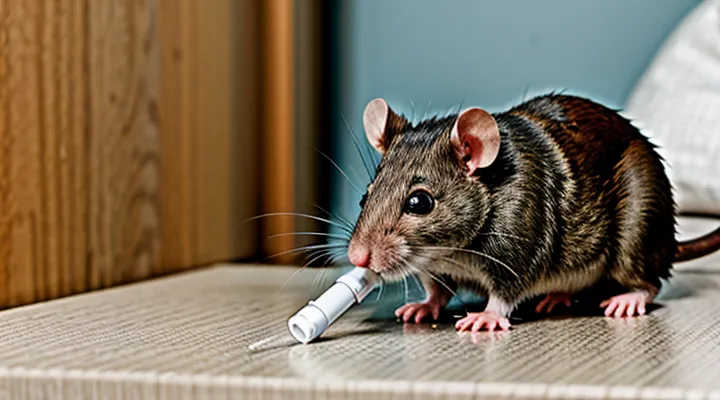
Preparation is Key
Assembling Your Supplies
«Medicine and Syringe»
The discussion of «Medicine and Syringe» focuses on the elements required for accurate dosing in laboratory rats. Selection of a suitable syringe ensures precise volume delivery and minimizes tissue trauma.
- Gauge: 25‑30 G needle provides adequate flow for small volumes while reducing pain.
- Capacity: 0.5 mL or 1 mL syringes accommodate typical dose ranges without excessive dead space.
- Material: Luer‑lock connections prevent leakage; stainless‑steel needles maintain sharpness for repeated use.
Preparation of the drug solution follows strict calculations. Desired dose (mg kg⁻¹) multiplied by animal weight yields the required amount of active ingredient. Dilution to a concentration that allows injection of ≤0.1 mL per 100 g body weight avoids over‑distension. Prior to loading, remove air bubbles by gentle tapping and expelling with the plunger.
Administration technique requires consistent restraint and correct injection site. The rat is held in a supine position, the tail vein or subcutaneous flank is exposed, and the needle is inserted at a 30‑45° angle. Plunger depression occurs steadily over 1‑2 seconds to reduce pressure spikes. After injection, the needle is withdrawn and the site is pressed briefly with sterile gauze.
Post‑procedure monitoring includes observation for adverse reactions for at least 15 minutes. Documentation records drug, dose, syringe specifications, and time of administration. Used syringes are placed in a sharps container and disposed of according to biosafety protocols.
«Rat Restraint»
Effective rat restraint is a prerequisite for accurate subcutaneous or intraperitoneal injection. Proper handling minimizes stress and prevents injury to both the animal and the operator. The technique must allow clear access to the injection site while keeping the animal immobile.
Common restraint methods include:
- Manual grip: thumb and forefinger secure the base of the tail, while the opposite hand stabilizes the body against the palm.
- Transparent restraining tube: the rat is placed in a short acrylic cylinder, allowing visual monitoring and easy access to the ventral abdomen.
- Commercial restraining device: a molded cradle with adjustable straps holds the animal in a supine position, providing consistent positioning for repeated dosing.
Key considerations during restraint:
- Ensure the animal is awake and responsive; avoid deep anesthesia that could alter physiological parameters.
- Apply gentle, steady pressure; excessive force can cause bruising or fracture.
- Maintain a clean work surface; contaminants may affect the injection or the animal’s health.
- Release the rat promptly after administration, returning it to its cage with minimal delay.
Proper rat restraint, executed with precision, supports reliable medication delivery and upholds ethical standards in laboratory practice.
«Protective Gear»
Protective gear safeguards both the animal and the operator during the administration of medication to a laboratory rat with a syringe. Proper attire prevents contamination, reduces the risk of accidental injury, and maintains experimental integrity.
- Disposable nitrile gloves: provide barrier against biological fluids and chemical agents.
- Lab coat or disposable gown: shields clothing and skin from splashes and aerosolized particles.
- Safety goggles or face shield: protect eyes from inadvertent needle sticks and liquid splatter.
- Surgical mask or respirator: limits inhalation of aerosolized medication and reduces exposure to volatile compounds.
- Closed-toe shoes with slip‑resistant soles: ensure stable footing on potentially wet surfaces.
Each item must be inspected before use, replaced if compromised, and disposed of according to biosafety protocols after the procedure. Consistent use of the described equipment eliminates cross‑contamination and supports reliable dosing outcomes.
Preparing the Medicine
«Measuring the Correct Dosage»
Accurate measurement of the medication volume is essential for safe and effective treatment of laboratory rats. Errors in calculation can lead to under‑dosing, compromising therapeutic outcomes, or overdosing, causing toxicity.
The calculation proceeds as follows:
- Determine the animal’s body weight in grams.
- Convert the prescribed dose from milligrams per kilogram («mg/kg») to milligrams per gram by dividing by 1,000.
- Multiply the dose per gram by the measured weight to obtain the required amount of drug in milligrams.
- Identify the concentration of the prepared solution (e.g., 10 mg ml⁻¹).
- Divide the required drug amount by the solution concentration to derive the target volume in milliliters.
Select a syringe whose maximum capacity exceeds the calculated volume but remains small enough to ensure precise handling, typically 0.5 ml or 1 ml for rodents. Prior to withdrawal, verify the syringe’s calibration markings against a known standard. Draw the exact volume, avoiding air bubbles, and expel any excess fluid to maintain the intended dosage.
Final verification includes re‑checking the weight, dose calculation, and drawn volume. Documentation of each step provides traceability and supports reproducibility of the procedure.
«Diluting if Necessary»
Accurate delivery of medication to a laboratory rat via syringe may require adjusting the drug’s concentration to achieve the prescribed dose without exceeding the syringe’s volume capacity.
When the calculated dose exceeds the usable volume of the syringe, dilution becomes necessary. The decision to dilute depends on three factors: target dose (mg), animal weight (g), and the maximum volume that can be administered safely (typically 0.1 mL per 10 g body weight).
The dilution calculation follows a simple proportion:
- Desired dose (mg) ÷ Stock concentration (mg/mL) = Volume needed (mL)
- If Volume needed > Maximum safe volume, then
- Required concentration = Desired dose ÷ Maximum safe volume
- Diluent volume = (Stock concentration – Required concentration) ÷ Required concentration × Desired dose
The preparation steps are:
- Select a sterile, isotonic diluent compatible with the drug (e.g., physiological saline).
- Measure the exact volume of stock solution corresponding to the desired dose.
- Add calculated diluent volume to achieve the required concentration.
- Mix gently by inverting the syringe; avoid vigorous shaking to prevent foaming.
- Verify the final concentration with a calibrated pipette or analytical balance, if feasible.
Label the syringe with the drug name, final concentration, total volume, and preparation time. Record the dilution procedure in the animal’s dosing log to ensure traceability and reproducibility.
Following these precise steps eliminates the risk of overdose, ensures consistent drug exposure, and maintains experimental integrity.
«Loading the Syringe»
Accurate preparation of the injection device determines the reliability of dosing in rodent pharmacology. The process of «Loading the Syringe» requires strict adherence to aseptic technique and precise volume measurement.
- Verify that the syringe and needle are sterile; inspect packaging for damage before removal.
- Select a syringe calibrated for the required dose; for small rodents, 0.5 mL or 1 mL syringes provide optimal control.
- Draw the medication into a sterile vial, ensuring the solution is at room temperature to prevent condensation.
- Expel air from the syringe barrel by holding the needle upward, gently tapping the barrel, and pressing the plunger until a steady stream of liquid emerges.
- Pull the plunger back to the predetermined mark, using the syringe’s scale to achieve the exact volume; avoid overshoot by withdrawing slowly.
- Inspect the barrel for residual bubbles; if present, flick the syringe and repeat the expulsion step until the chamber is bubble‑free.
- Secure the needle onto the syringe with a firm twist, confirming alignment to prevent leakage.
The final assembly should be handled with gloved hands, and the loaded syringe stored in a protected container if immediate use is not possible. This sequence eliminates contamination risk and guarantees that the administered dose matches the experimental protocol.
Administering the Medicine
Handling and Restraining the Rat
«Gentle Approach»
The «Gentle Approach» minimizes stress and reduces the risk of injury when delivering medication to a laboratory rat with a syringe. Calm handling, proper restraint, and precise injection technique form the core of this method.
Key elements of the gentle approach include:
- Acclimation – allow the animal to become familiar with the handling environment before the procedure.
- Grip – use a soft, supportive hold that secures the rat without excessive pressure; fingertips should cradle the torso while the forepaws rest against the palm.
- Positioning – place the rat on a padded surface, head slightly elevated to expose the injection site without forcing the animal into an unnatural posture.
- Needle selection – choose a fine‑gauge needle (27–30 G) to limit tissue trauma; ensure the needle length matches the target depth.
- Injection angle – insert the needle at a shallow angle (10–15°) into the subcutaneous space or appropriate route, advancing slowly to avoid puncturing underlying structures.
- Volume control – administer the calculated dose in a single, steady push to prevent splashing or reflux.
- Post‑injection monitoring – observe the rat for at least a few minutes, confirming normal respiration and behavior before returning it to its cage.
By adhering to these steps, the practitioner maintains the animal’s welfare while achieving accurate dosing. The gentle approach, therefore, enhances experimental reliability and complies with ethical standards for animal handling.
«Proper Grip Techniques»
Effective administration of medication to a laboratory rat requires a stable hand and a secure hold on both the animal and the syringe. The following grip techniques minimize stress and improve dosing accuracy.
- Position the rat on a padded surface with the back against a firm, low‑profile platform. One hand supports the thorax by gently encircling the rib cage, thumb and index finger forming a shallow cup that prevents excessive pressure on the spine.
- With the opposite hand, grasp the syringe barrel near the hub using the thumb, index, and middle fingers. The grip should align the needle axis with the injection site, allowing smooth advancement without lateral movement.
- Maintain the wrist in a neutral position; avoid flexion or extension that could transmit tremors to the syringe tip.
- Apply consistent pressure to the plunger using the ring finger, keeping the thumb free to stabilize the barrel if needed.
During the procedure, keep the rat’s head slightly lowered to expose the injection site while the supporting hand maintains a gentle yet firm hold on the hindquarters. This dual‑hand approach prevents escape attempts and reduces the likelihood of needle displacement.
«Minimizing Stress»
Minimizing stress during medication delivery is critical for reliable experimental outcomes and animal welfare. The rat should be acclimated to the handling environment before any procedure. Habituation sessions of 5–10 minutes, conducted daily for at least three days, reduce fear responses and facilitate smoother restraint.
Gentle restraint techniques, such as using a soft cloth or a purpose‑built restrainer, prevent excessive pressure on the animal’s body. The handler’s hands must be warm and free of strong odors that could alarm the rat. Applying a light, consistent pressure allows the animal to remain calm while the syringe is positioned.
The syringe should be pre‑warmed to body temperature (≈ 37 °C) to avoid thermal shock. A fine‑gauge needle (30–31 G) minimizes tissue damage and pain. Inserting the needle at a shallow angle into the lateral tail vein or subcutaneous space, while the rat is breathing normally, reduces discomfort.
Key practices for stress reduction:
- Prepare all equipment in advance to limit handling time.
- Perform the injection in a quiet area, away from loud noises and bright lights.
- Use a slow, steady plunger motion; rapid delivery can cause tissue irritation.
- Observe the rat’s behavior immediately after injection; signs of distress warrant a brief pause and gentle soothing.
Post‑procedure, return the rat to its home cage promptly and provide a familiar nesting material. Offering a small amount of water or a treat can reinforce a positive association with handling. Continuous monitoring for at least 15 minutes ensures recovery and identifies any adverse reactions.
By integrating habituation, gentle restraint, temperature‑controlled syringes, and a calm environment, stress levels remain low, enhancing both the quality of the data and the well‑being of the laboratory rat.
Oral Administration
«Positioning the Rat»
Proper positioning of the rat creates a stable platform for precise injection and minimizes the animal’s stress. Secure handling and correct alignment allow the syringe to reach the intended site without resistance.
Key steps for positioning:
- Place the rat on a clean, non‑slippery surface such as a padded board.
- Gently restrain the forelimbs by wrapping a soft cloth around the body, leaving the tail free for balance.
- Tilt the animal slightly to the left or right, depending on the injection site, to expose the chosen area (e.g., subcutaneous flank).
- Support the head with one hand, keeping the neck neutral, while the other hand controls the body.
- Verify that the target region is visible and accessible before proceeding with the syringe.
Consistent application of these steps produces reliable administration and reduces the risk of injury. The process described here directly supports the overall objective of delivering medication safely to a laboratory rat.
«Locating the Mouth»
«Locating the Mouth» is the critical initial step when delivering a dose with a syringe to a laboratory rat. The rat’s oral cavity is positioned directly beneath the snout, with the incisors forming a clear V‑shaped gap. The muzzle should be gently restrained to expose this gap without causing stress. Observing the rat’s natural grooming behavior often reveals the mouth’s location, as the animal frequently licks its forepaws and whiskers.
Key observations for accurate identification:
- The central incisors are the most prominent teeth, extending forward from the upper jaw.
- The space between the upper and lower incisors creates a narrow opening, visible when the rat’s head is slightly lowered.
- The whisker pads flank the mouth, providing tactile landmarks that assist in aligning the syringe tip.
When the mouth is clearly visualized, position the syringe at a shallow angle (approximately 15–20 degrees) to the oral opening. Advance the needle gently toward the back of the cheek pouch, avoiding contact with the incisors. Confirmation of correct placement is achieved when a small volume of liquid is observed entering the oral cavity without resistance.
«Slow and Steady Delivery»
The technique of «Slow and Steady Delivery» minimizes tissue trauma and maximizes dose accuracy when injecting a rat.
Before injection, select a 0.5‑1 ml syringe equipped with a 27‑30 G needle. Calculate the exact volume based on the animal’s weight, then draw the medication, avoiding air bubbles. Secure the rat using a gentle restraint device or a trained handler’s hand, ensuring the forelimb is accessible and the animal remains calm.
- Position the needle at a shallow angle (15‑30°) toward the lateral thigh muscle.
- Insert the needle just beneath the skin, confirming entry by a subtle resistance change.
- Depress the plunger in a controlled, steady motion; pause briefly after each 0.1 ml to allow tissue accommodation.
- Observe the injection site for swelling or leakage; withdraw the needle smoothly.
- Apply gentle pressure with sterile gauze to prevent hematoma formation.
Executing each step with deliberate pacing reduces the risk of abrupt pressure spikes, which can cause pain, vascular injury, or dose spillage. Consistent, measured delivery also enhances reproducibility across experimental groups, supporting reliable pharmacological outcomes.
Post-Administration Care
«Observing for Swallowing»
Observing the rat after injection confirms that the dose has entered the gastrointestinal tract rather than remaining in the oral cavity or being expelled.
Key indicators of successful swallowing include:
- Visible contraction of the throat muscles as the animal closes the mouth.
- Absence of liquid or gel residue around the lips and whiskers.
- Normal respiration pattern without gagging or choking sounds.
- Rapid resumption of typical grooming or locomotor activity.
To perform reliable observation, hold the rat gently but securely, keep the head slightly elevated, and watch the oral region for at least 10 seconds. If any of the listed signs are missing, repeat the administration using a fresh syringe and reassess. Continuous monitoring ensures accurate dosing and reduces the risk of inadvertent aspiration.
«Offering a Reward»
The practice of providing a reward after a syringe injection encourages voluntary cooperation and reduces stress. Rats quickly associate the positive stimulus with the handling process, which leads to smoother subsequent administrations.
When implementing a reward system, follow these steps:
- Select a highly palatable treat, such as a small piece of fruit or a specialized rodent lickable gel.
- Offer the treat immediately after the injection, while the animal is still in the handling environment.
- Limit the reward to a size that does not interfere with the animal’s diet or experimental parameters.
- Record the type and amount of reward in the study log to maintain consistency across subjects.
Timing of the reward is critical. Deliver the treat within seconds of needle withdrawal to create a clear connection between the procedure and the positive outcome. Consistency in presentation reinforces the association and facilitates habituation to the handling protocol.
Monitoring the animal’s response to the reward provides additional data. Note any changes in behavior, such as increased approach to the handler or reduced escape attempts. Adjust the reward type or schedule if undesirable patterns emerge, ensuring that the primary objective—accurate medication delivery—remains unaffected.
«Offering a Reward» therefore functions as a behavioral reinforcement tool that enhances the efficiency of medication administration without compromising experimental integrity.
«Cleaning Up»
After delivering a dose with a syringe, immediate decontamination prevents cross‑contamination and protects personnel.
First, disengage the syringe from the animal’s vein or oral cavity. Place the needle tip into a sharps container without touching the tip.
Next, cleanse reusable components:
- Disassemble the syringe barrel and plunger.
- Rinse each part with distilled water to remove residual fluid.
- Immerse components in a disinfectant solution (e.g., 10 % bleach) for at least 10 minutes.
- Rinse thoroughly with sterile water to eliminate chemical residues.
- Allow all parts to air‑dry on a sterile rack before reassembly or disposal.
Surface sanitation follows the same protocol. Wipe the workbench, restraining devices, and any adjacent equipment with a disposable cloth soaked in the disinfectant. Dispose of the cloth in a biohazard bag.
Finally, document the cleaning procedure in the laboratory log, noting the disinfectant used, contact time, and any deviations from standard practice. This record ensures traceability and compliance with institutional biosafety guidelines.
Important Considerations
Common Challenges and Solutions
«Rat Resistance»
Effective syringe delivery in rodents encounters physiological and behavioral barriers collectively described as «Rat Resistance». This resistance originates from innate reflexes, muscular tension at the injection site, and metabolic pathways that reduce drug bioavailability. Recognizing these factors enables precise adjustment of technique, dosage, and equipment to achieve reliable therapeutic outcomes.
Key elements influencing «Rat Resistance» include:
- Reflexive withdrawal triggered by needle contact with skin or muscle.
- Elevated stress hormones that alter circulatory dynamics and drug distribution.
- Enzymatic activity in hepatic and renal systems that accelerates drug metabolism.
- Variability in body composition, affecting absorption rates across individuals.
Mitigation strategies focus on minimizing stimulus and optimizing delivery parameters. Pre‑injection acclimatization reduces stress‑induced hormonal spikes. Employing fine‑gauge needles and slow, steady plunger depression limits tissue trauma and curtails reflexive movements. Adjusting injection volume to align with the rat’s weight ensures consistent plasma concentrations despite metabolic differences. Implementing these measures directly counters «Rat Resistance», promoting accurate dosing and reproducible experimental results.
«Spillage and Waste»
Effective control of «Spillage and Waste» is essential for reliable drug delivery to laboratory rats. Uncontrolled leakage reduces dose accuracy, contaminates the work area, and creates hazardous waste that must be managed according to institutional biosafety protocols.
Common sources of leakage include improper needle alignment, excessive plunger force, and inadequate syringe flushing. To minimize these risks, select a needle gauge appropriate for the animal’s size, insert the needle at a shallow angle to avoid tissue disruption, and depress the plunger smoothly. Verify that the syringe tip remains fully immersed in the injection site before releasing the full volume.
Proper waste management comprises three steps: containment, decontamination, and disposal. Containment requires immediate collection of any spilled liquid on absorbent pads placed beneath the animal. Decontamination involves wiping the pad with an approved disinfectant, allowing sufficient contact time for pathogen inactivation. Disposal mandates placing contaminated syringes, needles, and absorbent material in rigid, puncture‑proof containers labeled for sharps and chemical waste.
Practical checklist:
- Position absorbent pad before injection.
- Use a low‑dead‑space syringe to reduce residual volume.
- After injection, hold the needle for a few seconds to allow tissue absorption.
- Withdraw the needle slowly to prevent backflow.
- Place the needle and syringe directly into a sharps container.
- Seal the absorbent pad in a biohazard bag for autoclave or chemical disposal.
Adherence to these procedures ensures accurate dosing, protects personnel, and complies with regulatory waste‑handling standards.
«Aspiration Risks»
Aspiration occurs when administered fluid enters the trachea instead of the esophagus, leading to respiratory distress, pneumonia, or mortality in laboratory rats.
Symptoms include labored breathing, coughing, nasal discharge, and reduced activity; rapid assessment after each injection is essential to detect these signs.
Preventive measures:
- Position the animal with the head slightly elevated to promote esophageal alignment.
- Use a syringe with a fine‑gauge needle (30‑32 G) to minimize tissue trauma.
- Insert the needle at a shallow angle into the oral cavity, aiming toward the back of the throat while avoiding the epiglottis.
- Deliver the dose slowly, pausing briefly after the initial bolus to allow swallowing.
- Verify correct placement by observing the rat’s swallowing motion before full delivery.
Following injection, monitor respiratory rate and behavior for at least five minutes; any deviation from baseline warrants immediate intervention, such as gentle airway clearance or veterinary assistance.
Consistent application of these techniques reduces the likelihood of aspiration, ensuring reliable drug delivery and animal welfare.
Hygiene and Safety Protocols
«Sanitizing Equipment»
Sanitizing the syringe and related tools is essential before delivering medication to a laboratory rat. Contamination can alter drug efficacy and introduce pathogens that compromise experimental outcomes.
- Disassemble the syringe: detach the needle, remove the plunger, and separate the barrel.
- Rinse each component with distilled water to eliminate residual drug.
- Immerse parts in an enzymatic detergent solution for at least five minutes; agitation improves cleaning.
- Rinse thoroughly with sterile distilled water to remove detergent residues.
- Submerge components in a 70 % ethanol bath for three minutes; ethanol provides broad‑spectrum disinfection.
- Transfer parts to a sterile drying rack; allow complete evaporation of ethanol before reassembly.
- Reassemble the syringe in a laminar flow hood or other aseptic environment; verify that all connections are secure and free of debris.
After cleaning, store the syringe in a sealed, sterile container until use. Periodic validation of the sanitizing protocol, such as conducting microbial swabs, ensures continued effectiveness.
«Preventing Cross-Contamination»
Effective «Preventing Cross-Contamination» is essential when delivering medication to a laboratory rat with a syringe. Contamination compromises experimental outcomes, endangers animal welfare, and introduces variables that invalidate data.
- Use a dedicated syringe for each animal; never reuse without thorough decontamination.
- Wear disposable gloves; replace them between each handling session.
- Disinfect the injection site with an alcohol swab and allow it to dry before needle insertion.
- Store medication in sealed containers; keep them separate from other reagents.
- Dispose of used needles in a sharps container immediately after use.
After each administration, immerse the syringe (excluding the needle) in an enzymatic cleaner for the recommended time, then rinse with sterile water and allow to air‑dry. Replace the needle if any residue is visible. Maintain a clean work surface by covering it with disposable absorbent pads that are changed after each animal.
Document the cleaning protocol and verify compliance before starting the next dose. Consistent adherence to these measures eliminates cross‑contamination risk and supports reliable experimental results.
«Personal Safety»
Administering medication to a laboratory rat with a syringe demands strict adherence to «personal safety» protocols to protect the operator and maintain experimental integrity.
Protective equipment must include:
- Disposable nitrile gloves to prevent skin exposure to compounds and accidental needle sticks.
- Safety goggles or a face shield to guard against splashes.
- Lab coat or disposable gown to shield clothing and reduce contamination risk.
Needle handling requires a firm grip, avoidance of hand‑to‑needle contact, and use of a needle shield or cap immediately after injection. Discarding needles in a puncture‑proof sharps container eliminates the possibility of accidental reuse.
Workspace organization minimizes hazards: keep the syringe within easy reach, position the rat on a stable platform, and maintain a clear line of sight to the injection site. Adjust seating or standing height to prevent repetitive strain on the wrist and back.
Post‑procedure decontamination includes washing hands with soap and water, disposing of gloves and gowns in biohazard bags, and sanitizing the work surface with an appropriate disinfectant.
Compliance with these measures ensures that the operator remains protected while delivering accurate dosages to the animal.