
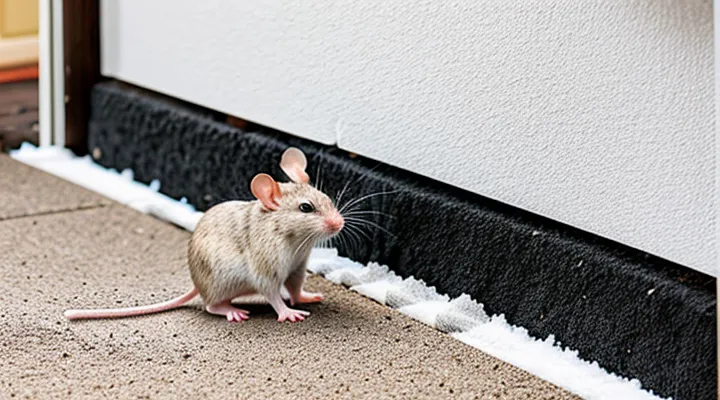
Understanding the Threat: Why Mice Target Insulation
The Appeal of Insulation to Mice
Food Sources and Shelter
Mice are drawn to insulation because it offers both protection from predators and a stable temperature. The presence of accessible food amplifies this attraction, turning the cavity into a viable habitat.
- Eliminate crumbs, pet food, and exposed pantry items; store all edibles in sealed containers made of metal or thick plastic.
- Clean up spills promptly and sweep regularly to remove residual grains or sugars that can serve as a foraging base.
- Inspect exterior walls for gaps larger than ¼ inch and seal them with steel wool, caulk, or expanding foam designed for rodent exclusion.
Insulation itself can become a shelter when it is loosely packed or damaged. Compacted, intact material reduces voids where rodents can nest.
- Replace deteriorated batts with dense, closed‑cell foam that leaves no interstices.
- Install metal or hardboard barriers behind insulation in crawl spaces and attics to create a physical obstacle.
- Maintain proper ventilation to discourage moisture buildup, which softens insulation and creates a more inviting environment.
By removing food incentives and reinforcing structural defenses, the likelihood of rodents establishing a nest within the building envelope is substantially lowered.
Breeding Grounds
Mice establish breeding grounds wherever shelter, warmth, and accessible food converge. Insulation cavities provide ideal conditions: protected from predators, stable temperature, and proximity to structural gaps that serve as entry routes.
Identifying potential breeding sites is the first step in protecting home insulation. Look for the following indicators:
- Small piles of shredded material, such as paper, fabric, or insulation fibers.
- Accumulated droppings near vents, attic joists, or wall cavities.
- Gnaw marks on wiring, ductwork, or structural beams.
- Persistent odors of urine or nesting scent.
Eliminate these habitats by implementing targeted actions:
- Remove all debris and nesting material from attics, crawl spaces, and wall voids.
- Replace damaged insulation with sealed, rodent‑resistant products that lack gaps.
- Install metal flashing or steel wool around entry points, including vent openings, pipe penetrations, and foundation cracks.
- Maintain low humidity levels; moisture encourages mold growth, which attracts rodents.
- Store food, pet feed, and compost in sealed containers away from the building envelope.
Regular inspections reinforce prevention. Schedule quarterly checks of insulation layers, focusing on areas where utilities penetrate the structure. Document any signs of activity and address them immediately to prevent colony establishment. By denying mice suitable breeding grounds, the risk of infestation within home insulation diminishes significantly.
Proactive Prevention Strategies
Sealing Entry Points
Inspecting the Exterior
Inspecting the exterior of a home is the first line of defense against rodents infiltrating wall and attic insulation. A thorough visual sweep reveals entry points that mice exploit to reach protected cavities.
- Examine the roofline for damaged shingles, missing flashing, or gaps around chimneys and vent pipes.
- Check eaves, soffits, and fascia for cracks or loose siding that create openings.
- Inspect the foundation for gaps where the soil meets the slab, especially near crawl spaces and basement walls.
- Verify that all utility penetrations—cable, water, gas, and HVAC lines—are sealed with metal flashing or durable caulk.
- Look at door and window frames for worn weatherstripping or broken seals, and ensure that screens are intact.
Repair identified defects with materials that resist gnawing, such as steel wool, copper mesh, or heavy-duty silicone sealant. Replace rotted wood, tighten loose trim, and install metal grates over vent openings. After sealing, conduct a follow‑up inspection to confirm that no new gaps have formed.
A systematic exterior assessment, combined with prompt remediation, blocks the routes mice use to access insulation, preserving thermal performance and structural integrity.
Sealing Cracks and Gaps with Rodent-Proof Materials
Sealing cracks and gaps eliminates the primary pathways that allow mice to reach insulation. Identify all openings in the building envelope, including those around pipes, vents, wiring, and foundation seams. Use a systematic inspection: visual check, flashlight, and a thin probe to test for hidden voids.
- Steel wool (grade #6) packed tightly into gaps less than ¼ inch wide, then covered with caulk to prevent gnawing.
- Copper mesh or metal flashing for larger openings, secured with screws and sealant.
- High‑expansion polyurethane foam formulated for pest resistance, applied to gaps up to 2 inches; trim excess once cured.
- Concrete or mortar for foundation cracks, applied with a trowel and smoothed to create a solid barrier.
- Silicone or acrylic caulk for seams around windows, doors, and utility penetrations; choose a product labeled “rodent‑proof.”
After installation, verify the seal by running a wire or thin rod through each repaired opening. Re‑seal any areas that show movement or deterioration. Maintain the barrier by inspecting exterior siding, roof eaves, and crawl spaces annually, and replace compromised material promptly.
The combination of durable, gnaw‑resistant materials and meticulous sealing creates a continuous defense that blocks mouse access to insulation without relying on traps or chemicals.
Protecting Utility Entrances
Utility penetrations—such as those for electricity, gas, water, cable, and ventilation—provide direct pathways for mice to reach insulation. Gaps around conduit sleeves, pipe collars, and service boxes often exceed the size of a mouse’s skull, allowing entry with minimal effort. Unsealed openings also attract rodents by offering shelter and a route to food sources inside the home.
Effective sealing requires a combination of materials and techniques:
- Install metal or rigid plastic conduit sleeves that fit tightly around each pipe or cable.
- Apply stainless‑steel mesh (¼‑inch or smaller) over larger gaps before closing with expanding foam.
- Use foam sealant rated for pest control; press it into all crevices and trim excess after curing.
- Fit weather‑proof flashing around exterior utility boxes and fasten it with corrosion‑resistant screws.
- Cover vent openings with fine‑mesh screens that can withstand weather exposure.
Regular inspection prevents deterioration from weather, vibration, or settlement. Check for cracked caulk, displaced flashing, or loose mesh at least twice a year. Replace compromised sections promptly, and keep the area around utility entries free of debris and vegetation that could conceal new openings.
By integrating robust barriers, appropriate sealants, and scheduled maintenance, homeowners eliminate the primary routes mice use to infiltrate wall cavities and insulation, thereby safeguarding structural integrity and energy efficiency.
Deterring Mice from Your Property
Maintaining a Clean Yard
A tidy yard reduces the likelihood that rodents will locate shelter near the foundation and gain access to wall cavities.
Key practices:
- Remove fallen leaves, grass clippings, and debris that create nesting material.
- Trim shrubs and tree branches so they do not touch the house, eliminating bridges for climbing.
- Store firewood, compost, and garden tools at least two feet away from the exterior walls.
- Keep garbage cans sealed and clear the area of food scraps that attract foraging.
- Maintain a clear perimeter by leveling soil and eliminating cracks where vegetation can grow.
- Regularly inspect the foundation for gaps and seal any openings with appropriate caulking or steel mesh.
Consistent yard maintenance deprives mice of shelter and food sources, thereby limiting their ability to infiltrate insulation layers within the structure.
Securing Food and Waste
Mice are attracted to accessible food and discarded waste; eliminating these resources blocks one of the primary pathways that lead them to insulation cavities. Store all edible items in sealed containers made of metal or thick plastic with airtight lids. Keep pantry shelves clear of crumbs; sweep and vacuum regularly, then wipe surfaces with a disinfectant solution. Immediately place leftovers in containers and refrigerate or discard them in a trash bin equipped with a tight‑fit lid.
Dispose of garbage daily; use bins that lock tightly and are positioned away from exterior walls. When removing trash, seal bags before placing them in the container to prevent odors from escaping. Compost bins should be sealed and located at a distance from the house, with compost material turned frequently to discourage rodent activity.
Maintain a clean kitchen environment by:
- wiping down countertops after each meal,
- cleaning under appliances and inside cabinets,
- storing pet food in sealed containers and removing uneaten portions promptly.
By controlling food sources and managing waste rigorously, the incentive for mice to explore insulation spaces is substantially reduced.
Implementing Natural Repellents
Natural repellents provide a chemical‑free barrier that discourages rodents from infiltrating wall cavities and attic insulation. Their effectiveness relies on strong odors or tastes that mice find intolerable, creating an environment they avoid without compromising the integrity of the insulation material.
- Peppermint oil: Mix 10 ml of pure oil with 1 liter of water, spray onto exposed insulation surfaces, and reapply weekly or after heavy rain.
- Cedar shavings: Fill gaps and lay a thin layer of shredded cedar around joists; replace every six months to maintain scent potency.
- Dryer sheets: Position unused sheets in ventilation openings; replace monthly as fragrance diminishes.
- Citrus peels: Distribute fresh orange or lemon peels in crawl spaces; discard after three days to prevent mold growth.
- Garlic powder: Sprinkle a thin coating on perimeter insulation; refresh quarterly to sustain repellency.
Apply repellents before sealing entry points; otherwise, rodents may already be present inside the insulation. Combine natural methods with physical barriers—steel mesh, foam sealant, or copper flashing—to achieve comprehensive protection. Regular inspection of insulation for signs of gnawing or droppings ensures early detection and allows prompt renewal of the repellent regimen.
Protecting Existing Insulation
Inspecting for Current Infestations
Signs of Mice in Insulation
Mice infiltrating insulation leave distinct evidence that can be identified during routine inspections. Recognizing these indicators early allows homeowners to act before damage escalates.
Typical signs include:
- Small, dark droppings resembling rice grains, often found near insulation seams or in corners of attics.
- Gnaw marks on insulation fibers, wiring, or surrounding structural elements, indicating chewing activity.
- Compact nests constructed from shredded insulation, paper, or fabric, usually hidden in voids or behind walls.
- Scratching or scurrying noises, especially at night, heard through walls or ceilings.
- A strong, musky odor emanating from insulation, caused by urine and feces accumulation.
- Damaged or chewed electrical wiring, which may present exposed conductors or frayed insulation.
Inspecting these areas regularly—attic spaces, wall cavities, crawl spaces, and roof voids—provides the most reliable method for detecting mouse presence in insulation. Prompt identification facilitates timely remediation and helps maintain the integrity of the building envelope.
Safe Removal of Pests
Mice infiltrate wall cavities primarily in search of shelter and food. Removing them safely eliminates the immediate threat and reduces the likelihood of future intrusion into insulation.
Identify signs of activity—droppings, gnaw marks, or nesting material—and locate entry points. Seal all gaps larger than ¼ inch with steel wool, copper mesh, or caulk designed for rodents. Install weather‑resistant flashing around vents, utility penetrations, and foundation cracks.
Apply humane traps or live‑capture cages in areas where mice are active. Check traps frequently; release captured animals at least ten miles from the residence to prevent return. Avoid poison baits inside occupied structures because toxicants can contaminate insulation and pose health risks to occupants and pets.
When removal requires professional assistance, verify that the pest‑control provider follows Integrated Pest Management (IPM) principles. IPM emphasizes minimal chemical use, targeted treatment, and ongoing monitoring.
Safety checklist for removal operations
- Wear disposable gloves and a mask to prevent exposure to urine, droppings, and allergens.
- Disinfect tools and surfaces with a solution containing at least 70 % isopropyl alcohol or a diluted bleach mixture (1 part bleach to 9 parts water).
- Dispose of captured rodents in sealed bags; place them in an outdoor trash receptacle.
- Store any rodenticides in locked containers, out of reach of children and animals, and follow label instructions precisely.
After elimination, inspect insulation for contamination. Remove any material showing signs of damage or droppings, replace with new, clean insulation, and treat the surrounding area with a rodent‑deterrent spray approved for indoor use. Regularly monitor for new activity and maintain sealed entry points to sustain protection.
Fortifying Insulation
Adding Protective Barriers
Protective barriers create a physical obstacle that stops rodents from reaching insulation cavities. Install steel mesh (hardware cloth) with openings no larger than 1/4 in. over all vent openings, crawl spaces, and attic access points. Secure the mesh with corrosion‑resistant staples or screws, overlapping seams by at least 2 in. and sealing edges with caulk.
Seal gaps around pipes, wiring, and ductwork using expanding polyurethane foam or steel wool packed tightly before covering with metal flashing. Apply flashing around the perimeter of the foundation and under eaves, ensuring it extends at least 2 in. beyond the surface to prevent mice from sliding underneath.
Use metal or cement board sheathing on the exterior of wall studs where insulation is exposed. Attach the material with nails or screws, leaving no gaps between panels. For existing structures, retrofit barrier panels by cutting them to fit around windows and doors, then sealing the perimeter with silicone sealant.
Regularly inspect barrier installations for damage or displacement. Replace compromised sections promptly to maintain continuous protection.
Using Rodent-Resistant Insulation Materials
Rodent‑resistant insulation materials provide a physical barrier that deters mice from nesting within wall cavities and attic spaces. These products are formulated with steel fibers, ceramic particles, or tightly woven mineral fibers that mice cannot gnaw through, eliminating the primary entry point for infestation. When installed correctly, the barrier remains intact for the lifespan of the insulation, reducing the need for repeated repairs.
Key considerations for effective use:
- Choose insulation rated for rodent resistance, such as steel‑felt batts, ceramic‑coated fiberglass, or mineral wool with a minimum density of 2 lb/ft³.
- Verify that seams and edges are overlapped and sealed with rodent‑proof tape or spray‑on sealant to prevent gaps.
- Install a vapor barrier behind the insulation only if the product specifications allow, avoiding moisture buildup that could attract pests.
- Inspect attic access points, soffit vents, and foundation cracks; seal them with metal mesh or expanding foam before placing insulation.
- Conduct periodic visual checks, especially after severe weather, to confirm the barrier remains unbreached.
By selecting certified rodent‑resistant insulation and adhering to these installation practices, homeowners create a durable defense that blocks mouse intrusion without relying on chemical repellents.
Post-Infestation Remediation
Cleaning and Sanitizing Affected Areas
Removing Contaminated Insulation
Mice can contaminate insulation with urine, droppings, and nesting material, creating health hazards and reducing thermal efficiency. Removing the compromised insulation eliminates the attraction and removes a source of disease, forming a critical part of any rodent‑exclusion strategy.
Begin by isolating the work area. Seal doors and windows, turn off HVAC systems, and wear protective gear—including gloves, a mask, and disposable coveralls—to prevent exposure to pathogens. Use a flashlight to locate all affected sections, paying special attention to gaps around pipes, vents, and wiring.
Removal procedure
- Cut the contaminated insulation into manageable sections with a utility knife or insulated shears.
- Place each section in heavy‑duty garbage bags; double‑bag for extra protection.
- Dispose of the bags according to local regulations for hazardous waste or pest‑infested material.
- Vacuum the exposed cavity with a HEPA‑rated shop vac to extract residual debris and droppings.
- Apply a rodent‑deterrent sealant or steel wool to any openings discovered during inspection.
- Install fresh, rodent‑resistant insulation, such as mineral wool or foam with built‑in pest barriers.
After installation, conduct a final inspection to confirm all gaps are sealed and no loose material remains. Regularly monitor the area for signs of re‑infestation, and repeat the removal process promptly if contamination reappears. This systematic approach removes the immediate health risk and reinforces long‑term protection against rodents in home insulation.
Disinfecting Surfaces
Disinfecting surfaces eliminates scent trails and food residues that attract rodents to insulation cavities. Removing these cues reduces the likelihood that mice will explore or occupy gaps in the building envelope.
Effective disinfection requires the following actions:
- Clear debris, crumbs, and spilled food from walls, joists, and attic floors.
- Apply a rodent‑safe sanitizer—such as a diluted bleach solution (1 part bleach to 9 parts water) or an EPA‑registered disinfectant—directly to all exposed surfaces.
- Ensure thorough wetting of hard‑to‑reach crevices, corners, and insulation contact points.
- Allow the treated area to air‑dry completely before reinstalling insulation or sealing openings.
- Repeat the process after any pest‑control activity or when new debris accumulates.
Use protective gloves and goggles to prevent skin irritation. Avoid excessive moisture on insulation; limit application to a fine mist and remove standing liquid promptly. Regularly scheduled surface sanitation, combined with sealing entry points, creates an environment where mice find no olfactory or nutritional incentives to infiltrate insulating material.
Repairing and Replacing Damaged Insulation
Assessing the Extent of Damage
Assessing the extent of damage caused by rodents in building insulation is essential before implementing control measures. Visual inspection of attics, crawl spaces, and wall cavities reveals gnaw marks, exposed wiring, and torn insulation batts. Look for droppings, urine stains, and nesting material; their presence indicates active infestation and helps locate entry points.
Key indicators of compromised insulation include:
- Displaced or missing sections of fiberglass or cellulose.
- Wet spots or mold growth caused by urine accumulation.
- Reduced R‑value measured with a thermal imaging camera.
- Chewed structural components such as joists or studs.
Document each finding with photographs and note the location, size, and severity. Compare current thermal readings with baseline values to quantify heat loss. Calculate material loss by measuring the area of damaged insulation and estimating replacement volume.
After data collection, prioritize repairs based on risk to structural integrity and energy efficiency. Replace damaged sections, seal identified openings, and consider installing rodent‑resistant barriers before reinstalling insulation. This systematic assessment ensures that remediation addresses both the infestation and its impact on building performance.
Choosing New Insulation Materials
Selecting insulation that deters rodent intrusion begins with material characteristics that limit access points and reduce attractiveness. Dense, non‑fibrous products create barriers that mice cannot easily gnaw or burrow through, while low‑food‑value compositions diminish incentive to nest.
Key criteria for evaluating new insulation:
- High compressive strength and minimal voids to prevent gap formation.
- Low palatability; materials should lack organic content that rodents can chew.
- Seamless installation options that eliminate joints where mice could enter.
- Compatibility with existing building codes, fire safety standards, and moisture control requirements.
Material options aligned with these criteria:
Closed‑cell spray foam – expands to fill cavities, adheres to framing, and forms a solid barrier. Its rigid cell structure resists chewing and leaves no gaps. Requires professional application and proper ventilation.
Rigid foam board (polyiso, extruded polystyrene) – provides uniform thickness, can be sealed with tape or spray‑foam caulk at seams. The dense surface discourages gnawing, but edges must be fully covered to avoid exposure.
Mineral wool (rock or slag wool) – non‑organic and fire‑resistant, with a coarse texture that mice find unappealing. Installation must ensure tight packing to avoid loose fibers that could be displaced.
Cellulose treated with borate additives – retains insulating value while the chemical treatment deters insects and rodents. Effectiveness depends on thorough coverage; gaps can still be exploited.
Foam‑filled fiberglass batts – combine traditional fiberglass with a thin foam coating, reducing chewability. Must be installed without compression to maintain barrier integrity.
When choosing among these options, prioritize products that offer a continuous, sealed envelope around the building envelope. Verify that seams, penetrations for wiring, and pipe openings are sealed with compatible caulking or mesh. Selecting materials that meet both structural and pest‑resistance standards minimizes the likelihood of mice establishing pathways into the insulation.