
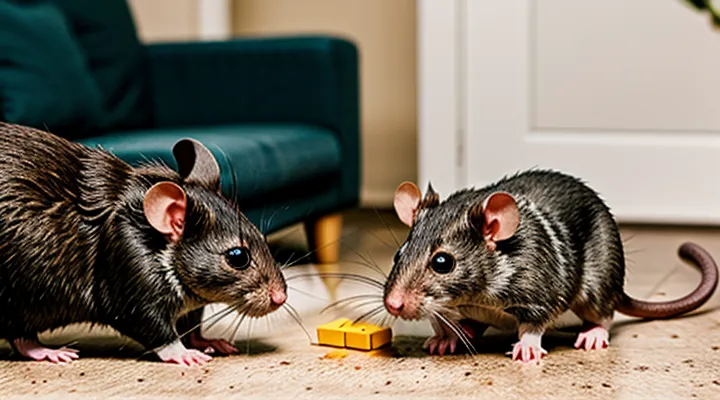
Understanding Rat Behavior and Preferences
Common Rat Personalities
Understanding typical rat personalities helps tailor interaction and enrich play sessions.
Rats commonly exhibit the following traits:
- Curious – actively explore new objects, respond well to novel toys and tunnels.
- Social – seek companionship, thrive when handled gently and included in group activities.
- Territorial – defend familiar areas, may become aggressive toward unfamiliar items; introduce new stimuli gradually.
- Timid – withdraw in the presence of loud noises or sudden movements; use soft voices and slow gestures.
- Dominant – assert control over cage mates, prefer leadership in games; provide structured challenges to channel energy.
- Playful – initiate chasing and wrestling, enjoy interactive puzzles and fetch‑style toys.
Match play techniques to each temperament: offer exploratory enrichment for curious rats, maintain steady human contact for social individuals, respect boundaries of territorial animals by limiting disruptive changes, employ calm handling for timid specimens, set clear hierarchies for dominant subjects, and supply fast‑paced games for playful personalities. Adjusting activities to these patterns maximizes engagement and reduces stress.
Recognizing Signs of Engagement and Disinterest
Rats display distinct behaviors that indicate whether they are engaged or disengaged during interaction. An engaged rat approaches the handler, sniffs actively, and makes direct eye contact. It may stand on its hind legs, balance on the forepaws, or gently nudge the hand with its nose. Frequent grooming, especially of the face and whiskers, often accompanies a relaxed, exploratory posture. Vocalizations such as soft chirps or squeaks accompany these actions, signaling curiosity and willingness to continue the encounter.
Signs of disinterest appear as avoidance or tension. A rat that retreats, remains immobile, or hides behind objects signals reluctance. Ear pinning, tail rattling, or rapid, erratic movements indicate stress. Excessive grooming focused on a single area, combined with teeth chattering or brief, sharp bites, reflects discomfort. Reduced sniffing and lack of forward movement confirm disengagement.
Engagement indicators
- Approaches the hand or enclosure entrance
- Active sniffing and whisker movement
- Upright posture on hind legs
- Gentle nose nudges
- Soft chirping or squeaking
Disinterest indicators
- Retreats or hides
- Immobility or freezing
- Ear pinning and tail rattling
- Rapid, erratic locomotion
- Teeth chattering or brief bites
Favorite Types of Toys and Activities
Rats thrive on mental stimulation and physical exercise. Providing a variety of safe, engaging items encourages natural foraging, climbing, and problem‑solving behaviors.
- Chew toys: Untreated wood blocks, natural pine branches, and chewable cardboard tunnels satisfy dental needs while offering tactile exploration. Replace worn pieces regularly to prevent splintering.
- Climbing structures: Wire mesh ladders, rope nets, and stacked PVC pipes create vertical pathways. Secure attachments to the cage prevent collapse during vigorous activity.
- Foraging puzzles: Small plastic containers with removable lids, treat‑dispensing balls, and maze tubes require the rat to manipulate objects to access food rewards. Rotate puzzles weekly to maintain interest.
- Interactive toys: Mirrors, lightweight balls, and crinkly tunnels stimulate curiosity. Supervise initial sessions to ensure the rat does not ingest detachable parts.
- Social enrichment: Pairing compatible rats or offering daily supervised hand‑out sessions strengthens bonds and reduces stress. Observe hierarchy dynamics to avoid aggression.
In addition to objects, schedule regular out‑of‑cage time on a secure, rat‑proofed surface. Provide a shallow dish of fresh vegetables for natural foraging and a handful of shredded paper for nesting. Consistent rotation of toys and activities prevents habituation and promotes overall health.
Preparing for Playtime
Creating a Safe Play Environment
Removing Hazards
When interacting with a pet rat, eliminating hazards is essential for the animal’s safety and a successful play session. Identify loose cords, small objects, and sharp edges in the play area before the rat is introduced. Secure any electrical cables with protective tubing, remove stray threads, and cover sharp corners with foam padding.
Prepare a dedicated space that contains only rat‑approved toys and accessories. Use chew‑resistant materials for tunnels and ladders, and verify that all items are free of toxic coatings or paint chips. Keep the floor clean of food crumbs and debris that could cause choking or digestive issues.
Steps to remove hazards:
- Sweep the area, collecting all loose items.
- Inspect each toy for cracks, splinters, or loose parts; discard or repair damaged pieces.
- Cover or relocate any furniture edges that could injure the rat.
- Secure electrical cords with cable organizers or zip ties.
- Verify that the surface is non‑slippery to prevent falls.
By systematically clearing dangers, the rat can explore confidently, and the play experience remains both enjoyable and safe.
Designating a Play Area
A well‑defined play zone gives a rat a safe space to explore, exercise, and interact without risking injury or damage to household items. The area should be enclosed, easy to clean, and free of small gaps that a rodent could squeeze through.
- Size: at least 1 ft × 1 ft per animal; larger enclosures accommodate multiple rats.
- Flooring: solid, non‑slip surface such as sealed wood, plastic, or tile; avoid wire mesh that can snag paws.
- Barriers: secure, chew‑resistant panels or glass that prevent escape while allowing visibility.
- Enrichment: tunnels, climbing structures, and chew toys placed within reach.
- Accessibility: removable lid or door for quick entry and cleaning; ensure ventilation.
Set up the zone by first selecting a quiet corner away from loud appliances. Install the barriers, then line the floor with a thin layer of bedding that can be replaced regularly. Position enrichment items strategically to encourage movement. Finally, observe the rat’s behavior; adjust the layout if the animal shows signs of stress or avoidance. Regularly inspect the enclosure for wear, and replace compromised components promptly.
Gathering Appropriate Toys and Props
DIY Toy Ideas
Rats thrive on mental stimulation and physical activity; providing homemade play objects enhances their well‑being and strengthens the human‑animal bond.
- Cardboard tunnel: cut a long strip of sturdy cardboard, roll it into a cylinder, secure the seam with non‑toxic glue, and insert a few small holes for ventilation. Place the tunnel on the cage floor to encourage exploration.
- Paper roll maze: use empty toilet‑paper or paper‑towel rolls, cut one side open, and connect several rolls with short pieces of untreated wood or natural twine. Rats navigate the maze, sharpening problem‑solving skills.
- Feather wand: attach a few natural feathers to a lightweight wooden dowel with a small knot of cotton string. Move the wand gently across the cage floor to trigger the rat’s chase instinct.
- Treat dispenser: drill several ¼‑inch holes in a clean plastic bottle, fill it with small kibble pieces, and seal the cap. The rat must manipulate the bottle to release food, providing enrichment and reward.
- Rope ladder: braid untreated sisal rope into a short ladder, anchor each rung to the cage bars with stainless‑steel clips. The ladder offers climbing practice and strengthens forelimb muscles.
Construction materials must be free of toxic chemicals, dust, and sharp edges. All items should be inspected daily for wear and replaced when necessary. Regular rotation of toys prevents habituation and maintains engagement.
Store-bought Toy Recommendations
Rats require safe, stimulating toys to satisfy their natural curiosity and chewing instinct. Selecting commercially available items that meet these needs reduces the risk of injury and promotes healthy behavior.
- Wooden chew blocks – Made from untreated hardwood such as apple or willow; resistant to gnawing, promote dental health, and fit easily in cages.
- Plastic tunnels and tubes – Transparent or opaque PVC, diameter 2–3 inches; allow exploration, support climbing, and can be linked to create complex mazes.
- Exercise wheels – Solid-surface, 8‑inch diameter for adult rats; prevents foot injuries associated with mesh wheels and encourages aerobic activity.
- Puzzle feeders – Food‑dispensing containers with adjustable openings; stimulate problem‑solving, extend feeding time, and keep teeth occupied.
- Interactive balls – Small, lightweight balls with textured surfaces; suitable for supervised floor play, encourage movement and tactile exploration.
When purchasing, verify that materials are non‑toxic, free of paint or coatings, and sized appropriately for the animal. Replace worn items promptly to maintain hygiene and safety.
Interactive Play Techniques
Gentle Handling and Interaction
Building Trust
Establishing trust is the first prerequisite for any interaction with a rat. Begin by allowing the animal to explore its environment without pressure; a calm setting reduces defensive responses. Offer food from a hand to associate human presence with positive outcomes. Consistent, gentle handling reinforces the connection and signals safety.
Practical steps for trust building:
- Present treats at the same time each day to create predictable reinforcement.
- Move hands slowly, keeping fingers visible to avoid startling the rat.
- Support the body fully when lifting, preventing strain or loss of balance.
- Limit sessions to five‑minute intervals initially; extend duration as confidence grows.
Observe body language for signs of acceptance: relaxed whiskers, steady breathing, and willingness to approach. Any signs of tension—raised fur, rapid breathing, or attempts to flee—indicate the need to pause and revert to low‑stress exposure.
Maintain a routine of quiet interaction, avoiding abrupt noises or sudden movements. Over weeks, consistent application of these practices yields a reliable bond, enabling more advanced play activities.
Appropriate Petting Techniques
When interacting with a rat, gentle and deliberate strokes promote comfort and trust. Begin by allowing the animal to sniff your hand; a brief pause signals readiness for contact. Use the pads of your fingers rather than the fingertips to distribute pressure evenly across the back and sides. Maintain a light, rhythmic motion, avoiding sudden changes in speed or direction.
Key techniques:
- Back rubs: Place the rat’s head toward you, then move your hand in slow, sweeping arcs from the shoulders toward the tail. Stop before reaching the hindquarters to prevent discomfort.
- Ear caresses: With a fingertip, trace the outer edge of each ear in a soft, circular pattern. This area is sensitive; keep pressure minimal.
- Chin scratches: Gently tap the chin with the tip of a finger, then transition to a brief, gentle scratch. Rats often respond with a subtle head tilt.
- Side strokes: Position the rat on its side and glide your palm along the flank, maintaining contact for a few seconds before releasing.
Observe the rat’s body language continuously. Flattened ears, a still tail, or sudden attempts to move away indicate the need to reduce pressure or pause the session. Consistent, calm handling reinforces a positive association with human touch and enhances the animal’s willingness to engage in future play.
Engaging with Toys
Chase and Pounce Games
When engaging a pet rat in chase and pounce activities, create a secure, enclosed area free of gaps larger than the animal’s body. Use a non‑slippery surface such as a low‑pile carpet or a rubber mat to prevent slips. Ensure that any objects within the space are sturdy and free of sharp edges.
Begin by allowing the rat to explore the arena for a few minutes. Observe its natural sprint patterns; rats typically accelerate in short bursts, alternating between rapid runs and brief pauses. Once the rat appears comfortable, introduce a lightweight, soft toy or a small ball that can roll without causing injury. Gently toss the object across the floor, prompting the rat to chase. Monitor the animal’s response; a successful chase will elicit a swift, focused pursuit followed by a pounce or capture attempt.
Key steps for effective sessions:
- Establish boundaries – close doors, seal vents, and check for escape routes.
- Introduce stimulus – use a safe, movable item that mimics prey motion.
- Encourage pursuit – position the object just out of reach, allowing the rat to sprint.
- Facilitate pounce – present a low platform or soft cushion where the rat can leap and land safely.
- Reward behavior – offer a small treat immediately after a successful chase or pounce to reinforce the activity.
Limit each session to 10–15 minutes to avoid fatigue. Provide water and a quiet retreat afterward. Regular practice enhances the rat’s agility, mental stimulation, and bond with its caretaker while maintaining the animal’s welfare.
Foraging and Puzzle Activities
Foraging and puzzle activities provide essential mental and physical stimulation for pet rats, encouraging natural exploratory behavior and problem‑solving skills.
Implementing foraging can be achieved by concealing food in safe substrates. Recommended methods include:
- Hiding kibble or treats inside rolled paper tubes, then sealing both ends with non‑toxic tape.
- Placing small pieces of fruit or vegetables in a shallow dish of shredded paper, allowing the rat to dig for the reward.
- Using commercially available foraging boxes that require the animal to push, pull, or chew to access the contents.
Puzzle activities should challenge the rat’s ability to manipulate objects and navigate simple mazes. Effective approaches are:
- Constructing a three‑step puzzle using wooden blocks, where the rat must lift a lid, slide a barrier, and pull a lever to release food.
- Setting up a miniature obstacle course with tunnels, ramps, and balance beams, encouraging agility and decision‑making.
- Providing lockable containers with interchangeable codes or latch mechanisms, prompting the rat to experiment with different actions to open them.
Monitor each session for signs of stress or frustration; discontinue any activity that causes excessive hesitation or aggression. Rotate foraging substrates and puzzle designs regularly to prevent habituation and maintain engagement.
Training and Tricks
Clicker Training Basics
Clicker training provides a reliable method for shaping a rat’s behavior during interactive sessions. The technique relies on a small handheld device that emits a distinct sound, immediately followed by a reward such as a piece of fruit or a grain pellet. The sound becomes a conditioned reinforcer, signaling to the animal that a correct response has occurred.
To begin, follow these steps:
- Acclimate the rat to the clicker – press the device several times while offering a treat after each click. Continue until the animal shows a brief pause or anticipatory movement upon hearing the click.
- Select a simple target behavior – for example, nudging a small ball or approaching a hand. Position the target within easy reach and wait for the rat to perform the action spontaneously.
- Mark the exact moment of success – press the clicker the instant the rat contacts the target. Deliver the reward within one to two seconds to maintain the association.
- Repeat the cycle – perform multiple short sessions (5‑10 minutes) each day, gradually increasing the difficulty of the task or adding new commands such as “spin” or “fetch.”
- Fade the clicker – once the behavior is stable, reduce the frequency of clicks, using only occasional marks to keep the response reliable.
Consistent timing, clear signals, and appropriate rewards are essential for establishing a strong learning curve. By integrating clicker training into playtime, owners can enrich a rat’s environment, promote mental stimulation, and strengthen the human‑animal bond without relying on coercive methods.
Simple Tricks to Teach Your Rat
Teaching a rat basic tricks enhances interaction and provides mental stimulation. Start with a reliable cue, such as a gentle tap on the cage or a soft verbal marker, to signal the beginning of training. Keep sessions short—five minutes maximum—to maintain focus and prevent stress.
- Targeting – Place a small stick with a colored tip near the rat. When the animal touches the tip with its nose, reward immediately with a piece of favorite food. Repeat until the rat follows the stick on command.
- Spin – Hold a treat above the rat’s head and move it in a circular motion. The rat will turn to follow the scent. Mark the moment the spin completes, then give the reward. Practice until the rat spins on a verbal cue like “turn.”
- Sit – Present a treat low to the ground. As the rat reaches, gently press its hindquarters down. Release the pressure as soon as the rat’s rear contacts the surface, then reward. Associate the action with the word “sit.”
- High‑Five – Encourage the rat to lift a paw by offering a treat just out of reach. When the paw contacts your hand, press lightly and give the reward. Reinforce with the cue “high‑five.”
- Fetch – Use a lightweight plastic ball. Toss it a short distance, then call the rat. When the rat retrieves the ball, exchange it for a treat. Gradually increase distance as the rat’s confidence grows.
Consistency matters: use the same cue words, maintain a calm environment, and reward every correct response. Avoid punishment; negative reinforcement disrupts learning and damages trust. Regular practice builds a repertoire of tricks, strengthens the bond, and makes playtime more engaging for both owner and rat.
Solo Play and Enrichment
Providing Environmental Enrichment
Tunnels and Mazes
Creating tunnels and mazes offers a practical way to engage a rat’s natural curiosity and problem‑solving abilities. Use safe, non‑toxic materials such as untreated wood, PVC pipe, or cardboard. Ensure all connections are smooth to prevent injuries.
Design considerations:
- Length of each segment should allow the rat to turn comfortably, typically 4–6 inches.
- Include at least one dead‑end per four straight sections to encourage exploration.
- Vary tunnel diameters (2–3 inches) to create a sense of progression.
- Position openings at different heights to stimulate climbing and crouching.
Introduce the maze gradually. Begin with a simple straight path, then add branches once the rat navigates the initial layout without hesitation. Observe the animal’s behavior; if it hesitates at a junction, adjust angles or widen the passage.
Maintain cleanliness by cleaning tunnels weekly and inspecting for wear. Replace damaged sections promptly to preserve a safe environment for continued play.
Chewing Opportunities
Providing rats with appropriate chewing materials is essential for safe, engaging interaction. Chewing satisfies a natural instinct, reduces stress, and protects household items from damage. Select items that are non‑toxic, durable, and sized for a rat’s bite.
- Untreated wooden blocks or dowels (hard maple, birch)
- Food‑grade mineral chews designed for small rodents
- Natural fibers such as sisal rope, untreated cardboard, or paper tubes
- Edible chewables like dried herbs, unsalted sunflower seeds, or small pieces of apple
Rotate supplies regularly to maintain interest and prevent habituation. Before introducing a new object, inspect for splinters, sharp edges, or chemical residues. Supervise initial sessions to ensure the rat handles the item safely and does not ingest large fragments.
Integrate chewable items into play routines. Place a chew toy in the center of a tunnel network, attach a rope to a climbing platform, or hide a wooden block within a foraging puzzle. This encourages the rat to explore, manipulate, and exercise its jaws while you observe and interact.
Monitor the condition of each chewable. Replace worn pieces promptly to avoid injuries. Maintaining a variety of safe chewing opportunities supports the rat’s physical health and enriches the play experience for both animal and caretaker.
Introducing Solo Play Toys
Scent-Based Play
Scent‑based play engages a rat’s highly developed olfactory system, turning smell into a motivating stimulus for exploration and interaction. By introducing safe, appealing aromas, owners can encourage movement, mental stimulation, and positive association with handling.
- Choose natural, non‑toxic scents such as fresh herbs (mint, rosemary), citrus peels, or diluted essential oils specifically labeled for rodents. Test each scent on a small area of bedding before full exposure.
- Apply scent sparingly to a cotton ball, small piece of fabric, or a designated play zone. Avoid direct contact with the animal’s skin or respiratory tract.
- Rotate scents every few days to prevent habituation; rats quickly lose interest in a constant odor.
- Pair scent cues with gentle hand‑tapping or verbal signals to reinforce the connection between smell and activity.
- Monitor the rat’s behavior for signs of stress (excessive grooming, freezing, rapid breathing). Discontinue any scent that provokes adverse reactions.
Safety considerations include storing scented items out of reach when not in use, ensuring ventilation, and keeping the concentration below levels that could irritate the nasal passages. Incorporating scent‑based play alongside physical toys creates a multi‑sensory environment that supports natural foraging instincts and strengthens the bond between rat and caretaker.
Destructible Toys
When encouraging a rat to interact, select toys that safely collapse or fragment under bite pressure. Such items stimulate chewing instincts, provide sensory feedback, and prevent long‑term wear on enclosure furnishings.
Materials suitable for breakable play include:
- Untreated cardboard tubes or rolls, easily shredded and replenished.
- Thin wooden dowels, sanded smooth, that snap when gnawed.
- Compressed paper sheets, folded into shapes that tear readily.
- Soft polymer blocks designed to crumble under moderate force.
Introduce each toy individually, monitoring for excessive aggression or ingestion of large fragments. Replace damaged pieces promptly to maintain hygiene and avoid choking hazards. Rotate the selection every few days to sustain novelty and prevent habituation.
Maintain a clean play area, removing debris that could harbor bacteria. Pair destructible items with enrichment activities such as puzzle feeders or tunnels to balance chewing with mental challenges. This approach maximizes engagement while preserving the rat’s health and the enclosure’s integrity.
Troubleshooting and Best Practices
Addressing Nipping or Biting
When a rat bites or nips during interaction, immediate and consistent response prevents escalation. First, stop all activity the moment the bite occurs; withdraw your hand and remain still for a few seconds. This pause signals that the behavior ends the play session. Second, assess the cause: stress, fear, overstimulation, or a sudden movement often trigger a bite. Adjust the environment by reducing loud noises, eliminating sudden gestures, and offering a calm, familiar space.
To discourage future nipping, follow a three‑step routine after each incident:
- Reset – Place the rat in a secure, quiet enclosure for one to two minutes to allow recovery.
- Reinforce gentle contact – Offer a soft treat from your fingertips, rewarding the rat for accepting food without aggression.
- Gradual re‑engagement – Resume handling with slow, deliberate motions, keeping hands flat and avoiding direct finger contact until the rat shows relaxed behavior.
Consistent timing matters: use the same brief pause and reset procedure each time. Inconsistent reactions can confuse the animal and reinforce the bite as a viable communication method. If nipping persists despite these measures, consider health checks for pain or dental issues, as discomfort often manifests as aggression.
Finally, incorporate regular short sessions focused on positive reinforcement. Brief, calm interactions build trust, reducing the likelihood of defensive bites and fostering a cooperative play experience.
Handling Reluctance to Play
When a rat shows hesitation to engage, the first step is to assess its environment. Ensure the cage is clean, the temperature is stable, and there are no loud noises that could trigger stress. A calm setting reduces the likelihood of defensive behavior and encourages curiosity.
Identify the source of reluctance. Common triggers include recent handling, unfamiliar objects, or a sudden change in routine. Observe body language: flattened ears, a tucked tail, or rapid breathing indicate unease. Recognizing these signals guides the appropriate response.
Apply gradual exposure techniques:
- Place a hand near the cage without direct contact for a few minutes, allowing the rat to sniff.
- Offer a favorite treat from a fingertip, rewarding any approach.
- Introduce a soft, familiar toy and let the rat explore it at its own pace.
- Progress to gentle, brief petting once the rat accepts the treat and toy without retreating.
Maintain consistency. Short, daily sessions build trust faster than occasional lengthy interactions. Record progress to adjust the pace, ensuring the rat never feels forced. A patient, methodical approach transforms reluctance into willingness, fostering a cooperative play experience.
Maintaining Hygiene and Health
Cleaning Play Areas
When a rat is involved in interactive activities, the environment must remain clean to prevent disease transmission, reduce stress for the animal, and protect the handler’s health.
- Remove all food remnants, bedding, and debris immediately after each session.
- Disinfect surfaces with a solution of 70 % isopropyl alcohol or a veterinary‑approved sanitizer; allow the area to air‑dry before reuse.
- Wash any toys, tunnels, or accessories in hot, soapy water, rinse thoroughly, and sterilize in a dishwasher or by boiling for at least five minutes.
- Vacuum or sweep the floor to eliminate fur, droppings, and dust particles.
- Replace bedding with fresh, low‑dust material and dispose of used bedding in a sealed bag.
Perform the cleaning routine after every play period and conduct a deeper sanitation weekly, including wiping walls and corners where residue can accumulate. Use only non‑toxic, rodent‑safe cleaning agents to avoid irritating the rat’s respiratory system. Regular maintenance preserves a safe, enjoyable space for both the animal and the participant.
Recognizing Signs of Illness
When a rat is part of daily interaction, constant observation of health indicators is a responsibility. Early detection of disease reduces the risk of severe complications and supports humane treatment.
Key indicators of illness include:
- Reduced activity or reluctance to move, especially when the rat normally explores its environment.
- Diminished grooming, resulting in a dull or matted coat.
- Noticeable weight loss or sudden gain, detectable by weighing the animal regularly.
- Decreased food or water intake, leading to dry skin and lethargy.
- Labored breathing, audible wheezes, or nasal discharge.
- Abnormal droppings: loose, watery, or blood-tinged stools.
- Swelling, lumps, or discoloration of the eyes, ears, or limbs.
- Persistent scratching, biting, or self‑injury.
If any of these signs appear, follow a systematic response:
- Separate the affected rat from healthy companions to prevent potential transmission.
- Record the observed symptoms, duration, and any recent changes in diet or environment.
- Contact a qualified veterinarian promptly; provide the symptom log and, if possible, a recent weight measurement.
- Maintain a clean cage, replace bedding, and ensure fresh water and food are available.
- Monitor the rat closely for progression or improvement, adjusting care according to veterinary guidance.
Consistent monitoring and swift action form the foundation of responsible rat interaction and promote long‑term wellbeing.