
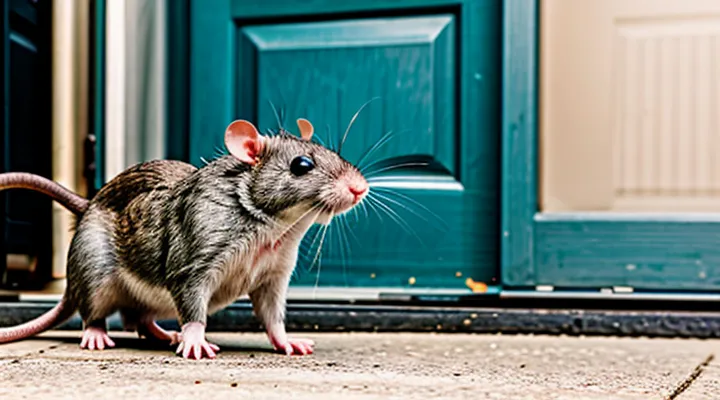
Understanding Rat Behavior and Temperament
Recognizing Stress Signals
When handling a rat for the first time, identifying signs of stress prevents injury and builds trust. A rat’s body language reveals discomfort before aggression escalates.
- Ears flattened against the head indicate fear.
- Rapid, shallow breathing or audible squeaks signal heightened arousal.
- Tail held rigidly or thumping against the cage floor shows agitation.
- Dilated pupils or a glossy, unfocused stare reflect anxiety.
- Sudden, jerky movements or attempts to flee suggest the animal feels threatened.
Observe these cues continuously. If any appear, pause the interaction, lower your hand, and allow the rat to retreat. Gradual exposure, calm movements, and consistent handling reduce stress responses over successive sessions.
Building Trust Before Contact
Scent Familiarization
Rats depend heavily on smell to judge safety; a familiar scent reduces stress and increases willingness to approach. Introducing your odor before attempting to lift a new rat creates a predictable environment and minimizes defensive reactions.
Begin the familiarization process several days in advance. Place a clean, lint‑free cloth in the cage for a few minutes each day, allowing the rat to investigate. After the rat settles on the cloth, gently rub the same cloth on your hands, then return it to the cage. Repeat this routine until the animal routinely climbs onto the cloth without hesitation.
Practical steps:
- Wash hands with unscented soap; dry thoroughly.
- Rub a small piece of fabric (cotton or fleece) on your palms for 30 seconds.
- Place the fabric in the enclosure for 5–10 minutes, observing the rat’s interaction.
- Offer a familiar treat on the fabric to encourage contact.
- Increase exposure time gradually, aiming for the rat to sit or nest on the material for at least 15 minutes.
Additional recommendations:
- Avoid strong perfumes, lotions, or cleaning agents that could mask your natural odor.
- Wear the same pair of gloves or sleeves during each session to maintain scent consistency.
- Limit handling to brief, calm motions until the rat shows clear acceptance of your scent.
Consistent olfactory exposure prepares the animal for safe, confident handling during the first physical lift.
Voice Association
When handling a rat for the first time, the handler’s voice serves as a primary cue that can calm the animal and reinforce safe behavior. Rats possess acute auditory perception; a steady, low‑frequency tone signals non‑threatening intent, while sudden high‑pitch sounds trigger flight responses. By maintaining a consistent vocal timbre, the handler creates an auditory environment that encourages the rat to remain still and cooperative.
Key auditory strategies include:
- Speaking in a soft, even tone throughout the approach and lift.
- Avoiding abrupt volume changes or sharp consonants that may startle the rat.
- Pairing calm speech with gentle hand movements to strengthen the association between sound and safety.
During the initial lift, the handler should narrate the process in real time: “I am gently supporting your back, lifting you now.” This verbal reinforcement aligns the rat’s sensory expectations with the physical action, reducing stress and improving grip stability. Repetition of the same phrasing across multiple sessions solidifies the learned association, making subsequent handling smoother and less risky for both parties.
Consistent voice association, combined with proper grip technique, transforms the first encounter into a predictable, low‑stress experience, laying the groundwork for reliable long‑term rat care.
Preparing for the First Pickup
Choosing the Right Environment
When preparing to handle a rat for the first time, select a space that limits the animal’s ability to flee while providing a stable, non‑slippery surface. The area should be quiet, free of sudden noises, and maintain a temperature between 68–75 °F (20–24 °C) to keep the rodent calm.
- Use a shallow, clear container or a low‑sided box with smooth walls; avoid deep bowls that hinder visibility.
- Place a soft, absorbent material (paper towel or fleece) on the floor to prevent slipping.
- Ensure lighting is bright enough to see the rat’s movements but not harsh; indirect or diffused light works best.
- Remove objects that could be chewed or knocked over, such as loose cords, pens, or small decorations.
- Seal gaps under doors or around vents to prevent escape routes.
- Keep other pets and children out of the immediate vicinity to reduce stress for both the rat and the handler.
Before the encounter, clean the chosen area with mild, unscented soap and rinse thoroughly. Dry the surface completely, then arrange the absorbent layer. Position the rat’s cage nearby, open the door, and allow the animal to explore the new space briefly. This preparation creates a controlled environment that facilitates a safe, confident first pick‑up.
Essential Supplies
Secure Handling Gloves
Secure handling gloves are essential for anyone attempting to capture a rat for the first time. They provide a barrier against bites, scratches, and potential disease transmission while allowing enough tactile feedback to maintain control of the animal.
When choosing gloves, consider the following criteria:
- Material: Thick, puncture‑resistant fabrics such as Kevlar, leather, or reinforced nylon prevent teeth penetration. Disposable nitrile or latex gloves offer limited protection and should be used only as a secondary layer.
- Fit: Gloves must fit snugly to avoid excess slack that could be seized by the rat. A tight fit also improves dexterity for holding the creature gently but securely.
- Length: Extend past the wrist to shield forearms, which are common targets during a struggle.
- Grip: Textured palms or silicone coatings increase friction, reducing the chance of the rat slipping.
Proper use of gloves involves these steps:
- Inspect gloves for tears or punctures before each session.
- Slip the gloves on, ensuring the fingers are fully covered and the cuff is positioned high on the forearm.
- Conduct a brief tactile test by lightly pressing the gloved hand against a solid surface; adjust if the glove feels loose.
- After handling, remove gloves by turning them inside out to contain any contaminants, then dispose of or sanitize them according to laboratory or veterinary protocols.
Maintenance guidelines:
- Clean reusable gloves with mild detergent and warm water, then air‑dry completely before storage.
- Store gloves in a dry, dust‑free container to preserve material integrity.
- Replace gloves at the first sign of wear, especially after any bite marks or punctures.
By adhering to these specifications, novice handlers minimize risk and improve the likelihood of a safe, successful rat capture.
Treats for Positive Reinforcement
Treats serve as a reliable method to encourage a rat’s cooperation during the initial handling session. Offering a small, desirable reward immediately after the animal remains calm while you approach, support, and lift it creates a clear association between gentle handling and a positive outcome.
Recommended rewards include:
- Tiny pieces of fresh fruit (apple, banana, or berries) no larger than the tip of a fingernail.
- Commercial rodent treats formulated without added sugars or artificial flavors.
- Small bits of cooked, unseasoned chicken or boiled egg white for protein‑rich options.
- Freeze‑dried insects such as mealworms, presented in minimal quantities.
Guidelines for effective use:
- Size: keep each treat under 0.5 cm³ to prevent choking and to allow rapid consumption.
- Frequency: present a reward after each successful lift, then gradually increase the interval as the rat becomes accustomed to the motion.
- Storage: keep treats in airtight containers at refrigeration temperatures to preserve freshness and prevent mold growth.
Safety considerations:
- Exclude foods toxic to rodents, such as chocolate, caffeine, citrus peels, and raw onions.
- Limit sugary items to prevent dental decay and metabolic issues.
- Observe the rat for signs of intolerance (vomiting, diarrhea) and discontinue the offending item immediately.
During the handling process, hold the treat in the palm opposite the hand that supports the rat’s torso. Release the treat once the animal settles in your grip; the brief pause reinforces calm behavior. Repeating this pattern over several sessions builds a predictable reward cycle, making the rat more likely to remain still and relaxed during future lifts.
The Gentle Pickup Technique
Approaching Your Rat Calmly
Approach your rat with a steady, low‑key demeanor. Sudden movements or loud noises trigger a flight response, making the animal wary and increasing the risk of a bite. By presenting yourself as non‑threatening, you encourage curiosity rather than fear.
- Move slowly toward the cage, keeping your hand open and relaxed.
- Lower your body to the rat’s eye level; this reduces the perceived height advantage.
- Extend a fingertip gently, allowing the rat to sniff before making contact.
- Wait for the rat to step onto your hand voluntarily; do not force the interaction.
Maintain a calm environment throughout the process. Keep lighting soft, eliminate sudden sounds, and avoid direct staring. Speak in a quiet, even tone if you need to communicate. These measures create a predictable setting that lets the rat focus on the gentle invitation rather than on potential threats.
The Scoop Method
Supporting the Body
When handling a rat for the first time, the body must provide a stable platform to prevent injury to both the animal and the handler. A firm stance, knees slightly bent, and a straight back keep the spine aligned and allow quick adjustments if the rat struggles.
Position the hands low on the rat’s torso, thumbs on either side of the ribcage, fingers supporting the hindquarters. This grip distributes the animal’s weight across the forearms rather than the fingers, reducing pressure points and minimizing the risk of accidental crushing.
Keep the rat close to the chest, allowing the torso to bear most of the load. Align the shoulders with the direction of movement; this prevents twisting of the spine when transferring the rat to a cage or enclosure.
Maintain visual contact throughout the lift. Anticipate sudden jumps by keeping elbows slightly flexed and the weight centered over the hips. A controlled release, achieved by lowering the rat in a smooth arc, ensures a gentle transition onto a surface.
- Stand with feet shoulder‑width apart.
- Bend knees, keep hips level.
- Place thumbs on the rat’s chest, fingers under the hindquarters.
- Hold the animal against the torso, elbows relaxed.
- Lift using leg muscles, not the back.
- Transfer by lowering in a steady motion, maintaining eye contact.
Securing the Tail
When handling a rat for the first time, a firm yet gentle grip on the tail is essential for control and safety. The tail provides a natural anchor point; securing it reduces the animal’s tendency to wriggle free and minimizes stress on the body.
- Approach the rat calmly, allowing it to become aware of your presence.
- Extend a thumb and forefinger around the base of the tail, just above the hindquarters.
- Apply light pressure to create a secure hold without compressing the vertebrae.
- Simultaneously support the torso with the opposite hand, placing the palm under the chest and the fingers along the sides.
- Lift smoothly, keeping the tail close to your hand to prevent sudden movements.
- If the rat attempts to pull away, maintain the tail grip while gently guiding it toward a safe holding surface, such as a padded container.
After the rat is stabilized, transition the grip from the tail to a full-body hold if further handling is required. Practice the tail‑securing technique repeatedly to develop consistency and confidence.
What to Do if Your Rat Resists
When a rat pulls away or bites during the initial handling attempt, remain calm and keep movements deliberate. Sudden gestures trigger a flight response, so slow, steady actions give the animal a chance to assess safety.
First, secure the environment. Close doors, remove loud noises, and place a soft, non‑slippery surface such as a towel or rubber mat beneath the cage. This reduces escape routes and limits external stressors.
Next, follow a step‑by‑step approach:
- Extend a hand palm‑up, fingers relaxed, allowing the rat to sniff and explore voluntarily.
- If the rat retreats, pause for several seconds before repeating the hand extension.
- When the rat shows curiosity—approaching or nibbling—gently cup the body with both hands, supporting the chest and hindquarters.
- If the rat struggles, hold the forepaws lightly, avoiding pressure on the tail or limbs, and keep the grip brief (no more than a few seconds).
- Release the rat immediately after the brief hold, return it to the cage, and reward with a familiar treat.
Finally, evaluate the rat’s response. Persistent resistance may indicate fear, illness, or improper socialization. In such cases, schedule short, frequent sessions over several days, gradually extending the handling duration. If resistance continues despite gradual exposure, consult a veterinarian or an experienced rodent handler for health assessment and specialized guidance.
Post-Pickup Care and Reinforcement
Short Handling Sessions
When attempting to grasp a rat for the first time, keep each interaction brief. Short sessions reduce stress, allow the animal to become accustomed to human contact, and give the handler clear feedback on technique.
Begin by preparing a calm environment: quiet room, stable temperature, and a clean surface. Approach the cage slowly, open the door, and let the rat explore the opening for a few seconds. Gently extend a hand, palm down, and pause until the rat sniffs or nudges. If the animal retreats, close the door and try again later; avoid forcing contact.
Limit the handling period to 30–60 seconds. During this window:
- Support the rat’s hindquarters with one hand and its chest with the other.
- Keep movements smooth; sudden jerks trigger a flight response.
- Observe the rat’s posture: a relaxed body, whisker forward, and steady breathing indicate comfort.
- Release the animal onto a familiar surface after the time expires, allowing it to re‑establish footing.
Repeat the brief encounters daily. Consistent exposure builds tolerance, making subsequent longer sessions easier and safer for both parties.
Rewarding Good Behavior
Rewarding good behavior is essential when introducing a rat to handling. Positive reinforcement creates a reliable association between gentle contact and a pleasant outcome, encouraging the animal to cooperate during future interactions.
- Offer a small, high‑value treat immediately after the rat allows a hand to approach, sniffs, or briefly rests on the palm.
- Deliver the treat within two seconds of the desired action to maintain a clear connection.
- Use a consistent type of food (e.g., a piece of dried fruit or a tiny seed) so the rat learns to recognize the reward.
- Limit each reward to a bite‑size portion to prevent overfeeding while still providing satisfaction.
When the rat tolerates being lifted:
- Support the chest and hindquarters with both hands, avoiding pressure on the spine.
- Hold the rat for a few seconds, then present the treat while maintaining a calm voice.
- Release the rat gently onto the cage floor after the reward, allowing it to move freely.
Maintain a routine of brief, positive sessions. Gradually increase handling time as the rat consistently accepts treats for calm behavior. Consistency, timing, and appropriate rewards together form a reliable method for teaching a rat to accept being picked up.
Observing for Discomfort
When handling a rat for the first time, the most reliable indicator of stress is the animal’s body language. Look for the following signs and adjust your grip accordingly:
- Tail tucked tightly against the body, indicating fear.
- Ears flattened against the head, a response to perceived threat.
- Rapid, shallow breathing or audible squeaks, suggesting discomfort.
- Rigid posture or stiff limbs, showing the rat is resisting.
- Excessive grooming or self‑biting, a coping mechanism for anxiety.
If any of these behaviors appear, pause the interaction. Offer a calm environment: lower ambient noise, reduce sudden movements, and give the rat a moment to explore the hand without being lifted. When the animal displays relaxed cues—tail relaxed, ears forward, slow breathing—proceed with a gentle, supportive grip. Maintain the rat’s natural curve by cupping the hands around its torso, avoid pressure on the spine, and keep the grip firm enough to prevent escape without causing tension. Continuous monitoring of these visual and auditory signals ensures the animal remains as comfortable as possible during the initial lift.