
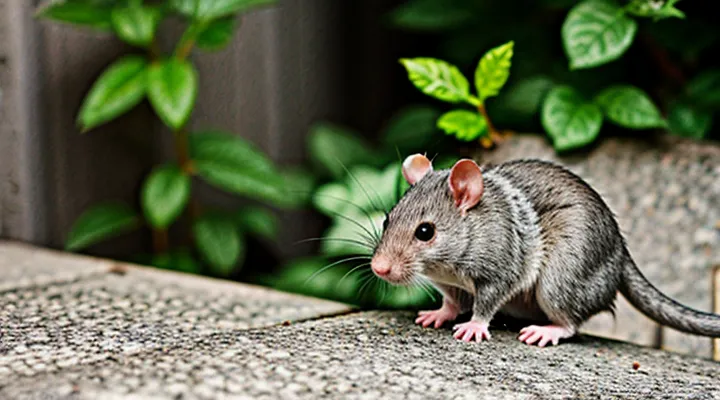
Why Is Naming Your Gray Rat Important?
The Bond Between Owner and Pet
Emotional Connection
Naming a gray rat should begin with an emotional anchor that reflects the bond between owner and pet. A name that triggers affection, curiosity, or humor deepens the relationship and reinforces positive interactions.
Key attributes that create emotional resonance:
- Personal relevance – choose a term linked to a cherished memory, favorite story, or meaningful place.
- Sound appeal – select syllables that are pleasant to pronounce and easy for the rat to recognize.
- Positive connotation – avoid names with harsh or negative associations; favor words that evoke warmth or playfulness.
- Uniqueness – ensure the name stands out among common pet names, reinforcing the individual’s distinct identity.
Practical steps to forge the connection:
- Observe the rat’s behavior for clues—color patterns, habits, or quirks often suggest suitable themes.
- List several candidates that satisfy the attributes above.
- Test each name by calling the rat and noting its response; a receptive reaction indicates alignment with the animal’s perception.
- Adopt the name that generates the strongest, most consistent reaction and that feels personally resonant.
A name rooted in emotional connection transforms a simple label into a shared reference point, strengthening trust and enjoyment for both owner and gray rat.
Training and Communication
Effective naming of a gray rat relies on clear training and consistent communication. The owner must teach the animal to associate a chosen word with attention and reward.
Begin training with short, distinct syllables. Use a single tone and repeat the name at the same volume each session. Pair the spoken name with a treat or gentle petting the moment the rat turns its head. Conduct sessions for five minutes, twice daily, until the rat consistently pauses when the name is uttered.
- Choose a name of one or two syllables.
- Speak the name in a calm, steady voice.
- Immediately follow the utterance with a positive reinforcement.
- Keep the environment quiet to avoid competing sounds.
- Record progress and adjust the timing of rewards as needed.
Communication extends beyond the name itself. Maintain the same pronunciation and rhythm in all interactions, including feeding, cleaning, and playtime. Avoid using multiple nicknames; consistency prevents confusion. Observe the rat’s body language for signs of recognition, such as ear twitches or forward movement, and reinforce those responses.
By integrating focused repetition, uniform vocal cues, and timely rewards, owners establish a reliable link between name and behavior, ensuring the gray rat responds promptly and confidently.
General Naming Principles for Gray Rats
Considering Your Rat«s Personality
Playful vs. Calm
When selecting a name for a gray pet rodent, the animal’s temperament should drive the choice. A lively, energetic rat benefits from a name that conveys motion, mischief, or brightness; a composed, serene rat responds better to a name that suggests steadiness, elegance, or softness.
Playful individuals display rapid scurrying, frequent grooming of toys, and a propensity for exploration. Names that echo these traits often contain sharp consonants, short syllables, or onomatopoeic elements. Examples include:
- Dash
- Zippy
- Pippin
- Jinx
- Sprout
Calm individuals move deliberately, enjoy quiet observation, and prefer gentle interaction. Names that reflect tranquility typically feature smooth vowel sounds, longer syllables, or references to calm imagery. Examples include:
- Nimbus
- Willow
- Sable
- Echo
- Velvet
To determine the appropriate category, observe the rat for several days, noting reaction speed, interaction style, and preferred resting spots. Record the dominant pattern, then match it with the corresponding name list. If behavior varies, select a name that balances both aspects, such as “Misty” or “Ash,” which convey subtle energy without excessive exuberance.
Curious vs. Shy
When selecting a name for a gray rat, the animal’s temperament often guides the decision. Two common personality descriptors—curious and shy—suggest distinct naming directions. A curious rat actively explores its environment, investigates new objects, and engages with people. A shy rat prefers retreat, remains still, and shows limited interaction.
For a curious rat, choose names that convey exploration and liveliness. Consider options such as:
- Scout
- Quest
- Pippin
- Zephyr
- Echo
For a shy rat, opt for names that reflect subtlety and calm. Suitable examples include:
- Whisper
- Ember
- Slate
- Nimbus
- Mote
Evaluate the individual’s behavior before finalizing the choice. Matching the name to the observed trait reinforces the bond and provides an intuitive reference for caretakers.
Appearance-Based Names
Shades of Gray
When choosing a name for a gray rodent, the precise hue of its coat offers a practical clue. Light, medium, and dark tones each suggest distinct character traits that can be reflected in the name.
A light, silvery shade evokes softness and agility. A medium ash tone conveys balance and reliability. A deep charcoal hue suggests strength and mystery. Recognizing these variations narrows the pool of suitable names and adds relevance to the choice.
Typical gray variations include:
- Silver‑mist – pale, almost white gray with a sparkling quality.
- Ashen – neutral gray with subtle brown undertones.
- Slate – medium gray with a faint blue hint.
- Charcoal – deep, almost black gray.
- Stormcloud – dark gray with a hint of purple.
Match each shade to a name that mirrors its visual impression:
- Light silver: Pebble, Frost, Whisper.
- Medium ash: Dusty, Ember, Quill.
- Slate: Slate, Steel, Orion.
- Charcoal: Onyx, Coal, Midnight.
- Stormcloud: Tempest, Thunder, Nimbus.
By aligning the animal’s coloration with a name that reflects the same tonal quality, the final selection becomes both descriptive and memorable.
Unique Markings
When a gray rat displays distinctive markings, those features become the most reliable reference point for a memorable name. Color variations on the back, a stripe along the spine, or contrasting paws provide immediate visual cues that differentiate one individual from the rest of the colony.
Identify the prominent trait, then translate it into a single word or a short phrase. Common approaches include:
- Spotted – for irregular dark patches on the fur.
- Stripe – for a clear longitudinal line.
- Patch – for a single area of lighter or darker hair.
- Streak – for a thin, elongated mark on the side.
- Speckle – for fine, scattered dots across the coat.
If multiple markings are present, combine the most striking elements. Example: “Stripe‑Patch” merges a dorsal line with a distinct belly spot, preserving both identifiers without excess wording.
Avoid generic descriptors such as “gray” or “common.” Focus solely on the unique visual element; the resulting name will be instantly recognizable to caretakers and observers alike.
Sound and Phonetics
Easy to Pronounce
Choosing a name for a gray rat that can be spoken quickly reduces confusion during handling and training. Favor monosyllabic or two‑syllable words with clear vowel–consonant patterns. Avoid names that contain silent letters, uncommon digraphs, or clusters that require extra breath.
- Ash
- Milo
- Finn
- Nova
- Jax
- Zeke
- Luna
- Sage
When testing a name, say it aloud three times in succession. If the pronunciation remains consistent and the rat responds, the name meets the easy‑to‑pronounce criterion. Use the same tone and volume each time to reinforce recognition.
Names That Roll Off the Tongue
Choosing a name for a gray rat benefits from phonetic smoothness; a name that flows reduces the effort required for repeated use and enhances the pet‑owner bond. Favor monosyllabic or bisyllabic structures, avoid hard consonant clusters, and select vowel‑rich combinations that naturally align with the animal’s quiet demeanor.
Effective strategies:
- Prefer names ending in a vowel or soft consonant (e.g., Milo, Luna, Olive).
- Use gentle plosive sounds rather than harsh fricatives (e.g., Benny over Rex).
- Incorporate alliteration with the animal’s color or breed when it creates a melodic rhythm (e.g., Silky Slate, Ashy Ace).
- Limit the number of syllables to two or three to maintain ease of pronunciation (e.g., Pebble, Nimbus, Coco).
When testing a candidate, say the name aloud several times; the one that feels effortless and retains a pleasant cadence is the most suitable for a gray rat.
Categories of Gray Rat Names
Classic and Human-Inspired Names
Popular Choices
Choosing a name for a gray rat often follows familiar patterns that owners find appealing and easy to recall. Popular selections fall into several recognizable groups.
- Classic pet names: Milo, Daisy, Oreo, Luna
- Color‑related options: Ash, Slate, Pebble, Smoke
- Mythical or literary references: Gandalf, Loki, Nyx, Echo
- Pop‑culture inspired: Stark, Yoda, Neo, Zelda
These choices reflect common preferences for brevity, relevance to appearance, and cultural resonance, providing a reliable starting point for anyone seeking a suitable moniker.
Timeless Options
Choosing a name for a gray rat that endures across trends requires focus on simplicity, phonetic clarity, and cultural resonance. A timeless name avoids fleeting pop‑culture references and remains easy to pronounce for both the pet owner and the animal.
- Ash – evokes the rat’s coat color while remaining short and unmistakable.
- Nimbus – suggests a soft, cloud‑like quality; the word is rare in pet naming but recognizable.
- Silas – classic human name that translates well to a small mammal, offering familiarity without gimmickry.
- Mica – mineral reference implying a subtle sheen, concise and gender‑neutral.
- Quill – alludes to the animal’s whiskers, providing a subtle descriptive element.
Select a name that aligns with the rat’s personality and the owner’s preferences, ensuring the term is easy to call and unlikely to become outdated. Consistency in usage reinforces the bond and maintains the name’s relevance over time.
Whimsical and Fun Names
Food-Related Names
Choosing a name that reflects a gray rat’s coat and appetite can reinforce its personality and make identification easier. Food‑related options draw on familiar flavors, textures, and culinary references, creating memorable and playful identifiers.
- Pepper – evokes the speckled gray fur and a hint of spice.
- Malt – references the brown‑gray hue of malted grains, suitable for a calm animal.
- Cocoa – captures the deep, muted tones of roasted cocoa beans.
- Sesame – suggests tiny gray seeds and a subtle crunch.
- Oreo – combines black and gray elements, mirroring the classic sandwich cookie.
- Poppy – alludes to the gray‑blue petals of poppy flowers and the nutty flavor of poppy seeds.
- Sage – reflects the soft gray-green leaves and a mild, earthy taste.
- Biscuit – denotes a light, buttery shade similar to a pale gray crust.
- Miso – connects the muted gray of fermented paste with a cultured, refined vibe.
- Truffle – conveys a luxurious, dark‑gray appearance and an aromatic profile.
Each suggestion pairs visual similarity with a culinary concept, allowing owners to assign a name that is both descriptive and endearing. The list can be expanded by combining ingredients (e.g., “Soy‑Pepper”) or by selecting regional specialties that match the rat’s unique coloration.
Pop Culture References
Naming a gray rat can benefit from references that resonate with widely recognized media, characters, or motifs. Drawing on pop‑culture sources offers immediate recognition and can shape the pet’s personality in the owner’s perception.
- Film and television: “Gandalf” (the wizard’s silver robe), “E.T.” (the iconic extraterrestrial), “Stormtrooper” (uniform gray armor), “R2‑D2” (metallic hue and compact size).
- Music: “David Bowie” (the “Thin White Duke” persona), “Kurt” (Kurt Cobain’s often gray‑toned aesthetic), “Metallica” (the band’s name evokes metal and darkness).
- Literature and comics: “Gandalf the Grey” (J.R.R. Tolkien), “Greyjoy” (House Greyjoy from Game of Thrones), “Silver Surfer” (Marvel’s cosmic rider).
- Video games: “Gray Fox” (character from Metal Gear Solid), “Cortana” (AI with a sleek, gray visual design), “Sombra” (Spanish for “shadow,” associated with dark tones).
Selecting a name from these sources aligns the rat’s appearance with a cultural touchstone, reinforcing the animal’s identity while providing a memorable label. The reference should match the rat’s behavior or physical traits to ensure coherence between name and pet.
Nature-Inspired Names
Gemstones and Minerals
Naming a gray rat can benefit from referencing gemstones and minerals whose hues, textures, and symbolic meanings align with the animal’s appearance. Selecting a name grounded in mineralogy adds depth and memorability.
Consider three criteria when drawing from the mineral world:
- Color match – Choose stones whose primary shade reflects the rat’s coat, such as slate‑gray, pewter, or smoky quartz.
- Surface quality – Reflect the animal’s fur texture with minerals noted for smoothness (e.g., talc) or subtle sparkle (e.g., opal).
- Symbolic resonance – Align the name with attributes traditionally linked to the stone, like resilience for basalt or calmness for jade.
Examples of suitable names include:
- Ashen Agate – combines gray tone with the banded pattern of agate.
- Pewter Pyrite – highlights metallic sheen and durability.
- Smoky Quartz – mirrors muted gray and translucence.
- Slate Opal – merges stone color with iridescent quality.
- Granite Grey – emphasizes strength and granular texture.
When finalizing a name, verify pronunciation ease, distinctiveness from existing pet names, and suitability for everyday use. A concise, mineral‑inspired name reinforces the rat’s visual traits while offering a touch of elegance.
Weather Phenomena
When selecting a name for a gray rodent, drawing on atmospheric terms creates memorable, vivid options. Weather elements convey color, texture, and temperament, aligning naturally with the animal’s muted coat and lively behavior.
Gray fur resembles overcast skies, mist, and low‑light conditions. Phenomena that involve subtle shades or gentle movement mirror the rat’s quiet presence while hinting at its agility and curiosity.
- Nimbus – suggests a soft, cloudy blanket of gray.
- Drizzle – evokes light, continuous activity.
- Fog – captures dense, muted coloration.
- Haze – reflects a gentle, diffused appearance.
- Gale – conveys energetic bursts of motion.
- Storm – denotes a bold, assertive personality.
- Zephyr – implies a light, breezy demeanor.
Consider the following criteria when finalizing a choice: ensure the term is easy to pronounce, fits the pet’s individual character, and avoids confusion with common commands. Test the name by calling it aloud; consistent positive responses confirm suitability.
Names Based on Rat Characteristics
Clever and Mischievous
Choosing a name for a gray rat that constantly outwits its owners demands attention to two qualities: intellect and playful deceit. A suitable moniker should hint at strategic thinking while evoking a sense of harmless troublemaking.
Keep the name short, easy to pronounce, and distinct from everyday commands. Prefer consonant‑heavy sounds that mimic the animal’s quick movements, and select words that carry an implication of cleverness or slyness.
- Whiskerfox
- Slyther
- Quipster
- Brainstorm
- Rascaline
- Cunnington
- Puck
Test each option by calling the rat in a familiar environment; observe whether the animal responds positively and whether the name feels appropriate during routine interactions. Adjust spelling or syllable count if the rat shows hesitation or if the name blends too easily with other household sounds. The final choice should reflect the rodent’s sharp mind and mischievous spirit without causing confusion.
Small and Agile
A gray rat that is notably small and quick demands a name that mirrors its size and speed. Short, crisp syllables convey agility, while subtle references to its coat preserve the visual cue.
When selecting a name, apply three criteria:
- Length – keep the name under three syllables to reflect compactness.
- Phonetics – choose consonant‑heavy sounds (e.g., “Kip”, “Zed”) that suggest swift movement.
- Association – incorporate a hint of gray tone (e.g., “Ash”, “Slate”) or a trait of nimbleness (e.g., “Dash”, “Flick”).
Examples that satisfy the guidelines:
- Ash – evokes the rat’s coloration and a brief sound.
- Flick – captures rapid motion with a single, sharp syllable.
- Zed – short, distinctive, and energetic.
- Dash – directly references speed while remaining concise.
- Pip – tiny, lively, and easy to pronounce.
Finalize the choice by testing pronunciation speed; the name should be uttered as quickly as the animal darts across its environment. This alignment reinforces the connection between identity and behavior.
Practical Naming Tips
Involving the Family
Group Brainstorming
Effective group brainstorming can produce memorable names for a gray rodent. Assemble participants who share interest in the animal’s characteristics, such as coat color, temperament, and cultural references. Ensure each member understands the goal: generate concise, distinctive names that reflect the rat’s appearance and personality.
Facilitate the session with these practices:
- Begin with a brief clarification of the naming objective; avoid vague statements.
- Encourage rapid idea flow; write every suggestion verbatim without immediate critique.
- Use a timer to maintain momentum, typically 5‑10 minutes per round.
- After initial generation, categorize names by themes (e.g., mythology, color, humor).
- Conduct a quick vote on each category, selecting the top three candidates.
- Apply a final review for uniqueness and ease of pronunciation before deciding.
Document the process in a shared note, recording each suggestion and its category. This record supports future reference and validates the group’s collective decision. By adhering to structured brainstorming, the team arrives at a well‑considered name that honors the gray rat’s distinct identity.
Voting on Favorites
When choosing a name for a gray rat, collective preference can be determined through a structured vote. Begin by compiling a shortlist of viable names; each entry should reflect the animal’s coloration, personality traits, or cultural references. Limit the list to five–seven options to keep the decision process efficient.
- Distribute the list to participants via a survey platform or printed ballot.
- Require each respondent to rank the names or select a single favorite.
- Apply a transparent tally method—simple majority, ranked‑choice, or point‑allocation—according to the group’s size and desired precision.
- Announce the winning name promptly, providing a brief rationale based on the vote totals.
Key considerations for an effective poll:
- Ensure all participants understand the voting deadline.
- Avoid ambiguous or overly similar names that could split the vote.
- Record the raw numbers to preserve accountability.
By following this procedure, the group reaches a consensus quickly, and the selected name benefits from collective endorsement.
Testing Out Names
Observing Your Rat«s Reaction
Observing how a gray rat responds to a proposed name provides direct feedback that can confirm suitability or indicate the need for change. A rat’s vocalizations, body language, and interaction patterns reveal acceptance, confusion, or indifference.
- Look for short, high‑pitched squeaks when the name is spoken; these often signal curiosity or recognition.
- Note ear position: forward ears suggest alertness, while flattened ears may indicate stress.
- Watch for approach behavior: a rat that moves toward you after hearing the name shows positive association.
- Record any sudden freezing or retreat, which can denote anxiety or lack of connection.
Interpretation hinges on consistency. Repeated positive cues across several sessions suggest the name aligns with the animal’s perception. Mixed signals—such as occasional approach but frequent retreat—warrant a brief pause, followed by a different phonetic structure (e.g., shorter syllables, softer consonants) and a fresh observation period.
If negative or neutral responses dominate, replace the current choice with an alternative that matches the rat’s natural vocal range. Test the new option using the same behavioral checklist. Continue the cycle until the rat consistently exhibits welcoming cues, ensuring the selected name fosters a clear, reinforcing bond.
Saying Names Aloud
When selecting a name for a gray rodent, saying the name out loud provides immediate verification of pronunciation, rhythm, and suitability for everyday use.
Audible testing reveals whether the name blends well with the animal’s natural sounds and avoids harsh consonant clusters that might be difficult to call across a room.
External feedback becomes possible once the name is spoken; observers can comment on clarity, memorability, and any unintended associations that are not evident in written form.
Practical steps for vocal evaluation:
- Choose a short list of candidates.
- Speak each name at a normal volume, varying tone to simulate different calling situations.
- Observe the animal’s reaction; a calm or curious response indicates acceptance, while agitation may suggest an unsuitable sound.
- Ask a second person to repeat the name; consistent pronunciation confirms ease of use.
Consistent verbal rehearsal solidifies the final choice and ensures the name functions effectively in daily interaction with the gray rat.
Avoiding Common Pitfalls
Overly Complex Names
Overly complex names hinder communication and memory when naming a gray rat. Lengthy constructions introduce unnecessary syllables, obscure meaning, and increase the risk of mispronunciation. The result is a name that fails to serve its primary purpose: easy identification and consistent use.
Complex names often combine multiple languages, obscure references, or excessive adjectives. Such elements add decorative flair but do not improve clarity. They can also create a perception of pretentiousness, distancing the owner from the animal and reducing the emotional bond that a simple, resonant name fosters.
Practical guidelines for avoiding excessive complexity:
- Limit the name to one or two short words; each word should contain no more than three syllables.
- Choose familiar sounds; avoid obscure or archaic terms that require explanation.
- Exclude unnecessary modifiers; a single descriptive element (e.g., “Smokey”) is sufficient.
- Steer clear of mixed‑language hybrids unless the combination is widely recognized.
- Test the name by saying it aloud repeatedly; if it feels cumbersome, simplify it.
Applying these principles yields names that are instantly recognizable, easy to call, and memorable for both caretaker and companion. Simplicity enhances the functional relationship between owner and pet while preserving the distinctive character of a gray rat.
Names That Might Be Offensive
When choosing a name for a gray rat, evaluate the term for cultural, racial, or derogatory implications. Names that reference stereotypes, slurs, or historically marginalised groups can cause discomfort and reflect poorly on the owner.
- Racial slurs or variations thereof
- Ethnic stereotypes (e.g., caricatured references to nationality, religion, or language)
- Gender‑based insults or demeaning descriptors
- Terms linked to disability or mental health stigma
- References to criminality or illicit behavior that target specific communities
Before finalising a name, ask the following questions: Does the word carry negative connotations in any language? Could it be interpreted as mocking a protected characteristic? Is the term widely recognized as offensive by reputable sources? If any answer is affirmative, discard the option.
Prioritise neutral, descriptive, or whimsical names that celebrate the animal’s appearance or personality without invoking human social categories. This approach ensures respect for all audiences while maintaining a playful connection with the pet.
What to Do if You Have Multiple Gray Rats
Coordinated Naming Schemes
Thematic Groups
When selecting a name for a gray rat, grouping options by theme simplifies the decision process and yields coherent choices.
A thematic approach categorizes potential names into distinct families, each reflecting a particular source of inspiration. This structure helps owners align a name with the animal’s appearance, behavior, or personal significance.
- Color‑based themes – names derived from shades, minerals, or objects associated with gray, such as Slate, Ash, Pewter, or Granite.
- Literary and mythological themes – references to characters or deities known for gray attributes, for example, Gandalf, Loki, or Selene.
- Scientific and zoological themes – terms drawn from taxonomy, anatomy, or related species, like Mus, Bront, or Helix.
- Pop‑culture themes – names taken from movies, games, or music that feature gray protagonists, such as Storm, Ghost, or Dorian.
- Personality‑driven themes – descriptors that match the rat’s temperament, such as Swift, Curious, or Stoic.
Choosing a thematic group first narrows the pool, then individual names can be evaluated for uniqueness, ease of pronunciation, and personal resonance. This method provides a systematic path to a fitting, memorable name.
Rhyming Names
When selecting a name for a gray rodent, rhyming options add memorability and charm. Rhymes create a pleasant auditory pattern that can reinforce the pet’s identity, especially in daily interactions. Choose pairs that match the animal’s coloration, temperament, or common behaviors to enhance relevance.
Consider the following strategies:
- Pair a descriptor of the coat with a short, snappy word (e.g., “Gray Day,” “Silver River”).
- Use a playful verb that echoes the animal’s habits (e.g., “Scurry Hurry,” “Nibble Dribble”).
- Combine a sound or scent reference with a rhyming partner (e.g., “Dust Gust,” “Misty Twisty”).
Examples of effective rhyming names for a gray rat:
- Ash Dash
- Slate Mate
- Fog Jog
- Char Bar
- Mist Twist
Apply these guidelines to ensure the chosen name is both distinctive and easy to recall, supporting a strong bond between owner and pet.
Distinguishing Between Rats
Using Unique First Letters
Choosing a name that begins with a distinctive initial can simplify communication, reduce confusion with other pets, and give the gray rat a memorable identity. The initial should be easy to pronounce, visually clear, and unlikely to clash with common household names.
Key considerations for selecting a unique first letter:
- Avoid letters that start multiple family members’ names (e.g., “B” if there is already a “Bella” and “Baxter”).
- Prefer letters that stand out in written lists, such as “Q,” “X,” or “Z.”
- Ensure the chosen letter does not resemble the first letter of frequently used commands or treats, which could cause misinterpretation.
Examples of effective single‑letter prefixes for a gray rat:
- Q – Quill, Quasar, Quibble
- X – Xeno, Xeric, Xylia
- Z – Zinnia, Zephyr, Zorro
Implementation steps:
- List all current pet names and their initials.
- Identify letters not represented in the list.
- Select a letter from the remaining set that meets pronunciation and visual clarity criteria.
- Generate a short name that starts with the chosen letter and reflects the rat’s personality or appearance.
- Test the name by calling it in the presence of the rat; observe response and adjust if necessary.
Applying this method yields a concise, distinctive name that facilitates clear interaction and reinforces the rat’s unique status within the household.
Different Sounding Names
Choosing a name for a gray rodent involves considering phonetic qualities that match its appearance and personality. Names with distinct vowel patterns or consonant clusters create memorable impressions, while softer sounds convey calmness.
- Sharp, concise names – “Zeke”, “Rex”, “Jax”. One‑syllable forms end with a hard consonant, producing a brisk auditory cue.
- Melodic, two‑syllable options – “Milo”, “Luna”, “Cairo”. Alternating vowel‑consonant structures generate a gentle rhythm.
- Exotic, multi‑syllable choices – “Azrael”, “Kairoz”, “Sableton”. Extended phonemes add an air of mystery and sophistication.
- Playful, rhyming pairs – “Gray Jay”, “Dusty Rusty”, “Silver River”. Internal rhyme reinforces a light‑hearted tone.
When evaluating a name, test its sound by saying it aloud in various settings. A name that remains clear amid background noise ensures easy recognition. Avoid overly complex spellings that obscure pronunciation; simplicity enhances recall. Selecting a name that balances distinctiveness with ease of articulation results in a fitting identity for a gray rat.