
Considering Her Appearance
Coat Color Inspirations
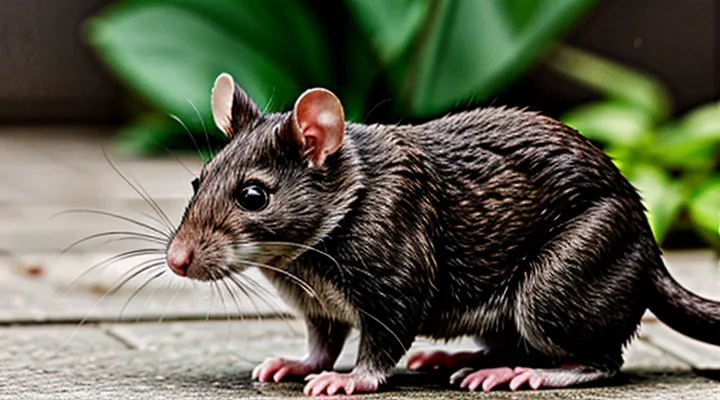
Coat color offers a rich source of inspiration for naming a female rat. Dark mahogany fur suggests names such as Cocoa, Brunette, or Onyx; each reflects the deep, reddish‑brown hue. Light gray or silver coats lend themselves to Luna, Mist, or Pearl, evoking the subtle sheen of the pelage. Pure white fur aligns with Snow, Ivory, or Bianca, emphasizing the clean, pristine appearance. reddish‑orange tones inspire Amber, Ginger, or Rusty, capturing the warmth of the coat. Black fur pairs well with Midnight, Raven, or Jet, highlighting the sleek darkness. Patterned coats provide mixed options: a dorsal stripe may be honored with Stripe, Zebra, or Bandit, while spotted markings suit Freckles, Dotty, or Speck.
When selecting a name, consider the following guidelines:
- Choose a name that mirrors the dominant hue or pattern of the rat’s fur.
- Prefer single‑word names for ease of recognition and recall.
- Avoid names that resemble commands or other pets’ names to prevent confusion.
These color‑based suggestions enable a clear, memorable identity that reflects the rat’s natural appearance.
Eye Color Ideas
Eye color provides a clear, memorable basis for naming a pet rat. Selecting a name that reflects the hue of the animal’s eyes creates an immediate visual association and simplifies recall.
Common eye colors and suitable name ideas include:
- Black – Onyx, Midnight, Raven, Eclipse, Noir
- Brown – Hazel, Cocoa, Chestnut, Mocha, Brindle
- Blue – Azure, Sapphire, Indigo, Sky, Cyan
- Green – Emerald, Jade, Lime, Olive, Mint
- Red / Pink – Ruby, Scarlet, Rose, Crimson, Blush
- Amber – Amber, Goldie, Topaz, Honey, Tawny
- Grey – Slate, Ash, Sterling, Pewter, Fog
When a rat exhibits mixed or atypical coloration, combine elements from the relevant palette: for example, a rat with amber‑brown eyes could be named “Copper” or “Bronze.” The chosen name should match the dominant shade to maintain clarity.
Size and Build
When choosing a name for a pet rat, its physical dimensions and body shape offer clear cues. A compact, muscular specimen suggests strength and agility, while a slender, graceful individual evokes elegance and delicacy. Observing height, length, and musculature helps match a name’s tone to the animal’s appearance, ensuring the label feels intuitive and memorable.
- Petite and sleek: Pip, Nix, Lila, Willow, Sable
- Robust and stocky: Bronte, Grit, Tank, Brindle, Moxie
- Long‑tailed and lithe: Arrow, Zephyr, Vesper, Sora, Ember
- Rounded and plush: Muffin, Pudding, Blossom, Cocoa, Pebble
Each suggestion aligns with a specific size or build characteristic, allowing the name to reflect the rat’s distinctive form.
Reflecting Her Personality
Playful and Mischievous Names
Selecting a name that captures a pet rat’s lively spirit enhances the bond between owner and animal. A playful and mischievous moniker should reflect quick wit, energetic movement, and a hint of cheekiness, while remaining easy to pronounce and distinct enough for training cues.
Consider names that evoke movement, curiosity, or sly humor. Short, two‑syllable options work well for vocal clarity; longer forms can be shortened with affectionate nicknames. Choose a name that aligns with the rat’s personality traits observed during interaction, ensuring consistency between the animal’s behavior and its label.
- Pip – bright, quick, and reminiscent of a tiny burst of energy.
- Zigzag – suggests erratic, spirited dashes across the cage.
- Mischief – directly conveys a love for playful trouble.
- Jinx – implies a mischievous charm that often surprises owners.
- Rascal – classic term for a cheeky, adventurous creature.
- Bubbles – playful, light‑hearted, and easy to call.
- Twitch – captures rapid, mischievous movements.
- Spice – denotes a fiery, spirited disposition.
- Sprocket – mechanical, fast‑moving, suitable for an inquisitive rat.
- Nimble – highlights agility and quick reflexes.
Each suggestion balances humor with recognizability, supporting effective communication and reinforcing the animal’s playful nature.
Sweet and Gentle Names
When choosing a name for a pet rat that is female, owners often prefer options that sound sweet and gentle. Such names emphasize the animal’s soft temperament and can enhance the bond between caretaker and companion.
- Luna – evokes calm moonlight and quiet grace.
- Misty – suggests a delicate, airy presence.
- Honey – conveys warmth and affection.
- Peaches – reflects a soft, pastel hue and tender nature.
- Daisy – brings to mind fresh, gentle blossoms.
- Coco – offers a smooth, comforting sound.
- Biscuit – combines a cozy feel with a lighthearted tone.
- Willow – implies flexible elegance and quiet strength.
- Poppy – captures bright, yet subtle, cheerfulness.
- Snowflake – suggests purity and delicate beauty.
Each name maintains a melodic quality while remaining simple to pronounce, ensuring that the rat responds positively during training and daily interaction. Selecting any of these options provides a clear, endearing identity that matches the gentle character of a female rat.
Brave and Adventurous Names
When selecting a name for a bold, exploratory female rodent, focus on terms that convey courage, curiosity, and movement. Choose words that evoke legendary travelers, daring mythic figures, or dynamic natural forces, ensuring the name reflects the animal’s spirited disposition.
- Astra – evokes the vastness of the sky, suggesting limitless exploration.
- Rogue – captures a mischievous, independent streak.
- Valkyrie – references a warrior maiden who chooses the brave.
- Scout – denotes a keen observer and pathfinder.
- Tempest – conveys powerful, untamed energy.
- Nyx – a mythic figure associated with night, hinting at secretive adventures.
- Pioneer – directly signals a trailblazer.
- Zephyr – a gentle but swift wind, symbolizing swift journeys.
- Kestrel – a bird known for agile hunting and soaring.
- Echo – suggests a voice that travels far and returns.
Each suggestion pairs a strong, adventurous connotation with a melodic sound suitable for a pet rat. The names are concise, memorable, and reinforce the animal’s daring character without resorting to generic descriptors.
Themes for Inspiration
Mythological and Legendary Figures
Naming a female rat after mythological or legendary figures adds character and cultural resonance. Choose names that reflect strength, mystery, or grace, while remaining easy to pronounce for daily use.
- Athena – Greek goddess of wisdom and strategic warfare, suitable for an observant, clever rodent.
- Freya – Norse deity associated with love, beauty, and battle, fitting for a charismatic and bold pet.
- Morgana – Legendary enchantress from Arthurian tales, ideal for a sleek, mysterious animal.
- Kali – Hindu goddess embodying destruction and renewal, appropriate for a fierce, energetic rat.
- Isis – Egyptian goddess of magic and motherhood, reflecting nurturing instincts and regal bearing.
- Boudica – Celtic queen who led a revolt against Rome, perfect for a determined and resilient companion.
- Aphrodite – Greek goddess of love and beauty, matching a particularly graceful or affectionate rat.
- Loki – Norse trickster god, suitable for a mischievous, quick‑witted female rat with a playful nature.
- Rhiannon – Welsh mythic figure known for her endurance and otherworldly allure, fitting for a calm yet spirited pet.
- Sif – Norse goddess linked to fertility and harvest, appropriate for a nurturing and prolific rodent.
Select a name that aligns with the rat’s personality and the owner's preference for mythic significance. The chosen name becomes a concise identifier that also conveys a story from ancient tradition.
Literary Characters
Choosing a name for a female rat can draw on the rich reservoir of literary figures, providing distinctiveness and cultural resonance. Effective names reflect personality, narrative role, or symbolic meaning, allowing owners to convey character through a simple label.
When selecting from literature, prioritize characters whose traits align with the rat’s demeanor—curiosity, resilience, wit, or elegance. Avoid overly generic references; instead, reference specific protagonists, heroines, or notable supporting figures whose names are memorable and pronounceable.
Name suggestions derived from literary characters
- Beatrice – from Dante’s Divine Comedy; embodies intellect and compassion.
- Eowyn – from Tolkien’s The Lord of the Rings; signifies bravery and defiance.
- Mavis – from The Tale of Mavis the Rat; directly relevant and endearing.
- Lila – from Vladimir Nabokov’s Lolita; conveys charm and subtlety.
- Morgana – from Arthurian legend; suggests mystery and authority.
- Ada – from Mary Shelley’s Frankenstein; reflects curiosity and scientific spirit.
- Celia – from Shakespeare’s As You Like It; denotes grace and wit.
- Pip – from Dickens’s Great Expectations; offers a gender‑neutral option with literary weight.
- Harriet – from Harriet Beecher Stowe’s Uncle Tom’s Cabin; evokes perseverance.
- Nora – from Ibsen’s A Doll’s House; signals independence and modernity.
Each name carries a narrative backdrop that can enrich the identity of a female rat, turning a simple label into a reference point for storytelling and personal connection.
Food and Drink Related Names
Choosing a culinary theme for a female rat’s name adds personality and memorability. Food‑ and drink‑inspired names resonate with pet owners who appreciate humor, culture, or nostalgia, while remaining easy to pronounce and distinct from common pet names.
- Espresso – sharp, energetic, suited to a quick‑moving rat.
- Mochi – soft, sweet, evokes a beloved Asian treat.
- Saffron – exotic spice, conveys rarity and vivid color.
- Biscotti – crisp, elegant, perfect for a refined pet.
- Poppy – seed‑derived, bright, matches a lively demeanor.
- Cider – warm, autumnal, ideal for a reddish‑brown coat.
- Latte – creamy, comforting, fits a light‑colored rat.
- Ginger – spicy, aromatic, reflects a ginger‑tinted fur.
- Taffy – chewy, playful, works for a sweet‑natured rat.
- Soda – fizzy, upbeat, suitable for an active personality.
Each suggestion pairs a recognizable culinary term with characteristics commonly observed in pet rats, facilitating quick association and recall. Selecting from this list provides a clear, themed identity without reliance on generic naming conventions.
Nature-Inspired Names
When selecting a name for a female rat, drawing from natural elements can add charm and memorability. Natural‑inspired names often reflect the animal’s small size, agility, and curiosity, while providing a pleasant auditory quality.
- Flora: Willow, Fern, Dahlia, Sage, Ivy, Poppy, Marigold, Clover, Juniper, Orchid
- Fauna: Luna (moon moth), Finch, Sparrow, Otter, Badger, Vixen, Meadowlark, Pip (as in chick), Nettle (a plant with a sting)
- Celestial: Aurora, Nova, Stella, Celeste, Eclipse, Orion (adapted for a female), Comet, Nebula
- Geological: Pebble, Slate, River, Brook, Canyon, Moss, Granite, Coral, Ember
- Weather & Seasons: Breeze, Zephyr, Mist, Rain, Snowflake, Summer, Autumn, Dawn, Twilight
Each name captures a distinct aspect of the natural world, offering a vivid, easily remembered identifier for a pet rat. Choose a name that aligns with the rat’s personality or physical traits for the most resonant effect.
Unique and Uncommon Name Suggestions
Names from Other Languages
When selecting a name for a female rat, drawing from languages beyond English adds uniqueness and cultural resonance. Choose names that are short (one or two syllables), easy to articulate, and carry meanings that reflect the animal’s personality or appearance.
- Japanese: Miko – “child of the shrine”; Sora – “sky”, suitable for a curious, energetic rat.
- Italian: Luna – “moon”; Stella – “star”, both evoke nocturnal activity.
- Swedish: Mysa – “cozy”; Vara – “to be”, fitting for a calm, content companion.
- Arabic: Nura – “light”; Zara – “flower”, ideal for a bright‑eyed, delicate rat.
- Finnish: Aino – “the only one”; Kukka – “flower”, appropriate for a singular, sweet pet.
- Hindi: Mira – “wonderful”; Rani – “queen”, reflecting regal or enchanting traits.
- Portuguese: Luz – “light”; Bela – “beautiful”, suitable for a sleek, graceful rat.
Each name provides a linguistic flavor while remaining practical for everyday use. Selecting from this list ensures the rat’s identity stands out in any household.
Invented and Whimsical Names
Invented and whimsical names give a pet rat a distinct personality while remaining memorable and playful. Such names often blend unexpected sounds, literary references, or imaginative wordplay, creating a label that feels both unique and affectionate.
Consider the following options, grouped by thematic inspiration:
- Literary twists: Quillina, Page‑Turner, Scribble, Plotter, Epilogue
- Mythic flair: Nympha, Selkie, Echo, Lyra, Puckette
- Food‑fun: Crumble, Whisker‑Cheese, Peanut‑Butter, Berrylace, Taffy‑Tail
- Science‑centric: Neuron, Photon, Quarkette, Helix, Nova‑Mite
- Pure nonsense: Zizzle, Fluffernut, Gloopette, Spronk, Bizzlet
Each name combines a fabricated element with a recognizable root, ensuring the result sounds original yet pronounceable. The balance of familiarity and novelty helps the name stick in daily interaction, while the whimsical tone reinforces the bond between owner and animal. Selecting a name from this collection or adapting one to personal taste provides a creative solution for anyone seeking a fresh label for a female rat.
Pop Culture References
Naming a female rat can draw on recognizable characters, bands, and titles that convey personality, strength, or humor. Pop‑culture sources provide a ready pool of memorable names without requiring elaborate explanations.
Examples from film and television include:
- Minnie – homage to Disney’s iconic mouse, instantly evoking cuteness and classic animation.
- Ripley – reference to Ellen Ripley, suggesting resilience and leadership.
- Daenerys – inspired by the “Mother of Dragons,” fitting for a small creature with a fierce reputation.
- Luna – nod to Luna Lovegood, ideal for a quirky, gentle pet.
Music‑related options:
- Ziggy – after David Bowie’s alter ego, suitable for a charismatic rat.
- Molly – drawn from Molly Ringwald’s 80s teen‑film legacy, reflecting a nostalgic vibe.
- Sasha – referencing Sasha Fierce, the stage persona of Beyoncé, for a confident animal.
Literary and gaming references:
- Arya – from Game of Thrones, representing independence.
- Yoshi – Nintendo’s beloved dinosaur, playful and friendly.
- Katniss – from The Hunger Games, implying survival instincts.
Each name remains short, recognizable, and carries an associative meaning that enriches the pet’s identity while staying grounded in widely known media.
Tips for Naming Your Rat
Say it Aloud
Choosing a name for a female rat involves more than a written label; it must also sound clear when spoken. A name that rolls off the tongue reduces miscommunication in veterinary records, research logs, and casual conversation.
When testing a name aloud, consider vowel balance, consonant clusters, and stress patterns. Favor two‑syllable structures with primary stress on the first syllable (e.g., “LUNA”) to ensure quick articulation. Avoid hard‑to‑pronounce consonant blends such as “tr” or “zl” that can cause hesitation. Check that the name does not resemble common commands (“stay,” “no”) or laboratory terms that could create confusion.
Original suggestions, each paired with a phonetic cue for clear enunciation:
- Mira /ˈmiː.rə/ – smooth vowels, single consonant onset.
- Cleo /ˈkliː.oʊ/ – open diphthong, easy transition.
- Brix /ˈbrɪks/ – short, crisp ending, no trailing syllable.
- Tara /ˈtɑː.rə/ – balanced stress, distinct “t” and “r.”
- Nova /ˈnoʊ.və/ – clear vowel shift, avoids nasal sounds.
- Zara /ˈzɑː.rə/ – soft “z,” clear vowel separation.
- Pip /ˈpɪp/ – single syllable, quick utterance.
- Luna /ˈluː.nə/ – gentle consonants, melodic flow.
Pronounce each candidate several times in varied settings—quiet room, busy lab, and over phone—to confirm consistency. Record the spoken name, listen for ambiguity, and adjust spelling if the auditory impression diverges from the intended effect. This systematic vocal test ensures the chosen name remains functional and memorable across all contexts.
Short and Sweet Names
Choosing a brief, appealing name for a female rat enhances recall and strengthens the bond between pet and owner. Short names fit the animal’s quick movements and fit easily on identification tags. Simplicity also reduces the risk of confusion during training sessions.
Below are concise options that convey personality without excess syllables:
- Luna
- Bella
- Nix
- Dot
- Zara
- Ivy
- Pip
- Coco
- Mox
- Juno
Each suggestion contains one or two syllables, uses familiar sounds, and avoids ambiguity. When selecting, consider the rat’s temperament, coloration, and any thematic preferences. A well‑chosen name supports clear communication and adds charm to daily interactions.
Avoiding Human Names (Optional)
When selecting a name for a female rat, steering clear of human‑derived names can reinforce the animal’s distinct identity and simplify communication among caretakers. Human names often cause confusion in record‑keeping, especially when multiple rats share similar sounding names, and they may unintentionally anthropomorphize the pet, obscuring its natural behaviors.
Key considerations for non‑human naming include:
- Species‑relevant traits: Choose terms that reflect a rat’s characteristics such as agility, curiosity, or nocturnal habits.
- Ecological references: Names derived from habitats, plants, or insects highlight the animal’s environmental connections.
- Mythological or literary figures: Selecting characters from folklore or classic literature that embody cunning or resilience adds depth without borrowing from contemporary human naming conventions.
- Scientific nomenclature: Utilizing Latin or Greek roots related to rodents or genetics provides an educational angle and ensures uniqueness.
Examples of suitable names, organized by theme:
- Behavioral descriptors – Swift, Quiver, Pounce, Whisper
- Nature‑inspired – Moss, Fern, Thistle, Ember, Luna (celestial reference)
- Mythic entities – Selene (moon goddess), Nyx (night deity), Briseis, Loki (trickster)
- Scientific terms – Musette (from Mus genus), Rattusina, Chromis (color reference)
Applying these guidelines yields names that are memorable, contextually appropriate, and free from human naming conventions, supporting clear identification and respectful treatment of the animal.
Involving Family Members
Involving relatives in the naming process strengthens the bond between the household and the new pet, ensuring the chosen name reflects shared preferences and cultural references. Direct participation prevents unilateral decisions and creates a sense of ownership for all family members.
When gathering suggestions, follow a structured approach: ask each person to propose one‑to‑two names, rank the options, and select the highest‑scoring entry. Limit choices to names that are easy to pronounce, short enough for quick calls, and free of negative connotations. Verify that the name does not duplicate existing pet names within the home to avoid confusion.
Original name ideas generated through family collaboration:
- Nutmeg
- Pippin
- Willow
- Sable
- Ember
- Luna
- Tilly
- Zinnia
- Brisket
- Quill
Each entry balances uniqueness with familiarity, allowing the entire family to recognize and use the name comfortably.