
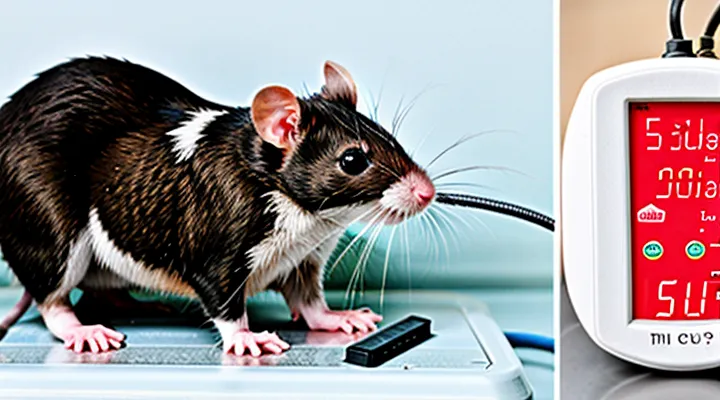
Why Measure a Rat's Temperature?
Indicators of Health
Accurate assessment of a rat’s health requires more than a single temperature reading. Temperature provides a snapshot of core physiological status, but additional indicators confirm whether the animal is stable or experiencing distress.
Body temperature should be recorded with a calibrated rectal probe or a fine‑wire thermistor inserted 1–2 cm into the rectum. Record the value within 30 seconds to avoid stress‑induced fluctuations. Compare the result with the normal range for adult laboratory rats (37.5 °C ± 0.5 °C). Deviations beyond this interval signal potential pathology.
Complementary health signs include:
- Respiratory pattern: regular rate of 70–150 breaths per minute; irregular or labored breathing suggests respiratory infection or pain.
- Skin and fur condition: smooth, glossy coat; alopecia, roughness, or piloerection indicates dermatologic or systemic issues.
- Weight stability: weekly measurement; loss exceeding 5 % of baseline body mass points to metabolic or gastrointestinal problems.
- Mobility and posture: normal gait and upright posture; limping, hunching, or reluctance to move reflect musculoskeletal or neurological impairment.
- Behavioral responsiveness: alertness and normal exploratory activity; lethargy or hyper‑reactivity may accompany fever or neurological disturbance.
- Food and water intake: consistent consumption; marked reduction signals illness or discomfort.
When temperature exceeds 38.5 °C, verify the accompanying indicators. Persistent fever combined with abnormal respiration, weight loss, or altered behavior warrants immediate veterinary evaluation and possible diagnostic testing (e.g., blood panel, imaging). Conversely, a temperature within the normal range accompanied by other abnormal signs still requires investigation, as hypothermia or hyperthermia can be masked by compensatory mechanisms.
Integrating temperature data with the listed health metrics yields a comprehensive picture of the rat’s condition, allowing timely intervention and reliable experimental outcomes.
Research and Experimentation
Accurate assessment of rodent body temperature requires a research framework that integrates precise instrumentation, standardized protocols, and rigorous data handling. The experimental design begins with selecting an appropriate thermometric device—rectal thermocouples, infrared sensors, or implanted telemetry probes—each offering distinct resolution, response time, and invasiveness. Calibration against a certified reference thermometer ensures measurement fidelity across the expected temperature range (35 °C–40 °C).
The procedural sequence includes:
- Animal preparation – acclimate the rat to the testing environment for at least 15 minutes to reduce stress‑induced thermoregulatory fluctuations.
- Device sterilization – disinfect all contact surfaces according to institutional biosafety guidelines.
- Insertion or positioning – for rectal probes, lubricate and insert to a depth of 2 cm; for infrared methods, align the sensor perpendicular to the dorsal surface at a distance specified by the manufacturer.
- Reading acquisition – record three consecutive measurements at 5‑second intervals; calculate the mean to mitigate transient variations.
- Data logging – store timestamps, ambient temperature, and animal identifiers in a secure electronic repository.
Experimental control demands consistent ambient conditions (22 ± 1 °C, 50 % ± 5 % relative humidity) and uniform handling techniques across trials. Randomization of measurement order prevents systematic bias, while blind analysis of temperature data eliminates observer influence. Statistical treatment typically involves repeated‑measures ANOVA to compare temperature trajectories under different interventions (e.g., pharmacological agents, environmental stressors).
Ethical compliance is integral: obtain approval from the institutional animal care committee, employ the minimum number of subjects required for statistical power, and apply analgesia or anesthesia when invasive probes are used. Documentation of adverse events and humane endpoints must be included in the final report.
The culmination of this research process is a reproducible dataset that informs physiological interpretations, supports hypothesis testing, and contributes to the broader understanding of thermoregulation in laboratory rodents.
Preparing for Temperature Measurement
Gathering Necessary Equipment
Rectal Thermometer Selection
Choosing an appropriate rectal thermometer is essential for reliable temperature readings in rats. The device must fit the animal’s anatomy, provide precise measurements, and withstand routine cleaning.
Key specifications include:
- Probe length between 1 cm and 2 cm to reach the rectal cavity without causing injury.
- Measurement range covering 35 °C to 41 °C, matching the normal thermoregulatory span of rodents.
- Accuracy of ±0.1 °C or better to detect subtle physiological changes.
- Rapid response time (≤2 seconds) to minimize handling stress.
Digital thermometers dominate the market because they combine high accuracy with easy-to-read displays. Models featuring a flexible, stainless‑steel probe reduce the risk of tissue damage. Some manufacturers offer disposable probe covers, which simplify sterilization and prevent cross‑contamination between subjects.
Practical considerations:
- Battery life sufficient for multiple measurements per day; replaceable lithium cells are preferred.
- Waterproof or water‑resistant housing enables thorough disinfection with alcohol or autoclave cycles.
- Clear LCD or LED readout eliminates interpretation errors.
- Ergonomic grip allows steady placement during brief restraint.
When purchasing, verify that the thermometer complies with laboratory animal welfare standards and that the supplier provides calibration certificates. Regular calibration against a reference standard maintains measurement integrity throughout the study.
Lubricant
When inserting a rectal probe into a laboratory rat, a suitable lubricant is essential for accurate temperature acquisition and animal welfare. The lubricant reduces friction, prevents tissue irritation, and ensures the probe reaches the correct depth without resistance, which can otherwise distort the reading.
Select a lubricant that is sterile, non‑toxic, and compatible with the probe material. Recommended options include:
- Water‑based, sterile gel: easy to apply, does not interfere with thermistor function, and can be removed with saline rinse.
- Silicone‑based gel: provides longer lasting lubrication, suitable for repeated measurements, but must be verified for compatibility with plastic probes.
- Low‑viscosity mineral oil: effective for single‑use applications, requires thorough cleaning of the probe after each use to avoid residue buildup.
Apply a thin, uniform layer to the probe tip. Excess lubricant can cause slippage and inaccurate placement; a pea‑sized amount is sufficient. After insertion, hold the probe steady for the recommended dwell time, typically 10–15 seconds, to allow the sensor to equilibrate with the rat’s core temperature.
After measurement, cleanse the probe with an appropriate disinfectant, then rinse thoroughly to remove any remaining lubricant. Store the probe in a dry, contaminant‑free environment to preserve its calibration. Regular inspection of the lubricant’s integrity and expiration date prevents degradation that could compromise temperature data.
Restraint Tools
Accurate thermometry in laboratory rats demands secure immobilization; inadequate restraint compromises data integrity and animal welfare.
Commonly employed devices include:
- Transparent plastic restrainers with tapered entry, allowing visual monitoring while limiting movement.
- Fabric or leather harnesses that hold the forelimbs and hindlimbs close to the body, suitable for short‑term handling.
- Tube restrainers made of clear acrylic, providing complete enclosure for precise placement of a rectal probe.
- Adjustable metal cages with padded interiors, useful for larger cohorts and repeated measurements.
Selection criteria focus on size compatibility, ease of access to the measurement site, and the ability to minimize stress. The restrainer must accommodate the rat’s body length without excessive compression, permit swift insertion of a calibrated thermometer, and allow rapid release in case of distress.
Operational technique follows a consistent sequence:
- Verify that the device is clean and free of sharp edges.
- Gently guide the rat into the restraint, supporting the head to prevent escape.
- Secure the latch or fastener, ensuring the animal remains upright but not restrained beyond comfort.
- Position the temperature probe according to the manufacturer’s specifications, typically 2 cm beyond the anal verge for rectal readings.
- Record the temperature within the prescribed time window, usually 30–60 seconds, then release the animal promptly.
After each use, disinfect the restrainer with an approved veterinary sanitizer, rinse thoroughly, and inspect for wear. Replace damaged components to maintain consistent performance and prevent injury.
Adhering to these practices guarantees reliable temperature data while upholding the highest standards of laboratory animal care.
Creating a Calm Environment
Minimizing Stress
Accurate temperature recording in rodents requires a calm physiological state; stress elevates core temperature and compromises data integrity.
Prepare the testing area by maintaining ambient temperature between 22 °C and 24 °C, minimizing noise, and allowing the animal to acclimate for at least five minutes after transport. Ensure all equipment is within reach to reduce handling time.
Handle the rat with a two‑hand technique: one hand supports the thorax while the other gently secures the tail. Avoid excessive squeezing; use a soft restraint tube only when necessary and limit confinement to the measurement interval.
Use a rectal probe that is:
- lubricated with sterile, temperature‑neutral gel,
- pre‑warmed to the target measurement temperature (≈37 °C),
- calibrated daily against a certified thermometer.
Insert the probe no deeper than 2 cm, record the temperature within 10 seconds, then withdraw promptly.
After measurement, return the rat to its home cage, provide fresh bedding, and observe for at least two minutes to confirm normal behavior. Document any signs of agitation for later analysis.
Implementing these steps consistently minimizes stress‑induced temperature fluctuations, ensuring reliable physiological data.
Proper Handling Techniques
Accurate temperature measurement in rodents depends on calm, secure handling that minimizes stress and prevents injury.
- Approach the cage slowly, avoid sudden movements that could startle the animal.
- Use a clean, soft-tipped forceps or a small, insulated towel to gently lift the rat by the base of the tail, supporting the body with the opposite hand.
- Position the rat on a flat, non‑slippery surface; ensure the underside is exposed without forcing the animal into an unnatural posture.
- Hold the rat securely but loosely—fingers should form a shallow cradle that allows natural breathing while preventing escape.
- If using a rectal probe, lubricate the tip with a sterile, water‑based gel. Insert the probe 1–2 cm into the rectum, keeping the insertion angle parallel to the spine to avoid tissue damage.
- Maintain the hold for the duration of the reading, typically 10–15 seconds, then withdraw the probe smoothly.
- Release the rat immediately, return it to its cage, and observe for normal behavior before proceeding with any further handling.
Consistent application of these techniques reduces physiological variance, ensures reliable data, and upholds ethical standards in laboratory practice.
Step-by-Step Measurement Procedure
Positioning the Rat
Proper positioning of the rat is essential for accurate temperature acquisition and animal welfare. Begin by selecting a clean, non‑slippery surface such as a silicone mat or a padded plastic board. Place the rat on its back with forepaws gently restrained by a soft loop of gauze; this minimizes stress while allowing clear access to the measurement site.
Secure the hindquarters with a second loop, keeping the torso relaxed. Align the body so that the tail points away from the researcher, providing unobstructed visibility of the rectal or auricular probe. Ensure the head remains level; excessive tilting can distort readings.
When using a rectal thermometer:
- Apply a thin layer of sterile lubricant to the probe.
- Insert the probe 1–2 cm into the anal opening, maintaining a straight trajectory.
- Hold the rat steady without applying pressure to the abdomen.
When using an infrared ear thermometer:
- Gently tilt the ear outward to expose the canal.
- Position the sensor tip just inside the opening, avoiding contact with the skin.
- Record the reading within the device’s display window.
After measurement, release the restraints slowly, allowing the rat to recover on the mat before returning it to its cage. This sequence ensures consistent data while preserving the animal’s physiological stability.
Lubricating the Thermometer
When measuring a rodent’s body temperature with a digital or glass thermometer, applying a suitable lubricant reduces friction, prevents tissue damage, and ensures accurate readings. Use a sterile, water‑soluble gel designed for veterinary use; avoid petroleum‑based products that can irritate mucous membranes.
Procedure for lubricating the thermometer:
- Dispense a pea‑sized amount of gel onto the tip of the thermometer.
- Spread the gel evenly with a sterile swab, covering the entire sensing surface.
- Verify that excess lubricant is removed; only a thin film should remain.
- Insert the lubricated probe gently into the rat’s rectum, following the established measurement protocol.
The lubricant must remain moist throughout the measurement. If the gel dries, reapply a fresh layer before proceeding. After use, clean the thermometer according to the manufacturer’s instructions and discard any remaining gel to maintain sterility.
Gentle Insertion Technique
Depth of Insertion
When recording a rat’s core temperature, the probe’s insertion depth determines whether the reading reflects true internal heat rather than surface temperature. Insert the thermometer into the rectum, not the colon, because the rectal wall offers consistent, vascularized tissue suitable for accurate measurement.
- Use a lubricated, flexible probe no larger than 2 mm in diameter.
- For adult rats (200–300 g), insert 1.0–1.5 cm (≈0.4–0.6 in).
- For juveniles (under 150 g), limit insertion to 0.5–0.8 cm (≈0.2–0.3 in).
- Ensure the probe tip rests against the rectal mucosa; avoid contact with the anal sphincter, which can produce falsely low values.
Insertion should be smooth and steady. Apply gentle pressure until resistance is felt, then stop. Excess depth risks perforation and distress; insufficient depth yields peripheral temperatures. After measurement, withdraw the probe slowly to prevent tissue irritation. Consistent depth across subjects enhances reproducibility and reduces variability in experimental data.
Waiting for the Reading
During the measurement process, the interval after inserting the probe is critical for obtaining an accurate temperature. The animal must remain calm while the device registers a stable value. Follow these points to ensure reliable data:
- Place the thermometer probe in the chosen site (rectal or tympanic) and secure it gently to prevent displacement.
- Allow the instrument to display a constant reading for at least 10 seconds; most digital devices indicate stability by halting digit changes.
- Observe the animal for signs of movement; if agitation occurs, pause the measurement, allow the rat to settle, then resume.
- Record the temperature only after the display remains unchanged for the required period; premature documentation introduces error.
- If the reading does not stabilize within the expected timeframe, verify probe placement, check battery power, and repeat the measurement.
Adhering to these practices eliminates variability and yields reproducible temperature values.
Recording the Temperature
Accurate temperature recording is essential for reliable experimental outcomes. Begin by calibrating the thermometer or thermocouple according to the manufacturer’s specifications; document the calibration date, reference standard, and any observed deviation.
Place the probe in the selected measurement site—rectal, tympanic, or subcutaneous—ensuring consistent depth and positioning across subjects. Record the temperature within seconds of stabilization, noting the exact reading, time of day, and ambient conditions.
Enter each value into a dedicated log sheet or electronic database. Include the following fields for every entry:
- Animal identifier
- Measurement site
- Temperature (°C or °F)
- Time stamp (HH:MM)
- Ambient temperature
- Operator initials
Maintain the log in chronological order and back up digital files daily to prevent data loss. Review entries for outliers; repeat measurements when values differ from the previous reading by more than 0.5 °C.
Finalize the dataset by exporting it to a statistical software package, preserving the original format for auditability. Consistent documentation eliminates ambiguity and supports reproducibility in subsequent analyses.
Post-Measurement Care
After recording a rat’s temperature, clean all instruments with an approved disinfectant, rinse with sterile water, and dry before storage. Dispose of any single‑use probes according to biohazard regulations.
Observe the animal for at least five minutes. Look for signs of distress, abnormal respiration, or lethargy. If the rat exhibits any adverse reaction, contact a veterinarian immediately.
Document the measurement in the animal’s health log. Include the exact temperature, time of day, ambient conditions, and the method used. Accurate records support trend analysis and health assessments.
Provide a warm, quiet recovery environment. Return the rat to its home cage, ensure bedding is dry, and maintain a stable temperature of 22–24 °C. Offer fresh water and food, but do not force feeding.
Schedule a follow‑up check within 24 hours. Verify that the temperature remains within the normal range (38.3–39.5 °C) and that the rat resumes typical activity levels.
Interpreting Temperature Readings
Normal Rat Temperature Range
Rats maintain a core body temperature slightly higher than that of most mammals. Rectal measurements taken in a calm, unstressed animal typically fall between 37.5 °C and 39.5 °C (99.5 °F–103.1 °F). Values outside this interval suggest hypothermia or fever and warrant further evaluation.
Factors that shift the normal range include:
- Species or strain (e.g., laboratory strains vs. wild‑caught rats)
- Age (juveniles often exhibit marginally higher temperatures)
- Ambient temperature (extreme cold or heat can depress or elevate readings)
- Recent activity or handling stress (temporary spikes of up to 0.5 °C)
When interpreting a reading, compare it to the baseline range for the specific cohort, consider the environmental context, and repeat the measurement after a brief acclimation period if the result appears borderline. Consistent readings above 39.5 °C or below 37.5 °C indicate a physiological disturbance that may require diagnostic testing or therapeutic intervention.
Identifying Abnormal Readings
Hypothermia
Hypothermia in rats occurs when core body temperature falls below the normal range of 36 °C–38 °C. Temperatures under 35 °C indicate mild hypothermia; values below 33 °C constitute moderate hypothermia, and readings under 30 °C represent severe hypothermia, which can rapidly lead to organ failure and death.
Accurate measurement of a rat’s temperature is the primary method for diagnosing hypothermia. Small deviations from the normal range may be missed without precise technique, allowing the condition to progress unnoticed.
Typical clinical signs accompany temperature decline: reduced locomotion, shivering, slowed respiration, and pale or cyanotic extremities. These manifestations become more pronounced as temperature drops further.
When recording temperature, follow these actions to assess hypothermia risk:
- Use a calibrated rectal probe; insert it gently to the recommended depth (approximately 1 cm for adult rats).
- Allow the probe to stabilize; record the temperature after the display remains constant for at least 5 seconds.
- Compare the reading with the hypothermia thresholds listed above.
- Observe the animal for the clinical signs mentioned; document any abnormalities.
- If temperature is below 35 °C, initiate warming measures immediately.
Warming strategies include placing the rat on a pre‑warmed heating pad set to a low temperature, providing a warm ambient environment, and, for severe cases, administering warmed sterile saline subcutaneously. Re‑measure temperature every 5 minutes until it returns to the normal range, then continue monitoring for at least an hour to ensure stability.
Hyperthermia
Hyperthermia, defined as a core body temperature exceeding the normal physiological range for rats (approximately 38 °C to 39 °C), is a critical condition that can develop rapidly during experimental procedures, environmental stress, or infection. Elevated temperature compromises enzymatic activity, disrupts cellular homeostasis, and may lead to organ failure if not identified promptly. Accurate temperature measurement is therefore indispensable for early detection and intervention.
When assessing a rat’s temperature, consider the following indicators of hyperthermic stress:
- Core temperature above 39.5 °C measured rectally or via implanted telemetry.
- Rapid breathing (tachypnea) and increased heart rate (tachycardia).
- Flushed skin, especially on the ventral surface.
- Reduced activity, disorientation, or loss of righting reflex.
- Excessive panting or audible wheezing.
To differentiate true hyperthermia from transient temperature fluctuations, repeat measurements at one‑minute intervals and confirm consistency across multiple sites (rectal probe, subcutaneous sensor). Record ambient temperature and humidity, as environmental factors influence thermoregulation. If sustained elevations persist, initiate cooling protocols—such as chilled saline blankets or forced air ventilation—while monitoring physiological parameters until core temperature returns to the normative range. Continuous documentation of temperature trends provides essential data for evaluating experimental outcomes and animal welfare.
Troubleshooting and Best Practices
Common Measurement Challenges
Measuring a rat’s body temperature presents several recurring obstacles that can compromise data integrity.
- Stress response: handling and restraint elevate core temperature, creating readings that reflect agitation rather than baseline physiology.
- Probe placement: inaccurate insertion depth or misalignment with the rectal canal produces inconsistent values.
- Calibration drift: thermometers lose precision over time; regular verification against a certified standard is mandatory.
- Ambient influence: room temperature fluctuations affect surface‑contact sensors and may bias rectal measurements if the animal’s environment is not stabilized.
- Species variation: differences in size, fur density, and thermoregulatory mechanisms require adjustments to probe size and measurement technique.
- Time lag: delayed recording after insertion allows heat exchange with surrounding tissue, leading to under‑ or over‑estimation.
- Data entry errors: manual transcription introduces transcription mistakes; automated logging reduces this risk.
Addressing each factor through standardized handling protocols, equipment maintenance, and environmental control minimizes variability and enhances the reliability of temperature data in rodent research.
Tips for Accurate Readings
Accurate temperature measurement in rats requires strict control of variables that can distort the reading.
- Use a calibrated digital rectal thermometer with a probe size appropriate for the animal’s body weight.
- Apply a water‑based lubricant to the probe to reduce friction and prevent tissue damage.
- Restrain the rat gently but securely to keep the body still; excessive movement introduces error.
- Insert the probe rectally to a depth of 1–2 cm, measured from the tip to the anus, ensuring consistent placement across subjects.
- Record the temperature after the display stabilizes, typically within 5–10 seconds; avoid premature readings.
- Perform measurements at the same time of day to eliminate circadian fluctuations.
- Allow the thermometer to equilibrate to room temperature before each use; rapid temperature changes affect sensor accuracy.
- Clean and disinfect the probe after each animal to prevent cross‑contamination and sensor drift.
Document each measurement with the exact time, ambient temperature, and any deviations from the standard procedure. Consistent documentation supports data reliability and facilitates comparison across experiments.
When to Seek Veterinary Advice
Accurate temperature reading is only useful if abnormal results trigger timely professional care. Recognize the following conditions and seek veterinary assistance immediately:
- Rectal temperature ≥ 104 °F (40 °C) in a healthy adult rat.
- Sudden rise above 103 °F (39.5 °C) accompanied by lethargy, shivering, or rapid breathing.
- Persistent temperature below 97 °F (36 °C) for more than 30 minutes, especially with weakness or collapse.
- Inconsistent readings despite proper technique, indicating possible measurement error or underlying illness.
- Concurrent signs such as loss of appetite, diarrhea, nasal discharge, or visible sores.
If any of these indicators appear, contact a qualified small‑animal veterinarian without delay. Early intervention can prevent complications and improve recovery prospects.