
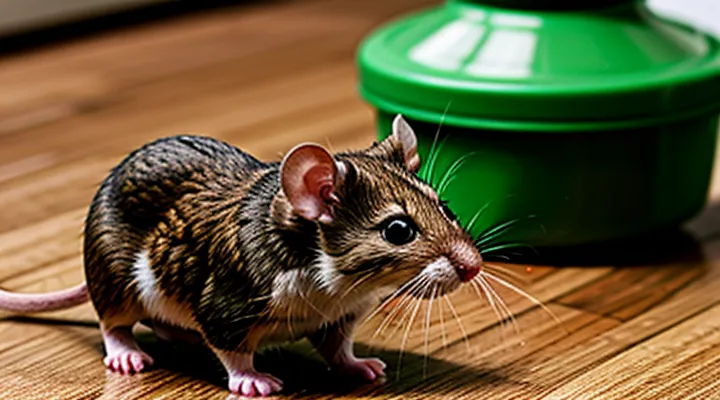
Understanding the Risks and Ethics
Dangers of Homemade Poisons
Toxicity to Humans and Pets
Homemade rodent control mixtures frequently contain anticoagulants, metal phosphides, or organic acids that pose severe health risks to people and domestic animals. Acute ingestion can cause internal bleeding, respiratory failure, or organ damage; chronic exposure may lead to cumulative toxicity and long‑term organ impairment.
Common toxic components and their effects:
- Warfarin‑type anticoagulants: inhibit blood clotting, resulting in uncontrolled hemorrhage.
- Zinc phosphide: reacts with stomach acid to release phosphine gas, causing pulmonary edema and cardiovascular collapse.
- Sodium borate or boric acid: irritates gastrointestinal tract, may induce kidney dysfunction with repeated exposure.
- Concentrated ethanol or fruit‑based attractants: depress central nervous system, risk of aspiration pneumonia.
Risk mitigation strategies:
- Store mixtures in locked, clearly labeled containers inaccessible to children and pets.
- Apply bait only in sealed traps or tamper‑proof stations, positioned out of reach of non‑target species.
- Use personal protective equipment—gloves, goggles, disposable clothing—during preparation and handling.
- Keep emergency contact numbers for poison control centers readily available.
- Dispose of unused bait and contaminated materials according to local hazardous waste regulations.
Understanding the toxic profile of each ingredient enables safe preparation, reduces accidental poisoning incidents, and protects human occupants and companion animals from unintended harm.
Environmental Impact
Homemade rodent control mixtures introduce chemicals directly into domestic environments, creating pathways for ecological disruption. Toxic compounds can leach into soil, altering microbial communities and reducing biodiversity. Persistent residues may accumulate, affecting earthworms and insects that contribute to nutrient cycling.
Potential hazards extend to water sources. Improper disposal or accidental runoff transports poisons to groundwater, streams, and ponds, where they threaten aquatic organisms. Bioaccumulation in fish and amphibians can propagate through food webs, leading to secondary poisoning of predators such as birds of prey.
Non‑target wildlife faces heightened risk when bait is accessible outside intended areas. Small mammals, reptiles, and domestic pets may ingest the substance, resulting in unintended mortality. The lack of species‑specific selectivity in DIY formulations amplifies this danger.
Regulatory considerations underline the environmental impact. Many jurisdictions classify rodenticides as hazardous, requiring labeling, containment, and disposal protocols. Failure to comply can result in legal penalties and broader ecological consequences.
Key environmental concerns:
- Soil contamination and disruption of microbial activity
- Waterway pollution and impact on aquatic life
- Bioaccumulation and secondary poisoning in predators
- Non‑target species mortality, including pets and wildlife
- Legal restrictions and compliance requirements
Mitigation strategies include using bait stations that limit access, selecting active ingredients with rapid degradation, and following proper disposal methods to prevent environmental release.
Ethical Considerations
Humane Pest Control Alternatives
Humane pest control focuses on preventing rodent damage while avoiding lethal measures. Effective strategies include exclusion, deterrence, and live capture, each supported by scientific evidence and practical guidelines.
Exclusion requires sealing potential entry points. Inspect foundations, walls, and utility openings; install steel‑wool or copper mesh in gaps larger than ¼ inch. Regular maintenance of doors and windows prevents re‑entry.
Deterrence relies on environmental modifications that discourage mice. Deploy strong, natural repellents such as peppermint oil on cotton balls placed near suspected pathways. Maintain cleanliness by storing food in airtight containers and removing clutter that offers shelter.
Live capture provides a non‑lethal removal option. Commercial or DIY snap‑free traps hold rodents without injury, allowing release at a safe distance from the property. Follow these steps for ethical handling:
- Position traps along walls where rodent activity is evident.
- Use bait such as peanut butter or dried fruit to increase capture rates.
- Check traps at least twice daily to limit stress.
- Release captured mice at least 5 m from the building, preferably in a natural habitat.
Ultrasonic devices emit high‑frequency sound waves that rodents find uncomfortable. Select models with adjustable frequencies and timers; verify that the unit covers the target area to avoid gaps in protection.
Integrated pest management combines the above methods. Conduct a baseline assessment, implement exclusion and deterrence, monitor activity, and apply live capture when necessary. This systematic approach reduces reliance on toxic substances while achieving long‑term rodent control.
Legal Ramifications
Preparing a DIY rodent toxin introduces a range of legal constraints that must be understood before any formulation is attempted. Federal law classifies many toxic substances as pesticides, subjecting them to the Federal Insecticide, Fungicide, and Rodenticide Act («FIFRA»). Under this act, any person who manufactures, distributes, or applies a pesticide without a proper registration or exemption commits a federal offense. The Environmental Protection Agency enforces compliance, imposing fines that can exceed $10 000 per violation and, in severe cases, criminal prosecution.
State jurisdictions often impose additional requirements. Several states mandate a pesticide applicator license for individuals who produce or use rodenticides outside commercial channels. Certain active ingredients, such as anticoagulant compounds, are listed as restricted chemicals; possession without a valid permit may result in misdemeanor charges. State environmental agencies may also require notification of local health departments before deployment in residential settings.
Criminal liability arises when a homemade poison causes unintended harm. Intentional poisoning of non‑target animals, including protected wildlife, can trigger charges under wildlife conservation statutes. If a toxin is placed where it poses a risk to children or pets, prosecutors may pursue aggravated assault or endangerment allegations. Convictions may carry imprisonment ranging from six months to several years, depending on jurisdiction and severity of injury.
Civil exposure is equally significant. Property owners who suffer damage from an unregistered rodent toxin can file negligence lawsuits. Courts evaluate whether the creator exercised reasonable care in formulation, labeling, and placement. Successful claims often result in compensatory damages for medical expenses, property loss, and punitive awards intended to deter reckless behavior.
Environmental regulations protect ecosystems from contamination. Discharge of toxic residues into water bodies violates the Clean Water Act, attracting civil penalties of up to $25 000 per day of violation. Additionally, the Endangered Species Act prohibits actions that jeopardize listed species; inadvertent poisoning of such fauna can lead to injunctions and substantial fines.
Enforcement agencies coordinate inspections, sampling, and documentation to verify compliance. Non‑compliant individuals may face:
- Administrative penalties (fines, revocation of licenses)
- Criminal prosecution (misdemeanor or felony charges)
- Civil litigation (compensatory and punitive damages)
- Mandatory remediation orders (cleanup of contaminated sites)
Understanding and adhering to these legal frameworks is essential to avoid criminal prosecution, civil liability, and environmental sanctions when creating or using homemade rodent control solutions.
DIY Mouse Poison Recipes and Methods
Common Ingredients and Their Mechanisms
Boric Acid-Based Formulations
Boric acid serves as the active component in many effective rodent control mixtures. Its low toxicity to humans and pets, combined with lethal effects on mice, makes it a preferred choice for home‑prepared formulations.
Key properties of boric acid
- Disrupts metabolic processes in rodents through ingestion.
- Acts as a desiccant, damaging the exoskeleton and causing dehydration.
- Remains stable in dry environments, reducing the need for frequent reapplication.
Typical formulation
- Boric acid powder – 1 part (approximately 100 g).
- Wheat flour – 2 parts (approximately 200 g), providing a palatable carrier.
- Sugar or peanut butter – 0.5 part (approximately 50 g) to increase attractiveness.
- Water – enough to create a dough‑like consistency (30–40 ml).
Preparation steps
- Combine dry ingredients (boric acid, flour, sugar/peanut butter) in a clean container.
- Add water gradually while stirring until a cohesive paste forms.
- Portion the mixture into small bait stations, such as shallow plastic lids or disposable containers.
- Place stations along mouse pathways, near walls, and close to suspected nesting sites.
Safety considerations
- Wear gloves during mixing to avoid skin irritation.
- Keep bait stations out of reach of children and non‑target animals.
- Store excess mixture in a sealed, labeled container for up to six months; discard if clumped or damp.
Application monitoring
- Inspect stations daily; replace any depleted bait.
- Record locations where bait is removed to identify high‑activity zones.
- Rotate stations periodically to prevent mice from developing bait aversion.
The described boric‑acid‑based mixture provides a reliable, low‑cost solution for controlling mouse infestations while maintaining safety for occupants and pets.
Plaster of Paris Mixtures
Plaster of Paris serves as a carrier for toxic agents in rodent bait formulations. Its porous structure absorbs liquids, solidifies quickly, and creates a hard matrix that resists premature disintegration.
Key components of a typical mixture include:
- Plaster of Paris powder, 100 g
- Water, 30 ml
- Anticoagulant rodenticide (e.g., warfarin), 5 g
- Attractant (e.g., peanut butter), 10 g
Preparation steps:
- Measure plaster powder into a clean container.
- Add water gradually while stirring to achieve a smooth, lump‑free slurry.
- Incorporate the anticoagulant, ensuring even distribution.
- Blend in the attractant to mask the bitter taste of the poison.
- Pour the mixture into shallow molds; allow 10–15 minutes for setting.
- Once hardened, break into bite‑size pieces for placement in rodent pathways.
Application guidelines:
- Position bait pieces near suspected activity zones, avoiding direct contact with pets or children.
- Replace degraded pieces promptly to maintain efficacy.
- Store unused mixture in a sealed, labeled container away from moisture.
Safety considerations:
- Wear gloves when handling anticoagulants.
- Dispose of contaminated waste according to local hazardous material regulations.
- Record bait locations to prevent accidental ingestion by non‑target species.
Food-Based Carriers
Food‑based carriers serve as the medium that delivers toxic agents to rodents while appealing to their natural feeding habits. Selecting an appropriate edible vehicle increases bait acceptance and ensures consistent ingestion of the lethal dose.
Commonly used edible media include:
- Peanut butter – high fat content, strong odor, adheres well to powders.
- Chocolate spread – sweet flavor, easy to shape into small portions.
- Soft cheese – strong aroma, suitable for indoor environments.
- Cooked grains (rice, oatmeal) – neutral taste, can be mixed with powdered toxins.
- Fruit puree – attractive scent, useful for outdoor placement.
Effective carrier selection follows several principles:
- Palatability to rodents outweighs human preference.
- Low moisture content prolongs toxin stability.
- Ability to incorporate measured amounts of active ingredient without separation.
- Minimal attractiveness to non‑target species such as pets or wildlife.
Preparation steps:
- Measure the toxic substance according to established dosage guidelines.
- Combine the measured toxin with the chosen carrier in a clean container.
- Mix thoroughly until the toxin is uniformly distributed.
- Portion the bait into small, single‑dose units (approximately 0.5 g each).
- Place units in locations frequented by rodents, avoiding areas accessible to children or domestic animals.
Safety considerations demand strict segregation of bait from food preparation surfaces, use of protective gloves during handling, and disposal of unused bait in sealed containers. Regular monitoring of bait stations helps assess effectiveness and detect accidental exposure.
Step-by-Step Preparation Guides
Safety Precautions During Preparation
When preparing rodent bait at home, strict safety measures protect the handler and the household.
- Wear chemical‑resistant gloves, goggles, and a mask that filters airborne particles.
- Operate in a well‑ventilated area; open windows and use an exhaust fan if possible.
- Keep the work surface covered with disposable material that can be discarded after use.
- Measure ingredients precisely; avoid spills by using calibrated containers and slow‑pour techniques.
- Store the finished mixture in a sealed, clearly labeled container out of reach of children and pets.
- Dispose of excess solution and contaminated waste according to local hazardous‑material regulations.
Failure to follow these precautions can result in skin irritation, inhalation hazards, or accidental ingestion. Maintaining a controlled environment and proper protective gear ensures the preparation process remains safe and effective.
Proper Mixing Techniques
Accurate measurement of each component guarantees consistent toxicity. Use a calibrated scale; weigh active ingredient and carrier separately before any contact.
- Place carrier material (e.g., powdered grain) in a clean, dry container.
- Add measured toxin gradually, dispersing with a whisk or mechanical stirrer.
- Continue stirring until the mixture appears uniform, without visible clumps.
- For liquid additives, pour slowly while maintaining agitation to prevent separation.
- Transfer the finished blend to a sealed, labeled container; avoid exposing the product to moisture.
Mixing must occur in a well‑ventilated area, wearing protective gloves and a mask. Clean all utensils immediately after use to prevent cross‑contamination. Store the final product away from food sources and out of reach of children and pets.
Application and Placement Strategies
Identifying Mouse Activity Areas
Identifying mouse activity zones is essential for effective placement of homemade rodent bait. Accurate detection reduces waste, limits exposure to non‑target animals, and increases the likelihood of a successful control effort.
Key indicators of mouse presence include:
- Fresh droppings, typically ¼‑inch long, dark‑brown and found along walls, behind appliances, or near food sources.
- Gnaw marks on wood, plastic, or insulation, often leaving clean, crescent‑shaped teeth impressions.
- Grease or oil trails left by the animal’s fur, visible as faint smears on baseboards or cabinets.
- Nests constructed from shredded paper, fabric, or insulation, usually located in concealed corners, under clutter, or within wall voids.
- Footprints in dusty areas, identifiable by small, four‑toed prints with a distinct heel pad.
- Audible activity at night, such as scratching or scurrying sounds within walls or ceilings.
Systematic inspection should begin at potential entry points—doors, windows, utility penetrations—and extend outward to surrounding structures. Documenting each sign with photographs or notes aids in mapping activity patterns and determining optimal bait locations.
Secure Bait Stations
Secure bait stations provide a controlled environment for homemade rodent control mixtures, limiting exposure to non‑target animals and humans. The enclosure should be constructed from sturdy, weather‑resistant material such as PVC or metal, with a lockable lid that permits only small rodents to enter through a one‑inch opening. A hinged lid fitted with a latch prevents accidental access, while a removable tray simplifies cleaning and refill.
Key design elements include:
- A sealed base that prevents liquid leakage and deters insects.
- Internal walls coated with smooth, non‑absorbent surface to hinder chewing.
- A vented yet mesh‑covered ventilation slot to avoid buildup of harmful fumes.
- A label placed on the exterior, using French quotes «Secure Bait Station», indicating hazardous contents and safe handling instructions.
Placement recommendations:
- Position stations along walls, behind appliances, or within concealed corners where mouse activity is observed.
- Install at least 12 inches from food preparation surfaces and child‑accessible areas.
- Elevate stations on a stable platform to reduce moisture accumulation.
Maintenance protocol:
- Inspect stations daily for damage or tampering.
- Replace bait mixture every 48 hours to maintain efficacy.
- Clean interior with a mild detergent and rinse thoroughly before refilling.
- Record replacement dates on the external label for accountability.
By adhering to these specifications, homemade rodent control solutions remain effective while minimizing risk to occupants and wildlife.
Monitoring and Disposal
Effective oversight begins with systematic observation of bait stations. Record placement locations, note the date of deployment, and inspect each site at least once daily for the first week, then every two to three days thereafter. Look for reduced bait quantity, fresh droppings, or gnaw marks as direct indicators of rodent activity. Document findings in a log to identify patterns and adjust station density accordingly.
Safe disposal procedures protect household occupants and the environment. When a rodent is found, wear disposable gloves, place the carcass in a sealable plastic bag, and add a small amount of absorbent material to prevent leakage. Seal the bag tightly, label it as hazardous waste, and store it in an outdoor container until municipal collection or a licensed disposal service can process it. Any unused bait must be rendered inert by mixing with a large volume of absorbent material, such as cat litter, and then sealed in a rigid container for disposal with regular trash, provided local regulations permit.
Key practices for monitoring and disposal:
- Maintain a written record of bait station status, including dates of inspection and observed activity.
- Conduct visual checks at consistent intervals, adjusting frequency based on infestation severity.
- Use protective equipment (gloves, mask) when handling dead rodents or contaminated bait.
- Seal carcasses in double‑layered bags, label, and store for approved hazardous‑waste removal.
- Render leftover poison harmless before discarding, following local environmental guidelines.
Safety Measures and Post-Application Protocol
Personal Protective Equipment (PPE)
Gloves and Masks
When preparing a DIY rodent control solution, protective equipment is essential to prevent skin irritation and inhalation of toxic particles. Gloves create a barrier between the chemicals and the hands, reducing the risk of burns, absorption, or accidental transfer to other surfaces. Choose nitrile or latex gloves that are chemical‑resistant, fit snugly, and are free of tears. Replace gloves immediately if any puncture or breach occurs.
Masks protect the respiratory tract from dust, vapors, and aerosolized poison particles. A properly fitted N95 or higher‑efficiency respirator filters out fine particulates and many volatile compounds. Ensure the mask seals tightly around the nose and mouth; perform a seal check before each use.
Key practices for gloves and masks:
- Inspect gloves for damage before handling any ingredients.
- Wash hands thoroughly after removing gloves, even if they appear intact.
- Store gloves in a clean, dry container to maintain integrity.
- Select a respirator with appropriate filter cartridges for the specific chemicals involved.
- Perform a fit test each time the mask is worn; adjust straps for a secure seal.
- Dispose of used gloves and masks in a sealed, labeled container before discarding them as hazardous waste.
Adhering to these precautions minimizes personal exposure and ensures safe handling of the homemade rodent bait throughout mixing, application, and cleanup. «Wear protective equipment at all stages of preparation».
Eye Protection
When preparing rodent bait at home, exposure to toxic substances can cause severe ocular injury. Protective eyewear prevents accidental splashes from reaching the eyes and reduces the risk of long‑term damage.
Recommended protective equipment includes:
- Safety goggles with indirect ventilation to shield against splatter;
- Full‑face shield for tasks that generate aerosols;
- Chemical‑resistant wraparound glasses as a secondary barrier.
Eyewear must fit tightly against the face, without gaps. Inspect lenses and frames for cracks before each use; replace damaged items immediately. Secure straps to prevent displacement during movement.
Handling practices reduce the likelihood of eye contact. Use pipettes or syringes to transfer liquids, avoiding direct pouring. Conduct mixing in a well‑ventilated area, preferably under a fume hood, and keep containers closed when not actively dispensing. Store toxic powders in sealed, labeled containers away from eye level.
If accidental exposure occurs, initiate emergency procedures without delay. Flush the eyes with clean water for at least fifteen minutes, maintaining eyelid separation. Seek professional medical evaluation promptly, even if symptoms appear mild.
Handling and Storage of Poison
Child and Pet Proofing
Creating rodent control bait at home demands strict safeguards to prevent accidental exposure to children and pets.
Secure storage requires airtight containers made of sturdy plastic or glass, placed inside a locked cabinet or high shelf inaccessible to minors and animals.
Placement of the bait must consider the typical movement patterns of household members. Position traps or bait stations on elevated surfaces, behind appliances, or within enclosed boxes that open only with a key or latch. Avoid locations near food preparation areas, play zones, or pet feeding stations.
Label each container with a prominent warning that includes a universally recognized hazard symbol, the word «Poison», and the date of preparation. Use waterproof labels to maintain legibility over time.
Additional precautions include:
- Employ tamper‑proof dispensers that release only a measured amount when activated.
- Keep original toxic ingredients separate from household supplies, stored in a dedicated, locked drawer.
- Regularly inspect bait stations for signs of tampering, damage, or unintended access.
- When children or pets are present, consider non‑chemical deterrents such as ultrasonic devices or sealed traps that do not involve poisonous substances.
Implementing these measures minimizes risk while maintaining effective rodent control.
Labeling and Identification
When preparing a DIY rodent bait, every container must carry a label that conveys the composition and hazards clearly. The label should be affixed to the lid or side of the container and remain legible for the product’s entire lifespan.
- Ingredient list: specify each active component and its concentration.
- Hazard statement: include a concise warning such as «Danger: Poison».
- First‑aid instructions: describe steps for ingestion or skin contact.
- Date of preparation: record the day the mixture was made.
- Expiration or stability note: indicate the period after which efficacy declines.
Identification of the container extends beyond the label. Use opaque, sturdy vessels that resist puncture and leakage. Apply a contrasting color band or tape to differentiate the bait from non‑toxic substances. Store containers in a locked cabinet, away from food preparation areas and out of reach of children and pets.
Compliance with local regulations requires that the label conforms to recognized safety symbol standards. Verify that the chosen symbols match the specifications of the Globally Harmonized System (GHS). Regularly inspect labels for wear, fading, or damage; replace compromised labels immediately.
Accurate labeling and clear identification minimize accidental exposure, facilitate safe handling, and support effective rodent control while adhering to safety guidelines.
Post-Application Cleanup
Disposal of Carcasses
When poisonous bait eliminates rodents, the resulting carcasses require immediate, secure handling to prevent secondary poisoning and disease spread.
Protective equipment—gloves, disposable sleeves, and face protection—must be worn before any contact. Place each dead mouse in a sealable, puncture‑resistant bag, expel excess air, and seal tightly.
Dispose of sealed bags according to local regulations. Acceptable methods include:
- Placement in a designated hazardous‑waste collection container.
- Transfer to a municipal landfill that accepts animal remains.
- Professional rendering or incineration services authorized for toxic waste.
If municipal services allow burial, select a site at least three feet deep, away from water sources and food‑production areas, and cover with a layer of soil to deter scavengers.
Document disposal actions in a log that records date, location, and method, ensuring compliance with health‑department requirements.
Regularly review local ordinances to adapt disposal practices to any changes in legal or environmental guidelines.
Decontamination of Surfaces
After applying a DIY rodent toxin, thorough decontamination of all contact surfaces prevents secondary exposure and maintains a safe environment. Immediate actions include:
- Wear disposable gloves and a mask; discard them after use.
- Remove visible residues with a paper towel; place the towel in a sealed plastic bag.
- Apply a solution of one part bleach to nine parts water to the affected area; let it remain for five minutes.
- Rinse the surface with clean water and dry with disposable wipes.
- Ventilate the room for at least fifteen minutes by opening windows or using an exhaust fan.
Long‑term measures involve regular inspection of treated zones, replacement of contaminated padding or carpeting, and proper disposal of any waste generated during cleaning. Storage containers for the homemade poison should be sealed tightly and kept away from food preparation areas to avoid cross‑contamination.