
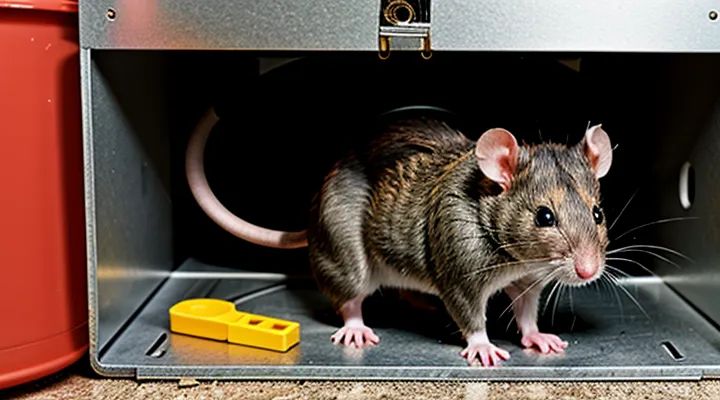
Why Build Your Own Rat Trap?
Cost-Effectiveness
Building a rat trap from readily available materials reduces expenses dramatically compared with purchasing a pre‑manufactured device. A typical store‑bought snap trap costs $5‑$10 per unit, while a homemade version can be assembled for under $2 using items such as a wooden coat hanger, a steel spring, and a piece of cardboard. The low purchase price of raw components translates into immediate savings, especially when multiple traps are required.
Reusable design further enhances cost efficiency. Commercial traps often become single‑use after a catch, forcing replacement and increasing cumulative outlay. A DIY trap can be emptied, cleaned, and redeployed indefinitely, eliminating recurring purchases. Durability of the chosen materials—metal wire and hardwood—extends service life to several months, outlasting most retail alternatives.
Material sourcing also contributes to affordability. Household scraps or discarded hardware, often available for free, replace the need for new inventory. When new supplies are needed, bulk purchase of wire and springs lowers per‑trap cost to fractions of a cent.
Key cost‑effectiveness factors:
- Initial material cost: <$2 per trap
- Reusability: unlimited cycles, no additional purchase required
- Longevity: 3‑6 months of continuous operation with proper maintenance
- Source flexibility: use of free or low‑price household items
Overall, constructing a rat trap in‑house delivers a substantial financial advantage, delivering comparable capture performance while minimizing both upfront and ongoing expenditures.
Customization and Control
Customization and control are essential when constructing an effective rodent catcher. Selecting components that allow adjustments—such as spring tension, trigger lever length, and bait compartment size—enables the trap to respond to varying mouse behavior and environmental conditions. A modular design, where each part can be swapped or tuned, reduces the need for multiple trap models and simplifies repairs.
Key adjustments include:
- Spring tension: Use a coil spring with a removable coil; tighten or loosen by adding or removing turns to match the target animal’s weight.
- Trigger lever: Attach the lever with a pivot pin that slides through multiple holes, permitting fine‑tuned sensitivity.
- Bait holder: Install a removable cage that can be repositioned along the trap base, allowing optimal bait placement for different odors.
Implementing these features ensures the trap remains reliable across diverse scenarios, provides precise control over activation, and allows users to tailor performance without redesigning the entire device.
Environmental Considerations
When constructing a homemade rodent trap, choose materials that decompose readily or can be recycled. Avoid plastics that persist in landfills; opt for untreated wood, cardboard, or metal that can be repurposed after use.
Select bait that does not introduce hazardous chemicals into the environment. Natural attractants such as peanut butter, dried fruit, or grain provide effective lure without contaminating soil or water sources.
Plan for humane disposal of captured animals to prevent disease spread and secondary poisoning. Release live specimens outdoors, far from residential areas, or use certified wildlife processors that follow ecological guidelines.
Maintain the trap’s longevity by designing components that can be disassembled and stored for future use. Reusable designs reduce waste and lower the overall environmental footprint.
Key environmental practices
- Use biodegradable or recyclable construction materials.
- Employ non‑toxic, natural bait.
- Follow humane, ecologically responsible disposal methods.
- Design for durability and reuse.
Materials You'll Need
For a Bucket Trap
Bucket
A sturdy 5‑gallon plastic bucket serves as the primary containment vessel for a homemade rat trap. Choose a bucket with a smooth interior surface to prevent rats from climbing out once they fall inside. The lid should seal tightly; a simple screw‑on lid or a piece of plywood fastened with bolts works well.
Before assembly, clean the bucket thoroughly to eliminate odors that might deter rodents. Drill a 1‑inch hole near the top edge on one side; this opening will accommodate the bait platform and the trigger mechanism. Reinforce the hole with a metal washer to avoid tearing.
Construct the trigger as follows:
- Attach a wooden dowel or PVC pipe across the interior, positioned so that a rat stepping on the bait platform will push the dowel downward.
- Connect the dowel to a release lever that holds the bucket lid open.
- When the dowel is displaced, the lever drops, allowing the lid to fall and seal the bucket.
Place the bait platform inside the bucket, just above the trigger. Secure the platform with nails or zip ties, ensuring it can support a small amount of food without collapsing.
Position the bucket in an area where rodent activity is observed—along walls, near garbage containers, or under cabinets. Align the opening toward the wall so the rat must enter head‑first, limiting its ability to turn around.
After a capture, wear gloves, lift the lid, and dispose of the rodent according to local regulations. Clean the bucket and replace the bait platform for subsequent use.
Rod or Wire
A sturdy rod or a length of wire serves as the backbone of a homemade rat trap, providing the structural support needed to hold the trigger and the bait platform.
Select a material that resists corrosion and retains stiffness under repeated stress. Galvanized steel, stainless‑steel rod, or heavy‑gauge coat‑hanging wire meet these requirements. Avoid thin or rust‑prone wire, which can bend or break when the animal applies force.
Cut the rod to a length of 12–15 cm for a compact design, or 20 cm for a larger model. If using wire, straighten it, then bend one end into a small hook to anchor the trigger lever. The opposite end should form a loop that connects to the holding arm. Ensure the bends are sharp and the angles consistent; uneven bends compromise the trap’s reliability.
Integrate the rod or wire into the mechanism as follows:
- Attach the hook end to the base plate with a screw or nail, securing it firmly.
- Connect the looped end to the spring‑loaded arm, allowing the arm to snap back when released.
- Position the bait platform on the rod so that the animal’s weight depresses the trigger, releasing the arm.
Test the assembly by applying pressure equivalent to a rat’s weight; the rod must remain rigid while the trigger moves smoothly. Replace any component that shows signs of fatigue before use.
Peanut Butter or Bait
Peanut butter serves as an exceptionally strong attractant for rodents because its sweet, oily composition triggers a natural feeding response. When selecting a bait, choose smooth, unsalted peanut butter without added sugars or preservatives; these additives can deter rats or cause the bait to spoil quickly.
Apply the bait sparingly to the trap’s trigger mechanism. A pea‑sized dollop placed directly on the trigger lever creates enough scent to lure a rat while preventing excess residue that could cause the trap to stick. If the bait spreads, use a thin piece of cardboard to confine it to the intended area.
To maintain potency, store unused peanut butter in an airtight container at room temperature. Replace the bait after 24 hours or when it appears dried, as diminished aroma reduces effectiveness. For environments where peanut allergies are a concern, alternative protein‑rich baits such as canned fish or ham can be used following the same application guidelines.
Key points for bait preparation
- Use plain, unsalted peanut butter.
- Apply a pea‑sized amount to the trigger.
- Confine excess with a small cardboard barrier.
- Store in an airtight container; refresh daily.
- Substitute with fish or ham if necessary, using identical quantities.
Ramp Material
When constructing a homemade rodent capture device, the ramp that guides the animal toward the trigger must be sturdy, smooth, and resistant to chewing. Choose a material that meets these criteria:
- Plywood, ½‑inch thick, offers rigidity and can be sanded to a uniform surface. Apply a thin coat of non‑toxic sealant to deter gnawing.
- PVC board, ¼‑inch thick, provides moisture resistance and a slick finish. Cut to size with a fine‑tooth saw and smooth edges with a file.
- Acrylic sheet, ⅛‑inch thick, delivers a hard, chew‑proof surface. Use a laser cutter or a scoring blade for precise dimensions.
The selected ramp should span the distance from the entry point to the trigger platform, typically 12–18 inches. Align the ramp at a gentle incline of 15–20 degrees to ensure the rat can ascend without slipping. Secure the ramp to the trap frame with stainless‑steel screws or epoxy, avoiding nails that may loosen under repeated use.
For optimal performance, test the ramp by placing a small weight at the far end; it should glide smoothly without wobble. Adjust the angle or reinforce the base if any movement occurs. Regularly inspect the surface for bite marks and replace the material if damage compromises functionality.
For a Snare Trap
PVC Pipe or Cardboard Tube
PVC pipe and cardboard tube serve as the core housing for a homemade rodent trap. Both materials are readily available, lightweight, and can be cut to precise lengths, allowing the trap to fit under cabinets, in closets, or along walls where rats travel.
When selecting the appropriate cylinder, consider the following criteria:
- Internal diameter of 2–3 inches accommodates a typical rat without causing excessive movement.
- Length of 12–18 inches provides enough space for a bait platform and a triggering mechanism.
- Wall thickness of at least ¼ inch for PVC ensures structural integrity; cardboard tube should be double‑layered to prevent collapse.
Preparation steps are identical for each material:
- Measure and mark the desired length; cut with a fine‑toothed saw (PVC) or a sharp utility knife (cardboard).
- Smooth cut edges using sandpaper (PVC) or a file (cardboard) to eliminate sharp points that could injure the animal or the handler.
- Drill a ¼‑inch hole near one end of the cylinder; this aperture will accommodate the trigger rod or spring.
- Insert a small wooden platform or a piece of thick cardboard inside the tube to hold bait; secure with non‑adhesive tape if necessary.
- Attach the trigger mechanism—such as a spring‑loaded lever or a weighted door—through the drilled hole, ensuring free movement when the rat attempts to reach the bait.
PVC pipe offers superior durability and resistance to moisture, making it suitable for damp basements or kitchens. Cardboard tube provides a low‑cost alternative and can be recycled after use, though it may degrade faster in humid environments.
Both options enable quick assembly, minimal tool requirements, and effective containment of a rat once it engages the bait. Choose the material that matches the intended placement and environmental conditions for optimal performance.
String or Fishing Line
String or fishing line serves as the tension element that triggers the trap’s release mechanism. Choose a monofilament with a breaking strength of at least 10 lb; this strength holds the bait securely while allowing a quick snap when a rat pulls on the line. Thinner, low‑visibility line reduces the chance that the rodent will detect the trap before activation.
Cut a length of 30–45 cm, leaving a short tail for knotting. Tie a secure loop using a double‑overhand knot, then pass the loop through the trigger arm of the trap. Adjust the loop size so the line slides freely but does not slip off under tension. Secure the other end of the line to the bait platform with a slip‑knot; this knot should release easily when the rat applies pressure.
When assembling the trap, follow these steps:
- Position the trigger arm so it rests against the base when the line is taut.
- Attach the looped end of the line to the arm’s pivot point.
- Pull the line until the arm is held in the ready position; the line should be taut but not overstretched.
- Fasten the bait platform to the free end of the line, ensuring the bait sits directly in the line’s line of pull.
- Test the mechanism by applying a gentle pull on the bait; the arm should snap back, releasing the trap.
Inspect the line before each use. Replace any frayed sections, as weakened line can fail to trigger the trap or break under load, potentially allowing the rat to escape. Store unused line in a dry container to prevent moisture absorption, which can reduce tensile strength.
Spring Mechanism
The spring mechanism provides the force that snaps the trap shut when a rat triggers the trigger bar. A sturdy, coiled steel spring of moderate tension is ideal; it must be strong enough to close the jaws quickly but not so stiff that the trigger becomes difficult to set.
Select a spring with a length of 2–3 inches and a wire diameter of 0.5–0.8 mm. Test the spring by compressing it manually: it should resist compression and release with a sharp snap. If the spring is too weak, the jaws will close slowly, reducing effectiveness; if too strong, the trap will be hard to arm.
Attach the spring to the trap frame using a small metal eyelet or a drilled hole. Secure the opposite end to the rear jaw with a pin or screw that allows limited movement. Ensure the spring’s coils face outward to avoid interference with the trigger bar.
When setting the trap, pull the trigger bar back until the spring is fully compressed. The bar should lock in place, holding the spring under tension. Release the bar when the rat bites the bait; the spring’s stored energy drives the jaws together, sealing the trap.
Before use, fire the mechanism several times without bait to confirm reliable closure and to relieve any residual tension that could cause misfires. Inspect the spring for cracks or deformation after each use; replace it immediately if any damage is detected.
General Tools
Drill
A power drill is the primary tool for creating the structural components of a homemade rat trap. It provides the torque needed to cut, shape, and assemble the wooden frame that supports the triggering mechanism.
Select a drill with a variable speed control and a minimum output of 400 W. A cordless model with a 18‑V battery offers mobility while working on a floor or in a basement. Attach a 3‑mm metal drill bit to bore the holes for the trigger pins; a 6‑mm wood bit creates the larger openings for the bait platform.
When drilling the frame:
- Mark the positions of the trigger holes on the wood, spacing them 2 cm apart to allow smooth movement.
- Secure the board with clamps to prevent shifting.
- Set the drill to low speed, insert the metal bit, and drill straight through the marked points.
- Switch to the wood bit, drill the bait platform holes, and clear debris with a brush.
After drilling, use the same drill with a screwdriver bit to fasten the screws that lock the frame together. Tighten each screw to a resistance of approximately 2 Nm to ensure a firm joint without cracking the wood.
Safety considerations:
- Wear safety glasses to protect eyes from wood shavings.
- Keep the drill’s cord (if wired) away from the trap’s moving parts.
- Disconnect the battery or unplug the drill before adjusting the bits.
Properly executed drilling results in a durable, precise frame that reliably activates the trap when a rodent pulls the bait platform.
Scissors or Knife
Scissors or a sharp knife are essential for shaping the components of a homemade rat trap. Their primary function is to cut the bait platform, the trigger mechanism, and the enclosure material to precise dimensions, ensuring reliable operation.
Begin by selecting a sturdy piece of cardboard or thin plywood for the base. Use scissors to trim the material into a rectangular shape measuring approximately 12 × 8 cm. A clean cut eliminates ragged edges that could snag the trigger wire.
Next, prepare the trigger arm. Cut a 5 cm strip from the same board with a knife, then shave the edges to a smooth finish. The strip must be thin enough to pivot easily yet strong enough to support the weight of the bait without bending.
Create the bait holder by slicing a 3 × 3 cm square from a disposable plastic cup. Scissors provide a straight, uniform cut, which allows the holder to sit flush against the base. Secure the holder with a small piece of tape, ensuring it does not interfere with the trigger’s movement.
Finally, assemble the trap. Insert the trigger arm into a pre‑drilled notch on the base, positioning it so that the bait holder rests on the arm. Test the mechanism by gently pulling the arm; it should snap back into place without resistance. Adjust the cuts if necessary to achieve a smooth release.
Using precise cuts from scissors or a knife guarantees that each component fits together seamlessly, resulting in a functional, low‑cost rat trap.
Building a Bucket Trap
Preparing the Bucket
Select a sturdy plastic bucket with a capacity of at least five gallons; the material must resist biting and be easy to clean. Rinse the interior thoroughly with hot water and a mild detergent, then allow it to dry completely to eliminate any residual odors that could deter rodents. Using a sharp utility knife, cut a circular opening near the rim that is large enough for a rat to enter but small enough to prevent escape once the bucket tips. Reinforce the cut edge with a strip of duct tape or a thin metal hoop to avoid ragged edges that could cause injury. Place a smooth, non‑slipping surface—such as a piece of rubber mat or a thin sheet of plywood—inside the bucket, positioned a few inches above the bottom; this platform will support the bait and facilitate the rat’s movement toward the trigger mechanism. Finally, position the bucket on a stable, level surface, ensuring it will not roll when the animal steps onto the platform.
Attaching the Rod
Attach the rod securely to ensure the trap’s trigger functions reliably. Begin with a sturdy wooden or metal base, then follow these steps:
- Position the rod so its free end aligns with the bait compartment, leaving a small gap (≈5 mm) between the rod and the trigger platform.
- Drill two pilot holes through the base at the rod’s mounting points; holes should be slightly smaller than the screws to prevent splitting.
- Insert stainless‑steel screws through the rod’s pre‑drilled holes and tighten them into the pilot holes using a screwdriver or drill. Apply even pressure to avoid tilting.
- Verify alignment by gently pulling the rod; it should move smoothly without binding, and the trigger platform should snap back into place when released.
- Reinforce the connection with a thin strip of epoxy or wood glue around the screw heads, then wipe excess material before it sets.
After installation, test the mechanism repeatedly with a dummy load to confirm that the rod releases the trigger at the intended tension. Adjust screw tightness or rod position if the release is premature or delayed. Proper attachment eliminates false triggers and maximizes capture efficiency.
Adding the Bait
Select bait that appeals to the targeted rodent’s diet. Peanut butter, dried fruit, or small pieces of meat work well because they emit strong odor and stick to the trap mechanism. Prepare a pea‑size amount; too much bait can trigger premature release, while too little may fail to attract.
Apply the bait to the trigger plate or the interior edge of the cage. Use a disposable tool—such as a wooden stick or a plastic spoon—to spread a thin layer, ensuring the substance adheres without dripping onto the floor. Position the bait so that the rat must step onto the trigger to reach it; this maximizes the likelihood of activation.
Secure the bait after placement. Press gently to embed it into any crevices of the trap, preventing movement when the animal contacts it. Avoid placing additional scent‑masking agents, as they can diminish the bait’s effectiveness.
Inspect the bait before each use. Replace any dried or contaminated portions with fresh material to maintain strong attraction. Store surplus bait in an airtight container to preserve potency and prevent unintended exposure to pets or children.
Setting Up the Ramp
The ramp directs the rodent toward the trigger mechanism, ensuring a reliable activation path. A sturdy, gently inclined surface reduces hesitation and guides the animal onto the platform without excess effort.
- Cut a 12‑inch piece of ½‑inch plywood; sand edges to prevent splinters.
- Attach a 2‑inch strip of pine at the lower end to create a smooth transition onto the base.
- Secure the plywood to the trap frame with two 1‑inch galvanized screws, positioned 1 inch from each end to maintain a consistent 30‑degree angle.
- Reinforce the joint with a thin strip of duct tape, wrapping it tightly around the screw heads and wood.
- Test the incline with a small object; the surface should allow free movement without catching.
A correctly assembled ramp increases the likelihood of a successful capture while minimizing stress on the animal.
Placement Tips
When positioning a homemade rat trap, concentrate on locations where rodents travel regularly. Identify routes by observing droppings, gnaw marks, or grease trails; these indicators reveal preferred pathways.
Place the trap directly in the middle of a confirmed pathway, not at the far end. A trap set too close to a wall may be bypassed, while one too far from the route reduces the chance of contact.
Secure the device on a stable surface to prevent accidental displacement. Use a flat, non‑slippery base such as a piece of plywood or a thick cardboard sheet. Ensure the trap’s trigger mechanism faces the direction of travel; rodents approach head‑first, so the bait should be positioned forward.
Avoid areas with high human traffic, bright lights, or strong odors that could deter rats. Ideal spots include:
- Behind kitchen cabinets or pantry shelves
- Underneath sinks or near pipe junctions
- Inside wall voids or crawl spaces
- Near garbage bins or compost containers
- Along the perimeter of the building where exterior walls meet the foundation
Maintain a clear line of sight to the trap for monitoring, but keep it concealed enough to prevent premature avoidance. Regularly check and reset the trap, especially after dusk when rodent activity peaks.
Building a Snare Trap
Preparing the Tube
Select a sturdy tube, such as PVC or metal, with an internal diameter large enough for a rat to enter but small enough to prevent escape. Measure the length required for the trap chamber; a typical dimension is 12–18 inches, providing sufficient space for movement without excessive length.
Cut the tube cleanly using a fine‑toothed saw or pipe cutter. Immediately after cutting, remove burrs and sharp edges with a deburring tool or sandpaper. Smooth surfaces prevent injury to the animal and reduce the chance of the trap malfunctioning.
Create entry and exit openings by drilling holes at opposite ends of the tube. Use a drill bit slightly larger than the rat’s body width—approximately 2 inches for adult rodents. Position the entry hole near the bottom of the tube to encourage the rat to move forward, and place the exit hole higher to facilitate trigger activation.
Insert a removable plug or cap into the exit opening. The plug should fit tightly yet be easy to remove when the trap is set. Test the plug for a secure seal to ensure the tube remains airtight, which enhances the effectiveness of any bait or scent placed inside.
Attach a trigger mechanism to the interior wall, typically a spring‑loaded lever or a simple wooden dowel that pivots when the rat reaches the exit hole. Secure the mechanism with screws or adhesive, confirming that it moves freely without obstruction.
Finally, clean the assembled tube with mild detergent and rinse thoroughly. Allow it to dry completely before adding bait and positioning the trap. A dry, odor‑free tube improves bait acceptance and ensures reliable operation.
Creating the Snare Loop
Begin by selecting a sturdy, thin wire such as stainless‑steel or galvanized coat‑hangar. Cut a length of approximately 12 inches; this provides enough material for a secure loop while remaining manageable.
Form a small, tight circle at one end of the wire. Use pliers to twist the ends together, creating a closed knot that will act as the anchor point for the snare. Ensure the knot is compact to prevent the rat from slipping through.
Next, measure a segment of the remaining wire equal to the expected width of the rat’s body, typically 2–3 inches. Bend this segment into a U‑shape, leaving a short tail extending from each side of the “U.” Position the tail ends adjacent to the anchor knot.
Wrap each tail around the anchor knot, crossing them over one another to form a figure‑eight configuration. Tighten the wraps with the pliers, pulling the tails snugly against the knot. The resulting structure should resemble a loop that collapses when tension is applied.
Secure the free ends of the tails by twisting them together with a series of tight coils. Trim any excess wire, leaving a short tail to attach the trigger mechanism later. The snare loop is now ready for integration into the full rat trap assembly.
Securing the Spring Mechanism
Secure the spring before installing the trigger plate. Begin by selecting a sturdy metal rod that matches the spring’s length and diameter. Cut the rod to a length that allows the spring to compress fully without contacting the trap base.
- Drill two parallel holes in the trap’s wooden frame, spaced to align with the spring’s ends. Use a drill bit slightly larger than the rod to permit smooth movement.
- Insert the rod through the holes, ensuring it sits flush against the frame. The rod should act as a guide, preventing lateral shift during activation.
- Position the spring on the rod, aligning its coils with the drilled holes. The spring’s inner coils must sit directly on the rod to maintain consistent tension.
- Tighten a set screw or small bolt at each hole to clamp the rod securely. Do not overtighten; the rod must still rotate slightly under pressure.
- Test the mechanism by compressing the spring manually. The rod should hold the spring steady while allowing the trigger plate to release when the spring reaches full tension.
After confirming smooth operation, apply a thin layer of rust‑inhibiting oil to the rod and spring. This protects the components from corrosion and ensures reliable performance over repeated uses.
Baiting the Trap
Choose a bait that appeals to the local rat population and place it where the trigger mechanism can detect movement. Peanut butter, dried fruit, or small pieces of meat work well because their strong odor draws rodents from a distance. Apply a thin layer of the chosen substance to the trap’s bait platform, ensuring the amount is just enough to coat the surface without spilling onto the surrounding area. Avoid excessive bait that could allow a rat to eat without activating the trigger.
When positioning the bait, follow these steps:
- Secure the trap on a flat surface near walls, corners, or known rat pathways.
- Attach the bait platform to the trigger arm according to the trap’s design.
- Spread the bait evenly on the platform, leaving a small gap at the edge to encourage the rat to reach forward.
- Check that the bait does not obstruct the trigger’s movement; the rat must apply pressure to the platform to release the mechanism.
After setting the bait, monitor the trap regularly. Replace the bait if it dries out or loses scent, and keep the surrounding area clean to prevent contamination that could deter rodents. This approach maximizes capture efficiency while maintaining the trap’s reliability.
Strategic Placement
Effective trap placement determines capture success. Identify the primary travel corridors where rodents move between food sources, nesting areas, and water. Position the device directly in these pathways, not near walls where rats may avoid open spaces.
Place the trap low to the ground, as rats travel close to the floor. A height of 2‑3 inches (5‑8 cm) aligns with their natural movement. Ensure the bait is visible and accessible without requiring the rat to climb over obstacles.
Consider the following placement guidelines:
- Near food storage – pantry shelves, garbage bins, or feeder stations.
- Along walls – rats habitually run parallel to walls; set the trap within 6 inches (15 cm) of the surface.
- Behind appliances – hidden spaces behind refrigerators, stoves, or dishwashers often serve as transit routes.
- In dark, quiet corners – avoid bright, high‑traffic human areas that deter rodents.
Secure the trap to prevent displacement by other animals or household activity. Use a stable base or attach it to a fixed surface with wire or tape. Check the trap daily; replace or relocate it if no activity is observed after 48 hours.
By aligning the trap with established rodent routes, maintaining low placement, and regularly monitoring performance, capture efficiency improves markedly.
Safety Precautions
Handling Live Rats
When constructing a homemade rodent capture device, safe interaction with live specimens is essential. Direct contact without protection increases the risk of bites, scratches, and disease transmission.
Wear disposable nitrile gloves, a face mask, and long sleeves. Disinfect hands before and after each handling session with an alcohol‑based solution. Keep a first‑aid kit nearby for immediate treatment of injuries.
Secure the animal before moving it. Place a sturdy container with a tight‑fitting lid near the trap. Use a pair of calibrated pliers to gently grasp the rat’s hind legs, avoiding the tail and spine. Transfer the rodent into the container, then seal it promptly.
Release the captured rat at a minimum distance of 200 meters from the property, preferably in a wooded or field area. Open the container on the ground, allow the animal to exit on its own, and retreat to prevent re‑entry.
Steps for handling live rats during trap assembly
- Assemble protective gear; verify integrity of gloves and mask.
- Position a secure container within arm’s reach of the trap site.
- Approach the rat calmly; use pliers to grip hind legs.
- Transfer the rat into the container, seal, and label with capture time.
- Transport the container to the predetermined release zone.
- Open the container, step back, and allow the rat to depart.
- Dispose of gloves and sanitize equipment after each use.
Consistent application of these procedures minimizes stress on the animal and reduces hazards for the handler.
Disposal of Captured Rats
After a trap captures a rat, immediate and safe disposal prevents disease spread and secondary infestations. Wear thick disposable gloves, a mask, and eye protection before handling the carcass. Place the live animal in a sturdy container with a tight‑fitting lid; a heavy‑wall plastic bucket works well. Add a sufficient amount of a certified rodent‑specific poison—such as a concentrated sodium hypochlorite solution—or pour a commercial disinfectant directly onto the rodent. Seal the container and label it with the capture date and disposal instructions.
Choose one of the following disposal methods, depending on local regulations:
- Municipal waste collection – Transfer the sealed container to a sealed garbage bag and place it in the regular trash, ensuring the bag is tied securely. Verify that the local authority permits animal carcasses in household refuse.
- Professional pest‑control service – Contact a licensed exterminator who can retrieve the container and dispose of it according to hazardous‑waste protocols.
- Incineration – If a community incinerator is available, deliver the sealed container to the facility for high‑temperature destruction. Confirm that the incinerator accepts small animal remains.
After disposal, disinfect the trap surface with a bleach solution (1 part bleach to 9 parts water) or a commercial sanitizer. Rinse the trap, allow it to air dry, and store it in a sealed bag until the next use. Clean all protective equipment and wash hands thoroughly with soap and water. Following these steps eliminates health risks and prepares the trap for repeated operation.
Protecting Pets and Children
When constructing a homemade rat trap, safeguarding pets and children must be a primary consideration. Design the device so that only rodents can access the trigger mechanism. Place the trap in locations unreachable by non‑target occupants, such as behind appliances, inside crawl spaces, or within sealed bait stations.
Key safety measures include:
- Secure enclosure – Build a housing with a narrow entry slot that excludes paws, claws, or small hands while allowing a mouse or rat to pass.
- Non‑poisonous bait – Use food items (e.g., peanut butter, dried fruit) instead of toxic substances that could be ingested accidentally.
- Clear labeling – Attach a durable warning label indicating “Rodent trap – keep away from pets and children.”
- Elevated placement – Mount the trap at least 18‑24 inches above floor level, out of reach of cats, dogs, and toddlers.
- Regular inspection – Check the trap daily; remove captured rodents promptly to prevent secondary hazards.
- Child‑proof latch – Incorporate a simple lock or latch that requires adult dexterity to open, preventing inadvertent release.
During installation, verify that surrounding areas are free of loose wires or cords that could attract curious animals. If a pet does enter the vicinity, supervise the trap continuously or opt for a commercially certified, sealed model that meets safety standards. By adhering to these precautions, the rat control solution remains effective without exposing vulnerable household members to danger.
Hygiene Practices
When constructing a homemade rat trap, maintain strict hygiene to prevent disease transmission and preserve trap effectiveness.
Begin by washing hands with soap and water before handling any materials. If soap is unavailable, use an alcohol‑based hand sanitizer with at least 60 % alcohol. Wear disposable gloves during assembly and placement to avoid direct contact with rodent fluids.
Sanitize all tools—pliers, wire cutters, and screwdrivers—by wiping them with a disinfectant spray or a solution of one part bleach to nine parts water. Rinse tools with clean water after disinfecting and allow them to air‑dry before reuse.
Prepare the work surface on a disposable sheet of plastic or a clean, non‑porous tray. Discard the sheet after assembly and dispose of it in a sealed bag.
After the trap has captured a rat, follow these steps:
- Put on fresh gloves and a face mask.
- Transfer the trapped animal into a sealable container.
- Add a small amount of bleach solution to the container to neutralize pathogens.
- Seal the container and place it in an outdoor trash bin for removal.
- Clean the trap with the same bleach‑water solution used for tools.
- Rinse the trap with clean water, dry thoroughly, and store it in a sealed plastic bag.
Dispose of all gloves, masks, and disposable sheets in a sealed bag before discarding them with regular waste. Regularly inspect the trap and surrounding area for residual droppings or urine; clean any contamination promptly using the bleach‑water solution and dispose of cleaning rags in sealed bags.
Adhering to these hygiene practices reduces health risks and ensures the trap remains functional for future use.
Troubleshooting Common Issues
Trap Not Triggering
When a homemade rat trap fails to activate, the most common reasons involve improper trigger placement, insufficient force, or faulty bait positioning.
- Trigger lever too loose or too tight; the mechanism does not release when a rat applies pressure.
- Spring or tension rod lacks adequate tension; the stored energy is insufficient to snap shut.
- Bait placed too far from the trigger; the rat does not encounter the mechanism.
- Misaligned entry hole; the rat can enter without contacting the trigger.
- Structural defects such as warped wood or broken hinges that prevent smooth movement.
Correct each issue with the following actions:
- Adjust the trigger arm so that a light touch releases it; test with a finger or a small weight.
- Increase spring tension by tightening the screw or replacing the spring with one of higher rating.
- Position bait directly on the trigger surface or attach it with a small piece of string that pulls the lever when disturbed.
- Re‑measure the entry tunnel; ensure the rat must push against the trigger to pass.
- Inspect all joints; replace damaged components and sand warped surfaces for proper alignment.
After adjustments, test the trap repeatedly with a non‑lethal stimulus to verify reliable activation before deploying it in the target area. Continuous monitoring and occasional re‑tensioning maintain consistent performance.
Rats Avoiding the Trap
Rats are naturally cautious creatures, so a newly built trap often goes unnoticed or is deliberately avoided. Their avoidance stems from several instinctive and learned behaviors.
- Sensitivity to scent: Strong odors from glue, metal, or unfamiliar materials signal danger. Using unscented components and cleaning the trap with mild soap reduces detection.
- Fear of movement: Sudden vibrations or audible clicks alert rodents to a potential threat. Securing the trap to prevent rattling and placing it on a stable surface minimizes disturbance.
- Visual wariness: Bright colors or reflective surfaces draw attention. Painting the trap with muted, earth‑tone paint helps it blend into the environment.
- Previous negative experiences: Rats that have escaped or witnessed others caught develop aversion to similar devices. Rotating trap locations and varying bait types disrupts pattern recognition.
- Bait selection: Unappealing or stale food fails to entice. Fresh, high‑fat items such as peanut butter, dried fruit, or small pieces of meat increase attractiveness.
To counteract avoidance, follow these practical steps:
- Choose a low‑odor adhesive or mechanical mechanism.
- Apply a thin coat of neutral‑smelling oil to metal parts.
- Position the trap along established runways, identified by droppings or gnaw marks.
- Secure the trap to a wall or baseboard to eliminate movement.
- Use fresh, high‑energy bait and replace it daily.
- Rotate the trap’s placement weekly to prevent habituation.
Understanding these factors allows the homemade device to transition from unnoticed object to effective capture tool.
Bait Being Eaten Without Capture
Bait being taken without a rat being caught indicates a failure in the trap’s ability to transfer the animal’s movement into a triggering action. The most common causes are improper bait placement, insufficient trigger sensitivity, unsuitable bait type, and interference from non‑target species.
- Bait positioned too far from the trigger allows a rat to nibble without activating the mechanism.
- Trigger spring or lever set too loosely lets the rat escape after taking a bite.
- Soft or overly moist bait collapses under the rat’s weight, preventing the required pressure shift.
- Small pets, birds, or insects remove bait, creating the illusion of a rat visit.
To correct the problem, follow these steps:
- Relocate bait directly adjacent to the trigger point, ensuring the rat must contact the lever to reach it.
- Adjust the spring tension so that a minimal pull—approximately the weight of a 100‑gram rat—releases the trap.
- Choose bait with a firm texture, such as dried fruit, peanut butter hardened on a wooden chip, or a small piece of cheese that retains shape.
- Shield the trap with a simple cover or mesh that excludes larger animals while permitting a rat’s entry.
- Inspect the trap after each attempt; replace any damaged components and verify that the trigger returns to its ready position.
Implementing these adjustments eliminates bait consumption without capture and improves overall trap efficacy.
Alternative DIY Rat Trap Designs
Bottle Traps
Bottle traps provide a simple, low‑cost solution for catching rats in basements, garages, or sheds. The design relies on a narrow entry that allows a rodent to fall into a container where escape is difficult.
Materials required:
- One‑liter or two‑liter clear plastic bottle with a screw‑on cap
- Sharp utility knife or scissors
- Strong adhesive tape or zip ties
- Small piece of wood or thick cardboard (optional for stability)
- Bait such as peanut butter, dried fruit, or meat scraps
Construction steps:
- Remove the bottle’s label and rinse the container thoroughly.
- Cut the bottle near the base, leaving a 2‑inch strip of the bottom intact to serve as a landing platform.
- Invert the cut top section and insert it into the remaining base, forming a funnel that points downward.
- Secure the junction with tape or zip ties, ensuring no gaps where a rat could escape.
- If desired, attach a wooden wedge or cardboard block beneath the funnel to keep the trap steady on uneven surfaces.
Bait placement and positioning:
- Apply a thin layer of bait to the inner wall of the funnel, just above the opening.
- Position the trap along established runways, near walls, or close to food sources.
- Keep the trap away from direct sunlight and excessive moisture to preserve bait effectiveness.
Monitoring and disposal:
- Check the trap twice daily; a captured rat will be visible at the bottom of the container.
- Wear disposable gloves when handling the trap. Cover the bottle with a lid or seal it with tape before removal.
- Dispose of the animal according to local regulations, then clean the bottle with hot, soapy water before reuse or recycling.
Glue Traps (DIY Version)
Glue traps offer a low‑cost, silent method for capturing rats without lethal force. Constructing them at home requires only a few materials and careful preparation.
Begin by gathering supplies: a sturdy cardboard sheet (approximately 30 × 40 cm), a strong adhesive such as industrial‑grade contact cement, a disposable plastic tray, and protective gloves. Cut the cardboard into a rectangle that fits snugly inside the tray, leaving a 1‑centimeter margin on each side. Apply the adhesive evenly to the upper surface of the cardboard, spreading it with a disposable brush until a thin, uniform layer covers the entire area. Allow the glue to set for two minutes; it should become tacky but not dry.
Place the glued cardboard inside the tray, ensuring the adhesive side faces upward. Position the trap along a known rat pathway—near walls, behind appliances, or in dark corners. Secure the tray to the floor with a small piece of tape to prevent displacement. Check the trap twice daily; when a rat becomes stuck, wear gloves, slide a flat object under the board, and lift the entire trap into a sealed container for disposal. Clean the tray with a solvent, then repeat the process if further capture is needed.