
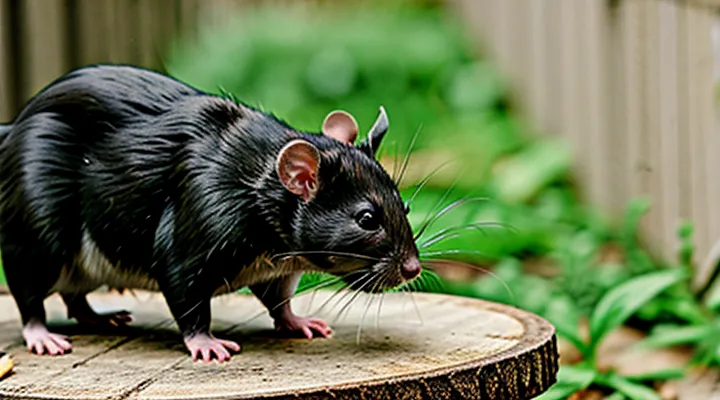
«Understanding the Need for a Rat Collar»
«Reasons You Might Need a Rat Collar»
«Post-Surgery Protection»
After a rat’s collar is fitted, immediate protection of the surgical site becomes critical. The collar prevents the animal from reaching sutures, reducing the risk of wound reopening and infection.
Maintain a clean environment. Replace bedding daily with soft, non‑abrasive material. Ensure the cage is free of sharp objects that could snag the collar.
Monitor the rat several times per day:
- Check the incision for redness, swelling, or discharge.
- Observe the animal’s behavior; excessive licking or gnawing indicates discomfort.
- Verify that the collar remains securely positioned without restricting breathing or movement.
If irritation appears, adjust the collar’s fit. Measure the distance from the nose to the base of the neck; the collar should allow the rat to eat and drink comfortably while still covering the surgical area.
Administer prescribed analgesics and antibiotics exactly as directed. Record the timing of each dose to avoid missed administrations.
Limit activity for the first 48–72 hours. Provide a shallow water dish and easy‑access food to discourage excessive climbing or jumping.
After the recommended healing period, typically 10–14 days, inspect the wound again. If no signs of infection persist and the incision is fully closed, the collar can be removed gradually, monitoring for any regression in behavior.
Following these steps ensures the collar serves its protective function while supporting a swift, uncomplicated recovery.
«Behavioral Management»
Effective behavioral management is essential when fitting a rat with a custom collar. Proper handling reduces stress, improves cooperation, and ensures accurate measurements for a secure yet comfortable device.
- Begin each session with gentle hand‑taming; allow the rat to explore the palm before any contact with materials.
- Employ short, positive reinforcement intervals; reward with a favorite treat after the animal tolerates a brief pause in activity.
- Maintain a consistent environment; keep lighting, temperature, and noise levels stable throughout the procedure.
- Use a calm voice and slow movements; sudden gestures trigger defensive responses that compromise the fitting process.
During collar construction, integrate behavioral cues to streamline assembly. Measure the neck while the rat is relaxed, preferably after a brief feeding period when activity naturally declines. Position the collar material without direct contact until the animal shows acceptance of the hand near its neck. Secure the fastening only after the rat exhibits calm breathing for several seconds, indicating reduced agitation.
If the rat exhibits resistance, follow a systematic approach:
- Pause the session; return the animal to its enclosure for a 5‑minute recovery.
- Re‑introduce the collar material gradually, allowing sniffing and gentle nibbling.
- Adjust the collar’s width by 1‑2 mm; excessive tightness provokes avoidance behavior.
- Repeat reinforcement cycles; maintain a reward schedule of one treat per successful tolerance increment.
Consistent application of these behavioral techniques yields reliable collar placement, minimizes injury risk, and supports the rat’s long‑term acceptance of the accessory.
«Medical Treatment Application»
A rat collar can serve as a platform for administering medical treatments directly to the animal while maintaining freedom of movement. The design must accommodate a secure compartment for medication, a delivery mechanism that prevents accidental ingestion, and materials that are non‑reactive and easy to sterilize.
The collar’s medical module typically includes:
- A sealed pocket made from medical‑grade silicone or polypropylene, sized to hold a single dose of liquid or solid medication.
- A micro‑valve or snap‑fit opening that allows a caregiver to load the dose without exposing the contents to the environment.
- An optional slow‑release matrix, such as a biodegradable polymer, that disperses the drug over several hours.
Implementation steps:
- Cut a circular band from flexible, hypoallergenic fabric, ensuring an inner diameter of 2–3 cm to fit adult rats comfortably.
- Sew a reinforced edge around the band to prevent fraying and to support the attachment of the medical pocket.
- Attach the pocket using heat‑sealed stitching or a medical‑grade adhesive; verify that the seal is watertight.
- Install the micro‑valve on the pocket’s exterior, aligning it with the collar’s outer surface to allow easy access.
- Test the assembly by loading a placebo dose, confirming that the valve opens only when pressure is applied and reseals securely.
- Sterilize the completed collar in an autoclave or with a validated chemical disinfectant before first use.
Proper fitting is critical. Measure the rat’s neck circumference, select a collar that allows a one‑finger gap, and secure it with a quick‑release clasp to prevent strangulation. After placement, monitor the animal for signs of irritation or discomfort, and adjust the collar if skin reddening occurs.
When administering medication, follow dosage guidelines specific to the drug and species. Record the time of delivery, observed effects, and any adverse reactions in a logbook to maintain traceability and support veterinary oversight.
«Important Considerations Before Making a Collar»
«Rat Comfort and Safety»
When designing a collar for a pet rat, comfort and safety must dominate every decision. The animal’s delicate anatomy, active behavior, and propensity to chew demand precise attention to material, fit, and functionality.
Select a soft, lightweight fabric such as breathable cotton or fleece. Avoid stiff plastics and heavy metals that can restrict movement or cause skin irritation. The material should be washable and resistant to the chewing habits typical of rodents.
Measure the rat’s neck circumference accurately. A flexible measuring tape placed snugly but not tightly around the base of the neck provides the correct dimension. Add a margin of 2–3 mm to accommodate swelling after handling. A collar that is too tight can impede blood flow; one that is too loose may slip off or become a choking hazard.
Implement a secure yet releasable fastening system. Options include:
- A small, stainless‑steel breakaway clasp that releases under pressure, preventing strangulation if the collar catches on objects.
- A double‑knot loop made from the same fabric, allowing quick removal without metal parts.
- A Velcro strip with a safety release tab, ensuring easy adjustment while maintaining a firm closure.
Limit the collar’s weight to less than 5 % of the rat’s body mass. Excess weight can alter gait and increase stress on the spine. Test the finished collar by holding it for a few seconds; the rat should be able to move freely without dragging the collar on the floor.
Sanitize the collar before first use. A brief soak in a mild, pet‑safe disinfectant eliminates residues that could cause dermatitis. After each cleaning, air‑dry completely to prevent mold growth.
Monitor the rat continuously during the initial wearing period. Observe for signs of discomfort such as excessive grooming of the neck, reduced eating, or altered posture. If any adverse behavior appears, remove the collar immediately and reassess size, material, or fastening method.
«Collar Material Selection»
When choosing material for a rat collar, prioritize safety, comfort, durability, and ease of maintenance. The animal’s size and activity level dictate the required flexibility and weight limits.
- Nylon webbing – lightweight, strong, resistant to chewing. Requires a smooth finish to prevent skin irritation. Can be washed with mild detergent.
- Soft leather – durable, molds to the rat’s neck over time. Must be conditioned regularly to avoid cracking. Avoid heavily treated leather that may contain toxic chemicals.
- Silicone strips – flexible, hypoallergenic, waterproof. Provides a gentle grip without pressure points. Limited tensile strength; unsuitable for very active rats.
- Cotton or fleece fabric – breathable, soft against fur. Low resistance to gnawing; reinforce edges with a woven trim or a thin polymer liner.
- Rigid plastic or acrylic – useful for decorative or identification tags attached to the collar. Ensure edges are rounded and sealed to eliminate sharp points.
Key criteria for assessment:
- Tensile strength – material must support the rat’s weight plus a safety margin of at least 150 % to withstand pulling.
- Chew resistance – choose fibers or composites that rats cannot easily shred; test a sample by offering a small piece for a few minutes.
- Weight – total collar mass should not exceed 5 % of the rat’s body weight to avoid strain on the cervical vertebrae.
- Skin compatibility – verify that the material is free from dyes, latex, or metal fasteners that could cause allergic reactions.
- Cleaning protocol – select fabrics that tolerate regular washing at ≤30 °C; avoid materials that degrade with water exposure if the rat’s habitat is humid.
Combine a primary material (e.g., nylon) with a secondary lining (e.g., soft fleece) when extra comfort is required. Secure fasteners with stainless‑steel snaps or polymer buckles that resist rust and corrosion. Conduct a brief fit test: the collar should slide one finger between the material and the neck, indicating adequate clearance without excess slack.
«Gathering Your Materials»
«Essential Items for Collar Construction»
«Soft Fabric or Felt»
Soft fabric and felt are the preferred materials for rat collars because they combine flexibility, breathability, and gentle contact with delicate skin. Their low‑weight fibers reduce strain on the animal’s neck, while the smooth surface minimizes irritation during daily movement.
When selecting a suitable textile, consider the following criteria:
- Fiber type: Cotton, bamboo, or synthetic blends that are non‑abrasive and washable.
- Thickness: 1–2 mm for felt; 0.3–0.5 mm for fabric to ensure enough rigidity for shape retention without excess bulk.
- Colorfastness: Dark or muted tones hide stains and resist fading after repeated cleaning.
- Allergenicity: Avoid fabrics treated with dyes or chemicals that could provoke skin reactions.
Preparation steps:
- Measure the rat’s neck circumference with a flexible tape; add a 2 mm allowance for adjustment.
- Cut a strip of fabric or a felt rectangle matching the measured length and a width of 6–8 mm.
- If using fabric, fold the strip in half lengthwise, press the seam, and trim excess edges for a clean finish.
- For felt, cut a single layer and reinforce the edges with a narrow hem to prevent fraying.
Assembly instructions:
- Sewing: Use a fine, stainless‑steel needle and a polyester thread. Stitch a simple running stitch along the long edge, leaving a 5 mm gap for a clasp or safety release.
- Fastening: Attach a small, lightweight buckle or a quick‑release snap at each end. Ensure the closure mechanism operates smoothly and cannot be forced open by the rat.
- Finishing: Trim any loose threads, inspect for sharp points, and wash the collar in warm water with a mild detergent before first use.
Safety checks:
- Verify that the collar slides easily over the rat’s head but does not rotate freely, indicating a snug but non‑restrictive fit.
- Confirm that the material remains soft after laundering and that the stitching holds under gentle tension.
By adhering to these specifications, the resulting collar provides a comfortable, durable accessory that supports identification or decorative purposes without compromising the rat’s wellbeing.
«Measuring Tape or Ruler»
Accurate measurements are critical when crafting a rat collar, as an ill‑fitted band can cause discomfort or escape. A flexible measuring tape or a rigid ruler provides the precision needed to determine the appropriate circumference around the rat’s neck.
- Wrap the measuring tape snugly but not tightly around the rat’s neck; allow space for two fingers between the tape and skin.
- Record the length in millimeters for fine control; if using a ruler, measure the distance from one side of the neck to the other while the animal is calm, then double the figure.
- Add a safety margin of 5 mm to accommodate growth and movement, then cut the collar material to the calculated length.
The chosen tool must be easy to read and capable of measuring small increments, ensuring the final collar fits securely without restricting breathing or circulation.
«Scissors»
Scissors are the primary cutting instrument when preparing a rat collar. Choose a pair with fine, sharp blades and a comfortable grip; stainless‑steel shears of 4–6 inches provide precision without excessive force. Dull scissors produce ragged edges that can fray the material and increase the risk of injury to the animal.
Before cutting, secure the fabric on a flat surface. Align the edge of the material with the blade’s opening, then close the scissors in a smooth motion. Maintain a steady hand to achieve straight, clean lines. For curved sections, such as the opening for the collar’s buckle, rotate the fabric gradually while keeping the blades parallel to the desired curve.
Safety considerations:
- Keep fingertips away from the cutting zone.
- Use a cutting mat to protect the work surface and preserve blade sharpness.
- Inspect the blades before each use; replace if any nicking or loss of edge is evident.
After the pieces are cut, inspect each edge for smoothness. If minor burrs remain, trim them with the tip of the scissors or a fine file. Clean the scissors with an alcohol wipe to remove any fabric residue, then store them in a dry container to prevent rust.
Proper selection and handling of scissors directly affect the quality of the collar, ensuring that the finished product fits securely and comfortably on the rat without compromising durability.
«Non-Toxic Adhesive or Sewing Kit»
When constructing a miniature collar for a pet rat, the choice of bonding material determines durability and animal safety. A non‑toxic adhesive or a complete sewing kit provides the necessary means to secure fabric without exposing the animal to harmful chemicals.
A suitable adhesive must meet three criteria:
- Certified as pet‑safe by a recognized authority (e.g., FDA‑approved or labeled “non‑toxic for animals”).
- Strong enough to hold lightweight fabrics under mild tension.
- Flexible after curing to prevent chafing.
Recommended options include silicone‑based pet glue, water‑based acrylic adhesives, and plant‑derived epoxy formulated for small animal applications. Verify the product’s safety data sheet before use.
A sewing kit should contain:
- Fine‑gauge, stainless‑steel or titanium needle to avoid rust.
- Polyester or nylon thread rated for washability and low allergenicity.
- Lightweight, breathable fabric such as cotton, fleece, or hemp.
- Small scissors, fabric marker, and a ruler for precision cuts.
Execution steps:
- Cut fabric to the measured circumference of the rat’s neck, adding a ¼‑inch overlap for fastening.
- If using adhesive, apply a thin bead along the intended seam, press edges together, and hold for the specified cure time.
- For stitching, thread the needle, secure a knot, and use a running stitch or small backstitch to join edges, maintaining even tension.
- Attach a gentle closure—such as a Velcro strip or a small safety snap—ensuring it can be opened quickly if the collar becomes stuck.
- Inspect the finished collar for sharp points, excess glue, or loose threads before fitting.
Final safety checks: confirm the collar slides off with minimal resistance, test for any adhesive odor, and observe the rat for signs of irritation during the first few hours of wear.
«Optional: Hook-and-Loop Fasteners»
Hook‑and‑loop fasteners provide a practical alternative to sewn or knotted closures when constructing a rat collar. The material allows quick adjustments and effortless removal, which is useful for routine cleaning or health checks.
Key benefits include:
- Adjustable fit without additional knots.
- Simple release mechanism reduces stress on the animal.
- Compatibility with a range of fabrics, from cotton to fleece.
Select a fastener designed for small‑animal applications. Choose a width of ½‑inch to 1‑inch, ensuring the backing material is durable and free of loose fibers that could be ingested. Verify the adhesive side is strong enough to hold under mild pulling but not so rigid that it restricts movement.
Prepare the fastener by cutting a length that exceeds the collar’s circumference by 1‑2 cm. Test the closure on a flat surface to confirm a secure grip before attaching it to the collar material.
Installation steps:
- Position the hook side on the inner edge of the collar’s front panel.
- Align the loop side on the opposite edge, overlapping by at least 1 cm.
- Press both sides together firmly for 10‑15 seconds to activate the adhesive.
- Stitch along the outer margins of the fastener with a fine, non‑abrasive thread to prevent accidental separation.
- Trim any excess material, leaving a smooth edge to avoid snagging.
Safety checks:
- Inspect the fastener weekly for fraying or loss of adhesion.
- Ensure the rat cannot pull the fastener apart and swallow any detached pieces.
- Replace the fastener immediately if the bond weakens or if the rat shows signs of discomfort.
«Where to Source Materials»
«Pet Stores»
Pet stores provide ready‑made components and specialized supplies essential for constructing a safe, adjustable collar for a rat.
When sourcing materials, prioritize the following items available at most retailers:
- Soft, woven fabric strips (cotton or fleece) that will not irritate skin.
- Small, adjustable buckles or Velcro fasteners sized for a 2‑3 inch neck circumference.
- Lightweight, non‑toxic plastic or silicone beads for decorative accents, if desired.
- Needle‑size 6‑8 mm and matching thread to ensure strong stitching without bulk.
Select fabric that can be washed without shrinking; verify that fasteners have a release mechanism to prevent choking. Measure the rat’s neck with a flexible ruler, add a ¼‑inch allowance for adjustment, then cut the fabric accordingly.
Many pet stores offer in‑store cutting services or pre‑cut kits tailored to small‑animal collars. Utilize these options to achieve precise dimensions and reduce material waste.
Before final assembly, test the collar on a dummy model or the rat’s neck, checking for comfort, secure fit, and ease of removal. Adjust fastener tension as needed, then reinforce all seams with double stitching.
Purchasing from reputable pet retailers guarantees compliance with safety standards, provides access to expert staff for product advice, and simplifies the acquisition of all necessary components in a single location.
«Craft Stores»
Craft stores provide the essential supplies for constructing a functional rat collar. They stock a range of fabrics, fasteners, and embellishments that meet the size and comfort requirements of small rodents. Selecting items from these retailers ensures consistent quality and availability of materials designed for hobbyist projects.
Typical items to acquire include:
- Lightweight, breathable fabric such as cotton or fleece (1‑2 inches wide)
- Small adjustable buckles or Velcro strips
- Non‑toxic thread and needles suitable for fine stitching
- Soft padding or felt for interior comfort
- Decorative trims that do not irritate the animal’s skin
When purchasing, verify that fabrics are wash‑able and free of dyes that could harm the pet. Choose fasteners with smooth edges to prevent injury. Compare prices and inventory across multiple locations to secure the best combination of durability and affordability.
«Household Supplies»
Creating a functional collar for a pet rat requires only common household items. Selecting the right materials ensures durability, comfort, and safety.
Materials needed:
- Soft cotton or fleece fabric, 2‑3 inches wide, for the collar body.
- Small elastic band or stretchable cord, ¼ inch thick, to provide gentle tension.
- Lightweight metal or plastic D‑ring for attachment of a tag or leash.
- Non‑toxic fabric glue or a needle with fine thread for stitching.
- Scissors, measuring tape, and a ruler.
- Optional: small identification tag made from paper or plastic.
Steps to assemble the collar:
- Measure the rat’s neck circumference with the tape, adding ¼ inch for a snug but non‑restrictive fit. Cut a fabric strip to the measured length, keeping the width consistent with the material chosen.
- Fold the strip lengthwise, seam side inward, and secure the edge with a few stitches or a line of fabric glue. This creates a smooth interior that won’t irritate the animal’s skin.
- Insert the elastic band or stretch cord through the sewn channel. Adjust tension so the collar slides over the neck without excessive pressure.
- Attach the D‑ring at one end of the collar using a reinforced stitch or a small piece of glue. Ensure the connection is solid to support a lightweight tag.
- If using a tag, affix it to the D‑ring and write identification details with a permanent marker.
- Test the collar on the rat, observing for signs of discomfort or slipping. Make minor adjustments to length or tension as needed.
All components are readily available in most homes, eliminating the need for specialized equipment. Proper assembly yields a safe, comfortable accessory that can hold identification or a brief leash for supervised outings.
«Step-by-Step Collar Creation»
«Measuring Your Rat for the Collar»
«Neck Circumference»
Accurate measurement of a rat’s neck circumference is the foundation of a safe and functional collar. An ill‑fitted band can restrict breathing, cause skin irritation, or slip off entirely, compromising both comfort and control.
To obtain the correct size, follow these steps:
- Use a flexible, non‑stretchable measuring tape or a piece of string that can be marked.
- Gently wrap the tape around the base of the rat’s neck, just above the shoulders, ensuring it lies flat against the skin without compression.
- Record the length where the tape meets its zero point; this is the exact neck circumference.
- Add a 2–3 mm allowance to accommodate slight movements and fur thickness, creating a “comfort margin” that prevents the collar from tightening during activity.
Typical measurements for common laboratory and pet rat breeds fall within the following ranges:
- Small adult rats: 30–35 mm
- Medium adult rats: 35–40 mm
- Large adult rats: 40–45 mm
When selecting material, choose a lightweight, breathable fabric or soft leather that can be adjusted to the measured size. Most commercially available collars include a small buckle or Velcro strap; set the closure to allow the added comfort margin, then verify that the collar slides over the head with minimal resistance and sits snugly without pinching.
Finally, re‑measure after any weight change or growth spurt. Regular checks ensure the collar remains appropriate throughout the rat’s life stage.
«Collar Width and Length»
Measure the rat’s neck with a flexible tape while the animal is calm. Position the tape just behind the ears, where the collar will sit, and add a 2‑3 mm allowance for movement. This measurement determines both the collar’s width and the minimum length needed for a secure fit.
- Width: Choose a band that is 4–6 mm wide for adult rats; juveniles require 3–4 mm. A width narrower than 3 mm can dig into the skin, while a width wider than 7 mm may interfere with grooming and cause slippage.
- Material thickness: Soft, pliable fabrics such as fleece or cotton should match the selected width without adding bulk. Heavy leather or stiff synthetics increase the effective width and can restrict circulation.
Determine the required length by adding 5–7 mm to the neck measurement, creating a small overlap for a fastening mechanism. This extra length ensures the collar can be tightened without compressing the neck.
- Adjustment loop: Incorporate a sliding knot or a small metal clasp that allows fine‑tuning of the final length. The loop should be positioned on the side opposite the fastening point to maintain even pressure.
- Maximum length: Never exceed the neck measurement by more than 10 mm; excess length can lead to entanglement or choking hazards.
Finalize the collar by testing the fit: the rat should be able to insert a fingertip between the collar and skin, and the collar must stay in place when the animal moves. Adjust width or length as needed before applying any decorative elements.
«Cutting the Collar Material»
«Circular or Conical Shape»
The collar must follow a precise geometry to ensure a secure yet comfortable fit for a small rodent. Selecting either a circular or a conical profile determines how the strap distributes pressure around the neck and how easily the animal can slip it off when needed.
A circular shape provides uniform tension. Measure the rat’s neck circumference, add a 2‑3 mm allowance, and cut a strip of flexible, non‑toxic material (e.g., soft leather or silicone) to that length. Round the ends with a smooth curve to avoid sharp edges.
A conical shape narrows toward the back, reducing the risk of choking while still preventing escape. To create it, cut a trapezoidal piece where the front edge matches the neck measurement plus allowance, and the rear edge is 1‑2 mm shorter. Fold the piece so the longer edge overlaps the shorter edge, forming a gentle taper.
Construction steps
- Record the exact neck measurement; add a small tolerance.
- Choose material that resists chewing and is easy to clean.
- Cut the pattern according to the selected geometry (circular: full loop; conical: tapered strip).
- Smooth all cut edges with fine sandpaper or a rotary cutter.
- Attach a lightweight, quick‑release clasp at the front; for a conical collar, position the clasp on the wider edge.
- Test fit on the rat, ensuring the collar slides one finger’s width beneath the strap without constriction.
- Adjust length or taper as needed, then secure the clasp permanently.
Both shapes can be reinforced with a thin layer of heat‑shrink tubing to increase durability. The final product should remain pliable, maintain its intended profile, and allow the rat to move freely while staying safely restrained.
«Creating Tabs or Fastening Points»
When constructing a rat collar, the fastening points determine durability and adjustability. Begin by selecting a lightweight yet sturdy material such as woven nylon webbing or thin leather strips. Cut two equal lengths, each long enough to wrap comfortably around the animal’s neck with a small overlap for the tab.
Mark the center of each strip, then fold the ends inward to form a reinforced loop. Secure the loop with a tight, double‑threaded stitch using a fine, non‑slipping thread. The loop will serve as the primary tab for attaching a clasp or sliding knot.
Create a second tab on the opposite side of the collar to act as a backup fastener. For this tab, double the webbing thickness by sandwiching two strips together before stitching. This reinforcement prevents tearing under tension.
Attach the fastening hardware:
- Insert a small, stainless‑steel snap, buckle, or quick‑release clasp into the first tab.
- Thread the opposite tab through the clasp’s loop, then secure with a single, reinforced knot.
- Trim excess material, leaving at least a 2‑mm margin to avoid fraying.
Test the assembly by gently pulling the tabs in opposite directions. The stitches should hold without stretching, and the clasp should release smoothly. Adjust the length of the webbing if the collar feels tight or loose, then re‑secure the tabs accordingly. This method provides a reliable, interchangeable fastening system suitable for regular wear and quick removal.
«Assembling the Collar»
«Securing Edges (If Needed)»
When the collar material is cut, raw edges can fray, irritate the animal’s skin, or weaken the structure. Securing those edges ensures durability and a comfortable fit for the rat.
- Examine each side of the cut fabric or leather. If the material shows fibers that separate easily, plan to reinforce it.
- For synthetic fabrics, apply a thin line of fabric glue along the edge. Press the glue‑treated side together, hold for 10–15 seconds, then allow to cure for at least two minutes.
- For leather or thick material, use a hot‑seal tool or a soldering iron set to low temperature. Run the tip lightly along the edge to melt and fuse the fibers without burning the material.
- If stitching is preferred, use a fine, non‑corrosive thread and a small, curved needle. Place two parallel rows of stitches 1 mm apart, spacing each stitch evenly to create a tight seam.
- After any method, inspect the secured edge for smoothness. Trim excess glue, melted material, or loose threads to avoid snagging.
A reinforced edge adds structural integrity, prevents accidental tearing during wear, and eliminates potential sources of discomfort for the pet.
«Attaching Fasteners»
When the collar body is assembled, secure the fastening components to ensure a reliable fit and safe removal. Begin by positioning the chosen fastener—such as a snap, buckle, or Velcro tab—directly opposite the opening where the collar will be slipped over the rat’s neck. Align the fastener’s holes with the pre‑punched holes in the fabric or leather, then insert a short piece of stainless‑steel needle and thread. Use a tight, even stitch to bind the fastener securely, taking care to keep the thread tension consistent to avoid gaps.
- Thread the needle with a durable, color‑matched thread.
- Place the fastener on the collar edge, ensuring the prong or hook faces outward.
- Push the needle through the fabric and fastener hole from the interior side.
- Pull the thread until the knot rests against the fabric, then repeat on the opposite side of the fastener.
- Tie a double knot and trim excess thread, leaving a short tail for reinforcement if needed.
After stitching, test the closure by connecting and releasing it several times. Verify that the fastener locks firmly without excessive force and that the collar slides on and off without catching. If the closure feels loose, add an additional row of stitches parallel to the first. Finally, apply a small amount of pet‑safe adhesive to the stitching line for extra durability, allowing it to cure according to the manufacturer’s instructions before use.
«Ensuring a Smooth Finish»
A smooth exterior prevents chafing and extends the lifespan of a small‑animal collar.
- Sand the raw edges with fine‑grain sandpaper until the surface feels uniformly even.
- Remove dust with a lint‑free cloth; a slight damp wipe eliminates residual particles.
- Apply a thin layer of primer compatible with the chosen material; allow the recommended drying time.
- Coat with a pet‑safe, non‑toxic paint or sealant; use light, overlapping strokes to avoid buildup.
- After the finish cures, buff the surface with a soft polishing pad to eliminate micro‑roughness.
Inspect the collar under bright light; any visible ridges or uneven spots require additional sanding and a repeat of the coating cycle.
Round off all attachment points with a small bead of silicone sealant; this seals gaps and reinforces durability without adding bulk.
The final product should glide against the rat’s fur without resistance, ensuring comfort during daily wear.
«Fitting and Monitoring the Collar»
«Proper Collar Placement on Your Rat»
«Snug but Not Tight»
A correctly fitted collar must hold the band firmly against the rat’s body without restricting movement or blood flow. Achieving this balance requires precise measurement, appropriate material choice, and regular inspection.
Begin by measuring the rat’s neck circumference with a flexible tape. Add 0.5 cm (approximately ¼ inch) to the measurement; this extra length creates a gentle pressure that keeps the collar in place while allowing a finger to slide comfortably between the band and the skin.
Select a material that offers slight stretch, such as soft woven cotton or lightweight elastic blend. Rigid fabrics can create pressure points, whereas overly elastic strands may slip off.
Secure the closure with a safety‑release fastener (e.g., a quick‑release buckle or a small snap). The fastener should open easily under gentle pressure, preventing accidental strangulation if the rat pulls against the collar.
After fitting, perform a quick check:
- The collar slides a fingertip under the band without resistance.
- The rat can turn its head fully left and right.
- The skin beneath the collar remains pink, with no signs of reddening or swelling.
- The rat exhibits normal grooming behavior, indicating comfort.
Re‑evaluate the fit weekly, as juvenile rats grow rapidly and adults may gain or lose weight. Adjust the length or replace the collar promptly if any of the checks fail. Maintaining a snug‑but‑not‑tight collar ensures safety while allowing the animal to move freely.
«Allowing for Eating and Drinking»
When constructing a rat collar, ensure the design does not obstruct the animal’s ability to eat and drink. The following considerations and steps address this requirement directly.
- Select a lightweight, flexible material such as soft silicone or thin leather. Rigid fabrics can press against the muzzle and impede the mouth’s movement.
- Measure the neck circumference accurately; add a 5‑10 mm allowance to accommodate a small gap for the jaw without creating excess slack.
- Cut a circular band that matches the measured length. Leave a narrow slit (approximately 2 mm wide) opposite the fastening point; this opening aligns with the rat’s mouth when the collar is worn.
- Integrate a small, reinforced tab within the slit. The tab should be smooth and rounded to prevent irritation while providing a stable passage for food and water.
- Secure the ends with a quick‑release buckle or a velcro strap that can be tightened without covering the slit. Test the closure by sliding a thin rod through the opening; the rod must pass freely.
- Fit the collar on the rat, observing the animal’s head position. Verify that the mouth can open fully and that a water bottle nozzle can be accessed without removing the collar.
- Conduct a brief feeding trial: offer a pellet and a droplet of water. If the rat consumes both without hindrance, the collar meets the functional criteria; otherwise, adjust the slit width or reposition the tab.
By following these precise actions, the collar remains secure while preserving uninterrupted access to nourishment and hydration.
«Observing Your Rat’s Reaction»
«Signs of Discomfort or Stress»
When a collar is placed on a rat, immediate observation of the animal’s behavior is crucial. Subtle changes often indicate discomfort or stress, and early detection prevents injury and promotes welfare.
- Rapid breathing or panting beyond normal rates
- Excessive grooming of the neck area, especially with visible hair loss
- Aggressive biting or chewing at the collar
- Hunched posture, reduced movement, or reluctance to explore
- Vocalizations such as squeaking or chattering at a higher frequency than usual
- Loss of appetite or diminished drinking activity
If any of these signs appear, remove the collar promptly, assess for injuries, and allow the rat a quiet recovery period. Adjust the collar’s size, material, or fastening method before attempting a second fitting. Continuous monitoring during the first several hours after placement ensures the device remains comfortable and safe.
«Adjusting or Removing the Collar»
When a rat’s collar becomes too tight or loose, immediate correction prevents injury and maintains comfort. Adjustments should be performed while the animal is calm, preferably after a brief handling session.
- Locate the adjustment mechanism—typically a small sliding buckle or a series of tiny holes.
- Gently slide the buckle toward the tighter side to reduce circumference, or toward the looser side to increase it.
- Test the fit by inserting one finger between the collar and the rat’s neck; a comfortable clearance equals the width of a fingertip.
- Secure the buckle, ensuring the fastener snaps firmly into place.
- Observe the rat for a few minutes, confirming unrestricted movement and normal behavior.
If removal is required—due to growth, health concerns, or replacement—follow these steps:
- Hold the rat securely but gently, supporting the body to prevent sudden escape.
- Release the buckle or unfasten the Velcro strip, taking care not to pinch the skin.
- Slide the collar off the neck, supporting the rat’s head to avoid pulling.
- Inspect the neck area for redness, abrasions, or swelling; clean any irritation with a mild antiseptic solution.
- Store the collar in a dry container for future use or dispose of it according to hygiene guidelines.
«Maintaining the Collar»
«Cleaning Procedures»
Before assembling a rat collar, all components must be free of debris, oils, and pathogens. Thorough cleaning guarantees a safe, durable product and protects the animal’s health.
Materials required for the cleaning process include: a small bowl of warm water, mild unscented soap, a soft brush, a clean towel, a disinfectant safe for pet accessories (e.g., diluted chlorhexidine solution), and a drying rack.
Cleaning steps:
- Submerge the collar material in warm, soapy water. Agitate gently for 30 seconds to loosen surface grime.
- Use the soft brush to scrub seams, buckles, and any textured areas.
- Rinse under running water until no soap residue remains.
- Immerse the collar in the disinfectant solution for the time specified by the manufacturer (typically 5–10 minutes).
- Remove and rinse again with clean water to eliminate disinfectant traces.
- Pat dry with a clean towel, then place the collar on the drying rack. Allow air‑drying for at least 20 minutes before handling.
After the collar is completely dry, inspect for remaining moisture or damage. Store the cleaned item in a sealed container until final assembly. This routine minimizes infection risk and ensures consistent performance of the finished collar.
«Checking for Wear and Tear»
After the collar is assembled, inspect all components before fitting the animal. Look for frayed edges, loose knots, or cracked fasteners; any defect can cause injury or loss of the collar.
- Examine the material surface for thin spots or tears. Run a fingertip over the length to feel irregularities.
- Verify that stitching remains tight. Pull gently on each seam; resistance indicates secure stitching.
- Test the buckle or clasp mechanism. Open and close it several times to confirm smooth operation and consistent locking.
- Check the adjustment strap for stretch. Stretch it manually; excessive elongation signals weakened fibers.
- Inspect decorative elements, such as beads or tags, for broken links or sharp edges that could snag fur.
Replace damaged sections immediately. Use fresh material of the same thickness and strength, re‑sew or re‑attach hardware, and repeat the inspection before the next use. Consistent monitoring extends the collar’s functional life and ensures the rat’s safety.