
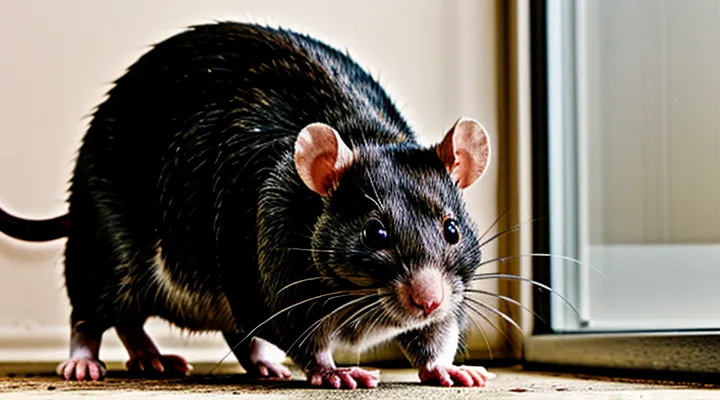
Understanding Rat Behavior and Social Bonds
Rat Communication: A Brief Overview
Vocalizations and Their Meanings
Rats communicate affection through a limited set of sounds that owners can learn to interpret. Recognizing these vocalizations helps determine whether a rat feels secure and attached to a caregiver.
- Soft chirps – brief, high‑pitched notes emitted while the rat is exploring or being petted. Indicates contentment and a desire for continued interaction.
- Gentle squeaks – low‑volume, rapid squeaks during close contact. Signals excitement and a positive emotional state toward the person.
- Teeth chattering – rapid, rhythmic grinding of incisors while the rat is relaxed on a hand or lap. Reflects deep trust; the animal feels safe enough to display a behavior that, in other contexts, can signal agitation.
- Purring‑like vibrations – subtle, continuous hum produced by the throat, often heard when the rat is being stroked. Equivalent to a cat’s purr, denoting pleasure and attachment.
- Quiet whines – low, mournful tones when the rat is separated from its owner or denied access to a favored environment. Suggests distress and a preference for the person’s presence.
Each sound occurs in specific behavioral contexts. For example, a rat that chirps while climbing onto a hand demonstrates willingness to engage, whereas a sudden hiss indicates fear or irritation, not affection. By correlating vocal patterns with the rat’s body language—relaxed posture, exposed belly, and grooming of the owner—caretakers can assess the depth of the bond. Consistent presentation of positive vocalizations during routine handling confirms a reciprocal, affectionate relationship.
Body Language Cues
Rats communicate affection through distinct physical signals that become evident during regular interaction with their caretaker. Observing these signals provides reliable evidence of a positive emotional connection.
- Grooming of the owner – the rat uses its teeth and paws to clean the caretaker’s hands or clothing, a behavior reserved for trusted companions.
- Tail posture – a relaxed, slightly raised tail indicates comfort; a tightly curled or tucked tail suggests fear.
- Ear position – ears held forward and relaxed signal attentiveness and pleasure, while flattened ears denote stress.
- Body orientation – the rat positions its body toward the caretaker, often pressing its chest against the hand or leg, demonstrating a desire for closeness.
- Vocalizations – soft, continuous squeaks or purr‑like sounds accompany gentle handling and reflect contentment.
Consistency of these cues across multiple sessions strengthens the interpretation. Sporadic displays may reflect curiosity rather than a stable bond. Combining visual and auditory signals yields the most accurate assessment of a rat’s attachment to its human companion.
Recognizing Affectionate Behaviors in Rats
Direct Displays of Affection
«Bruxing» and «Boggling» Explained
Bruxing and boggling are two distinct behaviors that often appear when a pet rat feels comfortable with its caretaker. Recognizing these actions helps distinguish genuine attachment from routine activity.
Bruxing refers to the rhythmic grinding of the incisors. The motion occurs at a low frequency, is audible only at close range, and is accompanied by a relaxed posture. Rats exhibit bruxing when they are content, similar to a cat’s purr, and it rarely appears during stress or hunger.
Boggling describes rapid, side‑to‑side head movements combined with brief eye pinning. The motion is brief, repetitive, and occurs while the animal remains stationary. Boggling typically follows a positive interaction—such as feeding, gentle handling, or play—and signals a heightened state of pleasure.
Key indicators that a rat’s affection is present include:
- Consistent bruxing during quiet moments with the owner.
- Frequent boggling after direct contact or treats.
- Soft, relaxed body language (flattened ears, loose limbs).
- Approach behavior: the rat initiates contact, climbs onto the hand, or follows the caretaker.
When bruxing and boggling appear together, they strongly suggest that the rat perceives the owner as a safe, rewarding companion. Absence of these signs, especially when other stress markers dominate, indicates a weaker bond.
Licking and Grooming
Rats demonstrate affection through licking and grooming directed at a familiar human. When a rat repeatedly nuzzles the hand, face, or forearm with its mouth, it mimics the social grooming it performs with cage mates. The action is gentle, rhythmic, and often accompanied by a relaxed posture—hind legs spread, ears flattened, and eyes half‑closed. Such behavior differs from exploratory nibbling, which is brief, uneven, and lacks the calm demeanor that characterizes affectionate grooming.
The frequency and context of licking provide reliable clues. A rat that initiates grooming during quiet interaction, returns to the same spot after brief pauses, and continues despite minor disturbances, signals a positive emotional bond. Conversely, sporadic, defensive bites or rapid, jerky nibbles indicate curiosity rather than attachment.
Practical observation points:
- Initiation: rat approaches the owner without hesitation.
- Duration: grooming session lasts several seconds to a minute.
- Consistency: behavior repeats over multiple sessions and days.
- Body language: relaxed muscles, low vocalizations, and absence of escape attempts.
Monitoring these patterns allows caretakers to assess the depth of the rat’s attachment without interpreting ambiguous signals.
Seeking Physical Contact and Cuddling
Rats that feel a bond with their caretaker actively pursue tactile interaction. They will approach the hand or arm without hesitation, often climbing onto it or pressing their bodies against the owner’s skin. This behavior differs from brief sniffing or passing by; it involves sustained contact and a relaxed posture.
- Climbing onto the lap or shoulder and remaining there for several minutes.
- Pressing the head or cheeks against the owner’s hand, face, or clothing.
- Curling into a tight ball while being held, indicating trust and comfort.
- Initiating grooming of the owner’s fingers or nails, a reciprocal social gesture.
- Seeking warmth by nesting close to the owner’s body, especially during cooler periods.
Repeated occurrence of these actions signals genuine affection rather than opportunistic feeding behavior. A rat that only approaches during feeding times, without lingering contact, does not display the same level of attachment. Consistency across different contexts—such as during handling, play, and rest—strengthens the interpretation of a loving relationship.
Observing the rat’s body language during contact provides additional clues. Soft, relaxed muscles, slow breathing, and a lack of defensive squeaks confirm that the animal feels safe. Conversely, tense posture, rapid movements, or attempts to escape indicate discomfort, not devotion.
Regular, positive interactions reinforce the bond. Providing gentle handling, calm environments, and opportunities for close contact encourages the rat to seek out physical closeness, confirming the depth of its attachment.
Indirect Signs of Contentment and Trust
Relaxed Posture and Movement
Observing a rat’s posture and movement provides direct evidence of its comfort level with a caretaker. When a rat feels secure, its body relaxes; tension in the spine, limbs, or tail diminishes, and the animal adopts a low‑profile stance without flinching at nearby motion.
- Body elongated, ribs visible, indicating reduced muscular tone.
- Tail loosely draped rather than tightly coiled, showing lack of defensive reflexes.
- Ears positioned forward or slightly relaxed, not flattened against the head.
- Slow, deliberate steps with occasional pauses, contrasting with rapid, erratic scurrying.
- Gentle nudges or head‑butts directed toward the caretaker, performed without sudden jerks.
- Self‑grooming while in close proximity, signifying confidence to maintain hygiene near the human.
These behaviors emerge when a rat perceives the owner as a safe, familiar presence. Consistent exhibition of relaxed posture and unhurried movement confirms a bond that extends beyond mere habituation.
Playing and Exploring in Your Presence
Rats that feel a bond with their caretaker often choose to play and explore while the person is nearby. This behavior reflects confidence and a desire for shared activity, rather than mere curiosity about the environment.
When a rat initiates or joins play sessions in the owner's presence, several observable actions indicate affection:
- Approaches the hand or arm voluntarily and stays close during play.
- Engages in gentle nipping or light biting that stops when the owner withdraws attention.
- Performs rapid, repeated runs around the cage or play area while glancing toward the person.
- Shows excitement by vocalizing softly or emitting a high‑pitched squeak during interaction.
- Returns to the same spot after a brief separation, seeking the owner’s company again.
These patterns demonstrate that the rat not only tolerates the owner's presence but actively seeks it for enjoyable activities. Consistent repetition of such behaviors provides reliable evidence of a positive emotional connection.
«Popcorning» and Other Playful Jumps
Observing a rat’s spontaneous leaps provides reliable insight into its emotional connection with a caretaker. When the animal feels safe and valued, it often expresses enthusiasm through distinctive airborne movements.
“Popcorning” describes a rapid series of vertical hops, usually performed in quick succession while the rat remains on the spot. The jumps are high, rhythmic, and accompanied by a light, buoyant posture. This behavior typically appears when the rat encounters a favored person, receives a treat, or experiences a stimulating environment. Consistent popcorning in the presence of a specific individual signals strong positive association.
Other playful jumps also convey affection:
- Binky – a sudden, high jump combined with a mid‑air twist; indicates excitement and trust.
- Side‑to‑side hops – rapid lateral leaps across a surface; show readiness to engage.
- Elevated sprint bursts – short, fast runs ending with a leap onto a perch; reflect confidence in the surrounding space.
Key indicators accompanying these jumps include relaxed ears, open whiskers, and a soft, steady breathing pattern. Absence of defensive postures—such as tail curling or rapid retreat—reinforces the interpretation of affection. Regularly witnessing these movements when the caretaker is present confirms a bond built on security and enjoyment.
Coming When Called or Approaching Voluntarily
Rats that respond to a caretaker’s voice or presence demonstrate a clear social bond. When a rat pauses its activity, moves toward the owner, or climbs onto a hand without prompting, it signals trust and attachment. This voluntary approach differs from reflexive movements driven by hunger or fear; it occurs even when food is not offered and the environment is neutral.
Key indicators of voluntary approach:
- Immediate movement toward the caller after a name or sound is made.
- Sustained proximity, such as staying on a lap or near the owner’s feet.
- Initiation of contact, for example, nudging, sniffing, or climbing onto the caretaker without prior coaxing.
- Repeated return after brief separations, showing a preference for the owner’s company.
These behaviors reflect the rat’s recognition of the caretaker as a safe and rewarding companion, confirming a positive emotional connection.
Factors Influencing a Rat's Bond with Its Owner
The Importance of Early Socialization
Early socialization introduces a juvenile rat to human contact, handling, and varied stimuli during the first weeks of life. Direct exposure at this stage conditions the animal to view people as safe and predictable sources of food and comfort.
When a rat experiences consistent, gentle interaction early on, it develops reduced fear responses, increased exploratory behavior, and a propensity to seek proximity to its caretaker. These traits create a reliable baseline for interpreting affectionate signals, because the animal’s reactions are less likely to be masked by anxiety.
Key indicators of a rat’s attachment that become more apparent after proper early socialization:
- Approaching the caretaker voluntarily, even without a food cue.
- Initiating gentle nibbling or grooming on the owner’s hand.
- Resting on the owner’s lap or shoulder for extended periods.
- Exhibiting relaxed body posture, such as lowered whiskers and soft tail movements, during close contact.
Without early exposure, a rat may display avoidance or heightened alertness, making it difficult to differentiate fear from lack of affection. Implementing a structured socialization routine—daily short handling sessions, gentle voice exposure, and gradual introduction to new environments—ensures that the animal’s behavior reflects genuine relational preferences rather than stress‑induced hesitation.
Consequently, early socialization serves as a foundational element for accurately assessing a rat’s emotional bond with its human companion.
Consistent Positive Interactions
Consistent positive interactions are repeated, gentle engagements that reinforce a rat’s sense of safety and trust. When an owner offers food, soft handling, and calm vocalizations on a daily basis, the rat learns to associate the person with rewarding experiences rather than stress.
Observable signs that a rat responds positively to this routine include:
- Approaching the owner’s hand without hesitation.
- Nuzzling or pressing its body against the forearm.
- Initiating grooming behavior toward the caretaker.
- Exhibiting relaxed posture, such as stretched limbs and open ears, during handling.
- Producing frequent, low‑volume squeaks that accompany close contact.
Maintaining regularity strengthens these behaviors. Provide meals at similar times, handle the rat for short periods each day, and speak in a calm tone. Avoid sudden movements or loud noises that could disrupt the established pattern. Over weeks, the rat’s willingness to seek out interaction and display the listed signs becomes a reliable indicator of its affection for the owner.
Providing a Stimulating and Safe Environment
A rat that feels secure and engaged will display signs of attachment, such as approaching the owner, seeking contact, and showing calm behavior during handling. Providing a stimulating and safe environment lays the foundation for these expressions of affection.
- Choose a cage large enough for climbing, running, and exploring; a minimum of 2 ft × 1 ft × 1 ft per rat is recommended.
- Install multiple levels, ladders, and tunnels to encourage vertical movement and natural foraging behavior.
- Offer chewable items (untreated wood blocks, cardboard tubes, safe toys) to satisfy dental needs and reduce stress.
- Supply soft, dust‑free bedding (paper or aspen) that can be rearranged to create new burrowing opportunities.
- Maintain consistent cleaning routines; remove waste daily and replace bedding weekly to prevent odors and disease.
- Provide hidden shelters (small houses or rolled towels) where the rat can retreat when frightened.
- Rotate enrichment items weekly to prevent habituation and keep curiosity high.
- Ensure the cage is placed away from loud appliances, direct sunlight, and drafts, creating a stable temperature range of 65‑75 °F (18‑24 °C).
Regularly observe the rat’s interaction with these elements. Quick, confident navigation of the environment, frequent use of enrichment, and relaxed posture in the shelter indicate comfort and trust. When the rat repeatedly seeks the owner’s presence after engaging with its surroundings, the bond is likely strong.
Common Misconceptions About Rat Affection
Dispelling Myths About Rat Behavior
Rats often inspire misconceptions that obscure genuine signs of attachment. Understanding true affection requires separating myth from observable behavior.
Common myths include:
- Rats are solitary by nature. In reality, they are highly social, forming bonds with conspecifics and humans alike.
- A rat that bites or nips is hostile. Light nipping can be a form of play or communication, not necessarily aggression.
- Rats only seek food, not companionship. Food motivation coexists with a strong desire for social interaction and security.
- A rat that avoids eye contact is shy. Direct gaze can be perceived as threatening; a comfortable rat may avert eyes while still feeling attached.
Evidence‑based indicators of affection are:
- Voluntary approach. The rat consistently initiates contact, climbing onto the owner’s hands or lap without prompting.
- Relaxed posture. When held, the animal displays a loose body, soft fur, and may exhibit gentle grooming of the caretaker’s skin.
- Tail‑wrapping. The rat coils its tail around the owner’s fingers or wrist, a behavior analogous to bonding among rats.
- Vocalizations. Soft chirps or purr‑like sounds occur during close interaction, reflecting contentment.
- Playful engagement. The rat initiates games, such as chasing a finger or toy, indicating trust and enjoyment of the owner’s presence.
Disproving myths clarifies that rat affection manifests through consistent, positive social behaviors rather than isolated actions. Recognizing these patterns enables owners to assess the depth of their pet’s emotional connection accurately.
Differentiating Between Affection and Fear-Based Responses
Rats display a range of behaviors that can be misinterpreted as love or as reactions to threat. Accurate assessment requires observing the context, consistency, and physiological signs associated with each response.
Affection‑related actions are typically calm, voluntary, and repeatable across different situations. Indicators include:
- Approaching the owner without hesitation, often weaving through the fingers.
- Initiating grooming of the owner’s hands or clothing.
- Resting on the owner’s lap or nest area for extended periods.
- Exhibiting relaxed body posture: ears forward, whiskers slightly lowered, and tail loosely curled.
- Producing soft, rhythmic vocalizations (purring‑like squeaks) during close contact.
Fear‑driven reactions are characterized by tension, escape attempts, and defensive postures. Signs encompass:
- Sudden retreat to a hiding spot when the owner moves nearby.
- Freezing with fur standing on end, ears flattened against the head.
- Rapid, irregular breathing and elevated heart rate visible as a quick tail flick.
- Aggressive bites or lunges directed at the owner’s hand.
- Vocalizations that are sharp, high‑pitched, or accompanied by audible chattering.
Distinguishing the two patterns relies on comparing the animal’s baseline temperament with its response to specific stimuli. Consistent, low‑stress engagement over time signals genuine attachment, whereas intermittent, high‑arousal behavior indicates anxiety or fear. Observers should record each interaction, noting the presence or absence of the listed markers, to form an evidence‑based conclusion about the rat’s emotional orientation toward its caregiver.