
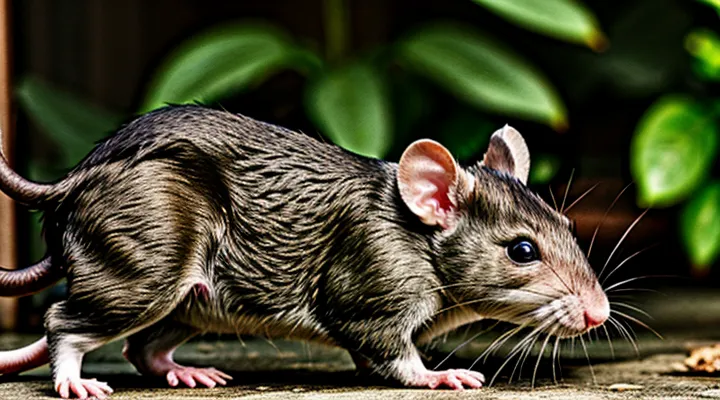
Understanding Rat Behavior
The Nature of Rat Trust
What Trust Means for a Rat
Trust in a rat is a measurable state that reflects the animal’s willingness to rely on a human for safety, food, and social interaction. When a rat trusts a person, it perceives the individual as predictable and non‑threatening, allowing the rodent to lower its natural defenses and engage in natural behaviors without heightened vigilance.
Observable signs of rat trust include:
- Approaching the person voluntarily, often from a distance of several feet.
- Allowing gentle handling, such as being lifted or petted, without frantic escape attempts.
- Exhibiting calm body language: relaxed posture, slow breathing, and lack of rapid tail flicks.
- Engaging in play or exploratory activities in the presence of the human, such as climbing on the hand or investigating objects together.
- Consistently seeking proximity, for example, nesting near a person’s feet or following the individual around the enclosure.
Physiological indicators support behavioral observations. Reduced cortisol levels, lower heart rate, and stable body temperature measured after interaction suggest diminished stress, confirming that the rat perceives the human as a secure companion rather than a predator.
Establishing trust requires consistent, low‑stress interactions. Key practices are:
- Move slowly, avoid sudden gestures, and speak in a calm voice.
- Offer food treats directly from the hand to associate the person with positive reinforcement.
- Limit handling sessions to brief, regular intervals, allowing the rat to retreat if needed.
- Maintain a stable environment; frequent changes in cage layout or caretaker schedule can erode confidence.
By monitoring these behavioral and physiological cues, one can reliably assess whether a rat has developed trust in a particular human, enabling more effective care and enrichment.
Why Trust is Important for Rats and Owners
Trust between a rat and a human shapes daily interactions. When a rat feels secure, it exhibits calm behavior, accepts handling, and engages with its environment without fear.
Benefits for rats include:
- Lower cortisol levels, which support immune function.
- Increased willingness to explore novel objects, promoting mental stimulation.
- Faster recovery from illness due to reduced stress.
Benefits for owners include:
- Predictable handling, minimizing risk of bites or injuries.
- Accurate assessment of health indicators such as weight and fur condition.
- Strengthened bond that facilitates training and enrichment activities.
Trust develops through consistent routines, gentle handling, and immediate reward after positive actions. Repeating these steps reinforces the rat’s expectation that the caregiver will act predictably and safely.
Recognizing Signs of Trust
Body Language and Posture
Relaxed and Open Body
Observing a rat’s physical stance provides reliable evidence of its confidence in a human caretaker. When the animal feels secure, its muscles relax and its posture becomes expansive, reflecting a willingness to remain nearby without defensive tension.
- Ears positioned forward or slightly relaxed, not flattened against the head.
- Whiskers splayed outward, indicating curiosity rather than fear.
- Tail lying flat or gently curled against the body, not twitching or raised.
- Back muscles loose, with no hunched or tense curvature.
- Body weight distributed evenly, often leaning into the person’s hand or cage wall.
- Paws relaxed, toes not clenched, sometimes extending to touch the handler.
These cues signal that the rat perceives the person as non‑threatening and is comfortable maintaining proximity. A combination of multiple relaxed signals strengthens the assessment, while isolated signs may reflect momentary curiosity rather than sustained trust.
Bruxing and Boggling
Rats display trust through subtle physical cues; two especially reliable indicators are bruxing and boggling. Bruxing, the gentle grinding of incisors, occurs when a rat feels secure and relaxed. The action differs from stress‑induced gnashing, which is rapid, loud, and accompanied by tension in the jaw muscles. A calm, rhythmic grind signals that the animal perceives the human as non‑threatening and is comfortable enough to engage in a self‑soothing behavior.
Boggling refers to a slow, deliberate widening of the eyes combined with a slight head tilt. The rat’s pupils dilate while the animal maintains a steady gaze, suggesting curiosity without fear. The head tilt aligns the visual field toward the person, indicating a desire for interaction. When both bruxing and boggling appear together, they form a robust composite sign of confidence in the human companion.
Key observations for evaluating trust:
- Continuous, low‑intensity tooth grinding lasting several seconds.
- Pupillary dilation accompanied by a steady, unflinching stare.
- Gentle head tilt toward the caregiver’s face.
- Absence of escape attempts, vocalizations, or defensive postures.
When these behaviors manifest consistently, they provide clear evidence that the rat trusts the individual and perceives the environment as safe.
Stretching and Yawning
Observing a rat’s body language provides direct evidence of its confidence in a caretaker. When a rat stretches and yawns in the presence of a person, the behaviors signal a relaxed state that typically follows a perception of safety.
A stretch appears as a full extension of the forelimbs and hind limbs, often accompanied by a brief pause before the animal resumes activity. The action occurs without sudden movements, indicating that the rat does not anticipate a threat. The stretch is usually followed by a return to the original position rather than a defensive posture, reinforcing the interpretation of comfort.
Yawning manifests as an open‑mouth inhalation lasting one to two seconds, sometimes followed by a brief period of stillness. In a trusted environment, yawning is not preceded by signs of stress such as rapid breathing or grooming of the face. The occurrence of yawns during interaction with a person demonstrates that the rat perceives the situation as non‑threatening.
Additional cues that strengthen the assessment include:
- Slow, rhythmic breathing
- Calm whisker position
- Lack of escape attempts
- Gentle approach toward the hand
When stretching and yawning appear together with these supplementary signs, they collectively confirm that the rat trusts the individual present.
Vocalizations and Sounds
Soft Chirps and Squeaks
Rats emit subtle vocalizations that indicate confidence in a human caretaker. Soft chirps and faint squeaks appear when the animal feels secure and anticipates positive interaction.
These sounds differ from alarm calls in pitch, duration, and context. A low‑frequency chirp lasting 0.2–0.4 seconds typically occurs when the rat approaches a familiar hand or receives a gentle stroke. A brief, high‑pitched squeak, barely audible without a microphone, may follow a food reward or a calm grooming session, signaling satisfaction rather than distress.
Key characteristics of trust‑related vocalizations:
- Frequency range: 10–15 kHz for chirps; 20–25 kHz for squeaks.
- Amplitude: below 60 dB SPL, detectable only with sensitive equipment.
- Temporal pattern: single or paired calls, spaced 0.5–1 second apart.
- Behavioral context: proximity to a known caregiver, relaxed posture, and exploratory activity.
Observing these cues alongside body language—such as flattened ears, relaxed whiskers, and a calm tail—provides a reliable assessment of a rat’s willingness to engage with a person. Regular monitoring of vocal patterns can help caretakers adjust handling techniques to reinforce the animal’s sense of safety.
Contented Hums
Rats produce a soft, continuous hum when they feel secure, a vocalization that differs from squeaks or chirps. The hum resonates at a low frequency (approximately 20–30 Hz) and is barely audible to human ears unless the animal is close or the environment is quiet. Its steady rhythm signals relaxation rather than distress.
Typical situations that elicit this sound include:
- Gentle hand‑feeding while the rat remains still.
- Light petting on the back or head after a period of habituation.
- Resting in a familiar enclosure with the owner nearby, especially during evening hours.
- After successful navigation of a maze or puzzle when the rat receives a reward.
Distinguishing the contented hum from other noises requires attention to pitch and duration. Squeaks are high‑pitched, intermittent, and often accompany sudden movements. Chirps are brief, sharp, and occur during exploratory bursts. The hum maintains a consistent, low‑tone pattern for several seconds to minutes, accompanied by relaxed posture, flattened ears, and slow breathing.
To verify trust through this vocalization, observe the following protocol:
- Approach the rat calmly, allowing it to sniff the hand before contact.
- Initiate a brief, gentle stroke while maintaining minimal movement.
- Listen for a sustained low‑frequency hum persisting beyond the initial contact.
- Correlate the hum with other trust indicators such as voluntary grooming, voluntary climbing onto the hand, and lack of flight response.
Consistent presence of the low‑frequency hum alongside these behaviors confirms a reliable bond between the animal and the caretaker.
Interactive Behaviors
Approaching Freely
Rats display trust through voluntary proximity. When a rat repeatedly moves toward a human without hesitation, it signals confidence in the caregiver’s presence.
Key indicators of free approach include:
- Direct eye contact followed by a blink or a brief pause, suggesting the animal feels safe enough to observe.
- Scent‑marking the hands or clothing with urine or glandular secretions, a behavior reserved for familiar individuals.
- Presenting the belly or exposing the abdomen, which reveals vulnerability and indicates acceptance.
- Initiating contact by nudging, climbing onto the lap, or entering a palm without retreating.
- Remaining stationary while being handled, showing lack of a flight response.
Consistent exhibition of these behaviors across multiple sessions confirms that the rat perceives the person as trustworthy. Regular observation of the described cues enables accurate assessment of the animal’s relational confidence.
Accepting Treats Gently
When a rat receives a treat without flinching, it demonstrates confidence in the handler. A relaxed posture, steady whisker position, and continued exploration after the snack indicate that the animal feels safe enough to focus on the reward rather than on potential danger.
Key behaviors that signal gentle acceptance of food:
- Smooth approach – the rat moves toward the hand or bowl without abrupt pauses or sudden retreats.
- Steady grip – the animal takes the treat with its paws or mouth without clenching its jaws or shaking.
- Uninterrupted chewing – the rat chews calmly, showing no signs of stress such as rapid breathing or tail flicking.
- Post‑treat engagement – after eating, the rat remains in the vicinity, resumes normal activity, or seeks further interaction.
These observations allow caregivers to assess the level of trust a rat places in a person. Consistent gentle acceptance across multiple sessions confirms a stable bond, while hesitation or defensive reactions suggest the need for gradual desensitization and more patient handling.
Grooming the Owner
Rats demonstrate trust through grooming behavior directed at their caretaker. When a rat repeatedly licks the owner’s hand, forearm, or face, it signals acceptance and a desire for social contact. The act replaces mutual cleaning observed among conspecifics, indicating the animal perceives the human as part of its social group.
Key indicators of this trust include:
- Consistent licking: The rat initiates grooming sessions without prompting and continues for several seconds.
- Gentle bite followed by lick: A brief nibble that transitions into licking shows the rat is testing boundaries while maintaining affection.
- Body positioning: The rat positions itself close to the owner, often pressing its cheek against the skin while grooming.
- Relaxed posture: The animal’s ears are back, whiskers are neutral, and breathing is steady, reflecting a calm state during grooming.
These behaviors differ from exploratory nibbling, which is rapid, irregular, and lacks the sustained licking component. Recognizing grooming as a sign of confidence helps owners assess the depth of the rat’s bond and adjust handling practices accordingly.
Climbing On and Cuddling
Rats that willingly allow a person to climb on them demonstrate a high level of confidence. The animal relaxes its body, maintains steady breathing, and does not attempt to flee or bite. These reactions indicate that the rat perceives the human as a safe presence rather than a threat.
Cuddling provides additional evidence of trust. When a rat presses its head against a hand, seeks contact with the chest or back, and remains still for extended periods, it signals that the creature feels secure. The presence of soft purring‑like vocalizations, known as “rat chatter,” often accompanies prolonged physical closeness.
Key behaviors to observe:
- Steady, relaxed posture while the person sits or leans on the rat.
- Absence of rapid tail flicking or aggressive lunges.
- Initiation of contact by the rat, such as climbing onto the lap or curling around a hand.
- Consistent grooming of the area where the human touches the rat.
- Calm, low‑frequency squeaks during extended petting sessions.
If these signs appear consistently across multiple interactions, they confirm that the rat has formed a reliable bond with the caretaker. The combination of allowing weight on its back and seeking affectionate contact serves as a reliable metric for assessing the animal’s trust level.
Falling Asleep on the Owner
Rats that choose to rest their heads on a caretaker demonstrate a clear indication of confidence in that individual. This behavior occurs when the animal perceives the environment as safe and the human as non‑threatening. The following points describe the conditions and implications of a rat falling asleep on its owner:
- The rat displays relaxed muscles, eyes closed, and a steady breathing pattern while in contact with the person’s skin or clothing.
- The animal remains in the position for several minutes without attempting to flee, even when external noises occur.
- The rat’s whiskers and tail are held in a neutral posture, lacking the tension typical of alert or fearful states.
Observing these signs allows a caregiver to assess the depth of the bond. Consistent occurrences suggest that the rat has formed a reliable association between the person’s presence and security, reinforcing the animal’s willingness to share vulnerable moments such as sleep.
Play and Exploration
Play-Biting and Wrestling
Rats engage in play‑biting and wrestling when they feel secure enough to test boundaries without fear of injury. The actions involve gentle nips, reciprocal pushes, and mock fights that end without escalation.
- Gentle nips lack deep tissue damage and are followed by immediate withdrawal.
- Body contact is relaxed; ears and whiskers remain relaxed rather than flattened.
- After a bout, the rat seeks proximity to the human, often approaching for food or grooming.
These patterns indicate that the animal perceives the person as a safe partner rather than a threat. To assess trust through play, observe the following:
- Initiation: The rat approaches the hand or arm and initiates a nibble or push.
- Duration: Play episodes last a few seconds to a minute, then the rat disengages calmly.
- Recovery: The rat resumes normal activity, such as exploring or nesting, without signs of stress (e.g., freezing, rapid breathing).
Consistent appearance of these behaviors confirms that the rat accepts the human as a companion and is comfortable engaging in social play. Regular, gentle interaction reinforces this bond, reducing anxiety and encouraging further cooperative behavior.
Exploring the Owner's Environment
A rat’s willingness to interact with a human reflects the conditions of the space the caretaker provides. A well‑structured enclosure encourages calm behavior and facilitates bonding.
- Adequate size: a cage that allows free movement reduces stress and promotes exploration.
- Consistent layout: keeping tunnels, hideouts, and feeding stations in the same positions helps the animal develop reliable expectations.
- Cleanliness: regular removal of waste and fresh bedding prevent odors that can trigger fear responses.
- Enrichment: chew toys, climbing structures, and foraging opportunities stimulate natural instincts and keep the rat engaged, making it more likely to approach a person.
- Lighting: gentle, indirect illumination mimics natural cycles and avoids startling the animal.
- Noise control: minimizing sudden sounds and vibrations creates a stable auditory environment.
The caretaker’s routine further shapes trust. Approaching the cage at predictable times, speaking in a low, steady voice, and offering food from the hand reinforce positive associations. A designated handling area with a soft surface reduces the risk of injury and signals safety. When these environmental elements align, the rat typically displays behaviors such as voluntarily leaving its hideout, accepting treats directly, and allowing gentle handling—clear indicators of confidence in the caregiver.
Building and Maintaining Trust
Creating a Safe Environment
Providing a Secure Home
A rat that feels safe will display relaxed posture, explore freely, and accept gentle handling. Confidence begins with a habitat that eliminates threats and meets basic needs.
A secure habitat requires:
- Adequate space: at least 2 sq ft per rat, with vertical enrichment to allow climbing.
- Stable enclosure: lockable doors, sturdy bars, and a solid base to prevent escape.
- Soft bedding: absorbent, dust‑free material that can be changed regularly.
- Concealment: multiple hideouts such as tunnels, PVC pipes, or ceramic houses.
- Consistent routine: fixed feeding times, predictable lighting, and regular cleaning schedules.
Each component reduces stressors that cause vigilance. A lockable cage removes the risk of accidental openings, encouraging the animal to explore the interior. Soft, clean bedding prevents skin irritation and promotes comfort. Hideouts give the rat control over exposure, leading to voluntary interaction with caregivers. Predictable routines reinforce the perception that the environment is reliable, fostering approach behavior.
To assess trust, observe whether the rat:
- Approaches the front of the cage when the door opens.
- Allows a hand inside without retreating.
- Shows relaxed whisker position and uncurled tail during handling.
Implementing the listed habitat features creates the conditions under which these behaviors emerge, confirming the rat’s confidence in its caretaker.
Ensuring Positive Associations
Positive associations form the basis of a rat’s willingness to approach and interact with a person. Consistent pairing of the human’s presence with rewarding experiences conditions the animal to view the individual as a source of safety and benefit.
To establish and maintain these associations, follow a structured routine:
- Offer food directly from the hand – Present small, preferred treats within reach, allowing the rat to take them without hesitation.
- Provide gentle tactile contact – Lightly stroke the back or head while the rat is calm; avoid sudden movements that could startle.
- Maintain a predictable schedule – Deliver treats and interaction at the same times each day, reinforcing the expectation of reward.
- Use a calm voice – Speak softly during handling; consistent vocal tones become part of the positive context.
- Limit negative stimuli – Refrain from loud noises, abrupt gestures, or abrupt withdrawal of food during sessions.
Observational markers indicate that the rat has formed a positive bond: it approaches the hand voluntarily, displays relaxed body posture, and exhibits tail‑up or grooming behavior in the person’s presence. Repeated reinforcement of these cues solidifies trust and ensures the rat perceives the individual as a reliable source of positive experiences.
Consistent and Gentle Handling
Regular Interaction
Regular interaction provides the most reliable evidence of a rat’s confidence in a human caretaker. Consistent, calm handling reduces uncertainty, allowing the animal to form a predictable pattern of expectation. When a rat anticipates interaction without signs of stress, trust is evident.
Key behaviors observed during daily sessions include:
- Approaching the hand before it is extended.
- Remaining stationary while being gently stroked.
- Offering food voluntarily from the caregiver’s palm.
- Exhibiting relaxed body posture, such as a lowered tail and open ears.
- Engaging in exploratory activity immediately after release.
The frequency of these actions strengthens over time. A rat that participates in brief handling sessions each day, typically lasting two to five minutes, will display increasingly swift approaches and reduced latency before contact. Conversely, sporadic or irregular contact often produces hesitation and defensive postures.
To assess trust accurately, record the latency between the caregiver’s presence and the rat’s approach, note any vocalizations or grooming behaviors, and compare them across successive interactions. A downward trend in latency combined with consistent positive responses confirms a solid bond between the rat and the person.
Avoiding Startling Movements
When assessing whether a rat feels safe enough to trust a human, the most reliable indicator is the animal’s reaction to the caretaker’s motion. Sudden, unpredictable movements trigger a flight response, masking any signs of confidence. By eliminating abrupt gestures, observers can distinguish genuine calm from fear‑induced stillness.
Key practices for minimizing startling actions:
- Approach the cage slowly, keeping the hand within the rat’s peripheral vision before entering.
- Move the entire body rather than jerking a single limb; a smooth, continuous motion reduces perceived threat.
- Avoid sudden changes in speed when reaching for food, cleaning tools, or when withdrawing a hand.
- Maintain a consistent posture; crouching or leaning too quickly can be interpreted as aggression.
Consistent, gentle motion allows the rat to observe the caretaker’s behavior over time. When the animal voluntarily approaches, sniffs, or accepts treats without retreating, these behaviors signal a level of trust that would be obscured by erratic movements.
Positive Reinforcement
Using Treats and Rewards
Using treats and rewards provides a direct measure of a rat’s willingness to engage with a human and therefore indicates the level of trust it places in that person.
Consistent, predictable delivery of a preferred food item creates an association between the human and a positive outcome. The rat learns that approaching the person leads to a reliable benefit, which reduces fear and encourages voluntary interaction.
- Offer a small, highly valued treat (e.g., sunflower seed, piece of fruit) at the same distance each time.
- Extend the hand slowly, allowing the rat to sniff before presenting the food.
- Release the treat only when the rat makes eye contact or reaches toward the hand.
- Repeat the sequence several times a day for several days, maintaining identical timing and amount.
Observe the rat’s responses during each session. Acceptance of the treat without hesitation, repeated approach from a distance, and relaxed body posture (e.g., lowered whiskers, slow breathing) signal increasing trust. Conversely, avoidance, rapid retreat, or aggressive snapping indicate lingering suspicion.
Sustained willingness to seek out the treat from the same individual, even when alternative food sources are available, confirms that the rat has formed a reliable, trust‑based relationship with that person. Regular reinforcement solidifies this bond, while inconsistent or punitive actions quickly erode it.
Verbal Encouragement
Verbal encouragement provides a reliable indicator of a rat’s confidence in a caretaker. When a rat consistently responds to spoken cues—approaching, vocalizing, or displaying relaxed body language—it signals that the animal associates the human voice with safety and positive outcomes.
Key observations linked to spoken reassurance include:
- Approach behavior: The rat moves toward the speaker without hesitation after hearing a familiar, calm tone.
- Reduced vigilance: Ears remain forward, whiskers relaxed, and the animal shows no sudden startle reflex when the voice is heard.
- Vocal response: Soft chirps or squeaks accompany the human’s words, reflecting a willingness to communicate.
- Sustained proximity: The rat remains near the source of the voice for extended periods, indicating comfort rather than fleeting curiosity.
Consistent use of gentle, predictable language reinforces the rat’s perception of the person as a trustworthy presence. Over time, the animal’s readiness to seek interaction after hearing the caretaker’s voice becomes a measurable sign of established trust.