
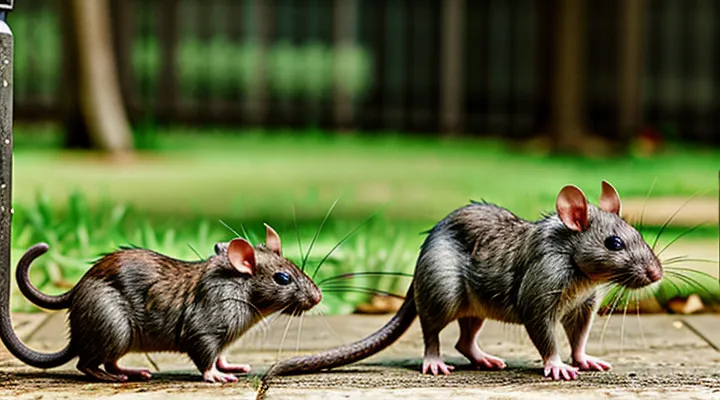
Understanding Rat Social Behavior
Why Proper Introduction is Crucial
Properly introducing rats prevents immediate aggression. When two unfamiliar individuals meet without a structured process, dominant animals may attack, leading to injuries that require veterinary care. Controlled introductions allow each rat to assess the other’s scent and behavior while maintaining a safe distance, reducing the likelihood of violent encounters.
Gradual exposure supports the formation of a stable social hierarchy. A clear hierarchy minimizes competition for resources such as food, nesting material, and space, which in turn lowers chronic stress levels. Lower stress correlates with stronger immune function and fewer respiratory or gastrointestinal problems.
A systematic approach also facilitates observation of compatibility. By monitoring body language—such as grooming, sniffing, and gentle chasing—owners can identify pairs that will coexist peacefully. Early detection of incompatibility prevents prolonged conflict and the associated welfare concerns.
Key benefits of a careful introduction process:
- Decreased risk of bite wounds and related infections
- Stabilized social order, reducing resource disputes
- Reduced physiological stress, enhancing overall health
- Early identification of compatible partners, saving time and effort
Implementing a step‑by‑step introduction routine therefore safeguards the well‑being of each rat and promotes a harmonious multi‑rat environment.
Signs of Dominance and Submission
When rats are placed together, the first step is to identify which individual will assume the leading position. Recognizing dominance and submission cues prevents aggression and facilitates a smooth integration.
-
Dominance indicators
- Upright, expansive posture; the rat holds its body high and stretches its neck.
- Rapid, deliberate movements toward the other rat, often followed by a brief pause to assess the response.
- Direct, sustained eye contact; the dominant individual fixes its gaze without averting.
- Tail held high and slightly arched, sometimes flicking with confidence.
- Frequent grooming of its own fur, especially around the head and whiskers, signaling self‑care and control.
-
Submission signals
- Crouched or lowered body, shoulders pulled in, indicating retreat.
- Slow, hesitant steps away from the other rat, often accompanied by a sideways shuffle.
- Avoidance of eye contact; the submissive mouse glances downward or to the side.
- Tail tucked close to the body, sometimes dragging on the ground.
- Frequent grooming of the dominant rat’s fur, a behavior known as allogrooming that reinforces the hierarchy.
Interpretation guides the introduction process. If the dominant rat exhibits repeated aggressive postures—charging, biting, or prolonged intense staring—separate the pair immediately and re‑attempt after a cooldown period. When submission cues dominate, allow the submissive individual to retreat to a safe zone while the dominant rat explores the shared space. Gradual, supervised exposure, combined with clear observation of these behaviors, establishes a stable social structure and reduces conflict.
Recognizing Stress in Rats
Identifying stress in rats is a prerequisite for successful social integration. Elevated stress levels can lead to aggression, injury, or prolonged separation, undermining the goal of establishing harmonious cohabitation.
Typical stress indicators include:
- Behavioral changes: reduced grooming, excessive grooming, freezing, avoidance of the partner, or sudden bursts of activity.
- Vocalizations: high‑frequency squeaks or prolonged chirps, especially when the animals are within sight of each other.
- Physiological signs: rapid breathing, dilated pupils, tail rattling, or a hunched posture.
- Feeding patterns: loss of appetite or overeating immediately after encounters.
Monitoring these signs during and after initial meetings allows timely intervention. Strategies to reduce stress comprise:
- Gradual exposure: begin with visual contact through a clear barrier, then progress to limited physical interaction.
- Neutral territory: conduct introductions in a clean cage or enclosure unfamiliar to both rats to prevent territorial defense.
- Environmental enrichment: provide hiding places, chewable objects, and bedding to encourage exploratory behavior and distract from tension.
- Timed sessions: keep early interactions brief (5‑10 minutes) and increase duration only after stress markers subside.
- Observation protocol: record each session’s duration, behaviors, and vocalizations to detect patterns and adjust the approach.
Consistent assessment and prompt adjustment based on observable stress responses increase the likelihood of establishing a stable, cooperative group.
Preparing for Introduction
Essential Supplies
Appropriate Cage Types
When rats are being brought together, the enclosure used for the initial meeting can determine whether aggression escalates or social bonds form. Choose a cage that offers ample space, neutral scent, and easy observation.
A neutral cage should be separate from either animal’s home. It must provide at least 2 sq ft per rat, allowing each individual to retreat without crowding. Multi‑level platforms and climbing structures give subordinate rats escape routes, reducing stress.
Material matters. Wire cages with a solid floor prevent chewing damage and allow quick cleaning, but ensure the mesh spacing is no larger than ¼ in to avoid injury. Acrylic or glass enclosures give clear visibility but require reinforced lids because rats can gnaw through thin plastic.
Key features for an effective introduction cage:
- Size: minimum 30 × 30 × 18 in, expandable as the group grows.
- Escape‑proof design: sealed doors, lockable latches, and chew‑resistant corners.
- Neutral bedding: use fresh, unscented wood shavings or paper bedding; avoid transferring bedding from a resident’s home.
- Separate zones: include at least two distinct hiding spots or tunnels to let submissive rats withdraw.
- Easy sanitation: removable trays and smooth surfaces simplify regular cleaning, limiting odor buildup that can trigger aggression.
Position the cage in a low‑traffic area with consistent temperature and lighting. Observe interactions for the first 30 minutes; if tension appears, separate the rats and repeat the session after 24 hours. Consistently using a well‑chosen neutral enclosure supports smoother integration and reduces the likelihood of injuries.
Enrichment for Separate Spaces
Enrichment in individual cages prepares rats for later contact by keeping them mentally active and physically fit. A well‑stocked environment reduces boredom, lowers cortisol levels, and encourages natural behaviors that translate into smoother social encounters.
- Structural elements: tunnels, climbing ladders, and multi‑level platforms create vertical space and promote exploration.
- Sensory stimuli: scented nesting material, safe chewable objects, and textured hideouts engage olfactory and tactile senses.
- Foraging challenges: puzzle feeders, scattered seeds, and vegetable wedges require problem‑solving and mimic natural food search.
- Interactive toys: rotating wheels, hanging ropes, and lightweight balls provide movement and stimulation without causing injury.
Rotate enrichment items every few days to prevent habituation. Observe each rat for signs of interest or avoidance; adjust placement to ensure all resources remain accessible. Clean and disinfect toys regularly to maintain hygiene while preserving their functional value.
Consistent enrichment in separate spaces builds confidence, improves motor skills, and establishes a repertoire of positive experiences. When the rats eventually share a neutral arena, they display reduced aggression, increased curiosity, and a higher likelihood of forming cooperative bonds.
Choosing the Right Environment
Neutral Territory Considerations
When two rats meet for the first time, the environment should lack any established dominance cues. Choose a cage or playpen that neither animal has previously occupied. Clean the surface thoroughly with a mild, unscented solution and rinse well; residual odors can trigger territorial aggression.
Provide ample space to prevent crowding. A minimum of 24 × 24 inches allows each rat to retreat without contact. Include multiple shelters, tunnels, and climbing structures so that both individuals can establish personal zones. Ensure that hiding places are evenly distributed, avoiding a single dominant refuge.
Control scent transfer before the encounter. Rinse both rats with lukewarm water and gently pat dry, or use a brief, low‑stress handling session to remove lingering home‑cage odors. Avoid applying any scented products or sprays.
Monitor behavior closely during the initial interaction. Look for the following indicators:
- Parallel walking without direct contact – a neutral response.
- Sniffing followed by brief retreats – normal assessment.
- Rapid lunging, biting, or prolonged chasing – immediate separation required.
If aggression appears, remove the rats and reset the neutral area after a thorough cleaning. Re‑introduce after a short interval, using the same neutral setup to reinforce the lack of territorial advantage.
Minimizing Distractions
When two rats meet, any extraneous stimulus can trigger stress, aggression, or avoidance. A controlled environment reduces the likelihood that the animals focus on unrelated noises, lights, or movements instead of each other.
Create a quiet, dimly lit space free of sudden sounds. Turn off televisions, radios, and mobile devices. Close doors and windows to block outdoor traffic. If the room has bright overhead lighting, replace it with low‑intensity lamps or use a blackout curtain.
Limit human activity during the interaction. Only one person should be present, standing still at a distance that allows observation without interference. Avoid reaching into the cage or handling the rats until the initial contact phase is complete.
Maintain a consistent routine. Conduct introductions at the same time of day, after feeding and cleaning, when the rats are calm and not hungry. Consistency prevents unexpected variables that could distract the animals.
Practical steps to minimize distractions
- Silence all electronic devices and remove toys or objects that could attract attention.
- Use a plain, non‑reflective surface for the neutral meeting area.
- Keep the temperature stable; avoid drafts or sudden heating changes.
- Schedule the session for a period when household traffic is minimal.
- Monitor the interaction from a fixed position, recording observations without moving around.
By eliminating unnecessary stimuli, the rats can concentrate on each other’s scent and behavior, which facilitates a smoother, less confrontational introduction.
The Introduction Process
Initial Scent Swapping
When two rats meet for the first time, their ability to recognize each other depends largely on scent. Exchanging odors before a visual encounter reduces aggression and promotes acceptance.
The process begins by selecting a neutral container—such as a clean plastic tub with a lid. Place a small piece of bedding from each animal’s cage into opposite corners of the container. Close the lid and allow the rats to explore the shared space for 10–15 minutes. During this period, each rat rubs against the foreign bedding, acquiring the other’s scent on its fur and whiskers.
Key steps for effective scent swapping:
- Use fresh, unscented bedding to avoid masking natural odors.
- Keep the environment quiet and dimly lit to minimize stress.
- Limit the exchange to one session per pair; repeated exposure can lead to habituation without benefit.
- After the session, return each rat to its home cage with the exchanged bedding placed in a corner for several hours.
Following the scent swap, observe the animals for signs of calm behavior—grooming, sniffing, or gentle nosing. If tension appears, repeat the exchange before allowing direct contact. This preliminary odor exchange forms the foundation for a smooth introduction and helps prevent fights.
Short, Supervised Encounters
Monitoring Body Language
Monitoring body language provides the most reliable indicator of whether two rats are accepting or rejecting each other. Observers can intervene before aggression escalates by recognizing subtle cues that precede conflict.
Key signals to watch include:
- Ears flattened against the head – immediate sign of fear or aggression.
- Whiskers drawn back toward the face – indicates tension.
- Tail tucked tightly against the body – denotes submission or anxiety.
- Rigid, upright posture with a raised back – displays dominance or threat.
- Rapid, high‑pitched vocalizations – often accompany stress or warning.
- Slow, relaxed grooming or sniffing – suggests curiosity and comfort.
During the initial meeting, maintain a clear view of these behaviors. If any aggressive signs appear, separate the animals promptly and repeat the introduction after a cooling‑off period. Consistent observation of body language enables a controlled, low‑stress integration process.
Intervention Strategies
When rats are unfamiliar, direct contact often triggers aggression. Effective intervention reduces tension and promotes peaceful cohabitation.
- Begin with scent exchange: swap bedding or place a cotton swab rubbed on each animal in the other's cage for 24 hours. This transfers olfactory cues without physical presence.
- Use a neutral enclosure: a clean, spacious carrier or playpen allows both rats to explore simultaneously while eliminating territorial claims.
- Implement gradual visual exposure: position cages side‑by‑side with a transparent barrier for several days, increasing the duration each day.
- Introduce supervised short sessions: limit initial interactions to 5–10 minutes, observing body language and intervening at the first sign of mounting or chasing.
- Provide ample resources: multiple nesting boxes, food dishes, and chew toys prevent competition over limited assets.
If aggression persists, separate the individuals for 48 hours, then repeat the scent exchange and neutral‑enclosure steps. Consistent monitoring and incremental exposure typically lead to stable social bonds.
Gradual Increase in Time Together
Begin introductions with brief, supervised encounters lasting one to two minutes. Observe both animals for signs of aggression, such as lunging, biting, or intense vocalizations. If no adverse reactions occur, end the session calmly and return each rat to its own enclosure.
Increase the duration of each successive meeting by approximately 2‑3 minutes, maintaining close observation. Extend the total daily exposure time only after at least two consecutive successful sessions at the current length. Continue this pattern until the rats spend 30‑45 minutes together without conflict.
- Start with 1–2 min of contact, supervised.
- Add 2–3 min after each stable session.
- Keep a record of behavior each time.
- Stop extending if any aggressive response appears; revert to the previous safe duration.
- Resume gradual increments only after several calm repetitions at the reduced length.
Successful integration is indicated by mutual grooming, shared nesting material, and relaxed postures. Persistent avoidance, repeated chases, or wounds signal that the increase in time is premature and requires a step back.
When the rats tolerate at least one hour of joint activity without tension, transition to unrestricted cohabitation. Maintain separate feeding stations for the first few days to prevent competition, then merge resources once dominance hierarchies are established. This systematic escalation minimizes stress and promotes stable, long‑term companionship.
Overnight Introductions
When two rats are first placed together for an overnight period, the environment must be neutral, the space unfamiliar to both animals, and the resources evenly distributed. A separate, clean cage or a large, empty enclosure serves this purpose; remove any dominant scent markers such as food bowls, water bottles, and bedding from the primary habitat before the trial.
Begin the night by placing the rats in opposite corners of the neutral area, allowing a short adjustment interval of five to ten minutes before removing any barriers. Observe the initial interactions from a distance; signs of calm sniffing, gentle grooming, or parallel movement indicate a positive response. If aggression appears—raised fur, lunging, or biting—intervene immediately, separate the animals, and postpone further attempts.
Key steps for a successful overnight trial:
- Ensure the enclosure provides multiple hiding spots and escape routes to reduce tension.
- Supply fresh water and a small amount of food in separate locations to prevent competition.
- Keep lighting low to mimic natural dusk conditions, which can lower stress levels.
- Record observations at regular intervals (e.g., every two hours) to track behavior trends.
- After twelve to sixteen hours, return the rats to their original cages, noting any changes in hierarchy or tolerance.
Following the overnight session, evaluate the outcomes. Compatible pairs may progress to shared daytime housing, while persistent hostility warrants a longer separation and a gradual re‑introduction using shorter, supervised sessions. Consistent documentation of each trial supports effective long‑term pairing strategies.
Integrating into a Permanent Group
Integrating new rats into an established colony demands careful management of space, resources, and social dynamics. Begin by evaluating the existing group's hierarchy, noting dominant individuals and any recent changes in composition. Provide ample nesting material, food stations, and hiding places to reduce competition for limited resources during the transition.
- Isolate the newcomer in a neutral cage for 48–72 hours; supply familiar bedding and a diet identical to the resident colony.
- Conduct visual exposure by placing the neutral cage adjacent to the main enclosure for several hours each day; observe body language for signs of aggression or avoidance.
- After consistent calm behavior, allow limited physical contact through a perforated barrier for 24 hours, monitoring for vocalizations, grooming, or mounting.
- If interactions remain non‑aggressive, remove the barrier and introduce the newcomer into the main enclosure during a period of low activity, such as early evening.
- Continue to supply additional shelter and multiple feeding stations for at least one week; record any shifts in dominance or stress indicators.
Maintain daily health checks, noting weight, coat condition, and any injuries. Adjust the environment promptly if aggression escalates: re‑isolate the problematic individual, increase hiding spaces, or re‑evaluate group composition. Successful integration results in stable social order, shared resources, and reduced stress for all members.
Troubleshooting and Common Challenges
Dealing with Aggression
Temporary Separation
Temporary separation provides a controlled break after the initial encounter, allowing each rat to retreat from potential aggression while maintaining awareness of the other’s presence. The period should be brief—typically 10 to 30 minutes—enough to let adrenaline subside without causing prolonged stress.
During the separation, keep both animals in secure, scent‑neutral cages placed side by side. Visual contact through a transparent barrier preserves familiarity, while physical distance prevents biting. Ensure adequate ventilation and consistent temperature to avoid additional discomfort.
Key points for effective use:
- Observe body language; signs of calm (relaxed posture, grooming) indicate readiness to resume contact. Persistent tension (raised fur, rapid breathing) suggests extending the interval.
- Re‑introduce the pair after the pause by removing the barrier or placing them together in a neutral enclosure. Monitor closely for the first few minutes to intervene if fighting escalates.
- Limit the number of cycles; repeated separations beyond two or three attempts can reinforce fear rather than cooperation.
Temporary separation works best when combined with gradual exposure, scent swapping, and positive reinforcement (treats offered simultaneously). It reduces the likelihood of severe injuries and promotes a smoother transition to stable cohabitation.
Re-evaluating the Approach
Re‑examining the method for bringing unfamiliar rats together can prevent stress‑induced aggression and improve social integration. Traditional protocols often rely on brief, supervised encounters in neutral cages, yet recent observations suggest that this approach may overlook individual temperament and scent compatibility.
Key factors to reassess:
- Initial scent exchange – Allow each rat to explore a cloth bearing the other’s odor for several minutes before any physical contact.
- Gradual visual exposure – Position cages side‑by‑side with a clear barrier for 10‑15 minutes, extending the period if signs of curiosity dominate over fear.
- Controlled physical interaction – Introduce a short, supervised session in a neutral enclosure, limiting duration to 5 minutes and monitoring for mounting, chasing, or freezing.
- Post‑meeting observation – Keep rats separated for at least 30 minutes after the first contact, then repeat the cycle with increased duration if behavior remains calm.
A revised sequence incorporates these elements:
- Scent familiarization – Apply exchanged bedding for 3–5 minutes, then remove.
- Visual assessment – Place cages adjacent, observe for 12–20 minutes.
- Brief tactile introduction – Allow 5‑minute interaction in a neutral arena, intervene at any sign of escalation.
- Recovery period – Separate, then repeat steps 2 and 3 with incremental time extensions until consistent peaceful behavior emerges.
Implementing this systematic re‑evaluation reduces the likelihood of conflict and supports the formation of stable hierarchies among new companions.
Slow Progress and Patience
Introducing unfamiliar rats requires deliberate pacing. Rapid exposure often triggers aggression, while gradual interaction reduces stress and fosters acceptance.
Begin with scent exchange. Place a soiled cloth from each cage in the other's environment for several hours. This step allows olfactory familiarity without direct contact.
Next, arrange visual contact. Use a transparent barrier—such as a wire mesh divider—so the animals can observe each other while remaining separated. Maintain this arrangement for at least 24 hours, extending the period if signs of tension appear.
Proceed to limited tactile interaction. Open a small gap in the barrier, allowing only noses to touch. Limit sessions to five minutes, repeating several times daily. Observe body language closely; relaxed posture, grooming, and mutual sniffing indicate readiness for closer contact.
Finally, conduct supervised free‑range meetings. Place both rats in a neutral enclosure free of dominant scent markers. Keep the session brief—ten to fifteen minutes—and intervene immediately if biting or chasing occurs. Gradually increase duration over days, monitoring for stable, non‑aggressive behavior.
Patience governs each phase. Rushing the process often reverses progress, prolonging conflict and jeopardizing the welfare of both animals. Consistent, measured exposure, coupled with vigilant observation, yields reliable social integration.
When to Seek Professional Advice
Introducing new rats can trigger stress, aggression, or health problems that exceed a pet owner’s ability to manage. Recognizing the limits of personal experience prevents unnecessary suffering and reduces the risk of injury.
- Persistent fighting after several supervised sessions, regardless of duration, signals a need for expert intervention.
- Sudden loss of appetite, weight decline, or signs of respiratory distress appearing during the integration period indicate possible disease transmission.
- Unexplained bleeding, severe wounds, or injuries that do not heal within a few days require veterinary assessment.
- Inability to establish a stable hierarchy after multiple attempts, despite consistent environmental enrichment and gradual exposure, suggests behavioral complexities beyond basic guidance.
- Uncertainty about proper quarantine protocols, especially when acquiring rats from unfamiliar sources, warrants professional consultation.
Professional resources include certified small‑animal veterinarians familiar with rodent behavior, certified animal behaviorists, and reputable rodent rescue organizations. These specialists can provide diagnostic testing, targeted behavioral modification plans, and tailored quarantine strategies. Contact a qualified practitioner before the situation escalates; early intervention often restores harmony and safeguards the health of all animals involved.