
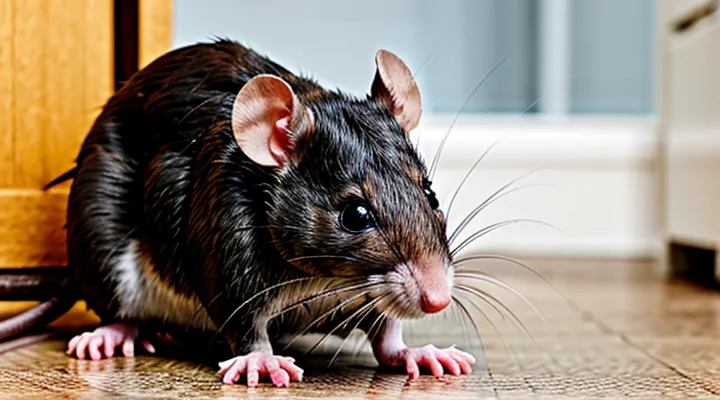
Understanding Rat Strokes
Recognizing the Signs
Immediate Symptoms
When a rodent suffers a cerebrovascular incident, recognizing the first signs determines whether timely assistance can prevent irreversible damage.
- Sudden loss of balance, stumbling, or inability to walk straight.
- Tilted head or neck, often leaning to one side.
- Facial drooping, especially on one side of the muzzle.
- Weakness or paralysis of a limb, frequently affecting the hind leg more than the forelimb.
- Uncontrolled shaking or tremors that appear abruptly.
- Abnormal eye movements, such as rapid rolling or a fixed stare.
- Silence or reduced vocalizations when the animal is normally vocal.
Each symptom reflects disruption of blood flow to specific brain regions. Loss of coordination and unilateral weakness indicate damage to motor pathways, while facial drooping and eye abnormalities point to involvement of cranial nerves. Immediate observation of these cues allows the caregiver to initiate emergency veterinary care without delay, increasing the likelihood of recovery.
Subtle Indicators
Recognizing a stroke in a rat often depends on observing changes that are easy to miss. Early identification allows timely first‑aid measures and improves the chance of recovery.
- Slight drooping of one side of the face or ear
- Asymmetrical whisker movement when the animal explores
- Reduced responsiveness to tactile stimulation on one side of the body
- Mild uncoordinated gait, such as stumbling on a single hind limb while the opposite limbs remain steady
- Subtle loss of balance, evident when the rat leans or tilts toward one side while resting
- Decreased appetite or slower drinking behavior confined to one side of the mouth
- Minor tremor or shaking that appears only in one forelimb
These signs may precede more obvious paralysis or loss of consciousness. Monitoring for them during routine handling enables immediate supportive care, such as maintaining a clear airway, keeping the rat warm, and contacting a veterinarian without delay.
Differentiating from Other Conditions
A rat experiencing a cerebrovascular event may display symptoms that overlap with other acute conditions, making rapid differentiation essential for appropriate first‑aid measures. Observe the pattern of neurological signs: sudden loss of balance, unilateral weakness, and head tilt are typical of a stroke, whereas generalized tremors or convulsions suggest seizures. Respiratory changes such as rapid, shallow breathing can accompany both, but a stroke often includes facial drooping on one side, which is uncommon in hypoglycemia.
Key distinctions include:
- Seizure – rhythmic jerking, loss of consciousness, post‑ictal disorientation; no consistent side‑specific weakness.
- Hypoglycemia – lethargy, tremors, darkened gums; rapid improvement after glucose administration.
- Traumatic injury – visible wounds, swelling, localized pain; neurological deficits correspond to injury site.
- Respiratory distress – audible wheezing, cyanosis, no focal neurological deficits.
- Stroke – abrupt unilateral limb weakness, head tilt, facial asymmetry, possible circling toward the affected side.
When the presentation matches the stroke profile, initiate immediate supportive care: keep the rat warm, minimize stress, and transport to a veterinarian without delay. If signs align with alternative conditions, adjust the response accordingly, such as providing glucose for hypoglycemia or oxygen for respiratory compromise. Accurate identification prevents misdirected treatment and improves the chance of recovery.
Immediate First Aid Steps
Creating a Safe and Calm Environment
Minimizing Stressors
When a rat shows signs of a stroke, immediate attention must include reducing any factor that could elevate stress. Stress amplifies neurological damage, interferes with circulation, and may trigger additional seizures. Controlling the environment therefore enhances the effectiveness of emergency care.
- Transfer the animal to a quiet, dimly lit area; eliminate loud noises, sudden movements, and bright lights.
- Remove unfamiliar objects and limit handling to the minimum required for assessment and treatment.
- Keep the temperature stable, avoiding drafts and extreme heat; a range of 20‑24 °C (68‑75 °F) is optimal.
- Use a soft, clean surface such as a towel or blanket to provide gentle support without restriction.
Maintain a calm demeanor. Speak softly, avoid rapid gestures, and limit the presence of other pets or people. A steady, low‑stress setting helps preserve the rat’s blood pressure and reduces the risk of secondary complications while you administer first‑aid measures.
Ensuring Warmth and Comfort
When a rat experiences a stroke, maintaining body temperature and reducing stress are immediate priorities. A sudden drop in core temperature can worsen neurological damage, while excessive chill may trigger hypothermia. Keep the animal in a quiet, draft‑free area and cover it with a lightweight, breathable blanket that does not restrict breathing.
- Place the rat on a warm surface such as a heating pad set to low (≈30 °C) or a warmed towel; monitor continuously to avoid burns.
- Use a temperature‑controlled incubator or a box with a small heat lamp positioned at a safe distance.
- Ensure the enclosure is insulated with soft padding to prevent pressure points and to provide comfort.
- Offer a small amount of warm, easily digestible water or electrolyte solution if the rat can swallow safely; do not force feeding.
Observe the animal for signs of overheating (rapid breathing, redness) and adjust the heat source accordingly. Maintaining a stable, comfortable temperature supports circulation and helps the rat’s body focus on recovery while minimizing additional stress.
Assessing the Rat’s Condition
Checking Breathing
When a rat shows signs of a cerebrovascular event, the first priority is to determine whether it is breathing. Immediate assessment guides the need for rescue ventilation or further stabilization.
Observe the thoracic region for rhythmic expansion and contraction. In small rodents the chest movement is subtle; use a bright light source to enhance visibility. Place a hand lightly on the abdomen to feel the rise and fall of the belly, confirming airflow. Simultaneously, listen for faint inhalation sounds near the nostrils or use a small mirror placed beneath the nose; condensation indicates exhalation.
If breathing is present, note the rate. Normal adult rat respiration ranges from 70 to 120 breaths per minute. Count breaths for a full 15‑second interval and multiply by four to obtain a per‑minute value. Record any irregularities such as gasping, shallow breaths, or prolonged pauses.
If no breathing is detected, initiate rescue ventilation:
- Position the rat on its back with the head slightly extended.
- Gently close the mouth by applying light pressure to the lower jaw.
- Deliver a small volume of warm, sterile saline or oxygen‑enriched air using a calibrated syringe (approximately 0.1 ml per breath).
- Observe chest rise after each inflation; repeat at a rate of 120‑150 breaths per minute.
- After five successful inflations, check for a pulse at the femoral artery; if absent, proceed to chest compressions.
Continuous monitoring of respiration throughout the emergency response ensures timely transition to advanced care or veterinary intervention.
Observing Movement and Responsiveness
When a rat shows signs of a cerebrovascular event, immediate assessment of motor function and alertness determines the urgency of intervention.
First, place the animal on a flat surface with gentle lighting. Observe spontaneous locomotion: note any asymmetry in limb use, dragging of one side, or inability to initiate movement. Compare the right and left fore‑ and hind‑limbs for reduced strength or coordination.
Second, evaluate responsiveness to tactile and auditory stimuli. Lightly touch the whiskers, paws, and tail; record the speed and completeness of the reaction. Speak softly near the cage; a normal rat will turn its head toward the sound within a few seconds. Delayed or absent reactions indicate compromised neural pathways.
Third, perform a simple balance test. Hold the rat gently by the base of the tail and allow it to hang briefly. A healthy animal will grasp the tail and attempt to right itself, while a stroke‑affected rat may remain limp or exhibit uncoordinated attempts.
Key observations to document:
- Unequal limb movement or paralysis on one side
- Reduced grip strength when the tail is lifted
- Sluggish or absent response to whisker or paw stimulation
- Lack of head turning toward spoken cues
- Inability to maintain balance when suspended
If multiple indicators are present, initiate emergency care: keep the rat warm, minimize stress, and contact a veterinarian without delay. Continuous monitoring of movement and responsiveness guides the timing of professional treatment and improves the likelihood of recovery.
Providing Hydration and Nutrition
Offering Easy-to-Consume Foods
When a rat suffers a cerebrovascular event, immediate care must include nutrition that the animal can ingest without strain. Soft, nutrient‑dense foods prevent dehydration, supply energy, and support recovery of motor function.
Provide the following easily swallowed options:
- Moistened pellets – soak standard rodent chow in warm water until it forms a mash; the consistency remains familiar while requiring minimal chewing.
- Pureed pumpkin – blend cooked pumpkin with a small amount of water; the natural sugars and potassium aid electrolyte balance.
- Egg white custard – whisk egg whites with a dash of low‑sodium broth, steam until set, then blend into a smooth texture; high‑quality protein promotes tissue repair.
- Gelatin cubes – dissolve unflavored gelatin in warm broth, pour into small molds, refrigerate until firm; the gelatin provides collagen precursors and the broth supplies fluids.
- Mashed banana – crush ripe banana with a spoonful of water; easy on the jaw and rich in potassium and carbohydrates.
Serve each portion at room temperature, using a syringe or small spoon to place the food directly into the mouth if the rat cannot reach the bowl. Monitor for signs of aspiration and adjust texture if the animal shows difficulty swallowing. Replace the offering every 2–3 hours to maintain steady caloric intake until normal feeding resumes.
Administering Water Carefully
When a rat shows signs of a stroke, dehydration can worsen neurological damage. Supplying water must be performed with extreme caution to avoid aspiration and further complications.
- Hold the rat gently but firmly, supporting the body to prevent sudden movements.
- Use a syringe or dropper without a needle, filling it with room‑temperature, clean water.
- Position the tip near the side of the mouth, allowing the animal to swallow naturally; do not force the liquid.
- Offer no more than 0.5 ml per 100 g of body weight at a time, pausing after each small amount to observe swallowing.
- Monitor for coughing, choking, or signs of distress; if any occur, stop immediately and seek veterinary assistance.
After successful administration, keep the rat in a quiet, warm environment and continue to assess neurological signs. Prompt, measured hydration supports circulation without introducing the risk of inhalation, contributing to a more stable condition until professional care is available.
Post-Stroke Care and Veterinary Intervention
Contacting Your Veterinarian
Describing Symptoms Accurately
Accurate identification of stroke signs in a rat determines the speed and appropriateness of emergency care. Observe the animal closely and note any deviation from normal behavior, as subtle changes often precede more obvious impairment.
- Sudden loss of balance, frequent stumbling, or inability to climb familiar structures.
- Facial asymmetry: one side of the head droops, whiskers on one side appear limp.
- Reduced responsiveness to tactile or auditory stimuli, especially on one side of the body.
- Abnormal gait, such as dragging a hind limb or circling in one direction.
- Unusual respiratory pattern, including shallow breaths or irregular rhythm.
- Seizure‑like activity, muscle twitching, or convulsions that emerge without provocation.
Record each observation with time stamps and descriptive detail. Use objective language: “right hind limb unable to bear weight” rather than “looks weak.” Capture the sequence of events, noting which symptom appeared first and how quickly they progressed. This documentation provides veterinarians with a clear clinical picture, enabling targeted interventions and improving the likelihood of a successful outcome.
Following Veterinary Advice
When a pet rodent shows signs of a cerebrovascular event, immediate professional guidance determines the outcome. Contact the veterinarian as soon as symptoms appear; delay reduces the effectiveness of any intervention. Record observations—frequency of tremors, breathing irregularities, loss of coordination—and relay them precisely. The clinician will prescribe medication dosages calibrated to the animal’s weight; administer exactly as instructed, avoiding any deviation in timing or quantity.
Follow the treatment plan rigorously:
- Give prescribed drugs at the exact intervals recommended.
- Maintain a stable, warm environment to prevent hypothermia.
- Monitor water and food intake, noting any decline.
- Report any adverse reactions, such as vomiting or increased lethargy, without hesitation.
- Schedule follow‑up examinations to assess neurological recovery and adjust therapy if needed.
Adherence to veterinary instructions also includes proper handling during transport. Use a secure, breathable carrier, limit stressors, and keep the animal calm. Do not attempt home remedies or over‑the‑counter products unless the veterinarian explicitly approves them.
Document each step of care, including timestamps of medication administration and observations of the rat’s condition. This record enables the veterinarian to evaluate progress objectively and make evidence‑based adjustments. Consistent compliance with professional advice maximizes the chance of restoring neurological function and reduces the risk of permanent damage.
Long-Term Management
Adjusting Diet
After a cerebrovascular incident, the rat’s metabolic demands shift dramatically. Immediate dietary modification supports neural recovery and reduces secondary complications.
Provide easily digestible protein sources such as boiled egg whites, low‑fat cottage cheese, or commercial rodent recovery formula. Limit fat to no more than 5 % of total calories to prevent aggravating vascular inflammation. Offer small, frequent meals (4–6 times daily) to maintain stable blood glucose without overloading the digestive tract.
Include antioxidant‑rich foods that combat oxidative stress: fresh blueberries, diced carrots, or a measured supplement of vitamin E (10 IU per kilogram body weight). Ensure adequate hydration with plain water and, if tolerated, a low‑sodium electrolyte solution (0.9 % saline) to maintain electrolyte balance.
Avoid foods high in sodium, sugars, and processed additives. Remove seeds, nuts, and hard pellets that require extensive chewing, as they may cause choking or increase blood pressure spikes.
Monitor the rat’s weight and stool consistency daily. Adjust portion sizes if weight loss exceeds 5 % of baseline or if diarrhea occurs, substituting a bland, high‑calorie gel (e.g., wheat‑germ paste) until normal intake resumes.
Modifying Habitat
Providing a stable, low‑stress environment is critical for a rat recovering from a cerebrovascular incident. Adjustments to the cage and surrounding area reduce the risk of secondary injury and facilitate rehabilitation.
- Maintain ambient temperature between 20 °C and 24 °C; avoid drafts and direct sunlight.
- Use soft, non‑abrasive bedding (e.g., shredded paper or fleece) to prevent pressure sores on weakened limbs.
- Install low‑intensity, steady lighting to minimize glare and disorientation.
- Place food and water dispensers within easy reach, preferably on the cage floor, to eliminate climbing.
- Remove sharp objects, metal bars, and elevated platforms that could cause falls.
- Provide a small, stable platform or ramp for the rat to practice gentle stepping, ensuring a gradual incline and secure footing.
- Incorporate a quiet corner with a nest box lined with clean material to encourage rest.
Regularly inspect the habitat for moisture buildup, bedding displacement, or damage to accessories. Replace soiled bedding daily, clean water containers twice daily, and verify that temperature remains stable. Document any changes in the rat’s mobility or behavior to adjust the environment promptly.
Administering Medications (If Prescribed)
When a veterinarian prescribes medication for a rat recovering from a cerebrovascular event, precise handling ensures effectiveness and safety.
First, verify the prescription details: drug name, dosage, administration route, and timing. Use a calibrated syringe or dropper to measure the exact amount. Administer the medication at the recommended interval, typically every 8–12 hours, unless instructed otherwise.
Key practices for safe delivery:
- Hold the rat gently but firmly, supporting the spine to prevent stress.
- If oral medication is required, place the dose at the back of the tongue using a small pipette; allow the rat to swallow naturally.
- For injectable drugs, locate the appropriate site (e.g., the lateral tail vein or the scruff region) and disinfect with an alcohol swab before insertion.
- Observe the rat for immediate reactions such as vomiting, lethargy, or respiratory distress; report any adverse signs to the veterinarian promptly.
Maintain a log of each dose, noting time, amount, and any observed effects. Store medications according to label instructions, protecting them from heat, light, and moisture. Do not substitute or alter the prescribed regimen without veterinary approval.
Prevention and Risk Factors
Identifying Predisposing Conditions
Age and Genetics
Age influences the susceptibility of laboratory rats to cerebrovascular events. Young rodents possess more resilient vascular walls and faster metabolic recovery, which can reduce the severity of an ischemic episode. In older animals, arterial stiffness, reduced collateral circulation, and diminished neuroprotective mechanisms increase the likelihood of extensive damage. When providing emergency assistance, assess the animal’s age to gauge expected response time and adjust intervention intensity accordingly.
Genetic background determines baseline risk and recovery capacity. Strains with predisposition to hypertension, hyperlipidemia, or clotting abnormalities exhibit higher incidence of stroke. Certain mutations affect endothelial function and inflammatory pathways, altering the progression of neuronal injury. Recognizing the specific genotype guides the selection of supportive measures, such as targeted temperature control or tailored fluid therapy.
Practical implications for immediate care:
- Prioritize rapid airway and breathing assessment; older or genetically vulnerable rats may require supplemental oxygen sooner.
- Monitor heart rate and blood pressure closely; age‑related hypotension or genetically driven hypertension demand prompt correction.
- Apply gentle warming to maintain normothermia; hypothermia can exacerbate damage in older subjects, while controlled cooling may benefit some genetically predisposed strains.
- Use isotonic saline infusion at a rate adjusted for body weight and age; excessive volume can overload compromised circulatory systems.
- Record strain and age details in the emergency log to inform post‑event analysis and future preventive strategies.
Diet and Lifestyle
A balanced diet reduces the risk of cerebrovascular events in rodents and supports recovery after an ischemic episode. Provide a commercial rat chow that meets the National Research Council’s nutrient specifications, supplemented with fresh vegetables such as broccoli, carrots, and leafy greens. Include protein sources like cooked chicken breast or boiled eggs, limiting fatty cuts and processed treats. Offer omega‑3–rich foods—small amounts of fish oil or flaxseed—to enhance membrane fluidity and reduce inflammation.
Maintain consistent feeding times to stabilize blood glucose levels. Avoid sudden changes in caloric intake, which can trigger metabolic stress. Ensure constant access to clean water; dehydration impairs cerebral perfusion and hampers neuronal repair.
Environmental enrichment contributes to neuroplasticity. Provide chewable toys, tunnels, and nesting material to stimulate motor activity and reduce stress. Schedule daily supervised exercise sessions—short bouts of running on a wheel or gentle handling that encourages locomotion—while monitoring for fatigue. Limit exposure to loud noises, bright lights, and temperature fluctuations, as these factors elevate sympathetic tone and may exacerbate vascular strain.
Regular health monitoring is essential. Record body weight weekly, observe stool consistency, and track water consumption. Any deviation from baseline warrants veterinary assessment to adjust dietary composition or address underlying conditions such as hypertension or hyperlipidemia.
Implement these dietary and lifestyle measures alongside immediate first‑aid actions to optimize outcomes for a rat experiencing a stroke.
Proactive Measures
Regular Veterinary Check-ups
Regular veterinary examinations are essential for maintaining a rat’s cardiovascular health, which directly influences the likelihood and severity of stroke events. Early detection of hypertension, arterial plaques, or abnormal heart rhythms allows timely intervention, reducing the chance of cerebral ischemia.
During each visit, a veterinarian will:
- Measure blood pressure with a calibrated sphygmomanometer designed for small mammals.
- Conduct a complete blood panel to identify clotting disorders or metabolic imbalances.
- Perform an electrocardiogram to reveal arrhythmias that may compromise cerebral perfusion.
- Evaluate weight trends and body condition, as obesity correlates with increased stroke risk.
Consistent monitoring provides a baseline for comparison, enabling rapid identification of deviations that precede a stroke. When abnormalities are found, the clinician can prescribe medication, adjust diet, or recommend lifestyle modifications—such as increased enrichment and controlled exercise—to stabilize vascular function.
In emergency scenarios, a recent health record equips the caregiver and veterinarian with critical data, shortening the decision‑making process for acute stroke management. Consequently, routine check-ups not only improve overall well‑being but also create a proactive framework for immediate, effective first aid when a rat suffers a cerebrovascular event.
Maintaining a Healthy Environment
A clean, well‑ventilated cage reduces the risk of secondary complications after a rat experiences a cerebrovascular event. Remove soiled bedding daily, replace it with fresh, low‑dust material, and disinfect surfaces with a rodent‑safe sanitizer. Consistent cleaning prevents bacterial growth that could exacerbate neurological stress.
Maintain ambient temperature between 68–74 °F (20–23 °C) and relative humidity around 50 %. Sudden fluctuations increase metabolic demand and may worsen cerebral perfusion. Use a reliable thermostat and a hygrometer to monitor conditions, adjusting heating or humidification devices as needed.
Limit exposure to loud noises and sudden movements. Rats are highly sensitive to stressors that trigger sympathetic nervous activity, which can raise blood pressure and impede recovery. Place the cage in a quiet area, avoid handling unless necessary, and use gentle, slow motions when interaction is required.
Provide fresh, nutritionally balanced water and food. Dehydration and hypoglycemia strain cerebral circulation. Change water daily, check for contamination, and offer high‑energy pellets supplemented with fresh vegetables. Monitor intake and adjust portions to maintain stable blood glucose levels.
Ensure adequate airflow without drafts. Proper ventilation removes ammonia and carbon dioxide, preserving respiratory function and preventing hypoxia. Install a low‑noise exhaust fan or use a cage with built‑in ventilation slots, checking that airflow remains gentle and consistent.
Implement a routine cleaning schedule:
- Daily: Spot‑clean cage, replace soiled bedding, refresh water.
- Weekly: Full bedding change, cage disinfection, equipment inspection.
- Monthly: Deep cleaning of cage components, replace filters, verify temperature and humidity devices.
By controlling these environmental variables, caretakers create conditions that support neurological recovery and reduce the likelihood of additional vascular incidents.