
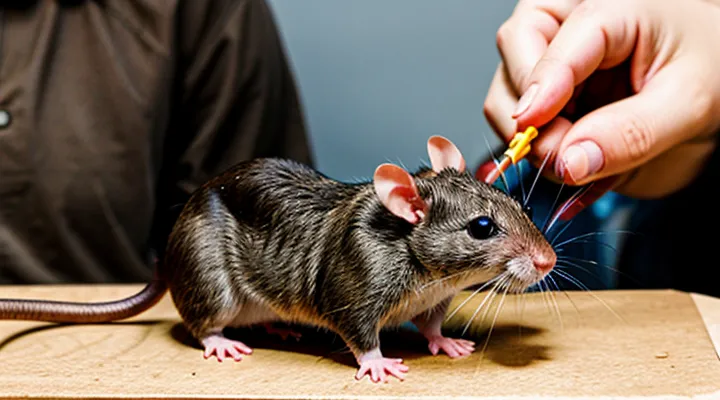
«Understanding Subcutaneous Injections»
«What is a Subcutaneous Injection?»
A subcutaneous injection delivers a fluid into the layer of tissue just beneath the skin, known as the subcutis. This space consists mainly of loose connective tissue and adipose cells, providing a relatively low‑pressure environment for absorption.
Key characteristics:
- Depth: Needle penetrates 2–5 mm, remaining above the underlying muscle.
- Absorption rate: Moderately rapid; drugs enter the systemic circulation through capillaries in the subcutis.
- Volume limits: Typically 0.1–0.5 mL for small rodents; larger volumes may cause tissue distension and leakage.
- Needle gauge: 25–27 G commonly used for rats, balancing ease of insertion with minimal trauma.
- Site selection: Dorsal neck, scruff, or flank region; area should be free of fur clumps, scar tissue, or infection.
The procedure requires preparation of the injection site with an alcohol swab, proper restraint of the animal, and a swift, smooth needle insertion at a shallow angle. Correct technique minimizes discomfort, reduces risk of intramuscular delivery, and ensures reliable dosing.
«Why Give a Subcutaneous Injection to a Rat?»
«Common Medications Administered Subcutaneously»
Subcutaneous injection is a routine route for delivering drugs to laboratory rats. The technique provides rapid absorption while minimizing stress and tissue damage. Selecting appropriate agents ensures reliable results and animal welfare.
Commonly used medications administered subcutaneously include:
- Analgesics such as buprenorphine (0.05–0.1 mg/kg) and meloxicam (1–2 mg/kg) for postoperative pain control.
- Antibiotics like enrofloxacin (5–10 mg/kg) and gentamicin (4–6 mg/kg) to treat bacterial infections.
- Hormones, for example, insulin (0.5–1 U/kg) to regulate glucose levels in metabolic studies.
- Immunosuppressants, including cyclosporine (10 mg/kg) and dexamethasone (0.5 mg/kg), for transplant or inflammation models.
- Vaccines and adjuvants, such as tetanus toxoid (0.1 mL) and Freund’s incomplete adjuvant, to induce immune responses.
When preparing injections, use sterile, pyrogen‑free solutions and ensure correct concentration to avoid volume overload. Typical injection volumes range from 0.1 mL to 0.5 mL per site; larger volumes increase the risk of tissue irritation. Rotate injection sites on the dorsal flank or scruff to prevent localized necrosis. Needles of 25–27 G length 5–13 mm provide adequate penetration without excessive trauma.
Storage guidelines vary by compound. Heat‑sensitive agents (e.g., insulin) require refrigeration at 2–8 °C, whereas many antibiotics remain stable at room temperature for limited periods. Label each vial with drug name, concentration, expiration date, and storage conditions to maintain traceability.
Monitoring after administration includes observing the injection site for swelling, redness, or discharge, and assessing physiological responses such as pain behavior or changes in body weight. Prompt identification of adverse reactions allows immediate intervention and preserves experimental integrity.
«Benefits of Subcutaneous Administration»
Subcutaneous administration in rodents offers reliable drug absorption while minimizing stress. The technique delivers agents into the loose tissue layer beneath the skin, where vascularization is sufficient for gradual systemic distribution.
Key advantages include:
- Consistent plasma concentrations due to slower, controlled release compared with intraperitoneal routes.
- Reduced risk of organ injury because the needle does not penetrate deep cavities.
- Simplified dosing; small volumes (0.1–0.3 mL) can be administered without requiring anesthesia in most cases.
- Lower incidence of peritonitis or abdominal adhesions, which are common complications of intraperitoneal injection.
- Compatibility with a wide range of formulations, including aqueous solutions, oils, and suspensions.
The method also facilitates longitudinal studies. Repeated dosing is feasible without cumulative tissue damage, allowing researchers to monitor chronic effects. Additionally, the injection site is easily observable, enabling rapid assessment of local reactions such as erythema or swelling.
Overall, subcutaneous delivery provides a balance of safety, pharmacokinetic stability, and procedural efficiency, making it a preferred route for many experimental protocols involving rats.
«Preparation for the Injection»
«Gathering Your Supplies»
«Medication»
When preparing a drug for subcutaneous administration in a laboratory rat, verify that the formulation is approved for rodent use and compatible with the injection site. Use only sterile, pyrogen‑free solutions; discard any preparation that shows cloudiness, precipitation, or expiration date breach.
Calculate the dose based on the animal’s weight (mg · kg⁻¹). Typical practice employs a volume not exceeding 0.1 mL per 10 g of body mass to avoid tissue distension. Record the exact amount drawn into the syringe, the concentration of the medication, and the calculated dose on the animal’s chart.
Key steps for medication handling:
- Store the product at the temperature specified by the manufacturer; protect light‑sensitive agents with amber vials or foil wrapping.
- Mix the solution gently; avoid vigorous shaking that can introduce bubbles.
- Use a calibrated 1 mL syringe with a 25‑ or 27‑gauge needle; ensure the needle length reaches the subcutaneous space without penetrating muscle.
- Label the syringe with drug name, concentration, dose, and administration time.
After injection, observe the rat for at least 15 minutes. Look for signs of pain, swelling, or abnormal behavior that may indicate an adverse reaction. Document any observations and report deviations from expected outcomes to the supervising veterinarian.
«Syringe and Needle»
A properly selected syringe and needle are essential for delivering a subcutaneous injection to a rat. Choose a sterile, disposable syringe with a capacity matching the required dose, typically 0.5 ml to 1 ml. Pair the syringe with a needle of 25‑27 G and a length of 5‑13 mm; the short length minimizes tissue trauma while the gauge provides sufficient flow for most aqueous solutions.
Before use, inspect the syringe for cracks and confirm the needle is securely attached. Withdraw the calculated volume of medication, then gently tap the barrel to dislodge any air bubbles. Expel the bubbles by pushing the plunger until a small droplet appears at the needle tip, ensuring accurate dosing.
When handling the needle, maintain aseptic technique: keep the tip covered until insertion, avoid touching the shaft, and handle the syringe by the barrel to prevent contamination. Position the rat in a restrained yet comfortable posture, lift a fold of skin over the dorsal neck region, and insert the needle at a shallow angle (10‑20°) into the subcutaneous space.
After delivery, withdraw the needle smoothly, apply light pressure with a sterile gauze pad if bleeding occurs, and discard the syringe and needle in a puncture‑proof container following institutional biohazard protocols.
«Gloves»
Gloves are the primary barrier protecting both the animal and the researcher during a subcutaneous injection in a rat. Selecting appropriate gloves reduces the risk of contaminating the injection site and prevents exposure to hazardous substances.
- Choose disposable nitrile or latex gloves that fit snugly; oversized gloves impair tactile feedback, while tight gloves may tear during needle handling.
- Verify that gloves are powder‑free to avoid introducing particles into the wound.
- Inspect gloves for punctures or tears before each use; compromised integrity defeats the protective function.
Proper donning technique ensures full coverage and maintains sterility. Wash hands thoroughly, then slide each glove on without touching the external surface. Adjust the cuff to sit just above the wrist, securing a seal that prevents fluid ingress.
During the procedure, gloves should be changed if they become soiled, punctured, or after handling multiple animals. Replacement maintains aseptic conditions and minimizes cross‑contamination between subjects.
After the injection, remove gloves by turning them inside out, avoiding contact with the outer surface. Dispose of them in a designated biohazard container. Hand hygiene follows removal to eliminate any residual contaminants.
Adhering to these glove protocols supports consistent, safe delivery of subcutaneous doses to rats while safeguarding laboratory personnel.
«Alcohol Swabs or Antiseptic»
Alcohol swabs or antiseptic solutions are the first point of contact with the injection site and must be applied correctly to reduce microbial contamination. Use a 70 % isopropyl alcohol pad or a sterile, non‑chlorhexidine antiseptic wipe. The pad should be saturated but not dripping; excess liquid can irritate the skin and interfere with needle insertion.
Before handling the animal, prepare a clean work surface and have the swab within easy reach. Follow these steps:
- Remove the swab from its packaging without touching the absorbent surface.
- Press the swab firmly against the intended injection area for at least 15 seconds, allowing the alcohol to evaporate completely.
- Observe the skin for any signs of discoloration or irritation; replace the swab if the surface appears compromised.
- Discard the used swab in a biohazard container immediately after use to prevent cross‑contamination.
Selecting a swab with a non‑woven fabric ensures even distribution of the antiseptic and minimizes fiber shedding. Store unopened swabs in a dry, temperature‑controlled environment to maintain sterility. When switching between animals, repeat the swabbing procedure for each subject to maintain aseptic conditions throughout the injection series.
«Restraint Device or Towel»
When performing a subcutaneous injection on a rat, secure handling is critical to prevent injury and ensure accurate dosing. A restraint device or a folded towel provides the necessary immobilization while allowing access to the dorsal neck region.
Select a restraint method that matches the animal’s size and temperament. Commercial restrainers, such as acrylic tubes with a narrowing aperture, hold the rat in a supine position without excessive pressure on the thorax. A towel, folded into a snug “sandwich,” can serve as an inexpensive alternative for short procedures. Ensure the material is clean, lint‑free, and pre‑moistened with sterile saline to reduce friction.
Prepare the restraint before the injection:
- Verify that the device or towel is free of tears and contaminants.
- Position the rat gently, supporting the forelimbs to maintain a natural posture.
- Confirm that the neck skin is taut and visible; adjust tension as needed.
- Hold the animal for no longer than necessary to minimize stress.
During injection, maintain the restraint without tightening further. Release the animal immediately after needle withdrawal, place it in a recovery cage, and monitor for adverse reactions. Clean reusable restrainers with an approved disinfectant; discard or launder towels according to biosafety protocols.
«Sharps Container»
A sharps container is the designated receptacle for all needles, syringes, and other puncturing instruments used during a subcutaneous injection in a rat. The container must be puncture‑resistant, leak‑proof, and clearly labeled with a biohazard symbol. It should be positioned within arm’s reach of the injection site to prevent unnecessary movement that could compromise sterility.
Key practices for managing the container include:
- Opening the lid only when a contaminated item is ready to be deposited; avoid placing hands inside the container.
- Disposing of each needle immediately after use; do not accumulate multiple items before disposal.
- Maintaining the container at a maximum fill level of 75 % to prevent over‑filling and potential breach.
- Securing the container with a tamper‑evident lid when it reaches capacity, then transporting it to an approved waste treatment facility.
Compliance with institutional and regulatory guidelines requires documentation of container location, fill status, and disposal date. Regular inspection of the container for cracks or compromised seals ensures ongoing protection for personnel and the environment.
«Preparing the Medication»
«Checking Dosage and Expiration»
When preparing a subcutaneous injection for a laboratory rat, confirming the correct dose and the viability of the medication is a non‑negotiable step. The dose must be calculated based on the animal’s weight, typically expressed in milligrams per kilogram. Use a calibrated scale to obtain the precise weight, then apply the formula: dose = desired concentration × weight (kg). Record the calculated volume to avoid transcription errors.
Verify the medication’s expiration date before drawing it into the syringe. Locate the date printed on the vial or ampoule; if the label is illegible, consult the batch record. Discard any product past its marked date, even if the appearance seems unchanged, because potency and sterility can decline over time.
A concise checklist ensures consistency:
- Weigh the rat and document the exact mass.
- Compute the required volume using the established concentration.
- Inspect the vial/ampoule for a clear, unbroken label.
- Confirm that the current date precedes the expiration date.
- Note the lot number and expiration date in the injection log.
- If any discrepancy arises, obtain a fresh, in‑date preparation before proceeding.
Maintaining these verification steps eliminates dosage errors and prevents the use of compromised reagents, thereby safeguarding experimental integrity and animal welfare.
«Drawing the Medication into the Syringe»
Draw the medication into the syringe with precision. Begin by confirming the correct vial and concentration; verify the expiration date and label. Attach a sterile needle appropriate for the volume required, ensuring a secure connection. Insert a small air bubble equal to the intended dose to prevent vacuum formation. Invert the vial, keeping the needle tip submerged in the liquid, and gently push the air into the vial. Slowly pull the plunger back, allowing the medication to fill the barrel until the desired volume is reached. Observe the column for air bubbles; if present, tap the syringe and expel the bubbles by nudging the plunger forward slightly, then re‑draw to the correct mark. Verify the final volume against the calibrated markings before proceeding to the injection site.
«Preparing the Rat»
«Handling and Restraint Techniques»
Proper handling and restraint are essential for safe subcutaneous administration in laboratory rats. The operator must maintain control of the animal while minimizing stress and preventing injury to both the subject and the researcher.
Begin by preparing a clean work surface, appropriate personal protective equipment, and a calibrated injection syringe. Place the rat in a calm environment for a brief acclimation period, then approach from the side to avoid startling the animal. Secure the rat using one of the following methods:
- Tube restraint: Insert the animal tail‑first into a transparent plastic tube, leaving only the head exposed. Hold the tube gently but firmly, ensuring the rat cannot turn or bite.
- Restraint board: Position the rat on a padded board with the forelimbs and hindlimbs gently spread. Use a soft strap or thumb loops to hold the limbs in place without excessive pressure.
- Hand restraint: Grasp the scruff of the neck with the thumb and forefinger while supporting the body with the remaining fingers. Apply steady pressure to keep the animal immobile.
During restraint, keep the animal’s back muscles relaxed. Observe for signs of excessive struggling; if detected, release the animal, allow a short recovery, and re‑attempt with an alternative technique. Once the rat is securely restrained, locate the loose skin over the dorsal cervical region, lift a fold of tissue, and insert the needle at a shallow angle (15–30°) into the subcutaneous space. Deliver the prescribed volume steadily, then withdraw the needle and release the animal back into its cage.
Consistent application of these techniques reduces procedural variability, improves injection accuracy, and upholds ethical standards for animal handling.
«Identifying the Injection Site»
The injection site for a subcutaneous dose in a laboratory rat is the loose skin over the dorsal thoracic region, typically between the shoulder blades and slightly lateral to the midline. This area provides ample subcutaneous tissue, minimal muscle interference, and reduces the risk of injury to internal organs.
To locate the site accurately:
- Restrain the animal gently but securely, using a tube or a hand‑held technique that keeps the forelimbs and hindlimbs extended.
- Lift the skin on the upper back with the thumb and forefinger to create a visible “tent.” The skin should rise easily, indicating sufficient loose tissue.
- Position the tented skin approximately 0.5–1 cm lateral to the vertebral column, avoiding the scapular region and the midline where the skin is tighter.
- Verify the area by palpating for a smooth, pliable surface without underlying bony structures or large blood vessels.
After identification, clean the chosen spot with an alcohol swab, allowing it to dry before needle insertion. This preparation ensures a sterile field and enhances the reliability of the subcutaneous delivery.
«Performing the Subcutaneous Injection»
«Steps for a Safe and Effective Injection»
«Cleaning the Injection Site»
Proper preparation of the injection area prevents contamination and ensures accurate dosing. Sterile technique reduces the risk of cellulitis, abscess formation, and erroneous drug absorption.
- Restrain the rat securely but gently to expose the dorsal neck or scruff region.
- Remove hair from the intended site with an electric clipper or fine scissors; avoid excessive pressure that may cause tissue trauma.
- Apply a single-use sterile gauze soaked in 70 % isopropyl alcohol; sweep in a circular motion from the center outward.
- Allow the alcohol to evaporate completely; a dry surface indicates effective disinfection.
- If visible debris remains, repeat the alcohol swipe with a fresh gauze piece.
After the site is dry, proceed directly to needle insertion without touching the area again. Maintaining a sterile field throughout the procedure preserves animal welfare and experimental integrity.
«Pinching the Skin»
Pinching the skin creates a temporary fold that separates the subcutaneous tissue from underlying muscle, facilitating accurate needle placement. The fold should be small enough to accommodate the needle length while remaining taut to prevent the needle from slipping.
- Grasp the dorsal neck or scruff region with thumb and forefinger, lifting the skin away from the spine.
- Apply gentle upward pressure to form a distinct, raised blister of tissue.
- Hold the pinched skin with the non‑injecting hand throughout the injection, releasing only after needle withdrawal.
A firm but not excessive pinch maintains consistent depth and reduces the risk of intramuscular delivery. Excessive tension can tear the dermis, while a weak pinch may allow the needle to penetrate too deeply. Ensure the animal is restrained securely before pinching to avoid sudden movements that could compromise the fold.
«Inserting the Needle»
When inserting the needle for a subcutaneous injection in a rat, grasp the syringe firmly with the dominant hand and hold the rat securely with the opposite hand, using a gentle scruff or a restraint device to keep the animal still. Locate the loose skin over the dorsal neck or the flank, pinch a fold of tissue between the thumb and forefinger to create a tented pocket, and ensure the skin is elevated away from underlying muscle.
Insert the needle at a 45‑degree angle to the skin surface, directing the tip toward the base of the tented fold. Advance the needle smoothly until the hub contacts the skin, then release the pinch and allow the needle to enter the subcutaneous space. The required depth typically corresponds to the length of the needle shaft (e.g., a 25‑gauge, 5‑mm needle), avoiding penetration of the underlying muscle or peritoneum. After delivery of the fluid, withdraw the needle at the same angle, release the skin fold, and apply gentle pressure with a sterile gauze to minimize bleeding.
Key steps for needle insertion
- Restrain the rat and expose a clean skin fold.
- Pinch the skin to form a tent.
- Hold the syringe steady; align the needle at 45°.
- Insert until the hub meets the skin, then release the pinch.
- Deliver the dose, withdraw the needle, and apply pressure.
«Administering the Medication»
Administering the medication requires precise preparation, accurate dosing, and controlled delivery. Begin by confirming the drug’s concentration and calculating the required volume for the animal’s weight. Use a calibrated syringe to draw the exact amount, avoiding air bubbles by tapping the barrel and expelling any trapped air.
Secure the rat in a restraining device or gently hold it with a firm but humane grip, exposing the loose skin over the dorsal thoracic region. Pinch the skin to create a tent, then insert the needle at a 45‑ to 90‑degree angle, bevel up, into the subcutaneous space. Advance the needle smoothly until resistance ceases, indicating proper placement.
Deliver the solution steadily, monitoring for any resistance that could suggest improper positioning. Withdraw the needle promptly, release the skin fold, and apply gentle pressure with a sterile gauze to minimize bleeding. Observe the animal for at least five minutes, checking for signs of distress, swelling, or leakage at the injection site.
Key points for successful medication delivery:
- Verify dosage calculations against the rat’s current weight.
- Use a needle size appropriate for the volume (typically 25‑27 G, ⅝‑inch).
- Maintain sterility throughout the procedure.
- Record the drug, dose, site, and time of administration in the animal’s log.
After injection, return the rat to its cage, provide fresh bedding, and ensure access to water and food. Document any adverse reactions immediately and adjust future protocols as needed.
«Withdrawing the Needle»
The needle must be removed smoothly to avoid tissue damage and ensure accurate dosing.
- Maintain a steady, gentle grip on the syringe barrel while keeping the needle tip aligned with the entry angle.
- Pull the syringe backward in a straight line, matching the angle used for insertion (typically 30–45°).
- Release the needle only after the full length has cleared the skin to prevent accidental puncture of underlying structures.
- Apply light pressure with a sterile gauze pad at the injection site for a few seconds to minimize bleeding and aid absorption.
- Dispose of the used needle immediately in a designated sharps container, following institutional biosafety protocols.
Consistent technique reduces animal stress, limits the risk of hematoma, and preserves the integrity of the administered compound.
«Post-Injection Care»
«Monitoring the Rat»
Monitoring the rat throughout the injection process safeguards animal welfare and preserves data integrity.
Before the injection, verify the subject’s condition. Record weight, body temperature, and any visible abnormalities. Observe baseline activity, grooming, and respiratory rhythm to establish a reference point.
During the injection, maintain gentle restraint and confirm correct needle insertion beneath the skin. Watch for sudden movements, vocalizations, or resistance that may indicate distress.
After the dose is delivered, continue observation for a minimum of 30 minutes. Key points include:
- Redness, swelling, or leakage at the injection site.
- Changes in posture, gait, or locomotor activity.
- Alterations in breathing rate or pattern.
- Signs of pain such as excessive grooming of the injection area.
Document all observations in a structured log, noting time stamps, physiological measurements, and any interventions required. Consistent monitoring enables timely identification of adverse reactions and supports reproducible experimental outcomes.
«Proper Disposal of Sharps»
When administering a subcutaneous injection to a rat, the immediate handling of used needles determines laboratory safety and environmental compliance. Sharps must be placed in a puncture‑resistant, leak‑proof container that meets institutional and governmental standards. The container should be labeled with biohazard symbols and the date of collection; it must remain closed until it reaches a certified disposal service.
- Deposit each needle directly into the container without recapping.
- Replace the container lid promptly after each insertion.
- Do not overfill; stop when the container reaches the marked fill line (typically 75 % capacity).
- Transport sealed containers in secondary, rigid boxes labeled “Sharps Waste.”
- Deliver containers to an authorized incineration or autoclave facility within the schedule defined by the institution’s waste management plan.
Maintain a log that records container serial numbers, fill dates, and disposal dates. Periodic audits verify adherence to occupational health regulations and prevent accidental exposure. Proper sharps disposal eliminates needle stick risk, protects personnel, and satisfies legal requirements for biomedical waste handling.
«Potential Complications and Troubleshooting»
«Common Issues During Injection»
«Needle Bending or Breaking»
When administering a subcutaneous injection to a rat, the integrity of the needle is critical. Bending or breaking compromises dosage accuracy, increases tissue trauma, and may cause needle fragments to remain in the animal.
Common causes of needle deformation include:
- Using a needle of insufficient gauge for the required injection volume.
- Applying excessive force during insertion, especially if the skin is taut.
- Reusing a needle after it has been withdrawn once.
- Contact with hard surfaces such as metal or the cage floor during handling.
Preventive measures:
- Select a 25‑27‑gauge needle with a length appropriate for the rat’s size (typically 5‑7 mm).
- Hold the needle at a shallow angle (15‑30°) and insert smoothly, avoiding jerky motions.
- Use a sterile, single‑use needle; discard after each animal.
- Keep the needle protected in a rigid holder or cap until the moment of injection.
- Inspect the needle visually and by gentle palpation for any signs of deformation before use.
If bending is suspected, replace the needle immediately. A broken needle requires prompt retrieval: locate the fragment by gentle palpation, use fine forceps under a magnifying lens, and document the incident in the animal’s record. Following removal, monitor the rat for signs of infection or inflammation at the site.
Routine checks of equipment, adherence to proper technique, and strict single‑use policies minimize the risk of needle bending or breakage, ensuring reliable and humane subcutaneous administration.
«Medication Leakage»
Medication leakage refers to the unintended escape of a drug from the injection site into surrounding tissues or the external environment during a subcutaneous administration in a rat. Leakage reduces the delivered dose, compromises experimental consistency, and may cause local irritation or systemic toxicity if the solution spreads beyond the intended depot.
Common causes include excessive injection volume, high injection pressure, improper needle gauge, and failure to secure the needle tip within the subcutaneous space. Rapid needle withdrawal before the drug fully disperses can also create a pathway for fluid to leak back along the needle track.
Preventive measures:
- Select a needle gauge appropriate for the solution viscosity and volume (typically 25‑27 G for rodents).
- Limit injection volume to 0.1 mL per site to avoid tissue distension.
- Insert the needle at a shallow angle (10‑20°) and confirm subcutaneous placement by a slight “tenting” of the skin.
- Deliver the drug slowly, pausing briefly before withdrawing the needle to allow tissue absorption.
- Apply gentle pressure with a sterile gauze on the injection site for a few seconds after needle removal to seal the tract.
If leakage is observed, immediate actions include cleaning the spilled medication with absorbent material, re‑injecting the missed dose at a new site, and documenting the incident for future protocol adjustments. Regular training on technique and routine equipment checks further minimize the risk of leakage.
«Rat Movement and Resistance»
Rats exhibit rapid, unpredictable locomotion when restrained, often shifting weight between fore‑ and hind‑limbs and attempting to escape by climbing or twisting. The dorsal flank, the preferred site for subcutaneous delivery, is covered by a thin layer of skin that can be stretched or folded by the animal’s movements, reducing visibility of the injection point and increasing the risk of misplaced needle placement.
Resistance arises from two primary sources: muscular tension generated by stress and reflexive guarding of the injection area. Elevated corticosterone levels amplify muscle tone, making the skin less pliable and causing the animal to retract its abdomen when pressure is applied. Concurrently, the rat’s instinctive response to tactile stimulation can trigger a brief, vigorous jerk that displaces the needle.
Effective management of movement and resistance includes:
- Pre‑injection acclimation: handle the rat for several minutes before the procedure to lower stress‑induced muscle tone.
- Proper restraint: use a dedicated restraining device that secures the fore‑limbs while allowing controlled access to the flank.
- Skin tenting: gently lift a small skin fold with thumb and forefinger to create a stable pocket for needle insertion.
- Needle angle: insert at a shallow 30‑45° angle to follow the natural contour of the subcutaneous layer, reducing the chance of penetration into muscle.
- Rapid administration: deliver the volume within 2–3 seconds to limit the window for reflexive movement.
By anticipating the rat’s locomotor patterns and mitigating physiological resistance, the practitioner can achieve accurate subcutaneous delivery with minimal trauma and consistent dosing.
«Signs of Adverse Reactions»
«Localized Swelling or Redness»
Localized swelling or redness frequently appears at the injection site after a rat receives a subcutaneous dose. The reaction manifests as a raised, firm area that may be warm to the touch and accompanied by erythema. Swelling typically develops within minutes to a few hours, while redness can persist for up to 24 hours. Both signs indicate an inflammatory response to needle trauma, volume of injectate, or irritant properties of the solution.
Assessment should include visual inspection, palpation, and measurement of the affected area. Record the diameter of the swelling and the intensity of the redness using a standardized scale (e.g., 0 = none, 1 = mild, 2 = moderate, 3 = severe). Note any accompanying signs such as heat, pain on pressure, or behavioral changes (e.g., reduced grooming or altered locomotion). Documentation enables comparison across procedures and identification of trends.
Management of mild to moderate reactions involves:
- Applying a sterile, cold compress for 5–10 minutes to reduce edema.
- Monitoring the site every 2–4 hours for expansion or worsening.
- Administering a low‑dose anti‑inflammatory agent (e.g., meloxicam) if pain is evident, following institutional dosing guidelines.
- Ensuring the rat remains in a clean, dry environment to prevent secondary infection.
Preventive measures focus on technique and formulation:
- Use a 25‑ to 27‑gauge needle, inserting at a shallow angle (10–15°) to minimize tissue disruption.
- Limit injection volume to no more than 0.1 ml per site; distribute larger doses across multiple sites if necessary.
- Verify that the solution is isotonic and free of particulate matter; filter if required.
- Rotate injection sites on the dorsal flank to avoid repeated trauma to the same area.
Prompt recognition and appropriate response to localized swelling or redness preserve animal welfare and maintain the integrity of experimental data.
«Systemic Reactions»
Systemic reactions may appear within minutes to several hours after a subcutaneous administration in a rat. Observation of behavior, respiration, and cardiovascular parameters provides the primary means of detection.
Typical manifestations include:
- Lethargy or reduced locomotor activity
- Rapid, shallow breathing or respiratory distress
- Tachycardia or arrhythmias detectable by pulse palpation or ECG
- Hypothermia or hyperthermia measurable with a rectal probe
- Vomiting or salivation, indicating central nervous system involvement
- Anaphylactic signs such as facial swelling, urticaria, and sudden collapse
Management requires immediate supportive care. Administer warmed isotonic saline intraperitoneally to counter hypotension, and provide supplemental oxygen through a flow‑through chamber. Antihistamines (e.g., diphenhydramine) and corticosteroids can mitigate allergic responses; dosages should follow established rodent guidelines. Continuous monitoring for at least two hours post‑injection is recommended to capture delayed onset reactions. Documentation of onset time, severity, and interventions informs future protocol adjustments and enhances animal welfare.
«When to Seek Veterinary Assistance»
After a subcutaneous injection in a rat, immediate observation is essential. Detecting abnormal reactions promptly prevents complications and ensures animal welfare.
Signs that demand professional veterinary care include:
- Persistent swelling or hardening at the injection site exceeding 24 hours.
- Rapid onset of severe pain, indicated by vocalization, aggression, or inability to move normally.
- Profuse bleeding or uncontrolled hemorrhage from the puncture site.
- Sudden respiratory distress, labored breathing, or cyanotic mucous membranes.
- Unexplained lethargy, loss of appetite, or marked weight loss within 48 hours.
- Fever above normal body temperature (approximately 38 °C) persisting beyond 12 hours.
- Neurological abnormalities such as tremors, ataxia, or seizures.
- Signs of infection: pus, foul odor, or increasing warmth around the injection area.
If any of these conditions appear, contact a veterinarian without delay. Early intervention reduces the risk of systemic infection, tissue necrosis, or organ failure.
«Best Practices and Safety Considerations»
«Maintaining Sterility»
Maintaining sterility throughout the procedure prevents infection and ensures reliable experimental outcomes. Begin each session by donning sterile gloves, a lab coat, and a surgical mask. Disinfect the work surface with 70 % ethanol, allowing it to air‑dry before placing instruments.
Prepare all materials in a designated sterile field. Use pre‑sterilized syringes, needles, and injection pads; keep them sealed until the moment of use. If reusable items are required, autoclave them at 121 °C for at least 15 minutes and store them in a closed container.
During the injection, follow these practices:
- Swab the injection site with a fresh ethanol pad; let the alcohol evaporate completely.
- Hold the needle with a sterile grip, avoiding contact with non‑sterile surfaces.
- Dispose of the needle immediately after use in a sharps container; do not reuse.
- Clean the work area after each animal with disposable wipes saturated with disinfectant.
After the session, remove gloves and coat without touching the exterior of the sterile packaging. Perform hand hygiene with an alcohol‑based sanitizer. Store all remaining sterile supplies in a locked cabinet or a laminar flow hood to protect them from airborne contaminants.
Document any breaches in aseptic technique promptly, and replace compromised items before the next injection. Adhering to these protocols maintains a contamination‑free environment and supports reproducible results.
«Animal Welfare and Stress Reduction»
Ensuring the well‑being of laboratory rodents during a subcut injection requires meticulous planning and execution. The animal’s physiological state, handling technique, and environmental conditions directly influence stress levels and the reliability of experimental outcomes.
Key actions to minimize distress include:
- Acclimating the rat to the procedure area for at least 10 minutes before handling.
- Using gentle, low‑force restraint devices that allow quick access to the dorsal flank without excessive compression.
- Maintaining ambient temperature between 20–24 °C and providing a quiet environment to prevent hypothermia and auditory stress.
- Applying a brief, low‑intensity anesthetic or sedative only when the protocol permits, reducing anxiety without compromising the injection site.
Technical execution should focus on precision and speed. Select a 25‑ to 27‑gauge needle, insert at a shallow angle (15–30°) into the loose subcutaneous tissue, and deliver the volume steadily to avoid tissue rupture. Discard the needle immediately after use to prevent accidental injury.
After injection, observe the rat for at least 5 minutes. Record any signs of pain, abnormal grooming, or impaired mobility. Provide a soft bedding surface and readily accessible water to support recovery. Prompt documentation of observations facilitates ongoing welfare assessment and protocol refinement.
«Record Keeping»
Accurate documentation is essential for reproducibility, regulatory compliance, and animal welfare when performing subcutaneous injections on laboratory rats. Each procedure must be logged immediately after completion to prevent data loss and to provide a reliable audit trail.
- Animal identification (species, strain, sex, unique ID number)
- Date and exact time of injection
- Investigator’s name and role in the procedure
- Drug information (name, concentration, total dose, lot number, expiration date)
- Injection specifics (site on the flank, needle gauge, needle length, volume administered)
- Preparation details (solvent used, any diluents, sterilization method)
- Observations of immediate reaction (e.g., erythema, swelling, abnormal behavior)
- Follow‑up assessments (daily health checks, weight measurements, any delayed adverse events)
Records should be stored in a format that ensures durability and accessibility. Electronic laboratory notebooks or validated database systems provide searchable, time‑stamped entries and facilitate backup. If paper forms are used, they must be filed in a secure, climate‑controlled environment and duplicated for off‑site storage. Retention periods must meet institutional and governmental guidelines, typically spanning the duration of the study plus a minimum of five years.
Periodic review of the logbook confirms consistency across experiments, identifies trends in animal response, and supports corrective actions when deviations arise. Standard operating procedures should reference the required fields and outline the process for updating records, ensuring every staff member follows the same protocol.
«Personal Safety Precautions»
When handling rodents for subcutaneous administration, personal protection prevents injury and contamination. Wear disposable nitrile gloves that cover the wrist and change them between animals. Use a lab coat with long sleeves; replace it if it becomes soiled. Secure safety goggles or a face shield to guard against accidental splashes.
Maintain a clean work surface. Disinfect the area before and after each procedure with an appropriate EPA‑registered agent. Keep sharps in a puncture‑proof container; never recap needles. Dispose of used syringes and vials in designated biohazard waste.
Control exposure to anesthetic or analgesic agents. Operate within a fume hood if volatile compounds are used. Store chemicals in labeled, sealed containers away from the injection site.
Implement procedural safeguards:
- Verify the correct drug, concentration, and dosage before drawing up the syringe.
- Confirm animal identification to avoid cross‑administration.
- Perform a quick visual inspection of the injection site for lesions or inflammation.
- Inject at a shallow angle (15‑30°) to reduce tissue trauma.
- Release the needle immediately after delivery; apply gentle pressure with sterile gauze if bleeding occurs.
Document each step in a lab notebook, noting any deviations or adverse reactions. Review the record regularly to refine techniques and uphold safety standards.