
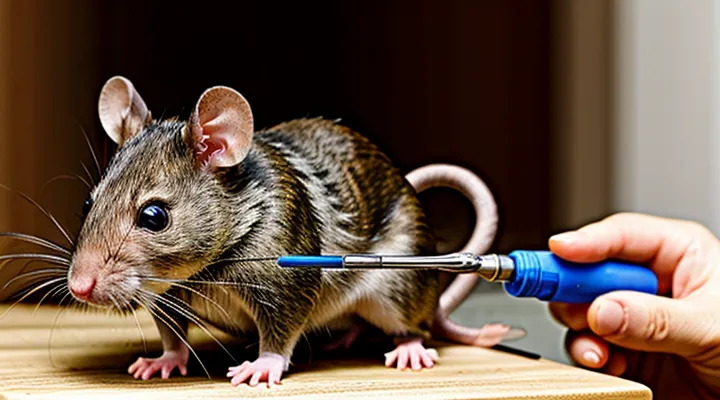
Understanding the Basics of Rat Injections
Why Injections are Necessary for Rats
Injections provide a reliable method for administering substances that cannot be delivered effectively by oral or topical routes. The rat’s small size and rapid metabolism often limit drug absorption when given through food or water, making parenteral delivery essential for precise therapeutic outcomes.
- Accurate dosing: Injected volumes can be measured to milliliter precision, ensuring each animal receives the intended concentration.
- Rapid systemic distribution: Intraperitoneal or subcutaneous routes introduce compounds directly into the bloodstream or peritoneal cavity, achieving therapeutic levels faster than gastrointestinal absorption.
- Vaccination and disease prevention: Many immunizations require injectable formulations to stimulate an appropriate immune response in laboratory rodents.
- Research consistency: Controlled administration eliminates variability caused by differing ingestion patterns, supporting reproducible experimental results.
- Delivery of biologics: Proteins, peptides, and nucleic acids are often degraded in the digestive tract; injection bypasses this barrier, preserving biological activity.
Overall, injections are indispensable for achieving reliable, timely, and reproducible effects in rat-based studies and veterinary care.
Types of Injections for Rats
Subcutaneous (SQ) Injections
Subcutaneous injections deliver medication into the tissue layer between the skin and underlying muscle, providing a slow, steady absorption rate ideal for many rodent treatments. The technique requires a small‑volume syringe, a fine‑gauge needle (typically 25‑30 G), and a sterile preparation site on the rat’s dorsal neck or flank.
The procedure consists of the following steps:
- Prepare the dose – draw the exact volume into the syringe, remove air bubbles, and verify the concentration.
- Restrain the animal – gently hold the rat in a secure but non‑stressful position, exposing the injection site.
- Pinch the skin – lift a fold of loose skin to create a tent, ensuring the needle will enter the subcutaneous space rather than muscle.
- Insert the needle – angle the needle at 30–45 degrees, advancing it into the tented skin until the bevel is fully embedded.
- Deliver the medication – depress the plunger smoothly, avoiding excessive pressure that could cause tissue damage.
- Withdraw and release – pull the needle straight out, release the skin fold, and monitor the rat for immediate reactions.
Key considerations include using sterile equipment, confirming the correct injection angle, and limiting the volume to no more than 0.2 ml per 10 g of body weight to prevent tissue distension. After injection, observe the site for swelling, redness, or leakage, and record the administered dose for future reference.
Intramuscular (IM) Injections
Intramuscular injection delivers medication directly into a rat’s skeletal muscle, providing rapid absorption and reliable dosing for vaccines, analgesics, and hormonal treatments.
Preparation requires a sterile 27‑30 G needle, a syringe calibrated for the exact volume, the drug prepared at the correct concentration, and a clean work surface. Calculate dose per kilogram, draw the solution without introducing air bubbles, and label the syringe. Restrain the animal using a gentle but firm technique, such as a plexiglass restrainer or a towel wrap, to prevent movement while maintaining normal respiration.
Select the lateral thigh (quadriceps) or the hindlimb gluteal muscle as the injection site. The chosen muscle should be palpable, free of scar tissue, and away from major nerves and blood vessels. Clip hair, disinfect the area with an alcohol swab, and allow it to dry.
Insert the needle at a 90‑degree angle, advancing until the hub contacts the skin then penetrating an additional 5‑7 mm depending on muscle depth. Aspirate briefly; if blood appears, withdraw and select a new site. Inject the medication steadily, then withdraw the needle swiftly and apply gentle pressure with a sterile gauze to minimize bleeding.
Observe the rat for at least 15 minutes, monitoring for signs of distress, swelling, or abnormal gait. Record the date, drug, dose, site, and any adverse reactions in the animal’s health log. Dispose of sharps in a puncture‑proof container and clean the work area with an appropriate disinfectant.
Intraperitoneal (IP) Injections
Intraperitoneal injection delivers substances into the abdominal cavity of a rat, providing rapid systemic absorption for pharmacological, experimental, or therapeutic purposes.
Required equipment
- Sterile syringes (1 ml or 2 ml) with Luer‑lock
- Disposable needles, 25‑27 G, ½ in. length
- Alcohol swabs or 70 % isopropyl wipes
- Personal protective equipment (gloves, lab coat, eye protection)
- Restraint device or a soft towel for manual handling
- Waste container for sharps
Preparation
- Verify dose, calculate volume based on animal weight (maximum 2 ml kg⁻¹, usually ≤0.5 ml per injection).
- Warm solution to room temperature; avoid bubbles by gently tapping the syringe.
- Attach needle, ensure a secure Luer‑lock connection.
- Disinfect the injection site (lower right quadrant of the abdomen) with an alcohol swab; allow to dry.
Restraint and positioning
- Hold the rat securely, either in a restraining tube or wrapped in a towel, exposing the ventral surface.
- Tilt the animal 30–45° head‑down to shift abdominal organs away from the injection site.
- Identify the injection point: approximately 0.5 cm lateral to the midline, midway between the last rib and the pelvis.
Injection technique
- Insert the needle at a 30–45° angle, bevel up, penetrating the skin and peritoneum.
- Advance 5–7 mm; aspirate gently to confirm absence of blood or urine.
- Depress the plunger slowly, delivering the calculated volume.
- Withdraw the needle along the same trajectory; apply gentle pressure with a sterile swab to prevent leakage.
Post‑procedure care
- Return the rat to its cage, monitor for at least 15 min for signs of distress, abnormal respiration, or injection site irritation.
- Record injection details (date, time, dose, volume, needle size) in the experimental log.
- Dispose of used needles in a designated sharps container; decontaminate reusable equipment according to institutional biosafety protocols.
Essential Safety Precautions
Personal Protective Equipment (PPE)
When administering an injection to a laboratory rat, personal protective equipment (PPE) safeguards both the animal handler and the subject from accidental exposure to needles, drugs, or biological material.
Select PPE that resists puncture, fluid penetration, and aerosol contact. Typical components include:
- Nitrile or latex gloves, double‑gloved when handling sharp instruments.
- Disposable lab coat or surgical gown with sealed cuffs.
- Protective goggles or a full face shield to block splashes.
- Disposable mask or respirator if the injected substance is volatile or aerosolized.
- Closed‑toe shoes; shoe covers optional in high‑contamination zones.
Donning follows a defined order: clean hands → gloves → mask → goggles → gown. Each item must be inspected for tears before use.
During the procedure, maintain a sterile field around the injection site. Avoid touching non‑sterile surfaces with gloved hands.
After the injection, remove PPE in reverse sequence: gown → goggles → mask → gloves. Perform hand hygiene immediately after glove removal. Discard all single‑use items in designated biohazard containers; decontaminate reusable equipment according to institutional protocols.
Adhering to these PPE practices minimizes risk of needle sticks, drug exposure, and cross‑contamination while ensuring compliance with laboratory safety standards.
Rat Restraint Techniques
Effective restraint is essential for delivering a reliable injection to a laboratory rat while minimizing stress and injury to both animal and handler. Proper technique ensures accurate dosing, reduces movement, and protects the researcher’s hands from bites.
Key restraint methods include:
- Manual thumb‑and‑forefinger grip: Place the rat on a flat surface, gently lift the head with the thumb and index finger, and secure the torso with the remaining fingers. Maintain light pressure to keep the animal immobile without compromising breathing.
- Towel or cloth wrap: Lay a small, clean towel on the workbench, position the rat on its back, and fold the towel over the body, leaving the head exposed. The wrap restricts limb movement while allowing easy access to the injection site.
- Transparent restraining tube: Insert the rat into a clear acrylic tube of appropriate diameter, leaving only the tail or a forelimb protruding for injection. The tube confines the animal while permitting visual monitoring.
- Restraint board with head fixation: Secure the rat’s forepaws to a board using gentle tape or a Velcro strap, and hold the head with a small loop or soft clamp. This method provides stable positioning for subcutaneous or intramuscular injections.
- Chemical sedation: Administer a minimal dose of an inhalant or injectable anesthetic to achieve brief immobilization. Use only when physical restraint is insufficient or when repeated injections are required.
When applying any technique, follow these safety principles:
- Verify that the animal is healthy and not exhibiting signs of distress before restraint.
- Use gloves and, if necessary, bite‑guards to protect hands.
- Observe the rat’s respiration continuously; release pressure immediately if breathing becomes labored.
- Limit restraint duration to the shortest time needed for the injection.
- Record the method used and any observations for reproducibility and compliance with institutional animal care guidelines.
Handling Needles and Syringes Safely
When preparing to inject a rat, secure the needle and syringe before any contact with the animal. Choose a needle gauge appropriate for the volume and viscosity of the solution; a 27‑30 G needle minimizes tissue trauma. Verify that the needle is intact, free of bends, and that the syringe plunger moves smoothly. If any defect is observed, discard the item and select a new set.
- Sterilization – Use sterile, single‑use syringes whenever possible. For reusable equipment, immerse in an approved disinfectant for the manufacturer‑specified duration, then rinse with sterile water and allow to air‑dry on a clean surface.
- Personal protection – Wear disposable gloves and, if required by institutional policy, a face shield or safety glasses. Ensure the glove surface is intact; replace immediately if compromised.
- Preparation – Attach the needle to the syringe with a firm twist, avoiding cross‑threading. Pull back the plunger to check for air bubbles; tap the barrel and expel any bubbles before proceeding.
- Handling – Hold the syringe near the hub, not the needle, to maintain control and reduce the risk of accidental puncture. Keep the needle point directed away from the body and any other personnel.
- Disposal – After the injection, place the used needle and syringe into a puncture‑proof sharps container without recapping. Close the container promptly and label it according to laboratory waste guidelines.
Maintain a clean work area throughout the procedure. Replace the work surface with a disinfectant wipe after each injection session. Document the lot numbers of needles and syringes used, along with any incidents, to support traceability and safety audits.
Preparing for the Injection
Gathering Your Supplies
Syringes and Needles
When administering an injection to a laboratory rat, the choice of syringe and needle determines dosage accuracy, animal comfort, and procedural safety. A 1‑ml syringe provides fine control for volumes under 0.5 ml, while a 0.5‑ml syringe is preferable for doses of 0.1–0.3 ml. Both should be calibrated, free from defects, and sterilized before use.
Needle selection depends on injection site and substance viscosity. Typical specifications include:
- 25‑gauge, 5 mm length for subcutaneous injections; minimizes tissue trauma.
- 27‑gauge, 13 mm length for intraperitoneal delivery; allows deeper penetration.
- 30‑gauge, 12 mm length for intramuscular administration in the hindlimb; reduces pain.
Use needles with Luer‑lock connections to prevent detachment during the procedure. Prior to drawing medication, withdraw the required volume, expel air bubbles, and confirm the correct dose by visual inspection of the syringe scale.
After injection, dispose of the syringe and needle in a designated sharps container. Decontaminate the work area with an appropriate disinfectant. Record the syringe model, needle gauge, and administered volume for reproducibility and regulatory compliance.
Medication and Dosage
When injecting a rat, choose a medication formulated for rodents or approved for veterinary use. Verify the drug’s concentration, expiration date, and storage conditions before handling.
Calculate the exact dose based on the animal’s weight. Use the following steps:
- Weigh the rat to the nearest gram.
- Convert weight to kilograms (kg = grams ÷ 1000).
- Multiply the target dosage (mg /kg) by the weight in kilograms to obtain the required milligrams.
- Divide the required milligrams by the drug’s concentration (mg /ml) to determine the injection volume in milliliters.
Prepare the dose immediately before administration. Draw the calculated volume into a sterile syringe, remove air bubbles, and keep the syringe at room temperature for no more than a few minutes.
Inject the medication intraperitoneally or subcutaneously, depending on the drug’s recommended route. Use a needle appropriate for the volume (typically 27‑30 G). Administer the dose steadily, avoiding excessive pressure that could cause tissue damage. Record the administered amount, time, and any immediate reactions for future reference.
Disinfectants and Wipes
When preparing a rat for an injection, the injection site must be sterile to prevent infection and ensure accurate drug delivery. Select a disinfectant that is effective against common rodent pathogens and safe for dermal application. Preferred options include:
- 70 % isopropyl alcohol: rapid evaporation, broad‑spectrum antimicrobial activity, minimal tissue irritation when applied briefly.
- Chlorhexidine gluconate (0.05 %–0.5 % solution): persistent bactericidal effect, suitable for repeated use on the same animal.
- Povidone‑iodine (1 %–10 % solution): strong antiseptic, compatible with most skin types, requires thorough drying before injection.
Choose wipes pre‑moistened with one of the above solutions. Ensure the wipe material is lint‑free to avoid introducing fibers into the injection site. Follow these steps:
- Open the sterile package, expose only the wipe needed.
- Apply the wipe to the designated area using a firm, circular motion for 5–10 seconds.
- Allow the disinfectant to air‑dry completely; residual moisture can dilute the injected substance.
- Discard the used wipe in a biohazard container.
Avoid using harsh chemicals such as bleach or hydrogen peroxide, as they can cause skin irritation and compromise the animal’s comfort. Store disinfectant wipes in a cool, dry place, away from direct sunlight, to preserve efficacy. Regularly inspect packaging for damage or expiration dates to maintain sterility.
Treats and Comfort Items
Treats and comfort items are essential tools for minimizing stress during a rat injection. Offer a high‑value food reward immediately before handling to encourage cooperation. Suitable options include small pieces of fruit (banana, apple), seed mixes, or commercial rodent treats. Limit the amount to a few bites to avoid over‑feeding.
Comfort items create a familiar environment that eases anxiety. Place a soft nesting material, such as shredded paper or cotton, in the holding container. A piece of the cage’s regular bedding can be added to the injection area. A gentle scent, like a dab of lavender on a cotton ball placed away from the injection site, may further calm the animal.
When preparing the injection, follow these steps:
- Pre‑hand‑off – Present the chosen treat, allow the rat to take it, then gently transfer to the restraint device.
- Restraint – Use a clean, snug tube or a hand‑wrap that supports the body without compressing the limbs.
- Injection – Perform the injection quickly and accurately.
- Post‑injection reward – Immediately give another small treat and return the rat to its familiar bedding.
Select treats that the rat readily accepts and that do not interfere with the medication. Keep comfort items clean and free of contaminants to maintain a hygienic environment. Consistent use of these incentives improves compliance and reduces the likelihood of injury to both the animal and the handler.
Preparing the Medication
Checking Expiration Dates
Before administering any injection to a rat, verify that every component is within its usable lifespan. Using expired medication, syringes, or needles can compromise the procedure, introduce contamination, and affect the animal’s health.
- Locate the expiration date printed on the vial, ampule, or packaging. If the label is faded, compare the batch number with the manufacturer’s records.
- Confirm that the date is at least several days beyond the planned injection. Do not rely on a “best‑before” date that has already passed.
- Inspect the integrity of the container. Cracks, discoloration, or compromised seals invalidate the product even if the date appears current.
- Record the checked date in a logbook or digital system. Include the product name, lot number, and the date of verification.
- Discard any item that fails these checks according to institutional waste‑disposal protocols.
By following this verification routine, you eliminate a common source of error and maintain the reliability of the injection process.
Drawing Up the Correct Dosage
Accurate dosage prevents under‑ or overdosing, which can compromise experimental outcomes and animal welfare.
Determine the required volume by multiplying the rat’s body weight (grams) by the prescribed dose (mg kg⁻¹), then dividing by the drug’s concentration (mg ml⁻¹). Example calculation: a 250 g rat receiving 5 mg kg⁻¹ of a solution at 10 mg ml⁻¹ needs (0.25 kg × 5 mg kg⁻¹) ÷ 10 mg ml⁻¹ = 0.125 ml.
Prepare the syringe:
- Select a sterile syringe with a volume equal to or slightly larger than the calculated dose.
- Attach a sterile needle of appropriate gauge.
- Expel air equal to the target volume to avoid creating a vacuum in the vial.
- Insert the needle through the vial’s rubber stopper, withdraw the calculated volume, and keep the syringe upright to prevent bubbles.
- Tap the barrel, then gently push the plunger to expel any trapped air, ensuring the final volume matches the calculation.
Confirm the drawn volume by aligning the syringe’s graduation marks with the needle hub. Record the exact amount before proceeding with the injection.
Removing Air Bubbles
When preparing a syringe for a rat injection, eliminating air bubbles prevents tissue damage and ensures accurate dosing. After drawing the required volume of medication, hold the syringe upright with the needle pointing upward. Gently tap the barrel to coax bubbles toward the hub. Once bubbles gather at the top, slowly depress the plunger until a small droplet emerges from the needle tip, confirming that only liquid remains in the syringe.
Key points for reliable bubble removal:
- Keep the syringe vertical; gravity assists bubble migration.
- Use light taps rather than vigorous shaking to avoid frothing the solution.
- Expel the last 0.1 ml of fluid; this volume typically contains residual air.
After clearing the syringe, verify the absence of bubbles by inspecting the barrel through the transparent wall. A clear, uninterrupted column of liquid indicates readiness for injection. Proceed with the injection using the standard technique for rats, confident that the dose is free of air contaminants.
Preparing the Rat
Creating a Calm Environment
A calm environment reduces stress‑induced movement, allowing precise needle placement and minimizing injury risk.
- Choose a quiet room away from loud equipment or heavy foot traffic.
- Dim overhead lighting; use a low‑watt lamp to avoid glare that may startle the animal.
- Maintain a stable temperature between 22‑24 °C; extreme heat or cold can increase agitation.
- Place a soft, non‑slippery surface (e.g., a silicone mat) on the workbench to give the rat secure footing.
- Limit odors by cleaning the area with unscented disinfectant and allowing it to dry completely before handling.
Before the procedure, allow the rat to acclimate to the space for 5‑10 minutes. During this period, handle the animal gently, supporting its body with both hands to convey stability. Avoid sudden movements; maintain a steady, deliberate pace throughout the injection process.
Gentle Restraint Methods
Effective restraint minimizes stress and reduces the risk of injury during a rat injection. The goal is to secure the animal without applying excessive force, allowing precise needle placement and rapid completion of the procedure.
- Towel wrap: Place a soft, clean towel on a flat surface, lay the rat belly‑up, and gently fold the towel over the forepaws and head, leaving the hind limbs exposed for injection. The wrap should be snug but not constrictive, permitting limited movement while preventing escape.
- Scruff hold: Grasp the loose skin at the nape of the neck with thumb and forefinger, lifting the animal just enough to immobilize the forelimbs. Maintain a firm yet brief grip; release immediately after the injection to avoid prolonged discomfort.
- Restraint cone: Insert the rat into a transparent plastic cone that tapers toward the neck. The cone restricts forward motion while keeping the head accessible for subcutaneous or intraperitoneal injection. Adjust the cone size to fit the animal comfortably.
- Hand‑over‑hand technique: One hand supports the rat’s torso, while the other hand gently guides the hind leg into position. This method provides direct control without the need for external devices and is useful for repeated dosing sessions.
Regardless of the method, follow these universal steps: verify the animal’s health status, use clean equipment, maintain a calm environment, and monitor the rat for immediate adverse reactions after the injection. Proper restraint ensures reliable dosing and promotes animal welfare throughout the procedure.
Locating the Injection Site
Accurate placement of the needle prevents tissue damage and ensures reliable drug delivery.
Identify the anatomical region appropriate for the intended route. For subcutaneous injections, the loose skin over the dorsal cervical area (the “scruff”) provides a thick, easily lifted fold. For intraperitoneal injections, the lower right quadrant of the abdomen offers a clear entry point away from the bladder and reproductive organs.
Procedure for locating the site:
- Secure the rat in a gentle restraint, holding the forelimbs close to the body.
- Using the thumb and forefinger, grasp the skin at the chosen region and create a firm but gentle fold.
- Palpate the underlying muscle layer; the subcutaneous space should feel pliable without resistance.
- Verify the absence of visible blood vessels or scars; adjust the fold if necessary.
- Clean the exposed area with an approved antiseptic swab, allowing it to dry before needle insertion.
Consistent use of these steps yields a reproducible injection site, minimizing stress and maximizing experimental reliability.
Performing the Injection
Subcutaneous (SQ) Injection Procedure
Pinching the Skin Tent
Creating a proper skin tent is essential for a safe intradermal or subcutaneous injection in a rat. The technique isolates the injection site, reduces the risk of puncturing underlying muscle, and allows precise delivery of the substance.
First, restrain the rat securely using a gentle but firm method, such as a towel wrap or a specialized restrainer, ensuring the animal’s stress is minimized. Hold the animal with one hand while the other hand prepares to form the tent.
To form the tent:
- Grasp a small area of skin, typically on the dorsal flank or the scruff region, between thumb and forefinger.
- Apply gentle upward pressure, lifting the skin away from the underlying tissue.
- Maintain the lifted position with the fingers, creating a visible pocket that resembles a small dome.
Once the tent is established, insert the needle at a shallow angle (10–30 degrees) into the apex of the dome. Advance the needle just enough to reach the targeted tissue layer, then deliver the prescribed volume. After injection, release the skin gently, allowing it to return to its natural position.
Key considerations:
- Use a 27‑30‑gauge needle to match the rat’s size and minimize trauma.
- Keep the lifted skin taut; any slack can cause the needle to slip or penetrate too deeply.
- Observe the injection site for signs of leakage or swelling, adjusting technique if necessary.
Proper execution of the skin‑tent method ensures accurate dosing, reduces tissue damage, and supports the overall success of the injection procedure.
Inserting the Needle
Insert the needle with precision to ensure reliable drug delivery and minimize tissue trauma.
- Secure the animal in a gentle restraint, using a padded tube or a specialized holder that limits movement without causing stress.
- Identify the appropriate injection site—commonly the dorsal lumbar region or the lateral thigh—by feeling for a clear muscle mass free of bone or fur.
- Disinfect the skin with an alcohol swab, allowing the area to dry completely before penetration.
- Hold the syringe in the dominant hand, aligning the needle tip with the skin surface at a 30‑45° angle for subcutaneous injections or a 90° angle for intramuscular delivery, depending on the prescribed route.
- Advance the needle in a smooth, controlled motion until the hub reaches the predetermined depth (typically 2‑3 mm for subcutaneous, 5‑7 mm for intramuscular).
- Confirm placement by a brief aspiration; absence of blood indicates correct positioning for most subcutaneous administrations.
- Deliver the calculated volume steadily, then withdraw the needle swiftly while applying gentle pressure with a sterile gauze to prevent bleeding.
Maintain sterile technique throughout, replace the needle after each animal, and record the injection site and depth for future reference.
Administering the Medication
Administering medication to a rat requires precise technique and strict asepsis. Follow each step to ensure accurate dosing and minimize stress for the animal.
- Prepare the medication – Verify concentration, calculate the exact volume for the rat’s weight, and draw it into a sterile syringe with an appropriate gauge needle (typically 27‑30 G for subcutaneous or intramuscular injection).
- Gather supplies – Use alcohol swabs, sterile gauze, a restraining device (e.g., a small tube or a gentle hand‑hold), and a waste container for sharps.
- Restrain the rat – Place the animal in a clean, well‑ventilated restrainer; hold the torso gently but firmly to prevent sudden movements.
- Select injection site – For subcutaneous delivery, choose the loose skin over the scruff of the neck; for intramuscular injection, locate the hind‑leg thigh muscle. Clean the area with an alcohol swab and allow it to dry.
- Insert the needle – Angle the needle 45° for subcutaneous or 90° for intramuscular injection. Push the needle smoothly until the hub contacts the skin, then advance the required depth.
- Deliver the dose – Depress the plunger steadily until the calculated volume is administered. Observe for any resistance indicating improper placement.
- Withdraw the needle – Release the needle quickly, apply gentle pressure with sterile gauze to prevent bleeding, and discard the needle in the sharps container.
- Monitor the rat – Return the animal to its cage, observe for at least 10 minutes for signs of distress, adverse reactions, or injection site swelling. Record the administration details in the lab log.
Consistent adherence to these steps ensures reliable drug delivery and supports animal welfare during experimental procedures.
Removing the Needle
After the medication has been delivered, withdraw the syringe gently to prevent tissue damage. Hold the rat’s limb steady with one hand while the other hand pulls the plunger back slowly, matching the angle used during insertion. This action clears any residual fluid and reduces the risk of back‑flow into the tissue.
Once the needle is free of the skin, release the grip on the animal and place the syringe on a clean, stable surface. Inspect the needle for signs of bending or dullness; a compromised needle must be discarded immediately.
Dispose of the used needle according to laboratory safety protocols:
- Place the needle in a puncture‑resistant sharps container without recapping.
- Seal the container when it reaches the fill line.
- Record the disposal in the lab’s waste log.
If a second injection is required, select a fresh syringe and sterile needle. Re‑use of the same needle can introduce infection and alter dosage accuracy.
Intramuscular (IM) Injection Procedure
Identifying Muscle Groups
When preparing an injection for a rat, locate a muscle that allows reliable delivery of the drug and minimizes tissue damage. The most commonly used sites are the hindlimb quadriceps, the gluteal muscle, and the dorsal lumbar paraspinal muscles. Each site offers distinct advantages regarding accessibility and volume capacity.
- Quadriceps femoris – situated on the anterior thigh, this large muscle accommodates volumes up to 0.5 ml. Palpate the distal third of the thigh, insert the needle at a 45‑degree angle, and aim toward the bone to ensure intramuscular placement.
- Gluteus maximus – located on the posterior pelvis, suitable for volumes of 0.2–0.3 ml. Identify the upper lateral quadrant of the hip, insert the needle perpendicular to the skin, and advance until a firm resistance is felt.
- Dorsal lumbar paraspinal – found alongside the vertebral column, appropriate for small volumes (≤0.1 ml). Locate the space between the last thoracic and first lumbar vertebrae, angle the needle slightly caudally, and advance until the muscle fibers are penetrated.
Confirm the chosen muscle by gently flexing the limb; a firm, dense tissue under the needle indicates correct placement. Avoid injecting into the abdominal wall, tail, or hind paw, as these areas increase the risk of organ puncture or nerve injury.
Stabilizing the Muscle
When injecting a rat, preventing muscle movement is essential for accurate dose delivery and minimizing tissue trauma. Secure the target site before needle insertion to keep the muscle flat and immobile.
- Position the rat in a restraining device that allows access to the chosen injection site while limiting limb motion.
- Apply gentle pressure with the non‑injection hand to flatten the muscle; use the thumb and forefinger to create a firm, even surface.
- Align the needle perpendicular to the muscle plane; a stable platform reduces the risk of needle deflection.
- Maintain pressure throughout the injection, releasing only after the syringe plunger returns to its original position.
After the dose is administered, observe the injection area for signs of swelling or bleeding. Release the restraint gradually, allowing the rat to recover before returning it to its cage. This systematic stabilization ensures consistent results and reduces complications.
Injecting into the Muscle
Intramuscular injection delivers medication directly into the skeletal muscle, providing rapid absorption and reliable dosing for laboratory rats. Proper technique minimizes tissue trauma, ensures accurate delivery, and reduces stress for the animal.
- Assemble sterile equipment: syringe, appropriate‑gauge needle (typically 25‑27 G, ½ in), drug vial, alcohol swabs, and a clean work surface.
- Prepare the dose: withdraw the exact volume, remove air bubbles, and label the syringe.
- Restrain the rat securely but gently, using a tube or a hand‑held restrainer to expose the hind‑leg without causing injury.
- Identify the injection site: the lateral thigh muscle (quadriceps) is preferred; locate the midpoint between the hip and knee, avoiding major blood vessels and the femur.
- Disinfect the skin with an alcohol swab, allow it to dry, and keep the area sterile.
- Insert the needle at a 90° angle, penetrating the muscle tissue to a depth that places the tip fully within the bulk of the muscle.
- Depress the plunger smoothly to deliver the medication; observe for any resistance that may indicate improper placement.
- Withdraw the needle swiftly, apply gentle pressure with a sterile gauze to prevent bleeding, and release the rat back to its cage.
- Record the injection details: drug, dose, site, time, and any immediate reactions.
- Monitor the rat for at least 15 minutes for signs of distress, swelling, or abnormal behavior; intervene if adverse effects appear.
Adhering to these steps ensures consistent intramuscular delivery while maintaining animal welfare and experimental integrity.
Intraperitoneal (IP) Injection Procedure
Proper Rat Positioning
Proper positioning of a rat is essential for accurate intramuscular or subcutaneous injection and for minimizing stress and injury. The animal must be restrained securely while allowing clear access to the injection site, typically the thigh or dorsal neck region.
Use a padded restrainer or a small, transparent box with a narrow opening that forces the rat into a supine or lateral position. Place a soft towel underneath to prevent slipping and to protect the skin. Ensure the restrainer fits the animal’s size; excess space permits movement, while excessive confinement can cause respiratory distress.
- Gently grasp the base of the tail with thumb and forefinger; apply slight pressure to elevate the hindquarters.
- Slide the rat into the restrainer, aligning the body so the hind limbs are extended and the injection site is exposed.
- Secure the forelimbs against the restraint walls using a flexible strap or a second towel, keeping the forelimbs close to the torso.
- Verify that the rat’s abdomen is not compressed; the chest should expand freely during breathing.
- Adjust the head position to a neutral angle; avoid flexion that blocks airway access.
- Confirm that the target muscle is taut and visible; if needed, gently stretch the skin over the site with a pair of sterile forceps.
- Hold the rat steady with one hand while the other hand prepares the syringe; maintain consistent pressure to prevent sudden movements.
After injection, release the restraints slowly, allowing the rat to recover on a warm surface. Observe for at least two minutes for signs of distress or bleeding before returning the animal to its cage.
Locating the Injection Area
To inject a rat safely, first identify the appropriate site based on the intended route.
-
Subcutaneous (SC) injection: Grasp the loose skin on the dorsal neck, known as the scruff. Pull the skin upward to create a small tent; the injection is administered into the space beneath the skin, avoiding underlying muscle.
-
Intraperitoneal (IP) injection: Position the rat in a supine or semi‑supine posture. Locate the lower right abdominal quadrant, a region free of the large intestine and bladder. Palpate gently to confirm the absence of palpable organs, then insert the needle at a shallow angle (30‑45°) into the peritoneal cavity.
-
Intramuscular (IM) injection: Restrain the rat and extend the hind limb. Feel for the large gluteal muscle on the lateral thigh. The injection site lies midway between the hip joint and the knee, where muscle bulk is maximal. Insert the needle perpendicularly into the muscle tissue.
Accurate site selection minimizes tissue damage and ensures proper drug absorption. Use a sterile needle, maintain consistent pressure while inserting, and verify correct placement before administering the dose.
Careful Needle Insertion
When inserting the needle into a rat, precision and control prevent tissue damage and ensure accurate dosing.
- Restrain the animal securely using a gentle but firm grip, keeping the forelimb or hindlimb extended to expose the injection site.
- Identify the appropriate anatomical landmark: the dorsal flank for subcutaneous injections or the lateral thigh for intramuscular delivery.
- Disinfect the skin with an alcohol swab, allowing it to dry completely before penetration.
- Hold the syringe with the dominant hand, align the needle bevel upward, and position it at a shallow angle (10–15°) to the skin surface.
- Apply steady pressure to advance the needle until the hub meets the skin, then insert an additional 2–3 mm for subcutaneous or 4–5 mm for intramuscular injections, based on the rat’s size.
- Confirm placement by gently aspirating; lack of blood indicates correct subcutaneous positioning, while a small blood flash confirms intramuscular entry.
- Deliver the medication at a controlled rate, avoiding rapid bolus that can cause tissue rupture.
- Withdraw the needle smoothly, apply gentle pressure with a sterile gauze, and monitor the rat for any immediate adverse reaction.
Consistent technique, minimal movement, and proper angle reduce the risk of hematoma, nerve injury, and inaccurate dosing.
Post-Injection Care
Observing for Reactions
After delivering an injection, begin continuous visual monitoring. Watch the injection site for swelling, redness, or bleeding. Record any discoloration or discharge within the first five minutes.
Assess the animal’s behavior immediately. Note signs of pain such as vocalization, rapid breathing, or attempts to escape the holder. Observe locomotion; stumbling, circling, or loss of balance indicate neurological impact.
Check systemic indicators at regular intervals—every 10 minutes for the first hour, then hourly for the next three hours. Look for changes in temperature, heart rate, or respiratory pattern. Elevated temperature or irregular breathing may signal infection or adverse drug reaction.
Maintain a written log. Include time of injection, observed local and systemic responses, and any interventions performed. This record supports repeatability and facilitates veterinary assessment if complications arise.
Offering Rewards and Comfort
Providing a rat with a positive experience before, during, and after an injection reduces stress and improves compliance. Begin by establishing a predictable routine: handle the animal daily, use the same cage, and perform brief mock procedures to habituate it to restraint. Pair each handling session with a small, high‑value treat such as a piece of fruit or a seed pellet, delivered immediately after release. This creates an association between handling and reward, encouraging calm behavior.
Maintain a comfortable environment throughout the procedure. Keep the work area quiet, limit bright lights, and maintain ambient temperature between 20–24 °C. Use a soft, low‑profile restraint device that supports the rat’s body without excessive pressure. Apply a warm, sterile gel to the injection site to minimize discomfort and improve needle insertion.
After the injection, reinforce the calm response:
- Offer a favorite treat within one minute of completion.
- Return the rat to its home cage promptly to restore familiarity.
- Observe for signs of distress; if any appear, provide a gentle back‑rub or a brief period of quiet confinement before resuming normal care.
Consistent use of these reward and comfort measures integrates the injection into the animal’s routine, lowers physiological stress markers, and facilitates repeat procedures with minimal resistance.
Proper Disposal of Sharps
When administering an injection to a laboratory rat, the safety of the operator and the environment depends on correct handling of used needles and syringes. Immediately after the injection, place the needle and syringe in a puncture‑resistant container that meets local regulatory standards. Do not reuse the container; replace it when it reaches the fill line indicated by the manufacturer.
The disposal container must be sealed securely before transport to a licensed sharps waste facility. Label the container with “Biohazard – Sharps” and include the date of collection. Transport the sealed container in a secondary, rigid box to prevent accidental rupture.
Maintain a log of each disposal event. Record the date, type of sharps, quantity, and the name of the person responsible for disposal. Review the log regularly to verify compliance with institutional protocols and to identify any deviations that require corrective action.
Follow these additional safeguards:
- Use a needle‑recapping device only if the protocol explicitly permits it; otherwise, avoid recapping altogether.
- Store empty sharps containers in a designated, locked area away from animal housing.
- Conduct routine inspections of disposal containers for damage or overfilling.
- Provide staff with annual training on sharps handling, emergency spill response, and proper use of personal protective equipment.
Adhering to these procedures eliminates the risk of needle sticks, prevents contamination of the animal facility, and ensures compliance with occupational health regulations.
Troubleshooting and Advanced Considerations
Common Challenges and Solutions
Rat Resistance and Movement
Rats often exhibit physiological and behavioral resistance when a needle is introduced. Tissue elasticity, rapid heart rate, and heightened stress response can increase pain perception and cause reflexive muscle contraction. These factors reduce injection accuracy and elevate the risk of tissue damage.
Effective handling minimizes resistance and stabilizes movement. Key techniques include:
- Gentle cradle grip that supports the thorax while leaving forelimbs free for restraint.
- Light compression of the abdomen to flatten the injection site without excessive pressure.
- Pre‑injection acclimation: allow the animal to settle for 30–60 seconds after placement on a soft surface.
- Use of a fine‑gauge needle (30–31 G) to reduce tissue trauma and trigger fewer reflexes.
Movement control relies on precise positioning. Align the syringe perpendicular to the skin, aim at the lateral flank or dorsal neck where muscle layers are thin. Apply a brief, steady pressure to the needle hub to prevent sudden withdrawal, and release the grip only after the syringe plunger is fully depressed.
Monitoring the rat’s response during the procedure provides immediate feedback. Signs of increased resistance—such as rapid twitching or vocalization—indicate the need to pause, reassess grip, and possibly administer a short‑acting sedative before continuing. Consistent application of these measures results in reliable injection delivery with minimal stress and tissue injury.
Difficulty Locating Injection Site
Locating the proper injection site on a rat can be challenging because the animal’s small size limits visible landmarks and the skin is thin and mobile. The most reliable area is the dorsal lumbar region, just above the hindlimb muscles, but the exact spot varies with the rat’s age, body condition, and coat length.
Key factors that complicate site identification:
- Variable anatomy – Young or underweight rats have less muscle mass, making the lumbar muscles less distinct.
- Fur density – Dense or long fur obscures underlying tissue, requiring careful parting or trimming.
- Movement – Even slight twitching can shift the target area, leading to inaccurate needle placement.
- Skin elasticity – Thin skin stretches easily, disguising the underlying muscle boundary.
Practical steps to overcome these obstacles:
- Restrain gently – Use a secure but non‑traumatic hold, such as a sheet or a specialized restraining device, to keep the animal still while exposing the lumbar area.
- Expose the site – Part the fur with fine forceps or clip a small strip; avoid excessive clipping to reduce stress and infection risk.
- Palpate the muscles – Feel for the firm, rounded lumbar muscles (often called the “lumbar paraspinal” muscles); the injection should be placed at the midpoint of the muscle belly, avoiding the vertebral column.
- Mark the point – Lightly ink or use a sterile marker to indicate the exact spot before needle insertion; this reduces the chance of re‑locating under time pressure.
- Confirm depth – Insert the needle at a shallow angle (15–30 degrees) and advance only until the hub rests against the skin, ensuring the tip remains within the muscle tissue without penetrating the peritoneal cavity.
By systematically addressing each source of difficulty—anatomical variation, fur coverage, animal movement, and skin pliability—practitioners can reliably identify the injection site, thereby improving accuracy and minimizing tissue trauma.
Bleeding or Swelling After Injection
Bleeding and swelling are common immediate reactions when a rat receives an intramuscular or subcutaneous injection. Prompt identification and appropriate response reduce discomfort and prevent complications.
- Apply gentle pressure with a sterile gauze pad for 30–60 seconds to stop bleeding. If bleeding persists after two minutes, consider a brief compression with a small elastic bandage, ensuring circulation is not compromised.
- Swelling typically results from tissue irritation or minor hematoma formation. Elevate the injection site by positioning the animal’s limb slightly above heart level for 5–10 minutes to facilitate fluid drainage.
- Inspect the puncture area before and after injection. Look for continuous oozing, excessive bruising, or swelling that expands beyond the injection site. Persistent or worsening signs may indicate vessel injury or allergic response; consult a veterinarian promptly.
- Use an appropriately sized needle (e.g., 25‑27 gauge for adult rats) and insert at the correct angle to minimize trauma. Avoid deep penetration that could breach larger blood vessels.
- Pre‑inject with a small volume of sterile saline if the drug is viscous; this dilutes tissue irritation and lessens the likelihood of swelling.
- Maintain a clean injection field. Disinfect the skin with an alcohol swab and allow it to dry, reducing the risk of infection that could exacerbate swelling.
If swelling does not resolve within 24 hours, monitor for signs of infection such as heat, redness, or pus. Administer a veterinary‑approved anti‑inflammatory agent only under professional guidance.
Recognizing Adverse Reactions
Allergic Responses
Allergic reactions can occur when a rat receives an injection, even if the substance is sterile and the technique is correct. Recognizing and managing these responses is essential for the welfare of the animal and the reliability of experimental data.
Typical signs of an immediate hypersensitivity reaction include:
- Sudden swelling at the injection site
- Redness or heat around the area
- Hives or generalized skin eruptions
- Respiratory distress, such as rapid breathing or audible wheezing
- Collapse or loss of consciousness
If any of these symptoms appear, intervene promptly:
- Stop the procedure and remove the needle.
- Administer an antihistamine (e.g., diphenhydramine) at a dosage recommended for rodents.
- Provide supplemental oxygen if breathing is compromised.
- Monitor heart rate and temperature continuously for at least 30 minutes.
- Record the event in the animal’s health log and adjust future protocols to avoid the offending agent.
Preventive measures include pre‑screening rats for known sensitivities, using the smallest effective volume, and selecting injection sites with minimal vascularization. Maintaining a sterile environment and employing gentle handling reduce the likelihood of inadvertent sensitization.
Infection Signs
After administering an injection to a rat, observe the injection site and the animal’s overall condition for any indication of infection.
Common visual signs include:
- Redness extending beyond the entry point
- Swelling or a palpable lump
- Heat detectable by gentle touch
- Purulent or serous discharge
Behavioral and systemic indicators encompass:
- Decreased food or water intake
- Lethargy or reduced activity
- Elevated body temperature (rat normal range: 37.5‑38.5 °C)
- Unusual grooming, scratching, or biting at the site
- Weight loss over a short period
Monitor these symptoms for the first 24‑48 hours post‑injection. If two or more signs appear, or if any sign worsens rapidly, contact a veterinarian promptly. Early intervention reduces the risk of complications and supports a faster recovery.
Other Complications
When injecting a rat, complications beyond the immediate injection site can develop. These secondary issues may compromise animal welfare and experimental outcomes if left unchecked.
- Infection – bacterial entry through the puncture site can produce localized swelling, heat, and purulent discharge.
- Abscess formation – accumulation of pus may occur when infection spreads into deeper tissues.
- Tissue necrosis – excessive pressure from the needle or improper angle can damage surrounding muscle, leading to cell death.
- Allergic or hypersensitivity reaction – certain drug formulations provoke edema, erythema, or systemic signs such as respiratory distress.
- Hemorrhage – inadvertent puncture of a blood vessel results in bruising or internal bleeding, especially in highly vascularized areas.
- Needle breakage – bending or excessive force can cause the needle to fragment, leaving a foreign body within the tissue.
- Misplacement – injection into subcutaneous fat instead of muscle reduces drug absorption and may cause irritation.
- Stress‑induced physiological changes – elevated cortisol from handling can alter metabolic parameters, affecting study data.
Mitigation requires sterile technique, appropriate needle selection, precise anatomical targeting, and post‑procedure observation. Immediate inspection of the injection site, regular monitoring for swelling or discharge, and prompt veterinary intervention when abnormalities appear reduce the likelihood of long‑term harm.
When to Seek Veterinary Assistance
Persistent Swelling or Redness
Persistent swelling or redness at the injection site signals a local inflammatory response that has not resolved within the expected timeframe. This condition may indicate improper needle placement, excessive volume, or an adverse reaction to the administered substance. Early detection prevents tissue damage and systemic complications.
Observe the affected area at least twice daily for the first 48 hours. Record any increase in diameter, firmness, heat, or discoloration. If the swelling remains unchanged or worsens after 24 hours, initiate corrective measures.
- Verify injection technique: ensure the needle entered the subcutaneous or intramuscular plane as intended, avoiding intradermal placement that can cause prolonged edema.
- Reduce injected volume: administer the recommended dose in smaller aliquots if the original volume exceeded species‑specific limits.
- Apply a cold compress: gently press a sterile, chilled gel pack to the site for 5 minutes, three times per day, to limit vascular leakage.
- Administer anti‑inflammatory medication: consider a low‑dose non‑steroidal anti‑inflammatory drug (e.g., meloxicam 0.2 mg/kg) subcutaneously, following veterinary guidance.
- Monitor for infection: watch for purulent discharge or escalating pain; if present, obtain a bacterial culture and begin appropriate antibiotic therapy.
Document all observations and interventions in the animal’s health record. If swelling persists beyond 72 hours despite these actions, consult a veterinarian for advanced diagnostics, such as ultrasonography or cytology, to rule out abscess formation or allergic response.
Behavioral Changes
After administering an injection, a rat typically displays several observable behavioral shifts. Recognizing these changes enables timely assessment of the animal’s welfare and identification of potential complications.
- Reduced locomotion: Rats may move less or remain in a corner for several minutes. This response often reflects acute discomfort or mild sedation from the administered substance.
- Altered grooming: A decrease in self‑grooming activity indicates stress or pain. Conversely, excessive grooming of the injection site may signal irritation or inflammation.
- Vocalizations: High‑pitched squeaks or abrupt chirps during handling suggest heightened distress.
- Feeding and drinking patterns: Temporary cessation of food or water intake is common within the first hour. Persistent refusal beyond 12 hours warrants investigation.
- Social interaction: Decreased engagement with cage mates, such as avoidance or isolation, can be an early indicator of adverse effects.
- Postural changes: A hunched back, lowered head, or pressed abdomen often accompany discomfort.
Monitoring should commence immediately after the procedure and continue at regular intervals (e.g., 15 minutes, 1 hour, 4 hours, 24 hours). Document each behavior, noting onset, duration, and intensity. Compare observations with baseline activity recorded before the injection to distinguish normal procedural stress from abnormal reactions.
If any of the following occur, intervene promptly: prolonged immobility (>2 hours), persistent vocalization, severe swelling or redness at the site, loss of weight, or refusal to eat or drink for more than 24 hours. Intervention may include analgesic administration, adjusting the injection technique for future sessions, or veterinary consultation.
Consistent observation of these behavioral markers provides reliable feedback on the injection’s impact and supports humane handling practices.
Inability to Administer Medication
Injecting a rat can fail when the practitioner cannot deliver the medication into the intended tissue. This failure often results from inadequate restraint, mismatched needle dimensions, or the animal’s defensive reactions, each of which prevents precise placement of the drug.
Insufficient restraint allows the rat to move during needle insertion, causing tissue displacement and missed delivery. Using a needle that is too large creates excessive tissue trauma, while a needle that is too small may bend or fail to penetrate the skin fully. High stress levels in the animal trigger rapid respiration and muscle tension, both of which obstruct a smooth injection.
Effective resolution requires three actions: secure the rat with a calibrated restraining device, select a needle calibrated to the animal’s size (typically 27‑30 G, ½‑1 in.), and acclimate the rat to handling before the procedure. Practitioners should practice the injection technique on a simulated model to build muscle memory and reduce hesitation.
- Verify restraint: use a padded tube or gentle hand‑hold, ensuring the rat’s back is exposed.
- Confirm needle choice: gauge and length must match the injection site (subcutaneous or intraperitoneal).
- Prepare the injection site: clean with alcohol, allow the skin to dry, and stretch the skin taut.
- Administer medication: insert at the correct angle (45° for subcutaneous, 90° for intraperitoneal), depress the plunger steadily, then withdraw the needle smoothly.
- Observe: watch for immediate adverse reactions, then return the rat to its cage and monitor for delayed effects.