
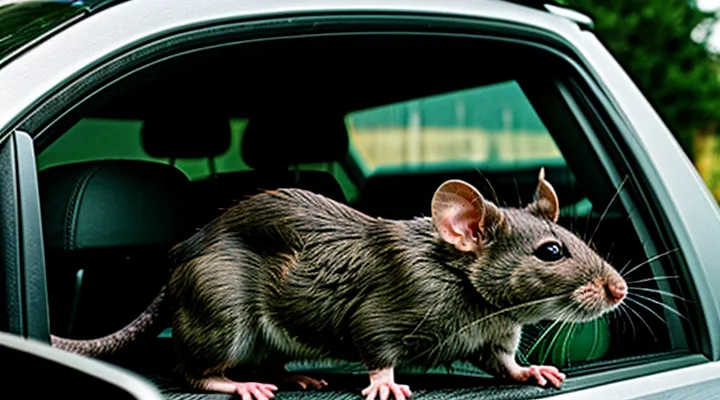
Understanding the Rat Problem in Your Car
Why Rats Choose Cars
Food Sources and Shelter
Rats enter vehicles seeking nourishment and a protected nesting area. Residual crumbs, spilled drinks, and discarded packaging provide a reliable food supply, while the vehicle’s interior offers insulation from weather, darkness, and predators.
Typical food attractants include:
- Pet food left in carriers or crates
- Fast‑food wrappers and snack bags
- Fruit peels, vegetable scraps, and dried pet treats
- Small insects or larvae that develop in upholstery
Eliminate these sources by cleaning all compartments, vacuuming upholstery, wiping surfaces with a mild detergent, and storing food in sealed containers. Remove trash promptly and avoid leaving any organic material inside the car for extended periods.
Shelter opportunities arise from gaps and warm zones:
- Engine compartment and under‑carriage spaces retain heat after driving
- Seat cushions, floor mats, and trunk lining create concealed cavities
- Loose wiring, insulation, and door seals provide entry points
Deny shelter by sealing openings with steel wool or mesh, inspecting and repairing damaged seals, and using removable covers for seats and trunk when the vehicle is idle. Regularly inspect the engine bay for gnaw marks and debris, and consider rodent‑proofing sprays or ultrasonic deterrents in high‑risk areas.
Warmth and Seclusion
Rats are drawn to the heat that remains in a vehicle’s engine bay and to the hidden cavities that provide shelter. Reducing both temperature and concealed spaces interrupts the conditions that make a car attractive to rodents.
Heat persists after the engine is turned off, especially in warm climates or when the vehicle is parked in direct sunlight. Lowering residual warmth diminishes the incentive for rats to establish nests. Practical measures include:
- Parking in shaded or covered areas.
- Allowing the engine to cool fully before storage.
- Using insulated engine covers to trap heat inside the block rather than radiating it into the cabin.
- Avoiding prolonged idling that creates unnecessary warmth.
Seclusion arises from gaps in body panels, under‑seat voids, and unused storage compartments. Eliminating these refuges forces rodents to seek environments elsewhere. Effective actions are:
- Inspecting and sealing all openings with steel wool, silicone sealant, or mesh.
- Removing clutter, food remnants, and debris from the interior.
- Installing rodent‑deterrent tape around wiring and exhaust components.
- Regularly vacuuming upholstery and floor mats to eliminate nesting material.
Combining temperature control with thorough sealing of hidden spaces creates an environment where rats cannot find the warmth and privacy they need to survive, thereby preventing infestation and facilitating long‑term rodent‑free operation of the vehicle.
Signs of a Rat Infestation
Droppings and Urine
Rats leave feces and urine that quickly degrade the interior environment of a vehicle. Their waste contains pathogens such as Hantavirus, leptospira and salmonella, which can cause respiratory, renal and gastrointestinal illnesses. The ammonia odor from urine also attracts additional pests and accelerates corrosion of metal components.
Identification relies on visual inspection and odor detection. Look for dark, cylindrical droppings about ½ inch long near insulation, wiring harnesses and storage compartments. A strong, sour smell indicates recent urination, especially in concealed areas like under seats or in the trunk.
Effective removal requires a systematic approach:
- Wear disposable gloves and a mask to avoid direct contact with contaminants.
- Vacuum all visible droppings using a HEPA‑rated filter; discard the filter bag in a sealed container.
- Apply a enzymatic cleaner to soaked urine spots; let it sit for the recommended dwell time to break down organic residues.
- Rinse with a mild detergent solution, then wipe dry with disposable cloths.
- Treat the cleaned surfaces with an EPA‑registered disinfectant, following label instructions for contact time.
After cleaning, seal any entry points that allowed rodents to access the cabin. Replace damaged wiring insulation and repair chewed upholstery to eliminate hiding spots. Regularly inspect the vehicle for new signs of waste; early detection prevents health risks and reduces the likelihood of a recurring infestation.
Gnaw Marks and Damage
Rats leave distinct bite marks on wiring, hoses, and insulation. The teeth create clean, shallow cuts about 2‑3 mm wide, often appearing in a series along a single line. Damage to electrical cables can cause intermittent faults, flickering lights, or complete failure of essential systems such as airbags and power windows. Plastic fuel lines and brake hoses are vulnerable; a single chew can weaken the wall, leading to leaks or loss of hydraulic pressure.
Inspect the vehicle interior and engine compartment for the following indicators:
- Exposed wire strands with frayed ends
- Chewed plastic connectors or clips
- Missing insulation material around cables
- Small piles of gnaw debris, including shredded fabric and droppings
- Unusual odors of urine or nesting material
When gnaw marks are identified, isolate the affected circuits before attempting repairs. Replace compromised wires with automotive‑grade, heat‑shielded cable, and secure them with protective sleeves. Replace any damaged hoses or tubes with OEM parts, ensuring proper torque on fittings. After repairs, verify functionality with diagnostic tools to confirm that no residual faults remain.
Prevent further chewing by sealing entry points, installing rodent‑proof covers over vulnerable components, and applying non‑toxic deterrents to the interior and engine bay. Regular inspections—monthly during colder months and quarterly otherwise—help detect new gnaw activity before it escalates into costly system failures.
Nests and Odors
Rats create nests in the interior compartments of a vehicle, often using insulation, upholstery, and any available debris. These structures retain heat and moisture, providing an ideal breeding environment. The presence of a nest is usually indicated by shredded fabric, gnawed wiring, and accumulations of droppings or urine. Detecting these signs early prevents damage to electrical systems and reduces health risks.
Odors accompany rodent activity. Urine and feces emit a sharp, ammonia‑like smell that intensifies in warm, confined spaces. A lingering, sour odor after cleaning usually signals residual contamination. Addressing odor requires thorough disinfection and removal of all organic residues.
Steps to eliminate nests and neutralize odors
- Inspect: Remove floor mats, seat covers, and panels to expose hidden areas. Look for nesting material, gnaw marks, and droppings.
- Extract: Use a vacuum with a HEPA filter to collect debris and droppings. Dispose of contents in sealed bags.
- Sanitize: Apply an enzymatic cleaner to break down urine proteins; scrub surfaces with a disinfectant approved for automotive use.
- Deodorize: After cleaning, place activated charcoal or ozone generators inside the cabin for several hours to absorb lingering smells.
- Seal: Repair any openings in the chassis, firewall, or wiring harnesses that allow entry. Install mesh screens on ventilation intakes if necessary.
- Monitor: Set motion‑activated traps or ultrasonic deterrents for a minimum of two weeks to confirm the absence of activity.
Consistent removal of nesting material and systematic odor treatment eliminate the attractants that draw rodents back into the vehicle, ensuring a clean, safe interior.
Immediate Actions and Prevention
Cleaning and Sanitation
Removing Food and Debris
Rats are drawn to the remnants of meals and loose material that accumulate inside a vehicle. Food particles, crumbs, and spilled liquids provide a reliable energy source, while debris creates nesting sites. Eliminating these attractants deprives rodents of both nourishment and shelter, making the car an unsuitable habitat.
- Remove all trash from the interior, including under seats and in door pockets.
- Vacuum carpets, floor mats, and upholstery thoroughly; repeat after each cleaning session.
- Wipe down surfaces with a mild detergent to dissolve residue from food wrappers, gum, and drink spills.
- Inspect storage compartments, glove box, and trunk; discard or seal any edible items.
- Store snacks and beverages in sealed containers if they must remain in the vehicle.
Regular maintenance reinforces the initial effort. Schedule a complete interior cleaning every two weeks, especially after long trips or when transporting consumables. Keep a small trash bag in the car to collect waste promptly, and avoid eating inside the vehicle whenever possible. Consistent removal of food and debris significantly reduces the likelihood of rodent infestation.
Sanitizing Interior Surfaces
Rats leave urine, droppings, and saliva that contaminate upholstery, carpeting, and plastic components. These residues attract insects, emit odors, and may pose health risks, so thorough sanitation is a critical step after removing the animals.
- Remove all loose debris with a vacuum equipped with a HEPA filter. Dispose of the vacuum bag or canister in a sealed container.
- Apply an enzymatic cleaner to fabric surfaces. Allow the product to penetrate for the time specified on the label, then blot excess liquid with clean towels.
- Treat hard plastics, metal trims, and dashboard areas with a disinfectant containing quaternary ammonium compounds or an EPA‑registered rat‑specific sanitizer. Follow the manufacturer’s contact time before wiping dry.
- For carpeted floor mats, spray a diluted bleach solution (1 part bleach to 10 parts water) or a commercial rodent‑pathogen remover. Scrub with a stiff brush, then rinse with water and allow to dry completely.
- Seal any remaining cracks or openings where rodents could re‑enter, then reinstall removed components only after they are fully dry and odor‑free.
Completing these actions eliminates biological hazards, prevents secondary infestations, and restores a safe, odor‑neutral vehicle interior.
Blocking Entry Points
Inspecting the Engine Bay
Inspecting the engine bay is the first practical step when addressing rodent activity in a vehicle. The confined space offers shelter, food sources, and nesting material, making it a common target for rats.
Begin by disconnecting the battery to prevent accidental short circuits. Remove any covers that block access to the engine compartment; this may require basic hand tools such as screwdrivers or socket wrenches. Once the area is open, look for the following indicators:
- Chewed wiring insulation, especially around the fuse box, ignition coil, and sensor leads.
- Gnaw marks on rubber hoses, plastic clips, and metal brackets.
- Accumulated droppings, urine stains, or a strong musky odor near the battery and fuel lines.
- Nesting material composed of shredded fabric, paper, or insulation.
- Small footprints or tail marks on dust or oil residues.
If any evidence is found, document the location and extent of damage before proceeding with repairs. Replace compromised wires and components promptly to avoid electrical failures. Clean all surfaces with a disinfectant that is safe for automotive parts; a dilute solution of isopropyl alcohol works well for metal and plastic parts, while a mild detergent can remove organic debris.
After cleaning, apply a rodent deterrent directly to vulnerable points. Options include cotton balls soaked in peppermint oil, ultrasonic repellent devices, or commercial rodent‑proofing sprays. Secure all openings, such as intake vents and cable entry points, with fine mesh or steel wool to block re‑entry.
Finally, schedule regular inspections—at least once a month—especially during colder months when rodents seek warmth. Consistent monitoring detects new activity early, allowing swift corrective action and protecting the vehicle’s electrical and mechanical systems.
Sealing Gaps and Openings
Sealing gaps and openings is a critical step in preventing rodents from nesting inside a vehicle. Identify all potential entry points: floorboards, door seals, ventilation ducts, under‑carriage panels, and cable entry holes. Close each location with durable, rodent‑resistant materials.
- Apply high‑temperature silicone caulk to seams around doors and windows; it remains flexible and adheres to metal and plastic.
- Install steel wool or copper mesh in larger gaps before applying sealant; rodents cannot gnaw through these metals.
- Use rubber grommets for cable and hose penetrations; select sizes that compress tightly around the conduit.
- Cover ventilation intakes with fine‑mesh screens rated for pest exclusion; secure with stainless‑steel screws.
- Inspect the undercarriage for rusted or corroded panels; replace or weld them shut to eliminate hidden cavities.
After sealing, conduct a visual inspection to confirm no gaps remain. Re‑apply sealant annually or after any collision repair, as new openings can develop over time. Maintaining a fully sealed interior creates an environment where rodents cannot gain access, significantly reducing the likelihood of infestation.
Using Wire Mesh
Wire mesh creates a physical barrier that prevents rodents from entering the interior and nesting in wiring, insulation, and upholstery. The material’s small openings block gnawing while allowing airflow, reducing the risk of damage and odor.
- Choose stainless‑steel or galvanized mesh with apertures no larger than ¼ inch (6 mm); these sizes deter even juvenile rats.
- Cut the mesh to fit around the car’s floor pan, door sills, and any gaps in the firewall. Use a template made from cardboard to ensure accurate dimensions.
- Secure the mesh with self‑tapping screws or automotive-grade rivets. Apply a rust‑inhibiting sealant to threaded holes to maintain the barrier’s integrity.
- Overlap edges by at least 1 inch (2.5 cm) and seal joints with silicone caulk to eliminate entry points.
- Inspect the mesh periodically for corrosion or damage; replace sections promptly to maintain effectiveness.
When installed correctly, wire mesh eliminates the primary access routes rats exploit, providing a long‑term solution without reliance on chemicals or traps.
Repellents and Deterrents
Natural Repellents
Rats entering a vehicle can be deterred with several natural substances that interfere with their scent receptors and cause discomfort.
Peppermint oil is effective because rodents dislike its strong menthol aroma. Soak cotton balls in diluted peppermint oil (one part oil to three parts water) and place them in hidden compartments such as under seats, in glove boxes, and within the trunk. Replace the balls every few days to maintain potency.
Cloves and ground cayenne pepper create a pungent environment. Mix equal parts ground cloves and cayenne with a small amount of carrier oil, then apply the paste to the edges of door seals and floor mats. The irritant qualities discourage nesting and foraging.
Garlic and onion extracts release sulfur compounds that repel rodents. Prepare a solution of crushed garlic or onion in water, strain, and spray it onto upholstery and fabric surfaces. Allow the area to dry before using the vehicle.
Citrus peels, especially from oranges or lemons, emit oils that are unpleasant to rats. Place fresh peels in a breathable pouch and tuck it behind the dashboard or in the cargo area. Refresh the peels weekly to prevent loss of scent.
When using natural repellents, observe the following precautions: avoid direct contact with skin and eyes, keep concentrations low to prevent damage to interior fabrics, and ensure ventilation after application. Combining multiple repellents often yields better results, as the varied scents create an inhospitable environment that discourages rats from inhabiting the car.
Ultrasonic Devices
Ultrasonic repellents emit high‑frequency sound waves that rodents cannot tolerate. The frequency range typically lies between 20 kHz and 65 kHz, a band beyond human hearing but disruptive to a rat’s auditory system.
Effective use in a vehicle requires attention to power source, coverage area, and mounting position. A battery‑operated unit with a 30‑minute auto‑shutoff conserves energy while the car is parked. Placement should target enclosed spaces where rats nest, such as the engine compartment, under seats, and within storage compartments. Secure the device with zip ties or adhesive pads to prevent movement during travel.
Key considerations:
- Frequency spectrum – models offering multiple frequencies reduce the chance of habituation.
- Decibel level – output between 80 dB and 100 dB ensures sufficient intensity without damaging vehicle electronics.
- Coverage radius – select a unit covering at least 1 m³; larger compartments may need two synchronized devices.
- Weather resistance – IP‑rated enclosures protect against moisture and temperature fluctuations.
Limitations include reduced effectiveness when obstacles block sound propagation and diminished impact on already established infestations. Ultrasonic devices work best as part of an integrated management plan that includes sanitation, physical barriers, and regular inspection.
Maintenance consists of checking battery charge quarterly, cleaning speaker grills to prevent dust buildup, and verifying that the unit remains securely fastened after each trip. Replacement of the battery or the entire unit is recommended after 12 months of continuous operation.
Commercial Rodent Repellents
Commercial rodent repellents designed for automotive environments deliver active ingredients or emissions that deter gnawing mammals from interior cavities, wiring, and upholstery. Products are formulated to function in confined spaces, resist temperature fluctuations, and avoid damage to vehicle components.
- Ultrasonic emitters: generate high‑frequency sound inaudible to humans, disrupting rodent communication.
- Chemical sprays: contain bitterants, rodenticides, or natural extracts (peppermint oil, citronella) applied to seams and vents.
- Scent dispensers: release volatile compounds on a timed schedule, creating an unfavorable odor profile.
- Electronic devices: combine motion sensors with shock or vibration pulses triggered by rodent movement.
- Bait stations: sealed containers with attractant and lethal agent, positioned outside the vehicle cabin.
Selection should prioritize EPA‑registered formulations, compatibility with vehicle materials, and proven efficacy in field trials. Verify that the device operates within the vehicle’s power system (12 V) or includes a long‑life battery. Preference goes to products offering a minimum of 30 days of continuous protection.
Installation involves cleaning the interior, sealing obvious entry points, and placing the repellent according to manufacturer specifications. For sprays, coat seams, undercarriage panels, and cable bundles, allowing a 10‑minute drying period before reassembly. Ultrasonic or electronic units attach to a power outlet or fuse box, positioned near the engine compartment to maximize coverage. Replace scent dispensers or batteries at the interval indicated on the packaging.
Safety considerations include preventing exposure of passengers to toxic chemicals, securing bait stations to avoid accidental ingestion, and ensuring that ultrasonic frequencies do not interfere with vehicle electronics. Regular inspection of device integrity and replacement of depleted components maintain optimal performance.
Effectiveness varies by species, climate, and infestation level; independent studies report average reduction rates of 70‑90 % when devices are used as part of an integrated pest‑management plan. Pricing ranges from $15 for single‑use sprays to $120 for multi‑year electronic systems, allowing budget alignment with protection duration.
Trapping and Removal Strategies
Types of Traps
Snap Traps
Snap traps provide a rapid, lethal solution for eliminating rodents that have entered a vehicle. The mechanism consists of a spring‑loaded bar that snaps shut when the baited trigger is disturbed, killing the animal instantly. This method reduces the risk of disease transmission and prevents ongoing damage to wiring, insulation, and upholstery.
Effective use requires careful selection and placement. Choose traps made of durable plastic or metal, sized for adult rats (approximately 10–12 cm in length). Bait with high‑fat foods such as peanut butter, bacon bits, or dried fruit to attract wary individuals. Position traps in locations where activity is evident: under seats, behind the dashboard, near the engine compartment, and within the cargo area. Secure traps to prevent movement during vehicle operation; many models include built‑in clips or suction cups for this purpose.
Safety considerations are paramount. Wear thick gloves when handling traps to avoid accidental activation. Keep traps out of reach of children and pets. After capture, wear gloves and place the entire trap in a sealable plastic bag before disposing of it in a trash container with a tight‑fitting lid. Clean the surrounding area with a disinfectant solution to eliminate scent trails that could encourage reinfestation.
A concise protocol for snap‑trap deployment:
- Inspect the interior and engine bay for signs of rodent activity (chewed wires, droppings, gnaw marks).
- Select appropriate traps and prepare bait.
- Place traps at identified hotspots, securing them firmly.
- Check traps daily; replace bait and reposition as needed.
- Remove and dispose of captured rodents promptly, then sanitize the area.
Regular monitoring and trap rotation enhance effectiveness, ensuring that any new intruders encounter a lethal barrier before causing further damage.
Live Traps
Live traps provide a humane method for removing rats that have entered a vehicle. The device consists of a cage with a trigger mechanism that closes the door when the animal takes the bait. Because the animal remains alive, relocation can be performed without killing it.
When choosing a trap, prioritize a size that accommodates adult rats (approximately 10–12 cm body length). Models made of sturdy plastic or metal reduce the risk of damage from gnawing. Ensure the trigger is sensitive enough to activate with minimal pressure, yet strong enough to avoid false closures caused by vehicle vibrations.
Effective placement follows a simple pattern:
- Identify areas where rats travel: under seats, near the engine compartment, or beside the dashboard.
- Position the trap with the entrance facing the wall or a concealed corner; rats prefer tight spaces.
- Secure the trap to prevent movement while the vehicle is in motion; use straps or non‑slip mats.
Bait selection influences capture rates. High‑protein foods such as peanut butter, dried fruit, or small pieces of cooked meat attract rats quickly. Apply a thin layer to the trigger plate to avoid excess residue that could clog the mechanism.
After a capture, inspect the trap at least twice daily. Wear gloves when handling the cage to prevent disease transmission. Release the animal at a distance of at least 2 km from the vehicle, preferably in a wooded area with natural cover. Open the door slowly, allowing the rat to exit without stress.
Prevent re‑infestation by sealing entry points. Use steel mesh or foam insulation to close gaps around wiring harnesses, fuel lines, and ventilation ducts. Regularly clean the interior to remove food scraps and nesting material, which eliminates attractants that draw rats back into the car.
Electronic Traps
Electronic traps provide a non‑chemical method for eliminating rodents that have entered a vehicle. They emit a high‑frequency sound or a rapid electric pulse that deters or kills rats without leaving residues that could damage upholstery or electronics.
-
Operation modes
- Ultrasonic emitters generate frequencies above 20 kHz, which are uncomfortable for rodents but inaudible to humans.
- High‑voltage grids deliver a brief shock when the animal contacts the conductive surface, causing immediate incapacitation.
-
Installation considerations
- Place the device near potential entry points such as door seals, under seats, or in the cargo area.
- Ensure the power source (12 V car battery or dedicated plug‑in) is securely connected and protected from moisture.
- Avoid positioning the trap where moving parts of the vehicle could interfere with the electrodes.
-
Safety features
- Most models include insulated housing to prevent accidental contact with passengers.
- Automatic shut‑off after a set number of activations conserves battery life and reduces fire risk.
-
Maintenance routine
- Inspect the unit weekly for debris or corrosion.
- Replace batteries or recharge the internal capacitor according to the manufacturer’s schedule.
- Reset the trigger mechanism after each capture to ensure continued effectiveness.
-
Selection criteria
- Power rating compatible with the car’s electrical system.
- Built‑in timer or motion sensor to limit operation to periods of rodent activity, typically nighttime.
- Certified safety standards, such as UL or CE, to guarantee reliable performance.
When deployed correctly, electronic traps reduce the likelihood of gnawed wiring, contaminated insulation, and the spread of disease, offering a practical solution for vehicle owners seeking to eradicate rat infestations without resorting to poisons or traps that require frequent manual handling.
Strategic Placement of Traps
Identifying High-Activity Areas
Identifying high‑activity zones is essential for any rodent‑removal plan in a vehicle. Targeted action reduces the number of traps and chemicals needed and prevents re‑infestation.
Inspect the interior and exterior for concrete evidence of presence. Look for fresh droppings, gnaw marks on wiring or plastic, shredded insulation, and a strong musky odor. Examine surfaces with a bright flashlight; use a UV light to reveal urine stains invisible to the naked eye. Motion‑activated cameras placed near suspected entry points can confirm nocturnal activity.
Typical hotspots include:
- Engine compartment: warm environment, exposed wiring, and insulation gaps.
- Under and behind seats: hidden crevices, upholstery seams, and footwell panels.
- Trunk and cargo area: stored items, spare tire well, and floor panels.
- Ventilation ducts and HVAC intake: pathways for entry and travel throughout the cabin.
- Fuel line and battery compartment: protected spaces with occasional warmth.
- Door panels and window seals: gaps where rodents can squeeze through.
Employ simple tools to enhance detection. A portable LED torch illuminates dark corners; a handheld UV lamp highlights urine spots; adhesive tracking paper placed on floor panels records footprints; and a small number of snap traps or live‑capture cages positioned in identified zones verifies activity.
Document findings systematically. Sketch a basic layout of the vehicle, mark each confirmed hotspot, note the type of evidence observed, and record the date. This log guides the placement of control measures and provides a reference for future inspections.
Safety Considerations
When addressing rodent infestations inside an automobile, safety must precede any removal technique. Direct contact with rodents can transmit diseases such as leptospirosis and hantavirus; gloves and disposable masks protect skin and respiratory passages. Ensure that the vehicle is parked in a well‑ventilated area before applying any chemical agents, and keep fire‑extinguishing equipment nearby in case of ignition.
- Wear nitrile gloves, eye protection, and a particulate‑filter mask.
- Disconnect the battery to avoid short‑circuits when handling wiring or traps.
- Use rodent‑specific baits that meet automotive safety standards; avoid petroleum‑based products that could damage fuel lines or upholstery.
- Place snap traps or live‑capture devices away from airbags, steering column, and brake components.
- After removal, clean surfaces with a disinfectant approved for automotive interiors; discard used traps and dead rodents in sealed bags.
Electrical systems are vulnerable to chew damage; inspect wiring harnesses for exposed conductors before reactivating the vehicle. Replace compromised wires promptly to prevent overheating or loss of control functions. If a dead rodent is found in the engine compartment, remove it with tools rather than hands, then clean the area to eliminate odor that may attract additional pests.
Proper disposal of captured rodents follows local regulations; typically, sealed waste containers are required. Document the removal process, noting any damaged components, to guide future preventive measures and maintain vehicle safety records.
Professional Pest Control
When to Call an Expert
Rats can cause wiring shorts, insulation damage, and health risks inside a vehicle. When DIY measures fail or the problem escalates, professional intervention becomes necessary.
Typical indicators that an expert should be contacted include:
- Visible gnaw marks on wires, hoses, or upholstery that compromise safety.
- Persistent droppings, urine stains, or strong odor despite cleaning attempts.
- Repeated sightings of live rodents after traps or repellents have been used.
- Evidence of nests hidden in hard‑to‑reach areas such as engine compartments, under seats, or within the dashboard.
- Electrical failures or warning lights that coincide with suspected rodent activity.
- Lack of appropriate tools or knowledge to safely remove animals without damaging vehicle components.
Engaging a qualified pest‑control technician ensures thorough inspection, safe removal, and proper decontamination, reducing the risk of further damage and protecting occupants’ health.
Long-Term Solutions
Effective long‑term control of rodents in a vehicle requires eliminating entry points, maintaining an unappealing environment, and applying preventive measures on a regular schedule.
- Seal all gaps: close openings around doors, windows, floorboards, and the engine compartment with steel wool, copper mesh, or silicone sealant. Rodents cannot chew through metal or tightly packed fibers.
- Install deterrents: place peppermint oil pads, mothballs, or commercial rodent‑repellent sachets under seats and in storage compartments. Replace them every two months to preserve potency.
- Use traps strategically: set snap traps or electronic traps in hidden areas such as the trunk, under the dashboard, and near wiring harnesses. Check and reset traps weekly.
- Deploy ultrasonic devices: position battery‑powered emitters in the cabin and engine bay. Verify that devices cover the entire interior volume; replace batteries quarterly.
- Maintain cleanliness: remove food residues, garbage, and nesting material after each trip. Vacuum upholstery and floor mats weekly; store snacks in sealed containers.
- Conduct routine inspections: examine wiring, hoses, and insulation for gnaw marks before each long journey. Replace damaged components promptly to prevent future infestations.
- Store the vehicle properly: keep the car in a garage with rodent‑proof doors; use rodent‑proof covers for exposed wheels and undercarriage when the vehicle is idle for extended periods.
Consistent application of these measures creates an environment where rodents cannot gain access, find shelter, or locate food, thereby preventing recurring problems.