
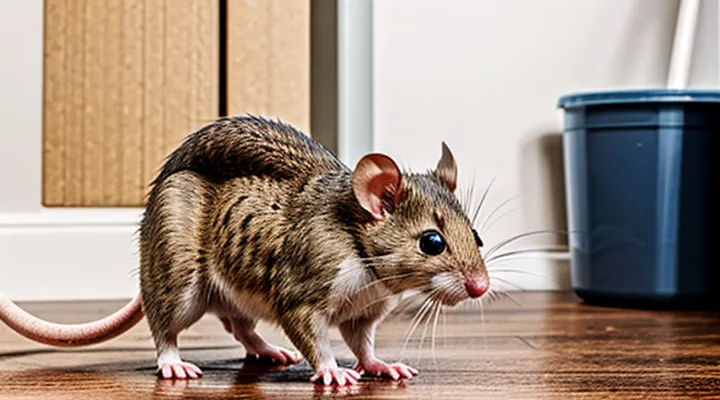
Understanding the Unique Challenges of Second-Floor Mice
Why Mice Go Upstairs
Food Sources
Mice on an upper‑level flat survive primarily on readily available food. Eliminate these resources to break the infestation cycle.
- Store dry goods—cereal, pasta, rice—in airtight containers made of metal or thick plastic.
- Keep pet food sealed and feed only the amount required for each meal; remove leftovers immediately.
- Dispose of garbage daily in a bin with a tight‑fitting lid; clean the area around the bin to remove crumbs.
- Clean countertops, tables, and kitchen appliances after each use; wipe down surfaces to remove residue.
- Avoid leaving fruit, bread, or snacks on open plates; place them in the refrigerator or covered dishes.
Identify hidden sources as well. Check behind appliances, under the sink, and inside cabinets for spilled grain, crumbs, or droppings. Vacuum or sweep these zones regularly, then mop with a solution containing mild detergent or vinegar to remove scent trails.
By securing all potential food supplies and maintaining strict cleanliness, the attraction for rodents on the second floor diminishes, supporting long‑term eradication efforts.
Shelter and Warmth
Mice are drawn to second‑floor apartments because the space often provides easy access to insulated walls, ceiling voids, and stored items that retain heat. These areas create a stable microclimate where temperature fluctuations are minimal, allowing rodents to conserve energy and reproduce year‑round.
Eliminating shelter and warmth removes the primary incentive for infestation. Effective actions include:
- Seal gaps larger than ¼ inch in exterior walls, windows, and utility openings with steel wool and caulk.
- Install metal flashing around vent pipes and chimney flues to block hidden entry routes.
- Relocate stored boxes, clothing piles, and seasonal décor away from walls; keep them on elevated shelves with breathable covers.
- Insulate exposed pipes and ducts with foam sleeves, then wrap with a thin layer of aluminum foil to reduce heat emission.
- Maintain indoor temperature at a consistent level; avoid overheating rooms with space heaters that create localized warmth.
Removing nesting material further discourages occupancy. Dispose of shredded paper, fabric scraps, and food remnants in sealed containers. Regularly clean behind appliances and under furniture to expose any concealed debris.
A systematic inspection every month, focusing on corners, baseboards, and ceiling corners, identifies new openings before mice can establish a refuge. Prompt repair of discovered breaches sustains a hostile environment, preventing the development of a permanent shelter.
Access Points and Pathways
Mice reach a second‑floor flat through any opening that connects the interior to the building’s exterior or to adjacent units. Identifying these access points is the first step in a successful eradication effort.
Typical entry routes include:
- Gaps around pipe penetrations, especially where plumbing or gas lines enter the wall.
- Unsealed cracks in foundation walls, sill plates, or between floor joists.
- Openings around electrical conduit, cable TV, or telephone lines.
- Unscreened or damaged window frames and sliding‑door tracks.
- Vents, dryer exhausts, and attic hatches lacking mesh or weatherstripping.
- Gaps beneath baseboards, crown molding, and door thresholds.
Each opening must be sealed with materials that resist gnawing. Recommended solutions are:
- Steel wool packed tightly into small holes, then covered with expanding polyurethane foam.
- Heavy‑duty copper mesh or hardware cloth (minimum ¼‑inch gauge) installed over larger gaps before applying caulk.
- Silicone or acrylic caulk for narrow cracks and seams.
- Self‑adhesive weatherstripping on doors and windows to eliminate peripheral gaps.
- Metal flashing around vent ducts and dryer exhausts, secured with screws and sealed with high‑temperature silicone.
Beyond exterior routes, interior pathways allow mice to travel between rooms and into storage areas. Check for:
- Openings behind appliances, especially refrigerators and stoves.
- Loose cabinet backs and pantry doors.
- Gaps under sinks and behind bathroom fixtures.
Seal these interior routes using the same gnaw‑resistant materials. After all access points are closed, monitor for activity with snap traps or electronic detectors placed along previously used pathways. Continuous inspection of sealed areas ensures that any new gaps are addressed before the infestation can re‑establish.
Identifying Mouse Infestation on the Second Floor
Signs of Mice
Droppings
Droppings are small, dark, rice‑shaped pellets left by rodents. On a second‑floor apartment they typically accumulate along baseboards, under cabinets, behind appliances, and in hidden corners where mice travel. Fresh droppings appear glossy, while older ones become dry and crumbly.
These pellets carry pathogens such as hantavirus, salmonella, and leptospirosis. Inhalation of dust contaminated with dried feces or direct contact can cause serious illness. Prompt removal reduces exposure risk for residents and pets.
Identify contamination by inspecting likely pathways with a flashlight and, if available, a UV lamp that makes droppings glow. Wear disposable gloves and a mask to avoid direct contact. Record the locations to map the extent of the infestation.
Clean affected areas in the following order: ventilate the room, dampen droppings with a disinfectant solution (e.g., 10% bleach), let stand for ten minutes, then wipe with disposable cloths. Dispose of materials in sealed bags and wash hands thoroughly after removal. Repeat the process until no visible pellets remain.
Documented droppings serve as evidence of mouse activity, guiding placement of traps and bait stations. Concentrating control measures where feces are most abundant increases the likelihood of eliminating the population on the upper level of the residence.
Gnaw Marks
Gnaw marks appear as shallow, crescent‑shaped notches on wood, plastic, or wiring, confirming rodent activity on upper‑level flats. Their size, usually 2–6 mm wide, matches the incisors of a mouse and distinguishes them from chew damage caused by insects or pets.
Identifying gnaw marks early prevents structural deterioration and electrical hazards. Inspect baseboards, cabinet doors, pantry shelves, and the exposed underside of floor joists. Look for parallel lines that converge toward a single point, a pattern typical of mouse incisors.
When gnaw marks are found, follow these actions:
- Clean the area with a disinfectant to remove scent trails that encourage further foraging.
- Seal the entry point using steel wool, copper mesh, or expanding foam, then cover with caulk or plywood.
- Replace or reinforce damaged components; for wiring, cut the compromised segment and install a new insulated line.
- Set snap traps or electronic bait stations near the marks, positioning them perpendicular to the observed chewing direction.
- Monitor the site for new marks daily; persistent gnawing indicates an undiscovered access route.
Document each inspected location, the dimensions of the marks, and the remediation steps taken. A systematic record helps track progress and informs any necessary escalation to professional pest control.
Scratching Noises
Scratching noises heard on ceilings or walls often signal the presence of rodents in a second‑level dwelling. The sound typically originates from gnawing or nesting activity in concealed cavities such as insulation, behind drywall, or within floor joists.
First, identify the pattern of the noise. Continuous, rapid scratching during nighttime suggests active foraging, while intermittent sounds in the early morning may indicate movement between hiding spots. Pinpointing the general area—behind a specific wall, under a particular vent, or above a closet—helps focus inspection efforts.
Next, confirm rodent activity. Look for the following indicators in the suspected zone:
- Fresh droppings, dark and rod‑shaped, up to 1 cm long
- Gnaw marks on wood, plastic, or wiring insulation
- Nests made of shredded paper, fabric, or insulation fibers
- Grease or urine stains that darken with time
If evidence is present, implement a two‑step mitigation plan.
-
Physical barriers
- Seal gaps larger than ¼ inch with steel wool, copper mesh, or silicone caulk.
- Install metal flashing around vent openings, utility pipes, and window frames.
-
Targeted control
After placement, monitor traps daily. Remove captured rodents promptly and reset traps until no further scratching is heard for at least 72 hours. Finally, conduct a thorough cleaning of the area, disinfecting surfaces with a dilute bleach solution to eliminate disease‑carrying residues.
Consistent observation of scratching sounds, combined with systematic inspection and barrier installation, provides a reliable pathway to eradicate mice from a second‑floor apartment.
Locating Entry Points
Gaps in Walls and Floors
Mice access a second‑floor apartment through any opening that connects the interior to the building’s structural voids. Cracks around utility penetrations, gaps between drywall and baseboards, and unsealed joints where floorboards meet walls create continuous pathways. Because rodents can squeeze through openings as small as ¼ inch, even minor imperfections become entry points.
Typical locations include:
- Gaps around electrical outlets, light switches, and cable conduits.
- Spaces surrounding plumbing stacks, vent pipes, and dishwasher hoses.
- Openings at the perimeter of the floor slab where it meets the foundation wall.
- Seams between wall panels, especially where drywall meets plaster or insulation.
- Gaps beneath baseboards, crown molding, and trim.
Effective sealing requires a systematic approach:
- Conduct a thorough inspection with a flashlight and a thin probe to detect openings larger than ¼ inch.
- Apply steel wool or copper mesh to fill irregular cracks; these materials resist chewing.
- Use high‑quality silicone or polyurethane caulk to seal smooth joints and corners.
- Install expandable foam sealant in larger cavities, trimming excess after curing.
- Secure door sweeps and weatherstripping on all exterior doors to block entry from stairwells or balconies.
After sealing, maintain a barrier by:
- Re‑checking sealed areas monthly, especially after seasonal temperature changes.
- Keeping stored items away from walls to prevent concealment of new gaps.
- Ensuring that any renovations or installations are followed by immediate inspection and sealing of newly created openings.
Addressing gaps in walls and floors eliminates the primary conduit for rodent intrusion, thereby reducing the likelihood of infestation on upper‑level residences.
Utility Line Openings
Utility line openings provide a direct pathway for rodents to enter upper‑level living spaces. Gaps around electrical conduits, plumbing stacks, and cable entries often go unnoticed during routine maintenance, yet they create a conduit that mice can exploit to reach a second‑floor apartment.
To eliminate these entry points, follow a systematic approach:
- Inspect all visible openings where wires, pipes, or cables pass through walls, floors, and ceilings. Use a flashlight to detect cracks larger than ¼ inch.
- Seal gaps with a combination of steel wool and high‑grade silicone caulk; steel wool deters chewing, while caulk creates a durable barrier.
- For larger penetrations, install metal flashing or PVC collars that fit snugly around the utility and extend beyond the opening.
- Apply expanding foam insulation to fill irregular voids, ensuring the foam is rated for pest control and does not obstruct the utility function.
- Re‑examine sealed areas after a week to confirm that no new gaps have formed due to building movement or settling.
Regularly schedule inspections, especially after renovations or when new appliances are installed, to maintain a continuous seal around all utility lines. This proactive maintenance reduces the likelihood that mice will find a viable route into a second‑floor dwelling.
Vents and Chimneys
Vents and chimneys often serve as unnoticed pathways for rodents to access upper‑level living spaces. Mice can climb exterior walls, enter vent shafts, and travel upward through ductwork to reach the second floor. Inspect each vent cover, dryer exhaust, and chimney flue for gaps, loose panels, or damaged screens. Replace cracked or missing metal mesh with steel wool or copper mesh, then secure with heavy‑duty hardware cloth. Apply a continuous bead of silicone caulk around the perimeter of each cover to block any residual openings.
Use the following checklist for vent and chimney maintenance:
- Remove vent covers and examine interior for gnaw marks, droppings, or nesting material.
- Install vent reducers or louver guards that fit tightly and cannot be chewed through.
- Seal chimney top with a chimney cap that includes a mouse‑proof screen.
- Verify that the chimney flashing is intact; replace corroded sections with stainless‑steel flashing.
- Test the integrity of the exhaust fan housing; tighten screws and replace any cracked housing.
Regularly clean vent interiors to eliminate food residue that might attract mice. Schedule quarterly inspections, especially after heavy rain or seasonal temperature changes, when rodents are most likely to seek shelter. By reinforcing vent and chimney barriers, the likelihood of mice infiltrating a second‑floor apartment diminishes dramatically.
Effective Strategies for Second-Floor Mouse Removal
Non-Lethal Methods
Live Traps
Live traps provide a humane option for removing mice that have taken residence on an upper‑level flat. The device consists of a cage with a spring‑loaded door that closes when a rodent enters to reach bait. Because the animal remains alive, it can be released far from the building, preventing future infestations in the same unit.
Effective use of live traps requires strategic placement. Mice travel along walls and near concealed entry points; positioning traps perpendicular to these routes maximizes capture rates. Typical locations include:
- Behind kitchen appliances, where crumbs accumulate.
- Inside cabinets and pantry corners.
- Along baseboard gaps near utility shafts.
- Directly beneath suspected entry holes, after sealing the openings.
Selection of bait influences success. Peanut butter, small pieces of cheese, or bits of dried fruit attract mice reliably. Apply a pea‑sized amount to the trigger platform, ensuring the scent is strong enough to lure but not so abundant that the rodent can feed without activating the door.
After a capture, inspect the trap within 24 hours. Release the mouse at least two miles from the residence, preferably in a wooded area, to reduce the chance of return. Clean the cage with mild detergent before redeploying it, and rotate bait if catches decline. Live traps eliminate the pest without poison, avoid collateral damage to pets, and provide observable evidence of progress, making them a practical component of a comprehensive rodent‑control plan for second‑floor apartments.
Repellents («Natural» and «Electronic»)
Effective mouse control on an upper‑level apartment often relies on repellents that create an inhospitable environment without chemicals. Two principal categories are available: natural substances and electronic devices.
Natural repellents function by exploiting rodents’ acute sense of smell. Common options include:
- Peppermint oil applied to cotton balls and placed near entry points, cabinets, and corners.
- Crushed cloves or dried lavender sachets positioned in closets and behind appliances.
- Ammonia-soaked rags or a mixture of water and vinegar sprayed along baseboards and windowsills.
- Steel‑wool bundles fitted into gaps around pipes, vents, and wall openings.
These materials must be refreshed weekly to maintain potency, and any strong odors should be kept away from food preparation areas.
Electronic repellents emit high‑frequency sound waves that rodents find uncomfortable. Key considerations for selection and placement are:
- Choose a unit covering the square‑footage of the entire floor; most models specify the effective radius.
- Install devices near suspected travel routes—under stairwells, along hallway walls, and close to utility shafts.
- Ensure unobstructed power supply; many units operate continuously on AC adapters or battery packs.
- Verify that the device emits frequencies above 20 kHz, as lower ranges lose efficacy and may affect pets.
Electronic units require no reapplication and typically function for several months before battery replacement or equipment upgrade. Combining both natural and electronic approaches creates a multi‑sensor barrier that discourages mice from entering or remaining on the second floor, reducing reliance on traps or poisons.
Exclusion Techniques
Effective exclusion prevents rodents from entering a second‑level flat by eliminating every possible opening. Begin with a thorough visual inspection of walls, floors, ceilings, and utility penetrations. Identify gaps larger than ¼ inch, as mice can squeeze through openings of this size.
- Apply steel wool or copper mesh to holes around pipes, cables, and vents, then seal with expanding polyurethane foam for a durable barrier.
- Install weather‑stripping or door sweeps on all interior doors that lead to the hallway or stairs; ensure the sweep contacts the floor without creating a gap.
- Fit tight‑weave screen material over ventilation grilles and chimney flues, securing edges with stainless‑steel staples.
- Use silicone caulk to seal cracks around window frames, baseboards, and where drywall meets the floor.
- Wrap insulation around exposed wiring and plumbing that passes through the ceiling or floor joists, then cover with a thin metal flashing to block access.
- Replace any damaged or missing plaster or drywall sections, filling the space with a combination of mesh tape and joint compound before painting.
After sealing, conduct a follow‑up check after 48 hours to confirm that no new entry points have appeared. Re‑apply sealant to any areas that show signs of wear or disturbance, maintaining a continuous barrier that deters future infestations.
Lethal Methods
Snap Traps
Snap traps provide immediate, lethal control of rodents occupying an upper‑level dwelling. Their mechanical action kills mice instantly, eliminating the risk of disease transmission associated with live capture.
Choose a trap made of sturdy plastic or wood with a spring‑loaded bar capable of delivering a force of at least 30 lb. Opt for models featuring a protective shield to reduce accidental contact with humans or pets. Bait the trap with high‑fat foods such as peanut butter, chocolate, or dried fruit; apply a pea‑sized amount directly onto the trigger mechanism to ensure quick activation.
Effective placement follows a predictable pattern. Mice travel along walls, behind appliances, and near entry points. Position traps:
- 1–2 ft from the wall, with the trigger facing the wall.
- In concealed areas: behind the refrigerator, under the sink, within closet corners.
- Near suspected entry holes, especially around vent shafts and utility openings.
Set traps at night when mouse activity peaks. Check them each morning; a dead mouse should be removed promptly to prevent odor and secondary infestations. Dispose of the carcass in a sealed bag and discard according to local regulations.
Maintain trap efficacy by:
- Re‑baiting after each capture.
- Re‑setting the spring mechanism if it loses tension.
- Rotating trap locations every few days to cover new travel routes.
When using snap traps on a second‑floor apartment, ensure that they are placed out of reach of children and pets, and that the floor surface is stable to prevent misfires. Proper selection, strategic positioning, and consistent monitoring make snap traps a reliable component of a comprehensive rodent‑removal strategy for elevated residential units.
Glue Traps
Glue traps provide a direct method for controlling rodent activity in a second‑floor residence. The adhesive surface immobilizes mice that step onto it, allowing immediate identification of infestation locations and reducing the chance of repeated sightings.
- Select traps sized for adult mice; larger surfaces increase capture probability.
- Position traps along known pathways: behind appliances, near wall junctions, and within concealed gaps where droppings have been observed.
- Secure traps to stable surfaces to prevent displacement by vibrations or foot traffic.
- Replace traps promptly when they become covered with debris or multiple captures, as reduced stickiness lowers effectiveness.
- Wear disposable gloves when handling used traps to avoid skin contact with adhesive and potential disease transmission.
Safety considerations are essential. Children and pets must be kept away from trap zones; a simple barrier such as a cardboard shield can limit accidental contact. If a mouse is caught, dispose of the trap in a sealed bag and replace it with a fresh unit to maintain continuous pressure on the population.
Glue traps work best when integrated into a broader control plan that includes sealing entry points, removing food sources, and maintaining cleanliness. By systematically targeting high‑traffic areas and monitoring trap results, the homeowner can assess the severity of the problem and adjust the number of traps accordingly, achieving a measurable decline in rodent presence on the upper level of the building.
Baits and Poisons
Baits and poisons provide a direct means of reducing mouse populations in upper‑level residential units. Their effectiveness depends on proper selection, strategic placement, and strict adherence to safety protocols.
- Stationary blocks containing anticoagulant compounds attract rodents that gnaw continuously.
- Soft, chewable pellets with bromethalin or zinc phosphide appeal to mice preferring moist food sources.
- Grain‑based mixtures infused with diphacinone suit environments where natural foraging material is scarce.
Placement must consider the vertical layout of a second‑floor apartment. Position baits behind appliances, beneath cabinets, and within wall voids where mouse activity is confirmed. Secure each bait station to prevent displacement by vibrations from plumbing or HVAC systems. Maintain a minimum distance of 3 feet from food preparation surfaces and 6 feet from children's play areas.
Safety measures protect occupants and non‑target animals. Seal bait stations with tamper‑resistant covers; label each unit clearly. Store all toxic products in locked containers outside the living space. Wear disposable gloves when handling, and wash hands thoroughly afterward. If pets are present, opt for low‑toxicity formulations or use exclusion devices that block access to bait.
Regular inspection tracks progress. Check stations daily for signs of consumption, replace depleted units promptly, and dispose of dead rodents in sealed bags according to local hazardous‑waste regulations. Document findings to adjust bait density and location as the infestation recedes.
When executed with precision, baits and poisons eliminate mouse activity while minimizing risk to humans, pets, and the building structure.
Preventing Future Infestations
Sealing Entry Points
Caulk and Steel Wool
Caulk and steel wool are essential tools for sealing the gaps that allow rodents to enter a second‑story apartment.
Caulk creates a waterproof, flexible barrier that blocks cracks around windows, baseboards, and utility openings. Use a silicone‑based or polyurethane caulk because it adheres to wood, plaster, and metal and remains effective despite temperature changes. Apply the caulk with a steady pressure, filling the gap completely, then smooth the bead with a gloved finger or a caulking tool to ensure full contact with the surrounding surface.
Steel wool provides a physical obstruction that rodents cannot chew through. Choose ¼‑inch or finer grade; coarser fibers may be shredded. Pack the steel wool tightly into holes that are too large for caulk alone, such as gaps around pipes, vent openings, or foundation cracks. After insertion, apply a thin layer of caulk over the steel wool to lock it in place and prevent it from being displaced.
Procedure for sealing rodent entry points
- Inspect the apartment’s perimeter, focusing on the second floor’s exterior walls, windows, and utility penetrations.
- Identify gaps larger than ¼ inch; mark them for treatment.
- Insert steel wool into each marked gap, compressing it to fill the space completely.
- Cover the steel wool with a continuous bead of silicone or polyurethane caulk.
- Smooth the caulk, removing excess material and ensuring a seamless seal.
- Allow the caulk to cure according to the manufacturer’s instructions before exposing the area to moisture or cleaning.
Combining steel wool’s impenetrable core with caulk’s durable seal eliminates common access points, reducing the likelihood of mouse infestation on upper‑level apartments. Regular inspection and maintenance of these sealed areas sustain long‑term protection.
Repairing Gaps and Cracks
Sealing gaps and cracks blocks the most common pathways mice use to reach a second‑floor apartment. Even narrow openings around pipes, vents, and floorboards provide enough space for rodents to enter, so eliminating these routes directly reduces infestation risk.
Begin by inspecting the perimeter of the unit. Look for:
- Gaps around exterior doors and windows
- Openings where utilities enter the wall
- Cracks in the foundation or balcony railing
- Spaces under baseboards and around floor joists
- Holes in drywall or plaster near the ceiling
Repair each opening with appropriate materials. Use steel wool or copper mesh to fill larger holes, then apply a sealant such as silicone caulk or expanding polyurethane foam. For structural cracks, employ cement mortar or epoxy filler, smoothing the surface before it cures. Finish with a paintable caulk to match existing finishes, ensuring a durable, pest‑proof barrier. Regularly check repaired areas for signs of wear and reapply sealant as needed to maintain protection.
Maintaining Cleanliness
Food Storage
Effective food storage is a cornerstone of any rodent‑prevention strategy in a high‑rise dwelling. Mice are drawn to easily accessible nutrients; eliminating that attraction reduces the likelihood of infestation on upper levels.
Secure containers made of metal or heavy‑wall plastic prevent gnawing. Choose lids with snap‑fit or screw‑thread closures rather than loosely fitting tops. Label each container with its contents and the date of purchase to avoid prolonged exposure of stale items.
Maintain a strict routine for pantry organization:
- Store bulk items (grain, cereal, nuts) in airtight bins.
- Keep pet food sealed in a separate, mouse‑proof container and place it on a high shelf.
- Remove expired or open packages immediately; discard them in a sealed trash bag.
- Position food storage units away from walls and plumbing fixtures, creating a clear perimeter that limits rodent pathways.
Cleanliness reinforces protection. Wipe down shelves weekly with a mild detergent, then dry thoroughly. Spillages should be addressed instantly; even small crumbs can sustain mouse activity.
When shopping, purchase only quantities that can be consumed within a reasonable timeframe. Overbuying creates excess stock that may remain uncovered for weeks, providing a constant food source.
Finally, integrate waste management with storage practices. Use bins equipped with tight‑locking lids, and empty them regularly. Transfer waste to an outdoor dumpster that is inaccessible to rodents, and avoid storing garbage inside the apartment for extended periods.
By implementing these storage measures, the environment becomes inhospitable to rodents, significantly lowering the risk of mouse presence on the second floor.
Waste Disposal
Effective waste management is essential for preventing rodent activity in a second‑floor residence. Food remnants and organic debris attract mice; removing these sources eliminates a primary incentive for infestation.
- Store all garbage in sealed containers with tight‑fitting lids.
- Transfer waste to an outdoor bin at least once daily, preferably before nightfall.
- Keep the outdoor bin area clean; sweep away spilled material and rinse the container regularly.
- Separate recyclable items from food waste to avoid cross‑contamination.
Dispose of pet food, crumbs, and packaging immediately after meals. Do not leave dishes or leftovers on countertops overnight. Use a dishwasher or hand‑wash dishes promptly, then store them in a cabinet rather than on open surfaces.
Inspect the building’s communal trash chutes for cracks or gaps. Report any damage to management so that repairs can be made, preventing mice from using the chute as a passage. Ensure that hallway and stairwell trash receptacles are emptied frequently; overcrowded bins create overflow that can be accessed from the apartment.
Implement a routine schedule:
- Empty indoor trash before bedtime.
- Replace bin liners with fresh, puncture‑resistant bags.
- Clean the interior of waste containers with a mild disinfectant weekly.
By maintaining strict waste disposal practices, the attraction for mice diminishes, supporting broader efforts to eradicate them from a second‑floor flat.
Regular Inspections
Attic and Basement Checks
Inspecting the attic and basement is essential when addressing mouse activity in an upper‑level apartment. Mice frequently travel between floors through hidden pathways, so identifying and sealing these routes prevents reinfestation.
Begin with the attic. Look for gnaw marks on insulation, torn wiring, or droppings near joist spaces. Pay particular attention to gaps around roof vents, chimney flues, and utility penetrations. Use a flashlight to trace any openings larger than a quarter of an inch and seal them with steel wool, copper mesh, or expanding foam designed for pest control.
Next, examine the basement. Check foundation walls for cracks, especially near pipe entries and drainage systems. Inspect crawl spaces for debris piles that could serve as nesting material. Verify that door sweeps are intact and that any vent covers are fitted tightly. Apply concrete sealant or masonry patch to cracks, and install metal flashing around vulnerable points.
A concise checklist for both areas:
- Scan for droppings, gnaw marks, or urine stains.
- Identify gaps around pipes, vents, and wiring.
- Measure openings; seal any larger than 0.25 in.
- Reinforce door thresholds and window sills.
- Apply durable, rodent‑proof materials (steel wool, copper mesh, concrete).
Completing these inspections and repairs removes the primary routes mice use to reach the second floor, significantly reducing the likelihood of future infestations.
Exterior Property Scan
An exterior property scan identifies entry points and conditions that allow rodents to access a second‑floor residence. By examining the building’s façade, roofline, and surrounding landscape, you can locate gaps, cracks, or utility openings that serve as pathways for mice.
Key inspection actions include:
- Walking the perimeter at ground level and on the balcony to spot holes larger than a quarter‑inch.
- Checking vent covers, pipe sleeves, and cable conduits for missing seals.
- Inspecting exterior walls for weather‑stripping wear or loose siding panels.
- Assessing the proximity of vegetation, trash containers, and compost bins that may attract foraging rodents.
After documenting each vulnerability, prioritize repairs based on ease of sealing and likelihood of use by mice. Use steel wool, expanding foam, or metal flashing to close openings, and replace damaged screens with fine‑mesh material. Ensure that all repairs are weather‑resistant to prevent future re‑entry.
A final walkthrough confirms that no new gaps have emerged during remediation. Maintaining a clear perimeter—removing overgrown plants, securing garbage, and regularly inspecting for fresh damage—keeps the exterior barrier effective and reduces the chance of re‑infestation.