
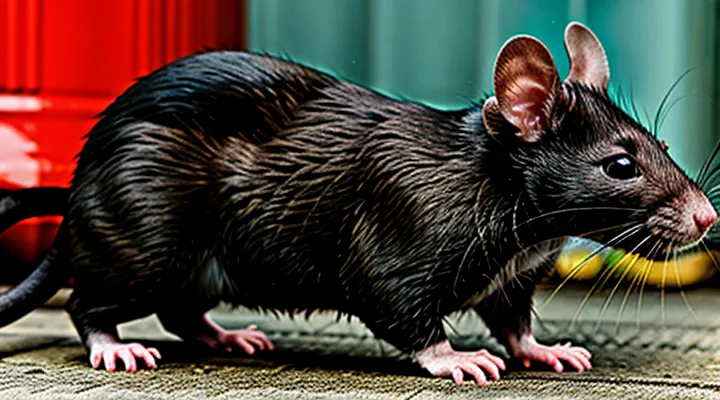
Understanding Rat Behavior and Temperament
Recognizing Fear and Stress Signals
Vocalizations and Body Language
Understanding a rat’s vocal repertoire and physical signals is essential when training the animal to tolerate regular handling. Vocalizations provide immediate feedback on the animal’s emotional state, while posture, grooming, and movement reveal longer‑term comfort levels. Accurate interpretation allows the handler to adjust technique, reduce stress, and reinforce desired behavior.
Vocal cues and their typical meanings
- High‑frequency squeaks (often audible only with a recorder) – acute distress or pain.
- Low, steady chirps – contentment, often heard during gentle petting or feeding.
- Short, sharp squeals – sudden alarm, usually triggered by unexpected movement or restraint.
- Silent periods – possible withdrawal or fear; the animal may be too stressed to vocalize.
Body‑language indicators
- Flattened ears, hunched back, and tail tucked tightly against the body – high anxiety, likely to struggle.
- Rigid stance with a raised tail – defensive posture, readiness to bite.
- Relaxed posture, open limbs, and a loosely curled tail – willingness to be approached.
- Grooming of the fur or whiskers while being held – signs of coping and reduced tension.
- Freezing or immobility – assessment phase; the rat is evaluating the handler’s intentions.
When a handler observes a distress vocalization or a defensive posture, the appropriate response is to pause, lower the voice, and offer a brief retreat period. Re‑introducing the hand after a few minutes, moving slowly, and providing a familiar scent (e.g., a cloth previously used for feeding) can shift the animal toward a relaxed posture. Consistent exposure combined with immediate reinforcement of calm signals—such as gentle petting when the rat displays relaxed ears and a loosely curled tail—conditions the animal to associate handling with safety.
Applying these observations systematically shortens the acclimation period. Each session should begin with a brief assessment of vocal and physical cues, followed by a controlled, low‑stress interaction that respects the rat’s current comfort level. Over successive sessions, the frequency of distress signals declines, while signs of relaxation increase, indicating successful habituation to handling.
Hiding and Avoiding Contact
When a rat consistently retreats into corners, tunnels, or burrows, it signals a lack of confidence in human proximity. Reducing this behavior requires a systematic approach that gradually diminishes the animal’s instinct to hide and lessens its avoidance of touch.
- Begin each session by placing the cage in a quiet area; eliminate sudden noises and bright lights that can trigger flight responses.
- Offer a familiar treat at the cage opening, encouraging the rat to approach without being forced.
- Keep hands motionless and low, allowing the rat to investigate the scent and texture at its own pace.
- If the rat retreats, pause for several minutes before presenting another treat, reinforcing the idea that the environment remains safe.
- Introduce a soft, non‑abrasive surface (e.g., a fleece blanket) inside the enclosure; the rat can rest on it while becoming accustomed to the presence of a hand nearby.
Progression relies on consistency. Conduct brief, daily interactions lasting no more than five minutes. Over weeks, the rat will begin to emerge from hiding spots more readily and tolerate brief, gentle contact, such as a brief fingertip brush across the back. Once the animal accepts this level of interaction, extend the duration of handling and incorporate gentle restraint techniques, always ending each session with a rewarding treat to cement positive association.
Importance of Socialization from a Young Age
Early exposure to gentle human contact conditions rats to accept handling without fear. When pups experience regular, calm interaction during the first weeks of life, neural pathways associated with stress response become less reactive, leading to calmer behavior during later manipulation.
Reduced fear translates into measurable outcomes: lower cortisol spikes, quicker acceptance of routine health checks, and increased willingness to explore new environments. These effects improve overall welfare and simplify husbandry tasks for caretakers.
Practical measures for establishing early socialization:
- Begin handling sessions at three to four weeks of age, lasting one to two minutes per rat.
- Use soft, slow movements; avoid abrupt grabs or lifts.
- Offer treats or scented bedding during contact to create positive associations.
- Conduct daily sessions, gradually extending duration and incorporating gentle restraint techniques.
- Rotate handling among multiple caregivers to prevent dependence on a single individual.
Consistent application of these practices produces rats that remain calm during routine care, reducing injury risk for both animals and handlers.
Preparing for Handling
Creating a Safe and Calm Environment
Minimizing Noise and Sudden Movements
Rats quickly become startled by loud sounds and abrupt motions, which hinders the acclimation process. Reducing auditory and kinetic stimuli creates a predictable environment that encourages calm behavior during handling sessions.
- Conduct all interactions in a quiet room; eliminate background music, television, and conversations louder than a normal speaking voice.
- Use soft‑close drawers and cabinets; avoid slamming equipment or dropping items near the cage.
- Approach the cage slowly, keeping hands steady and visible before reaching in.
- Move the cage only when necessary, and place it on a stable surface that does not vibrate.
- When lifting a rat, support the body with a gentle cupped hand rather than a sudden grab.
Consistent application of these practices lowers stress hormones, improves cooperation, and speeds the habituation of the animal to regular handling.
Providing Hiding Spots and Comfort Items
Providing secure hideaways and comfort objects creates a stable environment that reduces stress during interaction. When a rat can retreat to a familiar shelter, it perceives handling as a temporary disturbance rather than a threat, which speeds the adjustment process.
Select hideouts that mimic natural burrows: small PVC tubes, ceramic caves, or fabric pouches with a single entrance. Place each structure in a quiet corner of the cage and ensure it is easily reachable from the feeding area. Comfort items such as chewable wood blocks, soft nesting material, and low‑profile tunnels should be distributed throughout the enclosure to encourage exploration and relaxation.
- PVC or cardboard tubes, 2–3 inches in diameter, cut to 4–6 inches length
- Ceramic or wooden caves with a single opening
- Untreated natural wood blocks for chewing
- Fleece or shredded paper for nesting
- Low‑profile plastic tunnels that connect hideouts
Rotate items weekly to maintain novelty while preserving the sense of safety. Regularly check that all objects remain clean and free of sharp edges, as a well‑maintained habitat reinforces confidence during handling sessions.
Essential Supplies for Training
Treats and Rewards
Treats and rewards are the most reliable tools for conditioning rats to accept handling. Positive reinforcement creates an association between the act of being held and a pleasant outcome, which reduces stress and encourages repeatable behavior.
Effective implementation requires three steps:
- Choose high‑value foods such as small pieces of fruit, mealworms, or commercial rodent treats; the reward must be highly palatable and easily consumable within a few seconds.
- Deliver the treat immediately after the rat allows gentle contact, ensuring the timing links the handling action with the reward.
- Gradually increase the duration of handling while maintaining the same reward frequency, then begin to taper treats once the rat consistently remains calm during longer sessions.
Consistency across sessions, quiet environment, and a calm voice further reinforce the positive association, leading to rats that willingly tolerate regular handling.
Protective Gloves (Optional)
Protective gloves are not required for every rat‑handling session, but they provide advantages in specific situations. Gloves create a barrier that reduces the risk of bites, scratches, and the transmission of pathogens between handler and animal. When gloves are used, choose thin, textured materials such as nitrile or latex to maintain tactile feedback while preventing accidental slippage.
- Opt for gloves with a snug fit to avoid excess material that could startle the rat.
- Select gloves with a textured palm to improve grip on the animal’s body and tail.
- Prefer disposable gloves for tasks involving cleaning, cage changes, or health‑related procedures.
- Reserve reusable, thicker gloves for handling larger rodents or when working with multiple animals simultaneously.
Using gloves can influence a rat’s perception of handling. The animal may initially react to the unfamiliar scent or texture, so introduce gloves gradually. Allow the rat to sniff the gloves, then perform brief, gentle contacts while maintaining a calm demeanor. Repetition of these short interactions helps the rat associate the gloved hand with a safe, predictable experience.
When gloves are omitted, rely on clean, well‑conditioned hands. Wash thoroughly with mild soap, dry completely, and avoid strong fragrances that could alarm the rat. Consistent hand hygiene, combined with slow, deliberate movements, supports the same acclimation process achieved with gloves.
In summary, gloves are optional but beneficial for hygiene and safety. Choose appropriate gloves, integrate them slowly into handling routines, and maintain rigorous hand‑cleaning practices when working bare‑handed to ensure successful rat habituation to handling.
Step-by-Step Training Process
Starting with Acclimation
Allowing Rats to Get Used to Your Scent
Rats rely heavily on olfactory cues; a familiar human scent reduces stress and facilitates safe handling. Consistent exposure to the caretaker’s odor creates a predictable environment, allowing the animal to focus on the interaction rather than react to an unknown smell.
- Wear the same clean clothing each time you work with the rat.
- Apply a small amount of unscented, skin‑safe lotion to your hands before contact; the scent will transfer to the animal’s fur.
- Place a piece of fabric that has been worn by you in the cage for several minutes daily.
- Gently rub the fabric on the rat’s back during short, calm sessions, keeping movements brief and predictable.
- Increase the duration of scent exposure gradually, matching the rat’s tolerance level.
After the rat shows calm behavior when the scent is present, integrate handling sessions that begin with a brief sniff of the hand before lifting. Maintain the scent routine for at least two weeks to solidify the association. If the rat exhibits signs of agitation, reduce exposure time and re‑introduce scent cues at a slower pace. Consistent olfactory familiarity, combined with gentle physical contact, establishes a reliable foundation for comfortable handling.
Gentle Voice and Presence
A calm vocal tone and relaxed body language create a predictable environment that lowers a rat’s anxiety during contact. Rats are sensitive to sudden noises and abrupt movements; a soft voice and steady presence signal that the handler is not a threat.
Consistent, gentle speech reduces the animal’s startle response, while a composed posture prevents the transmission of tension through the handler’s hands and arms. The combination allows the rat to focus on the physical support rather than on unpredictable cues.
Practical application:
- Speak in a low, steady voice when approaching the cage or picking up the rat.
- Avoid abrupt gestures; move slowly and keep movements fluid.
- Maintain a relaxed stance, shoulders down, hands open and resting lightly on the animal.
- Keep eye contact soft; do not stare directly at the rat’s face.
- Repeat the same vocal and physical pattern each handling session to reinforce familiarity.
Regular use of these techniques conditions the rat to associate handling with a calm, non‑threatening presence, facilitating smoother interactions over time.
Introducing Hand Feeding
Offering Treats Through Bars
Offering treats through the bars of a cage creates a positive association with the presence of a hand. The rat learns that approaching the opening results in a reward, which reduces fear and encourages voluntary movement toward the handler.
- Place a small, highly palatable food item (e.g., a piece of fruit or a seed) on the cage bar opposite the hand.
- Hold the treat steady for a few seconds, allowing the rat to sniff and reach for it.
- Release the treat only after the rat initiates contact with the bar, reinforcing the connection between the hand and the reward.
- Repeat the sequence 5–10 times per session, spacing attempts by 2–3 minutes to prevent overstimulation.
Consistent timing strengthens the association. Conduct sessions at the same time each day, preferably during the rat’s active period. Gradually decrease the distance between the hand and the bar as the animal becomes more comfortable.
Monitor the rat’s behavior for signs of stress, such as rapid breathing or excessive grooming. Adjust treat size or frequency if the animal shows reluctance. Successful implementation results in the rat approaching the bars readily, laying the groundwork for gentle handling without restraint.
Gradually Moving Hand Inside Cage
Begin each session with the cage lid slightly ajar, allowing the rat to see the hand without direct contact. Keep the hand steady and low to the cage floor; the animal will observe the movement without feeling threatened.
- Place the hand just inside the cage for a few seconds, then withdraw. Repeat 2–3 times per session, extending the duration as the rat shows calm behavior.
- Introduce a gentle, slow motion: slide the fingers forward, pause, and retract. The rat learns that the hand does not deliver sudden pressure.
- Add a light touch to the back of the neck or shoulder once the rat tolerates the hand’s presence. Keep contact brief, then retreat.
- Increase the frequency of sessions gradually, maintaining short intervals to avoid stress accumulation.
Observe body language: ears flattened, whiskers forward, or rapid retreat indicate the need to reduce exposure. When the rat remains still, continues to explore, or approaches the hand voluntarily, progress is confirmed. Consistent, incremental exposure builds familiarity, enabling smoother handling in later procedures.
First Gentle Touches
Short and Positive Interactions
Short, pleasant encounters build a rat’s confidence in human contact. Begin each session with a calm hand approach, allowing the animal to sniff before any touch. Keep contact brief—no more than a few seconds—to prevent stress accumulation.
- Offer a treat directly from the fingertips, then withdraw the hand.
- Gently cup the rat’s body without restraining, release after a brief pause.
- Rotate the interaction locations (left hand, right hand, different angles) to generalize comfort.
- Limit sessions to 2–3 minutes, repeating several times daily.
Consistency reinforces a positive association. Observe the rat’s body language; relaxed posture and grooming indicate acceptance, while fleeing or vocalizing signal the need to shorten the next encounter. Adjust duration accordingly, gradually extending contact as tolerance improves.
Focusing on Shoulders and Back
Training rats to tolerate regular handling depends largely on how the handler supports the animal’s shoulders and back. Proper grip reduces stress, prevents escape attempts, and encourages the rat to view the interaction as safe.
Begin each session by allowing the rat to sniff the hand, then gently cup the shoulders with the thumb and forefinger while the other hand supports the lumbar region. Maintain a relaxed posture, keep movements smooth, and avoid lifting the animal by the tail or limbs. The rat should feel evenly balanced, with weight distributed across the forelimbs and torso.
- Position fingers under the scapular area, forming a shallow cradle.
- Use the opposite hand to steady the lower back, aligning the spine with the handler’s palm.
- Lift just enough to bring the rat close to the handler’s chest, allowing eye contact.
- Hold for a few seconds, then lower slowly, releasing the grip gradually.
Consistent practice with this shoulder‑back support builds a reliable handling routine. Observe the rat’s body language; signs of tension such as flattened ears or rapid breathing indicate the need to reduce pressure. Adjust grip pressure and duration accordingly to maintain a calm response. Regular, brief sessions reinforce the learned comfort and minimize the risk of injury to both rat and handler.
Progressing to Picking Up
Scooping vs. Grabbing
Training rats for regular handling requires a clear choice between two primary methods: scooping and grabbing. Each technique influences the animal’s stress level, the handler’s control, and the safety of both parties.
Scooping involves guiding the rat into an open hand from below, using a gentle upward motion. The hand remains flat, fingers spread to create a stable platform. The rat’s body rests on the palm while the forepaws grip the edges of the hand. This approach minimizes pressure on the spine, reduces the risk of bite, and allows the animal to perceive the hand as a supportive surface rather than a threat.
Grabbing consists of encircling the rat’s torso with the thumb and fingers, often lifting from the back or side. The grip is firm enough to prevent escape but should avoid excessive compression of the ribcage. This method provides rapid control in situations where the rat is reluctant to enter a hand or when quick restraint is necessary for procedures such as injections or health checks.
Comparison
- Stress response – Scooping generally elicits lower cortisol spikes; grabbing may increase startle reflexes.
- Control – Grabbing offers immediate immobilization; scooping relies on the rat’s voluntary placement.
- Risk of injury – Scooping limits spinal pressure; grabbing poses higher risk of rib or limb strain if applied too tightly.
- Suitability for procedures – Grabbing is preferred for brief, invasive tasks; scooping suits routine monitoring and cage transfers.
- Learning curve – Scooping requires practice to time the upward motion; grabbing is mechanically straightforward but demands careful pressure management.
For most laboratory or hobbyist environments, begin with scooping to establish trust, then introduce grabbing only when specific interventions demand rapid restraint. Consistent practice, gentle voice cues, and positive reinforcement accelerate acclimation regardless of the chosen method.
Supporting the Whole Body
Effective acclimation of laboratory rats to handling requires attention to the entire organism. Musculoskeletal stability, cardiovascular balance, and sensory comfort must be maintained throughout each session. Disruptions in any system increase stress responses and compromise habituation progress.
Support techniques focus on three functional areas:
- Postural assistance – hold the animal under the forelimbs while allowing the hindquarters to rest on a soft surface; avoid suspending the torso to preserve spinal alignment.
- Thermoregulatory control – keep ambient temperature within the species’ optimal range (20‑24 °C); use a warmed glove or pad when handling for longer than 30 seconds.
- Circulatory protection – limit grip pressure to no more than 1 N per paw; release immediately if the rat exhibits rapid breathing or tail vasoconstriction.
Implementing these measures consistently reduces cortisol spikes and promotes smoother transitions to routine handling. Record each session’s duration, grip force, and temperature to identify trends and adjust protocols accordingly.
Building Trust Through Play and Interaction
Short Play Sessions Outside the Cage
Short play sessions outside the cage provide controlled exposure that reduces fear and builds confidence in rats when they are handled. By limiting each session to a few minutes, the animal experiences a manageable amount of novelty without becoming overwhelmed.
- Begin with 2–3 minutes of gentle interaction on a clean, non‑slippery surface.
- Conduct sessions 2–3 times daily, maintaining consistent timing to establish routine.
- Use a calm voice and slow movements; avoid sudden gestures that may trigger startle responses.
- Offer a preferred treat immediately after handling to create a positive association.
- Keep the play area free of sharp objects and ensure the floor offers traction to prevent slips.
- Gradually increase duration by 30‑seconds each week, monitoring the rat’s stress signals (e.g., freezing, rapid breathing).
Consistent, brief outings reinforce familiarity with the handler’s hands and the surrounding environment. Over time, rats display reduced resistance, allowing more thorough health checks and routine care without distress.
Using Toys and Tunnels
Using toys and tunnels can significantly reduce a rat’s fear of human contact. Toys encourage voluntary interaction, while tunnels create a sense of security that eases the transition from enclosure to hand.
Introduce a small, lightweight chew toy such as a wooden block or safe plastic ball. Place the toy near the cage opening and allow the rat to explore it independently. When the animal engages with the toy, gently extend a finger toward the toy’s surface. The rat will learn that contact with a human hand leads to a rewarding object.
Implement tunnels that connect the cage to a handling area. Position a clear PVC or fabric tunnel so the rat can travel through it without leaving the safety of its environment. Allow the rat to move through the tunnel at its own pace; once inside, lightly cup the tunnel and lift it, providing a controlled exposure to the hand.
Key practices:
- Rotate toys every few days to maintain novelty.
- Keep tunnels clean and free of strong odors.
- Pair toy interaction with soft spoken reassurance.
- Limit handling sessions to 2‑3 minutes initially, extending duration as the rat shows comfort.
Consistent use of these tools builds positive associations, leading to a calmer, more cooperative animal during routine handling.
Addressing Common Challenges
Dealing with Biting
Understanding Reasons for Biting
Rats bite primarily when they perceive a threat. Recognizing the triggers behind this behavior is essential for successful acclimation to human contact.
- Fear of unfamiliar stimuli – sudden movements, loud noises, or unfamiliar hands can provoke a defensive bite.
- Pain or discomfort – injuries, dental problems, or ill‑fitting cages cause rats to react aggressively when handled.
- Territorial instinct – during nesting or when guarding food, a rat may bite to protect its space.
- Insufficient socialization – rats raised without regular, gentle handling lack the confidence to tolerate human touch.
- Health issues – infections, parasites, or systemic illness can increase irritability and lead to biting.
Each factor demands a specific response. Gradual exposure to calm handling reduces fear; regular health checks prevent pain‑induced aggression; providing ample nesting material and spaced feeding zones diminishes territorial disputes; daily gentle interaction builds trust; and prompt veterinary care addresses underlying medical problems.
Implementing these measures lowers the incidence of biting, facilitating smoother handling and stronger human‑rat rapport.
Strategies for Discouraging Biting
Rats bite primarily when they feel threatened, inexperienced with human contact, or perceive a painful stimulus. Reducing these triggers eliminates most aggressive responses.
- Provide consistent, calm handling sessions lasting 2–3 minutes each; repeat daily until the animal shows relaxed posture.
- Approach from the side rather than directly over the head to avoid triggering a defensive stance.
- Use a gentle, open‑hand scoop rather than a claw‑like grip; allow the rat to step onto the hand voluntarily.
- Offer a familiar treat immediately after contact; the positive association discourages future nipping.
- Keep nails trimmed to minimize injury if a bite occurs; short nails reduce the incentive for the rat to bite as a defensive tool.
- Avoid sudden movements, loud noises, and bright lights during interaction; steady environments lower stress levels.
- Monitor body language—flattened ears, tense tail, rapid breathing indicate rising tension; pause handling until the rat relaxes.
- Implement brief, positive desensitization drills: touch the nose, then the back, gradually increasing contact duration while rewarding calm behavior.
Consistent application of these measures conditions rats to view handling as safe and rewarding, thereby suppressing biting tendencies.
Overcoming Shyness and Fear
Patience and Consistency
Getting a rat accustomed to being held requires deliberate behavioral management. Two foundational principles—steady pacing and repeatable routines—determine whether the animal relaxes in the hand or remains defensive.
Patience means allowing the rodent to approach on its own terms. Begin with short, low‑pressure contacts: place a hand near the cage, let the rat investigate, and withdraw if signs of stress appear. Extend the interval between sessions only after the animal shows calm sniffing or gentle nibbling. Avoid sudden movements; give enough time for the rat to assess safety before any physical support is applied.
Consistency involves using the same approach each day. Position the hand in the same orientation, lift with identical speed, and hold for a fixed duration—typically 10–15 seconds for beginners. Conduct sessions at the same time of day to align with the rat’s activity cycle. Record observations to ensure that each encounter follows the established pattern.
Practical application:
- Approach the cage slowly, hand open, palm down.
- Allow the rat to climb onto the fingers voluntarily.
- Support the body with both hands, keeping pressure light.
- Maintain contact for a predetermined period, then release calmly.
- Repeat the sequence daily, adjusting only when the rat exhibits clear comfort.
By combining unhurried exposure with an unchanging handling protocol, the rat learns that the hand is predictable and non‑threatening, leading to reliable acceptance of handling over time.
Creating Positive Associations
Creating positive associations is the foundation of successful rat handling. When a rat links a human’s touch with a rewarding outcome, the animal becomes more tolerant of routine interactions and less likely to exhibit defensive behavior.
Effective techniques include:
- Offering a small treat immediately before and after each gentle grasp.
- Using a soft, warm hand for initial contact; avoid abrupt movements.
- Pairing the scent of the handler’s skin with a familiar bedding material placed nearby.
- Conducting brief sessions (30‑60 seconds) several times daily; increase duration only after the rat remains calm.
Consistency reinforces the learned link. Use the same type of treat and the same handling location to reduce variables. Observe the rat’s posture, whisker position, and ear orientation; signs of tension such as rapid breathing or vocalization indicate the need to pause and resume later. Gradual exposure combined with reliable rewards establishes a durable, positive perception of handling.
Handling Multiple Rats
Individual Attention
Individual attention means dedicating focused, uninterrupted time to a single rat during each handling session. This approach eliminates competition for the handler’s focus and allows the animal to associate handling with a predictable, calm presence.
Consistent one‑on‑one interaction accelerates habituation. The rat learns that the handler’s hands are safe, reduces stress responses, and develops a reliable pattern of calm behavior that transfers to group handling situations.
Effective implementation:
- Schedule short sessions (2–5 minutes) for each rat, repeating them several times daily.
- Begin with gentle hand placement near the cage, allowing the rat to approach voluntarily.
- Progress to brief lifts, supporting the body with both hands while maintaining a relaxed posture.
- Reward calm behavior with a small treat or a brief period of quiet petting.
- Record the rat’s reaction after each session to adjust duration and intensity as needed.
By maintaining a routine of focused interaction, each rat builds confidence in handling, leading to a smoother overall training process.
Group Interactions
Group dynamics shape the speed and stability of rat acclimation to handling. When rats are introduced to handling as a cohort, social buffering reduces stress responses, allowing individuals to observe conspecifics’ tolerance and mimic calm behavior.
Observational learning accelerates habituation. Rats that witness cage‑mates being gently restrained and released develop shorter latency to accept touch. Social reinforcement also mitigates fear‑induced aggression, resulting in smoother handling sessions for the entire group.
Effective implementation requires structured interaction:
- House rats in stable groups of 3–5 to maintain consistent social hierarchy.
- Conduct daily brief handling trials (30–60 seconds) with all group members present.
- Rotate the order of individuals handled first, ensuring each rat experiences both observer and subject roles.
- Record latency to calm posture and frequency of escape attempts for each session; adjust handling duration based on trends.
- Provide a neutral handling arena separate from the home cage to prevent territorial bias.
Consistency across sessions reinforces the learned tolerance. Group exposure combined with systematic observation produces reliable handling proficiency, reducing the need for individual desensitization protocols.
Maintaining Positive Handling Experiences
Regular Interaction and Reinforcement
Consistent, brief contact trains rats to accept human touch and lowers stress during routine care.
Daily sessions should last no more than two minutes each, focusing on gentle scooping, brief restraint, and quick release. Repeating this routine at the same time each day creates predictability, which reinforces calm behavior.
Positive reinforcement links handling with reward. Offer a small piece of favorite food immediately after each interaction; the association encourages the animal to approach the hand voluntarily. Over time, the rat begins to anticipate handling as a source of pleasure rather than threat.
Key practices:
- Conduct handling in a quiet area free of sudden noises.
- Use a soft, cupped hand to support the body, avoiding pressure on the spine.
- Observe ear and whisker position; relaxed ears indicate comfort, while flattened ears signal tension.
- Increase handling duration gradually, adding a few seconds each week as the rat remains calm.
- Alternate between gentle petting and brief restraint to develop tolerance to both actions.
Implementing regular interaction combined with immediate, food‑based reinforcement reliably conditions rats to tolerate and even seek handling.
Continuing with Treats and Praise
Positive reinforcement remains the most reliable method for habituating rats to human contact. Offering a small, high‑value food item immediately after each brief touch creates a clear association between handling and reward. Use a calm, steady voice when delivering praise; the tone should be consistent across sessions to avoid confusing the animal.
- Select treats that are easy to consume quickly, such as a piece of fruit, a tiny seed pellet, or a commercial rodent snack.
- Present the treat within a second of the touch, ensuring the rat links the sensation with the incentive.
- Keep handling intervals short at first (5–10 seconds), then extend by 2–3 seconds each session as the rat shows tolerance.
- Maintain a regular schedule, ideally two to three times daily, to reinforce predictability.
- Record the rat’s response to each session; adjust treat size or handling length if signs of stress appear.
Consistent application of these steps builds confidence in the animal, gradually reducing resistance to routine handling without reliance on coercion.
Recognizing When to Stop
Observing Signs of Discomfort or Stress
Recognizing discomfort or stress in a rat is a prerequisite for successful acclimation to handling. Observable indicators fall into three categories: physical posture, vocal output, and behavioral changes.
- Flattened or hunched back, tail tucked against the body, and rapid breathing signal acute tension.
- High‑pitched squeaks, chattering, or prolonged silence accompanied by immobility suggest heightened anxiety.
- Excessive grooming, escape attempts, or refusal to explore the enclosure indicate chronic unease.
When any of these signs appear, pause the interaction immediately. Reduce the duration of each handling session, lower the grip pressure, and allow the animal to retreat to a secure hideaway. Re‑introduce contact after a period of calm, gradually extending the time spent in the hand.
Consistent monitoring of these cues enables the handler to adjust technique in real time, fostering a progressive reduction in stress and promoting a more cooperative temperament.