
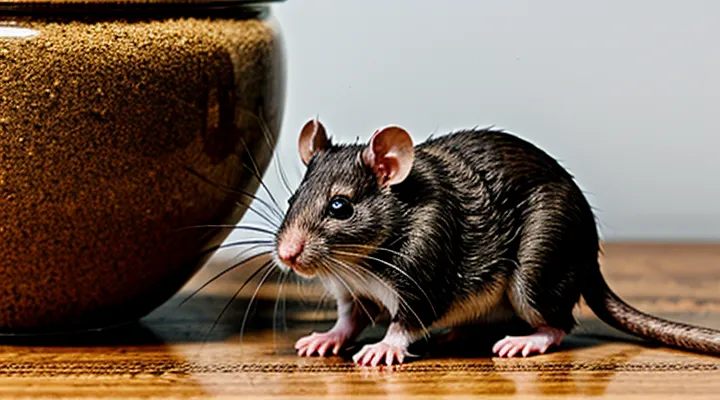
Understanding Your Rat's Lifespan and Needs
Average Lifespan and Factors Affecting It
Genetic Predisposition
Genetic predisposition determines the baseline health profile of a rat, influencing susceptibility to metabolic disorders, cardiovascular disease, and age‑related degeneration. Specific alleles can accelerate telomere shortening, impair antioxidant defenses, or alter lipid metabolism, thereby shortening the expected lifespan regardless of external care.
Recognizing hereditary risk enables targeted interventions:
- Conduct pedigree analysis to identify lines with documented longevity or reduced incidence of chronic conditions.
- Implement regular veterinary screening for early markers associated with known genetic vulnerabilities, such as elevated cholesterol or renal biomarkers.
- Adjust dietary formulations to counteract predicted metabolic weaknesses; for example, increase omega‑3 fatty acids for strains prone to inflammation, or provide low‑glycemic carbohydrates for rats with a genetic tendency toward glucose intolerance.
- Provide enriched environments that stimulate physical activity, mitigating genetic predispositions toward obesity and cardiovascular decline.
When breeding, prioritize individuals exhibiting robust health metrics over aesthetic traits. Selecting for longevity‑linked genes gradually shifts the population toward a higher average lifespan, complementing optimal nutrition and husbandry practices.
Environmental Influences
Environmental conditions exert a direct impact on a rat’s health trajectory and lifespan. Proper management of these factors complements nutritional strategies and reduces the incidence of stress‑related disease.
- Cage size and layout – Minimum floor area of 0.5 sq ft per adult rat; provide multiple levels and tunnels to encourage natural locomotion.
- Bedding material – Use low‑dust, absorbent substrates such as paper or aspen; replace weekly to prevent respiratory irritation.
- Temperature – Maintain ambient temperature between 68 °F and 75 °F (20‑24 °C); avoid rapid fluctuations that strain thermoregulation.
- Humidity – Keep relative humidity around 40‑60 %; excess moisture promotes mold growth, while dryness increases skin irritation.
- Lighting cycle – Implement a consistent 12‑hour light/12‑hour dark schedule; abrupt changes disrupt circadian rhythms.
- Noise level – Limit exposure to sudden loud sounds; continuous low‑level background noise can elevate stress hormones.
- Air quality – Ensure adequate ventilation; filter out ammonia and volatile organic compounds to protect respiratory health.
- Enrichment objects – Rotate toys, chewable items, and nesting materials weekly; sustained mental stimulation reduces stereotypic behavior.
Regular monitoring includes daily visual checks for signs of distress, weekly measurement of temperature and humidity, and monthly cleaning of the enclosure. Adjustments should be made promptly when parameters fall outside recommended ranges. Consistent environmental stewardship, combined with balanced nutrition, creates conditions that support optimal longevity in pet rats.
Recognizing Signs of a Healthy Rat
Physical Indicators
Physical indicators provide immediate insight into a rat’s overall health and potential lifespan. Regular monitoring allows owners to detect problems early and adjust nutrition and care accordingly.
- Body condition score: a firm, rounded abdomen without excessive fat deposits indicates appropriate weight; a score that is too low or high signals under‑ or over‑nutrition.
- Coat quality: smooth, glossy fur that sheds evenly reflects adequate protein and essential fatty acids; dull, patchy, or brittle hair suggests deficiencies or illness.
- Activity level: consistent exploration and brief bursts of running demonstrate muscular strength and cardiovascular function; lethargy or tremors point to metabolic or neurological issues.
- Eye clarity: bright, clear eyes without discharge or cloudiness show proper hydration and vitamin A intake; redness or cataracts may indicate systemic problems.
- Dental health: teeth that are evenly worn and free of overgrowth reveal balanced calcium and phosphorus; malocclusion or excessive wear can impair eating and lead to weight loss.
- Respiratory sounds: quiet, unobstructed breathing indicates healthy lungs; wheezing or crackles suggest infection or environmental stress.
Tracking these metrics weekly, recording changes, and consulting a veterinarian when deviations appear supports optimal longevity through targeted dietary adjustments and environmental enrichment.
Behavioral Indicators
Observing a rat’s behavior provides the most immediate insight into its health status and the effectiveness of its diet and environment. Consistent activity, regular grooming, and steady food intake indicate that nutritional needs are being met and that the living conditions support well‑being. Conversely, deviations from these patterns often signal underlying issues that can shorten lifespan if left unchecked.
Key behavioral indicators to monitor include:
- Activity level: Frequent exploration and playful running suggest adequate energy; lethargy or prolonged inactivity may point to nutrient deficiency or illness.
- Grooming habits: Routine self‑cleaning reflects comfort and health; excessive scratching, fur loss, or neglect of grooming can signal skin problems, parasites, or stress.
- Eating and drinking patterns: Steady consumption of fresh food and water is a baseline; reduced appetite, binge eating, or sudden preference for soft foods may reveal dental problems or metabolic disturbances.
- Social interaction: Engaging with cage mates and responding to handling demonstrate psychological stability; aggression, withdrawal, or heightened fearfulness often correlate with poor environmental enrichment or dietary imbalances.
- Sleep behavior: Regular, undisturbed rest periods are normal; frequent waking, restless pacing, or sleeping in unusual positions can indicate discomfort or pain.
- Vocalizations: Soft chirps or squeaks during exploration are typical; high‑pitched screams or prolonged silence may reflect acute distress or chronic illness.
Detecting changes early allows caregivers to adjust diet composition, supplement micronutrients, or modify cage setup before health deteriorates. Regularly recording these behaviors establishes a baseline, making it easier to identify subtle shifts that warrant veterinary consultation or dietary revision. Maintaining vigilance over these indicators is essential for any strategy aimed at prolonging the life of a pet rat.
Optimizing Nutrition for Longevity
The Foundation: High-Quality Rat Blocks
Recommended Brands and Ingredients
When selecting food for pet rats, prioritize products formulated specifically for rodents, as they provide balanced ratios of protein, fat, fiber, and essential micronutrients.
- LabDiet® Rat & Mouse Chow (Purina) – 18% protein, 4% fat, fortified with vitamin A, D3, E, and trace minerals; includes wheat, corn, and soy meal for digestible energy.
- Teklad® 2018 Rodent Diet (Enviro) – 18% protein, 5% fat, high-quality casein and soybean protein; contains calcium carbonate and phosphorus for skeletal health.
- Mazuri® Rat Diet (Harlan) – 16% protein, 4% fat, enriched with omega‑3 fatty acids from flaxseed; includes prebiotic fibers such as inulin to support gut microbiota.
Key ingredients that contribute to longevity:
- High‑quality animal protein – casein, whey, or soy isolate supplies essential amino acids for tissue repair and immune function.
- Omega‑3 fatty acids – EPA and DHA from fish oil or flaxseed reduce inflammation and support cardiovascular health.
- Antioxidant vitamins – vitamins C and E, plus selenium, mitigate oxidative stress linked to age‑related decline.
- Prebiotic fiber – inulin, chicory root, and beet pulp promote beneficial gut bacteria, improving nutrient absorption.
- Calcium‑phosphorus balance – ratios near 1.2:1 prevent skeletal degeneration and aid dental health.
Supplemental options for targeted support:
- Vitamin D3 drops (Animal Essentials) – 500 IU per ml, administered sparingly to prevent deficiency in indoor rats.
- Probiotic powder (Pet‑Biome) – contains Lactobacillus reuteri and Bifidobacterium animalis, mixed into water or soft food for microbiome stability.
- Calcium carbonate chew blocks (Kaytee) – provide continuous mineral access, reducing the risk of hypocalcemia.
Select brands with transparent ingredient lists, batch testing, and no unnecessary fillers such as artificial colors or sweeteners. Consistent feeding of these formulated diets, complemented by appropriate supplements, establishes a nutritional foundation that can extend the lifespan of captive rats.
Avoiding Low-Quality Fillers
When selecting food for a pet rat, scrutinize the ingredient list for substances that provide little nutritional value yet increase bulk. Low‑quality fillers dilute essential proteins, vitamins, and minerals, forcing the animal to consume larger quantities to meet its dietary needs. This can lead to excess weight, digestive strain, and reduced lifespan.
Key characteristics of undesirable fillers include:
- High percentages of generic corn or wheat meal without specification of grain type.
- Unnamed “by‑products” or “meal” that lacks clear sourcing information.
- Excessive use of soy protein isolate, which may contain anti‑nutritional factors.
- Artificial sweeteners, flavors, or colorants added for palatability rather than health.
To ensure optimal nutrition:
- Choose products where protein sources (e.g., mouse‐derived, high‑quality animal proteins) appear among the first three ingredients.
- Verify that the formula lists whole grains or seed items with precise origins.
- Prefer foods that state the absence of artificial additives and unnecessary bulking agents.
- Supplement commercially prepared diets with fresh vegetables, fruits, and lean protein treats, reducing reliance on filler‑heavy mixes.
By eliminating low‑quality bulk components, you provide a more concentrated nutrient profile, support efficient metabolism, and promote a longer, healthier life for your rat.
Supplementing with Fresh Foods
Safe Fruits and Vegetables
Providing pet rats with appropriate produce supports longevity and overall health. Fresh items must be washed thoroughly, skins removed when necessary, and seeds or pits discarded to prevent choking or toxicity. Limit fruit portions to 5–10 % of the daily diet; vegetables may comprise up to 15 % when balanced with a high‑quality pellet base.
-
Apples, core removed, thinly sliced
-
Blueberries, whole, rinsed
-
Strawberries, hulled, quartered
-
Pears, skin removed, diced
-
Mango, flesh only, small cubes
-
Carrots, peeled, grated
-
Broccoli florets, lightly steamed
-
Spinach, chopped, offered in small amounts
-
Sweet potato, cooked, mashed
-
Peas, fresh or frozen, thawed
Introduce each new item individually, observing the rat for changes in stool consistency, activity level, or appetite. Discontinue any produce that triggers digestive upset or weight loss. Rotate selections weekly to maintain nutritional variety while preventing overexposure to any single vitamin or mineral.
Protein Sources and Their Importance
Protein is a fundamental building block for rat health, influencing tissue repair, immune function, and metabolic efficiency. Adequate intake supports growth, maintains muscle mass, and helps mitigate age‑related decline, directly contributing to longer, healthier lives.
Common protein sources for pet rats include:
- Eggs – boiled or scrambled, without added salt or seasoning; high biological value, rich in essential amino acids.
- Cooked poultry – skinless chicken or turkey, finely shredded; provides lean protein and minimal fat.
- Fish – boiled or baked white fish, deboned; offers omega‑3 fatty acids alongside protein.
- Soy products – tempeh or cooked soybeans; plant‑based protein with a complete amino acid profile when combined with grains.
- Lentils and peas – cooked until soft; supplement dietary diversity and fiber.
- Insects – dried crickets or mealworms; high protein density, suitable for occasional enrichment.
- Commercial rat blocks – formulated blends that balance protein with vitamins and minerals; ensure consistent nutrient supply.
When selecting protein, prioritize digestibility and amino‑acid completeness. Animal‑derived proteins typically exhibit higher digestibility, but well‑processed plant proteins can achieve comparable results when paired appropriately. Excessive protein may strain kidneys, especially in older rats; a daily intake of 15‑20 % of total calories is generally sufficient for adult specimens.
Regular monitoring of body condition and veterinary assessments help fine‑tune protein levels. Adjustments should reflect activity level, age, and health status, ensuring that protein contributes to sustained vitality without causing metabolic imbalance.
Foods to Avoid: A Comprehensive List
A rat’s lifespan depends heavily on the quality of its diet; certain foods can accelerate health decline and shorten life expectancy. Eliminating these items from daily meals is essential for optimal longevity.
- Processed meats (ham, bacon, sausage) – high in sodium and preservatives.
- Sugary treats (candy, chocolate, baked goods) – cause rapid blood‑sugar spikes and dental decay.
- High‑fat snacks (potato chips, fried foods, buttery popcorn) – contribute to obesity and liver strain.
- Citrus fruits (oranges, lemons, grapefruits) – acidic juices irritate the gastrointestinal tract.
- Raw beans and legumes (especially kidney beans) – contain lectins that are toxic to rodents.
- Dairy products (milk, cheese, yogurt) – many rats lack lactase, leading to digestive upset.
- Salted nuts and seeds – excess sodium and oil overload the kidneys.
- Caffeinated beverages (coffee, tea, energy drinks) – stimulate the heart and can cause arrhythmias.
- Alcoholic liquids – toxic at any concentration.
- Artificial sweeteners (xylitol, aspartame) – pose metabolic risks and may be lethal.
Recognizing harmful foods involves checking ingredient labels for added sugars, salts, fats, and artificial additives. Offer only fresh, rodent‑safe produce, lean proteins, and whole grains. Regularly remove any unfamiliar or processed items from the cage environment to prevent accidental ingestion.
Hydration: A Critical Component
Water Bottle vs. Bowl
Providing clean, readily available water is a fundamental component of rat health. Adequate hydration supports kidney function, digestion, and overall longevity, making the choice of water delivery system a practical concern for owners.
A water bottle consists of a sealed reservoir with a sipper tube that dispenses water when the rat applies pressure. Advantages include:
- Protection from spills and cage contamination.
- Reduced risk of bacterial growth due to limited exposure to air.
- Precise monitoring of consumption by observing bottle level.
- Minimal space consumption, leaving more room for enrichment items.
Disadvantages are:
- Potential for tube blockage from bedding or droppings.
- Requirement for regular cleaning to prevent biofilm formation.
- Initial cost higher than a simple bowl.
A water bowl is an open container placed within the cage. Its strengths are:
- Immediate access without the need to manipulate a tube.
- Easier to clean with standard dish‑washing methods.
- Allows observation of drinking behavior, helpful for detecting health issues.
Drawbacks include:
- Higher likelihood of spills, leading to damp bedding and mold growth.
- Increased exposure to airborne contaminants.
- Occupies floor space, potentially limiting cage layout.
When deciding between the two, consider the following factors:
- Cage design: Tight‑fit cages benefit from bottles that save space; spacious cages can accommodate bowls without crowding.
- Hygiene routine: If daily cleaning is feasible, a bowl may suffice; otherwise, a bottle offers better protection against contamination.
- Rat age and health: Older or ill rats may struggle with the pressure needed to activate a bottle; a shallow bowl provides easier access.
- Monitoring needs: Owners tracking water intake for medical reasons should prefer bottles for their clear volume indicators.
In practice, many experienced caretakers employ both systems: a bottle for the primary water source and a shallow bowl for supplemental drinking, especially during warm weather or when the rat shows difficulty using the bottle. This hybrid approach maximizes hydration reliability while mitigating the individual shortcomings of each method.
Ensuring Constant Access to Fresh Water
Constant availability of clean water directly influences a rat’s physiological functions, metabolic efficiency, and overall lifespan. Dehydration accelerates organ strain, impairs kidney function, and shortens survival expectancy.
A sealed water bottle attached to the cage offers reliable delivery, prevents spills, and minimizes contamination. A stainless‑steel bowl may be used for short‑term access but requires frequent cleaning to avoid bacterial growth.
- Install the bottle at a height reachable for the animal without causing strain.
- Check the spout each day; replace if cracks or clogging appear.
- Refill with fresh water at least once daily; more often in warm environments.
- Clean the bottle and tubing weekly with mild, unscented soap; rinse thoroughly before refilling.
- Rotate the bottle’s position weekly to encourage exploration and prevent habituation.
Observe drinking patterns; a reduction of 30 % or more compared with baseline indicates potential health issues. Dry mouth, sunken eyes, and lethargy corroborate dehydration. Promptly increase water availability and assess for underlying illness if these signs emerge.
Essential Care Practices for a Long Life
Creating an Ideal Habitat
Cage Size and Enrichment
Adequate cage dimensions are essential for rat health and longevity. A minimum floor area of 2 sq ft (approximately 0.19 m²) per adult rat prevents overcrowding, while a height of at least 12 in (30 cm) allows for climbing and vertical exploration. Larger enclosures reduce stress, lower the incidence of respiratory problems, and support natural foraging behavior.
Enrichment items complement space by stimulating mental and physical activity. Without appropriate objects, rats may develop stereotypic behaviors such as excessive grooming or repetitive pacing. Effective enrichment includes:
- Chewable materials (untreated wood blocks, cardboard tubes) to maintain dental health.
- Multi‑level platforms or hammocks for climbing and resting.
- Hideouts (plastic igloos, fabric tunnels) that provide security.
- Puzzle feeders that require manipulation to access food, encouraging problem‑solving.
- Rotating accessories every two weeks to prevent habituation.
Materials must be non‑toxic, easy to clean, and free of sharp edges. Regular rotation of toys and rearrangement of the cage layout preserve novelty and reduce boredom. Proper ventilation, sealed gaps, and a secure lid prevent escapes while ensuring fresh air circulation.
In practice, measure the interior space before adding accessories; the total occupied volume should not exceed 60 % of the cage’s capacity. This rule leaves sufficient room for unstructured movement, which is critical for cardiovascular fitness and joint health. By adhering to these size standards and providing diverse, regularly refreshed enrichment, owners create an environment that directly contributes to extended rat lifespan.
Bedding Choices and Their Impact
Choosing appropriate bedding directly influences a rat’s respiratory health, stress levels, and overall lifespan. Materials that generate dust or retain moisture create environments conducive to respiratory infections and skin irritation, shortening the animal’s life expectancy. Conversely, low‑dust, absorbent substrates reduce pathogen growth and support comfortable nesting, promoting longevity.
- Paper‑based bedding (e.g., shredded paper, cellulose rolls): minimal dust, high absorbency, easy to replace; suitable for sensitive respiratory systems.
- Aspen shavings: low resin content, moderate dust, good ventilation; acceptable for most healthy rats but less absorbent than paper.
- Cotton or hemp pellets: compact, low dust, biodegradable; require thorough drying to prevent mold.
- Corncob bedding: high dust, potential allergens; generally discouraged for long‑term use.
- Wood shavings (pine, cedar): strong scent, high resin and dust; linked to respiratory irritation and liver stress, avoid for longevity.
Maintain a clean substrate by removing soiled sections daily and replacing the entire bedding weekly. Ensure the enclosure remains dry; humidity above 60 % encourages mold growth, which compromises respiratory function. Regular monitoring of bedding condition—checking for clumping, odor, or visible dust—provides early warning of hygiene issues that could affect health.
Integrating low‑dust, highly absorbent bedding with a balanced diet and proper husbandry creates a synergistic effect, extending the rat’s productive years and reducing veterinary interventions.
Temperature and Humidity Control
Maintaining optimal temperature and humidity levels is essential for the health and longevity of pet rats. Rats thrive when ambient temperature stays within a narrow range, and when moisture levels prevent respiratory irritation and skin problems.
- Temperature range: Keep the enclosure between 68 °F and 75 °F (20 °C‑24 °C). Temperatures below 60 °F (15 °C) can slow metabolism and increase susceptibility to illness; temperatures above 80 °F (27 °C) raise stress and risk of heatstroke.
- Humidity range: Aim for relative humidity of 40 %‑60 %. Levels under 30 % cause dry skin and nasal passages; levels above 70 % encourage mold growth and bacterial proliferation.
- Monitoring: Use a digital thermometer and hygrometer with calibrated accuracy. Check readings twice daily, adjusting as needed.
- Adjustment methods:
- Heating: Employ a low‑wattage ceramic heat emitter or a thermostatically controlled heating pad placed beneath a portion of the cage floor.
- Cooling: Provide ventilation through a screened upper cage section or a small, quiet fan set on low speed.
- Humidity control: Add a shallow water dish or a misting system for low humidity; use a dehumidifier or silica gel packs for excessive moisture.
- Seasonal considerations: During winter, insulate the cage with a draft‑free enclosure and monitor for heat loss. In summer, increase airflow and avoid direct sunlight.
Consistent adherence to these parameters reduces stress, supports immune function, and contributes directly to a longer, healthier life for the rat.
Maintaining Hygiene and Sanitation
Regular Cage Cleaning Schedule
A consistent cleaning routine prevents the buildup of ammonia, parasites, and mold, each of which can shorten a rat’s lifespan. Maintaining a sanitary environment supports digestive health, respiratory function, and overall well‑being.
- Daily: Spot‑clean soiled bedding, remove uneaten food, and wipe surfaces with a mild, non‑toxic disinfectant.
- Weekly: Replace all bedding, scrub the cage interior, clean water bottles and food dishes, and inspect for hidden debris or damage.
- Monthly: Disassemble the cage, wash all components in warm, soapy water, rinse thoroughly, and dry before reassembly. Check ventilation openings and replace any worn parts.
Adhering to this schedule reduces stress, minimizes exposure to pathogens, and ensures that nutritional intake occurs in a clean setting, directly contributing to longer, healthier lives for pet rats.
Spot Cleaning and Odor Control
Regular spot cleaning prevents the buildup of waste and food residue that can quickly deteriorate cage hygiene. Remove droppings, uneaten treats, and soiled bedding with a dedicated scoop or tweezers at least once daily. Discard waste in a sealed container to limit bacterial growth and reduce the source of unpleasant smells.
Effective odor control relies on three measures:
- Replace a portion of the bedding each day with fresh, absorbent material such as paper‑based or aspen chips; the removed section should be disposed of in a sealed bag.
- Apply a small amount of pet‑safe, enzyme‑based deodorizer directly to the areas where urine accumulates; enzymes break down odor‑causing compounds without harming the animal.
- Maintain proper ventilation by ensuring the cage sits in a well‑aired location and by using a low‑noise fan or air purifier with a HEPA filter when necessary.
Consistent execution of these practices supports a cleaner environment, lowers stress for the rat, and contributes to a longer, healthier life.
Safe Cleaning Products
Choosing cleaning agents that pose no hazard to a pet rat is a fundamental aspect of responsible pet care. Toxic residues can damage respiratory tissue, irritate skin, and compromise the immune system, shortening lifespan. Opt for products specifically labeled as “pet‑safe” or formulate homemade solutions with ingredients known to be non‑toxic to small rodents.
Common safe cleaning options include:
- Diluted white vinegar (1 part vinegar to 4 parts water) – effective against mineral deposits and mild odors.
- Baking soda paste – suitable for scrubbing surfaces without leaving harmful chemicals.
- Enzyme‑based cleaners – break down organic waste, safe after thorough rinsing.
- Castile soap (unscented) – gentle detergent for cage components, must be rinsed well.
When applying any cleaner, follow these practices:
- Remove the rat from the cage and place it in a secure temporary enclosure.
- Apply the solution to the cage, accessories, and any surrounding area.
- Rinse thoroughly with water to eliminate any remaining solution.
- Allow all items to air dry completely before returning the rat.
- Store cleaning agents out of reach, preferably in a locked cabinet.
Regularly inspecting cleaning product labels for ingredients such as phenols, bleach, ammonia, and essential oils prevents accidental exposure. Substituting hazardous chemicals with the listed safe alternatives reduces stress on the animal’s respiratory and integumentary systems, supporting a longer, healthier life.
Socialization and Mental Stimulation
The Importance of Companionship
Companionship significantly influences a rat’s health and longevity. Rats are social mammals; isolation increases stress hormones, which can impair immune function and accelerate age‑related decline. Regular interaction with cage mates or a human caretaker lowers cortisol levels, promotes natural grooming behaviors, and supports stable weight management.
Benefits of providing companionship include:
- Reduced incidence of respiratory and gastrointestinal disorders linked to chronic stress.
- Enhanced activity patterns that encourage cardiovascular fitness.
- Increased opportunities for mental stimulation, decreasing the risk of stereotypic behaviors that can lead to self‑injury.
- Improved appetite regulation, resulting in more consistent nutrient intake.
When introducing a new rat, follow a gradual acclimation protocol: separate housing for the initial 24 hours, visual contact through a barrier, and short supervised sessions before full integration. Monitor for signs of aggression, such as excessive biting or territorial marking, and intervene promptly to maintain a harmonious group.
Human interaction also contributes to well‑being. Daily handling sessions of 5–10 minutes, combined with gentle play, reinforce trust and encourage voluntary exercise. This routine supports musculoskeletal health and facilitates routine health checks, allowing early detection of conditions that could shorten lifespan.
In summary, maintaining a socially enriched environment aligns with nutritional and medical strategies aimed at extending rat life expectancy. The combined effect of reduced stress, enhanced activity, and stable feeding patterns creates a physiological foundation for longer, healthier lives.
Interactive Play and Toys
Interactive play provides essential mental stimulation and encourages regular movement, both of which support cardiovascular health, muscle tone, and stress reduction in pet rats. Engaging the brain and body reduces the incidence of obesity‑related conditions and behavioral problems that can shorten lifespan.
- Climbing structures – ropes, ladders, and mesh tunnels made from untreated natural fibers promote vertical activity and strengthen hind‑limb muscles.
- Chew toys – wooden blocks, mineral chews, and safe acrylic items satisfy the species‑specific urge to gnaw, protecting teeth from overgrowth.
- Puzzle feeders – containers with concealed compartments require problem‑solving to access food, combining nutrition with enrichment.
- Manipulable objects – lightweight balls, plastic rings, and fabric tunnels invite exploration and encourage the use of forepaws.
Rotate toys every few days to prevent habituation and maintain curiosity. Introduce new items gradually, observing the rat’s interaction to ensure safety and interest. Place toys at varying heights and locations within the cage to stimulate navigation and spatial awareness.
Schedule at least 15‑20 minutes of supervised out‑of‑cage play daily. Use a secure, escape‑proof enclosure and provide a mixture of tactile, chewable, and problem‑solving elements. Monitor weight, coat condition, and activity levels; adjustments to the play regimen should follow any signs of reduced engagement or health changes. Consistent, varied enrichment directly contributes to longer, healthier lives for rats under comprehensive care.
Avoiding Stressors
Stress significantly shortens a rat’s lifespan and compromises immune function. Minimizing environmental and handling stressors is a core component of longevity strategies.
Typical stressors include:
- Loud, unpredictable noises (e.g., vacuum cleaners, alarms)
- Sudden temperature fluctuations or drafts
- Overcrowding and inadequate cage space
- Inconsistent lighting cycles
- Rough or irregular handling
- Strong odors from cleaning agents or food
- Presence of predators or unfamiliar animals
Effective mitigation measures:
- Place cages in a quiet room away from traffic and appliances; use sound‑absorbing materials if necessary.
- Maintain a stable ambient temperature (18‑24 °C) and protect cages from direct airflow.
- Provide at least 0.5 sq ft of floor space per adult rat; include multiple levels to reduce crowding.
- Use a 12‑hour light/dark schedule; employ dim, red lighting during the dark phase.
- Handle rats gently, supporting the body and allowing them to move voluntarily; limit handling sessions to a few minutes.
- Choose fragrance‑free, non‑iodine cleaning products; rinse thoroughly before returning bedding.
- Keep other pets separated; introduce new animals gradually under controlled conditions.
Consistent application of these practices reduces cortisol release, supports digestive health, and improves overall vitality, thereby contributing to a longer, healthier life for pet rats.
Routine Health Checks and Veterinary Care
Daily Health Spot Checks
Daily health spot checks are a practical method for identifying early signs of illness and ensuring optimal well‑being in pet rats. Conducting brief examinations each day helps maintain the conditions that support a long, healthy life.
- Observe coat condition: a glossy, smooth coat indicates proper nutrition; patches of dull or rough fur may signal skin issues or dietary deficiencies.
- Check eyes and ears: clear eyes and clean ears without discharge suggest no infection; any redness, swelling, or crusting requires prompt veterinary attention.
- Examine teeth and gums: rats’ incisors should be evenly worn and free of overgrowth; visible cracks or soft spots in gums can lead to feeding problems.
- Monitor weight: a slight fluctuation is normal, but consistent loss or rapid gain warrants diet adjustment and health evaluation.
- Inspect paws and limbs: ensure pads are intact, nails trimmed, and movement unrestricted; limping or swelling indicates potential injury or arthritis.
- Listen for breathing sounds: steady, quiet respiration is expected; wheezing, rattling, or increased effort may indicate respiratory distress.
- Assess activity level: regular exploration and play reflect comfort; lethargy or excessive hiding suggests discomfort or disease.
Integrating these checks into a routine allows caretakers to intervene before minor issues develop into serious conditions, thereby reinforcing the dietary and environmental strategies that extend rat lifespan.
Recognizing Common Rat Ailments
Recognizing common rat ailments is essential for maintaining a long, healthy life for your pet. Early detection allows prompt treatment and reduces the risk of complications.
Rats frequently suffer from respiratory infections, characterized by sneezing, nasal discharge, wheezing, or labored breathing. Look for reduced activity, loss of appetite, or a hunched posture, which may indicate a progressing infection.
Skin conditions such as dermatitis and mange appear as hair loss, crusty patches, or intense scratching. Inspect the fur and skin regularly, especially around the ears, tail base, and ventral surface.
Digestive problems manifest through diarrhea, soft stools, or constipation. Monitor stool consistency daily; sudden changes often signal bacterial imbalance, parasites, or dietary intolerance.
Dental disease presents as overgrown incisors, difficulty chewing, or drooling. Check the front teeth for proper length and alignment; uneven wear can cause malocclusion and pain.
Tumors, both benign and malignant, are common in older rats. Palpable lumps, asymmetrical growths, or unexplained weight loss warrant veterinary evaluation.
Parasitic infestations, including mites and intestinal worms, produce itching, visible debris, or visible fecal eggs. Conduct routine fecal examinations and skin scrapes to detect infestations early.
Key signs to observe
- Persistent coughing or wheezing
- Nasal or ocular discharge
- Unusual grooming or hair loss
- Changes in stool texture or frequency
- Difficulty eating or chewing
- Swelling or lumps under the skin
- Excessive scratching or biting at the fur
Prompt veterinary consultation when any of these indicators appear improves treatment outcomes and contributes to extending the lifespan of your rat through informed nutrition and attentive care.
Finding a Rat-Savvy Veterinarian
When a pet rat requires professional medical attention, selecting a veterinarian with specific experience in rodent health is essential. These practitioners understand the unique anatomy, disease patterns, and therapeutic dosages appropriate for small mammals, reducing the risk of misdiagnosis and inappropriate treatment.
Key criteria for identifying a rat‑savvy veterinarian include:
- Credentials: Look for a veterinary license accompanied by additional training or certification in exotic animal medicine, such as a board‑certified specialist or a graduate of a recognized rodent‑care program.
- Experience: Verify the number of rat patients the clinic has treated annually. Practices that routinely handle rats are more likely to possess refined surgical techniques and familiarity with common ailments like respiratory infections, dental overgrowth, and skin disorders.
- Facilities: Ensure the clinic offers a quiet, low‑stress environment. Separate examination rooms for small mammals prevent cross‑contamination and allow for gentle handling.
- Client feedback: Review online reviews and ask fellow rat owners for recommendations. Consistent positive reports about accurate diagnoses, clear communication, and compassionate care indicate reliability.
- Preventive focus: Prefer veterinarians who emphasize routine health checks, vaccination schedules (where applicable), and nutritional counseling, aligning with the broader goal of extending a rat’s lifespan through optimal care.
Contact the clinic before scheduling an appointment to confirm availability of rat‑specific services, such as blood work with appropriately sized syringes and imaging equipment calibrated for small bodies. Ask about emergency protocols; a practice that offers after‑hours support can be critical if acute symptoms develop.
Finally, maintain a record of the veterinarian’s recommendations, medication dosages, and follow‑up intervals. Consistent documentation facilitates continuity of care and enables timely adjustments to diet or treatment plans, directly contributing to the longevity and well‑being of your rat.
Preventative Care and Check-ups
Regular veterinary examinations form the cornerstone of proactive health management for pet rats. Schedule a full physical assessment at least twice a year; increase frequency for senior or medically complex animals. During each visit, the veterinarian should:
- Inspect the oral cavity for overgrown incisors, gum inflammation, or lesions.
- Evaluate coat condition, skin integrity, and any signs of parasites.
- Measure body weight and calculate body condition score to detect early obesity or wasting.
- Perform a complete blood count and biochemical profile when indicated, especially for rats over 12 months of age.
- Review vaccination status and administer boosters according to the clinic’s protocol.
Environmental hygiene complements clinical care. Clean cages weekly, replace bedding, and disinfect food dishes to reduce bacterial load. Rotate enrichment items to prevent wear‑related injuries. Monitor water supply for contamination; use a bottle with a stainless‑steel tip to avoid droplet buildup.
Parasite prevention requires routine screening. Conduct fecal examinations quarterly to identify internal parasites; apply appropriate anthelmintics if needed. Apply a safe external ectoparasite treatment at the start of each season, following product guidelines.
Dental health warrants specific attention. Provide chew toys of appropriate hardness to promote natural tooth wear. Observe chewing behavior daily; excessive gnawing or reluctance to chew may signal dental problems that need prompt veterinary intervention.
Record keeping supports early detection of trends. Maintain a log of weight measurements, dietary changes, and any observed abnormalities. Share this information with the veterinarian during each appointment to facilitate data‑driven decisions.
By adhering to a structured schedule of examinations, hygiene practices, parasite control, and dental maintenance, owners can substantially reduce the incidence of disease and extend the lifespan of their pet rats.