
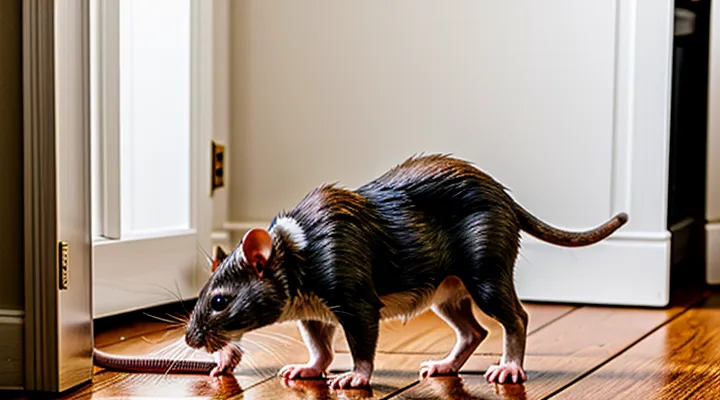
Understanding the Rat Problem
Identifying Rat Infestation Signs
Droppings and Urine Trails
Rat droppings and urine trails provide the most reliable evidence of an infestation. Fresh droppings appear as small, dark, cylindrical pellets about ½‑inch long; older waste darkens and may crumble. Urine stains are invisible but become apparent when illuminated with a black‑light, revealing bright‑green fluorescence on surfaces such as countertops, insulation, and stored food.
These residues carry pathogens that can cause leptospirosis, hantavirus, salmonellosis, and allergic reactions. Inhalation of dried particles or direct contact with contaminated surfaces poses a health risk to occupants, especially children and pets.
Effective sanitation proceeds in a strict sequence:
- Wear disposable gloves and a properly fitted N‑95 respirator.
- Ventilate the area by opening windows and using fans; avoid stirring dust.
- Saturate droppings and urine spots with an enzymatic cleaner or a 1‑part bleach to 10‑part water solution.
- Allow the solution to soak for at least 10 minutes to neutralize pathogens.
- Remove waste with a disposable paper towel, place it in a sealed plastic bag, and discard it in an outdoor trash container.
- Wash the treated surface with a detergent solution, rinse with clean water, and dry thoroughly.
- Decontaminate gloves, respirator, and clothing before removal.
After cleaning, inspect the treated zones for fresh signs of activity. Concentrated droppings and urine indicate high‑traffic routes; these locations are optimal for setting snap traps, live‑capture cages, or bait stations. Regular monitoring of waste patterns enables timely adjustments to the control strategy, ensuring that eradication efforts remain focused on active pathways.
Gnaw Marks and Damage
Rats leave distinctive gnaw marks on wood, plastic, insulation, and wiring. Cuts are clean, roughly ¼‑inch wide, with sharp edges and a fresh, reddish‑brown coloration. Entrance holes are typically ½‑inch in diameter, rounded, and may show frayed material around the edges. Chewed corners of cabinets, baseboards, and stored food containers are common indicators.
Damage from gnawing compromises structural integrity, creates fire hazards, and contaminates food supplies. Severed electrical wires can cause short circuits or spark fires. Damaged insulation reduces energy efficiency and allows drafts. Contamination results from rat saliva, urine, and feces left on gnawed surfaces, posing health risks.
Identifying gnaw marks guides effective eradication:
- Inspect low‑lying beams, joists, and crawl‑space framing for fresh cuts.
- Examine kitchen cabinets, pantry shelves, and pantry doors for chew evidence.
- Check utility conduits and exposed wiring for bite marks.
- Look for frayed or missing insulation in walls and attics.
- Trace gnaw patterns back to potential entry points for sealing.
Documented gnaw evidence directs placement of traps, bait stations, and exclusion materials, ensuring targeted action and preventing further destruction.
Unusual Noises and Smells
Unusual sounds and odors often reveal the presence of rats before visual evidence appears, allowing swift implementation of effective removal strategies.
Typical noises include:
- Scratching or gnawing within walls, ceilings, or floor joists, especially during nighttime.
- Rapid scurrying across insulation or ductwork.
- High‑pitched squeaks emitted when rats are startled or communicating.
Common smells indicate active nesting or feeding sites:
- Strong ammonia‑like odor from concentrated urine.
- Foul, musky scent from droppings and decomposing food.
- Greasy residue on surfaces where rats have been chewing.
- Odor of shredded insulation, paper, or fabric used for nests.
Detecting these cues directs inspection to precise locations, enabling targeted actions such as:
- Sealing identified entry points with steel wool, caulk, or metal flashing.
- Deploying snap traps or electronic devices at walls or pathways where noises are heard.
- Placing bait stations near strong odors to attract foraging rodents.
- Conducting thorough cleaning of contaminated areas to eliminate scent trails that encourage re‑infestation.
By correlating auditory and olfactory indicators with structural assessment, homeowners can apply proven eviction methods efficiently and reduce the likelihood of recurrence.
Common Entry Points for Rats
Cracks in Foundations and Walls
Cracks in foundations and walls provide direct access points for rats, allowing entry into living spaces, storage areas, and utility rooms. Even hairline fissures can accommodate a determined rodent, especially when surrounding soil is loose or moisture‑softened.
Identifying vulnerable openings requires a systematic inspection:
- Examine exterior walls from ground level to the roofline, focusing on mortar joints, brick edges, and any visible separation.
- Inspect the basement or crawl space for horizontal and vertical fissures in concrete slabs, footings, and support beams.
- Use a flashlight to reveal shadowed gaps behind siding, trim, or utility penetrations.
- Test suspect areas with a thin piece of wire or a flexible probe; resistance indicates a sealed crack, while free passage confirms an opening.
Once cracks are located, seal them promptly to deny rats a pathway. Effective sealing combines mechanical and chemical measures:
- Clean debris, dust, and loose material from the crack using a wire brush or compressed air.
- Apply a high‑quality, rodent‑resistant sealant (e.g., polyurethane foam, silicone‑based caulk, or cementitious mortar) that adheres to both masonry and concrete.
- For larger gaps, insert steel wool or copper mesh before applying sealant; the metal barrier deters chewing.
- Allow the sealant to cure fully according to manufacturer instructions before exposing the area to moisture or pressure.
Regular maintenance reinforces the barrier:
- Schedule bi‑annual visual checks, especially after heavy rain, freeze‑thaw cycles, or ground settlement.
- Repair any new fissures using the same sealing protocol.
- Keep the surrounding landscape trimmed and ensure proper drainage to reduce soil pressure against foundations.
Integrating crack management with broader rat control measures enhances overall effectiveness. Seal all entry points first, then deploy traps, baits, or professional exclusion services to address any rodents already inside. This combined approach eliminates the primary route of invasion and reduces the likelihood of future infestations.
Gaps Around Pipes and Vents
Rats enter homes through openings that surround plumbing, ventilation ducts, and other utility penetrations. Unsealed gaps provide direct pathways to insulation, wiring, and food sources, making them high‑priority targets for exclusion.
First, locate every pipe and vent that passes through walls, floors, or ceilings. Inspect the exterior for cracks, holes, or loose fittings. Inside, check the interior wall surfaces for evidence of gnaw marks or droppings near the same points.
Next, seal identified openings with appropriate materials:
- Steel wool or copper mesh for small holes (1‑4 mm); rodents cannot chew through metal.
- Expanding polyurethane foam reinforced with mesh for medium gaps (5‑15 mm); apply until the foam cures, then trim excess.
- Cement‑based mortar or concrete for large openings around vent pipes or sewer lines; ensure a smooth, solid seal.
- Metal flashing or stainless‑steel plates for gaps around vent stacks; screw securely and seal edges with silicone caulk.
After sealing, verify integrity by running a thin wire or flashlight along each joint. Any remaining openings must be closed before proceeding.
Finally, implement a maintenance routine:
- Conduct quarterly visual inspections of all sealed areas.
- Replace deteriorated sealants promptly.
- Keep exterior landscaping trimmed to reduce concealment for rats near utility lines.
By systematically identifying and fortifying gaps around pipes and vents, the primary entry routes for rats are eliminated, substantially reducing infestation risk.
Damaged Screens and Roof Openings
Rats enter homes through any gap larger than a quarter‑inch; damaged window screens and openings in the roof are frequent entry points. Even small tears or loose fittings allow rodents to slip inside, establishing nests and contaminating food sources.
Inspect all exterior screens and roof penetrations before beginning any control program. Examine each screen for tears, gaps, or missing mesh; walk the roof perimeter and look for cracked tiles, missing shingles, exposed eaves, or vent covers that are not sealed. Use a flashlight to spot hidden damage behind insulation or under roof overhangs.
Repair or replace compromised components promptly. For screens, apply heavy‑duty tape or replace the entire panel if damage is extensive. Seal roof gaps with metal flashing, roofing cement, or steel mesh; install vent covers with rat‑proof grates. Reinforce attic access doors with solid wood or metal and ensure they close tightly.
Maintain a barrier by conducting quarterly checks, clearing debris that could conceal new openings, and keeping vegetation trimmed away from the building envelope. Immediate remediation of any new damage prevents rats from re‑establishing a foothold.
Prevention: Your First Line of Defense
Sealing Entry Points
Using Caulk and Steel Wool
Rats enter homes through gaps larger than a quarter‑inch. Sealing these openings with a combination of caulk and steel wool blocks access and deters further intrusion.
Apply steel wool to the interior side of each crack, ensuring the fibers fill the space completely. The material is abrasive and uncomfortable for rodents, preventing passage. Immediately cover the steel wool with a bead of high‑quality silicone or acrylic caulk. The sealant adheres to the surrounding surface, locks the wool in place, and resists moisture and decay.
Key steps:
- Identify all potential entry points: around pipes, vents, windows, and foundation seams.
- Insert steel wool until the opening is packed solidly.
- Squeeze caulk over the packed area, smoothing the surface to create a seamless barrier.
- Allow the caulk to cure according to the manufacturer’s instructions before exposing the area to moisture or pressure.
Regular inspection of sealed locations is advisable. Replace damaged caulk and replenish steel wool if any signs of wear appear, maintaining an effective barrier against future rat activity.
Repairing Damaged Structures
Rats compromise structural integrity; repairing damage prevents re‑infestation. Identify compromised areas—chewed beams, gnawed insulation, weakened joists—then restore them with durable materials. Use steel‑reinforced plates for holes, replace damaged drywall with pest‑resistant gypsum, and seal entry points with metal flashing or cement‑based sealants.
Key actions:
- Remove all debris and contaminated insulation.
- Apply a fire‑rated, rodent‑proof barrier on exposed wood.
- Install heavy‑gauge wire mesh (minimum 1/4‑inch) over ventilation openings.
- Re‑secure loose framing using stainless‑steel screws.
- Apply a waterproof, rodent‑deterrent coating to exterior walls.
After repairs, verify integrity with a flashlight inspection, confirming no gaps larger than ¼ inch. Conduct a final seal check after a two‑week observation period; any new signs of gnawing require immediate remediation. Consistent maintenance of repaired structures sustains a rat‑free environment.
Eliminating Food and Water Sources
Proper Food Storage
Proper food storage is a critical component of any strategy to eliminate rats from a residence. Food left unsecured provides a reliable food source, encouraging rodents to remain and reproduce. By removing this attraction, the likelihood of infestation drops dramatically.
Key practices for securing food:
- Store all dry goods, grains, and pet food in airtight containers made of metal or heavy‑wall plastic.
- Place containers on shelves away from walls and floor level; rats can gnaw through thin packaging but cannot breach sealed containers.
- Refrigerate or freeze perishable items promptly; cold temperatures deter rodent activity.
- Dispose of waste daily in sealed trash bags and keep outdoor bins with tight‑fitting lids.
- Clean countertops, floors, and pantry shelves after each meal preparation to eliminate crumbs and spills.
Implementing these measures eliminates the primary incentive for rats to enter living spaces, thereby supporting broader eradication efforts. Consistent adherence ensures that the environment remains inhospitable to rodents, facilitating long‑term control.
Fixing Leaky Faucets and Pipes
Leaking faucets and pipes create a reliable water source that attracts rats, encouraging them to enter and remain in a home. Eliminating these leaks removes the moisture that supports rodent activity and reduces the likelihood of infestation.
Locate all sources of water loss. Inspect kitchen and bathroom sinks, showerheads, and under‑sink connections for drips. Examine exposed pipe sections in basements, crawl spaces, and utility rooms for condensation or corrosion. Use a dry‑tissue test: place a piece of paper near suspected joints; persistent dampness indicates a leak.
Repair procedures:
- Shut off the water supply at the nearest valve.
- Drain residual water from the line by opening the faucet.
- Tighten loose fittings with an adjustable wrench; avoid over‑tightening, which can damage threads.
- Replace worn washers or O‑rings with appropriately sized replacements.
- Apply plumber’s tape to threaded connections before re‑assembly to ensure a seal.
- For cracked pipe sections, cut out the damaged portion with a pipe cutter and install a new segment using solvent‑welded fittings (copper) or push‑fit connectors (PVC).
- Restore water flow and observe each joint for any continued seepage.
After repairs, implement preventive actions. Install drip‑catch trays beneath sinks and regularly empty them. Insulate exposed pipes to prevent condensation. Schedule quarterly visual inspections to detect early signs of leakage. Maintaining a dry environment deprives rats of a critical resource, supporting long‑term rodent control.
Maintaining a Clean Environment
Regular Housekeeping
Maintaining a clean and organized home reduces the attractions and shelters that rats seek. Consistent housekeeping eliminates food residues, hides potential nesting sites, and discourages rodent activity.
- Store dry goods in airtight containers; rodents cannot gnaw through metal lids.
- Remove spilled grains, crumbs, and pet food after each meal; even small particles provide sustenance.
- Sweep and mop floors daily, focusing on corners, under appliances, and behind furniture where debris accumulates.
- Empty trash bins regularly, seal lids tightly, and keep bins away from walls.
- Declutter storage areas; stack boxes off the floor and avoid piling newspapers or cardboard.
- Clean pet cages and litter boxes frequently; replace bedding often to prevent odor buildup.
- Inspect and clean kitchen counters, stovetops, and dishwasher interiors after cooking; grease and food splatters attract rats.
- Wash dishes promptly; avoid leaving dishes soaked overnight.
- Vacuum upholstery and curtains to remove hidden food particles and droppings.
Beyond routine cleaning, housekeeping includes structural maintenance that blocks entry. Seal gaps around pipes, vents, and foundation cracks with steel wool and caulk. Repair damaged screens and ensure doors close fully. Regularly inspect attics, basements, and crawl spaces for signs of nesting material and remove any debris found.
By integrating these practices into daily life, homeowners create an environment where rats find no food, shelter, or access points, significantly lowering the likelihood of infestation.
Managing Outdoor Clutter
Effective rat control begins outdoors. Accumulated debris, overgrown vegetation, and improperly stored items create shelter and travel routes for rodents, allowing them to infiltrate the building. Reducing these resources deprives rats of safe harbor and limits their ability to reach entry points.
- Eliminate piles of leaf litter, wood chips, and garden waste; keep ground cover to a minimum.
- Trim shrubs, vines, and tree branches so they do not touch the roof or walls.
- Store firewood at least two meters from the house, raised on a pallet, and cover with a waterproof tarp.
- Position compost bins away from the structure, use sealed containers, and turn compost regularly to discourage habitation.
- Secure trash cans with tight-fitting lids; empty them frequently and keep them on a concrete pad.
- Remove standing water from gutters, birdbaths, and puddles; ensure proper drainage around the foundation.
Maintain a monthly inspection routine. Check for new debris, verify that vegetation remains trimmed, and confirm that storage practices continue to meet the guidelines above. Prompt correction of any lapse prevents rats from reestablishing a foothold.
Consistent outdoor clutter management directly supports indoor rat eviction efforts. By eliminating external shelters, the likelihood of rodents locating and exploiting structural gaps declines, reinforcing the overall effectiveness of rat removal strategies.
Eviction Methods: Safe and Effective
Trapping Techniques
Snap Traps: Placement and Baiting
Snap traps are among the most reliable tools for eliminating rat activity in residential settings. Their rapid-action mechanism kills instantly, reducing the risk of prolonged suffering and the spread of disease. Proper deployment maximizes effectiveness while minimizing accidental captures of non‑target animals.
Key considerations for placement:
- Position traps along established runways: walls, behind appliances, under cabinets, and near entry points where rats travel.
- Set traps perpendicular to the wall, with the trigger end facing the wall; rats typically approach from the side.
- Space traps 1–2 feet apart in high‑traffic zones; increase density in areas with visible droppings or gnaw marks.
- Keep traps at floor level or slightly elevated (2–4 inches), matching the typical rat path.
- Avoid locations with heavy foot traffic or where pets can easily access the device.
Effective bait selection enhances capture rates:
- Peanut butter – strong scent, adheres to trigger plate.
- Fresh fruit (apple, banana) – appealing to foraging behavior.
- Small pieces of cooked meat or fish – powerful olfactory cue.
- Commercial rodent attractants – formulated for consistent release.
Apply a pea‑sized amount of bait directly onto the trigger mechanism, ensuring it does not obstruct the spring. Replace bait daily to maintain freshness and to prevent spoilage that could deter rats. Regularly inspect traps; dispose of captured rodents promptly and reset the device with fresh bait to sustain pressure on the infestation.
Live Traps: Humane Removal and Release
Live traps provide a non‑lethal option for removing rats from residential spaces. The devices capture rodents without injury, allowing owners to relocate them away from the home.
The trap consists of a sturdy cage with a spring‑loaded door. When a rat enters to reach bait, the door snaps shut, sealing the animal inside. Bait commonly includes peanut butter, dried fruit, or small pieces of meat, placed at the far end of the cage to ensure full entry.
Procedure for effective use
- Choose a trap size appropriate for adult rats (minimum 12 × 12 × 12 in).
- Clean the interior with mild detergent; dry thoroughly.
- Apply a thin layer of bait on a small disposable platform.
- Position the trap along walls, behind appliances, or near known activity points—areas rats use as travel routes.
- Check the trap at least twice daily; release captured rodents promptly.
When releasing a captured rat, transport the closed trap to a location at least one mile from the residence, preferably in a wooded or agricultural area where food sources exist. Open the cage gently, step back, and allow the animal to exit without handling. Ensure local regulations permit release; some jurisdictions require disposal through licensed pest‑control services.
Regularly inspect traps for wear, replace damaged components, and rotate placement to cover new activity zones. Combine live trapping with sanitation measures—secure garbage, seal entry points, and eliminate standing water—to reduce reinfestation risk. This integrated approach maximizes humane removal while maintaining a rat‑free household.
Electronic Traps: Modern Solutions
Electronic traps provide a rapid, non‑chemical approach to removing rats from residential spaces. The devices emit a high‑frequency electromagnetic field that interferes with a rodent’s nervous system, causing immediate incapacitation. Models vary in power output, ranging from low‑voltage units suitable for kitchens to high‑voltage systems designed for basements and attics.
Key characteristics of modern electronic traps include:
- Instant lethality – activation occurs within milliseconds, preventing prolonged suffering and reducing the chance of escape.
- Reusable chambers – the lethal zone can be emptied, cleaned, and redeployed without replacing consumables.
- Safety mechanisms – insulated housings and child‑proof switches prevent accidental contact.
- Target specificity – motion sensors calibrated to rodent size ignore larger pets and humans, minimizing unintended harm.
Installation guidelines:
- Position traps along established rodent pathways, such as behind appliances, near wall voids, and along baseboard gaps.
- Secure units to a stable surface using the supplied mounting brackets to maintain optimal sensor alignment.
- Connect to a dedicated circuit or use a battery pack with sufficient capacity for continuous operation; most units require 12–24 V DC.
- Test the sensor range before final placement to ensure detection of small movements.
Maintenance procedures:
- Remove dead rodents daily to prevent odor buildup and secondary infestations.
- Inspect the sensor lens for dust or debris; clean with a soft cloth and mild solvent if necessary.
- Verify battery voltage or power supply integrity weekly; replace depleted cells promptly.
- Record trap performance in a log to identify high‑traffic zones and adjust placement accordingly.
Cost considerations:
- Initial purchase price ranges from $80 for basic models to $250 for advanced units with remote monitoring.
- Ongoing expenses are limited to electricity or battery replacement, typically under $20 per year.
- Compared with disposable snap traps, electronic devices reduce recurring waste and labor associated with frequent trap replacement.
Effectiveness data from independent studies indicate mortality rates above 95 % when traps are correctly positioned and maintained. Combining electronic traps with exclusion techniques—sealing entry points and removing food sources—produces the most reliable results in eliminating rat populations from homes.
Natural Deterrents
Peppermint Oil and Other Scents
Peppermint oil is a volatile essential oil whose strong menthol aroma disrupts the olfactory receptors of rodents, causing avoidance of treated areas. Apply 10–15 drops to a cotton ball, place the ball in corners, behind appliances, and in wall voids where activity has been observed. Replace the cotton ball every 3–4 days to maintain potency. Ensure the oil does not contact open flames or hot surfaces, as the vapors are flammable.
Other aromatic compounds exhibit similar repellent properties:
- Eucalyptus oil – high concentration of eucalyptol; use 8–10 drops per cotton ball.
- Citronella oil – contains citronellal; effective in outdoor perimeters and interior vents.
- Clove oil – rich in eugenol; apply 5–7 drops to small fabric patches near entry points.
- Cedarwood chips – natural lignin release; distribute chips in crawl spaces and attics.
For each scent, follow these guidelines:
- Test a small amount on surrounding surfaces to verify no staining or damage.
- Position the scent source where rats travel, but out of reach of children and pets.
- Combine multiple scents only after confirming no adverse chemical interaction; a mixed blend may dilute individual effectiveness.
Scent repellents work best as part of an integrated approach that includes sealing entry points, removing food sources, and setting mechanical traps. They do not eradicate established colonies; persistent infestations require additional control measures.
Ultrasonic Repellents: Efficacy and Limitations
Ultrasonic repellents emit high‑frequency sound waves that rodents cannot hear but find uncomfortable. Devices typically operate between 20 kHz and 65 kHz, creating a hostile acoustic environment that discourages rats from entering or remaining in the treated area.
Empirical data show mixed outcomes. Laboratory trials report reduced activity in confined chambers when devices are positioned close to the source. Field studies in residential settings reveal a decline in sightings during the first two weeks, followed by a gradual return to baseline as rats acclimate or relocate to quieter zones.
Key limitations include:
- Coverage radius: Effective range rarely exceeds 3 m; walls, furniture, and insulation obstruct propagation.
- Habituation: Rats may initially avoid the sound but can become desensitized after repeated exposure.
- Species variability: Some rodent species exhibit lower sensitivity to ultrasonic frequencies, reducing overall impact.
- Device integrity: Power fluctuations, battery depletion, or dust buildup diminish output, necessitating regular maintenance.
For reliable results, integrate ultrasonic units with complementary tactics such as sealing entry points, removing food sources, and deploying snap traps. Verify placement in open corridors or near known pathways, and schedule periodic performance checks. Continuous monitoring of activity levels will indicate whether the technology contributes to a sustained reduction in infestation or requires supplemental measures.
Professional Pest Control
When to Call an Expert
Rats can cause structural damage, contaminate food, and spread disease. Homeowners often try DIY traps and sealing, but certain signs indicate that professional assistance is necessary.
- Infestation spreads beyond a single room, with evidence of gnaw marks, droppings, or nesting material in multiple areas.
- Damage to electrical wiring, insulation, or structural components is observed, posing fire or collapse risks.
- Traps and bait stations fail to reduce activity after several days of consistent use.
- Children, pets, or vulnerable individuals are present, increasing the need for safe, regulated pest control methods.
- Local regulations require licensed exterminators for certain control products or for disposal of large numbers of rodents.
In these situations, a qualified pest‑control specialist provides:
- Accurate identification of entry points and comprehensive sealing solutions.
- Use of approved, humane extermination techniques that comply with health and safety standards.
- Monitoring and follow‑up services to prevent re‑infestation.
- Documentation required for insurance claims or rental property compliance.
When any of the above conditions appear, contacting an expert eliminates guesswork, ensures effective eradication, and protects the household from further harm.
What to Expect from Exterminators
Professional rat control services begin with a thorough inspection. Technicians locate entry points, assess infestation size, and identify species. The inspection report includes a map of activity zones and recommendations for sealing gaps.
Expect a written treatment plan that specifies:
- Types of baits, traps, or rodenticides to be used
- Placement locations based on inspection data
- Timing of applications and any required re‑treatments
Safety measures are standard. Exterminators wear protective gear, follow local pesticide regulations, and advise residents on temporary restrictions (e.g., keeping food covered, limiting pet access). All chemicals used are approved for indoor use and labeled for rat control.
After the initial application, technicians schedule follow‑up visits to verify results. These visits include checking trap counts, replenishing baits, and confirming that no new activity has emerged. If the infestation persists, the plan may be adjusted with alternative methods.
Contracts typically outline warranty terms, such as a guarantee of rodent‑free status for a defined period. Documentation includes receipts, material safety data sheets, and a log of service dates. Transparent pricing is provided before work begins, covering labor, materials, and any additional visits required to achieve complete removal.
Post-Eviction Clean-up and Monitoring
Sanitizing Contaminated Areas
Disinfecting Surfaces
After rats have been removed, every contact surface must be treated to eliminate pathogens and prevent re‑infestation. Begin with a thorough removal of droppings, urine stains, and gnawed material using disposable gloves and a heavy‑duty vacuum equipped with a HEPA filter. Dispose of waste in sealed bags and remove it from the home immediately.
Apply an EPA‑registered disinfectant that is effective against hantavirus, salmonella, and leptospira. Follow the product label: spray the solution generously, ensure the surface remains wet for the required contact time (typically 5–10 minutes), then wipe with a clean disposable cloth. For porous items such as cardboard or insulation, discard them; chemical disinfection is ineffective on absorbent materials.
Key steps for safe and complete disinfection:
- Wear protective equipment: gloves, mask, eye protection.
- Ventilate the area by opening windows and using fans.
- Clean hard surfaces (kitchen counters, floors, cabinets, countertops, sinks) with detergent before applying disinfectant.
- Treat hidden areas: behind appliances, under sinks, inside wall cavities reachable with a spray bottle.
- Allow surfaces to dry completely before restoring food storage or placement of objects.
Finally, schedule regular inspections and repeat disinfection after any new signs of rodent activity. Consistent sanitation removes residual contamination and reduces the likelihood that surviving rats will return.
Handling Dead Rats and Droppings
When rats die inside a home, their bodies and feces pose health risks that must be addressed promptly. Direct contact with carcasses or droppings can transmit pathogens such as leptospirosis, salmonella, and hantavirus. Proper handling minimizes exposure and prevents secondary infestations.
- Wear disposable gloves, a mask, and eye protection before touching any material.
- Place dead rats in sealed plastic bags; double‑bag for added containment.
- Dispose of the bags according to local regulations, typically through hazardous‑waste collection or licensed pest‑control services.
- Collect droppings with a damp paper towel or disposable cloth; avoid dry sweeping, which can aerosolize particles.
- Transfer droppings into a sealable container, then add a disinfectant solution (e.g., 10 % bleach) and let it soak for at least 10 minutes.
- Clean the affected area with the same disinfectant, scrubbing surfaces thoroughly.
- Rinse with clean water, then dry completely to prevent moisture buildup.
- After completion, remove protective gear without touching the exterior, discard it safely, and wash hands with soap for a minimum of 20 seconds.
Following these steps eliminates immediate contamination and reduces the likelihood of attracting additional rodents. Regular monitoring and prompt removal of any future carcasses maintain a safe living environment.
Ongoing Vigilance
Regular Inspections
Regular inspections are essential for early detection of rodent activity and for maintaining a rat‑free environment. Conduct inspections at least once a month, increasing frequency during colder months when rats seek shelter indoors.
During each inspection, examine the following areas:
- Entry points: gaps around doors, windows, utility lines, and foundation cracks.
- Food storage: pantry shelves, cabinets, and countertops for spilled crumbs or gnawed packaging.
- Waste zones: garbage cans, compost bins, and recycling containers for unsecured lids.
- Structural components: attic joists, roof eaves, and crawl spaces for fresh droppings, urine stains, or gnaw marks.
- Water sources: leaky pipes, pet water dishes, and condensation trays for standing moisture.
Document findings with timestamps and photographs. Record any evidence of activity, such as droppings (approximately 1‑inch long, dark), gnaw marks, or nesting material. Use the documentation to prioritize repairs and to assess the effectiveness of previous control measures.
Seal identified entry points promptly using steel wool, metal flashing, or cement‑based sealants. Maintain cleanliness by removing food residues, storing items in airtight containers, and disposing of waste daily. Regular inspections coupled with immediate remediation form a proven strategy for preventing rat infestations.
Maintaining Prevention Measures
Effective rat control ends with sustained preventive actions. Once the infestation is cleared, the property must remain hostile to rodents to avoid recurrence.
- Seal all openings larger than ¼ inch with steel wool, cement, or metal flashing.
- Store food in airtight containers; clean countertops and floors after each use.
- Remove pet food overnight and keep garbage cans sealed with tight lids.
- Trim tree branches and vegetation that touch the building; keep shrubs away from foundations.
- Inspect attics, basements, and crawl spaces quarterly for fresh gnaw marks or droppings.
- Install door sweeps and weather stripping on exterior doors.
- Deploy passive deterrents such as ultrasonic devices or peppermint oil in high‑risk zones, replacing them regularly.
- Maintain a schedule for professional inspections, especially after seasonal changes.
Consistent application of these measures creates an environment where rats cannot find shelter, food, or entry points, ensuring the long‑term success of any eradication effort.