
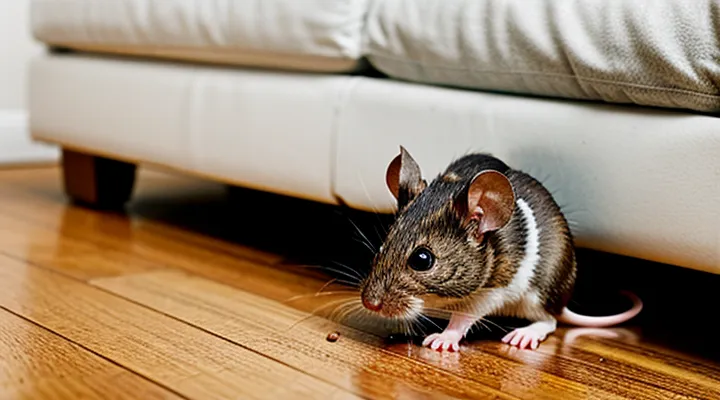
Understanding the Problem
Identifying the Source of the Odor
Signs of a Deceased Rodent
A dead rodent trapped beneath floorboards produces distinct indicators that signal the source of an unpleasant odor. Recognizing these signs helps locate the carcass quickly and prevents prolonged contamination.
- A persistent, sour or ammonia‑like smell that intensifies in warm weather.
- Accumulation of small, dark droppings near baseboards, vents, or along the floor seam.
- Presence of insects such as flies, beetles, or maggots clustering around a specific area.
- Discoloration or staining of the floor surface, often appearing as yellow‑brown patches.
- Unusual sounds, including faint rustling or thudding when the building settles or when footsteps apply pressure.
- Increased humidity or moisture pockets on the floor, sometimes accompanied by a damp, musty scent.
Identifying these symptoms directs inspection to the precise location, allowing removal of the remains and subsequent odor control measures. Prompt action eliminates the source, restores indoor air quality, and reduces the risk of secondary infestations.
Common Locations Under Floors
Dead rodents typically accumulate in spaces that provide shelter, moisture, and access to food sources. Under floor coverings, the most frequent sites include gaps between joists, crawl spaces beneath the subfloor, and voids created by loose insulation. These areas retain humidity and protect the carcass from direct airflow, allowing bacterial decomposition to generate a persistent odor.
Common locations under flooring where a deceased mouse may be found:
- Between floor joists, especially where gaps are larger than one inch.
- Inside the cavity of a raised crawl space, often accessed through vent openings or utility cutouts.
- Behind or within loose insulation material that has shifted from its original placement.
- Within the hollow core of engineered wood subfloors, where seams are not tightly sealed.
- Beneath floor tiles that have become loose, creating a pocket that traps moisture.
Identifying these zones is essential for targeted removal of the source and effective odor mitigation.
Health Concerns Associated with Carcasses
Potential Pathogens and Allergens
A deceased mouse hidden beneath floorboards releases odorous compounds that often indicate the presence of harmful microorganisms and airborne allergens. These biological agents can penetrate the indoor environment, posing acute and chronic health risks to occupants.
-
Bacterial agents
-
Viral agents
-
Fungal agents
- Aspergillus spp. – spores thrive in moist decay, provoking allergic reactions and, in immunocompromised individuals, invasive aspergillosis.
- Penicillium spp. – common indoor mold that may exacerbate asthma.
-
Parasitic agents
Allergenic substances originate from both the animal’s body and the microbial flora that colonize it:
- Protein allergens from mouse hair, dander, and urine, known to trigger IgE‑mediated responses.
- Endotoxins released by Gram‑negative bacteria, which provoke non‑specific airway inflammation.
- Mycotoxins produced by mold growth on decomposing tissue, capable of systemic toxicity.
Exposure to these agents can result in symptoms ranging from sneezing, coughing, and wheezing to fever, gastrointestinal upset, and, in severe cases, organ failure. Prompt removal of the carcass, thorough disinfection of the affected area, and ventilation with HEPA filtration are essential to mitigate health hazards. Professional assessment ensures identification of hidden contamination and verification that remediation eliminates both odor and biological threats.
Respiratory Irritants
The decay of a rodent trapped beneath floorboards releases gases that irritate the respiratory system. Primary irritants include ammonia, hydrogen sulfide, mercaptans, and volatile organic compounds. Inhalation can cause coughing, throat tightness, and shortness of breath, especially for individuals with asthma or other airway sensitivities.
Effective control of these irritants requires immediate ventilation, source isolation, and chemical neutralization. Follow these actions:
- Open windows and doors; position fans to draw fresh air through the affected area.
- Wear a NIOSH‑approved respirator or a mask rated for organic vapors while accessing the space.
- Apply an enzymatic cleaner to break down organic matter and reduce gas production.
- Place activated‑charcoal bags or baking‑soda containers near the odor source to adsorb volatile compounds.
- Use an air purifier equipped with a HEPA filter and an activated‑carbon filter to capture particles and absorb gases.
After removal of the carcass, monitor indoor air quality for at least 24 hours. Persistent irritation or strong odor indicates incomplete neutralization; repeat cleaning and filtration steps until the environment is free of detectable irritants.
Initial Steps for Odor Mitigation
Ventilation Strategies
Opening Windows and Doors
Opening windows and doors creates a direct path for contaminated air to leave the interior and fresh air to replace it. This exchange reduces the concentration of volatile compounds released by the decomposing animal, preventing the odor from spreading through the house.
Effective ventilation requires positioning openings on opposite sides of the room. Create a cross‑draft by opening a window near the source of the smell and a door or another window on the far wall. Keep both openings fully unblocked for at least several hours; longer exposure accelerates odor dissipation.
Practical steps:
- Identify the room where the odor originates.
- Open the nearest window completely.
- Open a door or a second window on the opposite side to establish airflow.
- Use a fan to boost movement if natural draft is weak.
- Maintain the openings for a minimum of four hours, extending time if the smell persists.
After the ventilation period, close the openings and assess the air quality. If residual odor remains, repeat the process or combine with additional odor‑neutralizing methods.
Using Fans for Air Circulation
Effective odor control under flooring relies on moving contaminated air away from the source. Fans create a pressure differential that pushes stale air toward open vents or exhaust points, allowing fresh air to replace it. Positioning a high‑CFM floor fan close to the affected area accelerates this exchange.
- Place a fan directly on the floor surface adjacent to the odor source; angle it so airflow moves toward a doorway, window, or vent.
- Use a second fan at the opposite end to draw air out, establishing a continuous loop.
- Operate fans for at least 30 minutes, then assess the scent; repeat cycles until the smell diminishes.
- For sealed rooms, install a temporary duct or flexible hose to channel the outflow to an external opening.
Select fans with adjustable speed settings; higher speeds generate stronger currents but may disturb loose debris. Ensure electrical cords are protected from moisture and that the fans do not contact any exposed insulation or wiring. If the dead mouse is located within a cavity, insert a slender blower or inline fan into the access hole to reach deeper sections.
Combine fan circulation with supplemental measures—such as applying an enzymatic cleaner to the contaminated surface and opening windows—to expedite odor removal. Continuous airflow for several hours, followed by a period of ventilation, typically eliminates the unpleasant scent without invasive demolition.
Temporary Odor Masking
Commercial Air Fresheners
Commercial air fresheners are engineered to address persistent odors that linger in concealed spaces such as sub‑floor cavities. Their formulations contain odor‑neutralizing agents that chemically bind volatile compounds released by decaying organic material, thereby reducing the perceived stench more effectively than simple fragrance masking.
Effective use of these products follows a systematic approach:
- Select a product labeled for strong, long‑lasting odor control; aerosol sprays, gel dispensers, and plug‑in diffusers are common options.
- Ensure the device can reach the affected area; for sealed floors, place a spray or gel directly into the opening or vent before sealing.
- Activate ventilation by opening nearby windows or using a fan to promote airflow, which accelerates the dispersion of neutralizing chemicals.
- Follow the manufacturer’s dosage recommendations; over‑application can lead to residue buildup or respiratory irritation.
- Reapply according to the product’s lifespan, typically every 24‑48 hours for gels and weekly for plug‑ins, until the odor no longer registers.
When choosing a commercial solution, prioritize products with proven efficacy against biological odors, low toxicity, and compatibility with the flooring material. Proper placement and maintenance maximize odor elimination while minimizing health risks.
Natural Odor Absorbers («Activated Charcoal», «Baking Soda»)
Activated charcoal and baking soda are the most effective natural agents for neutralizing the odor of a decomposing rodent hidden beneath flooring. Both substances work by adsorbing volatile compounds that cause the foul smell, without introducing chemicals that could damage the structure.
Place a generous layer of activated charcoal directly on the affected area. Use a breathable container—such as a mesh bag or loosely sealed box—to prevent dust from spreading while allowing air flow. Leave the charcoal in place for at least 48 hours; replace it if the odor persists after the initial period.
Apply baking soda as a secondary measure. Sprinkle a thick coating over the same spot, then cover it with a thin sheet of plastic to keep the powder from dispersing. Let it sit for 24–36 hours before vacuuming or sweeping it away. Baking soda neutralizes acidic compounds that may remain after the charcoal treatment.
For optimal results, repeat the charcoal and baking soda cycle two to three times, spacing each application by 24 hours. Ensure the floor remains well‑ventilated during the process; open windows or use fans to promote airflow and accelerate odor removal.
Safety considerations:
- Wear gloves and a mask when handling powders to avoid inhalation.
- Keep both materials away from open flames, as activated charcoal can ignite under extreme heat.
- Test a small, hidden area if the floor surface is sensitive to moisture before applying any wet cleaning solutions.
By following these steps, the unpleasant smell from a dead mouse beneath the floor can be effectively eliminated using only natural, readily available odor absorbers.
Locating and Removing the Carcass
Tools and Equipment Needed
Personal Protective Gear («Gloves», «Mask»)
When addressing the odor from a deceased rodent hidden beneath flooring, the first priority is to protect the handler from biological contaminants and airborne particles. Protective gloves create a barrier against direct contact with decaying tissue, skin oils, and potential pathogens. Choose nitrile or latex gloves that are puncture‑resistant and fit snugly to maintain dexterity while preventing fluid seepage.
A properly fitted mask limits inhalation of volatile compounds released during decomposition. Respirators equipped with N95 or higher filtration efficiency capture dust, mold spores, and odor‑carrying molecules. Ensure the mask seals tightly around the nose and mouth; adjust straps and perform a fit check before entering the work area.
Additional measures reinforce safety:
- Disposable coveralls or overalls to prevent clothing contamination.
- Eye protection (safety goggles or face shield) to guard against splashes.
- Disposable shoe covers to keep footwear clean.
After completing the removal and cleaning process, discard all single‑use PPE in sealed bags and wash reusable items according to manufacturer instructions. Proper disposal eliminates residual odor sources and reduces the risk of re‑exposure.
Inspection Lights and Cameras
Inspection lights and cameras are essential tools for locating a deceased rodent hidden beneath flooring, the primary source of persistent odor. Bright, adjustable LED lamps reveal cracks, gaps, and discoloration that indicate tissue decay, while compact inspection cameras transmit real‑time images from confined spaces, allowing precise identification without destructive demolition.
Key considerations for effective use:
- Choose a light with a high lumen rating and a flexible arm to direct illumination into tight seams.
- Select a camera equipped with a waterproof, flexible probe of at least 3 mm diameter and a built‑in LED ring to maintain visibility in dark cavities.
- Attach the camera to a long, insulated cable to reach depths of up to 2 m without exposing the operator to electrical hazards.
- Conduct a systematic sweep: start at one corner, advance the light along the floor joist line, insert the camera probe at each visible gap, and record any abnormal tissue, fluid, or foul discoloration.
- Mark confirmed locations with removable tape before proceeding to removal or cleaning procedures.
By integrating illumination and visual inspection, professionals can pinpoint the exact spot of decay, minimize unnecessary floor removal, and expedite odor elimination.
Pry Bars and Saws (for access)
Pry bars and saws are essential for reaching the cavity where a dead rodent is causing odor. Begin by clearing the area around the suspected spot, removing any furniture or carpet that blocks access. Use a sturdy pry bar to lift floorboards or panels without damaging surrounding structure; insert the tip between the board and subfloor, apply steady pressure, and gently lever the board upward. If the board is nailed or glued, a hand saw or reciprocating saw with a fine-toothed blade can cut through fasteners or trim the edge for easier removal.
Once the opening is created, inspect the space for the carcass. Wear disposable gloves and a mask to prevent exposure to bacteria and odor particles. Extract the remains with tongs or a disposable bag, seal the bag, and dispose of it according to local waste regulations. Clean the cavity with an enzymatic cleaner or a mixture of water and white vinegar to neutralize lingering smells. Allow the area to dry completely before reinstalling the floorboards.
Reassembly steps:
- Align the lifted board with its original position.
- Press the board back into place, ensuring a snug fit.
- Secure with nails or screws if they were removed.
- Replace any carpet or furniture.
Using pry bars and saws in this systematic manner provides direct access, minimizes structural damage, and facilitates thorough removal of the source of odor.
Techniques for Pinpointing the Location
Following the Scent Trail
Tracking the odor source is a prerequisite for any successful removal of a dead mouse smell beneath flooring. Identify the strongest point of the odor by moving slowly across the room, inhaling lightly, and noting where the scent intensifies. Mark that spot with tape or a small object to keep the reference point visible throughout the process.
Proceed with a systematic inspection based on the marked location:
- Remove a small section of flooring directly over the identified spot; if the floor is carpet, lift the carpet edge and peel back a few inches of padding.
- Examine the cavity for visible signs of decay, moisture, or nesting material; use a flashlight to improve visibility.
- If the carcass is not immediately visible, follow the gradient of the odor deeper into the cavity, widening the opening incrementally until the source is exposed.
- Once discovered, dispose of the carcass in a sealed bag, clean the area with an enzymatic cleaner, and allow the surface to dry completely before resealing.
After extraction, re‑seal the floor using appropriate materials to prevent future odor infiltration. The initial scent‑tracking step ensures that all subsequent actions target the exact location of the problem, eliminating the need for blind demolition and reducing overall remediation time.
Listening for Buzzing Flies
Listening for the characteristic whine of flies can pinpoint the location of a decomposing rodent hidden beneath flooring. Flies are attracted to the odor of decay and congregate directly over the source, producing a steady, high‑pitched buzz that penetrates wood, carpet, or laminate. By moving slowly along the affected area and focusing on the intensity of the sound, you can narrow the spot where the dead mouse lies.
To perform an effective audit:
- Stand with feet shoulder‑width apart to maintain balance while scanning.
- Cup one hand over the ear to amplify the insect’s vibration.
- Walk in a grid pattern, noting where the buzz grows louder.
- Mark the point of maximum intensity with tape for later access.
The technique works best in quiet rooms with minimal background noise. Turning off appliances, fans, and HVAC systems reduces interference, allowing the subtle frequency of the flies to be heard more clearly. If the buzz is weak, increase the listening period; flies may be farther from the carcass due to airflow or obstacles.
Detecting the fly activity early shortens the time required to remove the source of odor. Once the exact location is identified, cut a small section of the floor or remove a floorboard, extract the remains, and clean the area thoroughly to eliminate lingering scent.
Using Thermal Imaging (if available)
Thermal imaging devices detect temperature variations through floor coverings, allowing precise identification of a decomposing rodent hidden beneath. A warm spot indicates the location of the carcass, reducing guesswork and unnecessary floor disruption.
Before scanning, ensure the area is free of drafts and the heating system is stable for at least 30 minutes. Power on the thermal camera, calibrate its emissivity setting for the floor material (typically 0.95 for wood, 0.92 for laminate), and adjust focus to capture the full width of the room. Wear gloves and a mask to protect against potential pathogens when later accessing the site.
Procedure
- Sweep the camera across the suspected zone in a slow, horizontal motion.
- Observe the infrared display for a localized heat anomaly, usually 2–5 °C above surrounding surfaces.
- Mark the center of the hotspot on the floor with a removable sticker or chalk.
- Verify the spot by scanning from multiple angles; consistent readings confirm the carcass’s position.
- Cut a small access panel at the marked location, taking care not to damage structural elements.
- Remove the mouse, place it in a sealed bag, and dispose of it according to local regulations.
- Seal the opening with appropriate flooring material or a repair patch.
After extraction, eliminate residual odor by applying an enzymatic cleaner directly to the affected cavity, allowing it to penetrate for at least 15 minutes. Follow with a charcoal-absorbing sheet or a professional-grade odor-neutralizing gel. Ventilate the room for several hours, using a high-capacity exhaust fan to disperse lingering gases.
Thermal imaging, when available, streamlines the detection and removal process, minimizes invasive repairs, and accelerates the restoration of a neutral indoor environment.
Safe Removal and Disposal
Double-Bagging the Carcass
Double‑bagging the mouse remains a reliable step when addressing foul odors in floor cavities. The technique traps decay gases, prevents leakage, and simplifies removal.
- Choose two heavy‑duty polyethylene bags, each rated for at least 5 mil thickness.
- Place the dead rodent in the inner bag, avoiding direct contact with the bag’s interior surface.
- Seal the inner bag tightly, removing excess air by pressing the contents against the opening before tying a knot.
- Insert the sealed bag into the second bag, ensuring the outer bag remains free of tears.
- Expel remaining air from the outer bag by gently pressing the package, then seal it with a secure knot or twist tie.
- Label the package with “Biological Hazard – Dispose Properly” to alert anyone handling it later.
- Transport the double‑bagged carcass to a certified disposal facility or place it in a municipal waste container designated for animal remains, following local regulations.
The double‑layer barrier minimizes odor migration through the floor structure, reduces the risk of contaminating surrounding insulation, and provides a clean, manageable package for safe disposal.
Disinfecting the Removal Area
After extracting the carcass, the surrounding cavity must be thoroughly disinfected to prevent lingering odor and bacterial growth. Begin by removing debris, insulation, and any moisture‑absorbing material that may have become contaminated. Dispose of these items in sealed bags.
- Ventilate the space – open any access panels and use a high‑capacity fan to exchange air for at least 30 minutes.
- Apply a broad‑spectrum disinfectant – choose a product containing at least 0.1 % sodium hypochlorite, hydrogen peroxide (3 %), or a quaternary ammonium compound. Spray the solution onto all exposed surfaces, including joists, subfloor, and surrounding walls, ensuring complete coverage.
- Allow contact time – let the disinfectant remain on the surfaces for the manufacturer‑specified duration, typically 10–15 minutes, to achieve microbial kill.
- Rinse if required – for chlorine‑based agents, lightly mist the area with clean water to reduce residue, then dry with a clean cloth or air flow.
- Seal the area – after drying, apply an odor‑blocking sealant or a thin layer of paint with antimicrobial additives to lock in any remaining traces.
Wear disposable gloves, goggles, and a respirator rated for chemical vapors throughout the process. Dispose of all contaminated materials according to local hazardous‑waste guidelines. Proper disinfection eliminates the source of the foul smell and reduces the risk of health hazards.
Post-Removal Odor Elimination and Disinfection
Cleaning and Sanitizing the Affected Area
Using Enzyme Cleaners
Enzyme cleaners break down organic matter by catalyzing the breakdown of proteins, fats, and carbohydrates that cause foul odors. When applied to the cavity beneath flooring, they convert the decaying tissue of a rodent into harmless by‑products, eliminating the source of the smell.
Application procedure
- Remove any visible debris from the affected area.
- Mix the enzyme concentrate with water according to the manufacturer’s ratio, typically 1 part concentrate to 5 parts water.
- Pour the solution directly onto the contaminated zone, ensuring full coverage of the dead animal and surrounding soil.
- Allow the mixture to sit for 24–48 hours; enzymes will continue to work as long as moisture remains.
- After the treatment period, ventilate the space by opening windows or using fans to disperse residual vapors.
- If odor persists, repeat the process with a fresh batch of solution.
Safety considerations
- Wear gloves and eye protection to avoid direct contact with the concentrate.
- Test a small, hidden area of the floor to confirm that the cleaner does not discolor the material.
- Keep pets and children away from the treated zone until it is completely dry.
Advantages over chemical disinfectants
- Biodegradable and non‑toxic, reducing health risks for occupants.
- No harsh fumes, making it suitable for indoor use.
- Effective against a broad range of organic odors, not limited to a single source.
Proper use of enzyme cleaners removes the underlying cause of the odor, restoring a neutral indoor environment without resorting to abrasive chemicals.
Applying Disinfectants
After the carcass is removed, lingering odor indicates bacterial growth and tissue residue. A targeted disinfectant breaks down these sources and neutralizes the smell.
- Select a product that contains enzymatic agents or a strong oxidizer (e.g., hydrogen peroxide, bleach, or commercial bio‑remediation spray). Verify compatibility with the floor material to prevent damage.
- Clear the area of dust and debris. Vacuum or sweep thoroughly before applying any liquid.
- Dilute the disinfectant according to the manufacturer’s instructions. Over‑concentration can corrode wood or laminate surfaces.
- Apply the solution evenly across the affected zone using a spray bottle or pump sprayer. Ensure full coverage of cracks, seams, and any hidden cavities where residue may linger.
- Allow the disinfectant to dwell for the recommended period, typically 10–15 minutes. This contact time activates enzymatic breakdown and oxidation processes.
- After the dwell period, wipe excess liquid with disposable cloths. Dispose of materials in a sealed bag to avoid re‑contamination.
- Increase ventilation by opening windows, using fans, or running an exhaust system for at least 30 minutes. Fresh air helps disperse volatile compounds and accelerates drying.
- Inspect the area. If odor persists, repeat the application once more, extending the dwell time by an additional 5 minutes.
Proper application of disinfectants eliminates microbial sources, removes residual tissue, and restores a neutral scent under the floor.
Addressing Residual Odor
Odor Eliminators and Neutralizers
Dead rodents trapped beneath flooring release volatile compounds that persist long after decomposition. Effective odor control requires agents that either break down the odor molecules or mask them while preventing re‑emission.
- Enzymatic cleaners: Contain proteases and lipases that hydrolyze protein‑based foul odors, converting them into harmless by‑products. Apply directly to the affected area after removing the carcass; allow the solution to penetrate for 15‑30 minutes before wiping or vacuuming.
- Oxidizing neutralizers: Products based on hydrogen peroxide, ozone, or potassium permanganate oxidize organic molecules, eliminating the source of the smell. Use in a well‑ventilated space, following manufacturer dosage guidelines to avoid surface damage.
- Activated charcoal: Highly porous material adsorbs volatile organic compounds. Place sachets or sheets in contact with the floor cavity for several days; replace when discoloration appears.
- Odor‑masking aerosols: Contain essential‑oil blends or synthetic fragrances that temporarily conceal the odor. Useful for short‑term relief but do not address the underlying cause.
Application protocol:
- Remove the dead mouse and any contaminated debris.
- Clean the surface with a detergent solution to eliminate surface residues.
- Select an appropriate neutralizer from the list above; apply according to product instructions.
- Allow the treatment to act for the recommended dwell time, then ventilate the area thoroughly.
- If odor persists, repeat the process with a different class of neutralizer, prioritizing enzymatic or oxidizing agents for deeper remediation.
Safety considerations include wearing gloves, eye protection, and ensuring adequate airflow when using oxidative chemicals. Test any liquid agent on a hidden section of the floor to confirm material compatibility before full‑scale application.
Ozone Generators (with caution)
Ozone generators can neutralize the foul odor that emanates from a deceased rodent hidden beneath floorboards. The device produces ozone (O₃), a powerful oxidizing agent that breaks down volatile organic compounds responsible for the smell.
When ozone contacts odor molecules, it alters their chemical structure, rendering them non‑detectable. The process occurs rapidly, making ozone an effective temporary solution while the carcass is being removed.
Safe operation guidelines
- Place the generator in the affected room, ensuring the unit is at least 12 inches from any surface to allow uniform distribution.
- Seal the space by closing doors and windows; use plastic sheeting to isolate the area if possible.
- Run the unit for a period of 30–60 minutes, depending on the room size and severity of the odor.
- After the cycle, ventilate the room for at least 15 minutes by opening windows and using fans to disperse residual ozone.
- Re‑enter the space only after ozone levels have dropped below 0.05 ppm, as measured by a calibrated ozone monitor.
Critical safety precautions
- Do not occupy the room while the generator is active; ozone is harmful to respiratory tissues.
- Wear a certified respirator and eye protection when setting up or adjusting the equipment.
- Avoid use in occupied homes, schools, or hospitals; limit exposure to trained personnel.
- Store the generator out of reach of children and pets; keep the power cord and controls away from moisture.
Ozone treatment does not substitute for the physical removal of the mouse. The odor source must be extracted, the cavity cleaned, and any contaminated insulation disposed of. In sealed cavities, ozone may fail to reach the source; supplemental methods such as localized ventilation or enzymatic cleaners may be required.
When applied correctly, ozone generators provide a rapid, chemical‑free means to suppress the stench while the underlying problem is addressed.
Air Purifiers with HEPA and Carbon Filters
Air purifiers equipped with HEPA and activated‑carbon filters provide a practical solution for neutralizing the odor that emanates from a deceased rodent hidden beneath floorboards.
The HEPA element removes microscopic particles such as dust, mold spores, and bacterial fragments that contribute to the overall musty scent. Simultaneously, the carbon media adsorbs volatile organic compounds (VOCs) and sulfur‑based gases responsible for the characteristic foul smell.
Key considerations for effective use:
- Position the unit so that airflow passes directly over the affected area; a gap between the floor and ceiling or a vent opening offers the best circulation path.
- Operate the purifier continuously for at least 24 hours, then assess the odor level; most models require 48–72 hours of run time to achieve noticeable reduction.
- Replace HEPA filters according to the manufacturer’s schedule, typically every 6–12 months, to maintain particle‑capture efficiency.
- Replace carbon filters more frequently, often every 3–6 months, because adsorption capacity diminishes as the media becomes saturated with gases.
When combined with proper ventilation—opening windows or using exhaust fans—the purifier’s dual‑stage filtration accelerates odor elimination and improves indoor air quality while the source is being removed or treated.
Preventing Future Infestations
Sealing Entry Points
Sealing gaps that allow rodents to enter the space beneath flooring prevents new carcasses and blocks the source of foul odors. Identify all potential pathways, then apply durable barriers to eliminate access.
- Inspect the perimeter of the room, focusing on cracks in foundation walls, gaps around utility lines, and openings around plumbing stacks.
- Use a flashlight and mirror to view concealed seams under baseboards and joists.
- Clean each opening of debris and dust to ensure adhesion.
- Apply a high‑quality, rodent‑proof sealant such as polyurethane caulk for small cracks, and install steel‑wool or copper mesh for larger gaps before sealing.
- For openings larger than one inch, fit hardware cloth or metal flashing, then secure with screws and sealant.
- After sealing, re‑apply a thin layer of expanding foam around the perimeter of the barrier to fill any residual voids.
- Verify the integrity of the seal by checking for drafts or visible light leakage; re‑seal as needed.
Regularly repeat the inspection, especially after seasonal temperature changes, to maintain a complete barrier and keep the area under the floor free of odor‑causing incidents.
Maintaining a Clean Environment
A clean environment prevents lingering odors from hidden carcasses and reduces health risks. Identify the source promptly; a dead mouse beneath floorboards releases volatile compounds that spread quickly. Use a flashlight and a thin probe to locate the exact spot, then remove the animal with disposable gloves and seal it in a plastic bag.
After removal, eliminate residual smell by following these steps:
- Clean the affected area with a detergent solution (warm water and dish soap) to dissolve organic residue.
- Apply an enzymatic cleaner specifically designed for biological waste; allow the product to work for the recommended dwell time.
- Rinse thoroughly with clean water and dry completely to prevent moisture buildup.
- Sprinkle baking soda over the surface, let it sit for 30 minutes, then vacuum to absorb remaining odor molecules.
- If odor persists, place an activated charcoal bag or a commercial odor absorber nearby for 24–48 hours.
Maintain long‑term hygiene by sealing gaps in flooring, installing a moisture barrier, and scheduling regular inspections of crawl spaces. Routine vacuuming, prompt waste disposal, and periodic use of mild disinfectants keep the indoor air free of unpleasant smells and inhibit future infestations.
Professional Pest Control Consultation
A professional pest‑control consultation begins with a site inspection. The technician locates the source of the odor, identifies any entry points, and evaluates the condition of the subfloor and surrounding structure. Photographs and measurements document the area for later reference.
During the assessment the specialist determines the stage of decomposition, estimates the time required for odor mitigation, and checks for secondary infestations such as insects attracted to the carcass. The findings guide the selection of appropriate remediation methods.
The consultant presents a detailed action plan that includes:
- Safe removal of the dead rodent and any contaminated material.
- Disinfection of the affected cavity with EPA‑approved agents.
- Installation of odor‑absorbing barriers (e.g., activated charcoal, ozone generators) to neutralize lingering smells.
- Sealing of gaps and cracks to prevent future ingress.
- Recommendations for regular monitoring and preventive measures, such as bait stations and habitat modification.
A written report summarizes the inspection results, outlines the treatment schedule, and specifies follow‑up visits to verify complete odor elimination and verify that the environment remains pest‑free.