
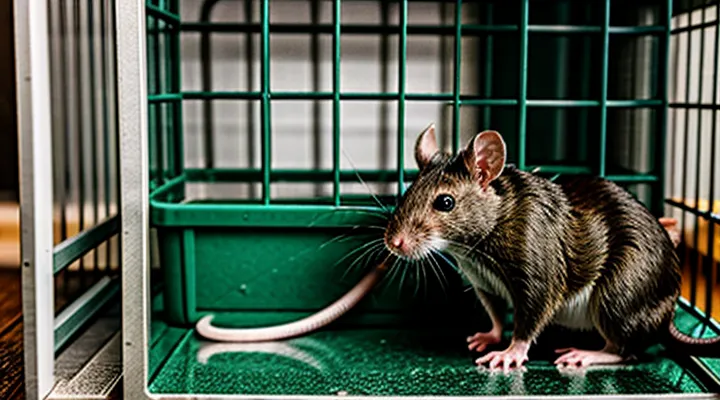
Understanding the Source of Rat Odor
Common Causes of Cage Odor
Urine and Feces Accumulation
Urine and feces build‑up is the primary source of unpleasant smell in a rodent enclosure. When rats excrete, nitrogenous compounds in urine and volatile fatty acids in feces rapidly decompose, releasing ammonia, sulfides, and other malodorous gases.
Continuous accumulation creates a humid microenvironment that accelerates bacterial growth, intensifies odor, and increases the risk of respiratory irritation for both the animal and the caretaker. Regular removal of waste prevents these chemical reactions from reaching odor‑producing levels.
Effective waste management includes:
- Daily spot‑cleaning of visible droppings and wet spots.
- Full substrate change every 3–5 days, depending on cage size and rat density.
- Use of absorbent, low‑dust bedding that traps moisture and limits bacterial proliferation.
- Incorporation of a removable tray or liner beneath the cage floor for easy disposal.
- Application of a mild, pet‑safe enzymatic cleaner after each full change to break down residual organic matter.
Implementing these measures eliminates the chemical precursors of smell, maintains a healthier environment, and ensures the cage remains odor‑free.
Food Spills and Decay
Food spills create a breeding ground for bacteria and mold, which release volatile compounds that intensify the smell inside a rodent enclosure. Even small crumbs left on the floor can ferment, producing sour and ammonia‑like odors that quickly spread through the cage ventilation.
Prompt removal of waste prevents decay. When a spill occurs, follow these actions:
- Scoop visible food particles immediately.
- Wipe the entire floor with a damp cloth to collect hidden crumbs.
- Rinse the area with warm water, then apply a mild, pet‑safe disinfectant.
- Dry the surface thoroughly before returning bedding or accessories.
Regular inspection of feeding dishes reduces the chance of overflow. Use a shallow bowl that matches the cage size, and refill only the amount the rats can consume within a few hours. Replace any damp or soiled bedding daily; fresh substrate absorbs moisture and limits odor buildup.
Consistent cleaning eliminates the source of decay, thereby reducing the overall scent emanating from the enclosure.
Unsuitable Bedding Materials
Bedding that retains moisture, decomposes quickly, or emits strong scents contributes significantly to persistent odor in a rat enclosure. Such materials create a breeding ground for bacteria and ammonia, overwhelming ventilation and masking any cleaning efforts.
- Cedar shavings – release aromatic oils that irritate respiratory tracts and accelerate bacterial growth.
- Pine pellets – break down into acidic residues, increasing ammonia levels.
- Corncob bedding – absorbs urine but retains moisture, fostering mold development.
- Paper pulp with added fragrance – masks smell temporarily while allowing hidden buildup of waste.
- Wood chip mixes containing hardwood fragments – decompose unevenly, producing uneven odor pockets.
Choosing bedding that is absorbent, low‑dust, and chemically inert prevents these problems. Replace unsuitable substrates with options such as plain aspen shavings, hemp fibers, or recycled paper strips, which wick moisture without generating additional fumes. Regularly monitor bedding condition; replace when it appears damp or discolored to maintain a neutral scent environment.
Poor Ventilation
Poor ventilation allows moisture, urine, and feces to accumulate, creating an environment where odor compounds persist. Stagnant air prevents the natural dissipation of ammonia and bacterial by‑products, intensifying the smell and increasing health risks for both rodents and handlers.
Improving airflow addresses the root cause of odor. Effective measures include:
- Installing a vent or mesh panel on one side of the cage to enable cross‑draft.
- Positioning the cage near a room air vent or using a low‑speed fan to circulate fresh air.
- Elevating the cage slightly off the floor to avoid trapped humidity.
- Regularly cleaning the cage and replacing bedding to reduce moisture buildup, which otherwise hampers ventilation efficiency.
When selecting a ventilation solution, prioritize materials that resist rust and do not introduce additional scents. A well‑designed airflow system reduces ammonia concentration, accelerates odor removal, and promotes a healthier habitat for rats.
Effective Cleaning Strategies
Daily Maintenance Routine
Spot Cleaning Feces and Urine
Spot cleaning feces and urine is essential for controlling odor in a rodent enclosure. Immediate removal prevents bacterial growth, which accelerates the development of unpleasant smells.
- Wear disposable gloves before handling waste.
- Use a paper towel or disposable scoop to collect solid droppings; place them directly in a sealed bag.
- Blot wet urine with absorbent cloths; avoid rubbing, which spreads moisture.
- Apply an enzymatic cleaner to the affected area; follow the product’s contact time for maximum breakdown of organic matter.
- Rinse with warm water if the cleaner requires rinsing, then dry thoroughly with a clean towel.
Repeat the spot‑cleaning routine at least twice daily in high‑traffic zones. Consistent execution reduces odor sources faster than periodic deep cleaning alone.
Removing Leftover Food
Removing uneaten food is a primary factor in controlling smell within a rat enclosure. Decomposing scraps release volatile compounds that quickly saturate the bedding, attract bacteria, and intensify unpleasant odors. Prompt removal prevents these processes from beginning.
- Empty the feeding dish after each meal or at least twice daily.
- Rinse the dish with hot water; use a mild, unscented detergent if residue persists.
- Inspect the cage floor for stray crumbs; sweep or vacuum them away before they contact bedding.
- Replace bedding that has absorbed food particles; a thin layer of fresh substrate restores absorbency.
- Store fresh food in sealed containers to avoid accidental spillage.
Consistent execution of these actions keeps the environment clean, reduces microbial growth, and markedly lowers odor levels. Regular monitoring ensures that no hidden food sources develop, maintaining a healthy and odor‑free habitat for the rodents.
Weekly Deep Cleaning
Disassembling the Cage
Disassembling the cage is a prerequisite for thorough odor removal because it exposes hidden surfaces where urine and feces accumulate.
- Remove all accessories—food dishes, water bottles, tunnels, and toys. Place them in a separate container for cleaning.
- Detach the cage panels according to the manufacturer’s instructions. Use a screwdriver or quick‑release clips, keeping screws and fasteners organized in a small tray.
- Separate the base from the walls. Lift the base gently to avoid spilling bedding or debris.
- Inspect joints, corners, and hinges for residue. If any parts are damaged, replace them before reassembly.
With the cage fully opened, rinse each component with hot water, then apply an enzymatic cleaner that breaks down organic molecules. Scrub with a non‑abrasive brush, focusing on seams and lock points. Rinse thoroughly and allow all parts to air‑dry completely to prevent moisture‑related odors.
Reassemble the cage only after every piece is dry. Reinstall accessories in the same order they were removed, securing all fasteners tightly. Verify that doors and locks function smoothly; any misalignment can trap waste and reintroduce smell.
Washing All Surfaces
Cleaning every interior surface is a primary method for removing lingering rodent odor.
Begin by removing the animal and all accessories. Discard used bedding, food, and waste. Place the cage on a stable surface where water can be drained safely.
Prepare a cleaning solution using hot water and a mild detergent, or combine equal parts white vinegar and water for a natural deodorizing effect. For persistent smells, add an enzymatic cleaner according to the manufacturer’s directions. Avoid bleach or ammonia, which can irritate the animal’s respiratory system.
- Scrub the base, walls, and any plastic or metal components with a non‑abrasive brush.
- Pay special attention to corners, mesh panels, and latch mechanisms where urine may accumulate.
- Clean water bottles, feeders, and toys separately in the same solution.
Rinse all items thoroughly with clean water to eliminate detergent residue. Dry each part with a lint‑free cloth or allow air‑dry for at least 15 minutes.
Reassemble the cage, add fresh, absorbent bedding, and return the rat only after the environment is completely dry and odor‑free. Regular weekly washing of all surfaces maintains a healthy, odor‑controlled habitat.
Sanitizing with Pet-Safe Cleaners
Pet‑safe sanitizers remove bacterial growth and urine residues that cause persistent rodent odor. Choose products labeled non‑toxic, fragrance‑free, and free of ammonia or bleach, which can irritate a rat’s respiratory system. Enzyme‑based cleaners break down organic waste, while hydrogen peroxide solutions disinfect without leaving harmful residues.
- Empty the cage, discard bedding, and rinse all accessories with warm water.
- Apply an enzyme cleaner to surfaces, let it sit 10–15 minutes, then scrub with a soft brush.
- Rinse thoroughly, ensuring no cleaner remains on bars, wheels, or hideouts.
- Dry components completely before adding fresh, absorbent bedding.
Regular sanitizing after each cleaning cycle prevents odor buildup and maintains a healthy environment for the animal. Use the same pet‑safe products for weekly maintenance to sustain odor control without exposing the rat to hazardous chemicals.
Rinsing Thoroughly
Thorough rinsing removes residual urine, feces, and food particles that contribute to unpleasant odors. Begin by disassembling the cage, taking out all accessories, bedding, and any removable components. Submerge each part in a sink or bucket filled with hot water (approximately 60 °C/140 °F) to loosen debris.
- Apply a mild, unscented detergent; avoid strong fragrances that may mask, rather than eliminate, odor.
- Use a soft brush or sponge to scrub all surfaces, paying special attention to corners, mesh panels, and hinges where residue accumulates.
- Rinse each item under running water until no soap suds remain; a single, continuous flow reduces the risk of detergent buildup.
After rinsing, inspect each piece for lingering smell. If any odor persists, repeat the cleaning cycle with a diluted vinegar solution (1 part white vinegar to 4 parts water) before the final rinse.
Dry components completely before reassembly. Air-dry in a well‑ventilated area or use a low‑heat setting on a fan dryer; moisture encourages bacterial growth and re‑odorization.
Reassemble the cage only after all parts are dry, then add fresh bedding and food. Regular implementation of this rinsing protocol—at least weekly for heavily used cages—maintains a neutral environment and prevents the buildup of odor‑causing microorganisms.
Drying Completely
Effective odor control begins with thorough drying of all cage components after cleaning. Moisture sustains bacterial growth and traps volatile compounds, so eliminating residual dampness is essential.
- Remove all bedding, toys, and accessories. Rinse them with hot water, then spread each item on a clean, heat‑resistant surface.
- Place the cage itself in a well‑ventilated area. Use a fan or a low‑heat hair dryer set to cool mode to accelerate airflow without damaging plastic.
- Allow at least 24 hours of uninterrupted exposure to ambient air. If humidity exceeds 60 %, extend the drying period or employ a dehumidifier.
- Verify dryness by touching corners, seams, and the underside of the cage. No slick or damp spots should remain.
- Once fully dry, reassemble with fresh, absorbent bedding and replace accessories only after they have been confirmed dry.
Completing these steps prevents re‑introduction of moisture, thereby reducing the persistence of rat odor.
Addressing Persistent Odors
Using Enzyme Cleaners
Enzyme cleaners break down organic molecules that cause the characteristic rat smell. The enzymes hydrolyze proteins, fats, and urine residues, converting them into harmless by‑products that no longer emit odor. Because the breakdown occurs at a molecular level, the scent disappears rather than being masked.
To apply enzyme cleaners effectively in a cage:
- Remove all bedding, food, and accessories before cleaning.
- Rinse the cage with warm water to eliminate loose debris.
- Spray or pour the enzyme solution evenly over all surfaces, including corners, bars, and the interior of any plastic components.
- Allow the product to sit for the manufacturer‑specified dwell time (typically 10‑15 minutes) so enzymes can act on the residues.
- Rinse thoroughly with water to remove any remaining solution, then dry the cage completely before re‑adding bedding and supplies.
Select a product that lists protease, lipase, and amylase enzymes, and verify that it is safe for rodents and does not contain harsh chemicals. Regular use—once a week for heavily used cages, or after any accident involving urine or feces—maintains a neutral environment and prevents odor buildup.
Natural Deodorizers «Baking Soda, White Vinegar»
Baking soda neutralizes acidic compounds that cause unpleasant odors in a rodent enclosure. Sprinkle a thin layer on the cage floor after each cleaning, allow it to sit for 10‑15 minutes, then sweep or vacuum the residue before adding fresh bedding.
White vinegar acts as a natural disinfectant and odor absorber. Dilute one part vinegar with three parts water, apply the solution to cage bars, corners, and any removable accessories with a spray bottle. Let it air‑dry; the vinegar vapors will dissipate the smell without leaving a lingering scent.
For optimal results, alternate the two agents on a weekly cycle. Use baking soda on days when the cage is emptied and refilled, and apply the vinegar rinse on days when only spot cleaning occurs. This routine maintains a low‑odor environment while avoiding chemical additives.
Optimizing Cage Environment
Choosing the Right Bedding
Absorbent Materials
Absorbent materials are essential for controlling odor in a rat enclosure. Their primary function is to trap moisture and volatile compounds that cause the unpleasant scent.
- Paper-based bedding – high cellulose content, quickly wicks urine and feces, replaces frequently for optimal performance.
- Wood shavings (aspen or pine, low aromatic oils) – porous structure holds waste, minimal scent contribution.
- Recycled cellulose pellets – compact, expand when wet, provide long‑lasting absorption; monitor for dust accumulation.
- Corncob bedding – natural absorbency, biodegradable, suitable for small to medium cages.
- Activated charcoal inserts – adsorbs gaseous odor molecules, placed beneath primary bedding for added protection.
Application guidelines:
- Lay a uniform layer of chosen absorbent material at least two inches deep to ensure sufficient capacity.
- Replace the entire bedding when it reaches saturation; partial changes reduce odor control efficiency.
- Combine a primary absorbent layer with a thin sheet of activated charcoal for dual‑action absorption and adsorption.
- Keep the cage well‑ventilated; airflow facilitates the removal of trapped gases after the absorbent material has captured them.
Selecting the appropriate absorbent material and maintaining a regular replacement schedule directly reduces rat‑related odor in the cage environment.
Odor-Controlling Options
Effective odor control in a rodent enclosure relies on a combination of physical barriers, chemical neutralizers, and routine maintenance. Each option addresses a specific source of smell and contributes to a consistently fresh environment.
- Ventilation: Install a cage with breathable mesh or attach a small fan to increase air exchange. Continuous airflow dilutes volatile compounds before they accumulate.
- Absorbent substrate: Use paper‑based bedding, wood chips, or aspen shavings that trap moisture and urine. Replace the substrate regularly to prevent saturation.
- Activated charcoal filters: Place a charcoal pad in the cage’s filter slot or within the surrounding enclosure. The porous material adsorbs ammonia and other odor molecules.
- Enzymatic cleaners: Apply a spray formulated with urease‑breaking enzymes on soiled surfaces. Enzymes break down uric acid and organic waste, eliminating the source of odor rather than masking it.
- Baking soda: Sprinkle a thin layer beneath the bedding. Sodium bicarbonate neutralizes acidic compounds and absorbs excess moisture.
- Air purifier: Position a HEPA‑equipped unit with an activated carbon cartridge near the cage. The purifier captures airborne particles and reduces lingering smells.
- Regular cleaning schedule: Remove droppings and wet bedding daily; perform a deep clean with mild, unscented detergent weekly. Consistent removal prevents bacterial growth that intensifies odor.
Integrating these measures yields the most reliable results. Begin with proper ventilation and absorbent bedding, then add charcoal filtration and enzymatic treatment. Maintain the cleaning routine to sustain low odor levels over time.
Avoiding Aromatic Bedding
Aromatic bedding, such as scented wood shavings or perfumed paper, masks odor but does not eliminate it. The fragrance blends with urine and feces, creating a persistent, unpleasant smell that can linger even after cleaning. Rats are sensitive to strong scents; artificial odors may cause stress, reduce natural grooming behavior, and encourage them to avoid the bedding area, leading to waste accumulation in other parts of the cage.
Choosing unscented, absorbent materials reduces the need for masking agents. Preferred options include:
- Plain hardwood shavings (e.g., aspen, maple) with low dust content
- Paper-based bedding (recycled newspaper, cellulose) that wicks moisture efficiently
- Corncob pellets, which provide good absorption and break down into fine particles for easy removal
When selecting a product, verify that it is free of added fragrances, dyes, or chemicals. Check manufacturer specifications for dust levels; low-dust bedding prevents respiratory irritation for both rats and handlers.
Regular maintenance amplifies the benefits of unscented bedding. Remove soiled sections daily, replace the entire substrate weekly, and clean the cage with a mild, non‑scented detergent followed by thorough rinsing. This routine prevents odor buildup without relying on masking scents.
By eliminating aromatic bedding and adopting neutral, high‑absorbency substrates, the primary source of odor is addressed directly, resulting in a cleaner environment and healthier, less stressed rodents.
Proper Ventilation Techniques
Cage Placement
Proper positioning of a rodent enclosure directly influences odor control. Select a location with ample airflow; a spot near a window or a dedicated ventilation system allows fresh air to circulate through the cage and disperse volatile compounds. Avoid confined spaces such as closets, cabinets, or under furniture, where stagnant air intensifies smell. Place the cage on a non‑absorbent surface—metal or sealed plastic—to prevent odor retention in the substrate beneath. Keep the enclosure away from direct sunlight, which can increase humidity and accelerate bacterial growth that contributes to odor. Ensure the cage is elevated at least a few inches off the floor; this facilitates cleaning beneath the unit and prevents moisture accumulation from spills.
Key placement considerations:
- Proximity to ventilation (window, exhaust fan, or air purifier).
- Isolation from enclosed, low‑air‑movement areas.
- Use of non‑porous, easy‑to‑clean flooring.
- Elevation to allow under‑cage cleaning and airflow.
- Distance from heat sources that raise humidity.
Implementing these positioning guidelines reduces the concentration of odor‑producing molecules, supporting a cleaner environment for both rats and owners.
Air Circulation Devices
Effective odor control in a rodent enclosure begins with proper air movement. Air circulation devices introduce fresh air, dilute volatile compounds, and carry odor particles away from the cage interior.
Choosing a device requires attention to airflow rate, noise level, and power consumption. A fan delivering 5–10 cubic feet per minute per square foot of cage surface provides adequate exchange without creating drafts that stress the animals. Inline duct fans connect to ventilation tubes and maintain a continuous flow through the cage walls. Small clip‑on fans attach directly to the cage lid, offering localized circulation for compact setups. Passive ventilation grids rely on natural convection but lack the consistency of powered units.
Placement determines efficiency. Position the inlet near the cage top, where warm, odor‑laden air accumulates, and locate the outlet low on the opposite side to draw stale air downward. Ensure unobstructed pathways; avoid placing accessories or bedding directly in front of the fan.
Regular maintenance preserves performance. Follow these steps:
- Turn off the device before cleaning.
- Remove dust and debris from blades or grilles with a soft brush.
- Inspect wiring for wear; replace damaged cords promptly.
- Lubricate moving parts according to the manufacturer’s schedule.
Integrating air circulation devices with routine cleaning, appropriate bedding, and humidity control creates a comprehensive strategy for minimizing unpleasant smells in a rat cage.
Diet and Health Considerations
Impact of Diet on Odor
Diet directly influences the intensity and persistence of odor in a rat enclosure. High‑protein foods increase nitrogenous waste, which accelerates the production of ammonia and foul smells. Conversely, low‑protein, high‑fiber diets reduce waste volume and promote more efficient digestion, resulting in less pungent excretions.
Key dietary adjustments include:
- Replacing large amounts of meat‑based pellets with formulated rodent chow that contains 14‑16 % protein.
- Adding a modest portion of fresh vegetables such as carrots, broccoli, or kale; these provide bulk and dilute waste.
- Limiting treats that contain cheese, nuts, or processed snacks, as they raise protein load and fat content.
- Ensuring constant access to clean water; adequate hydration dilutes urine and lowers ammonia concentration.
Monitoring the rat’s stool consistency offers a practical indicator of diet effectiveness. Firm, well‑formed droppings suggest balanced nutrition, while loose, watery stools often precede stronger odors. Adjusting the feed ratio promptly can prevent odor escalation before it becomes a cleaning issue.
Recognizing Health Issues Contributing to Odor
Rats may emit strong odors when they suffer from underlying health problems. Identifying these issues is essential for effective odor control.
Common medical conditions that increase scent include:
- Respiratory infections that cause nasal discharge and excessive grooming.
- Gastrointestinal disorders leading to frequent, odorous droppings or spillage.
- Skin infections or fungal growth that produce foul-smelling secretions.
- Urinary tract infections resulting in pungent urine.
- Dental disease prompting excessive saliva and drooling.
Each condition presents specific signs. Look for nasal discharge, sneezing, or labored breathing as indicators of respiratory illness. Monitor stool consistency, frequency, and any leakage; watery or loose feces often signal digestive upset. Inspect the fur and skin for redness, crusting, or hair loss, which suggest dermatological problems. Observe urine volume and odor; a sudden increase in smell may reveal a urinary infection. Check the mouth for swelling, bad breath, or difficulty chewing, which can point to dental pathology.
When any of these symptoms appear, isolate the affected rat and seek veterinary assessment promptly. Treating the underlying disease reduces the source of odor, improves the animal’s welfare, and simplifies cage sanitation. Regular health checks, prompt veterinary care, and immediate cleaning of contaminated areas together create a cleaner environment and eliminate persistent smells.
Prevention and Long-Term Solutions
Regular Cage Maintenance Schedule
A disciplined cleaning routine stops odor from accumulating in a rat enclosure. Consistency eliminates the need for emergency deep cleans and keeps the environment healthy for both animals and handlers.
- Remove waste, uneaten food, and soiled bedding each day.
- Wipe down surfaces with a mild, pet‑safe disinfectant.
- Refresh water bottles and inspect for leaks.
Weekly tasks reinforce daily work and target hidden sources of smell.
- Replace all bedding with fresh material.
- Scrub cage bars, corners, and any plastic components.
- Clean food dishes, treat containers, and enrichment items with hot, soapy water.
- Vacuum the area around the cage to capture stray particles.
Monthly procedures address deeper contamination and maintain structural integrity.
- Disassemble the cage for a thorough wash, using a diluted enzymatic cleaner that breaks down urine proteins.
- Rinse all parts with hot water, then dry completely before reassembly.
- Inspect seals, hinges, and mesh for wear; replace damaged parts promptly.
- Rotate or rotate‑clean enrichment toys to prevent odor hotspots.
Adhering to a fixed schedule reduces the risk of persistent rat odor. Set reminders, keep a log, and allocate a specific time slot each day to ensure no step is missed. Consistent execution yields a fresh, odor‑free habitat without resorting to drastic measures.
Selecting Appropriate Cage Size
Choosing the right cage dimensions directly influences the ability to keep a rat enclosure free of unpleasant smells. An oversized space encourages inactivity, leading to increased urine deposits and lingering odor, while an undersized cage concentrates waste, making cleaning ineffective.
- Minimum floor area: 0.5 sq ft (≈0.05 m²) per adult rat.
- Height: at least 12 in (30 cm) to allow vertical movement and proper ventilation.
- Volume: 1 cu ft (≈28 L) per rat to provide sufficient air exchange.
- Gap between bars: no larger than ½ in (13 mm) to prevent escape while allowing airflow.
Selecting a cage that meets these specifications reduces waste buildup per unit area, facilitating quicker drying of soiled bedding and limiting bacterial growth. Materials such as solid plastic or stainless steel provide non‑porous surfaces that resist odor absorption, and removable trays simplify daily spot cleaning.
Regularly rotating the cage’s position in the room promotes air circulation, while ensuring the enclosure remains large enough to accommodate enrichment items without crowding. Proper sizing, combined with routine maintenance, creates an environment where odor control is manageable and the rats remain healthy.
Providing Enrichment to Reduce Stress
Enrichment lowers stress, which directly reduces the amount of urine and feces that generate strong smells in a rat enclosure. Less stress means fewer defensive markings and a cleaner environment, supporting effective odor control.
- Provide chewable objects such as untreated wood blocks, cardboard tubes, or mineral chews to satisfy natural gnawing behavior.
- Offer foraging opportunities with hidden seed mixes, puzzle feeders, or folded paper bags that encourage digging and exploration.
- Supply nesting material like shredded paper or cotton strips, allowing rats to build comfortable nests and decreasing agitation.
- Rotate toys and accessories weekly to maintain novelty and prevent boredom.
- Include vertical space through ladders, platforms, or hammocks, enabling climbing and promoting physical activity.
Implement enrichment consistently, observing each rat’s preferences and adjusting items to avoid overcrowding. Clean the cage daily, focusing on soiled corners and waste areas, while retaining enrichment pieces that can be sanitized rather than discarded. Record behavioral changes; a noticeable decline in urine marking and grooming spikes signals successful stress reduction, which in turn minimizes odor buildup.
Monitoring Rat Health
Effective odor control begins with vigilant health surveillance. Illness often alters urine composition, fecal output, and respiratory secretions, all of which intensify unpleasant smells. Early detection prevents microbial growth and reduces the need for aggressive cleaning measures.
Routine observations should include:
- Visual inspection of fur, eyes, and nose for discoloration, discharge, or lesions.
- Daily weight recording; a loss of more than 5 % signals metabolic distress.
- Examination of droppings for consistency, color changes, or blood.
- Listening for abnormal breathing sounds; wheezing or labored respiration indicates respiratory infection.
- Monitoring grooming behavior; excessive licking or neglect suggests discomfort or pain.
Additional checks enhance accuracy:
- Temperature checks using a rectal probe or infrared thermometer; fever often precedes odor‑related bacterial proliferation.
- Urine dip‑testing for protein, glucose, or blood; abnormal values correlate with pungent urine.
- Periodic fecal cultures when diarrhea occurs; pathogenic bacteria emit strong odors.
Document findings in a log, noting date, observed abnormalities, and corrective actions. Consistent records enable trend analysis, allowing caretakers to intervene before health issues exacerbate odor problems. Maintaining optimal health directly supports a cleaner, less odorous enclosure.
Educating Other Household Members
Educating everyone in the household about controlling odor from a rat enclosure prevents recurring problems and protects health. Clear communication of responsibilities, procedures, and expectations ensures consistent results.
Key points to convey:
- Identify the source: waste, urine, and bedding generate the smell. Regular removal of droppings and soiled bedding stops buildup.
- Clean schedule: wipe the cage, replace bedding, and disinfect surfaces at least twice weekly. Use pet‑safe cleaners that neutralize odor without harming the animals.
- Ventilation: keep the cage in a well‑aired area; avoid closed cabinets that trap fumes.
- Personal hygiene: wash hands after handling the cage, and store cleaning tools separately from food‑preparation items.
- Monitoring: assign a weekly check‑in to note any increase in odor and adjust cleaning frequency accordingly.
When presenting this information, use simple language, visual reminders such as a posted checklist, and a brief demonstration of the cleaning routine. Reinforce the plan by reviewing it monthly and updating it if new products or methods improve odor control. Consistent education eliminates confusion, reduces complaints, and maintains a fresh environment for both pets and people.