
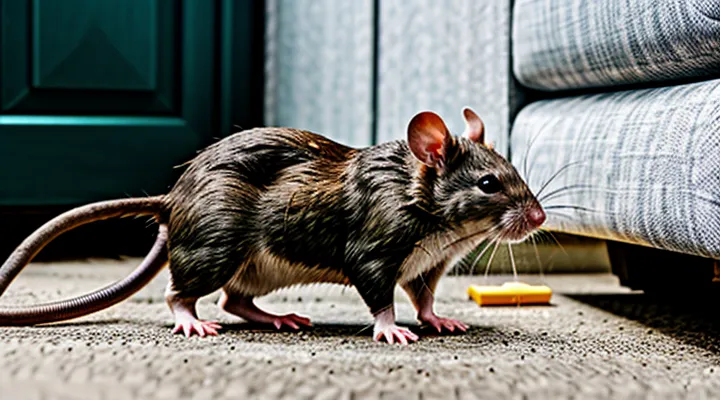
Understanding Rat Odor
Identifying the Source of the Odor
Identifying the source of rat odor is the first step toward effective removal. Rats leave scent through urine, feces, secretions, and decaying bodies. Locate these materials before applying any deodorizing measures.
- Inspect hidden areas such as attics, crawl spaces, wall voids, and under appliances. Use a flashlight to reveal dark corners where droppings accumulate.
- Follow the strongest smell trail; the odor intensifies near the original contamination point.
- Check for signs of chewing, gnaw marks, and nesting material, which often accompany the odor source.
- Use a moisture‑detecting device to find damp spots where urine has soaked into insulation or flooring.
- If a dead animal is suspected, listen for a distinct, putrid smell that does not dissipate with ventilation.
Once the exact location is confirmed, remove all contaminated matter, seal the area, and disinfect with an appropriate enzymatic cleaner. Eliminating the source prevents recurrence and allows subsequent odor‑neutralizing treatments to work efficiently.
Health Risks Associated with Rat Odor
Rat odor signals the presence of urine, feces, and glandular secretions that contain hazardous substances. These emissions introduce pathogens, allergens, and volatile organic compounds (VOCs) into indoor air, creating immediate and long‑term health concerns.
- Respiratory irritation: Ammonia and other nitrogenous gases provoke coughing, wheezing, and shortness of breath, especially in individuals with asthma or chronic bronchitis.
- Allergic reactions: Proteins in rat saliva and dander trigger IgE‑mediated responses, leading to sneezing, nasal congestion, and skin rashes.
- Infectious disease exposure: Rat urine may carry Leptospira, Hantavirus, and Salmonella, which can be inhaled or transferred through contaminated surfaces.
- Neurological effects: Chronic inhalation of high‑level VOCs, such as phenols and indoles, can cause headaches, dizziness, and impaired concentration.
- Psychological stress: Persistent foul odor contributes to anxiety and reduced sleep quality, indirectly affecting overall wellbeing.
Eliminating the odor removes the source of these risks. Prompt removal of nesting materials, thorough disinfection of contaminated areas, and sealing entry points prevent re‑infestation and maintain air quality. Regular ventilation and the use of air‑purifying filters further reduce residual contaminants, safeguarding occupants from the documented health hazards linked to rat odor.
Immediate Action for Odor Removal
Ventilating the Affected Area
Ventilation clears contaminated air by replacing it with fresh outdoor air, reducing the concentration of volatile compounds that cause the rat smell.
Open all available windows and doors to create a cross‑draft. Position a box fan so that it blows air from the interior toward an open exit, then place a second fan opposite to draw fresh air inside. Maintain this configuration for at least several hours, extending the period if the odor persists.
Enhance airflow with additional equipment:
- Exhaust fans installed in bathrooms or kitchens, set to high speed.
- Portable air movers aimed at the most affected zones.
- Dehumidifiers to lower moisture, which slows the release of odor‑binding particles.
Clean surfaces while ventilation is active. Wipe walls, floors, and furniture with a solution of water and an enzymatic cleaner; the moving air carries away dissolved odor molecules.
Monitor progress by checking for residual scent after each ventilation cycle. If the smell remains detectable, repeat the process and increase fan capacity or duration until the air no longer registers the odor.
Removing Rat Remains and Droppings
Proper Disposal Methods
Proper disposal of rat carcasses and contaminated materials is essential for eliminating lingering odor. Place each dead rodent in a heavy‑duty plastic bag, seal tightly, and then encase the bag in a second sealed bag to prevent leakage. Dispose of the double‑bagged material in an outdoor trash container that is emptied regularly; avoid storing it indoors.
When handling bedding, insulation, droppings, or any porous items that have absorbed urine, treat them as biohazardous waste. Seal these items in sealed bags, label them if possible, and arrange for collection by a licensed waste‑removal service. If a professional pest‑control firm is engaged, follow their instructions for packaging and transport, as they may require specific containers.
Sanitize the area after removal. Apply an enzymatic cleaner to surfaces that contacted the rodents, allowing sufficient contact time for odor‑breaking enzymes to act. Rinse with clean water, then dry thoroughly. For non‑porous floors, follow with a disinfectant approved for indoor use.
Key steps for safe, effective disposal:
- Wear disposable gloves and a mask throughout the process.
- Seal each item in a double‑bag system.
- Store sealed bags in a sealed, insulated container until collection.
- Use a licensed waste‑management service for biohazardous materials.
- Clean and disinfect the affected area after removal.
Adhering to these procedures prevents odor persistence and reduces health risks associated with rat infestations.
Safety Precautions
When tackling rodent odor, safety must precede effectiveness. Wear a disposable respirator rated for organic vapors, nitrile gloves, and protective eyewear to prevent inhalation and skin contact with urine, feces, and cleaning agents. Ensure the work area is well‑ventilated; open windows and use fans to disperse airborne particles. Isolate the space from children, pets, and individuals with respiratory sensitivities until decontamination is complete.
Before applying enzymatic cleaners or disinfectants, read the label for hazard warnings. Dilute chemicals according to manufacturer instructions; avoid mixing products, as reactions can generate toxic fumes. Keep a fire extinguisher rated for chemical fires nearby, and store all solvents in sealed containers away from heat sources.
Dispose of contaminated materials promptly. Place used towels, gloves, and disposable masks in a sealed plastic bag, then seal and discard according to local hazardous waste guidelines. Clean reusable tools with a bleach solution (1 % sodium hypochlorite) and rinse thoroughly before storage.
Key precautions:
- Respiratory protection with organic‑vapor filter
- Full‑cover gloves and splash‑proof goggles
- Continuous airflow or mechanical ventilation
- Strict adherence to product safety data sheets
- Segregated disposal of contaminated waste
Follow these measures to minimize health risks while eliminating the smell left by rats.
Deep Cleaning and Sanitization
Cleaning Surfaces
Hard Surfaces
Hard surfaces such as tile, laminate, stainless steel, and sealed concrete retain rat urine and fecal residues, making odor removal dependent on thorough cleaning and disinfection. Begin by removing visible debris with a disposable scraper or paper towel; avoid spreading contaminants. Apply an enzymatic cleaner specifically formulated for rodent waste, allowing it to penetrate the surface for the recommended dwell time, typically 10–15 minutes, to break down organic compounds that cause odor.
After enzymatic treatment, rinse the area with hot water and a neutral pH detergent. Use a microfiber mop or scrub brush to agitate the surface, then dry completely to prevent moisture buildup, which can foster bacterial growth. For persistent odor, repeat the enzymatic step and follow with a diluted solution of hydrogen peroxide (3 %) or a commercial odor neutralizer, ensuring the product is safe for the material.
- Steps for hard‑surface odor control
Soft Furnishings
Soft furnishings absorb and retain rodent odor, making them a priority in any odor‑removal plan. Effective treatment requires thorough cleaning, proper ventilation, and odor‑neutralising agents.
- Remove all loose items (cushions, throws, pillowcases) and place them in a sealed bag before transport to a laundry area.
- Pre‑treat fabrics with an enzymatic cleaner designed to break down animal proteins; spray evenly, let sit 10–15 minutes.
- Machine‑wash at the highest temperature the material can tolerate (minimum 60 °C/140 °F). Add a cup of white vinegar to the rinse cycle to neutralise volatile compounds.
- For non‑washable items, use a commercial steam cleaner set to 212 °F (100 °C). Steam penetrates fibers, killing bacteria and releasing trapped odor molecules.
- After cleaning, dry fabrics completely using a tumble dryer on a hot setting or air‑dry in direct sunlight; moisture encourages lingering smells.
- Apply a fabric‑safe odor‑absorbing powder (baking soda or activated charcoal) to dry items, leave for several hours, then vacuum.
If persistent odor remains, repeat enzymatic treatment and consider professional dry‑cleaning services that employ ozone or UV technology. Regular airing of rooms and placement of moisture‑absorbing desiccants will prevent re‑accumulation of odor in soft furnishings.
Using Enzymatic Cleaners
Enzymatic cleaners break down the organic compounds that cause rodent odor, converting them into odor‑free substances. The enzymes target proteins, fats, and urine crystals, eliminating the source rather than merely masking the smell.
Application requires thorough preparation. Clean the area of visible debris, then apply the enzymatic solution according to the manufacturer’s dilution guidelines. Allow the product to remain wet for the period specified, typically 10–15 minutes, to ensure enzyme activity. After the dwell time, wipe or rinse the surface and let it air‑dry.
- Identify all contaminated zones, including walls, floors, and crevices.
- Pre‑clean with a mild detergent to remove surface grime.
- Spray or pour the enzymatic cleaner, ensuring complete coverage.
- Maintain moisture for the recommended contact time.
- Rinse if the product label advises, then ventilate the area.
Repeated treatment may be necessary for deeply absorbed odors. Store the cleaner in a cool, dark place to preserve enzyme potency, and follow safety instructions such as wearing gloves and avoiding direct inhalation. Proper use of enzymatic cleaners results in lasting odor removal without reliance on masking fragrances.
Addressing Urine Stains
Identifying Urine Locations
Locate rat urine before treatment. Urine deposits appear as dark stains, discoloration, or damp patches on surfaces such as flooring, walls, insulation, and beneath appliances. Direct visual inspection often reveals the most obvious spots, especially where the material is porous or has been exposed to moisture.
Use a UV (black‑light) source in a darkened area. Rat urine fluoresces a pale green under ultraviolet illumination, highlighting otherwise invisible spots. Scan floors, corners, and hidden crevices; mark each glowing area for further action.
Employ a moisture meter to detect elevated humidity levels caused by wet urine. Readings above the surrounding baseline indicate potential contamination. Record the exact locations where the meter shows a spike.
Apply a scent‑detecting method. Rat urine emits a strong ammonia‑like odor that can be sensed with a trained nose or a portable electronic detector. Move the device slowly along surfaces; note any sharp increase in odor concentration.
Document all identified sites in a simple list for systematic cleaning. Example:
- Kitchen corner under the sink
- Basement wall baseboard near the water heater
- Attic insulation panel behind the vent
- Crawl‑space joist at the east wall
After identification, treat each spot with an enzymatic cleaner designed to break down urine compounds, then follow with a thorough disinfection protocol. Accurate detection ensures complete odor removal and prevents recurrence.
Neutralizing Urine Odor
Neutralizing urine odor from rodents requires immediate action and proper materials. Begin by locating all contaminated surfaces; urine seeps into wood, carpet, and insulation, so thorough inspection is essential. Remove absorbent items such as bedding, towels, and disposable pads, placing them in sealed bags for disposal.
Clean the affected area with an enzymatic cleaner specifically formulated for pet or wildlife urine. Enzymes break down uric acid crystals, eliminating the source of the smell rather than merely masking it. Apply the solution generously, allow it to penetrate for the manufacturer‑recommended dwell time, then blot or rinse with clean water. For porous materials that cannot be fully saturated, consider using a diluted solution of white vinegar (1 part vinegar to 4 parts water) followed by a thorough rinse; the acidity neutralizes alkaline urine residues.
After cleaning, treat the surface with a neutralizing agent such as baking soda or a commercial odor‑absorbing powder. Sprinkle the powder, let it sit for at least 30 minutes, then vacuum or sweep away the residue. For persistent odors, repeat the enzymatic treatment and follow with a hydrogen peroxide solution (3% concentration) applied lightly; hydrogen peroxide oxidizes remaining compounds without damaging most surfaces.
Ventilation accelerates odor dissipation. Open windows, use fans, and, if available, run an air purifier equipped with a HEPA filter and activated carbon. Maintain low humidity levels, as damp environments prolong odor retention.
Prevent future incidents by sealing entry points, installing traps, and regularly inspecting potential nesting sites. Routine cleaning with mild detergent and periodic application of enzymatic spray will keep odor levels low and ensure a sanitary environment.
Odor Neutralization Techniques
Natural Odor Absorbers
Activated Charcoal
Activated charcoal is a highly porous form of carbon with a surface area measured in hundreds of square meters per gram. The extensive porosity creates millions of microscopic cavities that attract and retain gas‑phase molecules through physical adsorption.
When rat urine, feces, or secretions release volatile organic compounds, those molecules encounter the charcoal surface and become trapped within the pores. The result is a rapid reduction in the concentration of odor‑causing gases in the surrounding air.
To employ activated charcoal for odor control, follow these steps:
- Choose food‑grade or pharmaceutical‑grade charcoal in granular, pellet, or powder form.
- Contain the material in breathable fabric pouches, perforated plastic containers, or open‑top trays.
- Position the containers near the source of the smell—underneath cages, inside storage boxes, or in corners of infested rooms.
- Replace the charcoal every 2–4 weeks, or when a noticeable decline in odor‑absorption occurs.
Effective odor mitigation also requires preliminary cleaning. Remove visible waste, wash surfaces with an enzymatic cleaner, and ensure adequate ventilation. Activated charcoal works best in dry environments; excess moisture diminishes adsorption capacity.
The material is chemically inert and non‑toxic, but fine particles can irritate eyes or respiratory passages. Use sealed containers to limit dust, keep the product out of reach of pets and children, and wear a mask when handling loose powder.
Activated charcoal does not eliminate the underlying contamination; it merely adsorbs the volatile compounds responsible for the smell. For complete remediation, combine charcoal treatment with thorough sanitation and, if necessary, pest‑control measures.
Baking Soda
Baking soda neutralizes the volatile compounds that cause rat odor. Its alkaline nature reacts with acidic molecules in urine and feces, converting them into odor‑less salts.
To use baking soda effectively:
- Sprinkle a generous layer (about ½ cup per square meter) on affected surfaces such as floors, carpet padding, and upholstery.
- Allow the powder to sit for at least 12 hours; longer exposure increases absorption.
- Sweep or vacuum the area thoroughly, using a HEPA‑rated filter to capture the fine particles.
- Repeat the process if the smell persists, focusing on hidden cavities, crawl spaces, and insulation.
For sealed containers or small objects, place them in a sealed bag with an open box of baking soda for 24 hours. The closed environment forces odor molecules into the powder, eliminating the scent without the need for harsh chemicals.
When combined with proper cleaning—removing droppings, washing with detergent, and ensuring ventilation—baking soda provides a safe, inexpensive method for eradicating rodent odor.
Coffee Grounds
Coffee grounds absorb and neutralize unpleasant odors due to their porous texture and natural oils. When placed in areas contaminated by rodent scent, they bind volatile compounds that signal the presence of rats, reducing the overall odor intensity.
To use coffee grounds effectively:
- Collect fresh or used grounds, allowing them to dry for several hours to prevent mold.
- Spread a thin layer (about ½ inch) on surfaces where rat urine or feces have been detected, such as crawl spaces, basements, or storage rooms.
- Leave the grounds for 24–48 hours, then sweep or vacuum them away.
- Repeat the process weekly until the smell diminishes.
Additional considerations:
- Avoid applying grounds on porous materials that could retain moisture, as this may encourage bacterial growth.
- Combine coffee grounds with thorough cleaning of the affected area; removal of waste and sanitation are essential for lasting results.
- Store unused grounds in an airtight container to preserve their odor‑absorbing capacity.
Commercial Odor Eliminators
Air Purifiers
Air purifiers equipped with activated‑carbon filters are the most effective devices for removing the pungent compounds produced by rodent urine and droppings. The carbon medium adsorbs ammonia, mercaptans, and other volatile organic compounds that cause the characteristic rat smell, while a HEPA filter captures fine dust and dander that may accompany the odor.
When selecting a unit, consider the following criteria:
- Filter composition: combination of HEPA and activated carbon; optional UV‑C for microbial control.
- Clean Air Delivery Rate (CADR): choose a model whose CADR exceeds the room’s volume by at least 20 % to ensure adequate air turnover.
- Coverage area: match the purifier’s square‑foot rating to the size of the affected space.
- Noise level: low decibel rating for continuous operation without disturbance.
Proper placement maximizes performance. Position the purifier near the source of the odor, ideally at floor level where heavier gases accumulate, and keep doors and windows closed to prevent dilution of filtered air. Ensure at least 12 inches of clearance around the intake and exhaust vents to avoid restricted airflow.
Maintenance requirements are straightforward:
- Replace the carbon filter every 3–6 months, depending on usage intensity and odor level.
- Change the HEPA filter annually or according to the manufacturer’s schedule.
- Wipe the exterior surfaces with a damp cloth to prevent dust buildup that could impair intake.
Air purifiers do not eliminate the source of the smell; they complement thorough cleaning, proper waste disposal, and sealing of entry points. When integrated into a comprehensive control plan, they significantly reduce airborne odor particles, improve indoor air quality, and create a more livable environment.
Foggers
Foggers, also known as aerosol dispensers, release a fine mist of disinfectant or deodorizing agents that can penetrate cracks, voids, and hidden spaces where rat urine and feces often linger. The mist saturates porous materials, neutralizing volatile compounds responsible for the characteristic odor.
When selecting a fogger for odor control, consider the following criteria:
- Active ingredient: enzymatic cleaners, oxidizing agents, or odor‑absorbing powders specifically formulated for rodent waste.
- Particle size: sub‑micron droplets ensure deeper penetration.
- Coverage rating: match the device’s square‑foot capacity to the affected area.
- Safety certifications: EPA‑registered products reduce health risks.
Proper application follows a precise sequence:
- Remove visible debris, solid waste, and contaminated bedding.
- Seal off ventilation openings, doors, and windows to contain the mist.
- Load the fogger according to the manufacturer’s instructions, ensuring the correct concentration.
- Activate the device and evacuate the space for the recommended dwell time, typically 30–45 minutes.
- Re‑ventilate the area after the dwell period, using fans to disperse residual particles.
- Perform a post‑treatment inspection; repeat the process if odor persists.
Foggers complement, rather than replace, thorough cleaning. Enzymatic cleaners applied directly to surfaces break down organic matter, while fogging addresses residual odors in inaccessible zones. Overreliance on aerosol treatments can lead to incomplete odor removal and potential chemical buildup. Integrating mechanical cleaning, proper waste disposal, and controlled humidity management yields the most reliable reduction of rat‑related smells.
Preventing Future Odors
Rodent Proofing Your Home
Sealing Entry Points
Sealing entry points blocks the source of the problem and prevents new contamination. Begin by inspecting the exterior and interior of the building for gaps larger than a quarter‑inch. Common locations include:
- Gaps around utility pipes and cables
- Openings under doors and windows
- Cracks in foundation walls and siding
- Vents, dryer exhausts, and chimney flues
Repair each opening with appropriate material. Use steel wool or copper mesh for small holes, then cover with expanding foam or cement. For larger gaps, install metal flashing or hardware cloth secured with screws. Ensure that all sealants are rated for weather resistance and rodent proofing.
After sealing, verify the integrity of the work by conducting a visual check and, if possible, a smoke test to confirm that air does not flow through the repaired areas. Maintain a schedule for periodic inspections, especially after severe weather or building renovations, to address any new breaches promptly. Continuous vigilance eliminates fresh sources of odor and supports long‑term cleanliness.
Eliminating Food Sources
Removing accessible food eliminates the primary attractant for rodents and substantially reduces the odor they produce. Secure all pantry items in airtight containers, discard spoiled produce, and clean crumbs from countertops and floors after each meal. Regularly empty trash cans, line them with tight‑fitting lids, and store outdoor bins away from the building.
Key actions for effective food‑source control:
- Seal gaps around cabinets, pipes, and vents to prevent rodents from reaching stored items.
- Implement a schedule for cleaning kitchen appliances, including microwave interiors and refrigerator coils.
- Use stainless‑steel or heavy‑duty storage bins for pet food, and feed pets only at designated times.
- Conduct weekly inspections of pantry shelves for signs of gnawing or contamination, and replace compromised packaging immediately.
By depriving rats of nourishment, the environment becomes inhospitable, leading to a rapid decline in their activity and the associated smell. Consistent enforcement of these measures sustains a low‑odor, rodent‑free setting.
Maintaining a Clean Environment
A spotless environment removes the conditions that allow rodent waste to linger and produce unpleasant smells. Regular removal of food debris, spilled liquids, and garbage eliminates the primary attractants for rats and prevents the accumulation of urine and feces that cause odor.
- Sweep and vacuum floors daily to capture dried droppings and hair.
- Mop surfaces with a disinfectant that neutralizes ammonia and uric acid.
- Empty trash cans at least once a day; use sealed liners to contain smells.
- Store all food in airtight containers; clean pantry shelves after each use.
- Wash pet dishes and feeding bowls after every meal; rinse under hot water.
Ventilation reduces airborne odor particles. Open windows when weather permits, and operate exhaust fans in kitchens and basements. Replace HVAC filters monthly to prevent odor recirculation.
Inspect hidden areas such as under appliances, behind cabinets, and in crawl spaces. Use a flashlight to locate hidden droppings; clean each spot with a solution of water, vinegar, and a few drops of enzymatic cleaner. Enzymatic agents break down organic matter, eliminating the source rather than merely masking the smell.
Maintain a schedule for deep cleaning. Once a month, move furniture to access floor seams, scrub baseboards, and treat walls with a mild bleach solution diluted to one part bleach to ten parts water. This routine removes residues that could harbor odor‑producing bacteria.
By consistently applying these practices, the environment stays inhospitable to rodents and free of the malodorous by‑products they leave behind.
Professional Assistance
When to Call an Exterminator
Rat odor often signals a hidden infestation that DIY cleaning cannot fully resolve. Persistent smell after thorough sanitation, repeated sightings, or evidence of gnawing indicates that rodents remain active.
- Large droppings or urine stains in walls, ceilings, or insulation
- Strong ammonia‑like odor that resurfaces despite cleaning
- Visible gnaw marks on structural components
- Multiple live or dead rats discovered in traps or hidden areas
- Damage to electrical wiring or piping suggesting ongoing activity
When any of these signs appear, professional extermination becomes necessary. Certified technicians can locate concealed nests, apply targeted baiting, and implement exclusion measures that prevent re‑entry. Their equipment detects odor sources beyond human perception, ensuring complete eradication.
Before contacting an exterminator, gather information: photograph damage, note odor intensity, and record locations of droppings. Provide this data to the service provider to facilitate a swift assessment and efficient treatment plan.
Professional Odor Remediation Services
Professional odor remediation services specialize in detecting, extracting, and neutralizing the volatile compounds left by rodents. Experts employ calibrated instruments to locate hidden contamination, then apply targeted techniques that reach porous materials, insulation, and ventilation ducts.
The remediation workflow typically includes:
- On‑site assessment with moisture meters and odor sensors.
- Containment of affected zones to prevent cross‑contamination.
- Mechanical removal of droppings, urine stains, and soiled debris.
- Application of enzymatic cleaners that break down organic residues.
- Use of ozone generators or hydroxyl mist systems to oxidize lingering smells.
- Post‑treatment verification through air quality testing.
Advantages of hiring certified specialists:
- Complete elimination of odor at the molecular level, not merely masking.
- Compliance with health‑safety regulations and property‑maintenance standards.
- Reduction of secondary damage such as mold growth caused by moisture from rodent waste.
- Documentation of procedures for insurance or legal purposes.
When selecting a provider, verify:
- Accreditation from industry bodies such as IICRC or OSHA training records.
- Availability of portable extraction equipment and sealed containment units.
- Track record demonstrated by client testimonials or case studies.
- Transparent pricing that separates inspection, remediation, and follow‑up testing.
Engaging professional remediation ensures that rat‑related odors are removed efficiently, safely, and permanently.