
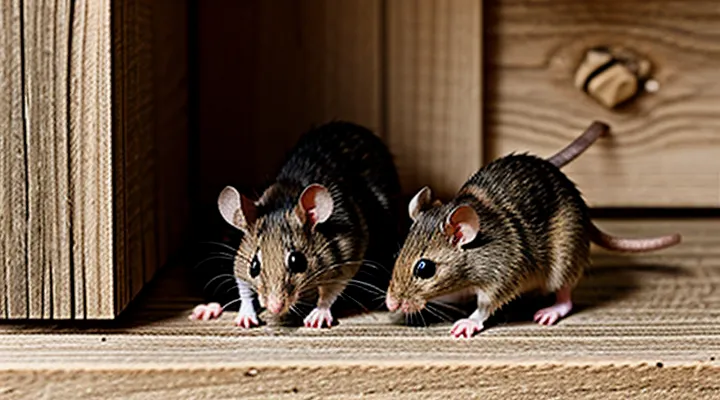
Understanding the Mouse Problem in Wooden Houses
Signs of Mice in Walls
Sounds in the Walls
Mice generate distinct noises that reveal their presence within a wooden structure’s interior cavities. The most common sounds include:
- Light scratching or scurrying on insulation or framing, often heard at night when rodents are active.
- High‑pitched squeaks produced during mating or territorial disputes.
- Soft thumping when a mouse drops objects or runs across loose debris.
- Persistent gnawing noises, indicating a breach in wood or plastic components.
These auditory cues differ from other household sounds. Scratching is irregular and localized, while squeaks are sharp and intermittent. Gnawing produces a rhythmic, repetitive pattern, unlike the constant hum of HVAC systems. Listening from multiple points along a wall can pinpoint the exact cavity, as sound intensity increases when the source is directly behind the listening spot.
Effective detection relies on a systematic approach. Begin by silencing all ambient appliances, then stand close to each wall segment and listen for the described noises. Record the time of occurrence; mice are most active between dusk and dawn, so heightened attention during these hours improves accuracy. If a specific wall yields repeated sounds, inspect adjacent openings—such as gaps around pipes, vents, or electrical conduits—for entry points.
Identifying the precise location of mouse activity allows targeted intervention, reducing the need for extensive demolition. By focusing on the acoustic signatures outlined above, homeowners can efficiently locate infestations within the timber framework and proceed with appropriate control measures.
Droppings and Odor
Mice droppings appear as small, dark, rice‑shaped pellets, typically 1–2 mm long, found along baseboards, inside wall cavities, and near food sources. Their presence indicates active infestation and provides a direct route for disease transmission.
Health risks include exposure to hantavirus, salmonella, and leptospirosis, all of which can be contracted through inhalation of aerosolized particles or direct contact with contaminated surfaces. Prompt removal reduces the likelihood of infection for occupants and pets.
Cleaning procedure
- Wear disposable gloves, N‑95 respirator, and eye protection.
- Seal the work area with plastic sheeting to contain dust.
- Moisten droppings with a 1 % bleach solution; let stand for five minutes to kill pathogens.
- Scrape softened material into a sealed bag; discard according to local hazardous‑waste guidelines.
- Apply a fresh bleach solution (1 % concentration) to the cleaned surface; allow to air‑dry.
Odor originates from urine, feces, and decomposing tissue. Ventilate the affected space by opening windows and using exhaust fans. Place activated charcoal or baking‑soda containers near the source to absorb lingering smells. For persistent odor, apply enzymatic cleaners specifically formulated to break down organic residues; follow manufacturer instructions for contact time.
Regular inspection of wall cavities and prompt cleaning of any droppings detected prevent odor buildup and maintain a sanitary environment.
Gnaw Marks
Gnaw marks are the most reliable visual indicator that mice are active within the wall cavities of a wooden structure. They appear as clean, parallel cuts on wood, plastic, or insulation, typically 2–3 mm deep and 1–2 mm wide. The edges are smooth, reflecting the rodents’ continuously growing incisors, and the pattern often follows the direction of the animal’s movement.
Key characteristics of mouse gnaw marks:
- Uniform depth and width, matching the size of a mouse’s teeth.
- Parallel or slightly angled cuts that intersect at right angles where the animal changes direction.
- Freshness indicated by lack of discoloration or wood splintering.
- Presence on structural members such as studs, joists, and sheathing, as well as on utility conduits.
Identifying gnaw marks enables targeted intervention. Once discovered, follow these steps:
- Confirm activity by locating additional signs (droppings, urine odor, nesting material).
- Seal entry points larger than ¼ inch with steel wool, copper mesh, or caulk to prevent further intrusion.
- Install snap traps or electronic traps directly adjacent to the gnaw marks, positioning bait along the inferred travel path.
- Apply rodent-resistant sealant to the damaged area to restore structural integrity and deter re‑chewing.
- Monitor for new gnaw marks weekly; persistent marks indicate remaining occupants and require repeat trapping.
Accurate interpretation of gnaw marks reduces unnecessary demolition and focuses control measures on active pathways, ensuring efficient eradication of the infestation.
Why Wooden Houses Attract Mice
Easy Entry Points
Mice gain access to wall cavities through gaps that require minimal effort. Typical openings include:
- Cracks around foundation stones or concrete footings.
- Unsealed gaps around utility penetrations (pipes, wires, HVAC ducts).
- Openings at the base of exterior doors and windows, especially where weatherstripping is missing.
- Gaps around vent covers, chimney flues, and attic stairways.
- Small holes in siding, clapboard, or board seams caused by weathering or insect damage.
Identify each opening by inspecting the exterior for visible gaps, using a flashlight to trace mouse pathways, and feeling for drafts along the perimeter. Seal identified points with appropriate materials: steel wool combined with expanding foam for larger gaps, copper mesh for vent openings, and caulk or hydraulic cement for cracks in masonry. Ensure all repairs maintain the structural integrity of the wooden framework and prevent future re‑entry.
Abundant Hiding Spots
Mice exploit the numerous cavities, cracks, and voids typical of timber construction. These concealed areas protect rodents from predators, temperature fluctuations, and detection, making eradication difficult without a systematic approach.
Identify every potential refuge before treatment. Conduct a thorough visual inspection, tap walls to locate hollow sounds, and use a flashlight to reveal gaps behind insulation. Mark each opening to track progress and avoid missing concealed pathways.
Apply targeted measures to reduce hiding opportunities:
- Seal cracks larger than ¼ inch with steel wool followed by caulk or expanding foam; steel wool deters chewing.
- Install mesh or metal flashing over ventilation slots and utility penetrations to block entry while maintaining airflow.
- Replace damaged insulation with dense, rodent‑resistant material; compress it to eliminate gaps.
- Trim back vegetation and remove stored firewood within three feet of the structure to eliminate external shelter that feeds interior infestations.
After sealing, introduce bait stations or traps directly into the remaining accessible voids. Monitor activity for at least two weeks, then re‑inspect all sealed points to confirm the absence of new damage. Consistent elimination of these concealed spaces deprives mice of shelter, leading to a sustainable reduction in their presence within wooden wall assemblies.
Food Sources
Mice are drawn to the interior of wooden homes by accessible food. Crumbs, pet kibble, and improperly stored pantry items provide a constant supply that sustains colonies within wall cavities. Eliminating these resources removes the primary incentive for rodents to inhabit concealed spaces.
- Store dry goods in airtight containers made of metal or heavy‑wall plastic.
- Clean countertops and floors after each meal; sweep or vacuum to remove residual particles.
- Keep pet feeding areas away from walls; remove uneaten food after each serving.
- Dispose of garbage in sealed bins; take out refuse regularly to prevent odor buildup.
Insulated attic spaces and wall voids often contain hidden crumbs from stored boxes or forgotten snacks. Conduct a thorough inspection, remove any debris, and vacuum all accessible crevices. Following these measures reduces the nutritional support that enables mice to survive and reproduce within the structure.
Strategies for Mouse Elimination
Inspection and Identification of Entry Points
Exterior Walls and Foundations
Exterior walls of a wooden house present the first barrier against rodent intrusion. Inspect all siding, trim, and sheathing for gaps larger than a quarter‑inch, cracks, or loose boards. Seal openings with steel‑wool combined with caulk or use copper mesh where pressure may cause deformation. Replace damaged clapboard or weather‑resistant panels promptly to eliminate entry points.
Foundations require equal attention because mice often travel along soil to reach structural voids. Examine the perimeter for cracks, gaps around utility penetrations, and deteriorated mortar. Apply a continuous sealant or hydraulic cement to fill fissures, and install metal flashing around pipes and vents. Ensure that the grading slopes away from the building to keep moisture low; excess dampness weakens wood and encourages burrowing.
Maintain a clear zone between the house and any external structures or vegetation. Trim shrubs, vines, and tree branches that touch the siding, as they provide bridges for rodents. Store firewood, compost, and debris at least three feet from the foundation to reduce shelter availability.
Key actions for exterior walls and foundations
- Conduct a thorough visual survey each season.
- Use steel‑wool or copper mesh to block gaps before applying sealant.
- Apply hydraulic cement to foundation cracks, followed by a waterproof barrier.
- Install metal flashing around all service entries.
- Keep the ground level graded away from the structure.
- Remove potential outdoor shelters within a three‑foot radius.
By systematically sealing openings, reinforcing vulnerable areas, and eliminating external harborages, the exterior envelope becomes inhospitable to mice, preventing them from accessing interior wall cavities.
Roof and Attic Access
Access to the roof and attic is the first practical step in any rodent‑control plan for a timber‑framed residence. Proper entry points allow inspection, trapping, and sealing of the pathways mice use to reach wall cavities.
Begin by establishing a safe, stable route to the attic floor. Use a sturdy ladder or scaffolding, secure it against the house, and verify that the surface can support the weight of an adult. Wear protective clothing and a dust mask to avoid inhaling insulation particles.
Once on the attic floor, conduct a systematic survey:
- Locate all openings connecting the roof structure to the interior, including soffit vents, gable vents, and roof‑to‑wall gaps.
- Identify damaged or missing shingles, cracked flashing, and deteriorated roofing felt that could admit rodents.
- Examine insulation for nesting material, droppings, or gnaw marks on wiring and structural beams.
After documentation, proceed with immediate remediation:
- Seal each identified gap with steel‑wool backing and a high‑quality caulk or metal flashing; steel wool resists chewing.
- Replace compromised roofing components—install new shingles, reinforce flashing, and repair any torn underlayment.
- Install vent covers that incorporate mesh sized to exclude mice while preserving airflow.
- Place snap traps or electronic traps along the perimeter of the attic, focusing on routes that lead to wall cavities.
- Set up a monitoring station with a motion‑activated camera to verify activity and adjust trap placement.
Finally, schedule regular inspections. Re‑evaluate the roof and attic every six months, or after severe weather, to ensure that seals remain intact and no new entry points have formed. Consistent maintenance of these access points eliminates the primary conduit rodents use to infiltrate the wooden walls of the house.
Utility Openings
Utility openings provide direct pathways for rodents to enter wall cavities. Every gap around electrical boxes, plumbing penetrations, and HVAC ducts must be inspected from the interior and exterior surfaces. Identify cracks, unsealed conduit sleeves, and improperly fitted vent covers before sealing.
Seal identified openings with materials that resist gnawing. Use steel wool or copper mesh as a primary barrier, then apply a durable caulk or expanding foam designed for wood structures. For larger penetrations, install metal flashing or rigid metal plates secured with stainless‑steel screws. Ensure the sealant adheres to both wood and metal surfaces to prevent future breaches.
Maintain the integrity of utility openings through regular checks. Schedule inspections at least twice yearly, focusing on areas near moisture sources and high‑traffic zones. Replace degraded sealant promptly, and verify that any new installations include rodent‑proof fittings.
Key actions for sealing utility openings
- Examine all service penetrations for gaps larger than ¼ inch.
- Insert steel wool or copper mesh into gaps before applying sealant.
- Apply a rodent‑resistant caulk or expanding foam, smoothing edges.
- Secure metal plates over large openings with stainless‑steel fasteners.
- Record inspection dates and any repairs performed.
Trapping Methods
Snap Traps
Snap traps are mechanical devices that deliver a rapid, lethal blow to rodents that enter the trigger area. Their simplicity makes them suitable for use in the concealed spaces of timber-framed structures where mice travel behind walls.
When selecting a snap trap for wall applications, consider the following criteria:
- Length of the spring mechanism: longer springs generate greater force, increasing the likelihood of a clean kill.
- Size of the trigger plate: larger plates accommodate bigger bait pieces and reduce the chance of premature release.
- Material of the body: stainless steel resists corrosion in humid cavity environments.
Effective placement follows a systematic approach:
- Identify active runways by observing droppings, gnaw marks, or grease trails.
- Position traps perpendicular to the wall surface, with the trigger end facing the anticipated direction of travel.
- Place traps within 12‑18 inches of each other along the identified pathway to create a barrier.
- Use a small amount of high‑protein bait such as peanut butter or dried meat; avoid excess that may obscure the trigger.
- Secure traps to the wall cavity using nails or adhesive strips to prevent displacement.
Safety measures are essential. Wear disposable gloves when handling traps, and keep them out of reach of children and non‑target animals. After a capture, dispose of the carcass in a sealed bag and reset the device promptly to maintain pressure on the mouse population.
Snap traps complement other control tactics, such as sealing entry points and reducing food sources, by providing immediate removal of individuals that have already infiltrated the structure. Their low cost, reusability, and instant action make them a reliable component of an overall rodent‑management program for wooden homes.
Live Traps
Live traps capture rodents without killing them, allowing removal from a wooden residence while preserving structural integrity. The devices consist of a cage with a trigger mechanism that closes the door when a mouse enters.
Effective deployment requires attention to location, bait, and monitoring:
- Position traps directly against interior wall surfaces where gnaw marks, droppings, or nesting material are visible. Install them flush with the wall to prevent escape.
- Use high‑protein or sweet baits such as peanut butter, cheese, or dried fruit. Apply a small amount to the trigger plate to ensure activation.
- Check traps at least twice daily. Release captured mice at least one mile from the property to discourage re‑entry.
- Clean and disinfect cages after each use to prevent disease transmission and maintain trap reliability.
Select models with sturdy construction, secure latch, and smooth interior walls to minimize injury. Opt for traps featuring a transparent front panel for quick visual inspection without disturbance.
When integrating live traps into a broader rodent‑control plan, combine them with sealing entry points, removing food sources, and maintaining low indoor humidity. This multi‑layered approach maximizes the likelihood of eliminating infestations within the wooden framework.
Multi-Catch Traps
Multi‑catch traps are designed to capture several rodents before requiring reset. The mechanism typically consists of a spring‑loaded platform that snaps shut when a mouse triggers a pressure‑sensitive trigger plate. Once the animal is caught, the door remains closed, allowing additional entries until the capacity is reached.
Effective deployment in a timber‑frame structure involves:
- Positioning traps near known activity sites such as entry points, ventilation gaps, or along wall cavities where gnaw marks appear.
- Securing traps to studs or joists with nails or brackets to prevent displacement by vibrations or wood movement.
- Checking traps daily; remove captured mice, clean the interior with a mild disinfectant, and reset the trigger.
- Replacing traps once the capture limit is reached or after a week of continuous use to maintain reliability.
Advantages of multi‑catch devices include reduced labor compared to single‑catch models, lower risk of trap avoidance due to repeated exposure, and minimal damage to wooden surfaces because the traps operate without adhesives or chemicals. Proper sanitation after each removal prevents disease transmission and deters secondary infestations. Integrating these traps with sealing of entry points and habitat modification creates a comprehensive approach to eradicating mice from wall spaces in wooden homes.
Baiting Strategies
Effective baiting requires precise selection, strategic placement, and diligent monitoring. Choose baits that match the target species’ preferences; common options include grain‑based pellets, chocolate‑flavored blocks, and high‑protein mouse blocks. Opt for products containing anticoagulant or non‑anticoagulant rodenticides, depending on local regulations and safety considerations.
Place bait stations directly adjacent to suspected entry points, ventilation shafts, and known foraging routes within the wall cavity. Secure stations to prevent access by children, pets, and non‑target wildlife. Position each station at a height of 4–6 inches above the floor to align with mouse travel paths.
Maintain a rotation schedule to avoid bait aversion. Replace bait every 3–5 days, record removal rates, and adjust placement based on observed activity. If a station shows no consumption after two weeks, relocate it to a different segment of the wall.
Monitor for signs of secondary poisoning; remove dead rodents promptly to prevent attraction of predators. After a successful reduction in activity, gradually phase out bait stations while continuing to seal entry points and eliminate food sources. This systematic approach maximizes control efficacy and minimizes risk to occupants and the environment.
Exclusion Techniques
Sealing Gaps and Cracks
Sealing gaps and cracks is the most reliable barrier against rodents infiltrating a wooden home’s interior walls. Identify all potential entry points, including those hidden behind insulation, baseboards, and utility penetrations. Use a systematic approach: inspect each wall cavity, attic, and crawl space for openings larger than ¼ inch.
- Apply steel wool or copper mesh to fill narrow gaps before applying sealant; rodents cannot chew through metal.
- Use expanding polyurethane foam for larger voids, ensuring the foam is rated for pest control and does not compromise structural integrity.
- Caulk seams around windows, doors, and pipe entries with silicone or acrylic sealant; reapply annually in high‑moisture areas.
- Install metal flashing around vent pipes and chimney flues; secure with screws and sealant to prevent displacement.
- Replace damaged or missing weather stripping on exterior doors; choose a durable, low‑profile product that maintains a tight seal.
After sealing, conduct a final visual inspection to verify that no gaps remain. Re‑seal any areas that show signs of wear or new damage after seasonal temperature changes. Continuous maintenance of these barriers eliminates the primary pathway rodents use to access wall cavities, ensuring long‑term protection for the wooden structure.
Reinforcing Vents and Screens
Reinforcing vents and screens is a critical step in preventing rodents from accessing interior cavities of a timber structure. Secure all external openings with metal mesh of at least 1/4‑inch (6 mm) opening size; finer mesh allows airflow while blocking mice. Use stainless‑steel or galvanized material to resist corrosion caused by humidity. Fasten the mesh with corrosion‑resistant screws, ensuring no gaps remain between the frame and the wall surface.
Key actions for vent reinforcement:
- Remove existing damaged screens; replace with heavy‑gauge metal mesh.
- Install a backing flange or trim to create an overlap of at least 1 inch (2.5 cm) around the mesh edge.
- Seal seams with silicone or expanding foam rated for exterior use.
- Inspect and tighten all fasteners quarterly; tighten any that have loosened due to wood movement.
- Apply a weather‑resistant caulk around the perimeter to block small crevices.
Regular inspection of vent assemblies detects wear before rodents exploit weaknesses. Maintaining a continuous, intact barrier eliminates one of the most common entry routes into wooden walls.
Using Mouse-Proof Materials
Select materials that prevent rodent entry and seal existing gaps. Solid wood panels, pressure‑treated lumber, and metal flashing create barriers that mice cannot chew through. Install these components on interior surfaces of wall cavities, around vent openings, and at the junction of floor joists and studs.
- Steel mesh (minimum 1/4‑inch gauge) for vent covers and utility penetrations.
- Cement‑based sealant for cracks larger than 1 mm.
- Rigid foam insulation with a metal foil facing to deter gnawing.
- Hard‑shell plastic pipe sleeves for plumbing and wiring channels.
Apply sealant after fitting panels to eliminate micro‑gaps. Use a caulking gun for precise application; excess material should be smoothed to maintain structural integrity. For existing walls, cut a narrow channel along the stud line, insert steel mesh, and cover with a thin layer of cement board before finishing.
Integrate mouse‑proof materials during construction or renovation to reduce future infestations. The combination of impenetrable barriers and thorough sealing eliminates common access points, ensuring long‑term protection for wooden structures.
Repellents and Deterrents
Natural Repellents
Natural repellents provide a chemical barrier that deters rodents without harming the wooden framework. Their volatile compounds interfere with the olfactory signals mice use to locate shelter and food.
- Peppermint oil: soak cotton balls, place them in wall cavities and at entry points; replace every 48 hours to maintain potency.
- Clove oil: mix with water (1 % concentration), spray onto exposed wood and gaps; reapply weekly.
- Cayenne pepper or crushed red pepper: sprinkle a thin layer along baseboards and within accessible wall voids; avoid excessive dust that could settle on furniture.
- Garlic powder: distribute in small sachets, position near known activity zones; refresh monthly.
- Steel wool combined with dried herbs (e.g., rosemary, thyme): pack into holes before sealing; the physical obstruction prevents entry while the herbs emit repellent aromas.
Effectiveness depends on regular renewal of the scent source, proper placement in concealed spaces, and sealing of all identified entry points. Integrating these measures with structural repairs creates a sustained deterrent environment for mice in wooden dwellings.
Electronic Repellents
Electronic repellents emit ultrasonic or electromagnetic frequencies that mice find uncomfortable. The devices are powered by batteries or mains electricity and can be placed directly against interior walls, within wall cavities, or in adjacent rooms where rodent activity is observed.
- Frequency range: Most units operate between 20 kHz and 65 kHz, a band audible to rodents but inaudible to humans.
- Coverage area: Typical models protect 300–1 200 sq ft; larger spaces require multiple units positioned at intervals of 10–15 ft.
- Power source: Plug‑in units provide continuous emission; battery‑operated devices offer flexibility for hard‑to‑reach wall voids.
- Safety features: Certified units include over‑heat protection and low‑voltage isolation to prevent electrical hazards in wooden structures.
Installation steps:
- Identify entry points and active mouse routes within wall cavities.
- Clean the area to remove debris that could block signal propagation.
- Mount the repellent on the interior surface of the wall, aligning the emitter toward the cavity.
- Connect to a power source, activate the device, and verify that the indicator light shows normal operation.
- Monitor rodent activity for 7–10 days; adjust placement if signs persist.
Effectiveness depends on several factors: proper frequency selection, uninterrupted power, and adequate coverage. Studies indicate a reduction in rodent sightings of 40–70 % when devices are correctly deployed in sealed wooden structures. Electronic repellents complement mechanical exclusion methods but should not replace sealing gaps, trapping, or professional pest management when infestations are severe. Regular inspection of the devices ensures continued performance and prevents loss of efficacy due to battery depletion or component failure.
Scent-Based Deterrents
Scent-based deterrents offer a chemical approach to discourage rodents that have taken residence within the cavities of a timber-framed home. The method relies on strong odors that mice find unpleasant, prompting them to vacate the affected area and seek alternative shelter.
- Peppermint oil: high volatility, strong menthol scent; effective when applied to cotton balls or cloth strips.
- Ammonia: sharp, irritating odor; useful in sealed entry points and crevices.
- Clove oil: pungent, spicy aroma; works well on wooden surfaces that can absorb the oil.
- Cedar shavings: natural resinous smell; suitable for placement in gaps and behind panels.
Application requires direct contact with the rodent pathways. Soak absorbent material in the chosen oil or place a small amount of the solid scent, then insert it into holes, gaps, and behind wall panels. Replace or refresh the material every 3–5 days, as scent potency diminishes with exposure to air and wood absorption. Distribute multiple sources evenly along the length of the wall cavity to create a continuous barrier.
Limitations include reduced effectiveness in well-ventilated spaces, potential habituation if scents are not refreshed, and the need to avoid direct contact with food preparation areas. Safety precautions demand proper ventilation when using ammonia and careful handling of concentrated essential oils to prevent skin irritation. Combining scent deterrents with physical sealing of entry points enhances overall success in eradicating mice from wooden structural walls.
Post-Extermination and Prevention
Cleaning and Sanitization
Removing Droppings and Nests
Removing mouse droppings and nests is a critical phase in eradicating a rodent presence from the cavity walls of a timber structure. Droppings carry pathogens; nests provide shelter and encourage re‑infestation. Proper handling eliminates health risks and removes the conditions that support mouse survival.
- Wear disposable gloves, a N95 respirator, and eye protection before entering the wall cavity.
- Identify all visible droppings and nesting material; use a flashlight and a flexible inspection rod to reach hidden sections.
- Collect droppings with a sealed, disposable scoop or a damp paper towel, placing each load directly into a biohazard bag.
- Disinfect the affected area with a 10 % bleach solution (1 part bleach to 9 parts water). Apply, let stand for at least five minutes, then wipe with a clean, damp cloth.
- Remove nests by cutting or pulling material away from structural members. Place nests in sealed bags for disposal.
- After removal, vacuum the cavity with a HEPA‑rated portable unit to capture residual particles.
- Seal the bags, label them as hazardous waste, and arrange for proper municipal disposal.
The final step is to inspect the wall cavity again to confirm that no droppings or nesting material remain. Repeating this process after any future mouse activity ensures a clean environment and reduces the likelihood of recurrence.
Disinfecting Affected Areas
After the rodents are removed, the interior of the wall cavity must be sanitized to prevent disease transmission and deter future infestations. Begin by ventilating the space; open nearby windows and use a portable fan to circulate fresh air for at least 30 minutes. Remove all debris, droppings, and nesting material with disposable gloves and a stiff brush, placing waste in a sealed plastic bag for disposal.
Apply a disinfectant approved for indoor use against rodent-borne pathogens. Follow these steps:
- Choose a product containing quaternary ammonium compounds, hydrogen peroxide, or a 1% bleach solution diluted with water (1 part bleach to 9 parts water).
- Dampen a cloth or spray bottle with the solution; avoid oversaturation that could damage wood.
- Thoroughly wipe all reachable surfaces inside the cavity, including studs, joists, and any exposed insulation.
- Allow the disinfectant to remain wet for the contact time specified on the label, typically 5–10 minutes.
- Rinse with clean water if the product requires it, then dry the area with a clean towel or low‑heat fan.
Finally, inspect the treated zone for residual moisture. Any lingering dampness can foster mold growth, which compromises the structural integrity of the wooden framework. Use a dehumidifier or continue airflow until the wood is completely dry before sealing the wall openings. This systematic approach eliminates contaminants, safeguards occupants’ health, and reinforces the overall pest‑control effort.
Odor Removal
Mice leave urine and feces that saturate wooden structures with a strong, unpleasant smell. Effective odor control begins with thorough removal of the biological material. Follow these steps:
- Wear disposable gloves and a mask; dispose of all droppings, nesting material, and contaminated insulation in sealed bags.
- Clean affected surfaces with a solution of warm water and an enzymatic cleaner designed to break down proteins and uric acid. Apply the solution, let it soak for the recommended time, then rinse with clean water.
- After cleaning, dry the area completely using fans or a dehumidifier to prevent mold growth, which can worsen odors.
- Apply an activated charcoal or zeolite powder to the interior of the wall cavity; these substances absorb lingering smells without releasing chemicals into the living space.
- Seal any gaps or entry points with steel wool, caulk, or expanding foam to stop future contamination and limit air exchange that could carry odors into the home.
- Increase ventilation by installing a small exhaust vent or using portable air purifiers equipped with HEPA and activated carbon filters for several days after treatment.
If the odor persists despite these measures, consider removing and replacing heavily contaminated wood sections, then treat the surrounding area with the same cleaning protocol before reinstalling new material. This comprehensive approach eliminates the source, neutralizes residual smells, and prevents recurrence.
Ongoing Monitoring
Regular Inspections
Regular inspections form the backbone of any successful effort to eradicate mice living within the wall cavities of timber homes. Detecting activity early prevents damage to structural components and limits the spread of contamination.
A systematic schedule maximizes effectiveness. Conduct a thorough examination at least once each month during active seasons (spring through fall) and reduce frequency to quarterly during colder months when rodent movement slows. Adjust intervals if previous inspections reveal persistent signs.
Inspection procedures should include:
- Visual scan of interior and exterior surfaces for gnaw marks, droppings, and shredded insulation.
- Auditory check for scratching or scurrying noises, especially near concealed entry points.
- Use of a flashlight and a mirror to examine hidden corners, joist spaces, and attic rafters.
- Deployment of motion‑activated cameras or infrared sensors in suspected hotspots to confirm presence without disturbance.
- Application of non‑toxic tracking powder along baseboards and entry gaps to reveal active pathways.
Record each visit with date, location of findings, and severity rating. Immediate remediation—sealing gaps, removing debris, and setting appropriate traps—must follow any positive detection. Review accumulated data monthly to identify patterns and refine preventive measures.
Maintaining Exclusion Barriers
Maintaining effective exclusion barriers is essential for preventing rodents from colonizing the cavities of a timber‑framed home. Regular inspection detects gaps, cracks, and deteriorated sealing materials before mice can exploit them.
Key maintenance actions:
- Examine all exterior joints, including roof eaves, soffits, and foundation walls, at least twice a year.
- Seal openings larger than ¼ inch with stainless‑steel mesh, expanding foam, or cement‑based caulk appropriate for wood.
- Replace weather‑stripping around doors and windows when it shows signs of wear or compression.
- Install metal flashing around utility penetrations (pipes, wires) and secure it with corrosion‑resistant screws.
- Verify that attic ventilation grilles and crawl‑space vents are fitted with fine mesh screens that remain intact.
Documentation of each inspection, including photographs and repair dates, creates a reliable record that guides future preventative work and confirms that barriers remain intact over time.
Addressing Potential Reinfestation Sources
Eliminating rodents from a wooden‑frame residence requires a permanent barrier against re‑entry. After the initial removal, focus on the sources that can attract new mice and provide pathways back into the wall cavities.
- Gaps around utility penetrations (pipes, wires, conduit)
- Cracks in sill plates, joists, and studs
- Openings at foundation vents, chimney flues, and roof eaves
- Unsealed crawl‑space doors and attic hatches
- Accumulated debris, stored firewood, and clutter near the exterior
Inspect each potential entry point from the interior and exterior. Use a flashlight and mirror to trace wall cavities, noting any visible holes or gnaw marks. Measure gaps; any opening larger than ¼ inch permits mouse passage.
Seal identified openings with appropriate materials: steel wool or copper mesh for small holes, followed by expanding polyurethane foam or cement‑based sealant for durability. For larger gaps, install metal flashing or cement board, securing it with stainless‑steel screws. Apply weather‑proof caulk around exterior fixtures to prevent moisture buildup that can soften wood and create new cracks.
Remove food and water sources that lure rodents. Store grain, pet food, and birdseed in airtight containers. Keep garbage bins sealed and away from the house foundation. Eliminate standing water by fixing leaks, draining puddles, and installing drip‑free gutters.
Implement a monitoring program. Place snap traps or electronic detectors at known travel routes, checking them weekly. Record any activity; repeat sealing procedures promptly if new signs appear. Maintain a clean perimeter by trimming vegetation, removing debris, and storing firewood at least 18 inches from the wall surface.
By systematically eliminating entry routes, denying sustenance, and maintaining vigilant surveillance, the risk of a renewed mouse infestation within the walls of a wooden structure is minimized.
Long-Term Prevention Tips
Food Storage Practices
Proper food storage is essential for preventing rodents from colonizing the interior wall cavities of a timber structure. Mice are attracted to accessible, odor‑rich food sources; eliminating those sources reduces the incentive to infiltrate hidden spaces.
Secure containers made of metal or heavy‑wall plastic should house all dry goods, pet feed, and pantry items. Containers must feature tight‑locking lids that prevent even small gnaw marks. Store these containers on elevated shelves, away from floor level, to limit direct contact with potential entry points.
Maintain a routine of clearing crumbs and spills. After each meal, wipe countertops, sweep floors, and vacuum corners where debris accumulates. Dispose of waste in sealed bins that are emptied regularly; bins should have lids that close tightly and be positioned away from exterior walls.
Implement regular inventory checks. Remove expired or unused products, and discard them in sealed bags before disposal. Rotate stock so that older items are used first, minimizing the time food remains stored.
Consider the following checklist for rodent‑proof food storage:
- Use rodent‑resistant containers for all consumables.
- Keep containers on raised shelves, not directly on the floor.
- Clean surfaces immediately after food preparation.
- Employ sealed waste bins with tight‑fitting lids.
- Conduct monthly inspections for signs of gnawing or contamination.
- Eliminate expired items promptly and store new purchases in secure containers.
By consistently applying these practices, the likelihood of mice finding attractive food sources within wall cavities diminishes, supporting long‑term protection of the wooden house’s structural integrity.
Landscape Maintenance
Effective landscape maintenance reduces the likelihood of rodents infiltrating the interior walls of a wooden residence. Properly managed vegetation eliminates shelter and travel routes that mice use to reach the structure.
- Trim trees and shrubs so that branches do not contact the roof or walls. Direct contact provides a bridge for rodents.
- Keep ground cover low and remove dense mulch near the foundation. Dense mulch hides burrows and retains moisture, both attractive to mice.
- Store firewood at least two feet away from the house and elevate it off the ground. Wood piles create nesting sites and a food source.
- Eliminate standing water in garden beds, birdbaths, and drainage areas. Moist environments encourage insects, which in turn attract rodents.
- Maintain a clear perimeter around the building by removing weeds, tall grasses, and debris. A clean zone limits hiding places and eases inspection for entry points.
Inspect the exterior regularly for gaps, cracks, or damaged siding. Seal openings with steel wool, caulk, or appropriate weather‑resistant material. Integrating these landscaping practices with routine building maintenance creates a hostile environment for mice, preventing them from establishing pathways into the wooden walls.
Professional Pest Control Consultation
Professional pest‑control consultation provides a systematic approach to eradicate rodents concealed within the wall cavities of wooden homes. The specialist begins with a comprehensive site inspection, documenting entry points, nesting sites, and signs of activity such as droppings, gnaw marks, and audible noises. Accurate identification of the infestation’s extent enables the formulation of a targeted treatment plan.
Key components of the consultation include:
- Structural assessment – evaluation of insulation, wiring, and ventilation to locate hidden pathways and prevent collateral damage during remediation.
- Species confirmation – differentiation between house mice and other rodents to select appropriate control measures.
- Risk analysis – identification of health hazards, property damage potential, and compliance with local regulations.
- Control strategy – recommendation of integrated methods, combining exclusion techniques, bait placement, and, when necessary, professional-grade rodenticides.
- Monitoring protocol – schedule for follow‑up inspections, trap checks, and activity logs to verify eradication and prevent recurrence.
The consultant also advises on long‑term preventative practices: sealing gaps larger than ¼ inch, installing metal flashing around utility penetrations, maintaining a tidy interior and exterior environment, and regular maintenance of building envelope integrity. By adhering to the outlined steps, homeowners can achieve a durable solution to rodent intrusion without compromising the structural health of their wooden residence.