
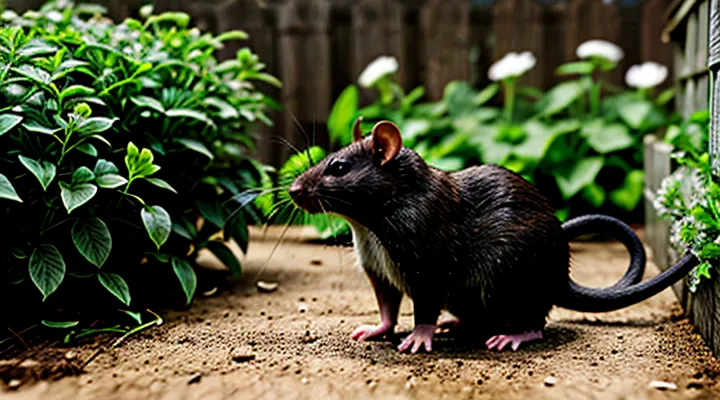
«Understanding the Rat Problem in Your Garden»
«Identifying Rat Presence»
«Signs of Rats»
Recognizing rat activity early prevents extensive damage and facilitates timely control measures.
- Fresh droppings, 1‑2 cm long, dark‑brown, often found near plant bases, compost piles, or along garden paths.
- Gnaw marks on stems, roots, or wooden structures; teeth leave clean, straight cuts about 6 mm wide.
- Burrows with smooth, rounded entrances, typically 2‑3 cm in diameter, located near dense vegetation, mulch, or irrigation lines.
- Visible tracks in loose soil or sand, displaying small, narrow footprints with five toe pads.
- Chewed or missing seedlings, especially young tomatoes, peppers, and herbs; damage includes wilted foliage and exposed roots.
- Accumulated shredded material, such as shredded paper, fabric, or plant debris, forming nests under debris, rocks, or within garden structures.
- Strong, musky odor, especially near nesting sites or heavily infested areas.
Each indicator confirms rat presence and guides the selection of targeted removal strategies.
«Common Rat Entry Points»
Rats infiltrate gardens through a limited set of structural and environmental openings; recognizing these pathways is a prerequisite for successful control.
- Gaps beneath fence lines, especially where the fence meets the ground
- Holes or cracks in garden walls, retaining structures, or foundation slabs
- Unsealed vent covers, chimney flues, and light fixtures
- Openings around drainage pipes, sewer connections, and irrigation lines
- Spaces around utility conduits, cable trays, and electrical boxes
- Cracks in concrete patios, walkways, or stepping stones
- Dense, low‑lying vegetation that creates a continuous cover from the soil to shrubbery
- Lids of compost piles, leaf bins, or mulch containers that are not tightly closed
- Feed storage areas, bird feeders, or pet food stations left uncovered
- Gaps surrounding gates, doors, or garage entries when they are not properly weather‑stripped
Each of these points provides a direct route from the surrounding terrain into the cultivated area. Sealing, reinforcing, or eliminating the listed openings reduces the likelihood of rat ingress and enhances the effectiveness of any subsequent removal measures.
«Why Rats are a Problem»
«Damage to Plants and Property»
Rats gnaw bark, stems, and roots, creating entry points for disease‑causing fungi and bacteria. Their constant chewing weakens structural integrity, leading to wilting, stunted growth, or total loss of the affected plant.
- Stem damage – rats bite through young shoots, disrupting nutrient transport and causing leaves to yellow and drop.
- Root injury – underground tunnels expose roots to soil erosion and soil‑borne pathogens, reducing water uptake.
- Fruit loss – rats strip ripening fruit, leaving holes that attract insects and accelerate rot.
- Seed predation – consumption of seeds diminishes future plant populations and reduces garden yields.
Beyond vegetation, rats compromise garden infrastructure. Their nests, built from shredded mulch, leaves, and plastic, create unsightly debris and increase fire risk. Burrows destabilize paving stones, garden beds, and irrigation lines, often causing cracks that require costly repairs. Additionally, rats contaminate tools and equipment with urine and droppings, creating health hazards and necessitating thorough sanitation.
Prompt removal of rats prevents these losses, protects plant health, and preserves the functional integrity of garden assets.
«Health Risks Associated with Rats»
Rats inhabiting garden spaces transmit a range of pathogens that threaten human health and domestic animal welfare. Direct contact with rodent urine, feces, or saliva introduces bacteria such as Leptospira (leptospirosis), Salmonella (salmonellosis), and Streptobacillus (rat‑bite fever). Inhalation of aerosolized droppings can cause hantavirus pulmonary syndrome, a severe respiratory illness with high mortality. Parasites carried by rats, including Toxoplasma gondii and various tapeworms, contaminate soil and produce infection risks for gardeners handling produce without protective measures.
Key health concerns include:
- Bacterial infections: leptospirosis, salmonellosis, rat‑bite fever.
- Viral diseases: hantavirus pulmonary syndrome, lymphocytic choriomeningitis.
- Parasitic infestations: toxoplasmosis, tapeworms, fleas that may bite humans.
- Allergic reactions: rodent allergens trigger asthma and rhinitis in sensitive individuals.
Mitigating these risks requires prompt removal of rodents, sanitation of contaminated areas, and use of protective gloves and masks when handling garden debris. Disinfection with bleach‑based solutions eliminates residual pathogens and reduces the likelihood of secondary transmission. Regular monitoring for rodent activity ensures early detection and prevents escalation of health hazards.
«Prevention Strategies»
«Garden Maintenance»
«Eliminating Food Sources»
Rats persist in gardens when edible material is readily available. Removing those attractants cuts off the primary incentive for infestation.
Identify all potential food items and apply strict controls:
- Collect fallen fruit, nuts, and seeds daily; store them in sealed containers.
- Compost only in rat‑proof bins equipped with tight‑fitting lids; avoid adding kitchen scraps that contain meat or dairy.
- Feed poultry, rabbits, or other livestock in enclosed feeders; clean spillage immediately.
- Secure birdseed by using metal or heavy‑duty plastic feeders; place them away from ground level.
- Eliminate weeds and invasive plants that produce edible berries or tubers.
Maintain vigilance after the initial cleanup. Inspect storage areas weekly, repair any gaps in fencing, and rotate compost piles to discourage burrowing. Consistent denial of food sources forces rats to relocate, reducing their presence without resorting to toxic measures.
«Removing Shelter and Hiding Spots»
Rats thrive in gardens that provide concealed shelters such as dense vegetation, debris piles, and unsealed structures. Removing these refuges eliminates the primary incentives for rodents to establish a nest and reduces the likelihood of infestation.
- Trim groundcover, shrubs, and hedges to a minimum height of 6‑8 inches, creating an open, easily observable environment.
- Collect and dispose of leaf litter, fallen fruit, and garden waste promptly; store compost in sealed containers with tight-fitting lids.
- Remove woodpiles, stone stacks, and other static objects that can serve as hiding places; relocate necessary items to a well‑ventilated, elevated platform.
- Seal cracks, gaps, and openings in garden sheds, fences, and irrigation equipment with metal mesh or concrete to block entry points.
- Install smooth, hard‑surface pathways around planting beds to discourage burrowing and limit ground cover for concealment.
Regular inspection of the garden perimeter and routine maintenance of the measures above prevent the re‑establishment of shelter sites. Consistent action disrupts rat habitat formation, supporting long‑term control without reliance on chemical interventions.
«Exclusion Techniques»
«Securing Your Garden Perimeter»
A solid perimeter prevents rats from entering the garden and protects plants, compost, and irrigation systems. Install a continuous physical barrier around the entire plot. Use hardware cloth with a mesh size of no larger than ¼ inch, bury it at least 12 inches deep, and overlap sections by several inches to eliminate gaps. Secure the top edge with sturdy staples or brackets to keep the material taut.
- Choose corrosion‑resistant metal or reinforced plastic for durability.
- Seal openings around gates, sheds, and utility lines with expandable foam or metal flashing.
- Fit gates with self‑closing hinges and latch mechanisms that close automatically after each use.
- Inspect the barrier quarterly; repair any damage caused by weather, animals, or garden work.
Ground cover and vegetation near the fence should be trimmed back to maintain a clear zone of at least two feet. This reduces shelter opportunities and makes it easier to spot signs of activity. Remove debris, fallen fruit, and excess mulch that can attract rodents, and keep compost bins sealed with tight‑fitting lids.
By combining a well‑constructed fence, regular maintenance, and vigilant monitoring, the garden’s outer edge becomes a reliable deterrent, reducing the likelihood of rat intrusion without reliance on chemicals or traps.
«Protecting Specific Plants and Structures»
Rats target tender seedlings, fruiting vines, and exposed roots, causing rapid loss of yield. Install sturdy wire mesh (minimum 1/4‑inch gauge) around garden beds, securing it tightly to the soil to block burrowing. Use metal or plastic collars on plant stems, especially for tomatoes, peppers, and beans, to prevent gnawing. Apply non‑toxic repellents—such as crushed garlic, peppermint oil, or dried chilies—directly onto the soil surface and around the base of vulnerable plants, reapplying after rain.
Structures such as sheds, compost bins, and trellises require reinforcement. Seal all gaps larger than 1/2 inch with steel wool, caulk, or hardware cloth. Elevate storage containers on concrete pads to eliminate direct soil contact. Position trellises away from garden edges and attach a smooth metal strip along the lower edge to deter climbing. Regularly inspect foundations for signs of gnaw marks and repair breaches promptly.
Key protective actions:
- Enclose beds with fine mesh, burying edges 6 inches deep.
- Fit stem collars on high‑value crops.
- Deploy natural repellents at planting and after precipitation.
- Seal structural openings with durable materials.
- Elevate and isolate storage units from ground level.
- Add metal deterrents to climbing supports.
«Humane Rat Removal Methods»
«Live Trapping»
«Choosing the Right Traps»
Selecting suitable traps determines the success of rat control in a garden. The choice influences capture rate, non‑target safety, and long‑term management.
Key criteria include:
- Target size: match trap dimensions to typical rat body length (10‑12 cm) to ensure a secure hold.
- Placement flexibility: prefer models that can be anchored to soil, stone, or vegetation without compromising stability.
- Safety features: opt for mechanisms that minimize accidental activation by children, pets, or beneficial wildlife.
- Reset capability: reusable designs reduce cost and waste, allowing frequent repositioning as activity patterns shift.
- Bait compatibility: traps should accept a range of attractants (peanut butter, oat, animal fat) without losing effectiveness.
Common trap types:
- Snap traps – spring‑loaded jaws deliver rapid kill; ideal for high‑traffic corridors.
- Live‑catch cages – wire mesh enclosure with a trigger door; suitable where relocation is permitted.
- Electronic traps – battery‑powered plates administer a lethal shock; useful for indoor‑adjacent areas with power access.
- Glue boards – adhesive surface captures rodents; best for isolated spots where non‑target risk is low.
Effective deployment follows a systematic routine. Identify active runways by observing fresh gnaw marks and droppings. Position traps perpendicular to the runway, with the trigger end facing the anticipated entry direction. Check traps daily; record captures to map activity hotspots. Replace bait every 48 hours to maintain lure potency. Adjust trap locations based on capture data, concentrating effort on persistent zones.
By adhering to these guidelines, gardeners achieve reliable rat reduction while preserving the safety of other fauna and minimizing environmental impact.
«Proper Baiting and Placement»
Effective rat control in a garden depends on selecting the right bait and positioning it where rodents are most active. Use high‑protein foods such as peanut butter, dried fish, or commercial rodent blocks. Combine bait with a small amount of attractant, for example a few drops of vanilla or anise, to increase initial interest.
Placement guidelines:
- Position stations along established runways, typically within 1‑2 m of walls, fences, or plant rows.
- Install traps or bait stations at ground level, slightly recessed to prevent rain exposure.
- Space stations 5‑10 m apart to cover the entire area without overlapping territories.
- Secure stations to prevent access by non‑target wildlife and pets.
Timing considerations:
- Deploy bait in the early evening when rats emerge to forage.
- Replace or replenish bait every 2‑3 days, or sooner if consumption is evident.
- Rotate station locations weekly to discourage habituation and to locate new activity zones.
Monitoring and adjustment:
- Inspect stations daily for signs of capture, bait depletion, or non‑target interference.
- Record capture numbers and locations; increase station density in hotspots.
- If bait is ignored, switch to a different food type and re‑evaluate placement height and shelter.
By adhering to these precise baiting and placement practices, garden owners can achieve rapid rat population reduction while minimizing collateral impact.
«Safe Release Practices»
Safe release of captured rats is a critical component of humane garden pest management. After trapping, the animal must be moved to an environment where it can survive without threatening the original garden or surrounding ecosystems.
- Choose a release location at least 2 kilometres from the garden, situated in a wooded or grassy area with natural shelter.
- Verify that the site does not belong to a protected wildlife reserve and that local regulations permit the release of non‑domestic rodents.
- Transport the rat in a sturdy, ventilated container; secure the lid to prevent escape during transit.
- Release the animal at dusk or dawn, when predators are less active, and place it near dense vegetation to encourage immediate hiding.
- Observe from a distance for 5–10 minutes to confirm the rat exits the container and seeks cover.
- Record the release coordinates and date for future reference and to demonstrate compliance with pest‑control guidelines.
Following these steps ensures that the rat is returned to a suitable habitat, reduces the risk of re‑infestation, and aligns with ethical pest‑removal standards.
«Natural Repellents»
«Plant-Based Deterrents»
Plant-based deterrents offer a non‑chemical method for discouraging rats in garden areas. Certain aromatic herbs and strong‑smelling vegetables create an environment rats find unpleasant, reducing their presence without harming beneficial insects.
- Mint (Mentha spp.) – Releases a potent scent that masks food odors; plant in containers around garden borders.
- Garlic (Allium sativum) – Emits sulfur compounds that irritate rodent respiratory systems; crush cloves and scatter near burrows.
- Onion (Allium cepa) – Similar to garlic, provides a sharp odor that rats avoid; plant in rows adjacent to vegetable beds.
- Rosemary (Rosmarinus officinalis) – Produces a woody, resinous aroma; place potted rosemary at entry points.
- Lavender (Lavandula angustifolia) – Offers a strong floral fragrance; use dried stalks or live plants near compost piles.
- Hot peppers (Capsicum spp.) – Capsaicin in peppers deters mammals; sprinkle powdered dried peppers around vulnerable plants.
Implementing these plants requires strategic placement. Position deterrent species at the periphery of the garden, near fences, and around compost containers. Maintain healthy growth through regular watering and pruning; stressed plants lose aromatic potency. Rotate species annually to prevent rats from acclimating to a single scent.
Combining plant deterrents with physical barriers—such as wire mesh and proper sanitation—enhances overall effectiveness, creating a garden environment that is unattractive to rats while supporting plant health.
«Homemade Solutions»
Rats thrive in gardens where food, shelter, and water are readily available; simple, self‑made measures can disrupt these conditions without costly chemicals.
- Peppermint oil spray – combine 10 ml peppermint essential oil with 500 ml water, add a few drops of dish soap, and mist around garden borders, burrows, and plant bases. The strong scent repels rodents for several days.
- Vinegar‑onion mixture – blend equal parts white vinegar and onion juice, dilute with water (1:4), and apply to entry points. Acidity and odor discourage gnawing.
- Garlic‑pepper paste – grind fresh garlic with crushed black pepper, mix with a small amount of oil, and spread on the ground near compost piles. The pungent blend deters foraging.
Homemade traps rely on the animal’s curiosity and hunger:
- Bucket trap – place a shallow baited platform (peanut butter or dried fruit) over a tall bucket, insert a wooden dowel as a trigger, and line the bucket with a smooth surface. When a rat climbs, the platform tilts, dropping the rodent into the bucket for easy release.
- Snap trap with bait pouch – fashion a wooden frame, attach a spring‑loaded bar, and secure a fabric pouch containing a few raisins. The rat’s attempt to reach the treat activates the bar, delivering an instantaneous kill.
Environmental adjustments complement chemical‑free tactics:
- Store garden waste in sealed containers; remove fallen fruit promptly.
- Trim dense vegetation, especially low‑lying shrubs, to eliminate concealment.
- Elevate water sources or use drip irrigation to limit standing water.
These low‑cost, non‑toxic solutions provide consistent pressure on rat populations, reducing damage while preserving garden health.
«Lethal Rat Removal Methods»
«Snap Traps»
«Selecting Effective Snap Traps»
When dealing with garden rat infestations, choosing the right snap trap determines success. The trap must match the target’s size; a 2‑inch coil spring and a 3‑4‑inch trigger plate capture adult rats without causing excessive damage to smaller wildlife. Sensitivity settings should allow the plate to release with minimal pressure, ensuring a swift strike while preventing false triggers from wind or non‑target animals.
Bait selection influences capture rates. High‑protein items such as peanut butter, cooked bacon, or canned fish create a strong olfactory lure. Apply a pea‑sized amount directly to the trigger surface; excess bait can attract other pests and reduce the trap’s reliability. Rotate bait types every few days to maintain curiosity and prevent habituation.
Effective placement follows logical pathways. Position traps along walls, under vegetation, and near known runways, with the trigger plate facing the expected direction of travel. Insert the trap at a 30‑degree angle to the ground, allowing the rat to approach naturally. Space traps 2‑3 feet apart to cover multiple routes without overlap.
Safety considerations protect humans and pets. Use traps with a protected spring housing or a plastic shield that conceals the lethal mechanism. Keep the trap’s latch engaged until deployment, and store unused traps out of reach of children. For households with pets, consider a bait‑locking design that requires a specific pressure pattern only a rat can achieve.
After a successful catch, dispose of the carcass promptly. Wear disposable gloves, place the rat in a sealed bag, and discard it in a waste container with a tight lid. Clean the trap with a mild detergent, rinse thoroughly, and re‑arm it for immediate reuse. Regular inspection—at least once daily—identifies captured rodents and allows timely resetting, maintaining continuous pressure on the population.
By adhering to these criteria—appropriate size, sensitive trigger, targeted bait, strategic placement, and rigorous safety—snap traps become a reliable component of an integrated rat‑control program in the garden.
«Strategic Placement»
Effective rat control in a garden depends heavily on where traps, bait stations, and deterrent devices are positioned. Proper placement maximizes encounter rates while minimizing exposure to non‑target wildlife and humans.
Key considerations for strategic placement:
- Locate devices along established runways, identified by gnaw marks, droppings, or fresh pathways near garden edges, compost piles, and irrigation lines.
- Position traps a few feet away from vegetable beds to prevent accidental capture of beneficial animals.
- Install bait stations at least 12 inches off the ground on sturdy platforms, reducing access for cats and dogs.
- Space multiple devices 15–20 feet apart in dense vegetation to cover overlapping territories.
- Avoid placing devices in direct sunlight or rain‑prone areas; moisture and heat diminish bait effectiveness.
- Rotate locations every 2–3 weeks to disrupt rat habituation and maintain pressure on the population.
By adhering to these placement principles, gardeners can increase trap success, limit collateral damage, and achieve faster reduction of rat activity.
«Bait Stations»
«Understanding Different Baits»
Understanding the variety of baits available is essential for successful rat control in a garden. Selecting the appropriate bait determines the speed of removal, the safety of non‑target wildlife, and compliance with local regulations.
Anticoagulant baits contain compounds that disrupt blood clotting, leading to death after several days of ingestion. They are effective for large infestations because a single dose can kill multiple rats through secondary poisoning. Use only in tamper‑proof stations, position them away from edible plants, and follow label instructions to prevent accidental exposure of pets and beneficial animals.
Non‑anticoagulant baits employ acute toxins that cause rapid death. These products are suitable when immediate reduction of the population is required. Because the effect is swift, the risk of secondary poisoning is lower, but the bait must be consumed in sufficient quantity. Place stations near active runways and conceal them from rain and sunlight to maintain potency.
Natural baits, such as peanut butter mixed with cracked corn, rely on the rats’ preference for high‑fat foods. They are inexpensive and safe for most garden inhabitants. However, they lack a lethal component and must be combined with a secondary control method, such as snap traps, to achieve eradication.
Homemade baits can be prepared by blending dried fruit, cheese, or meat scraps with a small amount of rodenticide purchased from a licensed supplier. This approach allows customization of flavor to match local rat preferences. Ensure the mixture is solid enough to stay in the bait station and label it clearly to avoid misuse.
When deploying any bait, observe the following practices:
- Install bait stations at ground level, near burrow entrances, and along established pathways.
- Secure stations with lockable covers to restrict access by children and non‑target species.
- Replace bait regularly, at least every 48 hours, to maintain attractiveness.
- Record placement locations and monitor activity to assess effectiveness and adjust distribution as needed.
Understanding the characteristics and proper application of each bait type enables precise, humane, and efficient rat removal from garden environments.
«Safe and Responsible Use»
Effective rat control in a garden demands methods that protect non‑target wildlife, pets, and human health. Choose products labeled for outdoor use and follow label instructions precisely; deviation can cause toxicity or legal violations.
- Apply snap traps or electronic devices only in areas inaccessible to children and domestic animals.
- Use bait stations with secure lids; place them at least 1 meter from vegetable beds and water sources.
- Select anticoagulant baits with the lowest toxicity rating approved for outdoor application; avoid second‑generation compounds unless absolutely necessary.
- Wear disposable gloves when handling traps or baits, and wash hands thoroughly afterward.
- Store all chemicals in locked containers, out of reach of unauthorized persons.
Monitor trap activity daily, record captures, and relocate or dispose of dead rats according to local wildlife regulations. Replace depleted baits promptly to maintain efficacy while preventing accidental ingestion by non‑target species.
Maintain garden hygiene by removing food debris, securing compost, and trimming vegetation that offers shelter. These preventive steps reduce rat attraction and lessen reliance on chemical controls, aligning pest management with environmental responsibility.
«Post-Removal Cleanup and Ongoing Prevention»
«Sanitation After Rat Removal»
«Disinfecting Affected Areas»
After a rat infestation, the garden’s soil, surfaces, and plant bases must be treated to eliminate pathogens and prevent re‑infestation. Begin by removing all visible droppings, nests, and contaminated mulch. Place the material in a sealed bag and dispose of it according to local hazardous‑waste guidelines.
Next, select a disinfectant that is effective against bacteria, viruses, and parasites commonly carried by rodents. Recommended options include:
- A 10 % bleach solution (1 part household bleach to 9 parts water).
- Quaternary ammonium compounds labeled for outdoor use.
- Hydrogen peroxide at a concentration of 3 %.
Apply the chosen disinfectant with a garden sprayer, ensuring thorough coverage of:
- Soil surfaces where droppings were present.
- Plant stems and leaves that may have contacted contaminated material.
- Garden tools, watering cans, and any equipment used during cleanup.
Allow the disinfectant to remain on the surfaces for the manufacturer‑specified contact time, typically 10–15 minutes, before rinsing with clean water if the product requires it. For bleach solutions, rinse thoroughly to avoid phytotoxicity.
Finally, protect yourself during the process. Wear gloves, eye protection, and a mask rated for particulate and aerosol exposure. After treatment, wash hands and clothing before handling food or entering the house. Regular monitoring of the treated zones for signs of rodent activity will confirm the effectiveness of the disinfection protocol.
«Disposing of Carcasses Safely»
When a rat carcass is found in the garden, prompt and secure disposal prevents disease spread and deters scavengers. Follow these steps to handle the remains safely.
- Wear disposable gloves and, if available, a mask. This barrier protects skin and respiratory passages from pathogens.
- Place the carcass in a sealed, heavy‑duty plastic bag. Double‑bagging adds extra containment.
- Add an absorbent material such as cat litter, sawdust, or newspaper inside the bag to reduce moisture and odor.
- Seal the bag tightly, then place it inside another sealed container—preferably a rigid plastic bucket with a lid.
- Store the sealed container in a cool, shaded area away from children, pets, and food preparation zones until disposal.
- Dispose of the sealed package according to local regulations: most municipalities accept animal carcasses at designated landfill drop‑off points or through a licensed waste‑removal service. If a municipal program is unavailable, contact a professional pest‑control contractor for proper removal.
After disposal, clean the gloves and any tools with a disinfectant solution (e.g., 10 % bleach). Wash hands thoroughly with soap and water. Maintaining this protocol eliminates health risks and supports ongoing rat‑management efforts in the garden.
«Long-Term Monitoring»
«Regular Garden Inspections»
Regular garden inspections form a core element of any rat‑control program. Systematic checks reveal entry points, food sources, and nesting activity before populations expand.
During each inspection focus on the following indicators:
- Fresh droppings near vegetable rows or mulch.
- Gnaw marks on stems, roots, or garden structures.
- Small burrows or tunnels at the base of plants, under stones, or in compost piles.
- Chewed wires, netting, or irrigation tubing.
- Presence of shredded plant material or seed husks.
Conduct inspections at least once a week, increasing to twice weekly after heavy rain or during peak breeding months. Perform a daytime walk to assess visible damage, then a low‑light sweep at dusk to detect nocturnal activity.
Follow a consistent procedure:
- Walk the perimeter, noting gaps in fencing or low‑lying vegetation that could serve as pathways.
- Examine raised beds, checking soil surface and edges for burrow openings.
- Inspect compost bins, removing wet material that attracts rodents.
- Survey storage sheds, ensuring feed or seed containers are sealed.
- Use a flashlight to scan under decks, garden furniture, and debris piles.
Document each finding in a simple log: date, location, type of evidence, and any immediate corrective action taken. Prompt removal of debris, sealing of holes, and placement of traps or bait stations based on recorded data prevents rats from establishing a foothold.
Consistent, detailed inspections enable early intervention, reducing the need for extensive eradication measures and protecting garden productivity.
«Adjusting Prevention Strategies»
Effective rat control in a garden requires continuous refinement of preventive measures. Initial actions—such as sealing entry points, removing food sources, and installing physical barriers—must be reassessed regularly to address evolving rodent behavior.
- Conduct periodic inspections of fences, trellises, and irrigation systems; repair any gaps discovered within two weeks.
- Rotate bait types and placement zones every month to prevent habituation; document locations and dates for reference.
- Adjust habitat modification techniques seasonally: increase mulch depth in summer to discourage burrowing, and clear leaf litter in autumn to eliminate shelter.
- Implement motion‑activated deterrents near high‑risk areas; evaluate their effectiveness after a fortnight and relocate if activity persists.
Data collection underpins each adjustment. Record sightings, damage reports, and trap captures in a simple log, then analyze trends to identify hotspots. When a pattern emerges, concentrate resources on those zones while scaling back elsewhere.
If preventive actions lose impact, introduce complementary strategies promptly. Combine chemical repellents with biological controls, such as encouraging predatory birds through nesting boxes, to create multiple layers of defense. Continuous monitoring, systematic updates, and evidence‑based decisions sustain long‑term rat suppression in the garden.