
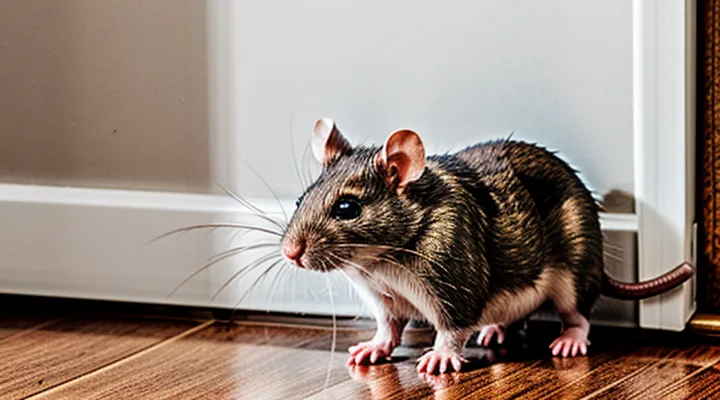
Understanding the Situation
Identifying the Rat's Presence
Signs of a Rat
Identifying rat activity is the first step toward eliminating the intruder safely and efficiently. Observable evidence indicates the animal’s presence, confirms the need for intervention, and guides the choice of control measures.
- Fresh droppings, typically ½‑inch long, dark, and tapered at one end
- Gnaw marks on wood, plastic, or wiring, often on edges and corners
- Grease‑filled pathways along walls, visible as dark smears
- Scratching sounds in ceilings or attics, especially at night
- Nests constructed from shredded paper, fabric, or insulation, hidden in concealed spaces
- Odor of ammonia or a musky scent, noticeable in enclosed areas
Finding several of these indicators in the same location confirms an active infestation and justifies immediate removal actions.
Locating the Rat
Identifying the rodent’s position is the first critical step before any eviction effort. Visible signs such as droppings, gnaw marks, and urine stains indicate activity zones. Follow these observations systematically:
- Examine corners, behind appliances, and under furniture for fresh droppings; dark, pellet‑shaped waste confirms recent presence.
- Inspect baseboards, walls, and ceiling edges for gnaw holes; sizes between ½ and ¾ inch suggest a rat.
- Look for grease or oily trails on surfaces; rodents leave a distinctive scent trail while moving.
- Use a flashlight to scan dark areas; a rat’s eyes reflect light, revealing its silhouette.
- Deploy non‑toxic tracking powder along suspected pathways; footprints become visible after a short interval.
- Set up motion‑activated cameras at entry points; video captures confirm exact locations and movement patterns.
After gathering evidence, map all activity points on a floor plan. The concentration of signs indicates the primary nesting area and preferred routes. This information directs subsequent control measures, ensuring they target the rat’s strongholds and reduce the risk of relocation within the space.
Assessing the Room
Entry and Exit Points
Identify every opening that a rat can use to enter or leave a room. Seal each opening to prevent re‑entry and to guide the animal toward an exit.
- Gaps around pipes, wires, and cables: Install steel wool or copper mesh, then cover with caulk.
- Cracks in walls, baseboards, and floorboards: Fill with expanding foam or cement‑based filler.
- Holes under doors and windows: Attach door sweeps and weather‑stripping; use mesh screens for ventilation openings.
- Openings around utility penetrations: Use metal flashing or silicone sealant to close spaces.
- Small vents and ducts: Fit fine mesh or acrylic covers that allow airflow but block rodents.
- Unsealed trash cans and food containers: Keep lids tightly closed; place lids on bins inside the room.
Create a single, unobstructed exit that directs the rat away from the occupied area. Position a one‑way trap or a humane capture device at this point, ensuring the path is clear of obstacles. After the rat exits, re‑inspect all sealed locations to confirm that no new gaps have formed.
Potential Hiding Spots
Rats exploit small, concealed areas that provide shelter, food access, and escape routes. Identifying these locations is essential for successful removal.
- Gaps behind baseboards and trim where walls meet the floor.
- Openings around utility pipes, especially where they enter the ceiling or floor.
- Spaces beneath appliances such as refrigerators, stoves, and dishwashers.
- Cluttered storage boxes, piles of cardboard, and discarded fabric.
- Unsealed cracks in doors, windows, and the foundation.
- Roof or attic vents that connect directly to the interior via ventilation shafts.
Inspect each potential site closely, looking for gnaw marks, droppings, or urine stains. Seal viable entry points with steel wool, caulk, or metal mesh before attempting any eviction method. Removing the rat depends on eliminating the safe zones it uses for concealment.
Valuables to Protect
When attempting to remove a rodent from an interior space, focus first on securing items that can be damaged, contaminated, or stolen. Identify objects that attract or reward the animal, then isolate them before applying any deterrent methods.
- Electronics (laptops, smartphones, chargers) – protect against gnawing wires and urine.
- Food containers (canned goods, dry goods, pet supplies) – seal in airtight packages or move to a locked pantry.
- Documents and paper materials (bills, passports, books) – store in waterproof, rodent‑proof bins.
- Jewelry and small valuables – place in a locked drawer or safe to prevent loss.
- Household textiles (clothing, towels, bedding) – keep in sealed bags or closets to avoid nesting material.
After securing these assets, clear the area of clutter that could provide hiding spots. Remove loose fabrics, cardboard boxes, and any debris that might serve as a shelter. Once the environment is cleared, proceed with humane exclusion techniques, such as sealing entry points and using traps positioned away from protected items. This systematic protection minimizes loss and ensures a safe, effective removal process.
Immediate Action: Non-Lethal Methods
Guiding the Rat Out
Opening a Clear Escape Route
Creating an unobstructed path to the outdoors forces the rat to move toward safety. Identify a doorway, window, or vent that leads directly outside. Clear the area of furniture, cords, and debris that could block the animal’s progress. Open the exit fully; if a screen is present, remove it or replace it with a wider opening.
- Remove items within a two‑meter radius of the exit.
- Ensure the exit is at least 30 cm wide and 25 cm high.
- Turn off lights inside the room; keep exterior lighting on to attract the rat.
- Place a small ramp or piece of cardboard if the exit is elevated.
Observe the rat’s movement. If it hesitates, gently guide it with a broom held at a distance, never striking. Once the rodent reaches the opening, allow it to leave without interference. Afterward, seal any gaps to prevent re‑entry.
Using Gentle Persuasion
When a rodent occupies a confined space, the most effective non‑lethal approach relies on coaxing the animal toward an exit rather than forcing it out. Gentle persuasion minimizes stress for both the creature and the occupants, and it reduces the risk of damage to furnishings.
Key steps:
- Place a small amount of preferred food (e.g., peanut butter, cheese) near a doorway or window that leads outside.
- Ensure the exit remains unobstructed; remove objects that could block the path.
- Dim the lights in the room while keeping the exit well‑lit, encouraging the rat to move toward brighter areas.
- Introduce a mild, non‑toxic scent such as peppermint or eucalyptus along the perimeter; rodents avoid these aromas and will seek a clear route.
- Use a humane trap baited with the same food, positioning it close to the exit so the animal can enter voluntarily and be released outdoors.
Additional measures:
- Seal cracks and holes in walls, floors, and ceilings after the rat has departed to prevent re‑entry.
- Keep food storage sealed and surfaces clean to eliminate attractants.
- Monitor the area for a few days to confirm that the rodent has not returned.
By combining attractive bait, clear pathways, and deterrent scents, the rat is guided out of the room without confrontation, achieving a humane resolution.
Creating a Path with Light
Rats rely on darkness to navigate; a bright, continuous line of illumination forces them to move toward the opposite side of the room. Establish a light pathway that begins at the rat’s current location and ends at an open exit such as a door or window.
- Position a high‑intensity lamp or flashlight on the floor near the rat, directing the beam toward the exit.
- Adjust the beam to form a narrow, uniform strip of light, avoiding shadows that could provide refuge.
- Extend the strip by moving the light source forward in small increments, maintaining continuous illumination.
- Ensure the exit remains unobstructed and that the light does not reflect off surfaces, which could create confusing glare.
The rat will instinctively follow the illuminated route, seeking darker areas beyond the lighted path. Once the animal reaches the doorway, keep the light on until it fully exits, then remove the source to prevent re‑entry.
Key considerations: use a steady, non‑flashing light; avoid sudden changes in intensity; maintain the strip’s continuity until the rodent is out of the room. This method exploits the animal’s aversion to bright environments and provides a clear, directed escape route.
Deterrents and Sensory Overload
Loud Noises
Rats possess acute hearing; exposure to intense sounds disrupts their sense of safety and prompts rapid relocation.
High‑frequency ultrasonic emitters generate tones above 20 kHz, a range rats detect but humans cannot. Continuous operation creates an inhospitable acoustic environment, forcing the animal to vacate the area.
Recorded predator vocalizations, such as owl hoots or hawk screeches, exploit rats’ instinctive avoidance of predators. Playback at volumes exceeding 80 dB causes immediate agitation and movement toward exits.
Sudden, low‑frequency bursts—claps, bangs, or dropped objects—produce startle responses. Repeated application near potential hiding spots drives the rodent toward open pathways.
Effective use of loud noises
- Install ultrasonic modules at ceiling height; run for at least 30 minutes before entry.
- Position a portable speaker near suspected nests; play predator calls for 2‑minute intervals, pausing briefly to avoid habituation.
- Employ a handheld noise maker (e.g., air horn) at entry points; deliver short bursts every 5 minutes while monitoring escape routes.
Safety considerations include protecting human hearing with earplugs, ensuring electronic devices are secured to prevent damage, and verifying that noise levels comply with local regulations. Proper timing and placement maximize displacement while minimizing stress to occupants.
Strong Scents
Strong odors repel rodents by overwhelming their sensitive olfactory system. When a scent is sufficiently pungent, a rat will avoid the area to protect its respiratory health.
- Peppermint oil: concentrated drops on cotton balls placed near entry points create a volatile menthol vapor that rats find intolerable.
- Ammonia solution: a mixture of equal parts water and household ammonia, applied to cloth strips, releases ammonia gas that irritates nasal passages.
- Clove oil: a few milliliters diluted in water and sprayed along baseboards produce a phenolic compound that deters foraging.
- Eucalyptus oil: a few drops on rags positioned in corners generate a camphoraceous aroma that discourages nesting.
- Citronella spray: diluted citronella oil applied to curtains or vents emits a citrus‑type scent that rats associate with predators.
Application guidelines ensure effectiveness and safety. Place scent sources at least 12 inches apart to maintain a continuous aromatic barrier. Replace cotton balls or soaked fabrics every 48‑72 hours, as potency diminishes rapidly. Avoid direct contact with food surfaces; seal any consumables before treatment. Ventilate the room after each application to prevent human irritation.
Combining multiple strong scents enhances coverage, reducing the chance that a rat will acclimate to a single odor. Regular monitoring of activity signs—droppings, gnaw marks, or audible scurrying—helps assess whether the olfactory deterrent remains effective or requires reinforcement.
Bright Lights
Rats prefer dim, concealed environments; exposure to intense illumination disrupts their nocturnal activity and reduces willingness to remain in a space.
Bright illumination triggers a stress response in rodents, causing them to seek darker refuge. Continuous high‑intensity light eliminates safe zones, prompting the animal to exit the area in search of darkness.
To employ this method effectively, follow these actions:
- Install LED floodlights or high‑wattage bulbs covering the entire room, ensuring no shadowed corners remain.
- Position lights at ceiling height to prevent the rat from finding shelter beneath furniture.
- Maintain illumination for at least 30 minutes after the rat is observed, then keep lights on for an additional hour to confirm departure.
- Remove all food sources and concealments before activating the lights to avoid attracting new rodents.
After the rat vacates, inspect the room for entry points, seal gaps, and keep lighting on for a brief period each night to deter re‑entry.
Long-Term Solutions and Prevention
Sealing Entry Points
Inspecting Walls and Floors
Inspect the interior surfaces to locate the rat’s access points and evidence of activity. Begin at the highest point of each wall and work downward, using a bright flashlight and a mirror to view hidden areas. Look for:
- Small holes or cracks, especially around utility lines, vents, and baseboards.
- Gnaw marks on wood, plaster, or insulation.
- Darkened stains or droppings near corners, behind furniture, and along the ceiling line.
- Grease or urine trails that may indicate travel routes.
Turn attention to the floor covering and subfloor. Remove loose tiles or lift carpet edges to reveal gaps beneath. Examine the perimeter where the floor meets walls for gaps larger than a quarter‑inch, which rats can exploit. Check under furniture, in closets, and behind appliances for concealed burrows or nesting material.
Document each finding with measurements and location notes. Seal identified openings with steel wool, copper mesh, or expanding foam, then apply a durable caulk or metal flashing to prevent re‑entry. After sealing, monitor the area for new signs of activity to confirm the removal effort’s effectiveness.
Repairing Gaps and Cracks
Sealing openings eliminates the primary route rats use to re‑enter a space after they have been removed. Even small fissures in walls, baseboards, or flooring can accommodate a rodent’s body, allowing it to slip back inside unnoticed.
- Inspect all surfaces for visible cracks, gaps around pipes, vents, and electrical outlets, and concealed seams behind furniture.
- Clean each opening with a brush to remove debris, dust, and any residual droppings that could attract pests.
- Apply a high‑quality, rodent‑resistant sealant (silicone, polyurethane, or acrylic) to fill gaps up to ¼ inch wide; for larger openings, use steel wool or copper mesh as backing before sealing.
- For structural cracks exceeding ½ inch, cut a piece of sheet metal or rigid foam board to fit, secure it with screws or construction adhesive, then seal edges with the same durable caulk.
- Allow the sealant to cure according to the manufacturer’s instructions before exposing the area to moisture or traffic.
After repairs, conduct a visual sweep and use a flashlight to confirm no remaining voids. Re‑apply sealant promptly if new cracks appear. Maintaining a fully sealed environment prevents future rodent incursions and supports long‑term control.
Using Appropriate Materials
When a rat enters an indoor space, the choice of materials directly influences the outcome. Selecting items that target the rodent’s behavior while preventing re‑entry creates an effective, humane solution.
- Snap or electronic traps designed for rodents
- Live‑capture cages with smooth interior surfaces
- Steel wool or copper mesh for sealing gaps
- Rodent‑resistant sealants (silicone or expanding foam)
- Natural repellents such as peppermint oil or ultrasonic devices
- Disposable gloves and sealed bags for safe handling of captured animals
Snap and electronic traps deliver immediate incapacitation; live‑capture cages allow relocation without harm. Steel wool and copper mesh block small openings that rats exploit, while sealants fill larger cracks and prevent future access. Repellents discourage lingering, especially when applied around entry points. Protective gloves and sealed bags contain any waste and reduce disease risk.
Before deployment, inspect the room for all possible entry routes, then apply the chosen materials systematically. Place traps along walls, near walls, and behind objects where rats travel. After capture, remove the rodent promptly, disinfect the area, and reinforce sealed openings with mesh and sealant. Regular monitoring ensures the room remains rat‑free.
Eliminating Food and Water Sources
Proper Food Storage
Proper food storage eliminates the primary attraction that encourages a rodent to remain in a space. When food is sealed, inaccessible, and free from spillage, the incentive for a rat to linger disappears, prompting it to seek resources elsewhere.
Key practices for securing food include:
- Use airtight containers made of metal or heavy‑wall plastic; avoid flimsy bags that can be chewed.
- Store all dry goods, pet food, and leftovers on shelves away from walls and corners.
- Label containers with purchase dates and rotate stock to prevent spoilage.
- Clean any crumbs or residue from countertops, floors, and appliances after each use.
- Dispose of garbage in bins with tight‑fitting lids and remove waste from the room daily.
Regular inspection reinforces these measures. Check containers for cracks, monitor for droppings, and repair any structural gaps that could allow entry. Consistent adherence to these protocols reduces food availability, making the environment unattractive to rats and encouraging their departure.
Cleaning Up Spills
Spills create moisture and scent trails that attract rodents. Eliminating these residues removes a primary incentive for a rat to linger in a confined area.
First, identify all liquid and semi‑liquid deposits on floors, countertops, and near entry points. Use a disposable cloth or paper towel to absorb excess fluid, then discard the material in a sealed bag. Follow with a detergent‑based cleaner to dissolve any remaining residue. Rinse with clean water and dry the surface completely.
Second, address sticky or greasy spills that may cling to surfaces. Apply a degreasing agent, scrub thoroughly, and wipe away with a clean rag. Ensure no oily film remains, as it can mask scent cues and encourage foraging behavior.
Third, maintain a routine inspection schedule. After each cleaning session, verify that no damp spots persist. Use a moisture meter if necessary to confirm dryness.
- Absorb spill immediately
- Clean with detergent or degreaser
- Rinse and dry fully
- Verify absence of moisture before concluding
Consistent removal of spills eliminates food sources and scent trails, reducing the likelihood that a rat will stay, and supports effective removal of the animal from the room.
Addressing Leaks
Rats enter interior spaces seeking shelter and water. Persistent moisture from leaks creates an attractive environment, encouraging rodents to stay and breed. Eliminating these water sources removes a primary incentive for the animal to remain.
Identify all sources of unwanted water. Common points include:
- Dripping faucets or showerheads
- Leaking pipes beneath walls or under floors
- Condensation on cold surfaces such as windows and ducts
- Roof or ceiling penetrations allowing rain ingress
Inspect each area thoroughly. Use a flashlight to detect hidden drips, and feel walls and floors for dampness. Employ a moisture meter for precise readings in concealed locations.
Repair the identified problems promptly. Apply the following actions:
- Replace worn washers, seals, or cartridges on fixtures.
- Tighten connections and apply pipe‑thread sealant where joints leak.
- Install splash guards on exterior walls and seal gaps with weather‑resistant caulk.
- Insulate cold surfaces to prevent condensation buildup.
After repairs, verify that no moisture remains. Run water for several minutes, monitor for new drips, and re‑measure humidity levels. Dry any residual damp areas with dehumidifiers or fans.
Maintain a dry environment through regular checks. Schedule quarterly inspections of plumbing and roofing, and promptly address any new signs of water intrusion. A consistently dry room deprives rats of essential hydration, compelling them to leave in search of more suitable habitats.
Professional Assistance
When to Call an Exterminator
If a rat has entered a room, the first step is to assess whether DIY measures will suffice. Call a professional exterminator when any of the following conditions are present:
- The infestation involves more than one rat or signs of multiple entries (droppings, gnaw marks, nests).
- The animal has been trapped but cannot be released safely due to structural constraints or health concerns.
- Attempts to seal entry points have failed, and the rat continues to reappear.
- The location is a food‑handling area, medical facility, or other environment with strict hygiene requirements.
- The homeowner experiences allergic reactions, asthma attacks, or other health issues triggered by rodent exposure.
- Legal or insurance policies mandate certified pest control for documented rodent activity.
Professional intervention ensures proper identification of access routes, effective placement of bait or traps, and compliance with local regulations. Delaying contact with an exterminator under these circumstances increases the risk of damage to wiring, insulation, and stored goods, and may elevate disease transmission hazards.
Benefits of Professional Help
Professional pest‑control services offer several distinct advantages when a rat has entered a living space. Trained technicians identify entry points, apply targeted baits, and employ traps designed to minimize non‑target exposure. Their expertise reduces the likelihood of recurrence by sealing gaps and recommending structural modifications. Compliance with local health regulations is ensured, eliminating liability risks for property owners.
- Immediate reduction of health hazards through certified rodent‑removal methods.
- Accurate assessment of infestation scope, preventing hidden colonies from persisting.
- Access to products unavailable to the general public, delivering higher efficacy.
- Documentation of interventions, supporting insurance claims and legal compliance.
- Ongoing monitoring options that maintain a rat‑free environment over time.