
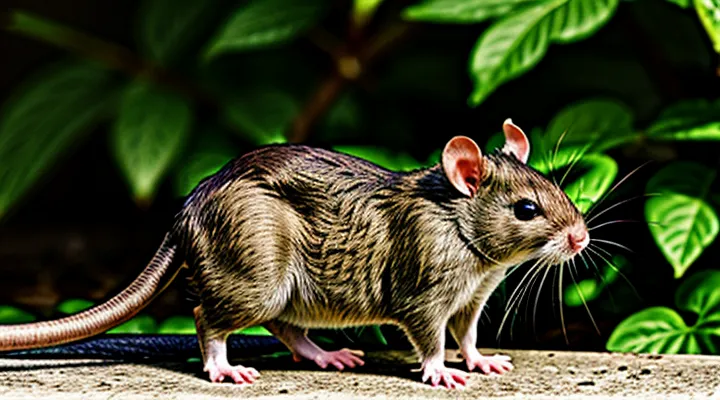
«Introduction to Rat Sexing»
«Why Identifying Rat Sex is Important»
«Breeding Control»
Accurate identification of a rat’s gender through external characteristics is essential for effective breeding control. Determining sex early prevents accidental pairings, reduces overpopulation, and facilitates selective breeding programs.
When a litter is born, examine each pup within the first five days. Males display a larger anogenital distance and a visible scrotal sac, while females have a shorter distance and lack a scrotum. Record the sex of every individual in a centralized log, noting birth date, parent identifiers, and any health observations.
Implement the following control measures:
- Separate males and females immediately after sex confirmation.
- House each gender in distinct cages or compartments equipped with appropriate enrichment.
- Maintain a breeding schedule that aligns with desired genetic traits, avoiding back‑crossing or inbreeding.
- Conduct quarterly reviews of the population database to identify surplus individuals and plan rehoming or neutering procedures.
- Apply hormonal or surgical sterilization only when long‑term population reduction is required, following veterinary guidelines.
Consistent documentation and prompt segregation create a predictable breeding environment, minimize unwanted litters, and support responsible rodent management.
«Social Group Dynamics»
Accurate identification of a rat’s sex through visible characteristics is essential for interpreting social group dynamics. Sex influences hierarchy formation, territorial behavior, and breeding patterns; therefore, reliable external markers enable researchers to classify individuals without invasive procedures.
External signs that differentiate males from females include:
- Anogenital distance – longer in males, measurable with calipers.
- Nipple development – prominent in females after puberty, minimal in males.
- Genital morphology – males possess a visible scrotum and larger penile opening; females exhibit a recessed vulvar slit.
- Body size – males often exceed females in weight and length, though overlap occurs.
- Hair coat coloration – certain strains display sex‑linked pigment variations.
These markers affect group interactions in several ways. Males with longer anogenital distances and larger bodies typically assume dominant positions, controlling access to resources and mates. Females with developed nipples signal reproductive readiness, attracting male attention and influencing competition. Visible genital differences allow individuals to recognize potential rivals and partners, reducing unnecessary aggression and facilitating stable social structures.
When observing a mixed‑sex colony, record each external sign alongside behavioral data. Correlate dominant displays, grooming patterns, and mating attempts with the documented sex markers. This approach yields quantifiable links between physical traits and social roles, supporting robust conclusions about hierarchy and reproductive strategies without resorting to necropsy or genetic testing.
«Health Considerations»
When examining a rat for gender, handling must minimize stress. Gentle restraint, preferably with a soft towel, prevents injury to delicate genital areas and reduces cortisol spikes that can affect immune function. Clean hands or disposable gloves are required to avoid transmitting pathogens between animals, especially when multiple rats are examined in succession.
Health considerations also include the risk of misidentifying sex, which can lead to inappropriate breeding decisions, unexpected pregnancies, and the spread of sex‑linked diseases. Accurate visual assessment supports proper veterinary care, dietary planning, and social housing arrangements.
Key health‑related practices:
- Use clean, non‑abrasive tools to separate the tail and expose the genital region.
- Conduct examinations in a well‑ventilated, quiet environment to limit respiratory irritation.
- Record observations promptly to track any changes that might indicate infection or hormonal disorders.
- If genital structures appear ambiguous, consult a veterinarian rather than force a determination.
«Timing for Sex Determination»
«Newborn Pups (Day 0-7)»
Newborn rat pups, from birth to the seventh day, display subtle external characteristics that allow reliable sex identification. At this age, visual cues are limited, but careful examination of the anogenital region provides the necessary information.
- Anogenital distance (AGD): Males exhibit a longer separation between the anus and the genital papilla than females. Measure the gap with fine forceps; a distance exceeding 2 mm typically indicates a male, while a distance under 1.5 mm suggests a female.
- Genital papilla shape: In males, the papilla is elongated, pointed, and may present a small, visible urethral opening. Female papillae are rounded, less prominent, and lack a discernible opening.
- Presence of testes: By day 4–5, the testes begin to descend into the scrotal area, appearing as faint swellings beneath the skin. Their visibility confirms male sex.
- Nipple development: Both sexes possess nipples, but in males the nipples are slightly flatter and less pigmented. This distinction becomes clearer after day 5.
When handling pups, use a warm, soft surface to prevent hypothermia. Gently spread the abdominal skin to expose the anogenital area, avoiding excessive pressure. Record measurements promptly, as AGD may change rapidly during the first week. Consistent documentation ensures accurate sex ratios for breeding programs and research studies.
«Juvenile Rats (Weeks 1-4)»
Juvenile rats between one and four weeks of age display subtle external characteristics that can be used to infer sex, although accuracy improves with age. At birth, the anogenital distance (AGD) is the most reliable indicator; males typically have a longer AGD measured from the anus to the genital papilla, while females show a shorter distance. By the end of the first week, the AGD difference becomes measurable with a fine ruler or calipers.
From the second week onward, the development of the genital papilla provides additional cues. In males, the papilla thickens and begins to form a small, rounded protrusion; in females, the papilla remains flat and less pronounced. By the third week, the preputial skin in males starts to separate slightly from the surrounding fur, creating a faint ridge. In females, the labial folds remain smooth and lack any ridge formation.
Practical observation steps:
- Measure AGD with a calibrated instrument; record values for each pup.
- Examine the genital papilla under a magnifying lens; note shape and thickness.
- Look for early preputial ridge development in males; absence of ridge suggests female.
- Confirm findings with a second observer to reduce subjective bias.
Limitations include the small size of structures, potential variation among strains, and the possibility of misidentification in the earliest days. For definitive sex determination, waiting until the fourth week, when the scrotum becomes distinguishable in males and the vulva remains recessed in females, yields the highest reliability.
«Adult Rats (4+ Weeks)»
Adult rats older than four weeks exhibit distinct external markers that allow reliable sex identification. The primary characteristics are located in the genital region and, to a lesser extent, on the abdomen.
- Anogenital distance: Males have a noticeably longer space between the anus and the genital papilla than females.
- Genital papilla shape: In males, the papilla appears elongated and pointed; in females, it is rounded and less prominent.
- Presence of testes: In mature males, testes are visible as paired, ovoid masses beneath the tail base; females lack these structures.
- Nipples: Females possess a row of functional nipples along the ventral surface; males typically have only a few rudimentary nipples or none at all.
- Preputial folds: Males display a small, retractable skin fold covering the genital papilla; females do not have this feature.
When examining an adult rat, first assess the anogenital distance, then confirm the papilla shape and search for testes. If nipples are present, they further support a female identification. These external cues provide a swift, non‑invasive method for determining sex in rats four weeks of age and older.
«Key External Indicators for Sexing Rats»
«Anogenital Distance»
«Understanding Anogenital Distance»
Anogenital distance (AGD) is the linear measurement between the anus and the genital papilla. In rodents, AGD differs markedly between sexes; males possess a longer distance due to prenatal androgen exposure, while females exhibit a shorter span. Accurate AGD assessment provides a reliable external indicator when sexing rats.
To measure AGD, follow these steps:
- Place the rat in a calm, well‑lit environment on a flat surface.
- Gently restrain the animal to expose the ventral area without causing stress.
- Use a calibrated digital caliper; align one tip at the center of the anus and the other at the base of the genital papilla (penile sheath in males, vulvar opening in females).
- Record the distance to the nearest 0.01 mm.
- Repeat the measurement on both sides and calculate the average for consistency.
Typical AGD values for laboratory rats at weaning (21 days) are:
- Males: 5.0–6.5 mm
- Females: 2.5–3.5 mm
Values outside these ranges may indicate developmental abnormalities or hormonal disruption. AGD remains relatively stable after the neonatal period, making it a practical metric for quick sex determination without invasive procedures.
Factors influencing AGD include litter size, prenatal exposure to endocrine‑disrupting chemicals, and genetic strain. When comparing individuals, control for age and body weight to avoid misinterpretation.
In practice, combine AGD measurement with visual inspection of the anogenital region—presence of a visible preputial fold and larger testes confirms male identification, while a recessed genital opening confirms female identification. This dual approach enhances accuracy and reduces reliance on a single external cue.
«Comparing Male vs. Female Distances»
The external morphology of laboratory rats provides reliable metrics for sex identification, particularly when comparing specific anatomical distances. Male rats exhibit a markedly longer anogenital distance (AGD) than females; measurements taken from the ventral surface of the anus to the base of the genital papilla consistently show a male‑average of 12–15 mm, whereas females average 6–8 mm. This disparity persists across strains and ages from weaning to adulthood, allowing rapid visual assessment without invasive procedures.
Other dimensions reinforce the distinction. The distance from the ventral base of the tail to the genital opening (tail‑base to genital distance, TGD) averages 20–23 mm in males and 14–17 mm in females. The space between the hindlimb insertion points (hind‑limb spread) is typically 2–3 mm greater in males, reflecting broader pelvic architecture. These measurements correlate strongly with hormonal profiles; testosterone‑dependent growth drives the elongated AGD and TGD in males, while estrogen‑mediated development limits female dimensions.
Practical application of these metrics follows a straightforward protocol:
- Position the rat on a flat surface, gently restraining the abdomen.
- Use a calibrated digital caliper to record AGD and TGD.
- Compare values against established male and female ranges.
- Confirm sex when both distances fall within the corresponding male or female intervals; ambiguous readings warrant hormonal assay.
Statistical analyses of large sample sets (n > 500) reveal that AGD alone correctly classifies sex with >98 % accuracy, while combined AGD and TGD measurements achieve >99 % accuracy. Consequently, distance comparison constitutes the most efficient external method for rat sex determination in research and breeding environments.
«Tips for Accurate Measurement»
Accurate measurement of external characteristics is essential when distinguishing male and female rats. Precision reduces misclassification and supports reliable data collection.
- Use calibrated digital calipers with a resolution of 0.01 mm. Verify calibration against a certified gauge before each session.
- Position the rat on a non‑slippery surface, preferably a low‑profile platform that allows clear access to the genital area without excessive restraint.
- Apply gentle, consistent pressure to keep the animal’s body flat while avoiding compression of soft tissue, which can distort distances.
- Illuminate the anogenital region with a cold‑light source (e.g., LED) to eliminate shadows and prevent heat stress.
- Record the anogenital distance (AGD) from the midpoint of the anus to the base of the genital papilla. Take three independent readings and calculate the mean value.
- Document the animal’s weight and age alongside each measurement, as these factors influence size parameters.
- Clean measurement tools with ethanol between subjects to prevent cross‑contamination.
- Store data in a structured spreadsheet, using separate columns for raw readings, averages, and notes on any anomalies.
Following these practices yields reproducible measurements, facilitating accurate sex determination based on observable physical markers.
«Genital Appearance»
«Male Genitalia: Testicles and Penile Sheath»
Male rats can be distinguished by the presence of external reproductive structures that are visible with a brief visual inspection. The most reliable indicator is a pair of oval, creamy‑white masses located ventrally between the hind limbs; these are the testicles. In mature individuals the testes are firm, slightly raised above the abdominal wall, and may be palpable through the skin. In younger or pre‑pubertal rats the testes are often retained within the abdominal cavity and may not be observable, requiring careful observation of the surrounding area for subtle bulges.
Adjacent to the testes, a thin, translucent tube encircles the penis; this is the penile sheath. In males the sheath appears as a dark, ridge‑like fold that runs parallel to the ventral line of the tail base. When the rat is relaxed, the sheath remains closed, but during handling it may retract slightly, revealing a small, pointed tip. The sheath’s coloration, texture, and position differ markedly from the smooth, hair‑covered ventral surface of females.
Key visual cues for identifying a male rat:
- Paired, cream‑colored testicular bodies situated between the hind limbs.
- Slight elevation of the scrotal skin above the abdomen.
- Dark, narrow penile sheath running ventrally near the tail base.
- Absence of a pronounced, continuous ventral fur line that characterizes females.
«Development of Testicles»
Testicular development in rats follows a predictable sequence that provides reliable external cues for sex identification. The gonads originate as bilateral genital ridges around embryonic day 10 and differentiate into testes by day 13. By post‑natal day 7 the testes enlarge, and the scrotal sac becomes distinguishable from the surrounding abdominal wall. Complete descent of the testes into the scrotum typically occurs between days 10 and 14, after which the scrotal skin thickens and the testes become palpable.
External manifestations of testicular maturation include:
- Presence of a visible scrotal sac beneath the ventral abdomen.
- Asymmetrical bulge in the caudal abdomen corresponding to each testis.
- Increased firmness of the scrotal region compared with the smooth abdomen of females.
- Development of a darker, hair‑sparse area surrounding the scrotum.
- Detectable testes when gently palpated through the abdominal wall after day 10.
These characteristics allow accurate sex determination without invasive procedures. Observers should examine the ventral surface of the rat, note any scrotal formation, and assess firmness and symmetry. Absence of a scrotal sac, uniform abdominal contour, and lack of palpable gonads indicate a female specimen.
«Appearance of the Penile Sheath»
The penile sheath, also called the preputial sheath, is the most reliable external indicator of a male rat. It encircles the distal portion of the penis and appears as a thin, tubular fold of skin located ventrally near the base of the tail. In an adult male, the sheath is visible as a smooth, glossy tube that can be gently lifted to expose a small, rounded opening (the urethral orifice). The surrounding tissue is typically pink to light brown, matching the coat color, and lacks the dark, fleshy folds seen in females.
Key visual characteristics:
- Shape: elongated, cylindrical tube; not a flat or irregular patch.
- Texture: smooth, slightly moist surface; no rough or wrinkled edges.
- Color: consistent with surrounding skin; no distinct pigmentation differences.
- Location: directly anterior to the anal opening, aligned with the ventral midline.
- Opening: circular aperture at the distal tip, often slightly recessed.
In contrast, female rats possess a vulvar slit that appears as a short, shallow cleft without a tubular sheath. The vulva is positioned more laterally and lacks the defined tube and aperture of the male sheath.
When examining a rat, gently retract the sheath with fine forceps or a soft probe to confirm the presence of the urethral opening. Failure to locate a sheath or the presence of a simple ventral cleft indicates a female specimen.
«Female Genitalia: Vaginal Opening and Urethral Papilla»
Identifying a rat’s sex through external characteristics relies on recognizing the distinct anatomy of the female genital region. The primary indicators are the vaginal opening and the urethral papilla, both visible on the ventral surface of the perineum.
The vaginal opening appears as a small, round to oval slit situated midway between the anus and the genital papilla. In mature females, the opening is typically 2–3 mm in diameter, surrounded by a smooth, lightly pigmented skin surface. The edges are uniform, lacking the pronounced folds seen in males. The opening is positioned slightly ventrally relative to the surrounding tissue, allowing clear visualization when the animal is gently restrained.
Just posterior to the vaginal opening lies the urethral papilla, a raised, conical structure measuring about 1 mm in height. The papilla presents as a smooth, white or pale pink protrusion, often slightly darker than the surrounding skin. It is centrally aligned with the urethral opening, which can be observed as a tiny, circular orifice at the tip of the papilla. The papilla’s presence distinguishes females from males, whose perineal region exhibits a single, more elongated urethral opening without a papilla.
Key visual cues for confirming female sex:
- Vaginal opening: round/oval, 2–3 mm diameter, smooth edges, positioned between anus and papilla.
- Urethral papilla: conical, 1 mm height, pale coloration, central urethral orifice at tip.
- Absence of a prominent scrotal sac or elongated urethral slit typical of males.
Accurate assessment requires gentle handling to expose the ventral perineum, adequate lighting, and comparison with reference images of known sexes. Consistent observation of these two structures provides reliable determination of a rat’s sex without invasive procedures.
«Identifying the Vaginal Opening»
The vaginal opening in a rat is a small, slit‑like orifice located just posterior to the anus on the ventral side of the perineum. In mature females it appears as a shallow, pinkish depression that may be slightly raised at the edges. The opening is typically smoother and less pigmented than the surrounding fur, and it lacks the protruding structure seen in males.
Key visual cues for identification:
- Position: directly behind the anal opening, aligned with the midline of the body.
- Shape: narrow slit or shallow cleft, not a raised tubercle.
- Texture: soft, moist mucosa without the hardened, keratinized tip characteristic of the male preputial gland.
- Size: proportionally smaller than the male genital papilla, usually less than 2 mm in diameter in adult specimens.
When examining a rat, gently lift the fur around the perineal region to expose the skin. Use adequate lighting to distinguish the pink mucosal tissue from the surrounding coat. Avoid applying pressure that could distort the opening; a light tactile probe can confirm the presence of a moist surface without causing injury.
In juvenile rats, the vaginal opening may be less distinct, but the same anatomical landmarks apply. Consistent observation of these external features enables reliable sex determination without invasive procedures.
«Locating the Urethral Papilla»
Locating the urethral papilla provides a reliable indicator when distinguishing male from female rats through external observation. The papilla appears as a small, raised mound positioned at the ventral midpoint of the perineal region, directly anterior to the anal opening. In males, the papilla is absent; instead, a visible scrotal sac and a longer, tapered urethral opening are present. Females display a distinct, rounded papilla surrounded by a smooth, hair‑free patch of skin.
To identify the urethral papilla accurately, follow these steps:
- Secure the rat gently on a clean, non‑slippery surface; use a soft towel to prevent movement.
- Illuminate the ventral area with a focused, cool‑light source to reduce stress and enhance contrast.
- Gently part the fur using a fine‑toothed comb or a blunt instrument, exposing the skin around the anus.
- Observe the tissue immediately anterior to the anal verge:
- Presence of a rounded, raised papilla indicates a female.
- Absence of a papilla, combined with a visible scrotal pouch, confirms a male.
- Record the observation and release the animal promptly.
The papilla becomes discernible in rats older than three weeks; younger pups may lack sufficient development for visual detection. A magnifying lens (2–3×) improves resolution without invasive handling. Consistent application of this method yields high accuracy in external sex determination for laboratory and pet rats.
«Nipple Presence»
«Nipples in Female Rats»
Nipples provide a reliable visual cue for distinguishing female rats from males. Female rats possess a complete set of eight mammary glands arranged in four pairs along the ventral midline. Each pair consists of a small, raised papilla surrounded by a thin layer of hair. The nipples are visible as early as two weeks of age and become more pronounced with sexual maturity, reaching a diameter of approximately 1–2 mm in adult females.
In contrast, male rats exhibit either absent or severely underdeveloped nipples. When present, male nipples appear as minute, flat patches lacking the characteristic papilla and are typically indistinguishable without magnification. Consequently, the presence of well‑defined, paired nipples reliably indicates a female specimen.
Practical assessment:
- Observe the ventral abdomen for four symmetrical pairs of raised papillae.
- Confirm nipple size (≈1–2 mm) and texture (firm, slightly raised).
- Note the age of the animal; after weaning (≈21 days), nipple visibility stabilizes.
- Use a magnifying lens for juveniles to avoid misidentifying faint male structures.
«Absence of Nipples in Male Rats»
The presence or absence of nipples provides a reliable external indicator of a rat’s sex. Male rats lack functional mammary glands; consequently, their ventral surface is smooth, without the paired nipple rows typical of females. This characteristic appears consistently across strains and ages after the first post‑natal week, making it useful for rapid sex identification in laboratory and breeding settings.
Key points regarding nipple absence in males:
- Nipple buds may form briefly during embryogenesis but regress before birth, leaving no visible structures.
- The smooth ventral skin distinguishes males from females, whose nipples are arranged in two parallel rows, each containing 8‑12 nipples per side.
- Absence of nipples persists throughout adulthood; any apparent protrusion is usually a skin fold or scar, not a true mammary papilla.
- When combined with other external markers (e.g., anogenital distance, preputial development), the lack of nipples increases diagnostic accuracy to near 100 %.
In practice, visual inspection of the ventral abdomen under adequate lighting allows immediate determination of sex without handling stress. If uncertainty remains, measuring anogenital distance or examining the preputial sheath provides confirmatory evidence.
«Practical Considerations and Tips»
«Handling Rats for Inspection»
«Gentle Restraint Techniques»
When examining a rat for sex‑specific external characteristics, the animal must be held securely yet gently to prevent injury and reduce stress.
Prepare a quiet work surface, wash hands, and have a soft towel or blanket ready. Position the rat on its back or side, supporting the torso with one hand while the other hand stabilizes the hindquarters. Avoid squeezing; use just enough pressure to keep the body immobile.
- Place the thumb and forefinger around the rib cage, forming a shallow cup.
- Slide the other hand under the tail base, lifting slightly to expose the ventral region.
- Keep the forelimbs relaxed; if the rat attempts to grip, apply a light, steady counter‑force.
- Observe the anogenital area directly; the presence of a visible anogenital distance and the shape of the genital papilla indicate sex.
Maintain the animal’s head in a neutral position to keep the eyes open and the breathing unobstructed. Limit the handling time to no more than a few seconds per inspection, then release the rat onto a clean surface.
Handle each rat with consistent technique to ensure reliable observations and to protect both the examiner and the subject from accidental bites or falls.
«Ensuring Rat Comfort and Safety»
Ensuring a rat’s comfort and safety is essential when observing external characteristics to identify sex. Proper handling minimizes stress, which can obscure visual cues such as genital morphology. A calm animal displays clear anatomical differences, allowing accurate assessment without invasive procedures.
Maintain a clean, well‑ventilated enclosure with appropriate bedding. Replace soiled material regularly to prevent odor buildup and respiratory irritation. Provide nesting material that permits the rat to create a secure micro‑environment, reducing anxiety during examination.
Control temperature and humidity within recommended ranges (68‑74 °F, 40‑60 % relative humidity). Sudden fluctuations can cause shivering or panting, obscuring the genital region. Use a thermostat and hygrometer to monitor conditions continuously.
Implement safe handling techniques:
- Approach the cage slowly, allowing the rat to sniff the hand.
- Grasp the base of the tail with a thumb and forefinger, supporting the body with the other hand.
- Keep the rat’s back against the palm to prevent slipping.
- Conduct the visual inspection on a non‑slippery surface, such as a silicone mat.
Provide enrichment items that encourage natural behaviors without compromising safety. Chew toys, tunnels, and climbing structures should be free of sharp edges and toxic materials. Regular rotation of enrichment prevents boredom and promotes physical health, which supports clear external features.
Schedule routine health checks, including weight measurement and coat inspection. Record observations in a log to track any changes that might affect sex determination, such as swelling or injury. Prompt veterinary consultation for abnormalities preserves both welfare and diagnostic accuracy.
«Environmental Setup for Examination»
«Adequate Lighting»
Adequate illumination is critical when observing external characteristics used to identify a rat’s sex. Sufficient light reveals the anogenital region without distortion, allowing precise assessment of the presence or absence of testes in males and the shape of the vulvar opening in females.
Key lighting parameters:
- Intensity: 300–500 lux at the observation surface prevents shadows while avoiding glare that can obscure fine details.
- Color temperature: 5,000–6,500 K provides a neutral white spectrum, ensuring accurate color perception of tissue.
- Uniformity: Diffuse sources such as LED panels eliminate hot spots and reduce reflections on fur.
- Positioning: Light sources placed at 45° angles to the animal’s body minimize shadows across the ventral area.
Maintaining these conditions reduces misidentification caused by poor visibility, improves repeatability of sex determination, and supports reliable data collection in laboratory and breeding environments.
«Clean and Calm Environment»
A clean and calm environment is essential when attempting to identify a rat’s gender through observable physical traits. Dirt, debris, and strong odors obscure the perineal area, making it difficult to see the anogenital distance and the presence of testes or nipples. Excessive noise or sudden movements can cause the animal to tense, hide its genital region, or exhibit stress‑induced posturing that masks key indicators.
Maintain the following conditions before examination:
- Remove all soiled bedding; replace with fresh, low‑dust substrate.
- Disinfect cage walls, water bottles, and feeding trays to eliminate lingering scents.
- Keep the observation area at a stable temperature (20‑22 °C) and low humidity to prevent sweating or fur clumping.
- Silence background sounds; use a quiet room or sound‑absorbing materials.
- Dim indirect lighting to reduce glare while providing enough illumination to view fine details.
When handling the rat, follow these steps to preserve the calm atmosphere:
- Approach slowly, allowing the animal to detect your scent before contact.
- Gently scoop the rat using both hands, supporting the torso to prevent sudden jerks.
- Place the rodent on a clean, non‑slippery surface; avoid rough textures that could startle it.
- Observe the genital region for at least 10 seconds, giving the rat time to relax and expose the area naturally.
A well‑maintained, tranquil setting minimizes stress‑induced muscle contraction, which can conceal the anogenital distance and other sex‑specific markers. By eliminating visual obstructions and reducing the animal’s anxiety, the examiner can reliably differentiate male and female rats based on external anatomy.
«Common Mistakes to Avoid»
«Confusing Features»
When examining a rat for gender, certain outward traits can mislead observers. The most common sources of confusion include:
- Undeveloped or hidden genitalia – juvenile rats often have genital openings that are not fully exposed, making visual distinction difficult.
- Similar body size – males and females of the same age may overlap in weight and length, eliminating size as a reliable indicator.
- Overlapping fur patterns – coat coloration and markings do not correlate with sex, so reliance on visual color cues leads to errors.
- Tail appearance – tail length and thickness show no consistent difference between sexes, contrary to some assumptions.
- Behavioral overlap – aggressive or territorial behavior, often associated with males, can also be exhibited by females under certain conditions.
These characteristics frequently obscure the accurate assessment of sex based solely on external observation. Supplemental methods, such as gentle palpation of the anogenital region or veterinary examination, are recommended to resolve ambiguities.
«Relying on a Single Indicator»
Relying on a single external characteristic to identify a rat’s sex leads to frequent misclassification. Visible traits such as genital shape, nipple development, or body size vary among individuals and can be ambiguous, especially in juvenile or obese specimens. Consequently, a solitary observation provides insufficient evidence for accurate determination.
Multiple indicators must be evaluated together:
- Genital morphology – the presence of a visible penile sheath or anogenital distance, but note that fur or posture may obscure these features.
- Nipple prominence – females typically exhibit more pronounced nipples; however, hormonal status and age affect visibility.
- Body mass and tail length – males often show greater muscle mass and slightly longer tails, yet nutritional factors can produce overlapping ranges.
- Behavioral cues – mounting or territorial aggression suggest male identity, while nesting behavior leans toward female, though exceptions exist.
Cross‑referencing these signs reduces error rates dramatically. When one indicator conflicts with another, the examiner should prioritize the most reliable traits (genital morphology and anogenital distance) and seek corroboration from secondary signs. This systematic approach ensures consistent and reproducible sex identification across diverse rat populations.
«What to Do if Unsure»
«Seeking Professional Veterinary Advice»
Professional veterinary consultation is essential when external characteristics do not provide a clear indication of a rat’s sex. Veterinarians possess the expertise to differentiate subtle anatomical features that may be missed by owners, ensuring reliable identification.
Key advantages of seeking expert advice include:
- Precise assessment of genital morphology, reducing misidentification risk.
- Evaluation of overall health, allowing detection of congenital anomalies or reproductive disorders.
- Guidance on proper handling techniques to minimize stress and injury.
- Recommendations for breeding programs or population management based on accurate sex determination.
Consult a veterinarian in the following situations:
- The rat is a neonate or juvenile, when external signs are underdeveloped.
- Visible characteristics are ambiguous or contradictory.
- The animal exhibits signs of illness, injury, or abnormal behavior that could be linked to reproductive anatomy.
- Planning a breeding pair or managing a colony where accurate sex ratios are critical.
Prepare for the appointment by:
- Observing and recording any visible traits, such as the presence or absence of anogenital distance, nipple development, or genital papillae.
- Keeping the rat calm and secure in a suitable carrier.
- Bringing previous health records, if available, to provide the veterinarian with a comprehensive background.
By relying on professional veterinary expertise, owners obtain definitive sex identification and access to broader health insights that support the well‑being of their rats.
«Observing Behavior over Time»
Observing a rat’s behavior over an extended period provides reliable clues to its sex when external morphology is ambiguous. Males typically display territorial aggression, frequent mounting attempts, and a pronounced response to female scent cues. Females, in contrast, exhibit nesting activities, increased grooming of the anogenital region, and a consistent pattern of maternal care when pups are present.
Key behavioral indicators:
- Territorial marking – males frequently deposit urine or feces on the cage perimeter.
- Mounting behavior – male rats initiate mounting of both conspecifics and objects.
- Nesting construction – females gather bedding and arrange it into a defined nest.
- Maternal responsiveness – females retrieve and huddle with newborns.
- Scent-driven activity – males increase locomotion and investigatory sniffing when exposed to estrous female urine.
Longitudinal observation should span at least two weeks to capture cyclical variations, especially in females whose estrous cycle influences activity levels. Record frequency, duration, and context of each behavior daily. Patterns that persist across multiple days reinforce sex identification, reducing reliance on ambiguous physical markers such as subtle genital differences.
Combining behavioral data with occasional visual checks yields a comprehensive assessment, enabling accurate sex determination even in juvenile or visually indistinct specimens.