
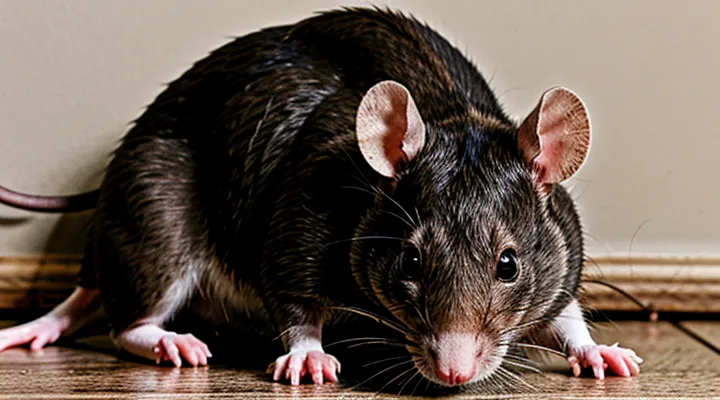
Why Determining a Rat's Sex is Important
For Pet Owners
Preventing Accidental Breeding
When assessing a rat’s gender, the primary risk is unintended mating that can quickly increase population size. Separate individuals of unknown sex as soon as they are acquired, and keep them in distinct enclosures until sex determination is complete. This eliminates opportunities for copulation during the critical early weeks when rats become sexually mature.
Key practices to prevent accidental breeding:
- House each rat alone in a cage equipped with a secure lid; avoid shared ventilation that allows visual contact.
- Use clearly labeled cages indicating “unknown sex” to prevent accidental mixing during cleaning or transport.
- Implement a strict schedule for sexing: handle rats weekly, observe genital morphology, and record results promptly.
- Once sex is confirmed, relocate males and females to separate rooms or racks, maintaining a physical barrier such as a double‑door entry system.
- Dispose of any bedding or food remnants from mixed cages before introducing new animals, reducing scent cues that can trigger mating behavior.
Maintain detailed logs of each rat’s identification number, observed sex, and cage location. Regular audits of cage assignments verify compliance and quickly reveal any inadvertent co‑housing. By enforcing isolation, accurate record‑keeping, and disciplined handling, accidental breeding is effectively eliminated while the determination of rat gender proceeds safely.
Managing Group Dynamics
Accurate sex identification in rats depends on the behavior of the animal group. When several subjects are housed together, dominant individuals may restrict access to the ventral area, complicating visual inspection. Managing the social structure reduces stress‑induced concealment and improves the reliability of external markers such as anogenital distance.
Key practices for controlling group dynamics include:
- Establishing a stable hierarchy before examination; observe interactions for at least 24 hours to identify dominant and subordinate members.
- Separating individuals temporarily to allow unobstructed observation of genitalia, then re‑integrating them to maintain colony stability.
- Monitoring aggression levels; intervene with environmental enrichment or cage reconfiguration when fights exceed a predefined threshold.
- Recording the time of day and lighting conditions, as circadian rhythms influence activity patterns that affect visibility of sex‑specific traits.
Consistent application of these measures limits behavioral interference, ensuring that physical criteria for rat sex determination remain clear and reproducible across experimental batches.
For Breeders
Planning Breeding Programs
Accurate identification of rat gender is the first prerequisite for any systematic breeding effort. Without reliable sex determination, pairings may produce undesired litters, waste resources, and compromise experimental consistency.
When designing a breeding program, follow these core actions:
- Record each animal’s sex at weaning, using visual inspection of the anogenital region or, when necessary, genetic testing.
- Assign a unique identifier that links the individual to its sex, birth date, and lineage.
- Group rats by compatible age and health status, ensuring that each breeding pair consists of one male and one female.
- Establish a mating schedule that staggers introductions to maintain a steady flow of offspring and prevent over‑breeding of any single pair.
- Monitor pregnancies through regular weight checks and abdominal palpation; document expected delivery dates.
- Implement a weaning protocol that separates pups by sex at the earliest safe age, preventing accidental cross‑sex re‑pairing.
- Maintain detailed records of each litter’s composition, growth metrics, and any deviations from expected outcomes.
Data integrity underpins program success. Use a centralized database to track all variables, generate reports on breeding efficiency, and identify trends such as sex ratio imbalances or recurring health issues. Periodic review of the dataset allows adjustments to pairing strategies, improving overall productivity and genetic management.
Contingency planning is essential. Reserve a small pool of proven breeders for emergency replacements, and develop protocols for handling unexpected sterility or health setbacks. By integrating precise sex identification with disciplined record‑keeping and structured pairings, a rat breeding program achieves predictable output and scientific reliability.
Maintaining Records
Accurate documentation is indispensable when identifying a rat’s gender, because it provides a reliable reference for breeding decisions, health monitoring, and research reproducibility. Each animal should have a dedicated record that captures the following data points:
- Unique identification number or microchip code
- Date of birth or acquisition
- Observed physical characteristics used for sex determination (e.g., anogenital distance, presence of nipples, genital morphology)
- Method of assessment (visual inspection, palpation, genetic test) and the professional who performed it
- Results of the assessment, including any uncertainty or need for re‑evaluation
- Follow‑up observations that confirm or revise the initial determination
Records must be entered promptly after each assessment to prevent recall errors. Use standardized terminology and unit formats to facilitate data aggregation across multiple colonies. Digital databases are preferred for their searchability, backup options, and ability to generate reports; however, a printed copy should be maintained as a contingency.
When storing records, implement the following practices:
- Protect data with password‑protected access and regular encryption updates.
- Perform weekly backups to an off‑site server or cloud service.
- Conduct quarterly audits to verify consistency between physical observations and logged entries.
- Retain records for the entirety of the animal’s lifespan and an additional period dictated by institutional policy.
By adhering to these procedures, researchers and caretakers ensure that sex identification remains verifiable, reproducible, and compliant with ethical standards.
When to Determine a Rat's Sex
Ideal Age for Examination
The sex of a laboratory rat can be reliably identified once the animal reaches a developmental stage where external genitalia are distinguishable. Examination before this stage yields ambiguous results and may require invasive procedures.
- Post‑natal day 10–12: Primary sexual characteristics emerge, but differentiation remains subtle; experienced personnel may achieve limited accuracy.
- Post‑natal day 14–16: Pubic fur development and genital morphology become clearly visible; visual inspection provides high confidence.
- Post‑natal day 21 (weaning): Full maturation of external features allows unequivocal identification; recommended for routine screening.
Selecting the earliest age that balances accuracy with experimental timelines minimizes handling stress and reduces the risk of misclassification. For most protocols, the 14‑day mark offers optimal reliability without delaying weaning procedures.
Challenges with Young Rats
Determining the sex of juvenile rats presents several practical obstacles. External sexual characteristics are not fully developed until the third or fourth week of life, making visual cues unreliable. The anogenital distance—commonly used in older animals—is minimal and overlaps between males and females at this stage. Genitalia lack visible differentiation; the preputial fold in males and the labial folds in females are indistinct and can be mistaken for one another.
Handling young rats adds risk of stress‑induced injury. Their delicate skeletons and thin skin are prone to bruising, and excessive restraint may alter physiological parameters that influence later experimental outcomes. Moreover, inexperienced personnel may apply excessive force, compromising animal welfare and data integrity.
Genetic confirmation methods, such as polymerase chain reaction (PCR) targeting sex‑specific markers, require tissue sampling. Collecting samples from neonates demands sterile technique, rapid processing, and careful disposal of waste to prevent contamination. The cost of reagents and equipment can be prohibitive for routine use, especially in large breeding colonies.
Key challenges can be summarized:
- Incomplete external sexual development before 3 weeks of age.
- Overlapping anogenital measurements between sexes.
- High susceptibility to handling stress and physical injury.
- Need for specialized molecular assays to achieve accurate identification.
- Financial and logistical constraints associated with genetic testing.
Addressing these issues involves delaying visual assessment until appropriate developmental milestones, training staff in gentle handling techniques, and, when necessary, employing molecular diagnostics with strict biosafety protocols.
Methods for Sexing Rats
Visual Inspection
Anogenital Distance
Anogenital distance (AGD) is the linear measurement between the anus and the genital papilla. In rodents, males exhibit a significantly longer AGD than females, making it a reliable morphological indicator for sex identification.
To use AGD for sex determination in rats, follow these steps:
- Restrain the animal gently on a flat surface, keeping the body aligned to avoid distortion of the measurement.
- Place a fine‑point digital caliper or a calibrated micrometer at the posterior edge of the anus and extend it to the anterior edge of the genital papilla.
- Record the distance to the nearest 0.01 mm.
- Compare the value with established reference ranges: adult male rats typically show AGD values of 5–7 mm, whereas females range from 2–4 mm. Juvenile thresholds differ proportionally; consult age‑specific charts for accurate classification.
Key considerations:
- Ensure the animal is not under anesthesia that could cause muscle relaxation, which may alter the measurement.
- Perform the measurement at a consistent time of day to reduce variability caused by hormonal fluctuations.
- Repeat the measurement on both sides of the body and use the average to increase precision.
Limitations:
- Overlap between sexes can occur in very young pups; supplemental methods (e.g., examination of gonadal morphology) are advisable when AGD values fall within the ambiguous zone.
- Genetic or hormonal disruptions may modify typical AGD patterns, requiring validation against control groups.
When applied correctly, AGD provides a swift, non‑invasive metric for distinguishing male from female rats, supporting experimental design and animal welfare protocols.
Male Characteristics
Male rats can be distinguished by several reliable physical traits. The most definitive indicator is the presence of external testes located in a scrotum beneath the tail; these are visible as two rounded masses when the animal is examined. Adjacent to the testes, the anogenital distance—the space between the anus and the genital opening—is noticeably greater in males than in females. The penis, when exposed, appears as a small, tubular structure at the ventral side of the tail base.
Additional characteristics often observed in adult males include:
- Larger overall body mass and length compared to females of the same age.
- Broader, more robust skull and cheekbones.
- More pronounced scent glands, resulting in stronger musky odor.
- Increased territorial marking behavior, such as frequent urine spraying.
Juvenile males may lack fully developed testes, but the extended anogenital distance remains a consistent marker throughout growth stages. Combining visual inspection of the genital region with measurement of the anogenital gap provides the most accurate method for sex identification in rats.
Female Characteristics
Identifying a female rat relies on observable anatomical and physiological traits. External examination provides the most reliable indicators.
- Absence of a prominent genital papilla; females lack the raised, rod‑shaped structure found in males.
- Shorter anogenital distance; the space between the anus and the genital opening is noticeably less than in males.
- Presence of multiple pairs of nipples; even in juvenile rats, at least two distinct rows of teat buds are visible along the ventral surface.
- Rounded, less pronounced ventral abdomen; female bodies tend to be smoother without the muscular bulge seen in males.
Internal signs further confirm sex. Mature females develop enlarged mammary glands, especially during estrus or pregnancy, and may exhibit a swollen uterus or visible embryos when pregnant. Hormonal cycles cause periodic changes in vulvar swelling and secretions, observable during estrus.
Behavioral observations can supplement physical assessment. Females often display nesting behavior, gathering bedding material and constructing nests, whereas males typically exhibit territorial aggression and scent marking. However, behavior alone should not replace anatomical verification.
Nipple Presence
Nipple examination provides a reliable indicator for distinguishing the gender of laboratory and pet rats once they reach sexual maturity. Male rats typically lack functional nipples; the mammary tissue regresses during development, leaving only faint scars that are difficult to detect without magnification. Female rats retain a pair of visible nipples on the ventral abdomen, positioned midway between the forelimbs and hindlimbs.
Key points for practical assessment:
- Age requirement: Examine rats older than four weeks; younger juveniles may not yet show definitive nipple development.
- Location: Palpate the mid‑ventral line; nipples appear as small, raised papillae spaced approximately 1 cm apart.
- Visibility: In females, nipples are pigmented and may be more pronounced during estrus; in males, only residual scars, if present, are indistinct.
- Confirmation: Combine nipple inspection with other sex‑specific traits (e.g., anogenital distance, preputial folds) for increased accuracy.
Limitations include potential misidentification in very young or genetically modified strains where mammary development deviates from the norm. Nonetheless, when applied to mature specimens, the presence or absence of nipples remains a straightforward, non‑invasive method for determining rat sex.
Male Nipple Absence
Male rats typically lack visible nipples, a trait that aids in sex identification. The absence of nipples is consistent across most adult males, while females usually display a row of functional nipples along the ventral abdomen.
Key observations:
- Examine the lower abdomen; females show 6–8 paired nipples, males show none.
- Nipple development occurs during puberty; in males, the tissue regresses, leaving a smooth surface.
- Absence of nipples remains reliable even in juvenile rats, though very young pups may have rudimentary structures that are hard to discern.
When assessing a rat’s sex, combine nipple inspection with additional markers such as anogenital distance and genital morphology. Relying solely on nipple presence can lead to errors in cases of hormonal anomalies, but in standard laboratory or pet populations, the lack of nipples provides a quick, non‑invasive indicator of a male specimen.
Female Nipple Presence
The presence of functional nipples is a reliable indicator of a female rat once the animal reaches sexual maturity. Nipple development follows a predictable timeline: small, flat papillae appear around three weeks of age, become more pronounced by four weeks, and are fully formed by five to six weeks. In mature females, eight to twelve pairs of nipples line the ventral abdomen, extending from the thoracic region to the inguinal area. Males either lack nipples entirely or retain only rudimentary, non‑functional papillae that never develop into visible structures.
Key characteristics to assess:
- Number of nipples: females typically exhibit 8–12 pairs; males show none or a few undeveloped papillae.
- Size and shape: mature female nipples are raised, cylindrical, and pigmented; male papillae remain flat and inconspicuous.
- Location: nipples align symmetrically along the midline, spanning from the chest to the groin; any deviation suggests a male specimen.
- Age correlation: reliable identification begins after the fourth post‑natal week; earlier assessments may be ambiguous.
When examining a rat, gently lift the fur along the ventral surface with a fine forceps or a gloved fingertip. Observe the skin for raised structures, count the pairs, and note their development stage. The combination of nipple count, morphology, and developmental timing provides a definitive determination of female sex without the need for invasive procedures.
Palpation
Testicle Presence (Males)
Observing the presence or absence of testicles provides the most reliable indication of a male rat. In adult specimens, the testes are located within a scrotal sac positioned beneath the tail. The sac is typically visible as a pair of ovoid structures separated by a thin membrane. When the rat is handled gently, the scrotum can be palpated; the testes feel firm and distinct from surrounding tissue.
Key points for accurate assessment:
- Ensure the animal is calm; stress can cause retraction of the scrotum.
- Examine the ventral side of the tail base; look for a clear, dark‑pigmented sac.
- Gently compress the area; testes should be palpable as two rounded masses.
- In juveniles, testes may be undescended and hidden within the abdomen; ultrasound or necropsy may be required for confirmation.
Absence of a scrotal sac or palpable testes strongly suggests a female. In ambiguous cases, supplemental methods such as genital papilla inspection or chromosomal analysis can corroborate the visual findings.
Behavioral Clues
Male Dominance Displays
Male dominance displays provide reliable behavioral cues for distinguishing male rats from females. These patterns emerge primarily during social interactions, especially when unfamiliar individuals are introduced or when a hierarchy is being established.
Typical male displays include:
- Mounting attempts directed toward other rats, often accompanied by a thrusting motion.
- Scent‑marking behavior, characterized by frequent urination on objects and the use of the anogenital region to deposit pheromones.
- Aggressive posturing, such as raised backs, bristled fur, and forward‑leaning stances while confronting conspecifics.
- High‑frequency ultrasonic vocalizations emitted during confrontations or when asserting dominance.
Observation should occur in a neutral arena to minimize stress and allow natural interactions. Record behaviors over several minutes, noting the frequency and intensity of each display. Repeated exhibition of mounting, scent marking, and aggressive posturing strongly indicates a male individual.
When combined with physical assessment—examining the anogenital region for the presence of a descended testis—behavioral evidence solidifies sex identification. Male dominance displays, therefore, serve as a practical, non‑invasive supplement to morphological evaluation in laboratory and breeding settings.
Female Nesting Behaviors
Female rats frequently construct nests, a behavior that distinguishes them from males in a breeding colony. Nesting activity appears soon after the onset of estrus and intensifies during the receptive phase, providing a reliable visual cue for sex identification.
Typical female nesting includes gathering soft materials such as shredded paper, cotton, or tissue; arranging them into a compact, dome‑shaped structure; and positioning the nest in a secluded corner of the cage. The nest is regularly maintained, with frequent additions and rearrangements throughout the dark cycle. Males may relocate bedding but do not produce the organized, enclosed form characteristic of females.
Observation protocol:
- Inspect the cage during the early dark period when nesting is most active.
- Identify any dome‑shaped, multilayered structure composed of soft fibers.
- Note the presence of a central depression where the rat can curl tightly.
- Record the frequency of material addition; females typically add material every 2–4 hours.
- Confirm that the same individual consistently uses the nest; females will occupy it for extended periods, especially before and after copulation.
These criteria allow researchers and caretakers to infer the sex of a rat without invasive procedures, supporting accurate grouping and breeding management.
Tips for Safe and Accurate Examination
Handling the Rat Gently
Gentle handling minimizes stress, preserves natural posture, and prevents injury, all of which are critical for accurate sex identification in rats.
- Approach the cage calmly; avoid sudden movements that may startle the animal.
- Extend a hand with a flat palm, allowing the rat to step onto it voluntarily.
- Support the body by placing one hand under the chest and the other under the hindquarters, creating a secure but relaxed hold.
- Keep the rat’s spine aligned; excessive pressure on the back can distort the abdominal region where sex characteristics are examined.
- Rotate the animal slowly to expose the ventral side, using a gentle twist rather than a forced turn.
- Observe the anogenital area with a magnifying lens; look for the presence of a prominent genital papilla in males or a more rounded opening in females.
Common errors include squeezing the tail, pulling the animal by the limbs, or restraining for prolonged periods. Each of these actions elevates cortisol levels, causing the rat to contract its abdominal muscles, which obscures the genital morphology and leads to misidentification.
Consistent application of the above techniques ensures reliable assessment of rat sex while maintaining animal welfare.
Proper Lighting
Proper illumination is essential when examining a rat to distinguish male from female characteristics. Adequate light reveals subtle differences in genital morphology that can be missed under dim conditions. Use a light source that produces uniform, shadow‑free illumination across the animal’s ventral surface.
- Brightness: 1,000–2,000 lux measured at the work surface.
- Color temperature: 5,000–6,500 K (daylight spectrum) to render tissue tones accurately.
- Position: Light placed at a 45‑degree angle on either side of the animal to minimize glare and highlight anatomical details.
- Stability: Continuous, flicker‑free output to prevent visual distortion.
A magnifying lamp or stereomicroscope equipped with adjustable LED illumination fulfills these requirements. Verify light intensity with a lux meter before each examination to maintain consistency. Proper lighting reduces misidentification risk and supports reliable sex determination in laboratory and breeding settings.
Avoiding Stress for the Rat
When assessing a rat’s gender, minimizing the animal’s stress enhances accuracy and welfare. Stress can mask physical cues, alter hormone levels, and lead to handling injuries, all of which compromise reliable identification.
- Conduct examinations in a quiet room with stable temperature (20‑22 °C) and low lighting to avoid startling the rat.
- Allow the rat to acclimate for at least five minutes after placement in a neutral container before beginning any manipulation.
- Use gentle, consistent hand movements; avoid sudden grips or excessive pressure on the abdomen.
- Secure the rat with a soft, breathable towel or a specialized restraining device that limits movement without crushing.
- Perform the examination on a soft, non‑slippery surface; a silicone mat reduces the need for forceful restraint.
- Limit the duration of the procedure to under two minutes; if the rat shows signs of agitation (e.g., rapid breathing, vocalization), pause and let it recover before continuing.
- Provide a familiar scent (e.g., a piece of the home cage bedding) in the examination area to reduce anxiety.
- After completion, return the rat promptly to its home cage, ensuring access to food, water, and enrichment.
Consistent application of these practices reduces cortisol spikes, preserves the integrity of external genitalia, and supports humane handling during gender determination.
Seeking Professional Help
Professional assistance is advisable when visual assessment of a rat’s reproductive anatomy proves ambiguous. Veterinarians possess the training to conduct a thorough examination, often using magnification tools that reveal subtle differences between males and females. Their expertise reduces the risk of misidentification, which can affect breeding plans, health monitoring, and legal compliance for research facilities.
During a consultation, the practitioner will:
- Restrain the animal gently to expose the genital region.
- Observe the presence or absence of testes, noting size, position, and any abnormalities.
- Examine the anogenital distance, a reliable metric when measured precisely.
- Discuss any related health concerns, such as hormonal disorders or injuries that may obscure sex characteristics.
Pet owners and researchers should schedule an appointment if:
- The rat is very young, and external markers are not fully developed.
- Previous attempts at sex determination yielded conflicting results.
- The animal exhibits signs of reproductive illness, such as swelling or discharge.
- Accurate identification is required for regulatory documentation or breeding records.
Preparation for the visit includes bringing the rat’s recent health history, any previous diagnostic images, and a clean, calm carrier to minimize stress. Providing this information enables the professional to deliver a definitive assessment efficiently.
Common Misconceptions
Size as an Indicator
Rats exhibit measurable size differences that can aid in sex identification, particularly after the juvenile stage. Males generally surpass females in overall body dimensions, including length, head width, and tail proportion. These disparities become statistically significant around six to eight weeks of age, when hormonal development influences growth patterns.
Key size indicators:
- Body weight: Mature males often weigh 10‑20 % more than similarly aged females.
- Body length: Crown‑to‑rump measurement in males exceeds that of females by 5‑10 mm on average.
- Head dimensions: Male skulls display broader rostral width and larger zygomatic arches.
- Tail length: Male tails are proportionally longer, typically 2‑4 mm greater than female tails of equivalent body size.
While size provides a practical preliminary cue, it should be corroborated with secondary characteristics—such as anogenital distance, presence of testes, or nipple development—to achieve accurate sex determination.
Activity Level as an Indicator
Activity level provides a practical cue when assessing rat gender, especially in juvenile or uncooperative individuals. Males typically display higher locomotor activity, increased exploratory behavior, and more frequent territorial marking. Females often exhibit lower overall movement, reduced aggression, and a tendency to remain closer to nest sites.
Key observations:
- Movement frequency: Males cover greater distances in open‑field tests; females travel shorter paths.
- Exploration tendency: Males enter novel compartments more rapidly and spend longer periods investigating.
- Social interaction: Males initiate more frequent chases and mounting attempts; females show passive or submissive responses.
- Response to stimuli: Males react with heightened startle reflexes; females display muted reactions.
These patterns emerge consistently across laboratory strains and can supplement visual examination when genital morphology is ambiguous. Combining activity profiling with anatomical checks enhances reliability in sex determination for research and breeding programs.
What to Do After Sexing Your Rat
Housing Arrangements Based on Sex
Accurate identification of a rat’s gender allows owners to design enclosures that prevent unwanted breeding, reduce aggression, and support health monitoring. Once the sex is known, separate housing strategies should be implemented for males, females, and mixed groups.
- Male-only cages: Provide spacious interior (minimum 2 sq ft per animal) to accommodate territorial behavior; include multiple shelters and climbing structures to diffuse dominance displays. Use sturdy bars with a gap no larger than ½ inch to prevent escape. Maintain a consistent temperature and humidity level to avoid stress‑induced fighting.
- Female-only cages: Offer ample nesting material and nesting boxes, as females often construct elaborate nests for offspring. Provide a moderate amount of vertical space; excessive height can encourage dominance hierarchies. Ensure feeding stations are duplicated to reduce competition.
- Mixed‑sex cages: Only acceptable when a single, proven breeding pair is intended. Install a separate nesting area for the female and a distinct retreat for the male to minimize confrontations. Monitor closely for signs of aggression; be prepared to separate individuals at the first indication of conflict.
Regularly inspect enclosures for signs of stress, injury, or over‑crowding, and adjust cage dimensions or group composition accordingly. Consistent application of sex‑specific housing guidelines promotes welfare and reduces the risk of unintended litters.
Record Keeping
Accurate documentation is indispensable when assessing a rat’s gender. Each observation must be entered promptly to prevent loss of detail and to support reliable analysis.
Record the following elements for every animal:
- Unique identifier (ear tag, microchip number, or cage label).
- Date and time of examination.
- Method employed (visual inspection of genitalia, ultrasound, or genetic assay).
- Examiner’s name or initials.
- Result (male, female, or indeterminate).
- Any anomalies observed (e.g., ambiguous genitalia, injuries).
- Follow‑up actions (re‑examination date, additional testing).
Maintain records in a consistent format, preferably a spreadsheet or database with predefined columns matching the list above. Use standardized abbreviations to reduce entry errors. Back up the file daily on a secure server and retain a printed copy for audits.
When multiple rats are evaluated, group entries by litter or study cohort. This arrangement simplifies statistical comparison and traceability of breeding outcomes.
Regularly review the log for missing fields, duplicate identifiers, or contradictory entries. Correct discrepancies immediately and document the correction, including the responsible person and the date of amendment.
Implement access controls so only authorized personnel can edit the dataset, while others retain read‑only privileges. This safeguards data integrity and complies with institutional animal‑care regulations.