
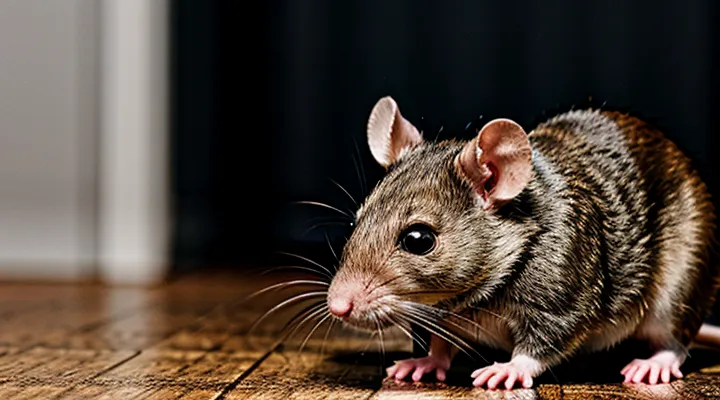
Understanding Rat Development Stages
Neonatal Stage: Birth to 2 Weeks
Physical Characteristics
Physical traits provide the most reliable indicators when estimating a rat’s age in months. Size correlates strongly with developmental stage: newborns measure 5–7 mm in head‑body length, juveniles reach 8–10 cm, and adults exceed 12 cm. Weight follows a comparable pattern; pups weigh 5–7 g, juveniles 30–50 g, and mature individuals 150–300 g. Measuring both dimensions yields a baseline for age calculation.
Dental development offers precise markers. Incisor growth is continuous, but the appearance of the first set of molars occurs at approximately four weeks, while the second set erupts around eight weeks. Wear patterns on molars increase with each subsequent month, allowing differentiation between rats aged 2–3 months and those older than six months.
Fur condition reflects maturation. Newborns possess sparse, pinkish hair; by three weeks, fur becomes denser and darker. Adult rats display a fully developed coat with consistent coloration, whereas older rats may show thinning or graying, particularly around the whisker pads.
Eye clarity changes over time. Neonates have translucent corneas and limited pupil response. By two weeks, the iris darkens and pupils react promptly to light. Persistent cloudiness or cataract formation typically indicates an age beyond twelve months.
Ear cartilage hardens as the rat ages. In infants, the pinna is soft and pliable; by one month, it becomes firmer, and by three months, it retains shape under pressure. This characteristic assists in distinguishing very young specimens from older ones.
Tail length relative to body size remains proportionally constant, but the degree of scaling provides clues. Juveniles exhibit proportionally shorter tails, while adults present tails equal to or slightly longer than the body length. Measuring the tail alongside body length refines age estimates.
Reproductive organ development is a definitive marker for sexually mature rats. Testes descend and enlarge around eight weeks in males; females display vaginal opening and estrous cycles at a similar age. The presence or absence of these features confirms whether the rat has surpassed the juvenile stage.
Key physical indicators for age estimation:
- Head‑body length and weight measurements
- Incisor and molar eruption stages, molar wear
- Fur density and coloration
- Iris pigmentation and pupil responsiveness
- Ear cartilage firmness
- Tail‑to‑body length ratio
- Development of reproductive organs
Combining these observations yields an accurate month‑by‑month assessment of a rat’s age, reducing reliance on less precise methods.
Behavioral Milestones
Assessing a rat’s age in months relies heavily on observable behavioral milestones. These markers appear at predictable intervals and provide a practical alternative to dental or skeletal examination when direct measurement is unavailable.
- Neonatal period (0–2 weeks): limited locomotion, reliance on nest warmth, vocalizations when separated from dam.
- Early juvenile (3–4 weeks): emergence of exploratory crawling, initial attempts at solid food, brief bouts of social play with littermates.
- Mid‑juvenile (5–6 weeks): coordinated running on wheels or tunnels, increased grooming of self and peers, emergence of territorial scent marking.
- Late juvenile (7–8 weeks): consistent use of climbing structures, establishment of dominance hierarchies, reduced vocal distress in isolation.
- Young adult (9–12 weeks): stable nocturnal activity cycles, efficient foraging behavior, consistent mating displays in presence of opposite sex.
- Mature adult (13–24 weeks): sustained high‑intensity running, complex problem‑solving in maze tests, reliable nest‑building for offspring.
Each milestone aligns with specific developmental stages. By matching observed behavior to these intervals, caretakers can estimate a rat’s age with reasonable accuracy, especially when physical indicators are ambiguous.
Juvenile Stage: 2 to 6 Weeks
Physical Development
Physical development offers the most reliable clues for estimating a rat’s age in months. Growth patterns follow a predictable timeline, allowing precise age approximation when measurements are taken correctly.
During the first month, rats increase body length rapidly, reaching approximately 7–9 cm from nose to base of the tail. Weight climbs from 5 g at birth to 30–45 g by the end of the fourth week. Fur transitions from sparse, pinkish hair to a dense, pigmented coat, indicating the shift from neonatal to juvenile stage.
Between one and three months, skeletal maturation becomes evident. The epiphyses of long bones begin to close, observable through radiography. Dental development progresses: incisors emerge fully erupted, and the molar eruption sequence completes by eight weeks. These dental markers correlate closely with monthly age increments.
Reproductive anatomy also reflects age. In males, testicular descent occurs around 5–6 weeks; by two months, testes are palpable and produce sperm. In females, vaginal opening appears at 3–4 weeks, and the first estrus cycle typically commences by eight weeks. Presence and maturity of these organs provide additional age confirmation.
Key physical indicators for monthly age assessment:
- Body length (nose‑to‑base of tail)
- Body weight
- Fur density and coloration
- Epiphyseal closure (radiographic)
- Incisor and molar eruption status
- Testicular descent (males) or vaginal opening and estrus onset (females)
By systematically recording these parameters, one can determine a rat’s age with month‑level accuracy, supporting research, breeding, and health management.
Socialization Cues
Socialization cues provide reliable indicators when estimating a rat’s age in months. Younger rats display limited territorial behavior, infrequent scent marking, and a preference for close proximity to littermates. As they mature, the frequency and complexity of these cues increase, reflecting developmental milestones.
Key observable cues and typical age ranges:
- Scent marking frequency – Minimal in juveniles (0‑2 months); noticeable increase beginning at 3 months, reaching peak activity around 6‑8 months.
- Vocalization patterns – High‑pitched, brief chirps dominate early life; deeper, longer squeaks emerge after 4 months, often accompanying exploratory behavior.
- Grooming intensity – Self‑grooming begins around 1 month, becomes coordinated and extensive by 3‑4 months; reciprocal grooming with peers intensifies after 5 months.
- Play aggression – Light, non‑competitive play dominates the first two months; structured, dominance‑based play appears from 3 months onward.
- Social hierarchy participation – Juveniles rarely challenge dominant individuals; by 5‑6 months, rats regularly engage in hierarchy negotiations and display submission signals such as lowered posture and tail flicks.
Observing the combination of these cues enables a more precise month‑by‑month age estimate. For example, a rat that frequently scent marks, produces deep squeaks, and participates in hierarchical disputes likely falls within the 5‑7 month window, whereas an individual with sparse marking, high‑pitched chirps, and predominantly gentle play suggests an age of 1‑2 months. Consistent monitoring of social interactions therefore refines age assessments beyond physical measurements alone.
Adolescent Stage: 6 Weeks to 6 Months
Growth Plateaus
Growth plateaus represent distinct periods during which a rat’s body weight and length increase minimally. These intervals occur after rapid juvenile growth and before the onset of senescence, typically aligning with specific ages measured in months. Recognizing a plateau helps narrow the age estimate when external cues such as fur coloration or dental wear are ambiguous.
During the first plateau, which spans approximately weeks three to five, body mass stabilizes around 30–45 g while skeletal length shows only slight increments. The second plateau emerges between weeks eight and ten, with weight plateauing near 120–150 g and tail length reaching a near‑adult proportion. A third, less pronounced plateau appears after month six, signaling the transition to mature maintenance metabolism; weight gain slows to less than 5 % per month.
Key characteristics of each plateau:
- Weight consistency: Daily fluctuations remain within ±5 % of the mean for the period.
- Linear growth rate: Calculated as (Δlength / Δtime) drops below 0.2 mm per day.
- Hormonal markers: Serum growth‑factor levels (e.g., IGF‑1) plateau alongside physical measurements.
To apply plateau data for age determination, follow these steps:
- Weigh the rat and record body length (nose‑to‑tail tip).
- Compare values to the established plateau ranges.
- Identify the matching plateau; assign the corresponding age window (e.g., 0.5–0.7 months for the first plateau).
- If measurements fall between plateaus, interpolate linearly using the growth rates of adjacent phases.
By integrating plateau metrics with other age indicators, the estimate becomes more precise, reducing reliance on subjective observations.
Reproductive Maturity Indicators
Reproductive maturity provides reliable markers for estimating a rat’s age in months. In females, the first vaginal opening typically occurs between 32 and 38 days of life; this event signals the onset of puberty and corresponds to approximately one month of age. The initial estrus, identified by vaginal cytology showing cornified epithelial cells, appears a few days after vaginal opening and confirms reproductive competence, usually around 5–6 weeks.
In males, preputial separation marks the transition to sexual maturity. Separation is observable when the foreskin retracts from the glans, occurring between 35 and 45 days of age. Testicular descent into the scrotum follows shortly thereafter, providing a visual cue that the animal is nearing two months old. The presence of sperm in epididymal smears, detectable by microscopic examination, confirms full maturation and aligns with an age of 6–8 weeks.
Hormonal assays supplement external signs. Elevated serum luteinizing hormone (LH) and follicle‑stimulating hormone (FSH) levels accompany the onset of puberty in both sexes. In females, a rise in estradiol precedes the first estrus, while in males, increased testosterone concentrations coincide with testicular growth.
A concise checklist for age estimation based on reproductive maturity:
- Female vaginal opening: ~1 month
- First estrus (cornified cells): ~1.2–1.5 months
- Male preputial separation: ~1.1–1.5 months
- Testicular descent: ~1.5–2 months
- Detectable sperm in epididymis: ~1.5–2 months
- Serum LH/FSH surge: aligns with above physical milestones
- Estradiol rise (females) / testosterone rise (males): confirms hormonal maturity
Combining these indicators yields a practical framework for determining a rat’s age with month‑level precision, especially when corroborated with weight and general development data.
Adult Stage: 6 Months to 18 Months
Peak Physical Condition
Peak physical condition provides a reliable benchmark for estimating a rat’s developmental stage. Muscular tone, coat quality, and activity level reach their optimum during the mid‑juvenile period, typically between three and six months of age. Observers can use these traits to narrow age estimates when exact birth records are unavailable.
Key indicators of peak condition include:
- Firm, well‑defined musculature without visible fat deposits.
- Smooth, glossy fur lacking patches of alopecia or excessive shedding.
- High endurance during short‑distance runs, with consistent speed and recovery.
- Clear, bright eyes and intact whiskers, reflecting healthy sensory function.
- Stable body weight within the species‑specific growth curve, avoiding under‑ or overweight extremes.
When assessing a rat, compare observed characteristics against established growth charts that correlate physical markers with monthly age increments. Deviations from the peak profile suggest either younger or older status, allowing a more precise month‑by‑month determination.
Behavioral Consistency
Observing a rat’s behavior provides a reliable indicator of its developmental stage when chronological records are unavailable. Young rodents display rapid, erratic movement, a high frequency of exploratory bouts, and a pronounced preference for nesting material. As they mature, locomotor patterns become steadier, grooming routines lengthen, and social interactions shift from dominance displays to cooperative grooming. Senior individuals exhibit reduced activity, slower navigation of mazes, and increased time spent in sheltered zones.
Consistency in these patterns across a population allows age estimation by matching observed traits to established age‑related benchmarks. Researchers have documented the following typical milestones:
- 0–2 months: Frequent rearing, frequent wheel running, minimal social hierarchy.
- 2–4 months: Stable foraging routes, regular grooming cycles, emergence of clear dominance hierarchies.
- 4–6 months: Consistent circadian activity, reduced exploratory bursts, mature mating behavior.
- 6 months and older: Declining speed, prolonged rest periods, preference for familiar environments.
Accurate assessment requires controlled observation conditions: uniform lighting, consistent enclosure size, and minimal external disturbances. Recording behavior over several days mitigates transient anomalies and reinforces the reliability of age inference.
When behavioral data align with the outlined benchmarks, the estimated age in months can be determined with a margin of error comparable to that of dental or skeletal analysis, while avoiding invasive procedures.
Senior Stage: 18 Months and Beyond
Signs of Aging
Rats reveal their chronological stage through observable physical changes. Veterinarians and experienced caretakers rely on these markers to approximate age in months when birth records are unavailable.
- Coat: Young rats display a glossy, dense fur; middle‑aged individuals develop a coarser texture, while seniors often lose sheen and exhibit patchy thinning.
- Teeth: Incisor length remains constant, but enamel wear progresses. Light‑colored wear facets appear after roughly three to four months and become pronounced by eight to ten months.
- Eyes: Clear, bright lenses characterize juveniles. Slight cloudiness or cataract formation typically emerges after ten months.
- Activity: High‑energy locomotion and frequent exploration are typical up to six months. Reduced stamina and increased rest periods signal seniority.
- Skin: Elasticity diminishes with age. Pinch tests show tighter skin in younger rats; looser, wrinkled skin indicates advancement beyond eight months.
- Weight: Growth peaks around four to five months. Gradual weight loss or stabilization after ten months suggests aging.
- Ear cartilage: Flexible cartilage in young rats stiffens noticeably after eight months, making ear folds less pliable.
Each sign correlates with a specific age window, allowing a composite estimate. For instance, a rat with mild coat thinning, early enamel wear, and reduced ear flexibility likely falls between six and nine months. Combining multiple indicators refines the calculation, reducing reliance on any single characteristic.
Applying these observations systematically yields a reliable month‑range estimate, supporting appropriate care, dietary adjustments, and health monitoring for rats at different life stages.
Health Considerations
Accurate age estimation for laboratory or pet rats depends heavily on the animal’s health status. Physical condition, disease presence, and physiological changes alter the markers typically used to calculate month‑old age.
- Dental wear: incisor length and enamel abrasion increase predictably with age, but malocclusion or overgrowth can mask true wear patterns.
- Fur quality: coat coloration, texture, and shedding cycles shift as rats mature; alopecia or dermatological disorders distort these cues.
- Body weight: weight gain follows a species‑specific curve, yet obesity, cachexia, or fluid retention produce misleading readings.
- Mobility and activity: reduced locomotion or tremors may indicate musculoskeletal or neurological issues that mimic age‑related decline.
Chronic infections, respiratory illnesses, or metabolic disorders interfere with growth trajectories, causing premature weight loss or altered dental development. Such conditions reduce the reliability of visual assessments and may require supplemental diagnostics, such as radiographic bone density measurement or blood panel analysis, to refine age estimates.
For precise month‑old calculations, combine multiple health indicators, exclude animals with active disease, and document any anomalies that could affect standard age markers. Consistent methodology across subjects minimizes error and supports reproducible age determination.
Methods for Age Estimation
Physical Observation
Coat Condition and Coloration
Coat condition and coloration provide reliable indicators for estimating a rat’s age in months. Young rodents display a soft, downy pelage that lacks the coarseness seen in mature individuals. As the animal ages, the guard hairs become thicker, the fur feels rougher to the touch, and the overall sheen diminishes. In older rats, the coat often shows signs of wear, such as split ends, thinning patches, or a dull gray‑ish tint that replaces the vibrant hues of youth.
Key visual cues include:
- Texture: Downy and pliable in juveniles; progressively coarse and stiff with age.
- Gloss: High luster in early months; reduced sheen in middle and later stages.
- Color saturation: Bright, saturated shades in the first few months; fading toward muted tones after six months.
- Pattern stability: Distinct markings remain crisp in younger rats; become blurred or uneven in seniors.
- Hair loss: Minimal in the first half‑year; increasing alopecia or patchy loss after one year.
By systematically evaluating these attributes, one can narrow the age range to a specific monthly interval, enhancing accuracy in health assessments, breeding decisions, and research protocols.
Eye Characteristics
Eye appearance provides reliable indicators for estimating a rat’s age in months. Younger specimens display clear, glossy corneas and fully transparent lenses, while older animals develop gradual lens opacity and reduced corneal clarity.
Key ocular features that correlate with age include:
- Corneal transparency – clear in juveniles; becomes hazy or shows peripheral vascularization after several months.
- Lens opacity – absent or mild in rats under three months; progressive cataract formation appears from six months onward.
- Pupil size and reactivity – large, briskly reactive pupils in young rats; diminished dilation and slower response in mature individuals.
- Retinal pigmentation – uniform pigmentation in early life; age‑related depigmentation or mottling may emerge after one year.
- Tear production – abundant and steady in juveniles; decreases with advancing age, leading to dry‑eye signs.
Observing these characteristics together yields a practical framework for age determination without invasive procedures. Combining eye assessments with other physical markers enhances accuracy when calculating a rat’s chronological age in months.
Ear Development and Cartilage
Ear morphology provides reliable markers for estimating a rat’s age in months. The external ear, or pinna, enlarges proportionally with growth; measurements of length and width correlate strongly with chronological age across common laboratory strains.
Cartilage within the ear progresses through defined stages:
- Neonatal phase (0–1 month): cartilage is thin, translucent, and loosely organized; the auricular rim appears rounded with minimal rigidity.
- Juvenile phase (1–3 months): cartilage thickens, fibrous layers become more compact, and the ear gains a defined curvature. The helix exhibits increased firmness.
- Adult phase (3 months onward): cartilage reaches maximal density, collagen fibers align parallel to the surface, and the ear attains full structural stability. Minor reductions in elasticity may appear after 12 months.
Histological examination reinforces visual assessment. Early specimens show predominance of chondrocytes in a sparsely populated matrix, while mature tissue displays dense extracellular matrix with extensive collagen deposition. Calcification of the cartilage base may begin after 18 months, offering an additional chronological cue.
Practical measurement protocol:
- Capture high‑resolution images of the right and left pinnae.
- Use calibrated software to record the longest axis (ear length) and the widest perpendicular axis (ear width).
- Compare averages to established growth curves for the specific strain; deviations of less than 5 % indicate accurate age estimation.
Combining external dimensions with cartilage histology yields age estimates within ±0.5 month for rats up to 12 months old and within ±1 month for older individuals. This method surpasses reliance on weight or dental wear alone, providing a precise, reproducible tool for age determination.
Dental Examination
Tooth Wear Patterns
Tooth wear patterns provide a reliable metric for estimating a rat’s age in months. Incisor enamel is continuously deposited, while dentin is gradually removed through gnawing activity. The balance between these processes creates characteristic changes that correlate with chronological development.
- Incisor length: Newborn rats have short incisors; each additional month adds approximately 0.5 mm to overall length. Measurements taken with a calibrated caliper yield a direct age estimate.
- Enamel‑dentin junction visibility: Early‑stage individuals display a sharp, bright enamel edge. By three months, the junction becomes less distinct, and by six months it is markedly worn, exposing underlying dentin.
- Occlusal surface texture: Smooth, shallow grooves dominate in juveniles. Progressive deepening and irregularity of grooves appear after four months, indicating increased mastication wear.
- Root wear: The molar roots exhibit minimal recession in the first two months. Subsequent months show incremental shortening, measurable as a percentage of original root length.
Combining these observations produces an age range with a typical error margin of ±0.5 month. Consistent methodology—standardized lighting, calibrated instruments, and repeat measurements—enhances reproducibility across laboratory settings.
Incisor Color and Growth
The color of a rat’s incisors changes predictably as the animal matures, providing a reliable indicator of age in months. In newborns, incisors appear pale pink due to the thin enamel layer and underlying vasculature. By the second month, the enamel thickens and the teeth acquire a light amber hue. Between three and five months, the coloration deepens to a uniform yellow‑brown, reflecting full mineralization of the enamel.
Growth rate of the incisors also correlates with age. During the first six weeks, the teeth elongate rapidly, extending approximately 1 mm per day. After this period, the elongation slows to about 0.3 mm per day and stabilizes as the rat reaches sexual maturity. Measuring the length of the exposed incisor edge, combined with color assessment, yields an age estimate within a two‑month margin.
Practical steps for using incisor characteristics to estimate age:
- Observe the incisor shade under natural light; compare with the known color progression (pink → amber → yellow‑brown).
- Measure the exposed incisor length with a fine caliper; record the value in millimeters.
- Cross‑reference the color stage with the measured length; apply the corresponding age bracket from the growth chart.
- Confirm the estimate by checking additional age markers (body weight, fur development) if available.
These observations allow researchers and caretakers to determine a rat’s age with sufficient precision for experimental design, health monitoring, and breeding management.
Weight and Size Comparison
Growth Charts for Rats
Growth charts provide the most reliable reference for estimating a rat’s age in months. They compile empirical data on physical development, allowing direct comparison between an individual’s measurements and population averages.
Key metrics recorded in standard rat growth charts include:
- Body weight (grams) measured at regular intervals.
- Nose‑to‑anus length (mm) indicating overall somatic growth.
- Skull width and brain weight, reflecting neurological maturation.
- Onset of sexual characteristics such as testicular descent in males or estrous cycling in females.
- Dental eruption stages, particularly the appearance of permanent incisors.
To apply a chart, record the animal’s weight and length, then locate the corresponding values on the graph. The intersecting age line yields an approximate month count. Adjustments are necessary for:
- Strain differences (e.g., Sprague‑Dawley vs. Wistar) that shift growth curves.
- Sex, because females typically gain weight faster after puberty.
- Environmental factors such as diet composition and housing temperature, which can accelerate or retard growth.
Limitations of growth charts must be acknowledged. Individual variability may cause deviations of up to two weeks from the charted age. Extreme health conditions, hormonal disorders, or atypical nutrition can produce outlier data. Consequently, corroborate age estimates with additional indicators like reproductive status or dental wear.
By consistently referencing strain‑specific growth charts and accounting for sex and environmental variables, researchers obtain precise age assessments essential for experimental design, breeding programs, and welfare monitoring.
Breed-Specific Variations
Breed-specific growth patterns significantly influence the accuracy of monthly age estimation in rats. Different genetic lines display distinct timelines for skeletal maturation, dental eruption, and fur development, all of which serve as primary indicators of chronological age.
- Standard Fancy Rats (Rattus norvegicus domestica): Reach skeletal closure around 12 weeks; incisor wear aligns with expected monthly progression after the third month.
- Dwarf Varieties (e.g., “Miniature” or “Dwarf” strains): Exhibit accelerated early growth; skeletal ossification may complete by 9 weeks, requiring adjustment of age‑related benchmarks.
- Hairless Strains: Lack of pelage delays visual assessment of fur maturation; rely more heavily on dental and skeletal markers.
- Long‑haired Fancy Rats: Coat length and texture mature later than in short‑haired counterparts, shifting the visual cue for the third‑month stage by approximately two weeks.
- Hybrid Lines: Combine traits from parent breeds; age determination must reference the dominant phenotype for each indicator.
Accurate age calculation demands selection of reference data that matches the rat’s breed. Applying a generic growth curve to a dwarf specimen will overestimate its age by up to three months, while using the same curve for a hairless animal may underestimate age due to delayed fur cues. Adjusting each metric—skeletal, dental, and pelage—to the specific breed ensures month‑by‑month precision.
Behavioral Indicators
Activity Levels
Rats display distinct activity patterns that correlate with their developmental stage, making behavioral observation a practical tool for age estimation. Younger rats (approximately 1–3 months) exhibit high‑frequency locomotion, rapid exploratory bursts, and frequent climbing. Their movements are erratic, with short rest intervals and a propensity to investigate novel objects repeatedly.
Middle‑aged rats (4–6 months) maintain steady activity but show increased grooming, more structured foraging routes, and longer periods of rest between bouts of movement. Their exploration becomes purposeful rather than random, and they begin to establish territorial patterns within the cage.
Senior rats (7 months and older) demonstrate reduced overall locomotion, longer stationary phases, and slower, deliberate movements. They prefer nesting areas, engage in extended grooming sessions, and show diminished response to new stimuli.
Key observations for age assessment:
- Frequency of movement: > 30 movements per hour suggests juvenile; 15–30 indicates adult; < 15 aligns with senior.
- Duration of active bouts: < 2 minutes per bout points to younger rats; 2–5 minutes to middle‑aged; > 5 minutes to older individuals.
- Response to novel objects: Immediate investigation denotes youth; delayed or brief interaction signals maturity; avoidance or indifference implies advanced age.
- Climbing and vertical activity: Predominant in rats under 4 months; moderate in 4–6 months; minimal in rats older than 7 months.
Accurate age estimation combines these metrics with environmental consistency, ensuring that variations stem from developmental factors rather than external stressors. Recording activity over several days mitigates transient fluctuations and yields a reliable age approximation.
Playfulness and Curiosity
Estimating a rat’s monthly age relies on observable behavioral patterns, with playfulness and curiosity providing reliable age‑related cues.
Young rats (approximately 1–3 months) exhibit intense play cycles. Typical actions include:
- Rapid, repetitive chasing of cage mates or objects.
- Frequent somersaults and back‑flips during interaction.
- Persistent engagement in high‑energy bouts lasting several minutes before brief rest periods.
As rats mature (4–6 months), play intensity declines. Behaviors shift toward:
- Shorter chase sequences with reduced frequency.
- Preference for gentle nudging rather than vigorous tumbling.
- Increased tolerance for longer solitary periods between play events.
Curiosity manifests through exploration of novel stimuli. Early‑stage rats demonstrate:
- Immediate investigation of new objects, often using whiskers and paws.
- Rapid navigation of unfamiliar sections of the enclosure, covering the area within minutes.
- High sniffing rates and repeated re‑examination of the same stimulus.
Older rats (7 months and beyond) display altered curiosity:
- Initial hesitation before approaching unfamiliar items, followed by cautious probing.
- Limited traversal of new zones, often confined to peripheral routes.
- Decreased sniffing frequency and prolonged observation before interaction.
Combining these behavioral markers with physical indicators—such as coat condition, body weight, and dental wear—enhances precision when approximating a rat’s age in months.
Factors Influencing Development
Nutrition
Impact on Growth
Accurate age estimation in months provides a benchmark for interpreting a rat’s developmental stage. Growth trajectories—body mass, head width, and skeletal length—follow predictable curves that shift markedly after specific age milestones. Aligning observed measurements with these curves reveals whether an individual is progressing within expected parameters or deviating due to genetic, nutritional, or health factors.
Key growth indicators linked to monthly age include:
- Body weight gain rate: rapid increase up to 2‑3 months, plateauing thereafter.
- Crown‑to‑rump length: linear growth until approximately 4 months, then gradual elongation.
- Dental eruption schedule: incisors fully emerged by 1 month, molar development completed by 2 months.
- Bone ossification patterns: tibial and femoral epiphyses close around 3‑4 months.
When age is precisely determined, researchers can adjust experimental designs, select appropriate cohort sizes, and interpret physiological data with confidence. Deviations from standard growth curves often signal underlying pathology, enabling early intervention and more reliable study outcomes.
Dietary Deficiencies
Accurate age estimation for laboratory rats depends on physical markers that can be altered by nutrition. Deficiencies in key nutrients modify growth rate, coat condition, and skeletal development, leading to misleading age indicators if dietary status is ignored.
Common deficiencies affecting age assessment:
- Vitamin E shortage: premature whisker loss, dull fur, reduced muscle mass.
- Calcium and phosphorus imbalance: delayed epiphyseal closure, abnormal bone density.
- Protein insufficiency: stunted body length, underdeveloped organ size.
- Omega‑3 fatty‑acid deficit: impaired brain growth, altered behavior patterns.
- Vitamin D lack: weakened teeth, increased skeletal fragility.
When evaluating a rat’s month‑by‑month development, veterinarians must first verify that the animal receives a balanced diet. If any of the listed deficiencies are present, physical measurements such as body weight, tail length, and dental wear should be adjusted or corroborated with alternative methods, such as radiographic analysis of bone maturation. Ignoring nutritional status can produce age estimates that are off by several months, compromising experimental validity.
Genetics
Inherited Traits
Inherited traits provide reliable indicators for estimating a rat’s age in months. Genetic factors influence growth rate, dental development, and skeletal maturation, allowing age assessment without relying on external observations alone.
Key hereditary markers include:
- Dental eruption sequence – specific tooth emergence patterns are encoded genetically and follow a predictable timeline from birth to adulthood.
- Bone ossification stages – the timing of epiphyseal plate closure in long bones is inherited and correlates with monthly age intervals.
- Pelage coloration genes – certain coat color changes occur at fixed ages due to allele expression, offering a visual cue linked to genetic programming.
- Hormonal regulation genes – genes governing growth hormone secretion dictate the pace of body size increase, which can be matched to age charts.
Applying these inherited characteristics requires:
- Collecting a dental cast or radiograph to verify tooth eruption stages.
- Performing a radiographic examination of long bones to identify ossification landmarks.
- Recording coat color patterns and comparing them with established genetic age profiles.
- Measuring serum growth hormone levels, if feasible, to corroborate physical findings.
By integrating genetic markers with morphological data, practitioners can achieve month‑accurate age determinations for laboratory and pet rats, reducing reliance on subjective assessments.
Breed-Specific Growth Rates
Breed variations significantly influence the rate at which rats mature, and recognizing these differences is essential for accurate age estimation in months. Common laboratory strains such as Sprague‑Dawley and Wistar display rapid early growth, reaching adult body weight by 8–10 weeks, whereas pet breeds like the fancy hairless or Dumbo may require 12–14 weeks to achieve comparable size. These timelines affect skeletal development, dental eruption, and fur characteristics, all of which serve as age indicators.
Key growth markers differ among breeds:
- Body weight: Sprague‑Dawley males typically exceed 250 g by week 8; Dumbo females often remain below 200 g until week 12.
- Pelage development: Fancy hairless rats acquire a full coat by week 10, while standard-haired strains complete fur maturation by week 6.
- Incisor wear: Rapid incisor growth in Wistar rats becomes noticeable after week 5, whereas slower‑growing breeds show pronounced wear only after week 8.
Applying breed‑specific benchmarks reduces error when converting developmental stages to chronological months. For example, a 9‑week‑old Sprague‑Dawley aligns with a 2‑month estimate, whereas a 9‑week‑old Dumbo corresponds to roughly 2.5 months due to its delayed growth pattern.
Accurate age determination therefore requires matching observed physical attributes to the documented growth curve of the rat’s breed, rather than relying on a universal timeline. This approach yields precise month‑level age assessments across diverse rat populations.
Environment
Stress Factors
Accurate estimation of a rat’s age in months relies on physiological and behavioral indicators that can be distorted by stress. Chronic or acute stress modifies growth patterns, dental wear, coat quality, hormone levels, and activity, each of which serves as a datum for age assessment.
Stressors that interfere with growth include:
- Nutritional deprivation, which slows weight gain and skeletal development.
- Overcrowding, which elevates cortisol and suppresses normal growth hormone secretion.
- Exposure to extreme temperatures, which alters metabolic rate and body composition.
Dental wear, a common age marker, is affected by:
- Persistent anxiety that changes chewing behavior, leading to atypical incisor abrasion.
- Inadequate enrichment, which reduces gnawing activity and results in uneven tooth wear.
Coat condition reflects both age and health, yet stress can cause:
- Hair loss or thinning due to elevated corticosterone.
- Delayed fur maturation, making visual age cues unreliable.
Hormonal profiles used for age estimation are sensitive to stress:
- Elevated cortisol disrupts normal peaks of growth‑related hormones such as IGF‑1.
- Stress‑induced alterations in thyroid hormones affect metabolic markers linked to age.
Behavioral observations, another age proxy, may be skewed by:
- Increased aggression or submissiveness, masking typical age‑related activity levels.
- Reduced exploratory behavior, obscuring patterns used to infer maturity.
When evaluating a rat’s age, account for these stress factors. Adjust measurements by comparing stressed individuals to baseline data from low‑stress cohorts, or apply correction algorithms that incorporate cortisol or behavioral indices. This approach mitigates stress‑related bias and improves the precision of month‑by‑month age determination.
Social Interaction
Social interaction provides reliable clues for estimating a rat’s age in months. Younger rats display frequent, high‑energy play, rapid chase sequences, and frequent grooming of peers. As individuals mature, play diminishes, and hierarchical behaviors such as dominant posturing and controlled aggression become more pronounced.
Key social markers of age progress:
- Play frequency – intense, repetitive bouts indicate juveniles (approximately 1–3 months).
- Grooming patterns – reciprocal grooming peaks in early adolescence (3–5 months) and shifts to selective grooming by older adults.
- Dominance displays – consistent territorial marking and stern postures emerge after 5 months.
- Vocalization tone – higher‑pitched squeaks dominate in juveniles; lower, more subdued calls appear in mature rats.
- Group cohesion – juveniles form larger, fluid groups; older rats maintain smaller, stable clusters.
Observing these behaviors in a controlled environment enables precise age calculation. Record the frequency and intensity of each marker over several days, compare against established age‑behavior charts, and assign the most probable month range. This method reduces reliance on physical measurements alone and leverages the predictable progression of rat social dynamics.