
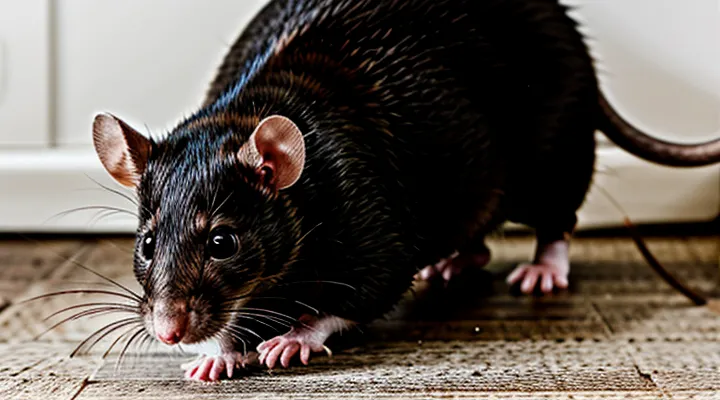
Understanding Rat Fleas
What are Fleas and Why are They a Problem
Flea Life Cycle
Understanding the flea’s development is essential for recognizing infestations on laboratory rodents and for timing interventions effectively. The insect progresses through four distinct stages, each with specific environmental requirements and durations that influence detectability and treatment success.
- Egg – Laid on the host or in the surrounding substrate; hatches within 2–5 days under favorable temperature (20‑30 °C) and humidity (>70 %).
- Larva – Free‑living, feeds on organic debris and adult flea feces; undergoes three molts over 5–11 days, requiring darkness and high humidity.
- Pupa – Enclosed in a protective cocoon; development may pause for weeks if conditions are adverse, resuming when vibrations, carbon dioxide, or temperature signals the presence of a host.
- Adult – Emerges ready to locate a host; seeks blood meals within hours, lives up to several weeks, and begins reproducing after a brief pre‑oviposition period.
Detection on a rat relies on recognizing signs associated with each stage: eggs and larvae appear in bedding, while adult fleas are observable on the animal’s fur and skin. Effective elimination combines immediate adulticide application with environmental measures that disrupt the larval and pupal phases—regular cleaning of cages, removal of organic waste, and maintaining low humidity to inhibit development. Timing treatments to coincide with the emergence of newly formed adults maximizes control, as the majority of the population becomes vulnerable during the brief adult stage.
Health Risks to Rats
Fleas constitute a direct threat to rat health, transmitting pathogens and provoking physiological stress. Infestations accelerate anemia, impair immune function, and predispose rats to secondary infections.
Key health risks include:
- Anemia – blood loss from repeated feeding reduces hemoglobin levels, leading to fatigue and reduced growth.
- Bacterial diseases – Rickettsia spp. and Bartonella spp. are commonly vectored, causing fever, dermatitis, and organ inflammation.
- Parasitic overload – flea saliva contains anticoagulants that trigger allergic reactions, resulting in skin lesions and pruritus.
- Vector‑borne viruses – certain fleas can transmit viral agents that affect the central nervous system, producing seizures or lethargy.
- Compromised grooming – excessive scratching damages fur and skin, creating entry points for opportunistic microbes.
Effective flea control mitigates these risks. Prompt detection and targeted treatment prevent the cascade of health complications, preserving the rat’s physiological stability and longevity.
Health Risks to Humans and Other Pets
Fleas infesting laboratory or pet rats serve as vectors for pathogens that can cross species barriers. Direct contact with an infested rodent, or exposure to flea feces and saliva, creates a pathway for disease transmission to people and cohabiting animals.
Human health hazards
- Plague (Yersinia pestis) – rapid onset of fever, chills, and swollen lymph nodes; mortality rises without prompt antibiotic therapy.
- Murine typhus (Rickettsia typhi) – fever, headache, rash; may be misdiagnosed as viral illness.
- Bartonella infections – fever, fatigue, lymphadenopathy; can progress to endocarditis in susceptible individuals.
- Allergic dermatitis – pruritic skin eruptions triggered by flea bites or antigens in flea feces.
- Anaphylactic shock – rare but documented in highly sensitized individuals after multiple bites.
Risks to companion animals
- Dogs and cats may acquire flea‑borne tapeworms (e.g., Dipylidium caninum) after ingesting infected fleas.
- Transmission of murine typhus and Bartonella species parallels human exposure, producing fever, lethargy, and joint pain.
- Flea bites cause pruritus, secondary bacterial infection, and anemia in heavily infested pets.
- Cross‑infestation amplifies the flea population, increasing the likelihood of re‑infesting the original rat host.
Prompt detection and eradication of rat fleas interrupt these transmission cycles, protecting both human occupants and other domestic animals from serious medical complications.
Detecting Fleas on Your Rat
Visual Inspection Techniques
Checking Fur and Skin
Inspect the rat’s coat and skin before any treatment. Early detection prevents infestation spreading and reduces the need for aggressive chemicals.
Examine the fur in a well‑lit area. Look for small, dark specks that move when disturbed; these are adult fleas. Notice any tiny white, egg‑shaped particles attached to hair shafts. Pay attention to areas where fur is thin or absent, such as the tail base, ears, and under the belly, because fleas concentrate where skin is exposed.
Run a fine‑toothed flea comb through the coat from head to tail. After each pass, tap the comb onto a white surface to reveal any captured insects. Repeat the process three times on each body region. Record the number of fleas observed; a count of more than two per comb pass indicates an active infestation.
Feel the skin while combing. Detect raised, reddish bumps that indicate flea bites. Note any excessive scratching or hair loss, which suggest severe irritation. Use a magnifying lens (10×) to verify the presence of flea larvae or pupae in the fur matting.
If fleas, eggs, or bite lesions are confirmed, proceed to targeted treatment: apply an appropriate topical insecticide, treat the environment with a flea spray, and repeat the inspection after 48 hours to ensure removal. Continuous monitoring for at least two weeks prevents re‑infestation.
Looking for Flea Dirt
Flea dirt, the digested blood excreted by fleas, appears as tiny, dark specks on a rat’s fur. Detecting it confirms an active infestation even when adult fleas are not immediately visible.
To locate flea dirt, follow these steps:
- Place a white sheet of paper or a light‑colored surface beneath the rat’s coat.
- Gently part the fur with a fine‑tooth comb, moving from the neck toward the tail.
- Observe any black or reddish particles that fall onto the paper.
- Moisten a drop of distilled water on a speck; if it dissolves into a reddish fluid, the particle is flea feces, not debris.
The presence of flea dirt indicates recent feeding. Identifying it early allows prompt treatment, reducing the risk of secondary skin irritation and disease transmission.
Behavioral Clues of Infestation
Excessive Scratching and Grooming
Excessive scratching and grooming are primary indicators that a rat is hosting fleas. Rats will repeatedly bite or rub affected areas, often focusing on the base of the tail, neck, and hindquarters. The behavior intensifies when the parasite feeds, causing irritation and blood loss.
Observation should include:
- Frequency of grooming episodes exceeding normal self‑care.
- Visible redness, small puncture marks, or scabs at bite sites.
- Presence of tiny, dark specks (flea feces) on the fur or bedding.
- Sudden increase in restlessness or agitation during handling.
Addressing the problem involves a three‑step protocol:
- Immediate relief – Apply a veterinarian‑approved topical flea treatment directly to the skin, following dosage instructions precisely. Use a fine‑toothed comb to remove adult fleas and eggs while the rat is restrained.
- Environmental sanitation – Wash all bedding, cages, and accessories in hot water; vacuum the surrounding area and discard the vacuum bag. Treat the enclosure with an insect growth regulator to interrupt the flea life cycle.
- Preventive monitoring – Conduct weekly inspections for scratching behavior and skin condition. Maintain a schedule of preventative flea medication to reduce recurrence.
Consistent application of these measures eliminates the infestation and restores normal grooming patterns.
Restlessness and Irritability
Restlessness and irritability are primary behavioral indicators that a rat may be suffering from a flea infestation. A rat continuously scrapes its body against cage surfaces, exhibits sudden bursts of frantic movement, and reacts aggressively to gentle handling. These responses stem from the discomfort caused by biting insects and the resulting skin irritation.
Recognizing these signs enables prompt intervention. Effective measures include:
- Conducting a visual inspection of the fur, focusing on the neck, tail base, and underbelly where fleas concentrate.
- Applying a fine-toothed comb to collect any dislodged insects for confirmation.
- Initiating an appropriate ectoparasite treatment regimen, such as a veterinarian‑approved topical or oral flea product, following the recommended dosage for the rat’s weight.
Eliminating the infestation requires simultaneous environmental control: cleaning the cage, washing bedding at high temperature, and treating surrounding areas with a safe insecticide. Monitoring the rat’s behavior after treatment confirms success; a return to normal, calm activity indicates the fleas have been eradicated.
Preparing for Flea Elimination
Isolating the Infested Rat
Isolating a rat that shows signs of flea infestation prevents the parasites from spreading to other animals and protects the surrounding environment. Place the rodent in a single‑purpose enclosure that can be sealed, cleaned, and monitored without interruption.
Before confinement, gather the following items:
- Escape‑proof cage with smooth interior surfaces
- Disposable gloves and protective clothing
- Sealable container for bedding and waste
- Antiparasitic treatment appropriate for rodents
- Cleaning agents approved for laboratory use
Procedure:
- Don gloves and protective clothing to avoid accidental transfer of fleas.
- Transfer the rat gently into the sealed cage, ensuring no other animals share the space.
- Provide fresh water and a minimal amount of bedding in a disposable, sealable bag.
- Apply the chosen antiparasitic treatment according to the manufacturer’s dosage instructions, covering the entire coat.
- Observe the rat for 24–48 hours, checking for flea movement or signs of irritation.
- Remove and discard used bedding in a sealed bag; clean the cage with a flea‑killing disinfectant before reuse.
After the isolation period, perform a thorough health assessment. If fleas persist, repeat treatment and extend confinement until all external parasites are eliminated. Finally, sterilize all equipment to maintain a flea‑free environment for future handling.
Cleaning the Rat's Environment
Washing Bedding and Toys
Washing the rat’s bedding and toys removes adult fleas, eggs, and larvae, directly reducing the infestation. Use hot water (minimum 130 °F/54 °C) to ensure lethal temperatures for all stages. Add a detergent that remains effective at high temperatures; avoid fragrance‑only formulas that lack cleansing power.
- Separate items by material; wash fabric bedding and plush toys together, while plastic accessories can be soaked in the same solution.
- Set the machine to a long cycle (30 minutes or more) to maximize agitation and exposure.
- After washing, dry on high heat for at least 20 minutes; tumble drying at 150 °F/65 °C eliminates any surviving parasites.
- For items that cannot withstand heat, soak in a solution of 1 % diluted bleach for 10 minutes, then rinse thoroughly and air‑dry in direct sunlight.
Repeat the process every three days during the first two weeks of treatment, then weekly until no fleas are observed on the rat. Store clean bedding in sealed containers to prevent re‑contamination. Regular laundering, combined with proper environmental sanitation, forms a critical component of flea control for laboratory or pet rats.
Vacuuming Cages and Surrounding Areas
Effective flea control begins with thorough cleaning of the rat’s enclosure and the immediate environment. A high‑efficiency particulate air (HEPA) vacuum removes adult fleas, larvae, and eggs that are hidden in bedding, corners, and cracks. Operate the vacuum slowly to ensure suction captures all life stages; a rapid pass may leave debris behind.
Key practices for vacuuming:
- Remove loose bedding, discard it in a sealed bag, and replace with fresh material.
- Use a brush attachment to dislodge fleas from cage bars, walls, and any textured surfaces.
- Vacuum the floor, baseboards, and any surrounding shelves for at least five minutes per area.
- After each session, empty the vacuum canister into a sealed container and dispose of it outside the facility.
- Clean the vacuum filter with soap and water; replace if it shows signs of wear.
Regular vacuuming, performed weekly or after each rat handling, reduces flea populations dramatically and supports subsequent treatment measures. Consistency prevents re‑infestation and maintains a hygienic environment for both the animal and caretakers.
Consulting a Veterinarian
When a rat shows signs of flea infestation—such as excessive scratching, visible insects, or blood spots on bedding—professional veterinary assessment is essential. A veterinarian can confirm the presence of fleas, differentiate them from other ectoparasites, and evaluate the animal’s overall health before treatment begins.
The veterinarian’s approach typically includes:
- Microscopic examination of fur and skin samples to identify flea species.
- Blood work to detect anemia, allergic reactions, or secondary infections.
- Prescription of safe, rat‑specific insecticides or oral medications.
- Guidance on environmental control measures, including bedding sanitation and home treatment protocols.
- Follow‑up appointments to monitor efficacy and adjust therapy if resistance emerges.
Methods for Eliminating Fleas on Your Rat
Topical Treatments
Flea Shampoos and Dips
Flea shampoos are water‑soluble formulations designed to kill adult fleas and larvae during a single wash. Effective products contain insecticidal agents such as permethrin, pyrethrins, or fipronil, combined with surfactants that allow penetration of the rat’s dense fur. Apply the shampoo to a fully dampened coat, lather thoroughly, and maintain contact for the manufacturer‑specified duration, usually 5–10 minutes, before rinsing. Rinse completely to prevent residue buildup, which can irritate the skin or cause ingestion when the animal grooms.
Dips are concentrated liquid solutions applied directly to the skin along the dorsal midline, from the base of the skull to the tail root. They deliver a residual insecticide that spreads across the body via natural oil distribution. Common active ingredients include amitraz, selamectin, or imidacloprid. Follow these steps for a safe dip:
- Prepare a clean, non‑slippery surface; a rubber mat works well.
- Restrain the rat gently to expose the spine.
- Measure the dose according to the animal’s weight; most products specify milliliters per gram.
- Apply the dip slowly, ensuring even coverage without excess pooling.
- Allow the solution to dry for the time indicated on the label, typically 15–30 minutes, before returning the rat to its cage.
When selecting a shampoo or dip, consider the following criteria:
- Spectrum of activity – preference for products effective against both adult fleas and immature stages.
- Safety profile – choose formulations approved for rodents, with low toxicity to mammals and minimal environmental persistence.
- Residual effect – dips offering 2–4 weeks of protection reduce the need for frequent re‑application.
- Compatibility with other treatments – avoid products that interact adversely with dewormers or antibiotics.
Regular monitoring after treatment is essential. Examine the rat’s coat daily for live fleas, flea dirt, or signs of irritation. If any adverse reaction occurs—excess scratching, swelling, or respiratory distress—discontinue use and consult a veterinarian promptly. Integrating shampoo washes weekly with a dip administered every three weeks provides comprehensive control while limiting the risk of resistance development.
Spot-On Treatments (Vet-Prescribed)
Spot‑on treatments are liquid formulations applied directly to the rat’s skin, typically at the base of the skull or along the dorsal midline. Veterinarians prescribe these products because they deliver a precise dose of insecticide that spreads across the animal’s coat through natural oil distribution, providing systemic protection against fleas.
The application process requires restraint of the rat, drying the fur at the intended site, and dispensing the exact volume indicated on the prescription label. Over‑application can cause toxicity; under‑application reduces efficacy. Most products contain active ingredients such as fipronil, imidacloprid, or selamectin, which act on the flea nervous system, leading to rapid paralysis and death.
Key considerations for successful use include:
- Dosage calculation – based on the rat’s weight; manufacturers provide charts that correlate weight ranges with required milliliters.
- Frequency – typically every 30 days, but some formulations extend protection to 60 days; follow the veterinarian’s schedule.
- Safety checks – confirm the rat has no open wounds or dermatitis at the application site; avoid contact with other species until the product has dried.
- Monitoring – inspect the coat and bedding for live fleas or flea dirt for at least two weeks after treatment; repeat examination weekly to verify eradication.
When spot‑on therapy is combined with environmental control—regular cleaning of cages, washing bedding at high temperatures, and vacuuming crevices—the likelihood of reinfestation drops dramatically. Proper storage of the medication (cool, dark place) preserves potency until the next dose.
Oral Medications (Vet-Prescribed)
Oral flea treatments prescribed by a veterinarian provide a systemic method for eradicating infestations in rats. The medication is absorbed through the gastrointestinal tract, reaches the bloodstream, and kills fleas that feed on the host. This approach eliminates the need for topical applications that may be difficult to apply uniformly on small, fur-covered bodies.
When selecting an oral product, consider efficacy against adult fleas, safety profile for rodents, and precise dosing based on body weight. Veterinary guidance ensures the chosen drug is approved for use in rats or small mammals, reducing the risk of toxicity.
Commonly prescribed oral agents include:
- Nitenpyram (Capstar) – rapid‑acting, kills adult fleas within 30 minutes; dose typically 1 mg per kg of body weight, administered once.
- Spinosad (Comfortis) – provides up to 30 days of protection; dose 30 mg per kg, given on day 0 and repeated after a month.
- Lufenuron (Program) – inhibits flea egg development; dose 0.5 mg per kg, administered monthly to break the life cycle.
Dosage must be calculated from the rat’s exact weight and measured with a calibrated syringe. Administer the medication with a small amount of food or water to ensure complete ingestion. Record the treatment date and monitor the animal for at least 24 hours for signs of adverse reactions such as lethargy, loss of appetite, or gastrointestinal upset.
If side effects appear, discontinue the drug and consult the veterinarian immediately. Follow‑up examinations should confirm the absence of live fleas on the coat and bedding. Combining oral therapy with environmental control—regular cleaning, laundering of bedding, and vacuuming—maximizes the likelihood of complete eradication.
Natural and Home Remedies (Use with Caution)
Combing with a Fine-Toothed Comb
Combing a rat with a fine‑toothed comb provides a reliable means of locating adult fleas, nymphs, and eggs. The method also removes parasites that may be missed during visual inspection.
Before combing, secure the animal in a gentle restraint, such as a soft cloth holder, to prevent escape and reduce stress. Trim the fur around the tail base and hindquarters, where fleas commonly congregate, using scissors or clippers. Apply a light coat of water‑based lubricant to the fur; this reduces static and allows the comb to glide smoothly.
The combing process follows a precise pattern:
- Hold the comb at a 45‑degree angle to the skin.
- Drag the teeth through the fur from the head toward the tail, covering each body region in overlapping strokes.
- After each pass, wipe the comb on a white surface (paper towel or tray) to expose any captured insects.
- Continue until the entire coat has been examined, counting any fleas found.
Captured fleas should be transferred to a labeled container for identification and disposal. After combing, bathe the rat with a veterinarian‑approved flea shampoo, then rinse thoroughly. Apply a topical flea treatment according to product instructions to prevent reinfestation. Repeat the combing routine every 48‑72 hours during an outbreak to verify eradication.
Diluted Apple Cider Vinegar Baths (Consult Vet First)
Diluted apple cider vinegar (ACV) baths can help control flea infestations on pet rats, but veterinary approval is required before implementation.
Prepare a solution using one part ACV to ten parts water. Verify the mixture’s temperature is close to the rat’s body temperature to avoid shock. Place the rat in a shallow container, ensuring the solution covers the fur without submerging the head. Gently massage the coat for one to two minutes, then rinse with lukewarm water to remove residue. Dry the animal with a soft towel and monitor for signs of irritation.
Key considerations:
- Veterinary clearance – Confirm the rat’s health status and any contraindications.
- Dilution accuracy – Incorrect ratios can cause skin irritation or distress.
- Bath frequency – Limit to once every seven to ten days; excessive bathing may disrupt natural skin oils.
- Observation – Check for redness, excessive scratching, or lethargy after each treatment.
- Complementary measures – Combine with environmental cleaning, regular grooming, and flea‑preventive products approved for rodents.
If adverse reactions occur, cease the bath immediately and seek veterinary assistance. The ACV bath should be part of an integrated flea‑control strategy rather than a standalone solution.
Preventing Future Flea Infestations
Regular Cleaning and Hygiene
Regular cleaning of the cage, bedding, and all accessories reduces the likelihood of flea presence on rodents. Remove all waste daily, replace bedding with fresh material, and disinfect surfaces with an approved rodent‑safe sanitizer.
Implement a routine that includes:
- Weekly deep cleaning: empty the cage, scrub walls and floor with a diluted bleach solution (1:32), rinse thoroughly, and allow to dry before reassembly.
- Daily spot cleaning: wipe visible dirt, remove droppings, and check for blood spots that may indicate flea feeding.
- Tool sterilization: soak feeding tubes, water bottles, and enrichment items in a 70 % ethanol bath for ten minutes, then air‑dry.
Maintain strict personal hygiene when handling the animal. Wash hands with soap and water before and after contact, wear disposable gloves, and change outer clothing if moving between cages. Disinfect gloves and work surfaces after each session to prevent cross‑contamination.
Monitor the environment for signs of infestation. Inspect fur, especially around the neck and tail base, for small dark specks or moving insects. Use a fine‑toothed comb to collect any specimens for identification. Prompt removal of detected fleas, combined with the cleaning regimen described, interrupts the life cycle and protects the rat’s health.
Environmental Control
Treating Other Pets in the Household
When fleas infest a rat, other animals in the same environment are at immediate risk. Begin by examining each pet—cats, dogs, and small mammals—for signs of flea activity: redness, scratching, or visible insects. Use a fine-toothed flea comb on fur, especially along the neck and tail base, to capture any specimens.
- Apply a veterinarian‑approved flea treatment appropriate for each species; avoid using rodent products on other pets.
- Administer oral or topical medication according to the label schedule; repeat doses as directed to break the flea life cycle.
- Wash bedding, cages, and any fabric the rat contacts with hot water; follow with a dryer on high heat to kill eggs and larvae.
- Vacuum all carpeted areas and upholstery thoroughly; discard the vacuum bag or clean the canister immediately.
- Deploy an environmental flea spray or fogger that is safe for indoor use and labeled for multi‑pet households; ensure proper ventilation during application.
Monitor all pets for at least four weeks after treatment. Record any recurrence of flea evidence and adjust the control regimen in consultation with a veterinarian. Maintaining a consistent schedule of preventative medication for every animal reduces the likelihood of reinfestation and protects the health of the entire household.
Pest Control for the Home
Detecting fleas on a rat requires direct observation. Examine the animal’s coat under bright light, focusing on the neck, tail base, and hindquarters. Use a fine-toothed flea comb; slide it through the fur and collect any dark specks or live insects that appear on the comb’s teeth. A magnifying lens can reveal tiny, mobile fleas that are difficult to see with the naked eye. Record findings promptly to guide treatment decisions.
Eliminating fleas involves three coordinated actions: immediate rat treatment, environmental sanitation, and ongoing prevention.
- Apply a veterinarian‑approved topical or oral flea product to the rat, following dosage instructions precisely.
- Remove bedding, droppings, and debris from the enclosure; wash all removable items in hot water (≥ 130 °F) and dry on high heat.
- Treat the surrounding area with a low‑toxicity insecticide spray or fogger labeled for indoor use; focus on cracks, baseboards, and carpet edges.
- Seal entry points to prevent reinfestation by wild rodents or insects.
- Schedule regular inspections; repeat combing and environmental cleaning weekly for at least four weeks to break the flea life cycle.
Proper home pest control integrates these steps, ensuring that fleas on a rat are identified quickly and eradicated before they spread to other occupants or the broader indoor environment.
Monitoring Your Rat's Health
Regular observation of a rat’s condition is essential when addressing flea problems. Visible signs such as excessive scratching, hair loss, or small dark specks in the fur indicate infestation. Changes in appetite, lethargy, or sudden weight loss may signal secondary health issues caused by parasites.
Key indicators to record daily:
- Frequency and intensity of grooming or scratching episodes.
- Condition of the coat: presence of patches, thinning, or discoloration.
- Skin appearance: redness, inflammation, or scabs.
- Behavioral shifts: reduced activity, altered feeding patterns, or unusual aggression.
- Weight measurements: compare with baseline to detect rapid decline.
A systematic log enables early detection and informs treatment decisions. Use a dedicated notebook or digital spreadsheet, noting the date, observed symptoms, and any interventions applied. Correlating symptom trends with environmental changes—such as new bedding, increased humidity, or introduction of other animals—helps isolate the source of infestation.
Physical examinations should include a thorough combing of the fur with a fine-toothed flea comb. Examine the comb’s teeth after each pass for blood‑stained debris or live fleas. Inspect the ventral area, tail base, and ear margins where parasites commonly congregate.
Laboratory support may be required if symptoms persist despite initial measures. A veterinarian can perform skin scrapings or flea culture to confirm species and assess for secondary infections. Results guide the selection of appropriate insecticides, topical treatments, or systemic medications.
Consistent health monitoring reduces the risk of severe flea outbreaks, supports rapid response, and promotes overall well‑being of the rat. Maintaining accurate records and performing regular physical checks are the most reliable strategies for early identification and effective eradication of parasites.