
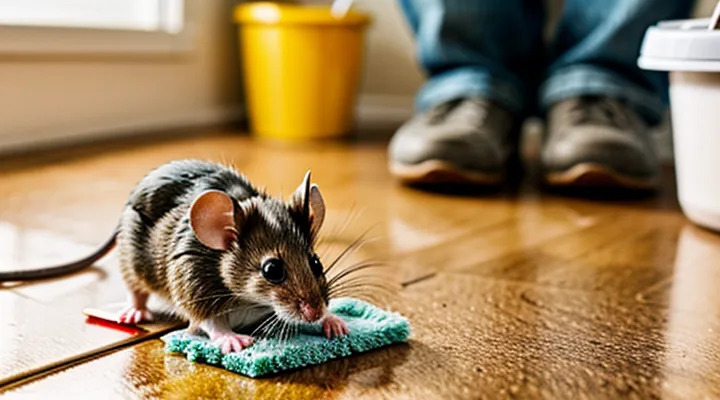
Understanding the Problem: The Dangers of Glue Traps
Why Glue Traps Are Problematic for Animals
Glue traps pose several hazards for animals that encounter them. The adhesive surface adheres firmly to fur, feathers, or skin, creating a mechanical bond that the animal cannot break without external assistance. This bond restricts movement, leading to stress, exhaustion, and potential injury as the creature struggles to free itself.
Key problems include:
- Physical trauma: prolonged attachment can cause skin abrasions, hair loss, and tissue damage.
- Impaired feeding and hydration: immobilized animals may be unable to reach food or water, resulting in rapid dehydration or starvation.
- Predation risk: trapped individuals become easy prey for larger predators or scavengers, increasing mortality rates.
- Secondary infections: wounds created by the adhesive or by the animal’s attempts to escape can become infected if not promptly treated.
These factors make glue traps unsuitable for humane pest control. Their use often leads to unnecessary suffering and complicates any subsequent rescue or cleaning efforts.
Potential Health Risks of Ingesting Glue
When adhesive from rodent traps adheres to a pet’s coat, accidental swallowing can occur during grooming or bite attempts. Ingested glue introduces chemicals directly into the gastrointestinal tract, creating immediate and delayed health concerns.
- Mechanical blockage of the stomach or intestines, leading to vomiting, abdominal pain, and inability to pass feces.
- Chemical toxicity from solvent components, which may cause nausea, dizziness, and central nervous system depression.
- Local irritation of the esophageal and gastric lining, resulting in inflammation, ulceration, or bleeding.
- Allergic or hypersensitivity reactions, presenting as hives, swelling, or respiratory distress.
- Disruption of nutrient absorption if the adhesive remains in the tract for an extended period.
Symptoms typically appear within minutes to hours after ingestion and can progress rapidly. Persistent vomiting, lethargy, abdominal distension, or signs of respiratory compromise warrant urgent veterinary evaluation.
Preventive steps include immediate mechanical removal of glue from the fur, thorough rinsing with warm water, and observation for any signs of ingestion. If ingestion is suspected, contact a veterinarian promptly; early intervention reduces the risk of severe obstruction or systemic toxicity.
Immediate First Steps for a Trapped Animal
Assessing the Animal’s Condition and Injuries
When a mouse trap leaves adhesive on an animal’s coat, the first priority is a thorough physical assessment. Determine whether the creature can move normally, breathe without difficulty, and exhibit signs of pain. Rapid identification of trauma guides the subsequent cleaning approach and prevents further harm.
Key indicators to evaluate:
- Ability to stand or sit without wobbling.
- Presence of bleeding, puncture wounds, or torn skin near the glue.
- Swelling, redness, or heat in the affected area.
- Signs of distress such as vocalization, rapid breathing, or frantic movement.
- Condition of surrounding fur: matting, loss of hair, or visible debris.
If the animal shows normal mobility, no open wounds, and only minor irritation, proceed with gentle adhesive removal using a veterinarian‑approved solvent or warm water. When bleeding, deep cuts, or severe swelling are observed, halt any cleaning attempts and seek immediate veterinary care. Stabilize the animal by keeping it calm, limiting movement, and protecting the affected region until professional assistance arrives.
Essential Supplies for Safe Glue Removal
Preparing Your Workspace
Before tackling adhesive on fur, create a controlled environment that minimizes risk to the animal and to yourself. Clear the area of unnecessary items, then cover the work surface with a disposable, non‑absorbent sheet such as polyethylene or a thick trash bag. This barrier prevents glue residue from spreading and simplifies cleanup.
Gather all necessary tools within arm’s reach: a pair of clean, blunt tweezers; a soft, lint‑free cloth; a small bowl of warm, soapy water; a pet‑safe solvent (e.g., diluted olive oil or a commercial adhesive remover labeled for animals); disposable gloves; and a towel for drying. Place each item on the prepared sheet in a logical order to avoid cross‑contamination.
Ensure adequate ventilation by opening windows or operating a fan. If the solvent emits fumes, wear a mask rated for organic vapors. Keep the animal on a separate, stable surface away from the immediate workspace until the cleaning process begins.
Finally, arrange waste disposal containers: one for used gloves and cloths, another for the solvent‑soaked material. Seal them promptly to prevent accidental exposure.
- Remove extraneous debris from the area.
- Lay protective sheet and secure it with tape if necessary.
- Position tools in the order of use.
- Verify ventilation and personal protective equipment.
- Set up waste bins for immediate disposal.
Safe Methods for Glue Removal from Fur
Method 1: Oil-Based Solutions
Using Vegetable or Olive Oil
Vegetable and olive oil provide a gentle, non‑toxic way to dissolve adhesive residues on animal fur. The oil penetrates the glue, reducing its tackiness without harming the hair shaft or skin.
Begin by selecting a pure, food‑grade oil free of additives. Warm the oil slightly (to about body temperature) to improve fluidity, then place a small amount in a clean container. Have a soft comb or fine‑tooth brush ready for later use.
- Apply a thin layer of oil directly onto the glued area using a fingertip or cotton swab.
- Allow the oil to sit for 30–60 seconds; the adhesive should become slick.
- Gently work the oil into the fur with a fingertip, avoiding excessive pulling.
- Use the comb to separate strands, starting at the tips and moving toward the base.
- If glue remains, repeat the oil application and combing cycle until the fur is free of residue.
- After removal, blot excess oil with a paper towel, then wash the affected area with a mild pet‑safe shampoo to eliminate residual oil.
Finish by drying the fur with a clean towel and brushing to restore natural alignment. This method eliminates the need for harsh solvents and minimizes the risk of skin irritation.
Applying Petroleum Jelly
Petroleum jelly creates a slick barrier that reduces the adhesive’s grip on fur, allowing the glue to loosen without pulling hair. The product’s oily consistency penetrates the glue, breaking the bond while protecting the animal’s skin from irritation.
To use petroleum jelly safely:
- Apply a thin layer directly onto the glued area with a clean fingertip or cotton swab.
- Gently massage for 30–60 seconds until the glue becomes tacky and begins to lift.
- Use a fine-toothed comb or a soft brush to slide the loosened glue away from the hair shaft.
- Re‑apply jelly as needed, working in small sections to avoid spreading the adhesive.
- After the glue is removed, wipe the fur with a damp cloth to eliminate residual jelly.
- Dry the area with a soft towel and inspect for any remaining stickiness.
Precautions:
- Choose a veterinary‑grade petroleum jelly free of fragrances or additives.
- Test a small patch of skin first to confirm no allergic reaction.
- Avoid applying jelly near the eyes, ears, or mouth.
- Do not use heat sources; the method relies solely on the ointment’s lubricating properties.
The technique minimizes stress on the animal, eliminates the need for harsh solvents, and preserves the integrity of the fur. Regular monitoring after treatment ensures complete removal and prevents secondary skin issues.
Utilizing Commercial Pet-Safe Oil Products
Commercial pet‑safe oils provide a practical option for dissolving adhesive residues on a cat’s or dog’s coat without harming the animal’s skin. These products are formulated to be non‑toxic, hypoallergenic, and free of solvents that could cause irritation. Common choices include mineral‑based grooming oils, plant‑derived silicone oils, and specially blended pet grooming serums that contain a mild emulsifier.
To use an oil product effectively:
- Apply a few drops onto a clean fingertip or a soft cloth; avoid direct contact with the animal’s eyes.
- Gently massage the oil into the glued area, allowing it to penetrate the adhesive for 30‑60 seconds.
- Use a wide‑tooth comb or a slicker brush to work the loosened glue out of the fur, moving from the base of the hair outward to prevent breakage.
- Wipe excess oil from the coat with a damp towel, then rinse the region with lukewarm water and a mild pet shampoo to remove residual oil.
- Dry the fur with a towel or low‑heat dryer; inspect for any remaining adhesive and repeat the process if necessary.
Safety considerations include verifying that the oil’s label confirms suitability for pets, performing a brief patch test on a small skin area, and monitoring the animal for signs of discomfort. After cleaning, regular grooming with a pet‑safe conditioner helps restore the coat’s natural oils and reduces the likelihood of future adhesive buildup.
Method 2: Water-Based Solutions
Warm Soapy Water Application
Warm, mild soap solution effectively loosens adhesive without harming delicate fur. Prepare water at 38‑40 °C (100‑104 °F); hotter temperatures risk skin irritation, while cooler water reduces solubility. Add a few drops of neutral‑pH liquid soap per cup of water, stirring until fully dispersed. The surfactant reduces surface tension, allowing the glue to soften and separate from hair fibers.
To apply, submerge the affected area in the solution for 2‑3 minutes. Gently massage with fingertips, avoiding vigorous pulling that could damage the coat. If full immersion is impractical, dampen a soft cloth with the solution and press it against the glue, maintaining contact for the same duration. After the glue softens, use a wide‑tooth comb to slide strands apart, starting at the tips and progressing toward the base. Repeat the soak‑massage cycle if residue remains.
- Rinse with lukewarm water to remove soap and loosened adhesive.
- Pat dry with a clean towel; do not rub.
- Apply a small amount of pet‑safe conditioner to restore moisture and reduce static.
The method eliminates glue without chemical agents, preserving fur integrity and minimizing discomfort.
Considerations for Water Temperature and Soap Type
When removing adhesive residue from a mouse‑trap on animal fur, the temperature of the water and the type of soap are decisive factors for safety and effectiveness.
Warm water, ideally between 35 °C and 40 °C (95 °F–104 °F), softens the glue without causing thermal injury to the skin or damaging the hair shaft. Water hotter than 45 °C (113 °F) can denature keratin proteins, leading to brittleness and discomfort. Water that is too cool fails to loosen the adhesive, prolonging exposure and increasing the risk of pulling out hair.
Select a cleaning agent that is mild, pH‑neutral, and free of harsh chemicals. Recommended options include:
- Unscented dish soap with a neutral pH – dissolves glue while preserving fur integrity.
- Baby shampoo – formulated for delicate skin, it gently emulsifies adhesive without stripping natural oils.
- Enzymatic pet cleaners – break down protein‑based adhesives without leaving residues.
Avoid soaps containing bleach, ammonia, strong surfactants, or oil‑based formulations, as they can irritate skin, discolor fur, or embed the glue further.
The practical procedure is straightforward: immerse the affected area in warm water for 2–3 minutes, apply a thin layer of the chosen soap, massage gently to lift the adhesive, and rinse thoroughly with the same temperature water. Repeat if necessary, then pat dry with a clean towel. This approach minimizes trauma to the animal while ensuring the glue is removed efficiently.
Method 3: Combining Methods for Stubborn Glue
Sequential Application of Oil and Water
The sequential use of oil followed by water provides an effective, low‑risk way to dissolve adhesive that remains on a pet’s coat after a mouse‑trap encounter.
Apply a thin layer of a non‑toxic oil—such as mineral, vegetable, or olive oil—to the glued area. Gently massage the oil into the fibers until the adhesive softens and begins to separate from the hair. Allow the oil to act for 2–3 minutes; this period maximizes the lubricating effect without saturating the fur.
Rinse the treated region with warm (not hot) water. Use a mild, pet‑safe shampoo if necessary, then rinse thoroughly to remove residual oil and loosened glue. Pat the coat dry with a clean towel; avoid vigorous rubbing that could pull out hair.
Safety notes:
- Verify that the chosen oil does not cause skin irritation; test a small patch first.
- Prevent the animal from licking the treated area until the coat is completely dry.
- Keep the cleaning area well‑ventilated and free of open flames, as oil is flammable.
By following this oil‑then‑water sequence, the adhesive is broken down chemically by the oil and then physically removed by the water, restoring the fur’s condition without harsh chemicals or mechanical damage.
Gentle Brushing Techniques
Gentle brushing removes adhesive residues without damaging the delicate fibers of a pet’s coat. Use a fine‑toothed comb or a soft bristle brush designed for small animals. Begin with a dry brush to loosen any loose glue, moving in the direction of hair growth to avoid pulling.
- Secure the animal in a calm position; a helper can gently hold the pet to reduce stress.
- Hold the brush at a shallow angle, applying light pressure.
- Sweep the bristles through the affected area in short, overlapping strokes.
- After each pass, inspect the fur for remaining glue and repeat until the surface feels smooth.
If the glue is still tacky, dampen the brush with warm water and a drop of mild pet‑safe soap. The moisture softens the adhesive, allowing the bristles to glide more easily. Rinse the brush frequently to prevent re‑depositing glue onto the fur.
Finish by combing the area with a wide‑tooth comb to restore the natural lay of the hair. Pat the coat dry with a clean towel and monitor for any irritation over the next few hours. This method minimizes the risk of skin abrasion while effectively clearing adhesive from the fur.
Post-Removal Care and Animal Rehabilitation
Cleaning the Animal After Glue Removal
After adhesive is detached from an animal’s coat, the fur remains wet, oily, or sticky. Immediate rinsing with lukewarm water prevents residue from re‑adhesing and reduces irritation. Apply a mild, hypoallergenic pet shampoo, massaging gently to disperse remaining glue particles. Rinse thoroughly to eliminate all soap and loosened adhesive.
Dry the coat with a clean, absorbent towel, avoiding vigorous rubbing that could mat the hair. Allow the animal to air‑dry in a warm, draft‑free area, or use a low‑heat pet dryer set to the lowest temperature. Monitor the skin for redness or swelling; if symptoms appear, consult a veterinarian promptly.
Key steps for post‑removal grooming:
- Rinse: Lukewarm water, steady stream, no pressure jets.
- Cleanse: Small amount of hypoallergenic shampoo, gentle lather, 30‑seconds per area.
- Rinse again: Ensure no suds or glue fragments remain.
- Dry: Pat dry with a towel, then low‑heat airflow if needed.
- Inspect: Check for skin irritation, hair breakage, or residual stickiness.
These actions restore coat condition, minimize stress, and support the animal’s recovery after adhesive exposure.
Monitoring for Skin Irritation or Allergic Reactions
When removing adhesive residue from a pet’s coat, observe the animal’s skin for any sign of irritation or allergy. Immediate detection prevents worsening inflammation and reduces the need for veterinary intervention.
Key indicators to watch:
- Redness or swelling around the treated area
- Excessive scratching, licking, or biting of the fur
- Hives, bumps, or rash development
- Watery or mucoid discharge from the skin
- Sudden change in behavior, such as lethargy or agitation
If any of these symptoms appear, stop the cleaning process at once. Rinse the area with cool, plain water to dilute residual chemicals, then dry gently with a soft towel. Apply a veterinary‑approved soothing gel or ointment if recommended.
Document the reaction: note the time of exposure, the cleaning agent used, and the observed symptoms. Share this information with a veterinarian to facilitate accurate diagnosis and appropriate treatment.
For future procedures, conduct a patch test before full application. Apply a small amount of the cleaning solution to a limited fur section, wait 10–15 minutes, and monitor for adverse responses. This precaution minimizes the risk of widespread irritation during subsequent clean‑ups.
Providing Comfort and Reassurance
When a mouse‑trap leaves sticky residue on a pet’s coat, the immediate concern is both the animal’s comfort and the safety of the cleaning process. The following points address emotional reassurance and practical guidance, ensuring owners feel confident in handling the situation.
- The adhesive will not penetrate the skin if removed promptly; it remains on the outer hair shaft.
- Gentle, warm water combined with a mild, pet‑safe detergent loosens the glue without causing irritation.
- A wide‑tooth comb or a slicker brush applied with light pressure slides the softened residue off the fur, preventing tugging or discomfort.
- If the glue persists, a small amount of vegetable oil or mineral oil applied to the affected area softens the stickiness; the oil is easily rinsed away, leaving no residue that could affect the pet’s skin.
- After cleaning, a brief towel‑dry and a short period of gentle petting restore normal temperature and reassure the animal that the situation is resolved.
Providing reassurance involves clear communication: explain each step, demonstrate calm handling, and observe the pet’s reactions. A calm voice, steady hands, and a brief pause for the animal to adjust after each action reinforce a sense of safety.
Concluding the procedure with a favorite treat or a short play session reinforces positive association, confirming that the incident was managed safely and without lasting harm. This approach balances effective glue removal with the emotional well‑being of the pet, delivering both practical results and peace of mind for the owner.
Preventing Future Incidents: Humane Alternatives
Humane Mouse Traps and Deterrents
Humane mouse traps eliminate the need for adhesive devices, reducing the risk of fur becoming entangled in glue. Snap‑free models use a capture chamber that releases the rodent unharmed, allowing immediate release outdoors. Live‑catch cages operate on a similar principle, featuring a trigger mechanism that shuts a door once the mouse enters. Both designs prevent contact with sticky substances, simplifying pet care.
Deterrent strategies complement trap selection by discouraging rodents from approaching areas where pets roam. Common options include:
- Ultrasonic emitters that project frequencies uncomfortable to mice but inaudible to humans and most pets.
- Natural repellents such as peppermint oil applied to cotton balls placed near entry points; the scent repels rodents without harming animals.
- Physical barriers like metal mesh or sealed gaps in walls and floors, eliminating access routes that could lead rodents into glue‑based traps.
When a pet does encounter residual adhesive, immediate action limits skin irritation. Rinse the affected area with lukewarm water, then apply a mild oil (e.g., olive or vegetable) to dissolve the glue before gently combing it out. Follow with a pet‑safe shampoo to remove any remaining residue. Regular inspection of trap locations and the use of humane alternatives together minimize glue exposure, ensuring both rodent control and pet safety.
Securing Your Home Against Pests
Pet fur contaminated with adhesive from rodent traps poses a health risk and requires immediate attention. Removing the glue safely protects the animal and prevents skin irritation. Use a mild oil—olive, baby, or mineral—to soften the adhesive, applying a thin layer and allowing five minutes for absorption. Gently comb out the softened glue with a fine-toothed comb, then rinse with lukewarm water and dry the fur with a soft towel. Avoid harsh chemicals that could damage the coat or cause toxicity.
Preventing future incidents relies on securing the home against pests. Effective measures include:
- Sealing entry points: Install weather‑stripping around doors, repair cracks in walls, and use steel wool in small openings.
- Managing food sources: Store grains, cereals, and pet food in airtight containers; clean spills promptly.
- Reducing clutter: Eliminate cardboard boxes, piles of paper, and unused items that provide shelter.
- Installing physical barriers: Fit mesh screens on vents, chimneys, and basement windows.
- Employing monitoring devices: Place snap traps or electronic detectors in high‑risk zones to identify activity early.
By combining immediate glue removal with comprehensive pest‑exclusion strategies, owners minimize the need for adhesive traps, protect pets from accidental exposure, and maintain a healthier indoor environment.