
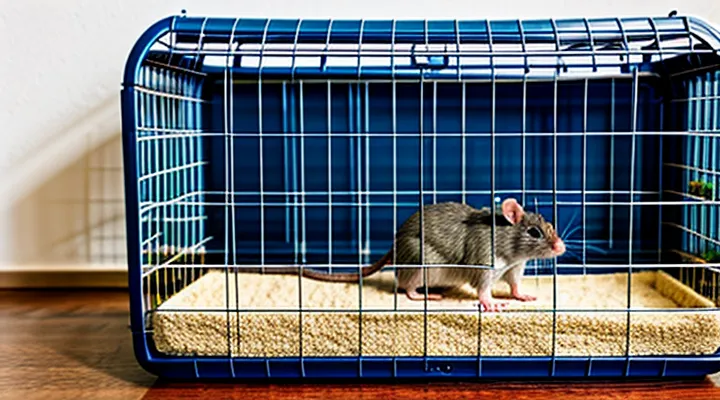
The Importance of Space
Physical Activity and Enrichment
Physical activity demands a cage that permits unrestricted movement. Minimum floor space should allow a rat to run the length of the enclosure at least twice without turning. A floor area of 1 ft² (≈930 cm²) per animal provides sufficient room for natural locomotion; larger groups require proportional increases. Height matters less for ground‑dwelling rodents, but a vertical space of 8–10 in (20–25 cm) accommodates climbing structures without crowding the floor.
Enrichment items stimulate exploration, reduce stress, and encourage exercise. Include a variety of textures, elevations, and manipulable objects. Recommended components:
- Solid wood tunnels or PVC tubes of 4–6 in (10–15 cm) diameter, positioned to create continuous pathways.
- Rope ladders or sisal braids secured at opposite walls, creating vertical routes that complement horizontal movement.
- Platforms or hammocks mounted at the cage’s upper third, offering a change in perspective without compromising floor area.
- Chewable blocks made from untreated hardwood, placed near the base of structures to promote gnawing and dental health.
- Foraging containers (e.g., PVC caps with small openings) that hide treats, encouraging problem‑solving and activity.
Space allocation must consider the combined footprint of these items. Allocate at least 30 % of the total floor area for enrichment structures; the remaining space should remain open for free running. Regularly rotate objects to maintain novelty and prevent habituation, ensuring the enclosure continues to support vigorous activity throughout the rat’s lifespan.
Mental Well-being
Adequate enclosure dimensions directly affect a rat’s mental health. Insufficient space limits natural behaviors, leading to stress, repetitive movements, and reduced curiosity.
- Minimum floor area: 0.5 sq ft (≈0.05 m²) per adult rat.
- Recommended floor area for two rats: at least 1 sq ft (≈0.1 m²).
- Height: 12 in (30 cm) or higher to allow vertical exploration.
- Length: 18 in (45 cm) or longer to accommodate tunnels and climbing structures.
Enrichment items such as tunnels, hammocks, and chewable objects compensate for limited floor space but cannot replace adequate area. Regular rearrangement of accessories stimulates problem‑solving skills and prevents habituation.
A cage that meets size guidelines supports exploration, social interaction, and natural foraging. These conditions reduce anxiety indicators and promote sustained activity levels, essential for a rat’s psychological stability.
Minimum Size Recommendations
Per Rat Calculations
When determining cage dimensions, calculate the required floor area for each individual rat. Start with a baseline of 0.5 square feet (approximately 46 cm × 46 cm) per adult rat. Add 0.25 square feet for every additional rat to accommodate social interaction without overcrowding.
Formula:
Required floor area = 0.5 sq ft + 0.25 sq ft × (N – 1)
where N is the total number of rats.
Apply the formula to common group sizes:
- 1 rat: 0.5 sq ft (≈ 46 cm × 46 cm)
- 2 rats: 0.75 sq ft (≈ 61 cm × 46 cm)
- 3 rats: 1.0 sq ft (≈ 76 cm × 46 cm)
- 4 rats: 1.25 sq ft (≈ 76 cm × 61 cm)
Convert the result to cage dimensions by selecting the nearest standard size that meets or exceeds the calculated area. Ensure the cage provides at least 12 inches (30 cm) of vertical space for climbing and enrichment structures, as rats are active arboreal explorers.
Consider additional space for accessories such as wheels, tunnels, and nesting material. Allocate roughly 10 percent of the total floor area for these items; the remaining space must remain unobstructed for movement.
Finally, verify that the cage’s material and construction can support the calculated load. Multiply the per‑rat weight estimate (average 300 g) by the number of occupants and confirm the cage’s weight rating exceeds this total. This systematic approach guarantees that each rat receives sufficient living space, reducing stress and promoting health.
Multi-Rat Considerations
When keeping several rats together, the cage must provide enough floor area to prevent competition for space. Each adult rat requires at least 0.5 sq ft (≈0.05 m²) of unobstructed floor; multiply this baseline by the number of occupants and add extra room for shared enrichment items. A cage that meets this criterion reduces stress and encourages natural social behavior.
Vertical space contributes to overall comfort but should not replace floor area. A minimum interior height of 12 in (30 cm) accommodates climbing and nesting without crowding the floor. Include multiple levels only if the base area already satisfies the per‑rat floor requirement, otherwise vertical tiers may concentrate activity and limit movement.
Key factors to evaluate for a multi‑rat enclosure:
- Total floor area ≥ 0.5 sq ft per rat, plus 20 % additional space for toys and tunnels.
- Interior height ≥ 12 in; higher ceilings are optional if floor space is sufficient.
- Solid flooring or a deep layer of bedding to support digging without damaging the cage base.
- Adequate ventilation to prevent ammonia buildup; mesh panels should cover at least 30 % of the side walls.
- Easy‑access doors for cleaning; removable trays simplify waste removal and reduce disturbance to the colony.
By applying these measurements and design elements, a cage will accommodate the physical and social needs of a rat group while maintaining hygiene and durability.
Factors Influencing Cage Size
Number of Rats
The quantity of rats directly determines the minimum floor area and vertical clearance required for a healthy environment. Each adult rat needs at least 0.5 sq ft (≈0.05 m²) of unobstructed floor space; a pair requires 1 sq ft, and each additional rat adds another 0.5 sq ft. Vertical space should allow a minimum cage height of 12 in (30 cm) to accommodate climbing and nesting structures.
- 1 rat: ≥0.5 sq ft floor, ≥12 in height
- 2 rats: ≥1 sq ft floor, ≥12 in height
- 3 rats: ≥1.5 sq ft floor, ≥12 in height
- 4 rats: ≥2 sq ft floor, ≥12 in height
Add 25 % extra floor area for enrichment items such as tunnels, wheels, and shelters. For example, a group of three rats should occupy at least 1.9 sq ft (0.18 m²) when enrichment is included.
Overcrowding accelerates stress, territorial aggression, and respiratory problems. Maintain the stated space ratios and monitor behavior; signs of fighting or excessive grooming indicate insufficient room. When adding new rats, recalculate total floor space before introducing them to the enclosure.
A cage that meets these dimensions provides adequate room for exercise, social interaction, and nesting, ensuring the colony’s welfare and longevity.
Rat Size and Breed
Rats vary considerably in body length, tail length, and weight, and these dimensions dictate the minimum floor area and height a cage must provide. Adult standard‑size rats typically reach 9–11 cm (body) and 18–20 cm (tail), weighing 300–500 g. Dwarf breeds, such as the American and German dwarf, average 7–9 cm body length, 15–18 cm tail, and 150–250 g weight. Hairless and “fancy” varieties follow the same size range as their standard counterparts but may exhibit slightly longer tails due to reduced fur.
Key measurements for cage planning:
- Minimum floor space per adult: 0.5 sq ft (≈0.05 m²) for standard rats; 0.35 sq ft (≈0.03 m²) for dwarf rats.
- Recommended floor space for a pair: at least double the single‑rat minimum.
- Cage height: 12 in (30 cm) or higher to accommodate climbing and vertical enrichment.
When selecting a cage, match the enclosure’s dimensions to the largest expected adult size within the chosen breed. Over‑crowding leads to stress, reduced activity, and health problems, while excess space without enrichment can encourage inactivity. Adjust the cage size upward if multiple rats will share the habitat or if the owner plans to introduce larger breeds later.
Activity Levels of Your Rats
Rats exhibit a wide range of activity patterns, and these patterns directly influence the space they require. Highly active individuals spend several hours each day climbing, exploring, and running on wheels. They need ample vertical and horizontal room to prevent stress and encourage natural behavior. Moderately active rats engage in short bursts of movement followed by periods of rest; a cage that offers both open floor space and climbing structures meets their needs. Low‑activity rats prefer limited movement and may be comfortable in a smaller enclosure, provided the habitat includes enrichment items to stimulate occasional exercise.
When assessing a rat’s activity level, consider the following factors:
- Frequency of wheel use or treadmill activity; daily, several times per day, indicates high activity.
- Preference for climbing ladders, tubes, or hammocks; consistent use suggests a need for vertical space.
- Duration of active periods versus resting periods; longer active phases require larger floor area.
- Behavioral signs such as pacing or repeated attempts to escape; these signal insufficient space.
Matching cage dimensions to these observations prevents overcrowding, reduces the risk of injury, and supports overall health. For high‑activity rats, a minimum floor area of 1 sq ft per animal and a cage height of at least 12 inches are advisable. Moderate‑activity rats can thrive with 0.75 sq ft of floor space and a height of 10 inches. Low‑activity rats may be comfortable with 0.5 sq ft of floor space, though adding vertical elements remains beneficial for mental stimulation. Adjusting cage size based on observed activity ensures each rat receives an environment that accommodates its natural energy levels.
Types of Cages and Their Suitability
Wire Cages
Wire cages remain a common choice for housing rats because they provide ventilation, visibility, and ease of cleaning. When evaluating a wire cage for size suitability, focus on measurable criteria rather than vague assessments.
First, assess the interior dimensions. Rats require enough floor space to move, explore, and establish separate zones for sleeping, feeding, and enrichment. Industry guidelines suggest a minimum of 1 sq ft (approximately 930 cm²) of floor area per adult rat, with an additional 0.5 sq ft (≈465 cm²) for each extra rat. Height should allow a rat to stand upright and stretch fully, typically at least 12 in (30 cm). Larger breeds or particularly active individuals may benefit from up to 2 sq ft (≈1,860 cm²) per rat.
Second, examine bar spacing. Gaps larger than ½ in (12 mm) increase the risk of paw entrapment or escape attempts. A spacing of ¼‑⅜ in (6‑10 mm) is optimal for safety while preserving airflow.
Third, consider the flooring material. Solid plastic inserts prevent foot injuries and simplify waste removal; wire floors should be covered with a removable tray or bedding platform to avoid stress on the paws.
Fourth, evaluate the cage’s structural integrity. Welded joints and reinforced corners reduce the likelihood of deformation under the weight of bedding, water bottles, and accessories.
Practical checklist for selecting a wire cage:
- Interior floor area ≥ 1 sq ft per rat (add 0.5 sq ft for each additional rat)
- Minimum interior height ≥ 12 in (30 cm)
- Bar spacing ≤ ½ in (12 mm), preferably ¼‑⅜ in (6‑10 mm)
- Solid floor insert or removable tray for bedding
- Welded or reinforced frame for durability
By applying these concrete measurements, you can determine whether a specific wire cage meets the spatial and safety requirements essential for healthy rat habitation.
Multi-Level Cages
Multi‑level cages provide additional floor area without increasing the cage’s footprint, allowing rat owners to meet space requirements while fitting the enclosure into limited room. By stacking platforms, ladders, and tunnels, these designs create vertical enrichment that mirrors a rat’s natural inclination to explore height.
The cage’s structural components determine how much usable space each level offers. Platform dimensions should be at least 12 × 12 inches (30 × 30 cm) to accommodate a rat comfortably. Ladder spacing of 2–3 inches (5–7 cm) between rungs prevents injury and encourages climbing. Clearances between platforms must exceed 8 inches (20 cm) to allow unobstructed movement.
Key factors when selecting a multi‑level enclosure:
- Minimum floor space per rat: 2 sq ft (0.19 m²) on the base level; each additional platform adds 1 sq ft (0.09 m²).
- Total vertical height: at least 12 inches (30 cm) per level; three levels provide 36 inches (91 cm) of usable space.
- Overall footprint: base dimensions should not exceed the available space in the room; a 24 × 24 inches (61 × 61 cm) base fits most indoor setups.
- Accessibility: front or side doors must open fully to allow cleaning and handling of each level.
- Stability: frame must support the combined weight of platforms, bedding, and rats without wobbling.
Practical considerations include material choice, attachment methods, and enrichment placement. Metal frames with powder‑coat finish resist rust and simplify disinfection. All platform connections should use lockable screws or bolts rather than snap‑fit clips, which can loosen over time. Position tunnels and hideouts on the uppermost platform to motivate climbing, but keep a shelter on the base level for rest.
By aligning platform size, height, and overall dimensions with the rat’s spatial needs, a multi‑level cage delivers sufficient room, promotes natural behaviors, and remains manageable within typical household constraints.
Aquarium-Style Cages
Aquarium-style cages are a popular option for housing rats because they provide clear walls, easy cleaning, and good ventilation. When evaluating this design, focus on the interior floor area, height, and the ability to add enrichment without compromising space.
The floor area determines how much room a rat can move, explore, and exercise. A minimum of 2 sq ft per adult rat is advisable; for pairs, increase to at least 4 sq ft. Height should allow vertical climbing and placement of platforms, with a minimum clearance of 12 inches. Ensure the cage includes a secure lid and a lockable door to prevent escapes.
Key considerations for aquarium-style cages:
- Dimensions – Choose models that meet or exceed the floor‑area guidelines; larger units reduce stress and aggression.
- Material – Tempered glass or acrylic provides durability; verify that the frame is rust‑free and sturdy.
- Accessibility – Front or top openings should allow safe handling and cleaning without disturbing the animals.
- Enrichment compatibility – Verify that tunnels, hammocks, and chew toys can be securely attached to the interior walls.
Potential drawbacks include limited stackability and a higher initial cost. However, the visibility of the enclosure simplifies health monitoring, and the sealed design reduces odor buildup when maintained regularly. Selecting an aquarium-style cage that satisfies the size criteria ensures a comfortable, safe environment for rats.
Essential Cage Features Beyond Size
Bar Spacing Safety
When selecting a cage for a rat, the distance between the metal bars directly affects the animal’s safety. Bars that are too widely spaced allow a rat to slip through or become trapped between them, leading to injury or escape. Bars that are too close together can cause stress by restricting movement and may increase the risk of claw damage.
Safe bar spacing for rats typically falls within a range of ¼ inch (6 mm) to ½ inch (12 mm). Measurements at the narrowest point of the cage should be taken with a ruler or caliper to verify compliance. If the cage features vertical and horizontal bars, ensure the vertical spacing meets the safety range; horizontal spacing can be slightly larger without compromising security.
Key considerations:
- Species size: Adult rats average 9–11 cm in body length; spacing must accommodate this size plus any potential stretching during climbing.
- Material strength: Stainless steel or coated metal bars resist rust and bending, maintaining consistent spacing over time.
- Cage design: Wire mesh floors or platforms should have the same spacing standards to prevent foot injuries.
- Inspection routine: Regularly check for bent or warped bars that could alter the original spacing.
Choosing a cage with appropriate bar spacing reduces the likelihood of accidental escapes, entrapment, and physical harm, contributing to a healthier environment for the rat.
Ventilation Requirements
Proper ventilation prevents respiratory problems, controls odor, and maintains a stable temperature within a rat enclosure. Airflow must be continuous but not drafty; a gentle exchange of fresh air replaces stale air without creating cold spots that stress the animal.
Key ventilation considerations include:
- Air exchange rate: Aim for at least 5–10 air changes per hour. Larger cages require proportionally higher rates to avoid stagnant pockets.
- Vent placement: Position openings on opposite walls to promote cross‑ventilation. Mesh or perforated panels should be secured to prevent escape.
- Filter quality: Use fine‑mesh or HEPA‑grade material to block dust and allergens while allowing sufficient airflow.
- Humidity control: Ensure vents do not introduce excess moisture; combine ventilation with a hygrometer to keep relative humidity between 40 % and 60 %.
Regularly inspect vents for blockages, wear, or damage. Replace compromised components promptly to preserve the health of the rat and the cleanliness of the habitat.
Ease of Cleaning
When evaluating a rat enclosure, cleaning efficiency directly influences hygiene and animal health. Select cages constructed from non‑porous materials such as powder‑coated metal, high‑density polyethylene, or acrylic. These surfaces resist bacterial growth and withstand routine disinfectants without degradation.
Design elements that simplify maintenance include:
- Removable solid floors or wire mesh trays that can be lifted without dismantling the entire cage.
- Large access doors or hinged panels that provide unobstructed entry for hand cleaning and tool placement.
- Integrated slide‑out water and food containers that can be emptied and washed separately.
- Rounded corners and smooth joints that eliminate crevices where waste accumulates.
A cage with a low profile interior volume reduces the amount of substrate required, shortening the time needed for spot cleaning. However, ensure the floor area remains sufficient for the rat’s activity needs; a cramped space compromises welfare despite easier upkeep.
Routine cleaning protocols benefit from standardized component sizes. Cages that conform to common dimensions allow replacement parts, such as bedding trays, to be sourced readily, minimizing downtime between cleanings.
Overall, prioritize enclosures that combine durable, smooth surfaces with removable, easily accessed components. This approach maximizes sanitation while maintaining the spatial requirements essential for a healthy rat.
Access Points for Interaction
When evaluating a rat enclosure, the design of access points directly influences handling, cleaning, and enrichment.
- Openings must be large enough for an adult rat to pass without injury; a minimum of 2 inches (5 cm) in height and width prevents squeezing.
- Placement should allow unobstructed entry to the main living area, a separate feeding zone, and any attached enrichment modules.
- Hinged doors with secure latches enable repeated human‑rat interaction while maintaining a safe barrier against escape.
- Sliding panels or removable panels simplify substrate changes and water‑bowl cleaning, reducing stress for both animal and caretaker.
- Mesh sections sized at ¼ inch (6 mm) provide ventilation without compromising safety; larger mesh can be used only where the rat cannot reach through.
Adequate access points also support social interaction. Multiple entryways permit simultaneous handling of two or more rats, facilitating group bonding and health checks. Positioning at opposite ends of the cage encourages movement across the interior, promoting exercise and reducing territorial aggression.
Overall, the number, dimensions, and location of access points must align with the selected cage dimensions to ensure functional usability, animal welfare, and ease of maintenance.
Maximizing Space Within the Cage
Shelves and Platforms
Shelves and platforms increase usable floor area without enlarging the cage footprint. By adding vertical levels, a single enclosure can accommodate more activity zones while keeping the overall size within a manageable range.
When selecting shelves or platforms, consider the following factors:
- Material: stainless steel or powder‑coated metal resists chewing and corrosion; wood should be untreated and free of splinters.
- Load capacity: each level must support the weight of an adult rat plus any accessories without sagging.
- Clearance: maintain at least 4 inches between the floor and the underside of a platform to allow comfortable movement.
- Attachment method: secure brackets or hooks should be compatible with the cage’s bar spacing to prevent accidental detachment.
Properly positioned platforms create distinct environments such as a resting area, a foraging zone, and a climbing surface. This arrangement encourages natural behaviors and reduces stress, making the cage feel larger than its external dimensions suggest.
Hammocks and Tunnels
When evaluating a rat’s enclosure, accessories such as hammocks and tunnels influence the usable floor area and vertical space. Selecting a cage that accommodates these elements without crowding the animal is essential for health and enrichment.
Hammocks add a suspended platform that occupies overhead volume. The cage’s height must exceed the hammock’s hanging length by at least 4 inches to prevent contact with the top bar. A hammock that spans more than one‑third of the cage’s floor area reduces walking space; therefore, a cage with a minimum floor of 24 × 18 inches is recommended for a single hammock. For multiple hammocks, increase the floor dimension proportionally or choose a taller cage (minimum 20 inches high).
Tunnels create horizontal passages that consume floor area. Each tunnel segment occupies roughly 2 × 2 inches of space. To maintain at least 50 % open floor for foraging and exercise, calculate the total tunnel footprint and ensure the remaining area meets the minimum floor requirement of 24 × 18 inches per rat. When multiple rats share a cage, add 12 × 12 inches of floor per additional animal, then subtract the tunnel area.
Practical guidelines:
- Measure hammock length; add 4 inches to the cage height.
- Sum tunnel footprints; keep open floor ≥ 50 % of total area.
- For each rat, provide at least 432 sq inches of unobstructed floor.
- Verify that the cage’s interior width allows tunnels to run without blocking entry doors.
- Choose materials that are chew‑safe and easy to clean; avoid flimsy plastic that may collapse under hammock weight.
Applying these criteria ensures that hammocks and tunnels enhance the environment without compromising the spatial standards required for a rat’s well‑being.
Enrichment Toys and Accessories
When evaluating cage dimensions for a rat, the presence of enrichment items directly influences the required floor area. Toys, tunnels, and climbing structures occupy space that would otherwise be available for movement, so the minimum internal size must accommodate both the animal and its accessories without crowding.
A practical method is to calculate the total footprint of all enrichment pieces and add a safety margin of at least 30 %. For example, a chew block measuring 4 × 4 in. and a climbing ladder occupying 6 × 8 in. together demand 80 sq in. Adding the margin yields a minimum of 104 sq in. of usable floor space per rat. Multiply this figure by the number of rats to obtain the baseline cage size.
Key considerations for selecting enrichment items:
- Materials must be safe, non‑toxic, and resistant to gnawing.
- Items should encourage natural behaviors such as foraging, climbing, and chewing.
- Modular designs allow rearrangement, facilitating periodic spatial changes that prevent habituation.
- Easy‑to‑clean components reduce maintenance time and limit odor buildup.
Integrating these accessories into the cage plan ensures that the enclosure remains spacious enough for healthy activity while providing mental stimulation. Adjust the cage dimensions upward if additional toys are introduced or if the rat’s activity level increases.
Common Mistakes to Avoid
Underestimating Space Needs
Rats quickly outgrow cramped enclosures; many owners assume a small cage suffices because the animal appears content in a limited area. This miscalculation restricts natural behaviors, compromises health, and creates stress that can manifest as aggression or stereotypic movements.
- Minimum floor space: 2 sq ft (≈0.19 m²) per adult rat, with additional 0.5 sq ft (≈0.05 m²) for each extra companion.
- Height requirement: at least 12 in (30 cm) to allow vertical climbing, a primary activity for the species.
- Bedding depth: 2–3 in (5–7 cm) to support burrowing and nesting.
- Expansion allowance: increase dimensions by 10–15 % when adding new rats or when the animal reaches full adult size.
Insufficient space reduces exercise opportunities, leading to obesity, weakened immune function, and musculoskeletal problems. Adequate room enables running, climbing, and foraging, which maintain cardiovascular health and mental stimulation. When evaluating cage options, prioritize interior dimensions over external appearance, and verify that the structure permits easy cleaning and safe enrichment placement.
Prioritizing Aesthetics Over Functionality
A visually striking rat enclosure can enhance a room’s appearance, but the primary responsibility of a cage remains to meet the animal’s spatial and health requirements. Selecting a cage solely for its decorative qualities often leads to compromises in floor area, ventilation, and enrichment opportunities that are essential for a rat’s well‑being.
Aesthetic priorities typically include:
- Matching color schemes or materials with home décor
- Incorporating sleek lines, glass panels, or themed designs
- Minimizing visual clutter while maintaining a polished look
When these elements dominate the decision, the cage may provide insufficient floor space per rat, restrict airflow, or limit the placement of tunnels, wheels, and chew toys. Reduced space increases stress, hampers natural foraging behavior, and elevates the risk of injury.
To reconcile visual appeal with functional adequacy, follow these guidelines:
- Verify that the enclosure’s interior floor area meets the minimum standard of 2 sq ft per adult rat.
- Choose materials that combine durability with aesthetic value, such as powder‑coated metal frames paired with clear acrylic panels.
- Integrate decorative accessories that do not encroach on usable space; for example, mount climbing structures on the cage walls rather than on the floor.
- Ensure unobstructed airflow by selecting designs with vented sections or removable panels that can be opened for cleaning.
By adhering to these criteria, a cage can satisfy both aesthetic preferences and the physiological needs of rats, delivering a harmonious solution that respects the animal’s welfare while complementing the owner’s interior design.
Ignoring Future Growth or Additions
When selecting an enclosure for a pet rat, overlooking the potential for growth or additional companions leads to cramped conditions that compromise health and behavior. Rats reach full size within a few months, but their activity level and need for enrichment increase as they mature. An enclosure that appears adequate for a juvenile quickly becomes insufficient once the animal reaches adult dimensions.
A cage sized solely for the current occupant fails to accommodate:
- Expanded territory required for natural foraging and exploration.
- Additional rats that may be introduced to improve social welfare.
- Larger accessories such as climbing structures, tunnels, and exercise wheels.
Because rats are highly social, owners often add new members to the group. An undersized enclosure forces multiple animals into a limited space, heightening stress, aggression, and the risk of injury. Even without new rats, a single adult needs at least 2 sq ft of floor area to move freely; a common recommendation is 4 sq ft per animal to allow rotation of enrichment items.
To avoid these pitfalls, calculate the minimum floor space based on the largest expected number of rats and include a margin for future accessories. Choose a modular cage system that can be expanded with additional panels or tiers. Verify that the dimensions permit at least one full-length run and multiple levels, providing vertical space that mimics the rat’s natural habitat.
By planning for growth and potential additions, the enclosure remains functional, promotes well‑being, and reduces the need for costly replacements.