
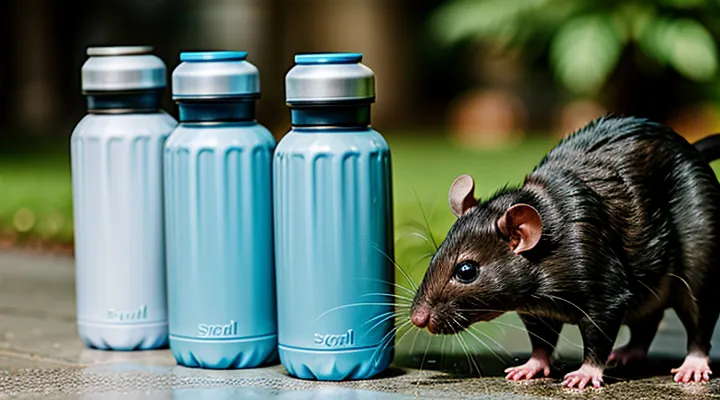
Why a Good Water Bottle is Crucial for Your Rat's Health
The Importance of Constant Hydration
Rats require a steady intake of clean water to maintain physiological balance, support kidney function, and enable efficient digestion. Even brief periods without access to water can lead to rapid dehydration, which reduces blood volume, impairs thermoregulation, and increases susceptibility to illness. Consistent hydration also preserves skin elasticity and prevents urinary tract complications that are common in small mammals.
When evaluating a water delivery system for rats, consider the following criteria that directly affect continuous fluid availability:
- Leak‑proof design that prevents spillage and maintains water level.
- Sipper tube material resistant to gnawing and bacterial growth.
- Capacity sufficient for multiple days of use, reducing refill frequency.
- Easy‑to‑clean construction that eliminates biofilm formation.
- Stable mounting that deters tipping and ensures the bottle remains upright.
A bottle meeting these standards minimizes the risk of accidental water loss, guaranteeing that rats can drink whenever needed and thereby supporting overall health and longevity.
Potential Health Issues from Inadequate Hydration
Rats need a consistent supply of clean water to maintain physiological balance. When water intake falls short, several medical conditions develop rapidly, compromising welfare and longevity.
- Urinary tract obstruction: concentrated urine precipitates crystals, increasing blockage risk and causing painful inflammation.
- Kidney dysfunction: chronic dehydration reduces renal perfusion, leading to tubular damage and eventual failure.
- Gastrointestinal slowdown: inadequate fluid levels diminish intestinal motility, resulting in constipation and potential impaction.
- Immune suppression: dehydration impairs white‑blood‑cell activity, making rats more susceptible to infections.
- Skin dehydration: lack of moisture weakens the integumentary barrier, causing flaky fur and heightened irritation.
- Lethargy and weight loss: insufficient fluids reduce blood volume, decreasing oxygen delivery and metabolic rate, which manifests as reduced activity and progressive emaciation.
Ensuring a reliable water delivery system that prevents spillage, contamination, and blockage is essential to avoid these health complications. Regular monitoring of daily water consumption, alongside visual checks for signs of dehydration, supports early intervention and promotes optimal health in pet rodents.
Types of Water Bottles for Rats
Sipper Bottles
Advantages of Sipper Bottles
Sipper bottles provide a reliable method for delivering fresh water to rats, combining durability with ease of maintenance.
- Metal or high‑grade plastic construction resists chewing and breakage, extending product lifespan.
- Transparent reservoir allows quick visual assessment of water level, reducing the risk of dehydration.
- One‑way valve prevents leakage and spillover, keeping cages clean and minimizing bacterial growth.
- Adjustable flow rate accommodates varying consumption patterns across age groups and activity levels.
- Simple disassembly enables thorough cleaning without dismantling the entire cage setup.
These characteristics make sipper bottles a practical choice for anyone seeking a low‑maintenance, hygienic water solution for rodent habitats.
Disadvantages of Sipper Bottles
Sipper bottles provide easy access to water, yet several drawbacks affect rat health and husbandry.
- Leakage risk – Thin tubing and poorly sealed caps can allow water to escape, creating damp bedding that encourages mold growth and respiratory problems.
- Clogging – Small openings become blocked by debris, fur, or mineral deposits, reducing flow and forcing rats to drink from alternative sources or become dehydrated.
- Limited capacity – Typical sipper reservoirs hold less than 200 ml, requiring frequent refills in multi‑rat cages; insufficient water availability may lead to competition and stress.
- Material degradation – Low‑grade plastics can leach chemicals over time, potentially contaminating water and affecting the animals’ endocrine system.
- Difficulty monitoring consumption – Unlike bottles with graduated markings, sipper models often lack clear volume indicators, making it hard to detect reduced intake promptly.
These issues diminish the suitability of sipper bottles for optimal rat hydration and underscore the need for alternatives with secure seals, larger volumes, and reliable monitoring features.
Bowl-Style Waterers
Advantages of Bowl-Style Waterers
Bowl‑style waterers present a straightforward solution for providing rats with constant access to fresh water. Their open design eliminates the need for complex mechanisms, reducing the likelihood of malfunction.
- Large surface area encourages frequent drinking, supporting adequate hydration.
- Simple construction allows easy cleaning; no small parts to disassemble.
- Transparent material lets owners monitor water level at a glance, preventing unnoticed depletion.
- Low cost makes them accessible for multiple cages or backup units.
- Compatibility with standard cage dimensions avoids space constraints.
When assessing hydration options for rats, these attributes reduce maintenance effort, ensure reliable water availability, and align with budget considerations, making bowl‑style devices a practical choice.
Disadvantages of Bowl-Style Waterers
Bowl‑style waterers present several practical drawbacks for rodent owners seeking a reliable hydration solution. Their open design makes liquid prone to spillage, especially when rats climb, jump, or rearrange bedding. Spilled water creates damp areas that foster mold growth and attract insects, compromising cage hygiene.
- Uncontrolled consumption: without a sealed reservoir, measuring daily intake is difficult, preventing accurate health monitoring.
- Contamination risk: debris, bedding, and urine can easily fall into the bowl, contaminating the water and increasing the likelihood of gastrointestinal issues.
- Limited capacity: shallow bowls hold only modest volumes, requiring frequent refills that interrupt routine care.
- Chewing hazard: rats often gnaw at the rim or base, potentially damaging the container and exposing sharp edges.
- Evaporation: open surfaces accelerate water loss in warm environments, leading to dehydration if refills are delayed.
These factors reduce the overall effectiveness of bowl‑type dispensers compared with sealed bottles that provide controlled, hygienic, and consistent water access.
Key Factors to Consider When Choosing
Material
Plastic Bottles
Plastic water bottles are a common option for laboratory and pet rat hydration. They provide a lightweight, inexpensive solution that can be easily replaced when damaged. The material is typically clear, allowing visual monitoring of water levels, and can be manufactured in various sizes to accommodate the small drinking needs of rats.
When evaluating plastic bottles for rodent use, consider the following factors:
- Material safety: Choose bottles labeled BPA‑free or made from food‑grade polyethylene terephthalate (PET) to prevent chemical leaching.
- Spout design: A narrow, chew‑resistant nozzle reduces spillage and limits contamination from bedding or droppings.
- Capacity: Bottles ranging from 30 ml to 120 ml match the daily intake of most adult rats, minimizing waste while ensuring constant access to fresh water.
- Durability: Look for reinforced walls or impact‑resistant construction to withstand the gnawing behavior typical of rodents.
- Cleaning ease: Smooth interior surfaces and removable caps allow thorough sterilization between uses.
Proper installation is essential. Secure the bottle to the cage lid with a metal or reinforced plastic holder to prevent tipping. Position the spout at a height that aligns with the rat’s natural drinking posture, typically a few centimeters above the cage floor.
Routine maintenance includes daily inspection for cracks, cloudiness, or residue buildup. Replace the bottle promptly if any signs of wear appear, as compromised integrity can introduce pathogens or affect water quality. By adhering to these criteria, plastic bottles can serve as a reliable component of an effective hydration system for rats.
Glass Bottles
Glass bottles provide a clear, non‑plastic alternative for rodent hydration. Their rigidity prevents accidental deformation, ensuring a stable water source that rats cannot easily chew through. The transparent material allows immediate visual inspection of water purity and level, reducing the risk of unnoticed contamination.
Key considerations for glass containers include:
- Capacity: Select a volume that matches cage size; 250‑500 ml bottles typically suffice for a small group, while larger enclosures may require 750 ml or more.
- Spout design: A narrow, stainless‑steel or silicone tube reduces spillage and limits bacterial growth. Ensure the nozzle can be securely attached to prevent leakage.
- Durability: Tempered or borosilicate glass resists breakage under normal handling. Avoid standard glass that may shatter if dropped.
- Cleaning: Glass tolerates high‑temperature washing and dishwasher cycles, enabling thorough sanitation without degrading the material.
- Weight: Heavier than plastic, glass remains stationary, discouraging rats from tipping the bottle.
Potential drawbacks involve higher initial cost and increased weight, which may be inconvenient during routine cage maintenance. However, the long‑term benefits of chemical inertness and ease of sterilization often outweigh these factors.
When integrating a glass water bottle into a rat habitat, position the bottle at a height that allows easy access without encouraging climbing or tipping. Regularly inspect the spout for cracks and replace it if any damage is detected. By adhering to these guidelines, glass bottles become a reliable component of an optimal hydration system for pet rats.
Stainless Steel Bottles
Stainless‑steel water bottles provide a reliable option for rodent hydration systems. The metal does not leach chemicals, ensuring water remains free of contaminants. Its durability resists gnawing and crushing, extending the bottle’s lifespan compared to plastic alternatives.
The material’s non‑porous surface simplifies sanitation. A quick rinse with warm water and mild detergent removes residues; the bottle can also withstand dishwasher cycles without deformation. Because stainless steel does not retain odors, it prevents flavor transfer between water changes.
Key specifications to consider:
- Capacity: 100–250 ml suits most domestic rats; larger volumes may encourage spillage.
- Opening size: A narrow mouth reduces waste and limits debris entry, while still allowing easy refilling.
- Mounting system: Secure brackets or cage‑compatible clips prevent dislodgement during active play.
- Thickness: 18‑20 gauge steel offers sufficient strength without adding excessive weight.
When selecting a stainless‑steel bottle, verify that the seal incorporates a chew‑resistant stainless‑steel cap or silicone gasket. The cap should close tightly to avoid leaks but remain operable for routine cleaning. Ensure the bottle’s design integrates a drip‑free drinker, allowing rats to sip without excess water pooling on the cage floor.
Overall, stainless‑steel bottles combine safety, longevity, and ease of maintenance, making them a practical choice for maintaining consistent water access for pet rats.
Size and Capacity
Determining the Right Size for Your Colony
Selecting an appropriately sized water bottle prevents frequent refilling and reduces spillage, both of which affect colony health. The bottle’s capacity must exceed the total daily water intake of all animals while allowing a safety margin for temperature fluctuations and occasional waste.
Key variables include:
- Number of rats in the enclosure.
- Average consumption per rat (approximately 10 ml per kg of body weight per day; an adult lab rat averages 30 ml).
- Bottle type (sipper, nipple, or gravity‑fed) and its flow rate.
- Frequency of maintenance checks.
Calculate the minimum required volume with the formula:
Total daily intake = (average consumption × average weight) × number of rats.
Add 20‑30 % to this figure to accommodate waste and temperature‑induced expansion. The resulting value determines the smallest acceptable bottle capacity.
Recommended capacities for common colony sizes:
- 1–3 rats: 250 ml bottle.
- 4–6 rats: 500 ml bottle.
- 7–10 rats: 750 ml bottle.
- 11–15 rats: 1 liter bottle.
- More than 15 rats: 1.5 liter bottle or larger, with a proportional increase in safety margin.
Regular inspection of the bottle’s seal and sipper ensures consistent flow and prevents contamination. Replace worn components promptly to maintain water quality and avoid health risks.
Frequency of Refills
Rats typically drink 5–10 ml of water per 100 g of body weight each day, so a bottle must stay full enough to meet that demand without frequent interruptions. Selecting a bottle with an appropriate capacity reduces the need for daily refills and minimizes the risk of dehydration during periods when the cage is not observed.
- Choose a bottle that holds at least twice the average daily consumption of the heaviest rat in the group; a 250 ml bottle reliably serves a small colony of four to six rats.
- Opt for a design with a secure, leak‑proof seal; even minor drips force unnecessary top‑ups and can contaminate bedding.
- Verify that the dispensing nozzle releases water only when the animal applies pressure; constant flow indicates a faulty valve and accelerates refill cycles.
- Match the refill schedule to routine cage maintenance; aligning bottle checks with weekly cleaning ensures consistent water availability and reduces extra handling.
- Monitor water levels visually or with a marked gauge; a clear indicator eliminates guesswork and prevents over‑refilling, which can promote bacterial growth.
A bottle that maintains sufficient volume between routine checks supports stable hydration, lowers labor, and contributes to overall health management for pet rodents.
Spout Design and Functionality
Ball-Bearing Spouts
Ball‑bearing spouts provide a smooth, low‑resistance flow that allows rats to drink without excessive force. The internal ball acts as a seal, opening only when suction is applied and closing immediately when the rat releases pressure, which minimizes leakage and keeps bedding dry.
The design reduces the risk of contamination because the ball prevents back‑flow of debris and bacteria. Materials such as stainless steel or high‑grade polymer ensure durability and resistance to rust, which is essential for long‑term hygiene in a cage environment.
Key factors to evaluate when selecting a ball‑bearing spout for a rat water bottle:
- Diameter of the drinking aperture – should accommodate the size of a rat’s snout while preventing over‑drinking that could lead to spillage.
- Ball material – stainless steel offers corrosion resistance; polymer balls are lighter but may wear faster.
- Seal integrity – a tight seal prevents leaks when the bottle is tipped or moved.
- Ease of disassembly – quick removal of the spout facilitates thorough cleaning and sterilization.
- Compatibility with bottle size – ensure the spout threads match the bottle’s neck to avoid loose connections.
A well‑engineered ball‑bearing spout enhances water accessibility, reduces maintenance frequency, and supports a healthier environment for pet rats. Selecting a spout that meets the criteria above contributes directly to the overall effectiveness of the water delivery system.
Valve-Controlled Spouts
Valve‑controlled spouts provide a reliable method for delivering fresh water while preventing contamination and spillage. The valve opens only when the rat applies pressure with its snout, limiting waste and maintaining hygiene.
Key characteristics of valve‑controlled spouts:
- Leak prevention: The valve seals shut automatically, reducing the risk of water leakage onto bedding.
- Self‑cleaning action: Pressure‑based flow discourages bacterial growth by minimizing standing water in the nozzle.
- Adjustable flow: Some models allow users to set the opening pressure, matching the size and activity level of the rats.
- Durability: Constructed from BPA‑free plastic or stainless steel, the mechanism resists chewing and breakage.
When evaluating bottles, verify that the spout’s valve mechanism operates smoothly without requiring excessive force. Test the opening pressure by pressing the nozzle with a finger; the resistance should feel moderate, ensuring easy access for the animal while preventing accidental activation.
Routine maintenance includes disassembling the spout, rinsing with warm water, and inspecting the valve for wear. Replace the spout if the seal no longer closes tightly, as compromised valves can lead to constant dripping and increased moisture in the cage.
Compatibility with cage accessories matters. Choose a bottle with a spout that fits standard cage bars or attaches securely to a holder, avoiding gaps where the bottle could tip.
Overall, valve‑controlled spouts enhance water delivery efficiency, support health by limiting contamination, and reduce maintenance demands, making them a practical choice for rat owners seeking a high‑performing hydration solution.
Leak-Proof Mechanisms
When evaluating water containers for pet rats, the ability to prevent leaks is a primary consideration. A reliable seal eliminates spillage, reduces waste, and maintains a clean environment inside the cage.
Effective leak-proof designs include:
- Screw‑on caps with silicone gaskets – threads create tension; silicone provides a flexible barrier that conforms to surface irregularities.
- Snap‑lock lids with dual‑ridge clips – the interlocking ridges lock the lid in place, while a rubber O‑ring seals the joint.
- Flip‑top dispensers featuring a spring‑loaded valve – the valve closes automatically when not in use, preventing drips from a tilted bottle.
- Integrated spout with a one‑way check valve – allows water flow only when the rat bites the spout, sealing shut when the pressure is released.
Testing for leaks can be performed by filling the bottle, inverting it, and observing for any moisture accumulation over a set period. Repeated tests after cleaning verify that seals have not degraded.
Materials such as BPA‑free plastic, stainless steel, or glass influence durability of the sealing components. Plastics often incorporate flexible sealing rings; metal and glass models rely on precision‑machined threads or silicone inserts.
Choosing a bottle with a proven leak-prevention system minimizes maintenance, safeguards the cage bedding, and ensures a continuous water supply for the animals.
Attachment Mechanisms
Wire Hangers
When selecting a water bottle for rats, the method of suspension influences accessibility, hygiene, and cage stability. Wire hangers, originally designed for clothing, can serve as inexpensive suspension devices if they meet specific criteria.
A suitable hanger must be made of stainless steel or coated metal to prevent rust and corrosion caused by moisture. Uncoated wire corrodes quickly, contaminating the bottle and posing health risks to the animals. The wire gauge should be thick enough to support the bottle’s weight without deformation; a 16‑gauge or heavier wire provides adequate strength for most standard bottles.
Smooth edges are essential. Sharp bends or protruding tips can injure rats or damage the bottle’s plastic. After shaping the hanger, file or sand all contact points until they are flush and rounded. Securing the hanger to the cage should involve a sturdy attachment point such as a metal bar or a reinforced plastic rail. Use a lock‑nut or a self‑tightening screw to prevent accidental loosening.
Benefits of wire hangers include:
- Low cost and easy replacement.
- Adjustable length, allowing placement at the optimal height for the cage’s layout.
- Compatibility with most cage designs, as the wire can be bent to fit irregular structures.
Potential drawbacks:
- Limited durability if the wire is thin or improperly coated.
- Risk of metal fatigue after repeated adjustments.
- Possible interference with cage enrichment items if not positioned carefully.
To integrate a wire hanger safely:
- Choose stainless‑steel or powder‑coated wire.
- Cut the hanger to the required length, leaving extra for secure fastening.
- Smooth all ends with a file, then bend the wire into a hook that fits the bottle’s neck.
- Attach the hook to a cage bar using a lock‑nut, ensuring the bottle hangs freely without touching the cage floor or walls.
- Inspect the assembly weekly for signs of wear, rust, or loosening.
By adhering to these specifications, wire hangers become a reliable component of a rat water‑bottle system, maintaining the bottle’s position while preserving animal health and cage cleanliness.
Suction Cups
Suction cups provide a secure mounting option for rat water bottles, preventing tipping and spillage in cages. Their primary function is to attach the bottle to smooth surfaces such as glass, acrylic, or metal cage walls, ensuring consistent access to fresh water.
Key considerations when evaluating suction cup accessories:
- Material: silicone or medical‑grade rubber offers durability and resistance to chewing. Avoid low‑grade plastics that degrade under humidity.
- Diameter: a cup larger than 1.5 inches creates sufficient vacuum for most cage walls; smaller cups may lose grip over time.
- Surface compatibility: verify that the cage panel is flat and non‑porous; textured or fabric panels reduce suction efficiency.
- Release mechanism: models with a lever or button allow quick removal for cleaning without damaging the bottle or cage.
- Weight limit: ensure the cup can support the bottle’s full volume; typical 250 ml bottles weigh under 250 g, well within the capacity of standard suction designs.
Installation steps:
- Clean the mounting area with a mild detergent, rinse, and dry completely.
- Press the suction cup firmly against the surface, maintaining pressure for several seconds to form a seal.
- Attach the bottle’s mounting ring to the cup’s connector, confirming that the lock clicks into place.
- Test stability by gently tugging the bottle; no movement indicates proper adhesion.
Maintenance recommendations:
- Inspect the cup weekly for cracks, deformation, or loss of elasticity.
- Replace any cup showing signs of wear to maintain a reliable seal.
- Re‑clean the contact surface regularly to prevent residue buildup that can impair suction.
By selecting suction cups that meet these criteria, owners can enhance water bottle stability, reduce waste, and promote a hygienic environment for their rodents.
Cage Mounts
Cage mounts are the primary attachment points for water bottles in rodent enclosures. Selecting a mount that securely holds the bottle prevents leaks, reduces cleaning workload, and ensures consistent access to fresh water.
Key characteristics to evaluate:
- Material durability – stainless steel or high‑grade polymer resists corrosion from moisture and cleaning agents.
- Clamp strength – a screw‑tightened or spring‑loaded clamp must grip the cage bar without slipping under the bottle’s weight.
- Adjustability – a sliding or rotating joint allows the bottle to be positioned at the optimal height for the rats’ reach.
- Compatibility – the mount’s spacing should match the standard bar width (usually ½ inch to 1 inch) of most hamster or rat cages.
- Ease of removal – a simple release mechanism facilitates bottle replacement and thorough sanitation.
Installation steps:
- Align the mount’s jaws with the cage bar, ensuring the bottle’s opening faces outward.
- Tighten the fastening screw or engage the spring until the jaws encircle the bar firmly.
- Verify that the bottle hangs level and does not wobble when the rats interact with it.
- Test for leaks by filling the bottle and observing the flow for several minutes.
Regular maintenance includes inspecting the mount for rust, cracks, or loose screws, and cleaning the contact surfaces with a mild detergent followed by a rinse. Replacing a worn mount promptly maintains water integrity and prolongs the lifespan of the bottle system.
Ease of Cleaning
Wide Openings
Wide openings allow rats to drink without difficulty, reducing the risk of blockage caused by small spouts. A bottle with a large aperture eliminates the need for the animal to maneuver its head tightly, which can improve hydration rates and lower stress during feeding.
Key advantages of wide openings include:
- Unobstructed flow: water passes freely even if debris or bedding particles enter the bottle.
- Ease of cleaning: the interior can be accessed with a brush or sponge without disassembly of narrow components.
- Compatibility with multiple cage setups: larger openings fit standard bottle mounts and do not interfere with cage bars or accessories.
When evaluating a bottle, verify that the opening size matches the rat’s mouth width while still preventing spills. Measure the diameter of the opening; a range of 6–8 mm typically accommodates most adult rats. Ensure the design incorporates a secure cap to avoid accidental tipping, as the larger aperture may increase the chance of leakage if the bottle is not sealed properly.
Dishwasher Safe Components
When evaluating a water bottle for pet rodents, verify that every component can endure repeated dishwasher cycles without degradation. Materials must resist high temperatures, harsh detergents, and prolonged exposure to water.
- BPA‑free polycarbonate or Tritan® plastic – maintains structural integrity after multiple 70 °C washes; does not leach chemicals.
- Stainless‑steel (food‑grade 304/316) – tolerates sterilization temperatures; resists corrosion and retains shape.
- Silicone seals and gaskets – heat‑stable to 200 °C; remains flexible and airtight after frequent cleaning.
- Glass liners – tempered safety glass; survives dishwasher heat and prevents odor retention.
Construction features that support dishwasher safety include seamless interiors, snap‑fit lids without metal hinges, and removable parts that can be placed on the top rack. Labels such as “Dishwasher Safe – Top Rack Only” indicate compliance with industry testing standards (e.g., ASTM F963, FDA 21 CFR 177.2600).
Durability considerations: repeated cycles can cause micro‑cracks in low‑grade plastics, leading to bacterial harboring. Selecting high‑grade polymers or metal eliminates this risk. Ensure that any printed graphics are applied with heat‑stable inks to prevent fading or flaking.
Cleaning efficiency: dishwasher‑compatible bottles eliminate the need for manual scrubbing, reducing stress on the animal’s environment and minimizing contamination. Verify that the bottle’s design allows water to flow freely through all interior surfaces, preventing stagnant pockets.
In summary, a water bottle suitable for small rodents should comprise heat‑resistant, non‑toxic materials, feature a construction that tolerates top‑rack dishwasher placement, and carry clear certification of dishwasher safety. These attributes guarantee consistent hygiene and prolong the product’s service life.
Preventing Algae and Bacteria Build-up
Choosing a water bottle that resists algae and bacterial growth is essential for maintaining a healthy environment for pet rodents. The following considerations address the most effective ways to prevent contamination.
- Select bottles made from clear, BPA‑free plastic or glass; these materials do not support microbial adhesion as readily as flexible rubber.
- Prefer designs with a narrow drinking tube and a sealed cap. A reduced opening limits exposure to dust and airborne microbes.
- Ensure the bottle includes a removable, dishwasher‑safe reservoir. Easy disassembly allows thorough cleaning after each use.
- Opt for bottles equipped with a built‑in filtration element or antimicrobial coating. Such features inhibit the formation of biofilm inside the tube.
- Choose a model that fits securely onto the cage bar, preventing the bottle from tipping and spilling water, which can create standing pools where algae thrive.
Regular maintenance complements the bottle’s design. Rinse the reservoir with warm water and a mild, pet‑safe detergent at least once daily. Soak the drinking tube in a diluted vinegar solution (1 part vinegar to 4 parts water) for 15 minutes weekly, then rinse thoroughly. Replace any filter or antimicrobial insert according to the manufacturer’s schedule, typically every 30 days.
Monitoring water quality provides early detection of problems. Inspect the bottle each morning for cloudiness, surface film, or slime. Replace the water immediately if any of these signs appear, and increase cleaning frequency until the issue resolves.
By integrating material choice, structural features, and disciplined sanitation, owners can effectively limit algae and bacterial buildup, ensuring a reliable water source for their rats.
Common Problems with Water Bottles and How to Avoid Them
Leaks and Drips
Troubleshooting Common Leak Issues
When a rodent water dispenser begins to drip, the problem usually stems from three areas: the seal, the bottle‑neck connection, and the drinking tube. Identifying the source quickly prevents contamination and waste.
- Seal degradation – Over time, silicone or rubber gaskets lose elasticity, allowing water to escape at the bottle’s base. Replace the gasket with a manufacturer‑specified replacement; ensure the new seal sits flat without twists.
- Improper threading – Misaligned threads on the bottle or holder create gaps that leak under pressure. Unscrew the bottle, inspect both male and female threads for wear or debris, clean them with warm soapy water, and re‑thread firmly but without overtightening.
- Clogged or cracked drinking tube – Blockages increase internal pressure, forcing water out of the connection point. Flush the tube with warm water, use a thin flexible brush to remove residue, and examine the tube for cracks. Replace any damaged sections promptly.
If leaks persist after these steps, verify that the bottle is positioned level. An angled bottle can cause uneven pressure distribution, exacerbating seal failure. Finally, consider the material of the bottle itself; low‑grade plastics may warp under heat, creating micro‑gaps. Upgrading to a high‑density polyethylene or glass model eliminates this risk and improves overall durability.
Testing for Leaks Before Installation
Before placing a water bottle in a rodent habitat, verify its integrity to prevent contamination and waste.
- Fill the bottle completely with water.
- Observe the flow through the drinking tube; a steady stream indicates proper pressure.
- Hold the bottle upside down and watch for drips from the cap, seal, or tube junction.
- Gently shake the bottle; any sudden leakage points to compromised seals.
- Inspect the silicone or rubber gasket for cracks, tears, or deformation.
If any of these checks reveal moisture outside the intended path, replace the bottle or repair the seal before installation. Consistent testing ensures a reliable water supply and maintains a hygienic environment for the animals.
Clogging
Preventing Clogs with Regular Cleaning
Regular cleaning prevents clogs that impede water flow, ensuring rats receive constant hydration and reducing the risk of bacterial growth.
- Disassemble bottle components after each use.
- Rinse interior with warm water to remove debris.
- Soak the drinking tube in a mild detergent solution for 10–15 minutes.
- Flush the tube with a thin stream of water, alternating direction to clear residues.
- Inspect the nozzle for blockages; use a flexible brush or pipe cleaner if needed.
- Rinse all parts thoroughly and allow them to air‑dry before reassembly.
Cleaning should occur at least once weekly for bottles used daily; high‑traffic cages may require twice‑weekly maintenance. Materials such as stainless steel or BPA‑free plastic tolerate hot water and mild detergents without degradation, preserving structural integrity while facilitating thorough sanitation. Consistent upkeep eliminates buildup, maintains optimal flow rates, and extends the service life of the water bottle.
Addressing Mineral Build-up
Mineral deposits form when hard water evaporates, leaving calcium and magnesium residues that can clog drinking tubes and affect water taste. Choose bottles made from materials that resist scaling, such as BPA‑free polypropylene or stainless steel, because they provide smoother interior surfaces that hinder crystal adhesion.
To control mineral build‑up:
- Rinse the bottle with warm water after each refill; a brief soak removes loose particles.
- Perform a weekly deep clean using a 1‑part white vinegar to 3‑part water solution; let the mixture sit for 10‑15 minutes, then scrub the interior with a bottle brush.
- Rinse thoroughly with clean water to eliminate any vinegar taste before returning the bottle to the cage.
- Rotate bottles regularly; alternating between two or more containers limits prolonged exposure to hard water and reduces cumulative deposit thickness.
- If the water source is particularly hard, install a small inline carbon filter or use distilled water to lower mineral concentration.
Monitoring the drinking tube for reduced flow or visible crust indicates the need for immediate cleaning. Prompt maintenance preserves the bottle’s functionality and ensures rats receive fresh, uncontaminated water.
Algae and Bacteria Growth
Importance of Daily Cleaning
Daily cleaning directly affects the safety and longevity of any water container used for rodents. Residual moisture encourages bacterial growth, mold formation, and biofilm development, all of which can compromise a rat’s immune system and lead to dehydration or illness. A bottle that appears functional but harbors contaminants defeats the purpose of selecting a high‑quality design.
Neglecting regular sanitation creates three measurable problems:
- Accumulated debris blocks the drinking tube, reducing water flow and forcing the animal to drink from a stagnant source.
- Microbial colonies proliferate on interior surfaces, increasing the risk of gastrointestinal infections.
- Transparent plastic or glass becomes cloudy, obscuring visual inspection of water level and contaminant presence.
Effective daily maintenance requires a brief, repeatable routine:
- Detach the bottle from the cage and empty any remaining water.
- Rinse the interior with warm water, avoiding harsh chemicals that may leave residues.
- Scrub the drinking tube and nozzle using a soft brush or pipe cleaner to eliminate buildup.
- Rinse thoroughly, refill with fresh, filtered water, and reattach securely.
Consistent execution of this protocol preserves water quality, ensures reliable consumption, and extends the service life of the bottle, making daily cleaning an indispensable criterion in the evaluation of any rat water dispenser.
Disinfection Protocols
When selecting a hydration container for rats, the sanitation routine determines the bottle’s long‑term suitability. A robust disinfection protocol eliminates pathogens, preserves water quality, and extends the product’s lifespan.
- Prepare a dilute bleach solution (one part unscented household bleach to nine parts water). Submerge the bottle, cap, and tubing for ten minutes.
- Rinse thoroughly with hot tap water until no chlorine odor remains.
- Immerse the components in a 70 % isopropyl alcohol bath for five minutes to remove residual microbes.
- Allow all parts to air‑dry on a clean, non‑porous surface; avoid cloths that may re‑contaminate.
- Perform a weekly inspection for biofilm, corrosion, or wear; replace any compromised element immediately.
Document each cleaning cycle, noting dates, solution concentrations, and any observed defects. Consistent record‑keeping supports traceability and ensures that the chosen bottle remains hygienic throughout its service life.
Installation and Maintenance Tips
Proper Placement in the Cage
Proper placement of a water bottle in a rat cage directly affects hydration, hygiene, and safety. Position the dispenser where all occupants can reach it without obstruction, yet away from high‑traffic zones that encourage chewing or accidental dislodgement.
Key considerations include:
- Height: Align the spout with the rats’ natural drinking posture, typically 2–3 inches above the cage floor, to prevent contamination from bedding.
- Proximity to food: Separate the bottle from food dishes to avoid spill‑over and reduce the risk of mold growth.
- Stability: Secure the bottle to a solid cage bar or a dedicated holder; avoid flimsy clips that can wobble under the animals’ weight.
- Visibility: Place the bottle on the side opposite the main nesting area to discourage nesting material from entering the water chamber.
Installation steps:
- Attach the bottle’s bracket to a sturdy vertical bar using the provided screws or zip ties.
- Verify that the spout releases water when squeezed and stops when released.
- Test the bottle’s angle; it should tilt slightly downward toward the cage floor to facilitate drainage.
- Observe the rats for a few minutes to ensure they can access the spout without difficulty.
Regular checks should include cleaning the bottle, inspecting the seal for cracks, and confirming that the placement remains secure after daily cage maintenance. Adjust the location if rats begin to hoard bedding around the spout or if the bottle becomes a target for chewing. Consistent placement standards maintain water quality and reduce stress on the animals.
Routine Cleaning Schedule
A consistent cleaning routine preserves water quality, prevents bacterial growth, and extends the lifespan of a rat water bottle.
- Daily: Empty remaining water, rinse the bottle with warm water, and refill with fresh water. Inspect the spout for cracks or blockages.
- Weekly: Disassemble the bottle (cap, tube, and seal). Soak all components in a solution of one part white vinegar to three parts water for 15 minutes. Rinse thoroughly with running water.
- Bi‑weekly: Scrub the interior with a soft brush to remove biofilm. Use a mild, fragrance‑free dish soap; rinse until no soap residue remains.
- Monthly: Sterilize by immersing the bottle in a pot of boiling water for 5 minutes or by running a dishwasher cycle on the sanitize setting if the materials are dishwasher‑safe.
- Quarterly: Examine the bottle for signs of wear, such as cracks, clouding, or tube deformation. Replace any compromised parts to maintain a secure water supply.
Adhering to this schedule eliminates stale water, reduces the risk of illness, and supports the selection of a reliable water bottle for pet rats.
Regular Inspection for Wear and Tear
When evaluating a rat water bottle, routine checks for damage prevent leaks, contamination, and health hazards. Inspect the bottle daily for cracks in the plastic, warping of the base, and deterioration of the straw or nozzle. Replace any component that shows signs of brittleness or discoloration, as these indicate material fatigue that can compromise water integrity.
A systematic inspection routine includes the following steps:
- Examine the outer shell for fissures or cloudiness; clear, intact plastic ensures safe drinking.
- Test the nozzle by applying gentle pressure; water should flow smoothly without sputtering or blockage.
- Verify the seal between the bottle and its holder; a tight fit eliminates drips.
- Assess the straw for wear; replace if it becomes stiff, cracked, or develops ragged edges.
- Clean the interior with a mild detergent and rinse thoroughly; residue can accelerate wear.
Consistent monitoring extends the bottle’s service life and maintains a hygienic environment for the rodents. If any element fails the inspection, procure a replacement that matches the size and material specifications recommended for small rodents.