
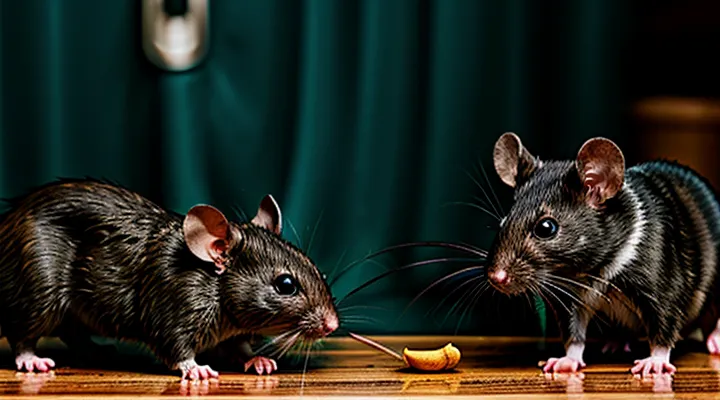
Understanding the Risks of Rodenticides
Types of Rodenticides and Their Dangers
Anticoagulants and Their Mechanism
Anticoagulant rodenticides interfere with the vitamin K cycle, preventing the synthesis of clotting factors II, VII, IX and X. The resulting deficiency causes internal hemorrhage, which kills rodents after a latency of 24–72 hours. This delayed effect reduces bait avoidance, allowing efficient consumption of a single dose.
First‑generation compounds (e.g., warfarin, chlorophacinone) require multiple feedings to achieve lethal levels. Second‑generation agents (e.g., bromadiolone, difenacoum, brodifacoum) are more potent; a single bite can deliver a fatal dose. Their high lipid solubility leads to accumulation in liver tissue, extending the risk of secondary poisoning to predators and domestic animals that ingest carcasses or contaminated feces.
Key considerations for minimizing pet exposure:
- Use tamper‑resistant bait stations that restrict access to non‑target species.
- Position stations along walls, away from feeding areas, water bowls and pet pathways.
- Select rodenticides with the lowest effective potency for the infestation level; avoid second‑generation products unless absolutely necessary.
- Employ bait formulations with bittering agents or low‑odor attractants that deter curious pets.
- Monitor for dead rodents; promptly remove carcasses to prevent scavenger ingestion.
- Keep pet food and water supplies sealed; store rodenticide containers out of reach.
Understanding the pharmacokinetics of anticoagulants clarifies why secondary toxicity occurs. Liver residues persist for weeks, so a pet that consumes a partially eaten bait or a dead mouse may develop subclinical bleeding before overt signs appear. Regular veterinary checks for unexplained bruising, lethargy or blood in urine can catch early exposure.
By aligning bait choice, placement strategy, and vigilant housekeeping, effective rodent control can proceed while safeguarding companion animals from accidental poisoning.
Non-Anticoagulant Poisons: Cholecalciferol, Bromethalin, Zinc Phosphide
Choosing rodent control agents that exclude anticoagulants reduces the likelihood of accidental exposure to dogs and cats. Three non‑anticoagulant options—cholecalciferol, bromethalin, and zinc phosphide—offer distinct mechanisms and safety profiles.
Cholecalciferol (vitamin D₃) induces lethal hypercalcemia in rodents. Effective bait concentrations range from 0.075 % to 0.5 % by weight. Toxicity to pets appears at doses roughly ten times higher than the lethal rodent dose; however, ingestion of multiple pellets can produce severe renal failure. Use bait stations that restrict access, label containers clearly, and store away from pet feeding areas.
Bromethalin disrupts neuronal mitochondrial function, leading to paralysis and death. Recommended inclusion levels are 0.025 %–0.05 % for rats and 0.04 %–0.10 % for mice. Mammalian toxicity is low at single‑dose exposure, but repeated ingestion may cause neurological signs. Deploy tamper‑resistant bait blocks and monitor for any signs of accidental consumption.
Zinc phosphide releases phosphine gas when it reacts with stomach acid. Formulations typically contain 5 %–10 % active ingredient. Rodent LD₅₀ is low, while mammalian LD₅₀ is considerably higher; nevertheless, phosphine gas poses inhalation risk to humans and pets if bait is disturbed. Place sealed bait trays outdoors, away from pet shelters, and avoid using in enclosed spaces.
Key considerations for selecting among these poisons:
- Pet toxicity threshold: cholecalciferol > bromethalin > zinc phosphide (relative safety).
- Risk of secondary poisoning: minimal for all three, provided bait is not left accessible.
- Regulatory status: all approved for residential use in most jurisdictions, but local restrictions may apply.
- Environmental impact: zinc phosphide generates phosphine gas; cholecalciferol and bromethalin remain inert in soil.
By matching the active ingredient to the specific infestation level, target species, and household pet dynamics, effective rodent control can be achieved without compromising companion‑animal safety.
Secondary Poisoning Risk to Pets
When a rodent bait is consumed, the toxin can persist in the animal’s tissues for hours or days. A pet that eats a dead mouse, a partially eaten bait, or a contaminated surface may ingest a secondary dose, which can produce the same clinical signs as direct exposure.
Key factors that increase secondary risk:
- Bait type – anticoagulants and neurotoxins have long elimination times; some formulations are designed for rapid metabolism, reducing residual toxicity.
- Dosage per kill – higher concentrations per carcass raise the amount of toxin available to a scavenger.
- Pet behavior – dogs that hunt or chew on carcasses, cats that investigate dead rodents, and indoor pets that access kitchen counters are most vulnerable.
- Environmental placement – baits left in accessible areas such as under appliances, near food bowls, or in garden beds provide easy access for pets.
Mitigation strategies:
- Choose products labeled “low secondary toxicity” or “pet‑safe” and verify that the active ingredient has a short half‑life in mammalian tissue.
- Deploy bait stations that lock the poison inside, allowing only target rodents to enter.
- Position stations away from pet pathways, feeding areas, and places where pets may crawl or sniff.
- Remove dead rodents promptly; dispose of them in sealed containers to prevent scavenging.
- Monitor pets for signs of poisoning—lethargy, bleeding, tremors—and keep emergency veterinary contact information readily available.
By evaluating toxin persistence, controlling access, and maintaining vigilance, owners can minimize the chance that a companion animal suffers secondary exposure while addressing a rodent problem.
Signs of Rodenticide Poisoning in Pets
Common Symptoms of Anticoagulant Poisoning
Anticoagulant rodenticides interfere with blood clotting, producing a predictable set of clinical signs. Recognizing these manifestations early helps differentiate accidental exposure in household pets from targeted rodent control.
- Weakness and lethargy – gradual loss of energy, reluctance to move.
- Visible bleeding – nosebleeds, gum hemorrhage, blood in urine or feces.
- Bruising – dark discolorations under the skin, especially on the flanks and limbs.
- Pale mucous membranes – reduced blood flow evident in gums and eyelids.
- Rapid breathing – increased respiratory rate as the body attempts to compensate for blood loss.
- Vomiting or diarrhea – occasional gastrointestinal upset, occasionally containing blood.
- Unexplained collapse – sudden loss of consciousness in severe cases.
These symptoms develop within 24–72 hours after ingestion, depending on the specific anticoagulant and dose. The progression is dose‑dependent; lower exposures may present only with subtle weakness, while higher doses lead to overt hemorrhage. Prompt veterinary evaluation is essential when any of these signs appear, especially in environments where rodent control products are used.
Symptoms of Non-Anticoagulant Poisoning
Non‑anticoagulant rodenticides, such as bromethalin, zinc phosphide, and cholecalciferol, cause toxicity through mechanisms unrelated to blood clotting. Exposure in rats or mice produces distinct clinical signs that differ from anticoagulant poisoning.
Common manifestations include:
- Progressive weakness and loss of coordination, often beginning with hind‑limb tremors.
- Rapid onset of convulsions or seizures, sometimes preceded by facial twitching.
- Excessive salivation, foaming at the mouth, and difficulty swallowing.
- Respiratory distress marked by shallow breathing or gasping.
- Gastrointestinal irritation leading to vomiting, diarrhea, or bloody stools.
- Sudden collapse or coma without prior bleeding symptoms.
These signs may appear within minutes to several hours after ingestion, depending on the specific agent and dose. Early detection relies on observing the listed behaviors and correlating them with known rodenticide use in the environment. Prompt veterinary intervention is essential to mitigate secondary risks to household pets.
What to Do if You Suspect Poisoning
If a pet shows signs of possible rodenticide exposure, act immediately. First, remove the animal from any area where bait is present. Keep the pet confined to prevent further ingestion or contact with contaminated surfaces.
Observe and record symptoms such as lethargy, trembling, bleeding from the nose or gums, difficulty breathing, or seizures. Note the time of onset and any known contact with bait or contaminated objects.
Contact a veterinarian without delay. Provide the veterinarian with the product name, active ingredient, concentration, and amount possibly ingested. If the product label is unavailable, locate the packaging or a photograph of the bait for accurate identification.
Call the regional poison control center for rodents. Supply the same detailed information and follow their guidance on emergency treatment, which may include inducing vomiting, administering activated charcoal, or delivering specific antidotes.
While awaiting professional assistance, keep the pet calm and warm. Do not attempt home remedies or induce vomiting unless instructed by a qualified professional. After treatment, monitor the animal closely for changes in condition and report any deterioration to the veterinarian promptly.
Prevent future incidents by storing rodent control products in sealed containers, placing bait stations out of reach of pets, and regularly inspecting the environment for stray bait or contaminated debris.
Safe Rodent Control Strategies for Pet Owners
Non-Toxic Alternatives to Poison
Traps: Snap, Electronic, and Live-Catch
Effective rodent control demands methods that limit exposure to household animals. Mechanical traps provide a direct alternative to toxic baits and can be deployed without compromising pet safety when installed correctly.
Snap traps rely on a spring‑loaded bar that delivers an instantaneous kill. They function best when positioned along walls, behind appliances, or within concealed pathways. Use non‑attractive bait such as peanut butter placed on a small platform away from the trigger to prevent accidental activation by cats or dogs. Secure the trap with a protective cover or place it inside a rigid box that includes a narrow entrance for rodents only.
Electronic traps emit a high‑voltage shock that kills the target within seconds. The sealed chamber eliminates contact with the lethal mechanism, reducing the chance of pet interference. Models equipped with indicator lights or audible alerts allow immediate removal of the carcass. Position devices in low‑traffic areas and keep the power source out of reach of curious animals.
Live‑catch traps capture rodents unharmed behind a spring‑loaded door or a funnel system. They enable release or humane euthanasia after capture. To protect pets, choose traps with a solid base and a narrow entry hole that excludes larger animals. Check traps multiple times per day; prolonged confinement increases stress for the rodent and raises the risk of a pet disturbing the device.
Key considerations
- Effectiveness: Snap and electronic traps provide rapid kill; live‑catch traps require regular monitoring.
- Pet risk: All three types can be made pet‑proof with barriers, proper placement, and covers.
- Maintenance: Snap traps need periodic bait replacement; electronic units require battery or outlet access; live‑catch traps demand frequent emptying and cleaning.
Exclusion Techniques: Sealing Entry Points
Sealing cracks, gaps, and openings eliminates the primary pathways that rodents use to enter a building, reducing reliance on toxic baits and protecting household animals from accidental exposure.
Begin by inspecting the exterior for potential entry points. Focus on areas where utilities, pipes, and cables penetrate walls, as well as around doors, windows, and foundation seams. Use a flashlight and a mirror to view hidden spaces, and feel for drafts that indicate gaps.
Select durable, rodent‑proof materials. Steel wool, copper mesh, or silicone caulk can fill small holes. For larger openings, install hardware cloth (½‑inch mesh) or metal flashing, securing them with screws or construction adhesive. Expandable foam sealant should be avoided in pet‑accessible zones because it can be chewed and ingested.
Implement the following steps:
- Identify all gaps larger than ¼ inch.
- Clean the area to remove debris and nesting material.
- Apply appropriate filler (steel wool, mesh, caulk) to each gap.
- Secure with nails, screws, or adhesive as required.
- Inspect after installation to confirm a tight seal.
- Monitor regularly, especially after seasonal changes, and repair any new openings promptly.
By maintaining a sealed envelope around the structure, the need for rodent poisons diminishes, lowering the risk of pet contact with hazardous substances. Continuous vigilance and timely repairs sustain an environment where rodents cannot gain entry, ensuring both effective pest control and animal safety.
Natural Repellents and Their Efficacy
Natural repellents offer a non‑chemical alternative for managing rodent incursions while minimizing danger to companion animals. Their effectiveness varies with concentration, application method, and the target species.
-
Peppermint oil – Volatile compounds deter rats and mice by overwhelming their olfactory receptors. Studies show a 30‑45 % reduction in activity when cotton balls saturated with 10 % oil are placed near entry points. Cats and dogs tolerate low‑level exposure; ingestion of large quantities may cause gastrointestinal upset.
-
Garlic and onion extracts – Sulfur‑based volatiles create an unpleasant environment for rodents. Field trials report a 20‑35 % decline in foraging when 5 % aqueous solutions are sprayed on perimeter surfaces. Pets typically exhibit no adverse reaction, but direct consumption can irritate mucous membranes.
-
Cayenne or hot‑pepper powder – Capsaicin irritates rodent nasal passages and paws. Application of a thin layer (≈1 g m⁻²) along baseboards yields a 25 % drop in sightings over two weeks. Pets may experience mild skin irritation if contact occurs; rinsing with water mitigates effects.
-
Predator urine (fox, coyote) – Mimics the scent of natural enemies, prompting avoidance behavior. Commercial products containing 5 % urine concentrate reduce trap captures by 40 % in controlled settings. Pets generally ignore these scents, though prolonged exposure can cause temporary curiosity.
-
Ultrasonic devices – Emit frequencies above 20 kHz that rodents find distressing. Laboratory data indicate a 15‑25 % decrease in activity within a 3‑meter radius. Dogs and cats may perceive lower frequencies; placement away from pet sleeping areas prevents unwanted stress.
Efficacy depends on consistent reapplication, sealing of entry points, and integration with sanitation measures. Natural options rarely achieve complete eradication but can suppress populations sufficiently to reduce reliance on toxic baits, thereby protecting household pets from accidental poisoning.
Choosing Pet-Safe Rodenticides (Last Resort)
Bait Stations: Secure and Tamper-Resistant
Bait stations provide a controlled environment for rodent poisons, reducing accidental exposure for non‑target animals. Their design encloses the toxic bait, allowing only rodents to enter through small entry holes that block larger species such as cats, dogs, and wildlife.
Key characteristics of a secure, tamper‑resistant station include:
- Hardened outer shell that resists crushing and chewing.
- Locking mechanism that requires a tool or key for opening.
- Interior chambers sized for rodent access but too narrow for pets.
- Weather‑proof seals preventing moisture infiltration and bait degradation.
- Clear labeling indicating poison type and concentration.
When selecting a station, verify compliance with local regulations, ensure the material is UV‑stabilized for outdoor use, and confirm that the locking system is tested for durability. Preference should be given to models with interchangeable bait trays, facilitating quick replacement without exposing the poison.
Placement guidelines:
- Position stations along wall edges, behind appliances, or near known rodent pathways.
- Install at ground level or slightly elevated to match rodent travel routes.
- Maintain a distance of at least 3 feet from pet feeding areas, water bowls, and high‑traffic zones.
- Secure the unit to a fixed surface using bolts or brackets to prevent removal by curious animals.
Regular inspection is essential. Check for signs of tampering, replace depleted bait promptly, and clean interior surfaces to avoid residue buildup that could deter rodents. Documentation of inspection dates and bait changes supports consistent safety management.
Limited-Access Formulations
Limited‑access rodent baits are engineered to dispense only a fraction of the toxic dose per bite. The reduced quantity prevents a pet that inadvertently consumes the bait from receiving a lethal amount, while still delivering enough poison to control rats and mice when multiple exposures occur.
Key attributes of limited‑access formulations include:
- Small, tightly sealed pellets that require a gnawing action to release the active ingredient.
- Dose‑controlled release mechanisms that limit the amount of toxin available in each unit.
- Bitter‑tasting or odor‑masked coatings that discourage consumption by non‑target species.
- Placement recommendations that involve securing bait stations out of reach of cats, dogs, and wildlife.
When selecting a product, verify that the manufacturer provides a certified limited‑access label and that the packaging includes tamper‑resistant features. Choose baits with active ingredients approved for restricted use, such as anticoagulants with a low secondary toxicity profile. Ensure the product’s safety data sheet specifies a maximum secondary exposure level that is below the toxic threshold for common household pets.
Implementing limited‑access baits alongside proper placement—such as mounting stations on walls at least 12 inches above ground and away from feeding areas—creates a controlled environment. This strategy minimizes the probability of accidental ingestion while maintaining effective rodent control.
Understanding Active Ingredients and Antidotes (if applicable)
Choosing a rodenticide that minimizes danger to dogs and cats requires knowledge of the toxic component and any available countermeasure.
The most common active chemicals fall into several groups:
- First‑generation anticoagulants (warfarin, diphacinone). Inhibit vitamin K recycling, causing delayed internal bleeding. Pets that ingest even a small dose may develop hemorrhage; treatment with vitamin K1 restores clotting factors.
- Second‑generation anticoagulants (bromadiolone, brodifacoum). Possess higher potency and longer half‑life, leading to severe, prolonged coagulopathy. Vitamin K1 therapy is essential, often for weeks.
- Bromethalin. Disrupts mitochondrial oxidative phosphorylation, producing cerebral edema and seizures. No specific antidote; intravenous lipid emulsion therapy can sequester the toxin and reduce neurological damage.
- Cholecalciferol (vitamin D3). Causes hypercalcemia, renal failure, and cardiac arrhythmias. Calcium‑binding agents such as intravenous calcium gluconate help lower serum calcium; aggressive fluid therapy supports renal function.
- Zinc phosphide. Releases phosphine gas in the stomach, leading to rapid respiratory failure. No antidote exists; immediate decontamination and supportive ventilation are the only options.
Understanding each ingredient’s mode of action clarifies the risk profile for non‑target animals. When a poison contains a reversible agent, such as an anticoagulant, ensure that vitamin K1 is readily accessible. For toxins lacking a true antidote, prioritize formulations that are less attractive to pets, employ bait stations that restrict access, and consider non‑chemical control methods to further reduce exposure.
Proper Placement and Monitoring
Strategic Placement Away From Pets
Strategic placement of rodent bait is critical to protect companion animals while eliminating pests. Position traps or bait stations in areas inaccessible to cats, dogs, and other household pets. Use the following guidelines to minimize accidental exposure:
- Install bait stations behind appliances, under cabinets, or within wall voids where pets cannot reach.
- Choose locations with high rodent activity, such as near droppings, gnaw marks, or along walls, but keep a minimum distance of 3 feet from pet sleeping or feeding zones.
- Secure stations with lock‑able covers that require a two‑handed operation, reducing the chance of a curious animal opening them.
- Elevate bait platforms on shelves or brackets at least 2 feet above the floor, ensuring only rodents can climb.
- Seal gaps around the station with steel wool or silicone caulk to prevent pet intrusion while allowing rodent entry.
Regularly inspect each station for signs of tampering or pet interaction. Replace damaged units immediately and relocate any that show evidence of pet curiosity. By adhering to these placement strategies, effective rodent control can be achieved without compromising the safety of household pets.
Regular Inspection and Removal of Carcasses
Regular inspection of areas where rodents may die eliminates sources of secondary toxicity for household animals. When a poisoned rat or mouse is left unattended, its carcass can be scavenged by cats, dogs, or wildlife, transferring the toxic agent and creating unintended exposure. Prompt removal also reduces the scent that attracts other pests, limiting the need for additional rodenticides.
Key actions for effective carcass management include:
- Conduct visual checks weekly in kitchens, storage rooms, basements, and outdoor sheds.
- Identify any dead rodents, noting the type of bait used and the time elapsed since death.
- Wear disposable gloves and use sealed bags to contain each carcass.
- Dispose of the sealed bags according to local hazardous waste regulations or incinerate when permitted.
- Record each incident in a log to track bait effectiveness and adjust control measures accordingly.
By maintaining a disciplined schedule for detecting and eliminating dead rodents, owners minimize the risk that pet animals will ingest residual poison. This practice complements careful selection of rodent control products, ensuring that the overall pest‑management strategy remains safe for non‑target species.
Storage of Rodenticides
Secure storage of rodenticides is essential to prevent accidental exposure of pets, children, and non‑target wildlife. Place products in a locked cabinet or a dedicated safety box made of metal or heavy‑duty plastic. The storage area should be dry, well‑ventilated, and maintain a stable temperature, typically between 15 °C and 30 °C, to preserve chemical stability.
All containers must retain the original manufacturer’s label, including active ingredient, concentration, hazard symbols, and expiration date. If a product is transferred to a secondary container, the new vessel must be clearly marked with the same information. Keep the inventory list up‑to‑date and conduct regular inspections for signs of damage, leakage, or degradation.
Key practices for safe rodenticide storage:
- Store away from food, feeds, and pet supplies; use separate shelves or rooms.
- Ensure the storage location is inaccessible to animals and unauthorized persons.
- Use tamper‑proof, child‑resistant lids; replace seals if they become compromised.
- Record the date of receipt and monitor expiration; discard out‑of‑date items according to local hazardous‑waste regulations.
- Maintain a spill‑control kit nearby, including absorbent material, protective gloves, and disposal bags.
When relocating products, transport them in sealed, labeled containers and avoid exposure to direct sunlight or extreme temperatures. Documentation of each movement supports traceability and compliance with regulatory requirements. By adhering to these protocols, the risk of unintended poisoning of companion animals is minimized while preserving the effectiveness of the rodent control agents.