
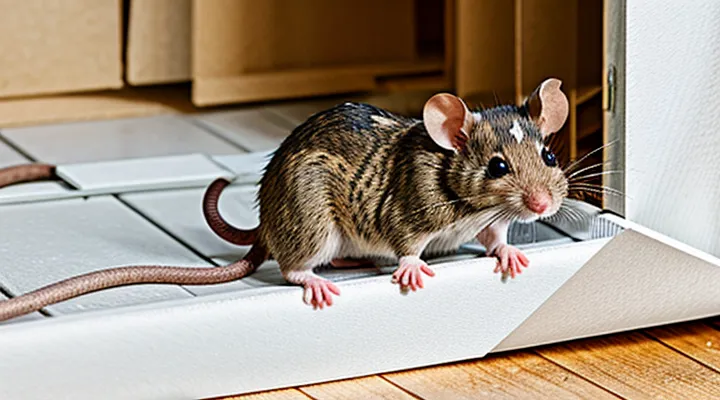
The Problem of Rodent Damage to Insulation
Why Rodents Gnaw on Insulation
«Nesting and Shelter»
Rodents seek warm, concealed spaces to build nests and find shelter. Insulation that can withstand gnawing must address these preferences directly.
- Material hardness: dense foams, closed‑cell polyisocyanurate, and mineral wool resist bite forces better than soft cellulose or fiberglass batts.
- Moisture resistance: dry environments deter nesting; choose products with low water absorption and vapor barriers to prevent condensation that attracts rodents.
- Chemical deterrents: some insulation incorporates rodent‑repellent additives such as bittering agents or natural oils, reducing the likelihood of chewing.
- Seam integrity: tightly sealed joints and overlapping layers eliminate gaps where rodents can enter or create nests.
Installation practices reinforce material resistance. Seal all openings around pipes, ducts, and wiring before placing insulation. Use metal or rigid plastic flashing at junctions rather than flexible tape that rodents can easily gnaw through. Apply a continuous barrier of rodent‑proof mesh or metal sheathing over insulation in high‑risk areas such as attics, crawl spaces, and wall cavities.
When evaluating products, prioritize specifications that list bite‑resistance ratings, moisture control values, and integrated deterrent technologies. Compare laboratory test results that simulate rodent gnawing to ensure the chosen insulation meets the required performance standards.
«Food Sources and Storage»
Rodents are drawn to insulation sites primarily when food residues or accessible supplies are present. Eliminating attractants reduces the likelihood of gnawing and prolongs the service life of protective barriers.
Common attractants include:
- Grains, cereals, and dried legumes left in open containers.
- Pet food bowls that are not cleaned regularly.
- Waste from kitchens, including crumbs, fruit peels, and sugary residues.
- Compost piles or organic mulch placed near structures.
Effective storage practices diminish these risks:
- Use airtight, metal or heavy‑wall plastic containers with secure lids.
- Position food storage away from walls and ventilation openings.
- Implement routine cleaning of feeding areas and prompt disposal of waste.
- Seal garbage bins with tamper‑proof locks and keep them on raised platforms.
When selecting insulation that resists gnawing, prioritize materials that are unpalatable and difficult to penetrate, such as:
- Closed‑cell foam with high density and bittering agents.
- Fiberglass encased in metal or rigid board sheathing.
- Polyurethane panels reinforced with rodent‑deterrent additives.
Integrating strict food‑source control with the choice of robust, taste‑averse insulation creates a dual barrier. The reduced presence of edible material lessens rodent activity, allowing the selected material to perform its thermal function without premature damage.
«Exploring and Sharpening Teeth»
Rodents continually gnaw to keep their incisors sharp and to explore confined spaces. This instinctive activity targets soft, fibrous, or easily penetrated materials, creating pathways for heat loss and structural compromise. Insulation that withstands such behavior must combine mechanical hardness with chemical deterrence.
Key characteristics of chew‑resistant insulation include:
- High tensile strength that exceeds typical rodent bite force.
- Composition of mineral‑based fibers (e.g., glass, rock wool) or rigid foams reinforced with silica or ceramic particles.
- Inclusion of bittering agents or rodent‑repellent additives that discourage chewing without compromising thermal performance.
- Low porosity to limit easy entry and reduce nesting opportunities.
Selection criteria focus on measurable specifications rather than marketing claims:
- Bite‑resistance rating expressed in Newtons or equivalent test values.
- Density per cubic foot, indicating material compactness.
- Certification from recognized testing bodies confirming rodent‑damage resistance.
- Compatibility with fire‑safety standards and moisture barriers.
Proper installation minimizes exposure of insulation edges and joints, which attract gnawing. Seal seams with metal or rigid plastic plates, apply rodent‑proof mesh over vulnerable sections, and ensure no gaps remain around penetrations. These practices, combined with materials engineered for hardness and deterrence, reduce the likelihood that exploratory chewing will degrade thermal protection.
Consequences of Rodent Infestation
«Reduced Thermal Efficiency»
Reduced thermal efficiency describes a decline in an insulation system’s ability to retain heat, measured by an increase in the overall heat‑transfer coefficient (U‑value). When selecting materials that resist gnawing by rodents, this decline can become a decisive factor in the overall performance of a building envelope.
Rodent‑proof insulation often relies on dense foams, metal‑coated barriers, or thick mineral wool. These options may introduce thermal penalties through:
- Lower intrinsic conductivity compared with standard fiberglass or cellulose.
- Necessity for additional layers to achieve structural integrity, creating thermal bridges at seams.
- Installation practices that leave gaps or compress material, both of which raise heat loss.
- Use of protective coatings that add a non‑insulating surface layer.
Mitigating reduced thermal efficiency while preserving rodent resistance involves:
- Selecting high‑performance foams with low conductivity ratings (e.g., closed‑cell polyurea) that also incorporate rodent‑deterrent additives.
- Ensuring continuous coverage by overlapping seams and sealing joints with compatible, low‑conductivity tapes or sealants.
- Applying reflective foil or radiant‑barrier layers on the exterior of the rodent‑proof membrane to offset added thickness.
- Conducting thermal imaging after installation to identify and correct localized heat‑loss spots before the building is occupied.
Balancing the need for pest resistance with thermal performance requires careful material specification, precise installation, and post‑install verification. Failure to address reduced thermal efficiency can increase heating demand, elevate energy costs, and compromise comfort, even when the chosen insulation successfully deters gnawing damage.
«Damage to Electrical Wiring»
Rodents frequently gnaw on exposed conductors, causing insulation breaches that expose live wires, create short circuits, and increase fire risk. The damage often appears as clean, circular cuts or ragged nibbles that compromise the protective barrier while leaving the underlying metal vulnerable.
Chewed sections typically occur near entry points such as wall cavities, conduit openings, and utility penetrations. Damage may be intermittent, with rodents returning to the same location if a preferred pathway remains accessible. Once the insulation is pierced, moisture ingress and corrosion accelerate, further degrading the system.
Materials that resist gnawing possess a combination of hardness, low palatability, and structural integrity. Polyethylene‑filled PVC, high‑density polyethylene (HDPE), and fluoropolymer blends present a texture that rodents find difficult to bite. Reinforced composites with a mineral filler layer add rigidity, reducing the likelihood of successful chewing.
When selecting protective insulation, consider the following factors:
- Hardness rating – choose a material with a Shore D hardness above 70.
- Rodent‑deterrent additives – formulations containing bitter agents or capsaicin reduce chewing motivation.
- Thermal stability – ensure the insulation can tolerate the circuit’s maximum operating temperature without softening.
- Mechanical strength – tensile strength of at least 30 MPa provides resistance to repeated nibbling.
- Installation integrity – seal all conduit ends, use rodent‑proof grommets, and apply steel mesh sleeves in high‑risk zones.
Regular inspection of wiring bundles, especially in attic spaces and crawl‑spaces, helps identify early gnaw marks. Replace compromised sections promptly with the specified resistant material, and maintain a sealed environment to limit rodent access. Consistent application of these measures minimizes wiring failures and preserves electrical safety.
«Health Risks and Contamination»
Rodent‑proof insulation must address health hazards that arise when mice or rats breach barrier materials. Direct contact with contaminated insulation can introduce pathogens, allergens, and toxic substances into living spaces, increasing the risk of respiratory illnesses, skin irritations, and gastrointestinal infections.
Key contamination routes include:
- Saliva and urine deposited during gnawing, which carry bacteria such as Salmonella and Leptospira.
- Fecal matter that fosters mold growth on damp insulation fibers.
- Release of embedded chemicals (e.g., flame‑retardant additives) when material is shredded by rodents.
- Transfer of external contaminants from rodent nests into the building envelope.
Selecting materials that limit these pathways requires attention to specific properties:
- Non‑porous surfaces that prevent absorption of bodily fluids.
- Resistance to moisture accumulation to inhibit fungal proliferation.
- Absence of volatile organic compounds that could off‑gas when damaged.
- Compatibility with sealants that block entry points without degrading.
Practical recommendations:
- Use metal or rigid PVC panels that rodents cannot chew through; these substrates do not retain fluids and are inert.
- Opt for closed‑cell foam insulation with a protective foil barrier; the foil acts as a moisture shield and reduces chemical release.
- Apply rodent‑deterrent mesh or hardware cloth over any fibrous insulation to create a secondary defense.
- Verify that all installed products meet health‑safety certifications (e.g., UL, EPA) indicating low toxicity and mold resistance.
Implementing these measures protects occupants from disease transmission and chemical exposure while preserving the structural integrity of the insulation system.
«Structural Damage»
Rodent gnawing can breach insulation layers, creating openings that allow moisture, air infiltration, and loss of thermal performance. Repeated bites weaken the material’s structural integrity, leading to cracks, deformation, and eventual failure of surrounding framing. When insulation collapses, loads shift to adjacent elements, accelerating deterioration of walls, ceilings, and roof assemblies.
Selecting a barrier that resists chewing minimizes these risks. Evaluate products based on:
- Material composition: mineral wool, rigid foam with added rodent‑deterrent additives, or metal‑clad panels provide higher resistance than cellulose or fiberglass alone.
- Tensile strength: higher values indicate greater ability to withstand bite forces without tearing.
- Density: compact structures reduce the ease of penetration and limit the space available for gnawing.
- Compatibility with building codes: ensure fire rating, vapor permeability, and thermal resistance meet regulatory standards.
Installation practices further protect structural elements. Seal all seams, joints, and penetrations with rodent‑proof tape or caulk. Install metal or hard‑plastic edge protectors around vulnerable corners. Conduct regular inspections to detect early signs of bite marks, displacement, or material compression, allowing prompt remediation before damage propagates to load‑bearing components.
Understanding Rodent-Resistant Insulation Materials
Types of Insulation Materials
«Mineral Wool and Rock Wool»
Mineral wool and rock wool consist of spun or bonded fibers made from natural stone or basalt, offering high compressive strength and low thermal conductivity. Their dense, abrasive texture makes them difficult for rodents to bite through, and the inorganic composition provides no nutritional value, discouraging gnawing behavior.
Key properties influencing rodent resistance include:
- Density: Materials above 30 kg/m³ resist penetration; higher density increases durability.
- Hardness: Fiber rigidity creates a physical barrier that rodents cannot easily chew.
- Moisture resistance: Low water absorption prevents softening, which would otherwise facilitate damage.
- Fire performance: Both types meet stringent fire‑rating standards, adding safety in addition to pest protection.
When comparing the two options:
- Mineral wool: Lighter weight, easier to cut, suitable for interior walls and ceilings; may require additional moisture barriers in damp environments.
- Rock wool: Higher density, superior compressive strength, preferred for exterior applications and areas with heavy foot traffic; installation can be more labor‑intensive due to weight.
Installation guidelines for rodent‑proofing:
- Fit insulation tightly against framing members, eliminating gaps larger than 5 mm.
- Seal seams with breathable, rodent‑impermeable tape or spray‑applied adhesive.
- Cover exposed edges with metal or rigid board sheathing to prevent direct access.
- Use mesh or metal lath over the insulation in high‑risk zones, such as attics and crawl spaces.
Regular inspection identifies potential breaches; replace damaged sections promptly to maintain an uninterrupted barrier. Properly installed mineral or rock wool provides a durable, non‑edible shield that significantly reduces the likelihood of mouse or rat damage.
«Fiberglass Insulation»
Fiberglass insulation is composed of fine glass fibers bonded with a resin matrix, creating a material that rodents find difficult to gnaw. The glass fibers cause irritation to teeth and gums, discouraging chewing, while the resin coating adds a protective barrier that resists penetration.
Key attributes that make fiberglass suitable for rodent‑proof applications include:
- Physical deterrence: Sharp glass strands create an uncomfortable chewing surface.
- Chemical resistance: Resin binders are not attractive to rodents and do not degrade easily.
- Thermal performance: High R‑values maintain energy efficiency without compromising structural integrity.
- Moisture control: Properly installed batts include vapor barriers that limit moisture, reducing the likelihood of infestation.
When evaluating fiberglass products for rodent resistance, consider the following criteria:
- Fiber density: Higher density batts present a tougher chewing surface.
- Coating type: Look for products with a durable, non‑toxic resin or foil facing.
- Installation method: Ensure tight seams, sealed joints, and minimal gaps to prevent entry points.
- Compatibility with pest‑control measures: Choose insulation that can be combined with physical barriers such as steel mesh or sealed conduit.
Installation best practices enhance the inherent deterrent properties:
- Fit batts snugly between studs, avoiding compression that creates voids.
- Seal all seams with approved tape or sealant.
- Install metal or heavy‑gauge wire mesh around vulnerable openings (e.g., vent pipes, conduit penetrations).
- Verify that any exposed edges are covered with a protective foil or vapor barrier.
Comparatively, alternative insulation types—such as cellulose or foam—may offer superior thermal performance but lack the abrasive texture that deters gnawing. Fiberglass remains the most reliable choice when the primary objective is to minimize damage from mice and rats while preserving energy efficiency.
«Cellulose Insulation»
Cellulose insulation, composed primarily of recycled paper treated with fire‑retardant chemicals, can be a viable option for projects that require resistance to rodent chewing. Its dense, fibrous structure makes it less attractive to mice and rats compared to softer, loosely packed materials.
Key attributes that influence rodent resistance:
- Density: Higher bulk density (typically 3.0–3.5 lb/ft³) reduces the space available for gnawing and nesting.
- Chemical additives: Borate‑based preservatives deter insects and also discourage rodents by imparting an unpleasant taste.
- Installation method: Dense‑pack blowing fills cavities completely, eliminating voids that rodents could exploit.
- Moisture control: Low moisture content (<10 %) prevents mold growth, which can attract rodents seeking shelter.
When evaluating cellulose for a rodent‑resistant application, consider the following steps:
- Verify that the product includes a borate or similar rodent‑deterrent additive; confirm the concentration on the technical data sheet.
- Request laboratory test results that demonstrate resistance to gnawing under standardized conditions.
- Ensure the installer follows dense‑pack specifications, aiming for the recommended pressure and fill rate.
- Inspect the surrounding structure for gaps, cracks, or penetrations that could provide entry points; seal them before installation.
- Plan for periodic visual inspections after installation to detect any signs of rodent activity early.
Although cellulose is not entirely immune to chewing, its combination of density, chemical treatment, and proper installation creates a barrier that significantly lowers the likelihood of damage from mice and rats. Selecting a product that meets the above criteria and adhering to best‑practice installation procedures maximizes the protective performance of cellulose insulation in rodent‑prone environments.
«Rigid Foam Boards (XPS, EPS, Polyiso)»
Rigid foam boards provide a solid barrier against rodent chewing when selected with appropriate properties. XPS (extruded polystyrene), EPS (expanded polystyrene), and polyisocyanurate (polyiso) differ in density, moisture resistance, and mechanical strength, influencing their suitability for rodent‑proof applications.
High‑density XPS offers compressive strengths of 20–30 psi, closed‑cell structure, and low water absorption. These characteristics limit the ability of mice and rats to gnaw through the material and reduce the risk of moisture‑related degradation. XPS panels often include foil or plastic facings that further discourage chewing.
EPS presents a lower density, typically 1–2 lb/ft³, with higher water absorption. While cost‑effective, the open‑cell matrix can be more easily penetrated by rodents. Adding a protective coating, such as a vapor barrier or metal foil, improves resistance but does not match the inherent durability of XPS.
Polyiso boards combine high R‑value per inch with a rigid cellular core. The material’s surface is usually faced with foil or fiberglass, creating a hard, smooth exterior that resists gnawing. Polyiso’s compressive strength ranges from 15 to 30 psi, comparable to XPS, while its moisture resistance is lower; a separate water‑resistive barrier is recommended in damp environments.
Key factors for selecting a rodent‑resistant rigid foam board:
- Density and compressive strength – higher values reduce the likelihood of successful chewing.
- Cell structure – closed‑cell foams (XPS, polyiso) provide a tighter barrier than open‑cell EPS.
- Surface treatment – foil, plastic, or fiberglass facings add a hard layer that deters gnawing.
- Moisture management – ensure a vapor barrier or additional waterproofing when using materials with higher water absorption.
- Installation method – seal joints with appropriate tape or spray foam to eliminate entry points.
Cost considerations place EPS as the most economical option, while XPS and polyiso command higher prices due to superior strength and moisture performance. For environments where rodents pose a persistent threat, prioritize high‑density XPS or polyiso with protective facings and fully sealed seams.
«Spray Foam Insulation (Open-Cell, Closed-Cell)»
Spray foam insulation offers a practical solution when rodent damage is a concern. Two formulations dominate the market: open‑cell and closed‑cell foam. Both expand on application, but their resistance to gnawing differs markedly.
Open‑cell foam consists of a low‑density matrix of interconnected cells. Its softness allows it to conform to irregular cavities, yet the material can be penetrated by persistent rodents. Closed‑cell foam forms a rigid, high‑density structure in which each cell is sealed. The resulting hardness and thickness create a barrier that rodents find difficult to chew through.
- Density: open‑cell ≈ 0.5 lb/ft³; closed‑cell ≈ 2 lb/ft³.
- Compressive strength: open‑cell ≈ 20 psi; closed‑cell ≈ 150 psi.
- Moisture resistance: open‑cell absorbs water; closed‑cell acts as a vapor barrier.
- Rodent resistance: open‑cell provides minimal deterrence; closed‑cell offers substantial deterrence.
- Cost: open‑cell is typically 30‑40 % cheaper than closed‑cell.
- Typical use: open‑cell for interior wall cavities; closed‑cell for exterior walls, roofs, and areas prone to moisture.
Selection should consider the following criteria:
- Rodent pressure: high‑traffic areas with known infestations favor closed‑cell foam.
- Location: exterior walls and roof decks benefit from closed‑cell’s moisture barrier; interior partitions may accept open‑cell if rodent activity is low.
- Budget constraints: open‑cell reduces material costs but may require supplemental protection.
- Installation depth: thicker layers of closed‑cell increase resistance; a minimum of 2 inches is advisable for effective deterrence.
Practical measures enhance durability:
- Apply a minimum of 2 inches of closed‑cell foam in zones exposed to rodents.
- Install metal mesh or wire screen over foam in vulnerable sections before finishing.
- Seal all seams and penetrations with compatible sealant to eliminate entry points.
- Combine foam with rigid insulation (e.g., rigid board) where additional hardness is required.
By matching the foam type to environmental demands and reinforcing vulnerable areas, the insulation system can withstand gnawing activity while maintaining thermal performance.
Factors Contributing to Rodent Resistance
«Material Density and Hardness»
Material density directly influences a rodent’s ability to gnaw through insulation. High‑density substances present greater mass per unit volume, requiring more effort for teeth to penetrate. When density exceeds approximately 1.2 g/cm³ for polymer‑based panels, rodents typically abandon attempts. Low‑density foams below 0.4 g/cm³ are rapidly chewed, regardless of surface treatment.
Hardness measures resistance to deformation under load. The Shore D scale provides a reliable metric for polymeric and composite insulators. Materials with Shore D values above 70 resist bite marks; values under 40 allow incisors to create channels within seconds. For mineral‑based options, the Mohs hardness test applies; minerals scoring 5 or higher generally deter gnawing.
Key considerations for selecting rodent‑proof insulation:
- Choose densities ≥ 1.2 g/cm³ for flexible foams, ≥ 1.5 g/cm³ for rigid boards.
- Target Shore D hardness ≥ 70 for polymer composites; for stone or ceramic fillers, prefer Mohs hardness ≥ 5.
- Verify manufacturer data for both density and hardness; laboratory values may differ from field performance.
- Combine high density with surface hardening treatments (e.g., silica coating) for added protection without sacrificing thermal efficiency.
Materials meeting these criteria provide the most reliable barrier against mouse and rat damage while maintaining required insulating properties.
«Chemical Repellents and Additives»
Chemical repellents and additives enhance the durability of insulation against rodent chewing by creating an environment that deters gnawing and reinforces the material’s integrity.
Effective compounds fall into two categories: volatile deterrents and integrated additives.
- Volatile deterrents: include peppermint oil, capsaicin, and ammonia solutions. They release strong odors or irritants that rodents find unpleasant. Application requires periodic re‑application to maintain concentration, especially in humid or high‑temperature settings.
- Integrated additives: consist of powdered deterrents such as diatomaceous earth, copper‑based particles, or bittering agents blended directly into the insulation matrix. These substances remain active for the product’s lifespan, reducing the need for maintenance.
When selecting a chemically enhanced insulation, consider the following criteria:
- Compatibility with base material – ensure the additive does not compromise thermal performance, fire rating, or structural strength.
- Longevity of deterrent effect – prefer additives that retain potency after exposure to moisture, dust, and temperature fluctuations.
- Safety and regulatory compliance – verify that the chemicals meet local building codes, indoor‑air‑quality standards, and do not pose health risks to occupants.
- Installation method – choose products that can be applied using standard tools (spray, brush, or pre‑mixed bulk) to avoid specialized equipment.
Testing protocols typically involve laboratory gnawing simulations and field trials. Materials that demonstrate a ≥90 % reduction in rodent damage over a six‑month period are regarded as reliable.
Combining volatile deterrents with integrated additives offers a layered defense: the volatile component discourages initial intrusion, while the embedded additive provides long‑term protection if rodents attempt to breach the insulation.
Proper sealing of joints, avoidance of gaps, and regular inspection complement chemical strategies, ensuring the insulation remains functional and resistant to rodent activity throughout its service life.
«Unpalatable Textures and Flavors»
When evaluating insulation that must deter mice and rats, texture and taste are critical factors. Materials that feel rough, abrasive, or contain sharp fibers create a physical deterrent; rodents find such surfaces uncomfortable to gnaw. Simultaneously, incorporating bitter or acrid flavorants—such as capsaicin, bitter almond oil, or denatonium benzoate—makes the material unappealing if contact occurs.
Key considerations for unpalatable textures and flavors:
- Surface roughness: Select insulation with a minimum micro‑scale roughness of 150 µm to increase tactile resistance.
- Fiber composition: Use fiberglass or mineral wool blended with coarse mineral aggregates; the irregular edges hinder chewing.
- Flavorant integration: Embed bitter compounds at concentrations of 0.5 %–1 % by weight, ensuring uniform distribution throughout the product.
- Longevity of deterrent: Choose additives that remain stable under temperature fluctuations typical of building envelopes, preventing loss of potency over time.
- Safety compliance: Verify that flavorants meet building‑material safety standards and do not emit harmful volatiles.
Testing protocols should include bite‑force trials with live rodents to confirm that the chosen texture and flavor profile effectively reduce gnawing incidents. Documentation of these results supports reliable specification of rodent‑resistant insulation for construction projects.
«Physical Barriers and Installation Methods»
When protecting building envelopes from rodent damage, the most reliable defense is a continuous physical barrier that prevents gnawing. Materials such as rigid metal sheathing, high‑density polyethylene (HDPE) panels, and reinforced fiberglass batts provide the necessary hardness to resist incisors. Thickness matters: a minimum of 0.5 cm steel or 5 mm HDPE will deter most common mice and rats, while thicker sections increase durability in high‑pressure environments.
Installation must eliminate gaps that rodents can exploit. Follow these steps:
- Cut barrier panels to fit precisely around openings, joints, and seams.
- Overlap adjoining pieces by at least 2 cm and secure with stainless‑steel screws or rivets to avoid corrosion.
- Apply rodent‑grade sealant (silicone‑based, non‑toxic) to all edges, including around conduits, pipe penetrations, and wiring sleeves.
- Install a secondary “sleeve” of wire mesh (¼‑inch gauge) behind the primary barrier in high‑risk zones to create a double‑layer defense.
- Verify continuity by conducting a visual inspection and a tactile test; any exposed edges must be filed smooth to remove sharp points that could encourage gnawing.
Proper fastening techniques prevent movement that could create new entry points. Use washers to distribute load, and avoid plastic fasteners that rodents can chew through. In multi‑story structures, maintain a vertical barrier from foundation to roof, sealing each floor slab and attic hatch. Regular maintenance checks—preferably quarterly—identify wear or damage before rodents can exploit weakened sections.
Selecting Rodent-Resistant Insulation
Assessing Your Needs
«Climate and Thermal Requirements»
When selecting insulation that must endure rodent gnawing, climate and thermal performance are decisive factors. Materials that retain structural integrity across the temperature range experienced by the building will continue to resist penetration attempts.
Temperature extremes dictate the choice of polymer or composite. In cold climates, insulation should maintain flexibility at sub‑zero temperatures to avoid cracking, which creates entry points for pests. In hot environments, the material must resist softening or melting at elevated surface temperatures, preserving its density and deterrent properties.
Moisture levels influence both thermal efficiency and susceptibility to damage. Insulation that absorbs water can swell, lose strength, and become more attractive to rodents. Choose products with low water absorption coefficients and, where possible, incorporate vapor barriers.
Key thermal and climatic criteria:
- Minimum service temperature: specify the lowest temperature at which the material remains pliable.
- Maximum continuous temperature: ensure the material does not degrade above the highest expected indoor or attic temperature.
- Thermal conductivity (λ value): lower values improve energy efficiency while maintaining resistance to gnawing.
- Water absorption rate: select values below industry‑recommended thresholds for the given climate zone.
- UV resistance (for exposed installations): prevents surface degradation that could compromise pest resistance.
Matching these specifications to the local climate zone guarantees that the insulation will perform thermally and retain its rodent‑proof qualities throughout its service life.
«Building Type and Location»
When selecting insulation that will withstand rodent gnawing, the building’s classification and its geographic setting dictate the most effective material choices. Residential structures, particularly single‑family homes, often feature accessible voids and crawl spaces where mice and rats can infiltrate. In such cases, dense, non‑cellular foams or mineral wool with a high compressive strength provide better resistance than flexible fibrous batts. Commercial facilities with large open‑plan areas benefit from rigid board insulation that can be sealed at joints, reducing entry points.
Location influences both the likelihood of infestation and the environmental stresses on insulation. Areas with mild winters and abundant food sources—urban neighborhoods, agricultural zones, and coastal towns—experience higher rodent activity. In these regions, insulation must combine chew resistance with moisture tolerance to prevent degradation. Arid climates reduce moisture concerns but may increase dust accumulation, which can attract rodents; therefore, materials that maintain structural integrity under dry conditions are preferable.
Key considerations for building type and site include:
- Structural access points: seal gaps around utility penetrations, foundation cracks, and vent openings before installing insulation.
- Installation depth: deeper placement within walls or ceilings limits exposure to gnawing surfaces.
- Material density: higher density correlates with reduced chewability; select products rated for rodent deterrence.
- Environmental compatibility: match insulation thermal performance to local temperature extremes while ensuring it can withstand humidity fluctuations.
By aligning insulation specifications with the building’s functional category and the surrounding environment, designers can achieve durable protection against rodent damage.
«Budget Considerations»
When planning a rodent‑proof insulation project, the budget determines material selection, installation method, and long‑term performance. Initial expense must be weighed against potential damage costs and maintenance requirements.
Key cost factors:
- Material price per square foot (fiberglass, mineral wool, foam, metal sheathing).
- Thickness needed for thermal efficiency versus added material cost.
- Labor rates for cutting, fitting, and sealing joints that prevent gnawing.
- Shipping and handling fees, especially for bulk purchases.
- Warranty coverage that may offset future repair expenses.
A life‑cycle cost analysis compares upfront spending with projected savings. Insulation that resists chewing reduces the likelihood of structural repairs, energy loss, and pest control fees. Calculating the net present value of these avoided costs demonstrates return on investment. For projects with limited funds, prioritize high‑risk zones (e.g., attic edges, crawl spaces) and apply premium resistant products only where damage probability is greatest.
Cost‑effective strategies include:
- Purchasing standardized panel sizes to minimize waste.
- Combining less expensive base insulation with targeted rodent‑proof barriers in critical areas.
- Negotiating bulk discounts with suppliers.
- Selecting installers experienced in sealing gaps, thereby lowering rework rates.
Ultimately, a disciplined budgeting approach selects materials that meet durability requirements while maintaining financial feasibility, ensuring that the insulation remains effective against gnawing without exceeding project constraints.
Evaluating Insulation Options
«Comparing Material Properties»
Selecting insulation that withstands rodent gnawing requires a systematic comparison of material characteristics. Focus on quantifiable attributes rather than subjective impressions.
Key properties to evaluate:
- Hardness – measured by Shore A or D scale; higher values indicate greater resistance to bite penetration.
- Tensile strength – expressed in MPa; stronger fibers reduce the likelihood of tearing under repeated chewing.
- Chew resistance – determined by standardized rodent‑test protocols (e.g., ASTM D1238); results provide a direct performance metric.
- Moisture absorption – percent weight gain after 24 h immersion; low absorption prevents swelling that can attract rodents.
- Fire rating – classification such as UL 723 or NFPA 255; ensures compliance with safety standards while maintaining structural integrity.
- Chemical composition – presence of additives like silica, fiberglass, or polymer blends that deter gnawing; specific compounds may also affect durability.
- Thermal conductivity – W/(m·K); lower values improve insulation efficiency but must be balanced against chew resistance.
- Cost per square foot – total material expense including installation; essential for budgeting decisions.
When comparing options, construct a matrix that lists each material (e.g., mineral wool, rigid polyurethane foam, expanded polystyrene, silicone‑coated fiberglass) alongside the properties above. Rank materials according to the most critical criteria: chew resistance, hardness, and fire rating typically receive the highest priority for rodent‑prone environments. Materials with superior hardness and proven chew‑test results, such as mineral wool with a high-density core, consistently outperform low‑density foams in rodent resistance.
Consider installation factors as well. Materials that bond securely to framing reduce gaps that rodents can exploit. Seal joints with rodent‑proof caulking to complement the chosen insulation’s inherent properties.
In summary, a disciplined assessment of hardness, tensile strength, chew‑test outcomes, moisture behavior, fire classification, composition, thermal performance, and cost yields a reliable basis for selecting insulation that resists gnawing by mice and rats.
«Checking for Rodent-Resistant Certifications»
When evaluating insulation for rodent resistance, verify that the product carries recognized certifications. Certified materials have undergone standardized testing, providing documented evidence of durability against gnawing.
Key certification sources include:
- UL (Underwriters Laboratories) rodent‑resistance rating – indicates compliance with UL 758 or UL 970 standards for mechanical integrity.
- ASTM (American Society for Testing and Materials) E84 or E2279 – covers flame spread and rodent‑damage resistance in laboratory conditions.
- ISO 9001‑based quality management – while not a direct rodent test, it ensures consistent production processes that reduce material defects.
- European CE marking with EN 13501‑1 – includes assessment of mechanical resistance, often referenced for rodent‑proof performance.
To confirm a certification:
- Locate the certification number on the product label or data sheet.
- Cross‑reference the number with the issuing organization’s online database.
- Review the test methodology summary to ensure it addresses gnawing hazards, not just fire or thermal properties.
- Check the expiration date or revision history; outdated certifications may not reflect current material formulations.
Documentation should be retained with installation records. In cases where certification details are absent or ambiguous, request third‑party test results from the manufacturer before proceeding. This verification step eliminates reliance on unsubstantiated claims and ensures the selected insulation will maintain its protective function in environments prone to rodent activity.
«Consulting with Professionals»
When selecting insulation that can withstand rodent damage, professional advice reduces the risk of costly failures. Specialists evaluate site conditions, recommend materials with proven resistance, and verify compliance with building codes.
- Request a site assessment from a certified pest‑control consultant or building‑science engineer.
- Ask for a comparative analysis of available insulation types, focusing on density, composition, and documented rodent‑proof performance.
- Verify that the recommended product carries third‑party certifications or test results confirming chew resistance.
- Confirm installation guidelines that incorporate sealing of gaps, protective barriers, and proper fastening methods.
- Obtain a written warranty that includes protection against rodent intrusion.
A qualified consultant also coordinates with contractors to ensure that the chosen material is installed correctly, minimizing exposure points. Their expertise streamlines procurement, aligns material selection with structural requirements, and provides accountability should rodents compromise the insulation.
Installation Best Practices
«Sealing Gaps and Openings»
Sealing gaps and openings is a critical step when selecting insulation that can withstand rodent gnawing. Unfilled spaces provide direct access for mice and rats, allowing them to reach and damage the material. Proper closure eliminates the primary pathway for infestation and enhances the overall durability of the insulation system.
Identify all potential entry points. Typical locations include:
- Gaps around utility penetrations (pipes, wires, ducts)
- Openings at the top and bottom of walls, floors, and ceilings
- Cracks in foundation walls and sill plates
- Unsealed attic vents and roof eaves
- Gaps around HVAC equipment and chimney flues
Apply appropriate sealing materials. Choose products that resist chewing and maintain structural integrity:
- Rigid steel mesh (¼‑inch gauge) for high‑traffic areas
- Rodent‑proof polyurethane foam with embedded steel wool
- Cement‑based caulk for concrete and masonry joints
- Heavy‑duty silicone sealant reinforced with fiberglass tape for smaller cracks
Install sealants using a systematic approach:
- Clean each opening to remove debris, dust, and loose material.
- Insert steel mesh or wool as a backing layer where large gaps exist.
- Apply foam or caulk, pressing firmly to ensure full contact with surrounding surfaces.
- Smooth the surface to eliminate air pockets and allow the material to cure fully.
- Inspect the sealed area after curing; reinforce any weak spots with additional mesh or a second coat of sealant.
Maintain the sealed envelope. Periodic inspection, especially after seasonal changes or construction activity, detects new cracks before rodents exploit them. Prompt repair sustains the protective barrier and prolongs the lifespan of the chosen insulation.
«Proper Ventilation»
Proper ventilation is a critical factor when selecting insulation that must withstand rodent gnawing. Adequate airflow reduces moisture accumulation, which otherwise creates a soft substrate attractive to mice and rats. Dry, well‑ventilated cavities limit the development of mold and fungal growth that can weaken insulation material and encourage burrowing.
Ventilation design should include the following elements:
- Continuous air passages that extend from the exterior to interior spaces, preventing stagnant pockets.
- Vented soffits, ridge vents, and exhaust fans sized to achieve the recommended air exchange rates for the building’s climate zone.
- Sealed penetrations around ducts, pipes, and wiring, using metal or rodent‑proof mesh to block entry while allowing airflow.
- Insulation installation that leaves no gaps between the material and the surrounding framing, eliminating concealed channels that rodents could exploit.
When evaluating insulation products, prioritize those that maintain structural integrity under low‑humidity conditions. Materials such as closed‑cell spray foam, rigid mineral wool, and high‑density fiberglass retain strength when moisture is controlled by effective ventilation. Conversely, insulation that swells or softens with humidity becomes easier for rodents to chew through.
Maintenance procedures reinforce the protective effect of ventilation:
- Inspect vent openings quarterly for debris, nests, or signs of gnawing.
- Clean exhaust filters and replace damaged screens promptly.
- Verify that roof and wall seals remain intact after severe weather events.
Integrating a robust ventilation system with rodent‑resistant insulation creates an environment where moisture is minimized, structural materials remain hard, and entry points are limited, thereby extending the lifespan of the insulation and reducing the likelihood of damage from gnawing pests.
«Combining with Other Rodent Control Measures»
When selecting insulation that can withstand rodent gnawing, it should be part of a broader pest‑management strategy. Integrating the material with additional control measures reduces the likelihood that mice or rats will breach the envelope and cause damage.
Effective integration includes:
- Installing traps or bait stations near entry points identified during the insulation assessment. Positioning devices adjacent to insulated walls provides early detection of activity.
- Applying sealants, metal flashing, or mesh to close gaps around pipes, vents, and wiring. These barriers complement the chew‑resistant properties of the insulation by eliminating alternative pathways.
- Maintaining a clean, clutter‑free environment around the building envelope. Removing food sources and nesting materials discourages rodents from approaching insulated areas.
- Conducting regular inspections of the insulation surface for signs of gnawing or displacement. Prompt repair of compromised sections prevents rodents from exploiting weakened spots.
- Coordinating with a professional pest‑control service to schedule periodic monitoring and treatment. Professional oversight ensures that chemical or biological controls align with the installed insulation’s durability.
By combining chew‑resistant insulation with physical barriers, trapping, sanitation, and professional oversight, the overall defense against rodent intrusion becomes more robust and sustainable.
«Regular Inspections and Maintenance»
Regular inspections are essential for confirming that insulation remains effective against rodent damage. Visual checks should be performed at least quarterly, focusing on exposed joints, seams, and entry points. Any signs of gnaw marks, nesting material, or droppings indicate a breach that requires immediate remediation.
- Examine all accessible surfaces for bite marks or chewed fibers.
- Verify that protective barriers, such as metal mesh or hardened foam, are intact.
- Test for gaps around pipes, ducts, and wiring conduits; seal any openings with rodent‑grade caulking.
- Record findings in a maintenance log, noting location, severity, and corrective actions taken.
Maintenance tasks follow the inspection results. Replace compromised sections of insulation promptly, using materials specifically rated for rodent resistance. Reinforce vulnerable areas with supplementary metal or composite shields. Apply deterrent coatings where appropriate, and ensure that all sealing compounds retain their elasticity over time.
A systematic schedule—inspection, documentation, repair, and verification—creates a feedback loop that preserves the integrity of the insulation and minimizes the risk of costly re‑infestation. Continuous adherence to this routine sustains performance and extends the service life of the building envelope.
Additional Strategies for Rodent Control
Preventing Rodent Entry
«Sealing Cracks and Holes»
When rodents gnaw at building insulation, the most common entry points are gaps around wiring, pipe penetrations, and joints between framing members. Closing these openings eliminates the pathways that attract mice and rats, making any installed barrier material far more effective.
Select sealants that combine durability with rodent‑deterrent properties. Polyurethane foam expands to fill irregular spaces, hardens into a dense mass, and resists chewing. Silicone caulk adheres to metal, wood, and plastic, remains flexible, and does not provide a palatable texture for rodents. For larger voids, use steel wool or copper mesh as a backing layer before applying sealant; these metals are too tough for gnawing incisors.
Typical sealing procedure:
- Identify all cracks, holes, and gaps larger than ¼ inch. Inspect around electrical boxes, conduit sleeves, HVAC ducts, and foundation seams.
- Clean each opening of dust, debris, and loose material to ensure adhesion.
- Insert a strip of steel wool or copper mesh into the gap, pushing it flush with the surrounding surface.
- Apply polyurethane foam or silicone caulk over the metal filler, expanding it to fill the cavity completely.
- Smooth the surface with a putty knife or gloved finger, removing excess material.
- Allow the sealant to cure according to the manufacturer’s specifications before exposing the area to moisture or temperature changes.
After sealing, verify integrity by probing the repaired sections with a thin rod or by visual inspection for any remaining openings. Re‑apply sealant to any detected deficiencies promptly. Consistent maintenance of these closures sustains the protective performance of rodent‑resistant insulation over the building’s lifespan.
«Installing Mesh Barriers»
Installing mesh barriers is an essential step when creating insulation that can withstand rodent gnawing. The barrier must be positioned where rodents are most likely to access the material, typically around the perimeter of walls, attics, and crawl spaces.
Select a mesh with the following characteristics:
- Wire diameter of at least 0.5 mm to resist bite pressure.
- Opening size no larger than ¼ inch to prevent entry of mice and rats.
- Corrosion‑resistant coating (galvanized steel, stainless steel, or coated aluminum) for longevity in humid environments.
Prepare the installation area by cleaning debris and sealing existing gaps. Cut the mesh to fit each surface, allowing a 2‑inch overlap at seams. Secure the mesh with corrosion‑resistant staples or screws, spacing fasteners every 6 inches along the edges and every 12 inches across the field. Apply a continuous bead of rodent‑grade sealant over all fastener heads and seams to eliminate potential bite points.
When installing around utilities, use pre‑drilled holes that match the mesh opening size. Reinforce high‑traffic zones, such as near vents or pipe entries, with an additional layer of mesh oriented at a 90‑degree angle to the primary barrier.
After installation, inspect the mesh for gaps, loose fasteners, or damage. Perform a visual check quarterly and after any severe weather event. Prompt repair of compromised sections maintains the integrity of the insulation against rodent intrusion.
«Maintaining Yard Cleanliness»
Maintaining a tidy yard directly influences the effectiveness of insulation that resists rodent gnawing. Debris, overgrown vegetation, and stored materials provide shelter and pathways for mice and rats, increasing the likelihood that they will locate and damage insulation in walls, attics, or crawl spaces.
Key practices for yard cleanliness:
- Remove piles of wood, leaves, and compost that are within reach of rodents.
- Trim shrubs and grasses to create a clear perimeter of at least three feet around the foundation.
- Store firewood and building supplies on pallets, elevated off the ground, and away from the house.
- Seal gaps in exterior walls, vents, and utility penetrations to eliminate entry points.
- Keep garbage containers covered and regularly emptied to deter foraging.
By eliminating attractants and limiting access routes, the environment becomes hostile to rodents, allowing the selected rodent‑proof insulation to perform its intended function without additional damage. This proactive approach reduces maintenance costs and extends the service life of the insulation system.
Integrated Pest Management
«Trapping and Baiting (if necessary)»
When insulation must withstand rodent gnawing, eliminating the source of damage before installation is essential. Trapping and baiting, applied only when necessary, reduce the population that could compromise the material.
- Choose snap traps for immediate kill; position them along walls, behind appliances, and near known entry points. Set traps perpendicular to the rodent’s travel path, with the trigger end facing the wall.
- Opt for live‑catch traps if relocation is preferred. Check cages at least twice daily to prevent stress or death.
- Select bait that appeals to both mice and rats: peanut butter, dried fruit, or commercial rodent attractants. Secure bait to the trigger mechanism to avoid accidental removal by non‑target animals.
- Deploy bait stations in concealed locations, such as under shelving or within wall cavities, to limit human contact and protect pets.
- Rotate trap locations every 48–72 hours to cover the entire affected area and prevent habituation.
Safety considerations include wearing gloves when handling traps, disposing of carcasses in sealed bags, and following local regulations for rodent control. After the population is reduced, inspect the site for residual gnaw marks before installing the chosen insulation. Continuous monitoring for a few weeks post‑installation confirms that the preventive measures remain effective.
«Natural Deterrents»
Choosing insulation that resists rodent gnawing can be reinforced with natural deterrents. These agents discourage mice and rats without relying on synthetic chemicals, preserving indoor air quality while protecting structural components.
- Peppermint oil: strong scent repels rodents; apply on cotton balls or soak fabric strips placed near insulation seams.
- Cayenne or chili powder: capsaicin irritates sensory receptors; dust lightly on exposed fibers or mix into loose-fill insulation.
- Predator urine (fox, coyote): mimics presence of natural enemies; spray on surface of insulation boards or within cavity walls.
- Ultrasonic emitters powered by solar cells: emit frequencies outside human hearing range; install in attics or crawl spaces where insulation is installed.
- Rough-textured natural fibers (e.g., hemp, wool): harder to chew than smooth synthetic batts; use as a core layer beneath primary insulation.
Application methods must respect material compatibility. Oil‑based deterrents should not contact foam that can degrade when exposed to solvents. Powdered repellents require a barrier to prevent migration into air ducts. Predator urine sprays must be sealed in vapor‑tight containers to avoid staining. Ultrasonic devices need power sources insulated from moisture to maintain functionality.
Regular inspection confirms deterrent effectiveness. Replace scented pads every 30 days, reapply powdered agents after major cleaning, and verify ultrasonic units for continuous operation. Combining resistant insulation with these natural deterrents creates a multi‑layer defense that minimizes damage from gnawing rodents.
«Professional Pest Control Services»
Professional pest‑control firms provide the expertise needed to secure insulation against rodent damage. Their services begin with a thorough site inspection that identifies entry points, nesting sites, and existing insulation weaknesses. Technicians document material types, thickness, and exposure to moisture, then match these factors with products engineered to resist gnawing.
Key benefits of engaging specialists include:
- Accurate assessment of structural vulnerabilities.
- Recommendation of insulation materials such as fiberglass with rodent‑deterrent additives, mineral wool, or foam with reinforced barriers.
- Installation by certified personnel who seal gaps, apply sealants, and install protective mesh where needed.
- Ongoing monitoring through bait stations, traps, and regular inspections to detect early signs of activity.
- Integration of exclusion tactics—door sweeps, vent covers, and foundation sealing—to complement the chosen insulation.
When selecting insulation, professionals consider the species present, typical chewing force, and environmental conditions. They prioritize products that combine thermal performance with physical durability, ensuring that the material remains effective over the building’s lifespan.
The final report from a pest‑control provider outlines the chosen insulation, installation procedures, and a maintenance schedule. This documentation supports compliance with building codes and warranty requirements, while reducing the risk of future rodent damage.