
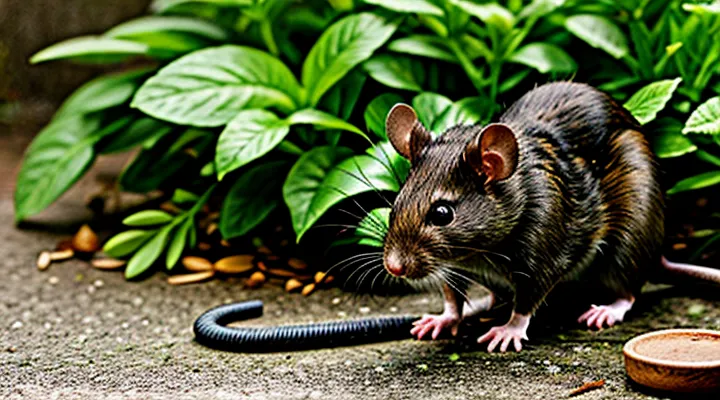
Understanding Rodent Behavior and Repellents
Why Rodents Invade
Food Sources
Rats and mice are drawn to specific food categories; recognizing these preferences guides the selection of effective folk repellents.
Grains, cereals, and seed products—including rice, wheat, corn, and oatmeal—provide high carbohydrate content that supports rapid rodent reproduction.
Protein-rich items such as meat scraps, fish, cheese, and pet food supply essential amino acids, making them especially attractive in kitchens and storage areas.
Sugary substances, including honey, jam, syrups, and confectionery, stimulate a strong foraging response and can mask other odors that might deter pests.
Fats and oils, found in cooking grease, butter, and nuts, offer dense energy sources, encouraging rodents to linger near preparation surfaces.
Fruit and vegetable waste, particularly overripe or decaying produce, releases volatile compounds that signal abundant nourishment.
When evaluating folk remedies, prioritize ingredients that counteract these attractants. For example, strong-smelling herbs (e.g., peppermint, garlic, or dried chilies) can be applied to storage containers to create an olfactory barrier that interferes with the scent cues derived from the listed foods.
A practical approach involves:
- Identifying the dominant food sources in the environment.
- Selecting repellent herbs or spices that emit scents incompatible with those foods.
- Applying the chosen material directly to areas where the attractants are stored or prepared.
By aligning repellent choice with the specific dietary drivers of rodent activity, the folk remedy becomes a targeted deterrent rather than a generic solution.
Shelter Needs
Rats and mice seek shelter that provides warmth, darkness, and protection from predators. Effective folk deterrents must address these preferences by eliminating or modifying potential hideouts.
Key shelter characteristics include:
- Small openings less than ¼ inch in diameter, which allow entry but remain concealed.
- Stacked debris such as firewood, cardboard, or compost piles that create insulated nesting zones.
- Structural gaps around doors, windows, and utility penetrations that offer continuous darkness.
- Damp, poorly ventilated areas where moisture retains heat and softens building materials.
To reduce rodent attraction, apply the following measures:
- Seal all cracks and gaps with steel wool, caulk, or metal flashing; prioritize entry points near foundations and roof eaves.
- Store firewood off the ground, cover with a waterproof tarp, and keep a minimum of two feet of clearance from walls.
- Elevate compost bins, maintain regular turning, and ensure lids fit tightly to prevent interior humidity buildup.
- Install door sweeps and weather stripping to block dark gaps beneath entryways.
- Improve ventilation in basements, attics, and crawl spaces to lower temperature and humidity levels.
By systematically removing these shelter conditions, folk remedies—such as plant-based repellents or natural predator scents—gain direct access to rodents, increasing their efficacy and reducing the likelihood of reinfestation.
Breeding Habits
Understanding the reproductive patterns of rodents is essential when evaluating traditional deterrents. Rats reach sexual maturity at 5–6 weeks, experience a gestation period of 21–23 days, and can produce 5–12 offspring per litter. A healthy female may breed every 4–5 weeks, allowing multiple generations to develop within a single season. These rapid cycles create frequent population spikes, especially in warm, food‑rich environments.
Mice mature slightly faster, attaining reproductive capability at 4–5 weeks. Their gestation lasts 19–21 days, with typical litters of 4–8 pups. Female mice can become pregnant again within 24 hours of giving birth, resulting in overlapping litters and exponential growth under favorable conditions.
Breeding dynamics dictate when folk repellents should be deployed. Early intervention during the nesting phase disrupts colony establishment, while continuous application throughout the breeding season prevents successive generations from gaining a foothold. Remedies that target scent cues or irritate nascent burrows are most effective when introduced before the first litter emerges.
Key considerations for selecting traditional rodent deterrents based on breeding habits:
- Deploy scent‑based mixtures (e.g., peppermint, cloves) at the onset of nesting activity.
- Apply irritant powders (e.g., cayenne, powdered garlic) around entry points before females give birth.
- Maintain a schedule of reapplication every 2–3 weeks to match the typical gestation interval.
- Prioritize formulations that discourage mating behavior, such as strong aromatic oils placed near known runways.
- Combine multiple agents to address both adult rodents and newborns, ensuring coverage throughout the reproductive cycle.
Limitations of Folk Remedies
Efficacy Variability
Efficacy variability among traditional rodent deterrents stems from differences in active constituents, application methods, and environmental conditions. Plant-based powders such as dried peppermint or cloves contain volatile oils that repel rodents, yet their potency declines rapidly when exposed to humidity or sunlight. Essential oil sprays retain stronger activity for a limited period, requiring reapplication every few days to maintain effectiveness.
Factors influencing performance include:
- Species‑specific sensitivity: Rats and mice respond differently to the same scent; a remedy that deters mice may have little impact on rats.
- Concentration of active compounds: Higher concentrations generally increase repellency but may cause irritation to humans or pets.
- Habitat characteristics: Dense vegetation, cluttered storage areas, and poor sanitation reduce the reach of airborne deterrents.
- Seasonal variations: Temperature and airflow affect volatility, altering the distance the scent travels.
Reliable assessment relies on controlled observations. Record baseline activity using motion sensors or tracking plates, apply the remedy, and monitor changes over a defined interval (e.g., 48‑72 hours). Compare results with a control area lacking treatment. Replication across multiple sites confirms consistency and helps isolate variables that cause fluctuating outcomes.
When selecting a folk remedy, prioritize those with documented repeatable results under conditions similar to the target environment. Combine complementary approaches—such as a powdered barrier near entry points and a periodic oil spray in broader zones—to mitigate individual shortcomings and achieve more stable rodent suppression.
Safety Concerns for Pets and Children
When using traditional rodent deterrents, verify that ingredients pose no toxicity to dogs, cats, infants, or toddlers. Many natural substances attract or repel small mammals, but their chemical composition can affect vulnerable occupants.
- Peppermint oil: effective scent barrier; dilute to 0.5 % before applying to fabrics or cotton balls. Undiluted oil can cause skin irritation and respiratory distress in pets and children.
- Garlic powder: repels rodents through odor; avoid direct ingestion. Small amounts in food may cause gastrointestinal upset in cats and dogs.
- Chili pepper flakes: irritate rodent nasal passages; ingestion may lead to oral burning and vomiting in pets and young children.
- Vinegar solutions: deter rodents by masking food odors; high acidity can damage tooth enamel and cause skin irritation on contact.
Safety measures:
- Apply repellents in areas inaccessible to animals and kids, such as behind appliances or inside sealed containers.
- Store all prepared mixtures in locked cabinets, away from food supplies.
- Conduct a brief exposure test: place a small amount in a confined space and monitor for adverse reactions in pets before widespread use.
- Clean any residue promptly to prevent accidental licking or ingestion.
- Consult a veterinarian or pediatrician if uncertainty exists about a particular ingredient’s safety profile.
Potential for Rodent Adaptation
Rodents possess a rapid reproductive cycle and high genetic variability, enabling swift physiological and behavioral adjustments to environmental pressures. When traditional plant‑based repellents are introduced, populations may develop tolerance through altered olfactory receptors, metabolic pathways that detoxify active compounds, or behavioral habituation that reduces avoidance.
Key mechanisms of adaptation include:
- Sensory desensitization – repeated exposure diminishes the effectiveness of strong odors such as peppermint or garlic.
- Enzymatic degradation – liver enzymes can evolve to neutralize toxic constituents like capsaicin or eucalyptol.
- Habituation – individuals learn that the presence of a repellent does not correlate with immediate danger, leading to reduced flight responses.
- Selective breeding – survivors of repellent exposure pass tolerant traits to offspring, accelerating population‑level resistance.
These dynamics affect the reliability of folk remedies. Selecting a deterrent should therefore consider:
- Chemical diversity – use blends that combine multiple active agents to complicate metabolic adaptation.
- Rotational application – alternate different botanicals on a regular schedule to prevent habituation.
- Environmental integration – complement repellents with physical barriers, sanitation, and habitat modification to reduce reliance on chemical cues alone.
- Monitoring – track rodent activity after implementation; a resurgence may indicate emerging tolerance.
Understanding the capacity for rodents to adjust to traditional deterrents informs a pragmatic approach: choose remedies that are chemically heterogeneous, apply them intermittently, and reinforce them with non‑chemical control measures. This strategy minimizes the risk that populations will render a single folk remedy ineffective over time.
Categories of Folk Remedies
Scent-Based Repellents
Peppermint Oil
Peppermint oil is a widely used natural agent for discouraging rats and mice from entering homes and storage areas. Its volatile compounds create an odor that rodents find unpleasant, reducing the likelihood of infestation.
The oil’s primary active constituents—menthol and menthone—interfere with the animals’ sense of smell, making it difficult for them to locate food and shelter. This sensory disruption prompts rodents to avoid treated zones.
Practical application methods include:
- Soaking cotton balls in undiluted peppermint oil and placing them in corners, cabinets, and entry points; replace every three days.
- Mixing 10–15 ml of oil with 1 liter of water, adding a few drops of dish soap, and spraying the solution along baseboards, walls, and potential burrow sites.
- Adding a few drops to wooden blocks or felt pads, then positioning them near known activity areas.
Safety considerations:
- Keep oil out of reach of children and pets; ingestion can cause gastrointestinal irritation.
- Test a small area for surface compatibility before extensive application to avoid discoloration.
- Use gloves when handling concentrated oil to prevent skin irritation.
Effectiveness assessments indicate that peppermint oil reduces rodent sightings when used consistently, particularly in conjunction with proper sanitation and sealing of entry points. It does not eradicate established colonies; supplemental measures such as traps or professional control may be required for severe infestations.
Clove and Garlic
Clove and garlic have long been employed in domestic pest control because their strong aromas interfere with the sensory receptors of rats and mice. Both substances contain volatile compounds—eugenol in clove and allicin in garlic—that irritate the olfactory system of rodents, prompting avoidance of treated areas.
Eugenol acts as a natural neurotoxin at high concentrations, disrupting the chemosensory pathways that rodents use to locate food. Allicin releases sulfurous vapors that create an unpleasant environment, reducing the likelihood of nesting and foraging. These mechanisms operate without lethal effect on non‑target species when applied correctly.
Effective deployment follows a few straightforward steps:
- Grind whole cloves to a fine powder; distribute the powder along baseboards, entry points, and near suspected burrows. Replace every two weeks to maintain potency.
- Crush fresh garlic cloves; mix with a small amount of water to form a paste. Apply the paste to the same locations, or soak cotton balls and place them in concealed corners. Refresh the paste every five days, as the active compounds degrade rapidly.
When choosing material, prioritize the following criteria:
- Freshness: recent harvests retain higher concentrations of eugenol and allicin.
- Purity: avoid blends containing additives that may diminish aromatic strength.
- Source reliability: reputable suppliers reduce the risk of contamination with pesticides or mold.
Safety considerations include keeping the substances out of reach of children and pets, as ingestion of large quantities can cause irritation. Use protective gloves when handling bulk powders or pastes to prevent skin sensitization. Dispose of spent material in sealed bags to avoid attracting insects.
By selecting high‑quality clove and garlic, preparing them according to the outlined methods, and observing regular reapplication, homeowners can implement an evidence‑based, low‑toxicity strategy for deterring rodent activity.
Ammonia-Soaked Rags
Ammonia-soaked rags serve as a practical folk method for deterring rodents. The strong odor of ammonia mimics the scent of predators and urine, which rats and mice instinctively avoid.
To prepare and use this remedy effectively:
- Soak a clean rag in household ammonia (5‑10 % concentration).
- Wring out excess liquid; the rag should be damp, not dripping.
- Place the rag in areas where rodent activity is observed: under kitchen cabinets, behind appliances, in attic corners, and along baseboard seams.
- Replace the rag every 3‑4 days, or sooner if the smell diminishes.
Safety considerations are essential. Wear gloves and work in a well‑ventilated space to prevent skin irritation and inhalation of fumes. Keep rags out of reach of children and pets, as ammonia is toxic if ingested.
Limitations include short‑term effectiveness; the odor fades quickly, requiring frequent replacement. Ammonia does not kill rodents, so it should complement other control measures such as sealing entry points and maintaining cleanliness.
When evaluating folk options, prioritize remedies that combine strong repellent properties with minimal health risks and ease of application. Ammonia‑soaked rags meet these criteria when used responsibly and in conjunction with a comprehensive rodent‑management plan.
Fabric Softener Sheets
Fabric softener sheets are a low‑cost, readily available option for discouraging rodent activity in homes and storage areas. The sheets release a strong fragrance that masks food odors and creates an environment rodents find unpleasant. When incorporated into a broader strategy of traditional rodent deterrents, they can complement other measures such as sealing entry points and maintaining cleanliness.
To evaluate which product will be most effective, consider the following factors:
- Scent intensity – Choose sheets with a potent, lingering aroma (e.g., lavender, citrus, or pine) that can permeate cracks and hidden spaces.
- Chemical composition – Prefer formulations free of harsh chemicals that might damage fabrics or surfaces; natural fragrance oils are preferable.
- Durability – Select sheets that retain scent for several weeks, reducing the need for frequent replacement.
- Size and flexibility – Larger, pliable sheets can be tucked into corners, behind appliances, or inside wall cavities where rodents travel.
- Safety – Ensure the product is non‑toxic to pets and children, especially if placed in areas accessible to them.
Application guidelines:
- Place a sheet in each potential nesting site, such as under sinks, behind pantry shelves, and inside attic insulation.
- Replace sheets every 2–3 weeks or when the scent fades noticeably.
- Combine with traps or natural repellents (e.g., peppermint oil) for a layered approach.
When selecting fabric softener sheets as part of a folk‑based rodent deterrent program, prioritize strong, lasting fragrances, safety, and ease of placement to maximize effectiveness while minimizing maintenance.
Taste-Based Repellents
Cayenne Pepper
Cayenne pepper, a dried Capsicum annuum fruit, contains capsaicin, a compound that irritates the sensory receptors of rodents. When dispersed in areas frequented by rats or mice, the sharp, pungent odor discourages entry and feeding.
Application methods:
- Sprinkle a thin layer of fine cayenne powder along baseboards, behind appliances, and in entry points.
- Mix equal parts cayenne and talc, then dust the blend on surfaces where moisture attracts rodents.
- Create a spray by dissolving one tablespoon of cayenne in a cup of water, adding a few drops of dish soap, and misting cracks and holes.
Effectiveness depends on regular reapplication. Capsaicin degrades when exposed to moisture and dust; reapply every 3‑5 days or after cleaning.
Safety considerations:
- Avoid contact with eyes and skin; wear gloves during handling.
- Keep away from pets and children; ingestion may cause gastrointestinal irritation.
- Do not combine with other chemical rodenticides, as the mixture may reduce efficacy or increase toxicity.
Limitations:
- Only deters, does not eliminate established infestations.
- Strong wind or ventilation can disperse the scent, reducing concentration at targeted sites.
- Overuse may lead rodents to habituate, diminishing repellent effect.
When incorporated into a broader strategy of traditional rodent deterrents, cayenne pepper offers a low‑cost, non‑toxic option for preventing rodent activity. Regular monitoring and complementary measures—such as sealing entry points and maintaining cleanliness—enhance overall success.
Black Pepper
Black pepper, a widely available spice, possesses strong aromatic and irritant qualities that deter rats and mice. The primary active component, piperine, irritates the nasal passages and mucous membranes of rodents, prompting avoidance of treated areas.
The repellent effect relies on concentration and exposure duration. Freshly ground pepper releases volatile oils more effectively than pre‑ground powder, increasing potency. Placement near entry points, nesting sites, and food storage zones maximizes impact.
Practical application methods include:
- Sprinkling ground pepper along baseboards, under appliances, and around holes.
- Filling small breathable cloth bags with pepper and positioning them in corners or behind furniture.
- Mixing pepper with water (approximately 2 tablespoons per litre), allowing the solution to steep for 24 hours, then spraying the liquid on surfaces where rodents travel.
Effectiveness varies with environmental factors. High humidity can dampen scent, reducing deterrence. Combining pepper with other non‑chemical deterrents—such as steel wool or ultrasonic devices—enhances overall control. Regular reapplication, at least weekly, maintains sufficient odor intensity.
Safety considerations are straightforward. Pepper is non‑toxic to humans in the quantities used for rodent deterrence but may cause irritation to pets, especially cats and dogs, if ingested in large amounts. Wear gloves when handling bulk pepper to prevent skin irritation. Store the spice in airtight containers away from direct sunlight to preserve potency.
In summary, black pepper offers an inexpensive, readily accessible option for rodent repellent strategies. When applied correctly and refreshed regularly, it contributes effectively to integrated pest‑management plans without introducing chemical hazards.
Chili Powder
Chili powder is a widely available spice that contains capsaicin, a compound that irritates the sensory receptors of rodents. When scattered in areas where rats and mice travel, it creates an uncomfortable environment that discourages entry and nesting. The effect is immediate; rodents avoid surfaces coated with the powder, reducing the likelihood of infestation without the need for chemical poisons.
Effective application requires proper placement and quantity.
- Sprinkle a thin layer (approximately 1 gram per square foot) along baseboards, behind appliances, and near entry points.
- Reapply after cleaning or after heavy rain, as moisture diminishes the powder’s potency.
- Combine with complementary deterrents such as crushed peppermint leaves or dried cayenne to broaden the sensory aversion.
Safety considerations include avoiding direct contact with eyes and skin, as capsaicin can cause irritation. Use gloves during handling and keep the powder out of reach of children and pets. Store in a sealed container to maintain dryness and potency. When integrated into a broader selection of traditional rodent-repelling measures, chili powder offers a low‑cost, non‑toxic option for managing unwanted pests.
Physical Deterrents and Barriers
Steel Wool and Caulk
Steel wool creates a physical barrier that rodents cannot chew through. When placed around pipe openings, vent shafts, and foundation cracks, the fine fibers interlock and resist gnawing. To maintain effectiveness, choose stainless‑grade wool, compress it tightly, and replace it if moisture causes rust or degradation.
Caulk seals gaps that steel wool alone cannot close. A silicone‑based or polyurethane sealant adheres to most building materials, remains flexible, and resists rodent intrusion. Apply caulk after inserting steel wool to lock the fibers in place and eliminate residual openings.
Effective combination:
- Identify entry points (e.g., utility penetrations, gaps under doors, foundation cracks).
- Insert a compact wad of stainless steel wool into each opening.
- Flood the surrounding area with a bead of silicone or polyurethane caulk, smoothing it to ensure full coverage.
- Inspect the seal every six months; reapply steel wool and caulk where wear or damage appears.
Using steel wool and caulk together provides a durable, low‑toxicity method for deterring rats and mice without chemicals. The approach integrates mechanical obstruction with airtight sealing, reducing the likelihood of successful rodent entry.
Mesh Screens
Mesh screens serve as a practical barrier in traditional rodent deterrent systems. They block entry points while allowing airflow, making them suitable for kitchens, basements, and storage areas where rodents are likely to forage.
Key factors when selecting a screen include:
- Material: stainless steel or galvanized metal resists rust and withstands chewing.
- Mesh aperture: openings no larger than ¼ inch prevent mice and most rats from passing.
- Thickness: gauge 18 or higher provides sufficient rigidity without excessive weight.
- Coating: powder‑coat or epoxy finish extends lifespan in humid environments.
Measure each gap, vent, or pipe opening before purchase. Cut the screen to overlap the perimeter by at least one inch, then secure with stainless steel staples, wire ties, or construction adhesive. Inspect seams regularly; repair tears promptly to maintain integrity.
Combine screens with established folk practices such as planting mint, using dried chili flakes, or dispersing essential oil sachets. Ensure the physical barrier remains intact, as any breach undermines the effectiveness of accompanying natural repellents.
Dryer Sheets
Dryer sheets are frequently mentioned in traditional rodent‑deterrent guides because their strong fragrances can discourage rats and mice from entering treated areas. The scented compounds, often composed of volatile oils and synthetic fragrances, create an olfactory environment that rodents find unpleasant, prompting them to avoid contact.
When selecting a dryer sheet for this purpose, consider the following factors:
- Scent intensity – heavier, long‑lasting aromas increase the likelihood of repelling activity.
- Chemical composition – sheets free from harsh chemicals reduce risk to humans and pets while still delivering a strong odor.
- Durability – materials that retain fragrance for weeks require fewer replacements.
- Availability – widely sold brands ensure consistent supply for ongoing use.
- Safety certifications – products labeled non‑toxic or hypoallergenic minimize health concerns.
Application involves placing sheets in strategic locations where rodents travel, such as behind appliances, under cabinets, and in attic corners. Replace sheets every two to three weeks, or sooner if the scent fades. Combining dryer sheets with other low‑toxicity measures, like sealing entry points and maintaining cleanliness, enhances overall effectiveness.
Limitations include diminishing potency over time and variable response among rodent populations. Dryer sheets should be viewed as a supplemental element rather than a sole solution, especially in severe infestations where professional intervention may be required.
How to Select and Apply Folk Remedies
Assessing the Infestation Level
Signs of Rodent Activity
Recognizing rodent activity provides the foundation for selecting effective folk deterrents. Visible and auditory indicators reveal the presence of rats or mice and guide the choice of appropriate natural agents.
- Gnaw marks on wood, plastic, or wiring
- Droppings resembling small black grains, often found near food sources or along walls
- Grease trails or dark smears left by rodent fur on surfaces they travel
- Nests constructed from shredded paper, fabric, or insulation material
- Scratching sounds in ceilings, attics, or crawl spaces, especially at night
- Unexplained food shortages or damage to stored provisions
Each sign points to specific behaviors. Gnaw marks indicate chewing activity, suggesting the need for repellents that deter biting, such as strong-smelling herbs placed near vulnerable structures. Droppings confirm feeding locations; positioning aromatic plants or essential oil sachets where waste accumulates can interrupt foraging. Grease trails map travel routes; applying powdered deterrents along these paths creates an unpleasant surface. Nests signal breeding sites; introducing natural predators or dispersing deterrent powders directly into nesting material disrupts reproduction. Scratching noises reveal hidden entry points; sealing gaps while applying repellent substances prevents re‑entry. Food loss underscores the urgency of immediate action; deploying volatile herbs around storage areas reduces attraction.
Accurate identification of these indicators enables targeted application of traditional remedies, maximizes efficacy, and minimizes unnecessary exposure to chemicals.
Location of Entry Points
Identifying where rodents gain access is the first step before applying any traditional deterrent. Accurate detection allows placement of repellent substances exactly where they are needed, maximizing effectiveness and reducing waste.
Typical entry locations include:
- Gaps around utility pipes and cables
- Cracks in foundation walls or basement slabs
- Openings beneath doors and windows, especially where weather‑stripping is missing
- Holes in siding, eaves, or roof vents
- Unsealed gaps around HVAC ducts and dryer exhausts
- Small openings behind appliances, cabinets, and pantry shelving
After locating each opening, seal it with steel wool, copper mesh, or cement‑based filler. Reinforce with caulk or hardware cloth where movement may occur. Ensure the seal material is durable and resistant to gnawing.
Place folk repellents directly at the sealed points:
- Sprinkle dried mint leaves or ground peppermint oil on the exterior of the seal.
- Apply a thin layer of crushed garlic or onion skins around the perimeter of the closure.
- Hang small sachets of dried lavender or rosemary near door thresholds and vent openings.
- Drip a few drops of clove or eucalyptus essential oil onto cotton balls and tuck them into gaps before sealing.
Consistent inspection of these locations prevents new breaches and maintains the potency of the natural deterrents.
Severity of the Problem
Rats and mice pose a significant threat when populations reach high levels. Their presence can compromise human health, damage structures, and generate financial losses.
Key indicators of severe infestation include:
- Direct contamination of food supplies with urine, feces, or gnawed packaging.
- Transmission of pathogens such as hantavirus, leptospirosis, and salmonella.
- Structural deterioration caused by gnawing of wiring, insulation, and wooden supports.
- Rapid reproduction rates that multiply the problem within weeks.
- Attraction of secondary pests, including insects and parasites, that thrive on rodent waste.
Understanding these impacts clarifies why accurate assessment of infestation intensity is essential before selecting traditional rodent deterrents. The more acute the damage and health risk, the stronger the need for prompt, effective folk solutions.
Choosing the Right Remedy
Considering Household Safety
When evaluating traditional rodent deterrents, prioritize the health of occupants and the structural integrity of the home. Verify that each ingredient is non‑toxic to humans, children, and pets; consult reputable toxicity databases before application. Avoid remedies containing essential oils in concentrations that may cause respiratory irritation, especially in confined spaces.
Choose substances that do not damage surfaces, wiring, or plumbing. For example, powdered herbs such as mint or dried lavender can be scattered on floorboards without corroding metal or staining fabrics. Liquids should be applied to exterior walls or outdoor perimeters, never directly onto indoor surfaces where moisture could foster mold.
Maintain proper ventilation during and after treatment. Open windows and use exhaust fans to disperse volatile compounds. Allow sufficient drying time before re‑occupying treated areas.
Store all folk preparations in clearly labeled, sealed containers away from food supplies. Keep them out of reach of children and animals, preferably in a locked cabinet.
Implement a monitoring routine:
- Inspect treated zones weekly for signs of irritation, discoloration, or damage.
- Record any health complaints from household members that coincide with application.
- Adjust concentration or discontinue use if adverse effects emerge.
By adhering to these safety protocols, traditional rodent‑repelling methods can be integrated into household pest management without compromising resident well‑being.
Ease of Application
Ease of application determines whether a traditional rodent deterrent can be deployed promptly and maintained without excessive effort. Simpler preparations reduce the risk of incorrect dosage and limit exposure to household members.
- Preparation: Remedies that require only mixing water with a powdered herb or diluting an essential oil score higher than those demanding fermentation or multi‑step extraction.
- Equipment: Solutions that need no specialized tools—such as spray bottles, cloth rags, or simple sachets—are preferable to methods requiring burners, distillation apparatus, or heating elements.
- Dosage precision: Pre‑measured packets or ready‑to‑use sprays eliminate guesswork; granular powders that must be weighed each time rank lower.
- Application frequency: Products effective after a single treatment are more convenient than those demanding daily reapplication.
- Cleanup: Non‑sticky liquids or dry sachets that can be removed without scrubbing are easier to manage than oily residues that attract dust or require solvents for removal.
When evaluating specific folk remedies, compare each against the criteria above. Peppermint oil in a spray bottle meets all points: it mixes with water, uses a common household sprayer, provides clear drop‑per‑ml guidelines, remains effective for several weeks, and leaves no residue after evaporation. Crushed garlic cloves dispersed on a kitchen floor satisfy preparation simplicity but lack dosage precision and require frequent replacement, lowering their practicality. Dried lavender sachets placed in corners require no mixing or equipment, deliver continuous scent, and can be swapped out monthly, offering a balance of ease and durability.
Choosing deterrents that excel in preparation, equipment needs, dosage accuracy, reapplication interval, and cleanup ensures rapid implementation and sustained effectiveness against rats and mice.
Cost-Effectiveness
When assessing traditional rodent deterrents, cost-effectiveness hinges on three measurable dimensions: initial outlay, longevity, and measurable impact on rodent activity.
The initial outlay includes material price and any preparation labor. Common ingredients—such as dried herbs, essential oils, or powdered spices—typically cost less than commercial traps or chemical baits. Bulk purchasing further reduces per‑unit expense.
Longevity determines how often a remedy must be reapplied. Remedies that retain potency for weeks, such as saturated cotton balls or infused fabric strips, spread the upfront cost over a longer period. Short‑lived solutions, like fresh garlic cloves, require frequent replacement, raising the effective cost.
Impact on rodent activity can be quantified by monitoring sightings or damage before and after implementation. An effective remedy that reduces activity by 70 % with a single application delivers higher value than one achieving a 20 % reduction despite lower material cost.
Key cost‑effectiveness considerations
- Material price per unit
- Frequency of reapplication
- Duration of efficacy
- Measurable reduction in rodent presence
Choosing a remedy that balances low material cost, extended durability, and demonstrable efficacy yields the most economical solution for household rodent control.
Proper Application Techniques
Strategic Placement
Strategic placement determines the effectiveness of traditional rodent deterrents. Positioning agents where rodents travel maximizes exposure while minimizing waste.
Identify zones with frequent activity: entry points, wall voids, pantry shelves, garbage containers, and near water sources. Concentrate remedies at these locations to intersect established pathways.
- Peppermint oil: apply soaked cotton balls or spray on cracks, door frames, and behind appliances.
- Garlic paste: spread thin layers on the exterior of cabinets and under sinks.
- Ground cayenne or chili powder: dust along baseboards, beneath furniture, and around pipe openings.
- Dried herbs (lavender, rosemary): place sachets in pantry corners and atop storage bins.
Place each substance at least 12 inches apart to create overlapping zones of scent. Avoid direct contact with food surfaces; use sealed containers or hanging pouches to prevent contamination.
Regularly inspect placements. Replace saturated cotton balls every 3‑5 days, refresh herb sachets weekly, and reapply powders after cleaning. Document changes in rodent activity to adjust distribution patterns promptly.
Regular Reapplication
Regular reapplication is essential for maintaining the efficacy of natural rodent deterrents. Many plant‑based repellents, such as peppermint oil, garlic slurry, and dried lavender, lose potency as volatile compounds evaporate or degrade under environmental conditions. Applying the preparation at intervals aligned with its decay rate restores the concentration needed to discourage rats and mice.
Typical reapplication schedules include:
- Every 3–5 days for liquid sprays in indoor spaces where airflow accelerates evaporation.
- Weekly for dried herb sachets placed in storage areas, closets, or crawl spaces.
- Bi‑weekly for powdered mixtures spread along baseboards or entry points, where dust accumulation reduces potency.
Factors influencing the timing are humidity, temperature, and the presence of competing odors. Higher humidity slows evaporation, extending the active period; excessive heat shortens it. Monitoring rodent activity provides practical feedback: a resurgence of sightings or droppings signals that the repellent concentration has fallen below the deterrent threshold.
Consistent reapplication also prevents rodents from acclimating to sub‑lethal levels of the remedy. When exposure remains at an effective concentration, rodents are more likely to avoid the area permanently rather than develop tolerance.
To implement an efficient routine, prepare a calendar that records the last application date for each treatment zone. Use a simple log to note any changes in rodent signs, adjusting the interval if activity increases. This systematic approach ensures that folk remedies remain a reliable component of an integrated rodent‑control strategy.
Combining Multiple Methods
When traditional rodent deterrents are applied together, their strengths reinforce each other and weaknesses diminish. A layered approach addresses different sensory channels, habitat preferences, and behavioral patterns, increasing overall effectiveness.
- Aromatic barriers: Apply strong-smelling herbs (e.g., peppermint, garlic, and rosemary) around entry points and nesting sites. These volatiles irritate rodent olfactory receptors, discouraging intrusion.
- Physical obstacles: Install steel mesh or copper wire on gaps, vents, and cracks. The tactile discomfort of metal surfaces prevents gnawing and passage.
- Repellent plants: Cultivate marigold, catnip, or tansy along foundations and garden edges. Continuous growth maintains a living scent shield without repeated application.
- Homemade sprays: Mix vinegar, citrus juice, and essential oils in water; spray on surfaces where rodents travel. The solution combines acidity and volatile compounds for immediate deterrence.
- Environmental management: Remove food sources, store waste in sealed containers, and maintain dry conditions. Limiting attractants complements chemical and physical measures.
Integrating these tactics creates a multi‑sensory defense that reduces reliance on any single method. Regular monitoring and adjustment ensure that the combination remains aligned with observed rodent activity and seasonal changes.
Maximizing Effectiveness and Safety
Integrated Pest Management Approach
Sanitation Practices
Effective sanitation forms the foundation of any traditional rodent deterrent strategy. Clean environments deprive rats and mice of food, water, and shelter, reducing the need for additional measures.
Maintain surfaces free of food residue. Sweep kitchens and dining areas daily, wipe countertops with a vinegar‑water solution, and vacuum corners where crumbs accumulate.
Control waste. Store garbage in sealed containers, remove bags from indoor spaces promptly, and schedule regular collection to prevent overflow.
Secure food storage. Keep dry goods in airtight jars, place pet food in metal bins, and avoid leaving pet treats exposed overnight.
Eliminate water sources. Repair leaking pipes, empty pet water dishes after use, and dry sinks or basins that retain moisture.
Seal entry points. Inspect walls, floors, and foundations for gaps; apply steel wool and caulk to cracks; install door sweeps on all exterior doors.
Implement regular inspections. Conduct monthly walkthroughs to identify new debris, moisture, or structural damage, and address issues immediately.
By rigorously applying these sanitation practices, traditional rodent‑repelling remedies operate in a supportive environment, enhancing their effectiveness and minimizing infestation risk.
Sealing Entry Points
Sealing entry points eliminates the primary access routes rats and mice use to infiltrate structures, thereby increasing the reliability of any traditional deterrent applied thereafter. Without a barrier, even the most potent herbal or mineral repellent will be circumvented as rodents exploit gaps in walls, foundations, and utility penetrations.
- Inspect exterior walls, foundations, and roof eaves for cracks larger than ¼ inch.
- Examine utility openings—pipes, cables, vents—and install steel wool or copper mesh before applying sealant.
- Apply a durable, weather‑resistant caulk or expanding foam to fill gaps around doors, windows, and baseboards.
- Replace damaged weatherstripping on doors and windows; ensure a tight fit when closed.
- Seal gaps around floor joists and crawl‑space vents with rigid board or metal flashing where foam may degrade.
A properly sealed envelope forces rodents to encounter the chosen folk remedy directly, enhancing contact frequency with substances such as dried lavender, peppermint oil, or powdered diatomaceous earth. Consequently, the overall success rate of traditional rodent‑repelling strategies improves markedly when entry points are eliminated before deployment.
Monitoring for Activity
Effective selection of traditional rodent deterrents begins with accurate detection of pest presence. Observing activity patterns provides the data needed to match remedies to the severity and location of infestation.
Key indicators include fresh droppings, gnawed material, audible scurrying, and visible trails. Infrared footprints, grease spots on walls, and disturbed dust also reveal movement routes. Recording the time of day when signs appear helps identify species‑specific habits.
- Visual inspection of nesting sites and food sources
- Placement of non‑lethal traps to capture specimens for identification
- Use of motion‑activated cameras to document nocturnal activity
- Application of powdered flour or talc to create tracking paths
- Monitoring of bait stations for consumption rates
Data gathered from these techniques determines whether a strong, aromatic repellent such as peppermint oil is appropriate for a light presence, or whether a more potent preparation like crushed garlic mixed with cayenne is required for extensive activity. Continuous observation after deployment confirms efficacy and guides adjustments without resorting to chemical alternatives.
When to Seek Professional Help
Persistent Infestations
Persistent rodent populations create ongoing damage to structures, contaminate food supplies, and attract secondary pests. The continuity of an infestation often indicates that conventional traps or poisons have failed to address underlying attractants, shelter, or breeding sites. Effective folk remedies must therefore target the root causes that allow rodents to re‑establish after treatment.
When evaluating traditional deterrents, consider the following criteria:
- Active ingredient potency – plant extracts or essential oils should contain compounds proven to disrupt rodent sensory pathways (e.g., capsaicin, menthol, eucalyptol).
- Longevity of effect – the remedy must remain active for weeks without rapid degradation from humidity or temperature fluctuations.
- Safety for non‑target species – substances should be non‑toxic to pets, children, and beneficial wildlife.
- Ease of application – preparation and deployment should be feasible for homeowners without specialized equipment.
- Compatibility with environmental conditions – the remedy must function in the specific climate and building materials present in the affected area.
Persistent infestations often hide in concealed spaces such as wall voids, attic insulation, and beneath floorboards. To maximize the impact of folk remedies, follow a systematic approach:
- Conduct a thorough inspection to locate entry points, nesting sites, and food sources.
- Seal cracks, gaps, and openings using steel wool, caulk, or expandable foam to prevent re‑entry.
- Apply selected natural deterrents directly to identified pathways and shelter zones, ensuring even coverage.
- Refresh the application on a regular schedule aligned with the remedy’s documented persistence, typically every 2–4 weeks.
- Monitor activity with motion‑activated cameras or tracking powder to verify reduction in rodent presence.
Choosing remedies that satisfy potency, durability, safety, practicality, and environmental fit reduces the likelihood of recurrence. Continuous observation and maintenance reinforce the deterrent effect, ultimately breaking the cycle of persistent rodent invasion.
Large Rodent Populations
Large rodent populations consist of dense groups of rats and mice that occupy urban, agricultural, and natural environments. Typical infestations involve dozens to hundreds of individuals per hectare, with breeding cycles that can double numbers within weeks. High density increases competition for food, accelerates structural damage, and expands disease transmission pathways.
Population magnitude determines the scale and potency required of any traditional repellent. Small, isolated colonies respond to modest, localized applications; extensive colonies demand broader coverage, higher concentrations, and sustained release mechanisms. Failure to match remedy strength with infestation size results in rapid re‑colonization.
Effective assessment of folk remedies should consider:
- Toxicity to non‑target species and humans
- Duration of active compound under variable temperature and humidity
- Mechanism of action (olfactory, gustatory, irritant) and its efficacy against large groups
- Availability of raw materials and ease of preparation in bulk
- Compatibility with existing sanitation and structural measures
Common traditional options include:
- Peppermint oil – strong olfactory deterrent; requires frequent reapplication for large areas.
- Garlic and onion extracts – irritant vapors; effective when dispersed through ventilation systems.
- Cayenne pepper slurry – sensory overload; works best on surfaces frequented by rodents, but may lose potency in humid conditions.
- Mothball (naphthalene) placement – chemical repellent; limited by health regulations and reduced efficacy in open spaces.
Selection must align remedy characteristics with the infestation’s scale, ensuring that concentration, persistence, and deployment method collectively suppress the entire rodent community. Continuous monitoring and adjustment of dosage maintain effectiveness throughout the breeding cycle.
Health Risks
Folk rodent repellents often contain substances that can cause acute or chronic toxicity. Ingestion of concentrated essential oils, such as peppermint, clove, or eucalyptus, may lead to nausea, vomiting, dizziness, or liver damage. Children and pets are especially vulnerable because low body weight increases the dose per kilogram.
Allergic reactions are common with plant-derived preparations. Contact dermatitis, respiratory irritation, or anaphylaxis can occur after inhalation of airborne particles or skin exposure to residues. Individuals with known sensitivities to specific botanicals should avoid products containing those ingredients.
Contamination poses additional hazards. Improperly prepared mixtures may harbor mold, bacteria, or pesticide residues. Use of contaminated material can result in gastrointestinal infection or exposure to carcinogenic compounds. Sterile preparation methods and reputable sources reduce this risk.
Interaction with pharmaceutical drugs is possible. Certain oils inhibit cytochrome‑P450 enzymes, altering metabolism of medications such as anticoagulants, antihypertensives, or antidepressants. Unintended drug level changes may cause bleeding, blood‑pressure spikes, or serotonin syndrome.
Environmental persistence can affect indoor air quality. Volatile compounds released over time accumulate in poorly ventilated spaces, leading to chronic inhalation exposure. Regular ventilation and limiting application frequency mitigate this effect.
Key health risks:
- Toxicity from ingestion or dermal absorption
- Allergic or hypersensitivity reactions
- Microbial or chemical contamination
- Pharmacokinetic interactions with prescribed medicines
- Long‑term inhalation of volatile substances
Assessing ingredient safety, verifying preparation standards, and consulting health professionals before use minimize these hazards.