
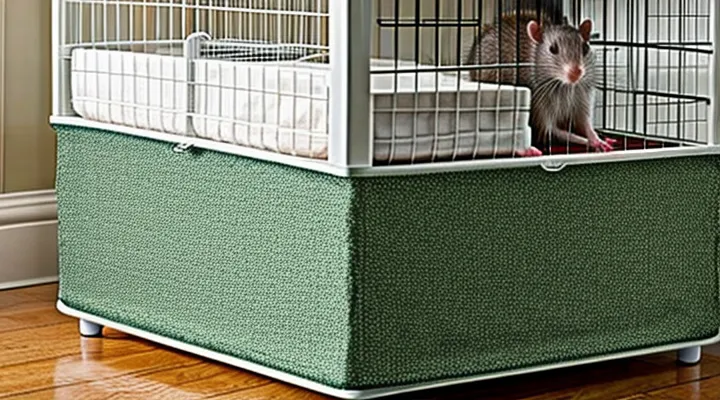
Understanding Rat Bedding Needs
Why Proper Bedding is Crucial for Rats’ Health
Absorption and Odor Control
Choosing the right substrate for a rat enclosure hinges on two measurable criteria: liquid absorption capacity and odor mitigation efficiency. Effective bedding must quickly draw moisture away from droppings and urine, then trap volatile compounds before they escape into the surrounding air.
- Paper-based pellets: High absorbency (up to 5 ml g⁻¹), low dust, neutral pH, retains odors for up to 48 hours before requiring replacement.
- Aspen shavings: Moderate absorbency (≈3 ml g⁻¹), natural scent reduces perceived odor, low lignin content limits ammonia formation.
- Corncob granules: Low to moderate absorbency (≈2 ml g⁻¹), porous structure permits airflow, but may retain odor longer than paper products.
- Hemp fiber: High absorbency (≈4 ml g⁻¹), antimicrobial properties lower bacterial breakdown, resulting in reduced odor intensity.
- Recycled cellulose sheets: Very high absorbency (≈6 ml g⁻¹), dense fiber matrix locks moisture, minimal odor release when changed weekly.
When evaluating options, prioritize substrates with absorbency values above 3 ml g⁻¹ and documented odor‑control mechanisms such as antimicrobial additives or natural scent masking. Regular replacement intervals—typically 7–10 days for high‑absorbency materials, 4–5 days for lower‑absorbency options—maintain a hygienic environment and prevent ammonia buildup.
Comfort and Burrowing Instincts
Choosing bedding that promotes both comfort and natural burrowing behavior is essential for the health of pet rats. Soft, absorbent material reduces skin irritation and maintains stable body temperature, while a loose texture encourages the construction of tunnels and nests that satisfy instinctual digging activities.
Materials that meet these criteria include:
- Paper‑based bedding – shredded or compressed paper offers high absorbency, low dust, and easy manipulation for burrowing.
- Untreated wood shavings – pine or aspen shavings provide a granular substrate that supports tunnel formation; avoid cedar due to its aromatic oils.
- Coconut fiber (coir) – fibrous strands create a plush surface for resting and a pliable medium for digging, though moisture retention requires regular monitoring.
- Fleece liners – reusable fabric delivers a comfortable floor, but rats must be supplied with additional loose material to dig into.
When evaluating options, consider the following factors:
- Dust production – low‑dust bedding minimizes respiratory risk.
- Absorbency – high moisture uptake prevents bacterial growth and maintains a dry environment.
- Particle size – fine particles allow easy excavation; overly large fragments impede nest building.
- Safety – free of chemicals, fragrances, and sharp edges that could cause injury.
Combining a primary substrate (e.g., paper or wood shavings) with a secondary layer such as fleece maximizes both comfort and the opportunity for rats to express their burrowing instinct. Regular replacement of soiled bedding preserves hygiene and encourages ongoing digging behavior.
Safety from Respiratory Issues
Rats are highly susceptible to respiratory irritation; bedding that produces dust or retains moisture can trigger infections and chronic breathing problems. Selecting a substrate that minimizes airborne particles and controls odor directly protects lung health.
Key criteria for respiratory safety include:
- Minimal dust generation; particles should remain below levels that can be inhaled during normal cage activity.
- High absorbency; rapid moisture uptake reduces ammonia buildup, a known irritant.
- Non‑toxic composition; materials must be free of chemicals that could off‑gas volatile compounds.
- Easy removal; bedding that can be changed without stirring up debris maintains a clean air environment.
Top bedding choices that satisfy these criteria are:
- Paper‑based pellets (e.g., compressed cellulose); virtually dust‑free, excellent absorbency, biodegradable.
- Aspen shavings; low aromatic oils compared with pine or cedar, moderate dust when sifted, good moisture control.
- Hemp fiber bedding; naturally breathable, low dust, high absorbency, resistant to mold.
- Corncob granules; coarse texture limits dust, strong moisture retention, inert material.
Maintain respiratory safety by changing bedding regularly, monitoring humidity, and ventilating the enclosure. A weekly full replacement combined with spot cleaning of soiled areas prevents ammonia spikes and keeps airborne particles at minimal levels.
Types of Rat Bedding: A Comprehensive Guide
Absorbent Paper-Based Bedding
Shredded Paper
Shredded paper is a widely available bedding material for rat enclosures. It consists of thin strips of cellulose that create a soft, absorbent layer on the cage floor.
The material offers high moisture‑absorption capacity, allowing rapid wicking of urine and condensation. This property reduces the risk of damp spots and limits the growth of mold. Because the fibers are fine, rats can easily dig and nest, satisfying their natural burrowing behavior.
Key advantages:
- Low cost; often sourced from recycled office paper or specialty pet‑store packs.
- Biodegradable; can be composted after use.
- Minimal dust when properly processed, decreasing respiratory irritation.
Potential drawbacks:
- Requires thorough shredding to avoid large pieces that could cause obstruction.
- May compact over time, necessitating regular replacement or fluffing.
- Not as odor‑blocking as clay‑based substrates; supplemental cleaning may be needed.
Best practices for implementation:
- Choose paper that is ink‑free, chlorine‑free, and free of toxic additives.
- Shred to a length of 1–2 cm; finer strips improve absorbency and reduce clumping.
- Sterilize by baking at 180 °F (82 °C) for 30 minutes or by microwave heating in short bursts, eliminating pathogens without chemical residues.
- Layer 2–3 inches (5–7 cm) deep in the cage, replacing the bottom layer weekly and the entire bedding every two weeks.
- Monitor for excessive compaction; lightly stir the bedding daily to maintain airflow.
When evaluating bedding options for a rat cage, shredded paper satisfies criteria of absorbency, safety, and cost‑effectiveness, making it a solid choice for owners prioritizing hygiene and natural nesting conditions.
Paper Pellets
Paper pellets are compressed cellulose formed into small, uniform cylinders. They provide a dry, low‑dust substrate that absorbs moisture quickly, helping to keep the cage environment sanitary.
Key characteristics:
- High absorbency: each pellet can hold several times its weight in liquid, reducing the frequency of complete bedding changes.
- Low dust production: minimal airborne particles lessen respiratory irritation for both rats and owners.
- Biodegradable: pellets break down naturally, allowing for composting or safe disposal.
- Compact storage: dense form saves space compared to loose fibers.
Advantages:
- Easy to monitor wetness; pellets change color or become soggy, signaling when cleaning is required.
- Simple to replace; individual wet pellets can be removed without disturbing the entire cage floor.
- Cost‑effective: bulk purchases lower per‑unit expense.
Limitations:
- May become hard when dry, creating a less comfortable surface for nesting.
- Requires regular stirring or replacement to prevent clumping in high‑humidity setups.
- Some rats may chew the material, potentially ingesting small fragments.
Best practices for use:
- Spread a layer 1–2 cm deep over the cage floor, ensuring even coverage.
- Add a thin layer of soft material, such as shredded paper or a small nest box, to improve comfort.
- Inspect pellets daily; discard any that are damp or discolored.
- Replace the entire bedding batch every 2–3 weeks, or sooner if odor or moisture levels rise.
- Store unused pellets in an airtight container to maintain dryness.
Overall, paper pellets combine absorbency, cleanliness, and eco‑friendliness, making them a practical choice for rat cage bedding when paired with supplemental nesting material.
Recycled Paper Products
Recycled paper bedding offers a low‑dust, absorbent solution for rat enclosures. The material is produced from post‑consumer paper, processed into soft sheets or pellets that retain moisture without clumping excessively.
- Absorbency: retains up to three times its weight in liquid, reducing the frequency of complete bedding changes.
- Dust level: fine fibers create minimal airborne particles, protecting respiratory health.
- Biodegradability: breaks down naturally, allowing composting after disposal.
- Cost: typically lower than specialty wood or hemp products due to mass‑production processes.
- Compatibility: works well with standard cage designs; pellets can be shredded for a finer texture.
When implementing recycled paper bedding, spread a uniform layer of 1–2 inches (2.5–5 cm) across the cage floor. Replace the substrate when it becomes saturated or soiled, usually every 5–7 days depending on cage size and humidity. Avoid direct contact with wet food dishes to prevent mold growth.
Overall, recycled paper products meet the primary criteria for rat bedding—absorption, cleanliness, and safety—while providing an environmentally responsible option.
Fabric-Based Bedding
Fleece
Fleece offers a soft, reusable surface that retains warmth and absorbs moisture without becoming soggy. Its synthetic fibers resist bacterial growth, making it a hygienic choice for small rodent habitats.
Key characteristics:
- High absorbency: captures urine and spills, reducing damp spots on the cage floor.
- Low dust production: eliminates respiratory irritants common with wood shavings.
- Washable durability: withstands frequent laundering at temperatures up to 60 °C, extending service life.
- Lightweight: simplifies handling during cleaning and replacement.
Advantages of fleece bedding:
- Consistent dryness improves skin health and minimizes odor.
- Reusability lowers long‑term cost compared with disposable materials.
- Soft texture prevents foot injuries and encourages natural nesting behavior.
Potential drawbacks:
- Requires regular washing to prevent buildup of waste and odor.
- Initial purchase price exceeds that of single‑use options.
- May retain heat in high‑temperature environments, necessitating ventilation adjustments.
Maintenance protocol:
- Remove the fleece piece from the cage each week.
- Rinse to eliminate loose debris, then launder with a mild detergent.
- Dry thoroughly before returning to the enclosure.
When evaluating bedding selections, consider fleece for its moisture control, low dust, and reusability, especially in setups where regular cleaning is feasible and temperature regulation is maintained.
Old T-shirts and Towels
Old T‑shirts and towels offer a reusable, low‑cost bedding alternative for rat cages. After thorough laundering and drying, the fabric can be cut into strips or squares that fit the cage dimensions.
Preparation steps:
- Wash at ≥60 °C, rinse well, dry completely.
- Remove any loose threads or seams that could cause injury.
- Cut into pieces 2–3 cm thick to provide adequate nesting depth.
Benefits:
- Soft texture reduces foot injuries.
- High absorbency controls moisture.
- Reusable after regular washing, decreasing waste.
Limitations:
- Retains odor longer than paper‑based options.
- Requires frequent laundering to prevent mold growth.
- May become compacted, reducing loft over time.
Maintenance guidelines:
- Replace soiled sections weekly; wash used fabric in hot water with a mild detergent.
- Inspect for tears before each cleaning cycle.
- Store dry, breathable material when not in use to avoid mildew.
Overall, repurposed clothing and towels provide a practical bedding choice when cleanliness routines are strictly followed.
Hammocks and Cuddle Sacks
Hammocks and cuddle sacks provide elevated resting areas that keep rats off the cage floor, reducing contact with soiled bedding. Their design encourages natural nesting behavior while offering a sense of security.
Key considerations for selecting these accessories:
- Material safety: Choose cotton, fleece, or untreated polyester. Avoid synthetic fabrics treated with chemicals that may irritate skin or respiratory passages.
- Durability: Look for reinforced stitching and double‑stitched seams to withstand chewing and frequent washing.
- Size and shape: Ensure the hammock spans the cage width without sagging excessively; a 12‑inch diameter works for most adult rats. Cuddle sacks should be roomy enough for two rats to curl together but compact enough to fit in a corner.
- Cleaning ease: Opt for machine‑washable items with removable covers. Quick‑dry fabrics prevent moisture buildup that can lead to mold.
- Attachment method: Use stainless‑steel clips or zip ties that do not damage cage bars. Verify that the attachment points can be adjusted as the rats grow.
Placement strategy enhances effectiveness. Hang the hammock at a height that allows rats to climb without excessive jumping; a low‑to‑mid level minimizes injury risk. Position the cuddle sack near a hideaway or corner where rats naturally seek shelter.
Regular inspection is essential. Replace torn sections promptly to prevent exposure of loose threads. Rotate the hammock and sack periodically to distribute wear and maintain a clean environment.
Integrating hammocks and cuddle sacks with a suitable substrate—such as paper bedding or aspen shavings—creates a layered habitat that supports grooming, burrowing, and social interaction while simplifying maintenance.
Natural Substrate Bedding
Aspen Shavings
Aspen shavings are a widely used bedding material for rat enclosures because they combine high absorbency with low dust production. The wood fibers quickly wick moisture away from the cage floor, helping to keep the environment dry and reducing the risk of skin irritation. Aspen’s natural composition lacks aromatic oils that can be harmful to rodents, making it safe for prolonged exposure.
Key characteristics include:
- Absorbency: Holds up to three times its weight in liquid, minimizing soggy spots.
- Dust level: Generates minimal airborne particles, supporting respiratory health.
- Odor control: Neutral scent prevents strong smells while allowing detection of health issues.
- Cost: Generally priced lower than premium alternatives such as paper pulp or coconut fiber.
- Renewability: Harvested from sustainably managed forests, offering an environmentally responsible option.
Potential drawbacks to consider:
- Compaction: Over time, shavings may compress, requiring regular stirring or replacement to maintain loft.
- Chewing risk: Rats may gnaw on loose fibers, which can lead to ingestion of small particles.
- Cleaning frequency: High absorbency demands more frequent full changes to prevent bacterial buildup.
For optimal use, spread a 2‑3 inch layer across the cage floor, replace the bedding weekly, and supplement with a thin top layer of paper bedding for nesting. This approach balances moisture management, hygiene, and the rats’ natural nesting behavior.
Hay and Straw (with caveats)
Hay and straw are common bedding choices for rodent enclosures, but their suitability depends on several factors. Both materials provide a natural substrate that encourages foraging behavior and can absorb moisture to a limited extent. However, they differ in texture, dust production, and risk of ingestion.
-
Hay
- Soft, low‑dust fibers reduce respiratory irritation.
- Encourages chewing, supporting dental health.
- Tends to become compacted when wet, limiting absorbency.
- May harbor mold if stored damp, requiring frequent replacement.
-
Straw
- Coarser stems offer excellent insulation and quick moisture wicking.
- Higher dust levels can exacerbate respiratory issues, especially in sensitive individuals.
- Readily breaks down into small particles that rats may ingest, posing a choking hazard.
- Requires regular cleaning to prevent ammonia buildup from urine saturation.
When using either material, maintain a dry, well‑ventilated cage and inspect bedding daily for signs of mold, excessive moisture, or debris accumulation. Replace soiled sections promptly to preserve air quality and prevent bacterial growth. Combining a thin layer of hay with a low‑dust straw base can balance chewing enrichment with effective absorption, but monitor the mix closely to avoid compaction and ensure the rats cannot ingest large fragments.
Bedding to Avoid
Pine and Cedar Shavings
Pine and cedar shavings are common choices for rat cage bedding because they absorb moisture quickly and mask odors. Their aromatic oils can deter mold growth, but the same oils may irritate a rat’s respiratory system if the shavings are untreated or overly fragrant. Selecting low‑dust, kiln‑dried varieties reduces the risk of inhalation problems while preserving the odor‑control benefits.
Key factors to evaluate when using pine or cedar shavings:
- Dust level: opt for products labeled “low‑dust” or “dust‑free.”
- Aromatic intensity: choose kiln‑dried or “scent‑free” shavings to minimize volatile compounds.
- Absorbency: ensure the material can hold several days of waste without becoming saturated.
- Replacement frequency: plan to change the bedding every 3–5 days to maintain hygiene and air quality.
Scented Bedding
Scented bedding attracts attention because the added fragrance can mask odors and create a more pleasant environment for owners. However, rats possess a highly sensitive olfactory system; strong aromas may cause stress, respiratory irritation, or reduce natural foraging behavior. When evaluating scented options, consider the following factors:
- Chemical composition: Choose products free of artificial dyes, harsh solvents, or strong essential oils. Natural scent additives derived from dried herbs (e.g., lavender, chamomile) are generally safer than synthetic fragrances.
- Absorbency: Effective moisture control remains the primary function of any substrate. Verify that the scented variant retains the absorbent qualities of its unscented counterpart, such as wood shavings or paper pulp.
- Dust level: Low‑dust formulations reduce the risk of respiratory issues. Fine particles can linger in the cage and be inhaled during grooming.
- Allergen potential: Some rats may develop sensitivities to specific botanicals. Introduce scented bedding gradually and observe behavior for signs of irritation, such as excessive scratching or wheezing.
Practical guidelines:
- Test a small amount in a separate enclosure before full implementation.
- Limit scent intensity by selecting lightly scented products or mixing unscented bedding to dilute fragrance.
- Replace bedding regularly to prevent accumulation of odor‑binding compounds.
- Monitor the rats’ activity; reduced exploration or increased hiding may indicate aversion to the scent.
Overall, scented bedding can be appropriate for rat cages if it meets strict standards for safety, absorbency, and low dust, and if the scent is mild enough not to interfere with the animals’ natural behaviors.
Dusty Bedding Options
Dusty bedding materials, such as aspen shavings, wheat straw, and paper pulp, are common choices for rodent enclosures. They absorb moisture, control odor, and provide a substrate for digging behavior. However, each option presents specific considerations for health, maintenance, and cage hygiene.
- Aspen shavings – low in aromatic oils, reducing respiratory irritation; fine particles can become airborne, increasing inhalation risk; requires weekly spot cleaning and complete replacement every 2–3 weeks.
- Wheat straw – inexpensive, biodegradable, and offers moderate absorbency; dust content varies by processing method; may harbor mold if not fully dried; replacement interval similar to aspen.
- Paper pulp (compressed) bedding – minimal dust generation, high absorbency, and easy to shape for nesting; relatively soft, limiting abrasive wear on claws; needs thorough drying before use to prevent clumping.
When selecting a dusty substrate, evaluate ventilation quality, cage size, and the rat’s susceptibility to respiratory issues. Opt for products labeled “low-dust” or “dust‑free” to mitigate airborne particles. Pair the chosen bedding with regular cleaning schedules: remove soiled sections daily, replace the entire base layer at least bi‑weekly, and monitor humidity levels to prevent bacterial growth.
Factors to Consider When Choosing Bedding
Rat Health and Allergies
Respiratory Sensitivities
Rats are prone to respiratory irritation from dust, mold, and volatile compounds; bedding selection directly influences airway health. Choose materials that minimize airborne particles and resist moisture accumulation.
- Paper-based bedding – low dust, absorbent, limits mold growth; suitable for sensitive lungs.
- Aspen shavings – coarse enough to reduce dust while offering good absorbency; avoids aromatic oils found in pine or cedar.
- Corncob pellets – compact, low particulate release when broken down; requires regular replacement to prevent humidity buildup.
- Hemp fiber – natural, breathable, and relatively dust‑free; provides moderate insulation without compromising air quality.
Avoid bedding that emits strong scents or contains high silica content, such as pine, cedar, or scented commercial mixes, as these can trigger rhinitis and bronchitis. Maintain a dry environment by changing soiled bedding promptly and ensuring adequate cage ventilation. Regular health monitoring—watching for sneezing, nasal discharge, or labored breathing—helps detect early signs of respiratory distress and guides bedding adjustments.
Skin Irritations
Skin irritations in rats often appear as redness, scaliness, or hair loss on the abdomen, paws, and tail. Persistent irritation can lead to infection, reduced appetite, and impaired grooming.
Typical signs include:
- Dry, flaky patches
- Scratching or excessive grooming
- Swelling or inflammation around the vent area
Bedding contributes directly to skin health. High‑dust materials, scented fibers, and moisture‑retaining substrates create abrasive or allergenic environments. Chemical additives in some commercial products may also provoke dermatitis.
When evaluating bedding, prioritize:
- Low particulate emission
- Absorbency that keeps the cage dry without clumping
- Absence of fragrances or dyes
- Natural composition that resists mold growth
Top low‑irritation options:
- Paper‑based bedding – shredded, kiln‑dry paper offers minimal dust and excellent absorbency.
- Aspen shavings – aromatic‑free wood, fine texture, and good ventilation reduce moisture buildup.
- Hemp pellets – high absorbency, low dust, and natural antimicrobial properties.
- Coconut fiber (coir) – breathable, low‑dust, and biodegradable; requires regular replacement to prevent mold.
- Fleece liners – washable fabric eliminates dust entirely; must be cleaned frequently to avoid dampness.
Maintenance practices that further protect skin:
- Spot‑clean daily to remove urine and feces.
- Replace the entire bedding layer weekly, or sooner if damp.
- Monitor humidity levels; aim for 40‑60 % relative humidity.
- Provide a dry nesting area separate from the main bedding zone.
Selecting a low‑dust, absorbent, and chemical‑free substrate, combined with diligent cage hygiene, markedly lowers the risk of skin irritations in pet rats.
Cage Type and Size
Wire Cages
Wire cages dominate the rat‑keeping market because they provide ample airflow and easy access for cleaning. Selecting bedding that works with this design prevents material from falling through the grid, reduces dust inhalation, and maintains a dry environment.
Effective bedding for wire enclosures must meet three criteria: high absorbency, low particle size, and secure placement on the bars. Materials that become soggy quickly create clumps that drop through the mesh, while excessive dust aggravates respiratory health. A stable layer also protects the cage floor from corrosion caused by urine.
- Paper‑based bedding (e.g., shredded newspaper or commercial paper pellets): absorbs moisture rapidly, produces minimal dust, and stays on the cage surface when layered thickly.
- Wood shavings (aspen or kiln‑dried pine, not aromatic cedar): provide good absorbency, low dust when processed finely, and remain on the bars if a shallow depth is maintained.
- Felt pads designed for rodent cages: non‑absorbent surface that can be topped with a thin layer of paper or shavings; prevents material from slipping through the grid and simplifies spot cleaning.
- Corncob bedding: offers moderate absorbency, low dust, and a granular texture that adheres to the cage floor, reducing loss through the mesh.
Maintenance practices enhance bedding performance in wire cages. Place a 1‑2 inch layer of the chosen material, then add a second thin layer after each cleaning cycle to maintain coverage. Remove clumped sections daily, replace the entire bedding weekly, and inspect the cage bars for corrosion or buildup. Consistent removal of waste and timely replenishment preserve hygiene and extend the lifespan of both bedding and cage.
Solid-Bottom Cages
Solid‑bottom cages provide a stable base that prevents bedding from falling through gaps, ensuring a consistent layer for rats to burrow and nest. The uninterrupted surface simplifies cleaning, as waste can be swept or vacuumed without loss of material. When selecting bedding for this type of enclosure, prioritize absorbency, dust‑free composition, and ease of removal.
Key considerations for bedding in solid‑bottom cages include:
- Absorbency: High‑capacity fibers reduce the frequency of full‑cage changes and keep the environment dry.
- Particle size: Fine, uniform particles prevent compaction while allowing natural digging behavior.
- Odor control: Materials with natural antimicrobial properties limit ammonia buildup.
- Safety: Non‑toxic, pesticide‑free substrates eliminate health risks for rodents.
Common bedding choices that meet these criteria are:
- Paper‑based pellets: Highly absorbent, low dust, easy to replace.
- Compressed wood shavings (e.g., Aspen): Soft texture, moderate odor control, minimal splinter risk.
- Corncob granules: Durable, good moisture retention, low cost.
Compatibility with solid‑bottom cages also depends on cage dimensions. A deeper bedding layer (approximately 2–3 inches) supports nesting without spilling onto the cage floor. Regular spot cleaning—removing soiled sections daily—extends the lifespan of the bedding and maintains a hygienic environment for the rats.
Multi-Level Setups
Multi‑level rat cages create distinct zones for climbing, nesting, and hiding, which influences the choice of substrate. A suitable bedding must stay in place on elevated platforms, resist displacement when rats move between levels, and provide adequate absorbency for waste.
When selecting material, prioritize low‑dust formulations to protect respiratory health, and choose textures that do not cling to wheels or ladders. Materials that compact easily may create uneven surfaces, increasing the risk of slips. Opt for bedding that can be layered without shifting, allowing separate sections for nesting and activity areas.
Recommended bedding types for multi‑level enclosures:
- Paper‑based pellets (e.g., shredded newspaper): lightweight, low dust, easy to distribute across platforms, and readily replaceable.
- Compressed wood shavings (aspen or pine, kiln‑dried): fine particles stay settled, provide good absorbency, and do not emit strong aromas.
- Fleece liners with absorbent pads: reusable, stable on shelves, and compatible with spot cleaning; pads can be swapped without disturbing the entire cage.
- Corncob bedding (processed, dust‑free): firm enough to remain on elevated surfaces, offers moderate absorbency, and decomposes naturally.
Each option should be tested for stability on the specific cage design, ensuring that rats can move freely while the substrate remains clean and hygienic.
Owner Preferences and Maintenance
Ease of Cleaning
Choosing bedding that simplifies sanitation is essential for maintaining a healthy rat habitat. Materials that release minimal dust, resist clumping, and permit quick removal reduce the time spent on routine cleaning and lower the risk of bacterial growth.
- Paper-based bedding: Thin sheets separate easily from waste, allowing rapid scooping; the fibers break down without forming hard lumps.
- Recycled wood pellets: Absorb moisture quickly, solidify waste into compact pellets that can be extracted in one motion; the remaining substrate stays dry and clean.
- Corncob granules: Large particles stay loose, preventing adhesion to the cage floor; waste can be shaken out with a gentle tap.
- Heated clay (e.g., mineral clay): Absorbs liquids and forms a dry crust that can be lifted whole, leaving a clean surface underneath.
When evaluating options, prioritize substrates that do not require extensive rinsing, support straightforward waste removal, and retain structural integrity after repeated cleaning cycles. Selecting such bedding minimizes labor, enhances hygiene, and contributes to overall rodent well‑being.
Cost-Effectiveness
When evaluating bedding for a rat enclosure, cost‑effectiveness combines purchase price, durability, and maintenance frequency.
Calculate the expense per cubic foot or kilogram rather than the sticker price. Bulk packaging often reduces the unit cost, but verify that the material will remain usable throughout its shelf life.
Consider how long the bedding retains absorbency and odor control. A material that requires weekly replacement may appear cheap per bag but generate higher long‑term costs than a pricier option lasting a month.
- Aspen shavings: $5‑$7 per pound; high absorbency; typically lasts 2‑3 weeks.
- Paper pulp pellets: $8‑$10 per kilogram; low dust; replacement interval 3‑4 weeks.
- Coconut coir: $4‑$6 per kilogram; moderate absorbency; lasts up to 4 weeks with regular stirring.
- Hemp bedding: $9‑$12 per kilogram; excellent odor control; replacement interval 3 weeks.
Factor shipping weight into the total outlay; lighter materials reduce freight expenses. Multiply unit cost by expected lifespan to compare options objectively and select the most economical bedding that still meets health standards.
Availability
When selecting appropriate bedding for a rat enclosure, knowledge of product availability directly influences the decision‑making process.
Pet‑store chains, including national retailers and independent animal shops, typically stock a limited range of cellulose, paper, and wood‑shave options. Their shelves reflect regional demand, so urban locations often carry larger inventories than rural outlets.
Online marketplaces such as Amazon, Chewy, and specialty rodent‑care sites provide access to a broader selection, including premium hemp, coconut coir, and mineral‑based substrates. Shipping times vary by supplier; most vendors offer standard delivery within three to five business days, while bulk orders may require longer lead times.
Regional differences affect the presence of certain materials. In North America, recycled paper products dominate the market, whereas European retailers frequently stock untreated wood pellets and natural fiber blends. Asian distributors emphasize low‑cost rice hulls and bamboo shavings. Understanding these geographic trends helps avoid unexpected shortages.
Packaging formats influence stock turnover. Small‑bag offerings (1–2 lb) suit hobbyists and enable rapid replacement, while bulk sacks (10–25 lb) cater to breeding facilities and reduce per‑unit cost. Seasonal promotions can temporarily increase availability of higher‑priced alternatives, but demand spikes during breeding seasons often deplete inventory.
Key bedding choices and typical availability:
- Recycled paper pellets – widely stocked in physical stores; readily ordered online.
- Aspen wood shavings – common in North American pet chains; limited in regions with strict fire‑safety regulations.
- Hemp fiber – primarily available through specialty e‑commerce sites; occasional bulk discounts.
- Coconut coir – sold by online retailers with global shipping; less frequent in brick‑and‑mortar outlets.
- Rice hulls – prevalent in Asian markets; importable via international distributors.
Assessing these supply factors ensures consistent access to suitable bedding, supports stable cage hygiene, and minimizes disruption to the rats’ environment.
Best Practices for Bedding Usage
Layering Techniques
Absorbent Base Layers
Absorbent base layers form the foundation of a rat enclosure’s bedding system, controlling moisture, reducing odor, and protecting the cage floor from damage. Effective layers combine high liquid uptake with low dust production, ensuring a dry, hygienic environment that supports rodent health. Material selection should consider absorbency rating, particle size, biodegradability, and cost efficiency.
Key characteristics to evaluate:
- Absorbency – measured in milliliters per gram; higher values keep the cage dry longer.
- Dust level – low particulate release prevents respiratory irritation.
- Safety – non‑toxic, free of aromatic oils or chemicals that could harm rodents.
- Durability – resistance to breakdown under repeated cleaning cycles.
- Cost – price per unit weight relative to performance.
Top commercial options:
- Paper‑based pellets (e.g., Carefresh, Kaytee Clean & Cozy) – superior absorbency, minimal dust, easy to replace in sections.
- Aspen wood shavings – moderate absorbency, low aromatic oils, acceptable dust when sifted.
- Hemp bedding – high absorbency, natural antimicrobial properties, very low dust.
- Coconut coir – good moisture retention, biodegradable, slightly higher dust unless pre‑treated.
- Recycled paper granules – comparable to pellets, economical, low dust.
Choosing an absorbent base layer involves matching these criteria to the specific cage size, cleaning routine, and budget constraints. The selected material should integrate seamlessly with any supplemental top layer, such as plush nesting material, to create a complete bedding solution for rats.
Soft Top Layers
Soft top layers provide a comfortable surface directly under the rat’s paws and nest. They prevent direct contact with coarse substrates, reduce the risk of foot injuries, and help maintain a stable microclimate within the cage.
Key characteristics to evaluate when selecting a soft top layer:
- Material composition – natural fibers (e.g., shredded paper, cotton) and processed fabrics (e.g., fleece) are common; both offer absorbency and low dust generation.
- Thickness – a minimum of 1 cm ensures sufficient cushioning without excessive bulk that could trap waste.
- Washability – reusable fabrics should withstand frequent laundering at 60 °C to eliminate pathogens.
- Odor control – materials with inherent antimicrobial properties, such as charcoal‑infused fleece, limit ammonia buildup.
Advantages of reusable fabric layers include long‑term cost savings, reduced environmental impact, and consistent texture that rats quickly accept. Disadvantages involve the need for regular cleaning cycles and potential loss of loft after repeated washes.
When integrating a soft top layer with a primary substrate, position it directly on the cage floor, covering the entire surface. Ensure the underlying bedding remains dry to prevent mold growth beneath the layer. Replace the top layer if it becomes soiled, torn, or loses its insulating properties.
Regular Cleaning and Replacement
Daily Spot Cleaning
Daily spot cleaning keeps a rat’s environment sanitary and prevents the buildup of waste that can degrade bedding quality. Removing soiled material each day reduces odor, limits bacterial growth, and preserves the structural integrity of the chosen substrate.
When selecting bedding, consider absorbency, granule size, and dust level. Highly absorbent materials such as compressed paper or wood shavings allow quick removal of wet spots without disintegrating. Fine, low‑dust substrates prevent respiratory irritation when debris is lifted during cleaning.
Procedure for daily spot cleaning
- Identify wet or soiled areas by visual inspection or scent.
- Using a small scoop or gloved hand, lift the affected portion of bedding.
- Dispose of the contaminated material in a sealed waste bag.
- Replace the removed volume with fresh, matching bedding to maintain consistent depth.
- Lightly mist the cleaned area with a pet‑safe disinfectant, allowing it to dry before the rats return.
Regular spot cleaning extends the lifespan of premium bedding, minimizes the frequency of full‑cage changes, and supports overall rodent health. Consistency in this routine is essential for maintaining a clean, comfortable habitat.
Weekly Full Cage Cleaning
Weekly full cage cleaning is a non‑negotiable part of maintaining a healthy rat environment. It removes accumulated waste, prevents ammonia buildup, and restores the bedding’s absorbency, directly influencing the effectiveness of any bedding choice.
The cleaning cycle should include the following steps:
- Remove all rats and place them in a secure, ventilated carrier.
- Discard used bedding entirely; reuse is prohibited because contaminants cannot be fully eliminated.
- Scrub the cage interior with a mild, unscented detergent solution; rinse thoroughly to avoid residue.
- Sanitize with a diluted white‑vinegar solution (1 part vinegar to 4 parts water) or a reptile‑safe disinfectant; allow a five‑minute contact time.
- Dry the cage completely before adding fresh bedding.
- Return the rats to the cage, ensuring the new bedding depth matches the recommended range for the selected material.
Consistent weekly cleaning supports the performance of premium bedding options such as paper‑based, aspen wood, or hemp fibers. By resetting the substrate each week, owners preserve the bedding’s moisture‑control properties, reduce odor, and maintain the overall hygiene standards required for thriving rats.
Monitoring Your Rats’ Reaction
When testing a new substrate, watch the rats for immediate and short‑term responses. Changes in activity level, grooming frequency, and nesting behavior reveal comfort or distress. Record observations at least twice daily for the first 48 hours after the bedding is introduced.
Key indicators to track:
- Activity patterns – reduced exploration or prolonged immobility suggests aversion.
- Nest construction – well‑shaped nests indicate acceptance; scattered or absent material signals discomfort.
- Grooming – excessive scratching or fur loss points to irritation from dust or texture.
- Respiratory signs – sneezing, wheezing, or labored breathing denote poor air quality or allergenic particles.
- Elimination habits – urine or feces placed outside the designated area may reflect an unsuitable substrate.
Compare these metrics across different bedding options. Consistent positive signs confirm suitability; recurring negative signs require replacement with a less intrusive material. Continuous monitoring ensures the chosen bedding supports health, reduces stress, and maintains optimal cage hygiene.