
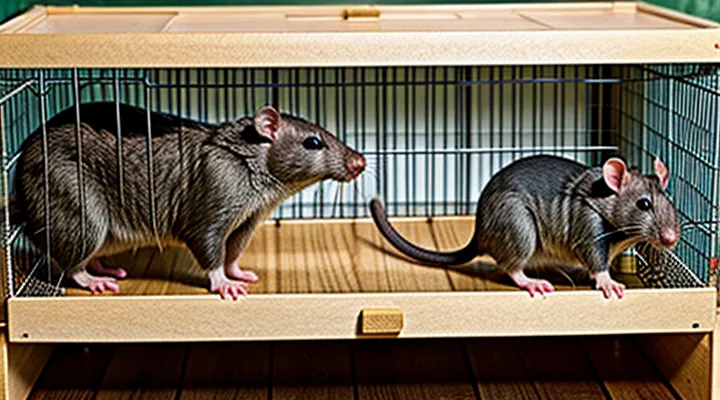
Why a Large Cage is Essential for Rats?
Understanding Rat Needs
Space for Exploration
When selecting a spacious enclosure for rats, prioritize the area available for active movement and environmental interaction. A rat’s natural behavior includes climbing, digging, and foraging; a cage must accommodate these activities without restricting range.
A minimum floor space of 2 sq ft per animal provides enough room for basic locomotion. For groups, add at least 1 sq ft per additional rat to prevent crowding. Height matters as well: a vertical clearance of 12–18 in enables the placement of multi‑level platforms, tunnels, and hammocks, fostering three‑dimensional exploration.
Key dimensions to evaluate:
- Floor area: 2 sq ft per rat (e.g., 24 in × 24 in for a single animal).
- Vertical space: 12–18 in for modular accessories.
- Total volume: Combine floor area and height to estimate overall capacity; larger volume correlates with reduced stress and increased activity.
Materials that support exploratory behavior include solid flooring (to prevent foot injuries), chew‑resistant bars, and detachable sections for rearranging the interior layout. Providing varied textures—wooden platforms, plastic tubes, and mesh walls—encourages natural digging and climbing.
Regularly assess the cage’s layout. If rats spend more than 30 minutes per day confined to a single zone, expand the enclosure or reconfigure elements to distribute resources evenly. Adequate space for exploration directly influences health, behavior, and longevity.
Health and Well-being Benefits
A spacious enclosure directly influences a rat’s physiological health. Sufficient floor area enables natural locomotion, reducing the incidence of musculoskeletal strain and promoting proper joint development. Adequate space also facilitates regular exercise, which supports cardiovascular function and helps maintain a healthy weight.
Ventilation and airflow improve in larger cages, lowering humidity and limiting the growth of mold and bacteria. Cleaner air diminishes respiratory irritation, decreasing the likelihood of conditions such as pneumonia and allergic reactions. Easy access to multiple corners allows for distinct zones for feeding, nesting, and exploration, encouraging mental stimulation and preventing stress‑related behaviors.
Key health advantages of a well‑sized habitat include:
- Enhanced muscle tone from unrestricted movement
- Lower risk of obesity due to increased activity opportunities
- Reduced respiratory problems thanks to better air circulation
- Decreased stress indicators, reflected in calmer demeanor and fewer stereotypic actions
- Improved grooming efficiency, leading to healthier fur and skin
Overall, selecting an appropriately large cage provides the physical environment necessary for optimal health, supporting both the body and the mind of the resident rats.
Key Factors in Choosing a Large Rat Cage
Size and Dimensions
Minimum Space Requirements per Rat
When selecting an enclosure for a colony of rats, the most reliable metric is the floor area allocated to each animal. Scientific and veterinary guidelines converge on a baseline of at least 0.05 m² (≈ 0.5 sq ft) per rat, with many experts recommending 0.09 m² (≈ 1 sq ft) to accommodate natural movement and nesting behavior.
Key dimensions per individual:
- Floor space: minimum 0.05 m²; optimal 0.09 m².
- Height: no less than 30 cm (12 in) to allow vertical climbing and use of multi‑level platforms.
- Vertical enrichment: at least one additional tier or tube per rat, each tier providing a minimum of 5 cm (2 in) of usable height.
For groups, multiply the per‑rat figures by the number of occupants, then add a 10‑15 % buffer to prevent overcrowding as the colony expands. The buffer accounts for shared nesting material, food dishes, and waste zones, which reduce usable floor area.
In practice, a cage measuring 90 cm × 60 cm (≈ 0.54 m²) comfortably houses three rats, meeting the optimal floor‑space recommendation while preserving sufficient height for climbing structures. Adjust dimensions upward if the rats are particularly active, if the enclosure lacks built‑in platforms, or if additional accessories such as wheels and hammocks occupy significant space.
Adhering strictly to these minimums ensures healthy musculoskeletal development, reduces stress‑induced aggression, and supports natural exploratory behavior.
Vertical vs. Horizontal Space
When assessing a roomy enclosure for rats, the balance between height and floor area determines how effectively the animals can explore, exercise, and exhibit natural behaviors.
Rats are agile climbers; vertical dimensions allow the installation of shelves, ramps, and platforms that replicate burrow tunnels and tree trunks. Increased height provides additional surface for nesting material, hides, and enrichment toys without expanding the cage’s footprint. Properly spaced levels prevent overcrowding and enable multiple rats to occupy distinct zones simultaneously.
Horizontal space governs the amount of ground the rodents can traverse. A larger floor area supports running wheels, foraging trays, and open zones for social interaction. It also reduces the likelihood of territorial disputes by offering ample room for each individual to establish a personal perimeter.
Key considerations for each orientation:
- Vertical advantages
- Multipurpose use of limited floor space
- Encourages climbing and muscle development
- Facilitates tiered enrichment placement
- Vertical limitations
- Requires sturdy support structures
- May limit accessibility for older or injured rats
- Horizontal advantages
- Simplifies cleaning and waste removal
- Provides clear sightlines for health monitoring
- Supports larger group sizes without vertical barriers
- Horizontal limitations
- Consumes more floor area in a given room
- May restrict the number of enrichment items if space is constrained
Optimal cages combine both dimensions: a solid base of at least 2 sq ft per rat complemented by at least 12 in of usable height. This configuration maximizes activity options while preserving a manageable footprint for the keeper’s living space.
Bar Spacing
Preventing Escapes
When selecting a spacious enclosure for rats, the primary safeguard against escapes is the cage’s closure system. Choose locks that engage on both sides of the door, resist chewing, and remain closed under pressure. Metal latches with a spring‑loaded mechanism are preferable to plastic clips, which rats can easily bend.
- Latch type: double‑acting metal latch, self‑locking, chew‑resistant.
- Door design: overlapping flaps, no gaps larger than ¼ inch.
- Mesh size: openings no larger than ¼ inch to prevent head‑through.
- Frame material: solid steel or reinforced aluminum, no exposed welds.
Inspect the cage for potential exit routes before purchase. Verify that ventilation slots, water bottle openings, and feeding ports are fitted with secure, removable covers. Ensure the cage base is solid; wire floors can allow rats to slip through if gaps are present.
Regular maintenance reinforces escape prevention. Tighten all screws weekly, replace worn latches, and clean mesh to avoid rust that could weaken connections. Conduct a “push test” on each door: apply steady pressure equivalent to a rat’s weight; the door must remain sealed.
By prioritizing robust locking hardware, minimal gap dimensions, and ongoing inspection, a large rat cage can reliably contain its occupants.
Ensuring Safety
When selecting a spacious enclosure for rats, safety must be the primary criterion. Choose a cage constructed from sturdy, non‑toxic material such as powder‑coated steel or high‑grade acrylic. The frame should resist bending under the weight of multiple animals and withstand attempts to gnaw or climb.
Ventilation is essential to prevent respiratory problems. Verify that the cage includes a minimum of three air exchanges per hour, achieved through mesh sides or adjustable vents. Mesh openings must be no larger than ¼ inch to block escape while allowing airflow.
Secure the enclosure against external threats. Position the cage on a stable surface away from windows, doors, and other pets. Use a lockable latch system that cannot be opened by the rats; double‑check that the latch engages fully with each closure.
Maintain hygiene without compromising safety. Opt for a design with removable trays that fit snugly, preventing spills onto the cage floor. Ensure that cleaning agents used on the cage are rodent‑safe and fully rinsed before reassembly.
Key safety checks:
- Frame material: powder‑coated steel or acrylic, no rust or sharp edges.
- Mesh size: ≤ ¼ inch, no gaps.
- Ventilation rate: ≥ 3 air changes per hour.
- Latch mechanism: lockable, rat‑proof, tested on each use.
- Placement: stable, away from predators, on a non‑slip surface.
- Cleaning components: removable trays, rodent‑compatible detergents.
By adhering to these specifications, the enclosure will provide a secure habitat that minimizes health risks and prevents accidental escapes.
Cage Material and Construction
Durability and Chewing Resistance
Durability and chewing resistance are decisive factors when selecting a spacious enclosure for rats. The animals’ incisors grow continuously, so the cage must withstand persistent gnawing without degrading or creating sharp edges that could injure the pets.
- Material choice – Solid plastic (polycarbonate or high‑density polyethylene) offers superior impact resistance and is less prone to bite marks than thin acrylic or wire mesh. Powder‑coated metal frames provide structural strength while preventing rust, but the bars must be thick enough (minimum 0.5 cm) to resist bite penetration.
- Wall thickness – Minimum wall thickness of 5 mm for plastic and 2 mm for metal bars reduces flexing and prolongs the cage’s service life.
- Joint construction – Reinforced corners with stainless‑steel brackets eliminate weak points where rats can concentrate chewing forces.
- Surface finish – Smooth, rounded edges prevent the formation of stress concentrations that could crack under repeated gnawing.
- Testing standards – Look for cages certified to meet ASTM F963 or ISO 7176‑1 for chew resistance; these benchmarks verify that the enclosure endures repeated bite cycles without failure.
Regular inspection for micro‑cracks or worn bars should accompany any maintenance routine. Replacing damaged panels promptly maintains a safe environment and preserves the cage’s structural integrity over the long term.
Ease of Cleaning
When evaluating a spacious cage for pet rats, the cleaning process should dictate material and design choices. Smooth, non‑porous surfaces prevent waste from adhering, reducing the time needed for each cleaning cycle. Removable floor trays allow quick removal of soiled bedding and immediate replacement with fresh substrate. Wire mesh flooring, while offering ventilation, should be paired with a solid base that can be lifted without disassembly.
Key features that streamline maintenance include:
- Integrated waste pan that slides out on hinges, eliminating the need to lift the entire cage.
- Rounded corners and beveled edges that discourage accumulation of debris in hard‑to‑reach spots.
- Dishwasher‑safe components such as water bottles, food dishes, and plastic ramps, permitting thorough sanitization without manual scrubbing.
- Modular panels secured with quick‑release clips, enabling rapid access to interior sections for deep cleaning.
- Corrosion‑resistant metal or coated wire that resists staining and does not degrade after repeated exposure to cleaning agents.
A cage with these attributes shortens daily upkeep, minimizes the risk of bacterial growth, and maintains a healthier environment for the animals. Selecting a model that incorporates these practical cleaning solutions ensures long‑term hygiene with minimal effort.
Floor Type
Solid vs. Wire Floors
When evaluating floor types for a spacious rat enclosure, consider durability, hygiene, and animal comfort. Solid flooring, typically made of plastic, acrylic, or coated wood, provides a smooth, non‑perforated surface that prevents foot injuries and allows easy placement of bedding. It simplifies cleaning because droppings and urine remain on the surface and can be removed with a single wipe or scoop. However, solid floors retain moisture longer, which may encourage bacterial growth if not dried promptly.
Wire flooring, usually constructed from stainless steel or coated metal, offers superior ventilation. Gaps permit airflow beneath the cage, reducing humidity and helping to keep the habitat dry. The open design facilitates quick removal of waste, as droppings fall through the mesh. Nevertheless, wire floors can cause foot problems such as sore pads or bumblefoot, especially on coarse or widely spaced grids. Rats may also experience stress if the surface feels unstable.
Key comparison points:
- Cleaning: Solid – wipe/scoop; Wire – waste falls through, less frequent deep cleaning.
- Ventilation: Solid – limited; Wire – high airflow, lower humidity.
- Foot health: Solid – gentle on pads; Wire – potential for injuries, depends on mesh size.
- Durability: Solid – resistant to chewing; Wire – may bend under heavy loads, but metal resists gnawing.
Select the floor that aligns with your maintenance routine, the health of your rats, and the overall design of the large cage.
Preventing Bumblefoot
Choosing an appropriately sized enclosure for rats reduces the risk of bumblefoot, a painful foot infection caused by pressure, moisture, and injury. A spacious cage distributes weight across a larger surface, preventing excessive pressure on any single paw. Use solid, non‑slippery flooring such as untreated wood or high‑quality wire mesh with a fine grid; avoid rough or corroded metal that can abrade skin.
Maintain dry, clean bedding to limit moisture buildup. Replace soiled material promptly and provide a separate dry zone for nesting. Regularly inspect paws for redness, swelling, or discharge; early detection allows swift treatment.
Key preventive measures:
- Select a cage with at least 2 sq ft of floor space per rat; larger groups require proportionally more area.
- Install a solid floor or a wire mesh with bars spaced no wider than 0.5 in (12 mm) to prevent foot entrapment.
- Use absorbent, dust‑free bedding such as paper pulp or aspen shavings; avoid cedar or pine, which can irritate skin.
- Provide multiple platforms and ramps constructed from smooth, non‑abrasive material; ensure ramps have gentle inclines (no steeper than 15°).
- Keep the cage in a well‑ventilated, low‑humidity environment; monitor humidity levels and employ a dehumidifier if necessary.
- Schedule weekly cleaning of all surfaces, disinfecting with a rodent‑safe solution; rinse thoroughly to remove residue.
- Rotate enrichment items regularly to prevent wear‑induced injuries on paws.
By integrating these design choices and maintenance practices, a large rat enclosure becomes a safe habitat that minimizes the conditions leading to bumblefoot.
Accessibility and Design
Large Doors for Access
When evaluating a spacious enclosure for rats, the size and design of the access door determine ease of handling, cleaning, and enrichment delivery. A door that exceeds the cage’s internal dimensions by at least two inches on each side prevents obstruction and allows rapid removal of animals without stress.
Key attributes of an effective large door include:
- Dimensions: Minimum opening of 12 in × 12 in for adult rats; larger openings accommodate groups and equipment.
- Material: Solid acrylic or tempered glass provides visibility while resisting gnawing; metal frames with smooth finishes avoid injury.
- Hinge system: Full‑length hinges with a 180‑degree swing eliminate dead angles; removable latch mechanisms enable quick detachment.
- Seal integrity: Rubber or silicone gaskets prevent escape and limit drafts, preserving a stable microclimate.
- Cleaning compatibility: Doors that detach completely allow interior washing without disassembly of the entire cage.
Installation should align the hinge axis with the cage’s structural beams to distribute load evenly. Verify that the latch engages securely from both inside and outside to avoid accidental opening. Regular inspection of hinges, seals, and mounting screws ensures long‑term reliability and maintains a safe environment for the rodents.
Removable Trays and Grids
When evaluating a spacious rat enclosure, removable trays and grids are essential components that affect hygiene, maintenance efficiency, and animal welfare. A removable tray provides a flat surface for bedding, food, and waste collection; it can be lifted out without dismantling the cage, allowing thorough cleaning and rapid turnover between litters. Grids positioned beneath the tray create ventilation, prevent moisture buildup, and support the tray while keeping the cage floor accessible for inspection.
Key considerations for selecting trays and grids include:
- Material durability – Choose stainless steel or high‑density plastic that resists corrosion and chewing.
- Size compatibility – Ensure the tray covers at least 80 % of the cage floor to minimize uncovered areas where waste can accumulate.
- Grid spacing – Opt for openings no larger than 0.5 cm to prevent escape while allowing airflow.
- Ease of removal – Look for handles or lip designs that enable one‑hand operation without disturbing the cage structure.
- Compatibility with accessories – Verify that the tray fits standard water bottle mounts and feeding stations without requiring modifications.
Integrating removable trays and appropriately spaced grids simplifies routine cleaning, reduces the risk of bacterial growth, and supports a stable microenvironment for the rodents. Selecting robust, well‑fitted components directly contributes to the long‑term functionality of a large rat cage.
Ventilation
Airflow Requirements
Adequate ventilation is essential for the health of a large rodent enclosure. Fresh air dilutes ammonia, reduces humidity spikes, and helps maintain a stable temperature. Insufficient airflow can lead to respiratory problems, skin irritation, and rapid deterioration of bedding.
Key airflow considerations include:
- Vent size – openings should total at least 15 % of the cage’s surface area; larger apertures improve exchange without compromising structural integrity.
- Air exchange rate – aim for a minimum of 10 air changes per hour; calculate by dividing the cage volume by the desired turnover time.
- Placement – position intake vents near the floor and exhaust vents near the top to promote natural convection.
- Filtration – integrate a fine‑mesh screen or activated‑carbon filter to prevent debris entry while allowing free flow.
- Material compatibility – use metal or sturdy plastic frames that resist warping from constant airflow.
- Adjustability – include sliding panels or removable grates to fine‑tune ventilation as seasonal temperature and humidity shift.
Monitoring tools such as a digital hygrometer and ammonia detector provide real‑time feedback, enabling prompt adjustments. Regular cleaning of vent openings prevents blockage and sustains optimal air movement throughout the enclosure’s lifespan.
Avoiding Stagnant Air
When selecting an appropriately sized enclosure for rats, airflow quality directly influences health and comfort. Stagnant air creates pockets of elevated humidity and ammonia, which damage respiratory systems and accelerate disease transmission. Ensuring continuous circulation prevents these conditions.
- Install multiple vents on opposite walls to create a cross‑draft; the airflow path should not be obstructed by bedding or accessories.
- Choose cages with mesh panels that allow passive ventilation while maintaining security; metal or stainless‑steel mesh provides durability and resistance to gnawing.
- Position the cage away from walls or furniture that block wind; a clearance of at least two inches on each side preserves unobstructed movement of air.
- Incorporate a small, low‑noise fan if natural ventilation is insufficient; set the fan on low speed to avoid drafts that could stress the animals.
- Clean the enclosure regularly, removing waste and soiled bedding that can release odors and moisture, which otherwise contribute to still air zones.
Monitoring tools, such as a hygrometer and an ammonia detector, help verify that ventilation remains effective. Adjust vent size or fan speed promptly if readings exceed recommended thresholds (humidity below 50 % and ammonia below 25 ppm). Consistent attention to airflow eliminates the risk of stagnant environments, supporting the well‑being of the rodents in a large cage.
Essential Features and Accessories
Levels and Platforms
Maximizing Vertical Space
When selecting a spacious rat habitat, vertical dimension matters as much as floor area. A cage that incorporates height allows several levels of activity without expanding the footprint.
Rats instinctively climb, explore, and create nests above ground level. Providing elevated platforms satisfies these natural behaviors and reduces crowding on the base tier.
- Install sturdy platforms at varied heights, spaced at least 6–8 inches apart to accommodate adult rats.
- Connect levels with solid ladders or ramp sections; avoid flimsy mesh that can collapse under weight.
- Use wire mesh or clear acrylic walls for side visibility, ensuring adequate ventilation while preserving vertical space.
- Attach hanging shelves or tubes to the upper cage frame; secure them to prevent swinging that could injure the animals.
- Position food and water dispensers on the lower tier to keep supplies easily reachable and to encourage movement between levels.
Safety considerations include reinforcing joints, checking for sharp edges, and maintaining a minimum clearance of 2 inches between platforms to prevent accidental entrapment. Ensure the cage top remains accessible for cleaning and inspection.
Maximizing height expands the usable area, promotes exercise, and lowers stress, all while keeping the overall cage size manageable for the owner’s space.
Encouraging Activity
When selecting a spacious enclosure for rats, prioritize elements that compel movement and mental engagement. Adequate floor area—minimum 2 sq ft per adult—prevents crowding and allows unrestricted roaming. Height of at least 12 inches supports vertical platforms, which increase usable space without enlarging the footprint.
Key components that stimulate activity include:
- Multi‑level platforms – sturdy, non‑slippery surfaces positioned at varying heights encourage climbing and exploration.
- Exercise wheels – solid‑backed wheels of 11‑12 inches diameter provide safe, continuous locomotion; avoid wire‑spoked designs that can cause injury.
- Tunnel systems – PVC or acrylic tubes of 1‑2 inches diameter mimic burrowing behavior; interconnect them to create a maze‑like network.
- Chewable enrichment – natural wood blocks, untreated branches, or mineral chews support dental health while prompting gnawing activity.
- Foraging opportunities – hide food pellets in hide‑away boxes or scatter them across the substrate to motivate searching behavior.
Material choice influences activity levels. Smooth, easy‑to‑clean surfaces reduce stress and allow rats to focus on play rather than navigating obstacles. Ensure all components are securely attached; loose parts can become hazards during vigorous movement.
Finally, arrange enrichment items in a rotating schedule. Regularly reposition platforms, tunnels, and toys to prevent habituation and maintain curiosity. This dynamic environment, combined with sufficient space, sustains active, healthy rats within a large cage.
Ramps and Tunnels
Promoting Movement and Enrichment
Choosing a spacious enclosure creates opportunities for physical activity and mental stimulation. A larger floor area allows rats to run, climb, and explore, reducing the risk of obesity and stereotypic behaviors. Provide multiple levels, such as platforms and ramps, positioned at varying heights to encourage vertical movement. Ensure each level is securely attached and offers enough space for a rat to turn comfortably.
Incorporate enrichment items that promote natural foraging and problem‑solving:
- Hide food in cardboard tubes, PVC pipes, or small wooden blocks.
- Rotate chew toys made of untreated wood, sisal rope, or mineral blocks to maintain interest.
- Add tunnels, hammocks, and climbing ladders to diversify pathways.
- Offer nesting material (e.g., shredded paper, tissue) in a secluded corner for nest building.
Arrange accessories so that rats must navigate between them, creating short bouts of exercise throughout the day. Position water bottles and food dishes on separate platforms to encourage movement between stations. Regularly change the layout—swap the location of tunnels, introduce new objects, or rearrange platforms—to prevent habituation and sustain engagement.
Maintain a clean environment by removing waste daily and sanitizing accessories weekly. Cleanliness prevents illness, which can otherwise limit activity levels. By combining ample space with varied, regularly refreshed enrichment, the cage supports robust physical health and sustained cognitive development.
Material Considerations
When selecting an appropriately sized enclosure for rats, the choice of material directly influences durability, hygiene, and the animals’ well‑being. Metal cages, typically stainless steel or galvanized steel, resist corrosion, withstand constant chewing, and endure frequent cleaning with disinfectants. However, metal frames can become hot in direct sunlight and may rust if the coating is compromised.
Plastic cages offer lightweight construction and ease of transport. High‑density polyethylene (HDPE) and polypropylene provide smooth surfaces that resist bacterial growth and simplify disassembly. The main drawback is susceptibility to gnawing; rodents can breach thin walls, leading to escape or injury.
Wooden enclosures, often crafted from untreated pine or hardwood, supply natural insulation and a familiar scent that may reduce stress. Nevertheless, wood absorbs moisture, promotes mold development, and must be sealed with non‑toxic finishes to prevent health hazards.
Glass terrariums deliver excellent visibility and can be sealed to maintain humidity levels. Their rigidity prevents chewing damage, yet glass is fragile, heavy, and difficult to clean in tight corners.
Key material criteria
- Chew resistance: metal > glass > high‑density plastic > wood.
- Cleaning efficiency: smooth, non‑porous surfaces (metal, plastic) outperform porous wood.
- Thermal regulation: wood provides natural insulation; metal may require shading; glass retains heat.
- Weight and mobility: plastic is lightest; metal and glass are heavy, affecting relocation.
Prioritizing these factors ensures the enclosure remains safe, sanitary, and functional over the long term.
Enrichment Opportunities
Hiding Spots and Hammocks
When evaluating a spacious enclosure for rats, incorporate dedicated hiding spots and hammocks to satisfy natural behaviors and promote well‑being. Hiding spots should be secure, ventilated, and arranged at varying heights to encourage exploration while offering refuge from stressors. Materials such as untreated wood, ceramic tubes, or woven fabric provide durability and ease of cleaning; avoid porous surfaces that retain odors. Position multiple shelters throughout the cage to prevent crowding and to allow each animal access to a private area.
Hammocks serve as elevated resting platforms that mimic arboreal tendencies. Choose hammocks made from sturdy, chew‑resistant fabric or rope, anchored to the cage frame with stainless‑steel hardware to prevent sagging. Ensure the hammock is large enough for the rat’s size, with a gentle slope that facilitates easy entry and exit. Regularly inspect attachment points for wear and replace as needed to maintain safety.
Key considerations for integrating these elements:
- Size and quantity: Provide at least one shelter per rat and a hammock that accommodates the largest individual.
- Placement: Distribute shelters and the hammock across different zones to promote movement and reduce territorial disputes.
- Maintenance: Select components that can be detached and sterilized without damage.
- Safety: Verify that all attachments are secure, without sharp edges or loose threads that could cause injury.
By prioritizing well‑designed hiding spots and a reliable hammock, the cage will support the rats’ instinctual need for concealment and elevated rest, contributing to a healthier, more active colony.
Chew Toys and Foraging Items
Chew toys and foraging items are essential components of a well‑equipped large rat enclosure. They satisfy the animals’ natural gnawing instinct, protect cage bars from damage, and provide mental stimulation that reduces boredom‑related behaviors.
Effective chew toys include:
- Untreated hardwood blocks (apple, maple, birch) cut to fit the cage dimensions.
- Natural mineral chews such as calcium carbonate or mineral sticks, placed where rats can easily reach them.
- Safe, untreated woven fibers (e.g., sisal rope) secured to the cage frame to prevent sagging.
Foraging items should encourage exploration and problem‑solving. Practical options are:
- Cardboard tubes or rolled paper rolls filled with small treats, sealed with a loose knot.
- Plastic containers with removable lids that hide pellets or seeds, requiring manipulation to access the food.
- Puzzle feeders that dispense treats when the rat moves a lever or rolls a ball.
When arranging these accessories, distribute them throughout the enclosure to promote movement across the entire space. Anchor chew toys to multiple levels, ensuring that each rat can access at least one item without crowding. Rotate foraging puzzles weekly to maintain novelty and prevent habituation. Regularly inspect all items for wear; replace damaged pieces promptly to avoid ingestion of splinters or sharp fragments.
Where to Buy and Cost Considerations
Reputable Brands and Retailers
Online vs. Local Stores
When sourcing a spacious rat enclosure, the choice between e‑commerce platforms and brick‑and‑mortar retailers influences price, availability, and support. Online marketplaces provide extensive catalogues, detailed specifications, and customer reviews that aid comparison across multiple brands. Shipping often includes free or discounted rates for bulk purchases, but delivery times vary and return processes may involve restocking fees. Product descriptions may lack tactile assessment, requiring reliance on images and measurements.
Local pet shops enable immediate inspection of cage dimensions, material quality, and assembly ease. Staff can demonstrate features such as modular panels or ventilation systems, offering personalized advice based on the animal’s size and activity level. In‑store purchases eliminate shipping costs and allow prompt exchange if the cage proves unsuitable. However, inventory is limited to what the retailer stocks, and prices may be higher due to overhead.
Key considerations:
- Price: online discounts vs. in‑store markup.
- Delivery: shipping duration and return policy vs. immediate pickup.
- Inspection: reliance on photos vs. hands‑on evaluation.
- Support: online FAQs and forums vs. face‑to‑face expertise.
- Availability: broad selection online vs. limited local stock.
Reviews and Recommendations
When evaluating spacious rat enclosures, prioritize durability, ventilation, and ease of cleaning. Trusted manufacturers provide models that meet these criteria while accommodating multiple occupants.
- Exo Terra Rat Habitat 74 × 38 × 38 cm – Heavy‑gauge acrylic, reinforced corners, removable front panel for cleaning; reviewers cite long‑term structural integrity.
- Midwest Products Rat Cage 60 × 30 × 30 cm – Powder‑coated steel frame, wire mesh sides with 0.5 cm openings, modular accessories; praised for excellent airflow and low odor buildup.
- Prevue Pet Products Rat Cage 70 × 35 × 35 cm – Triple‑layered plastic base, slide‑out tray, built‑in feeding station; recommended for easy maintenance and secure lid lock.
- Ferplast Rat Cage 80 × 40 × 40 cm – Polycarbonate panels, detachable top, expandable sections; highlighted for spacious interior and robust construction.
Professional rat caretakers recommend selecting cages with a minimum floor area of 0.3 m² per animal, ensuring at least two levels for climbing, and incorporating chew‑resistant materials. Reviews consistently favor enclosures that allow quick removal of waste trays and feature secure locking mechanisms to prevent escapes.
Budgeting for a Quality Cage
Initial Investment vs. Long-Term Value
When budgeting for a spacious rat habitat, compare the upfront cost with the expected lifespan of the enclosure. A higher initial price often reflects sturdier materials, superior ventilation, and modular components that can be reconfigured as the colony grows. These attributes reduce the frequency of repairs or replacements, lowering cumulative expenses over several years.
Key considerations for evaluating cost versus durability include:
- Material quality – Powder‑coated steel or thick polycarbonate panels resist rust and cracking, extending usable life beyond ten years.
- Design flexibility – Adjustable shelving and removable panels allow expansion without purchasing a new cage, preserving the original investment.
- Ease of cleaning – Smooth interior surfaces and removable trays cut labor time, decreasing long‑term maintenance costs.
- Warranty coverage – Extended warranties signal manufacturer confidence and mitigate unexpected outlays.
Conversely, low‑priced cages typically employ thin wire or cheap plastic. Initial savings may be offset by frequent breakage, poor airflow, and limited adaptability, leading to repeated purchases. Calculating the total cost of ownership—initial price plus anticipated repair, replacement, and maintenance expenses—provides a realistic picture of value.
By prioritizing durability, modularity, and warranty support, the initial expenditure aligns with long‑term financial efficiency, ensuring a stable environment for the animals and a predictable budget for the caretaker.
Accessories Cost
When budgeting for a roomy rat enclosure, the expense of supplementary items can rival the cage price itself. Assess each component’s cost and durability before purchase.
- Bedding: wood shavings or paper pulp, $5‑$15 per 5‑lb bag; bulk packs reduce per‑unit price.
- Water dispenser: glass bottle with stainless steel spout, $8‑$12; plastic models cost $5‑$8 but wear faster.
- Food container: sealed plastic bowl, $6‑$10; larger capacity versions increase price proportionally.
- Hideouts: solid wood or plastic huts, $7‑$14 each; multi‑section designs cost $12‑$20.
- Exercise wheel: solid‑surface wheel, $15‑$30; metal frames add $5‑$10.
- Tunnels and climbing ladders: plastic or rope modules, $4‑$9 per piece; sets of three to five range $15‑$25.
- Cleaning tools: scoop, brush, and disinfectant spray, $10‑$18 total.
Factors that influence these amounts include material quality, brand reputation, and size compatibility with the cage dimensions. Investing in higher‑grade accessories can lower replacement frequency, ultimately reducing long‑term expenditure. Conversely, opting for low‑cost items may increase the need for frequent replacements, raising overall spending. Balance initial outlay against durability to achieve an economical, functional setup.
Setting Up Your Rat's New Home
Placement in Your Home
Avoiding Drafts and Direct Sunlight
When selecting a spacious enclosure for rats, controlling the environment is essential for health and comfort. Exposure to air currents can lower body temperature, impair respiratory function, and increase stress. Direct sunlight raises cage temperature, causing dehydration, heat stress, and rapid degradation of bedding and plastic components.
- Position the cage away from windows, doors, and ventilation ducts that generate drafts.
- Use a solid, opaque cover on the cage top to block sunlight while allowing adequate ventilation through mesh sides.
- Maintain a stable ambient temperature between 18 °C and 24 °C (64 °F–75 °F) by placing the cage in a room with consistent heating or cooling.
- Verify that the cage’s location does not receive prolonged sun exposure during the day; relocate or add shades if necessary.
- Inspect the enclosure daily for signs of condensation, uneven bedding moisture, or overheating, and adjust placement accordingly.
Social Interaction
When selecting a spacious enclosure for rats, their need for social interaction must shape the cage’s layout. Rats are highly gregarious; a single large compartment can quickly become oppressive if it does not accommodate group dynamics. Provide multiple levels, tunnels, and platforms that allow several individuals to move independently while still maintaining visual and olfactory contact. This arrangement reduces stress and promotes natural hierarchy formation.
Key design elements for supporting social behavior:
- Horizontal space: At least 0.5 sq ft per rat on the floor surface prevents overcrowding and enables simultaneous activity.
- Vertical enrichment: Stacking levels doubles usable area without increasing footprint, giving subordinate rats refuge above dominant peers.
- Separate nesting zones: Distinct sleeping areas allow quieter members to withdraw, preserving group cohesion while respecting individual preferences.
- Open sightlines: Transparent or low‑profile barriers prevent visual isolation, a common trigger for anxiety in social species.
Materials should be easy to clean, because accumulated waste can degrade social health by introducing odors that mask pheromonal cues. Regularly inspect the structure for damage; broken bars or collapsed platforms can cause injuries that disrupt group stability. By integrating these considerations, the enclosure supports continuous interaction, hierarchy establishment, and overall well‑being of a rat colony.
Introducing Your Rats to Their New Cage
Gradual Acclimation
When introducing rats to a spacious enclosure, a step‑by‑step acclimation process reduces stress and encourages natural behavior. The goal is to let the animals explore the new environment at a pace that matches their comfort level.
- Place the cage in the same room where the rats are housed to maintain familiar ambient cues.
- Keep the door closed for the first 24 hours; provide food, water, and bedding inside the cage so the rats can investigate without leaving.
- After the initial period, open the door partially and allow brief, supervised outings lasting 5–10 minutes. Extend the duration gradually, observing the animals for signs of anxiety or avoidance.
- Introduce enrichment items (tunnels, chew toys, hiding spots) one at a time, giving the rats time to become accustomed to each before adding the next.
- Once the rats consistently enter and remain in the cage for at least 30 minutes, transition to unrestricted access, monitoring for any regression in behavior.
Consistent observation throughout the acclimation phase ensures the rats adapt smoothly. Adjust the timing of each step based on individual responses; some individuals may require longer exposure before progressing. Successful gradual introduction results in confident, active rodents that utilize the full capacity of the larger habitat.
Minimizing Stress
Selecting a spacious enclosure that reduces anxiety requires attention to dimensions, layout, and environmental stability. A cage should provide at least 2 sq ft of floor space per rat, with a minimum height of 12 inches to allow vertical exploration. Overcrowding elevates cortisol levels and triggers aggression; ensure each animal has personal zones separated by solid barriers or tunnels.
Materials influence comfort and health. Wire floors cause foot lesions and stress; opt for solid platforms covered with chew‑safe bedding. Non‑porous surfaces simplify cleaning, preventing odor buildup that can disturb the rats’ olfactory cues.
Consistent placement minimizes external disturbances. Position the cage away from loud appliances, drafts, and direct sunlight. Maintain a regular light‑dark cycle of 12 hours each; abrupt changes in illumination disrupt circadian rhythms and increase nervousness.
Enrichment items support natural behaviors and lower tension. Include:
- Multi‑level platforms connected by ramps
- Tubes of varying diameters for burrowing
- Nesting material such as shredded paper
- chewable objects made of untreated wood
Rotate accessories weekly to sustain interest without overwhelming the animals.
Temperature regulation prevents thermal stress. Keep ambient temperature between 65 °F and 75 °F; use a thermostat‑controlled heating pad only if the environment falls below the lower limit. Monitor humidity, aiming for 40‑60 % to avoid respiratory irritation.
Routine cleaning schedules preserve hygiene and mental stability. Perform spot cleaning daily, removing wet bedding and waste. Conduct a full substrate change weekly, avoiding sudden removal of familiar scents that serve as territorial markers.
Handling practices affect stress levels during interactions. Approach the cage calmly, allowing rats to sniff the hand before grasping. Use gentle, brief sessions of 2–3 minutes, gradually extending duration as tolerance improves.
By integrating adequate space, stable surroundings, appropriate enrichment, and consistent care, the enclosure becomes a low‑stress habitat that promotes healthy, sociable rats.