
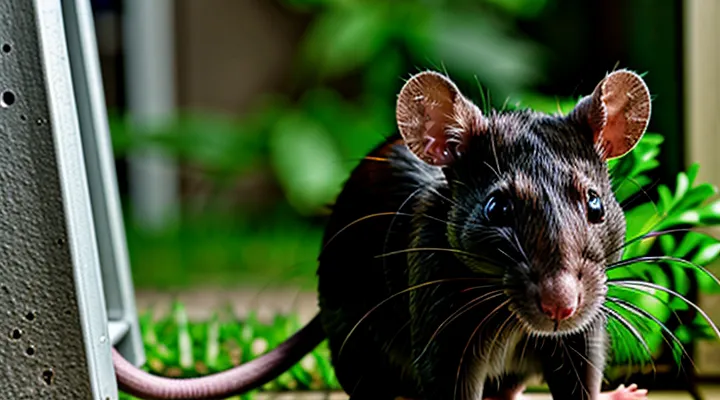
Understanding Rat Behavior and Needs
Social Needs
Importance of Companionship
Rats are inherently social mammals; isolation increases anxiety and can precipitate abnormal behaviors. Providing a conspecific companion satisfies the species‑typical need for interaction and stabilizes emotional equilibrium.
Companionship yields measurable physiological benefits. Paired rats display lower stress hormone concentrations, enhanced immune responsiveness, and more consistent weight gain. Social housing also reduces the incidence of stereotypies such as excessive gnawing or self‑injury.
Practical steps to ensure effective companionship:
- Introduce a cage mate of similar age, size, and temperament; observe initial interactions for signs of aggression.
- Maintain a spacious enclosure that allows each animal to retreat and establish personal zones.
- Supply multiple enrichment items (tunnels, chew toys, climbing structures) to distribute attention and prevent competition.
- Conduct daily brief handling sessions for each rat to reinforce social bonds with humans while preserving the primary rat‑to‑rat relationship.
- Monitor health indicators (coat condition, activity level, food intake) regularly; adjust pairings if chronic stress signs emerge.
Research consistently demonstrates that a stable social partner improves overall welfare, supporting long‑term health and behavioral stability in pet rats. «Rats exhibit lower corticosterone levels when housed with a partner», confirming the direct link between companionship and reduced physiological stress.
Introducing New Rats
Introducing new rats into an established colony requires careful preparation to minimize stress and prevent disease transmission. Begin by quarantining the newcomers for at least two weeks in a separate enclosure equipped with the same bedding, food, and water as the main habitat. Observe health indicators such as appetite, activity level, and respiratory sounds daily; any signs of illness warrant veterinary consultation before integration.
After quarantine, conduct a gradual introduction process:
- Place a clean, neutral cage between the existing and new enclosures; allow both groups to sniff through the barrier for several minutes.
- Swap bedding and toys between cages to transfer familiar scents without direct contact.
- Supervise short, supervised sessions in a neutral play area, increasing duration as calm behavior persists.
- Monitor for aggressive displays (lunging, biting) and separate the animals immediately if observed; repeat the gradual steps until peaceful interaction is consistent.
Finalize integration by merging the groups in the primary habitat once social acceptance is evident. Maintain consistent feeding schedules, provide ample hiding spaces, and continue health checks for at least one month post‑integration to ensure long‑term stability.
Enrichment and Mental Stimulation
Toys and Play
Providing rats with appropriate toys and regular play sessions supports dental health, encourages natural foraging behavior, and reduces stress.
Suitable toys fall into several categories:
- Chewing objects such as untreated wood blocks, cardboard tubes, and mineral‑based chew sticks;
- Climbing apparatus including ladders, branches, and multi‑level platforms;
- Tunnels and hideaways made from plastic or fabric that allow exploration of confined spaces;
- Puzzle devices that conceal treats and require manipulation to retrieve the reward;
- Interactive accessories like ball tracks or rotating wheels designed for small rodents.
Selection criteria prioritize non‑toxic materials, absence of sharp edges, and dimensions that accommodate the animal’s size. Items should withstand frequent cleaning with mild detergent and water; any detachable parts must be securely attached to prevent ingestion.
Enrichment routines benefit from rotating toys every few days to maintain novelty. Daily sessions of 15–20 minutes, divided into short intervals, stimulate activity without causing exhaustion. Observing the rat’s preferences guides adjustments to the assortment, ensuring continuous engagement and optimal well‑being.
Foraging Opportunities
Foraging opportunities engage rats in natural exploratory behavior, supporting cognitive health and preventing boredom.
Safe foraging materials include fresh vegetables, small pieces of fruit, unsalted nuts, and commercially available rodent foraging toys. All items must be free of pesticides, mold, and excessive sugar. Introduce new foods gradually to monitor tolerance and avoid gastrointestinal upset.
Practical methods to provide foraging challenges:
- Conceal dry kibble within shredded paper tubes or cardboard rolls, encouraging rodents to root through debris.
- Distribute small food pellets inside wooden blocks with drilled holes, requiring manipulation to extract the reward.
- Scatter a handful of fresh greens on the cage floor, mixing them with bedding so rats must search for edible portions.
- Rotate foraging objects weekly to maintain novelty and prevent habituation.
Regular inspection of foraging devices ensures cleanliness and prevents the buildup of waste. Adjust the complexity of puzzles in response to the animals’ proficiency, increasing difficulty as skills improve. This systematic approach sustains engagement while preserving a hygienic environment.
Housing and Environment
Cage Requirements
Size and Bar Spacing
Proper cage dimensions are essential for the health and activity of pet rodents. An enclosure should provide sufficient floor space to allow natural foraging and exercise. Minimum recommended floor area is 60 × 30 cm for a single adult, with each additional rat requiring an extra 30 × 30 cm. Height must accommodate climbing, typically at least 30 cm, though taller cages encourage vertical exploration.
Bar spacing directly influences safety and comfort. Gaps wider than 0.5 cm enable escape and risk of injury, while narrower than 0.3 cm may cause paw entrapment. The optimal distance falls between 0.4 cm and 0.5 cm, balancing ventilation with security. Materials such as stainless steel or powder‑coated wire maintain structural integrity and resist corrosion.
Key specifications:
- Floor area: ≥ 60 × 30 cm per rat, plus 30 × 30 cm per additional animal.
- Cage height: ≥ 30 cm to support climbing.
- Bar spacing: 0.4–0.5 cm, never exceeding 0.5 cm.
- Material: durable, non‑toxic metal with smooth edges.
Ventilation and Location
Proper airflow and suitable placement are fundamental for healthy rat colonies. Fresh air reduces the buildup of ammonia from urine, limits respiratory irritation, and helps maintain stable humidity levels. Aim for an exchange rate that keeps ambient humidity between 40 % and 60 % without creating drafts that chill the animals. Use cages with wire or mesh panels that permit ventilation while protecting against escape. Incorporate a small, filtered vent if the enclosure sits in a closed room.
The enclosure should reside in an area where temperature remains consistently between 18 °C and 24 °C. Avoid direct sunlight, which can cause overheating, and keep the cage away from kitchens, cleaning chemicals, and strong odors that may stress the rodents. Position the habitat on a stable, level surface to prevent tipping. Ensure the location is quiet, away from loud appliances and frequent foot traffic, yet accessible for regular cleaning and observation.
Key considerations:
- Air exchange sufficient to keep ammonia levels low
- Humidity maintained at 40‑60 %
- No direct drafts or chilling currents
- Temperature steady at 18‑24 °C
- Placement away from sunlight, chemicals, and excessive noise
- Stable, level surface for the enclosure
Adhering to these ventilation and location guidelines supports robust immune function, promotes natural behavior, and simplifies long‑term maintenance of rat populations.
Bedding and Substrate
Safe Bedding Options
Safe bedding is essential for rodent health, providing comfort, moisture control, and protection from respiratory irritants. Suitable materials combine absorbency, low dust production, and non‑toxicity.
- «Paper‑based products» such as shredded paper or recycled paper pellets offer high absorbency and minimal dust. They are easy to replace and do not contain chemicals that could harm sensitive respiratory systems.
- «Aspen shavings» present a natural alternative to pine or cedar, which release aromatic oils known to irritate lungs. Aspen fibers are soft, absorb moisture effectively, and decompose without generating harmful particulates.
- «Coconut fiber (coir)» delivers excellent ventilation and moisture regulation. When processed to a fine, dust‑free consistency, coir maintains a dry environment while remaining safe for chewing.
- «Fleece blankets» provide reusable, washable bedding that eliminates dust entirely. Fleece retains warmth and can be layered with a thin absorbent liner to manage waste.
Materials to avoid include pine and cedar shavings, which emit phenols and terpenes that compromise respiratory health, and scented bedding that may contain artificial fragrances. Regular monitoring of bedding condition—replacing soiled sections daily and performing a full change weekly—prevents bacterial growth and maintains optimal hygiene. Selecting the appropriate bedding material directly supports the well‑being and longevity of pet rodents.
Cleaning and Replacement
Maintaining a clean environment is essential for rat health and longevity. Regular removal of waste, thorough disinfection of the cage, and timely replacement of consumable items prevent disease, reduce odor, and promote comfortable living conditions.
- Clean the cage at least once a week. Remove all bedding, droppings, and leftover food. Rinse surfaces with warm water, then apply a rodent‑safe disinfectant. Rinse again to eliminate residue before adding fresh bedding.
- Replace bedding weekly or when it becomes soiled. Use absorbent, dust‑free material such as paper‑based or aspen shavings. Avoid pine or cedar, which contain aromatic oils that can irritate respiratory passages.
- Inspect water bottles daily. Clean the bottle and nozzle with mild soap and rinse thoroughly. Replace the bottle every month to prevent biofilm buildup.
- Clean food dishes after each feeding. Use a non‑abrasive scrubber and rinse with hot water. Replace dishes that develop cracks or become difficult to sterilize.
- Examine enrichment items (toys, tunnels, climbing structures) weekly. Wash with warm, soapy water, rinse well, and disinfect if necessary. Replace items that show signs of wear or excessive chewing.
A systematic schedule ensures that each component receives appropriate attention. By adhering to these practices, caretakers provide a hygienic habitat that supports optimal health and well‑being for pet rats.
Cage Accessories
Hiding Spots and Hammocks
Providing secure hiding spots and well‑designed hammocks greatly enhances a rat’s sense of safety and encourages natural climbing behavior.
Effective hiding spots possess the following attributes:
- Dimensions that accommodate an adult rat without restriction.
- Materials such as untreated wood, thick fabric, or natural cork that resist gnawing and are easy to clean.
- Placement within low‑traffic zones of the cage, away from direct drafts and bright lights.
- Accessibility from multiple angles to allow retreat when startled.
Hammocks contribute to muscular development and stress reduction. Selection criteria include:
- Strong, flexible support cords capable of bearing the animal’s weight repeatedly.
- A breathable surface, for example fleece or mesh, that prevents overheating.
- Adjustable attachment points to fit various cage sizes and to allow height variation.
Routine maintenance ensures longevity and health safety:
- Clean all fabrics and surfaces weekly with mild, unscented soap, followed by thorough rinsing.
- Inspect cords and attachment hardware for wear; replace any frayed elements immediately.
- Rotate positions of hides and hammocks periodically to stimulate exploration and prevent territorial stagnation.
Integrating these elements creates an environment that mirrors the rat’s natural habitat, supporting overall well‑being and reducing stress‑related behaviors.
Water Bottles and Food Bowls
Water provision for rats requires reliable bottles that prevent leakage and contamination. Bottles made from clear polycarbonate or stainless‑steel allow visual inspection of fluid levels and resist gnawing. Sippers should feature a stainless‑steel tube with a secure, spring‑loaded ball valve to maintain a constant flow while blocking debris. Position bottles on the cage side opposite the nest to reduce spillage and encourage regular drinking.
- Choose bottles with a capacity of 250–500 ml for standard laboratory or pet cages.
- Prefer models with detachable caps for easy cleaning.
- Verify that the sipper tube length matches the cage height to avoid excess protrusion.
- Select bottles with a secure mounting bracket that attaches firmly to the cage bar.
Food bowls must accommodate the species’ tendency to gnaw and scatter food. Ceramic or heavy‑glass dishes provide stability and are impervious to chewing, while stainless‑steel bowls offer durability and ease of sterilization. Bowls should have smooth, rounded edges to prevent injury and a shallow depth that allows rats to access food without excessive effort.
- Opt for bowls with a diameter of 8–10 cm to hold a standard daily ration.
- Ensure the material is non‑porous and dishwasher‑safe.
- Prefer designs with a detachable base for thorough cleaning.
- Place bowls away from the water bottle to avoid moisture accumulation.
Regular maintenance preserves hygiene and prevents disease. Replace water bottles weekly, inspecting the sipper for wear. Clean both bottles and bowls with hot, unscented soap, rinse thoroughly, and sanitize with a dilute bleach solution (1 % concentration) before a final rinse. Conduct a visual inspection of all feeding equipment daily to identify cracks, rust, or buildup.
Nutrition and Diet
Essential Dietary Components
High-Quality Rat Pellets
High-quality rat pellets provide a complete nutritional foundation for domestic rats. The formulation combines animal‑based proteins, complex carbohydrates, essential fatty acids, vitamins and minerals in proportions that match the species’ metabolic requirements. Ingredients are typically sourced from reputable suppliers, limiting artificial colors, flavors and unnecessary fillers.
Balanced protein levels (18‑22 % of the diet) support growth, tissue repair and immune function, while a fiber content of 4‑6 % promotes healthy gut motility and dental wear. Low‑fat composition (under 5 % total fat) reduces the risk of obesity, and the inclusion of vitamin A, B‑complex, D and E, together with calcium and phosphorus, maintains skeletal integrity and visual health.
Key criteria for selecting appropriate pellets include:
- Protein source: animal‑derived, not plant‑based soy or corn gluten.
- Fiber source: insoluble fiber such as beet pulp, not cellulose filler.
- Absence of added sugars, salts and synthetic preservatives.
- Guaranteed analysis matching the nutritional profile described above.
- Manufacturer reputation and third‑party testing for contaminants.
Feeding guidelines recommend offering a daily portion of 1‑2 grams per gram of body weight, divided into two equal meals to mimic natural foraging patterns. Fresh water must be available at all times. Store pellets in a sealed container at room temperature, away from direct sunlight, to preserve nutrient stability. When introducing a new brand, transition over a 5‑day period by gradually increasing the proportion of the new pellets while decreasing the old, thereby minimizing digestive upset.
Fresh Fruits and Vegetables
Fresh fruits and vegetables provide essential vitamins, minerals, and fiber that support the health of pet rats. Offer a variety of items in small, bite‑size portions to encourage natural foraging behavior while preventing overconsumption of sugars.
• Apples – core removed, skin washed, diced.
• Blueberries – rinsed, whole or halved.
• Carrots – peeled, thinly sliced.
• Bell peppers – seedless, chopped.
• Leafy greens – kale, romaine lettuce, spinach – washed thoroughly, torn into manageable strips.
• Broccoli florets – blanched briefly to soften tough fibers.
• Pears – cored, sliced, skin left on for extra fiber.
Limit fruit intake to no more than 10 % of the daily diet; vegetables may constitute up to 20 %. Remove any uneaten produce after two hours to avoid spoilage and bacterial growth. Avoid citrus fruits, grapes, and avocado, as they contain compounds that can be toxic to rodents. Introduce new items gradually, monitoring for digestive upset or changes in stool consistency. Rotate selections regularly to provide a balanced nutrient profile and maintain interest.
Treats and Supplements
Safe Treat Options
Treat safety directly influences rodent health, weight management, and digestive stability. Selecting ingredients that lack toxic compounds and excessive sugars reduces the risk of gastrointestinal upset and metabolic disorders.
- Fresh vegetables: carrot sticks, broccoli florets, cucumber slices, bell‑pepper strips. All should be washed thoroughly and offered in bite‑size pieces.
- Fresh fruits: apple slices (core removed), blueberries, strawberries, pear wedges. Limit portions to 5 % of daily caloric intake because of natural sugars.
- Whole grains: cooked quinoa, rolled oats, whole‑grain rice. Ensure grains are plain, without added salt, butter, or seasoning.
- Protein sources: boiled egg white, plain cooked chicken breast, unsalted turkey. Serve in small, shredded portions; avoid processed meats, cheese, and any products containing spices or preservatives.
- Commercial rodent treats: products specifically formulated for rats, certified free of artificial colors, sweeteners, and high‑fat content. Verify ingredient lists before purchase.
Preparation guidelines require washing all fresh produce, removing seeds or pits that could cause choking, and cooking animal proteins without oil or seasoning. Store leftovers in a sealed container for no longer than 24 hours; discard any moldy or stale items. Introduce new foods gradually, monitoring for changes in stool consistency or behavior that may indicate intolerance.
Regular health checks should include weight tracking and observation of dental condition, as improper treats can contribute to overgrowth. Adjust treat quantities based on age, activity level, and overall diet composition to maintain optimal nutrition.
Avoiding Harmful Foods
Rats require a diet free of substances that can cause toxicity, digestive distress, or long‑term health problems. Identifying and eliminating harmful items is essential for maintaining optimal wellbeing.
«Avoid the following foods:»
- Chocolate, cocoa products, and any items containing theobromine.
- Caffeine‑containing beverages or foods, including coffee, tea, and cola.
- Alcohol, even in minute quantities.
- Raw or undercooked beans, particularly red kidney beans, which contain lectins.
- Processed meats with high salt or nitrate content, such as bacon, ham, and hot dogs.
- Fruit seeds and pits, especially apple, cherry, peach, and apricot pits, which harbor cyanogenic compounds.
- Dairy products beyond small, occasional amounts of plain yogurt, as many adult rats are lactose intolerant.
- High‑fat snack foods, including chips, fried items, and greasy pizza crusts.
- Artificial sweeteners, especially xylitol, which can induce hypoglycemia.
Each listed item poses a specific risk: chocolate and caffeine stimulate the cardiovascular system, potentially leading to arrhythmias; raw beans introduce toxins that damage the intestinal lining; seeds and pits release cyanide precursors; high‑salt or nitrate meats strain renal function; dairy can cause gastrointestinal upset; and artificial sweeteners interfere with glucose regulation.
Safe alternatives include fresh vegetables (e.g., carrots, broccoli, kale), whole grains (e.g., rolled oats, brown rice), lean protein sources (e.g., cooked chicken breast, boiled eggs), and occasional fruit without seeds (e.g., banana, berries). Providing a balanced mix of these items supports growth, immune competence, and longevity without exposing rats to unnecessary hazards.
Feeding Schedule and Portions
Feeding rats requires a consistent schedule and precise portion control to sustain health and prevent obesity. Offer fresh food twice daily, ideally in the morning and evening, to align with their natural foraging rhythm. Each feeding should provide a measured amount based on the animal’s age and body weight.
- Juvenile rats (under 8 weeks): 1 – 2 tablespoons of high‑quality pellet mix per meal.
- Adults (8 weeks – 12 months): 2 – 3 tablespoons of pellet mix per meal.
- Seniors (over 12 months): 2 tablespoons of pellet mix, with occasional reduction if weight gain is observed.
Supplement the pellet base with a small portion of fresh vegetables (e.g., carrot, broccoli) not exceeding 10 % of total intake. Include a limited amount of protein treats (e.g., boiled egg, mealworm) no more than once a week, each serving no larger than a pea‑sized piece. Provide unlimited access to clean, fresh water; replace daily to prevent contamination.
Monitor body condition weekly. Adjust portions upward if the rat appears underweight, downward if excess fat is evident. Consistency in timing and quantity supports metabolic stability and encourages natural eating behavior.
Health and Wellness
Common Rat Ailments
Respiratory Issues
Respiratory problems represent a frequent health concern for pet rats, arising from bacterial agents such as Mycoplasma pulmonis, Streptococcus pneumoniae, viral infections, and adverse environmental conditions. Early detection and appropriate management are essential to prevent progression and reduce mortality.
Typical clinical manifestations include:
- Nasal discharge, clear or purulent
- Labored breathing or audible wheezing
- Sneezing and frequent sniffing
- Reduced activity and loss of appetite
- Ocular discharge accompanying nasal symptoms
Preventive measures focus on maintaining optimal cage conditions and minimizing stressors:
- Keep humidity between 40 % and 60 % to discourage pathogen growth
- Provide well‑ventilated housing without drafts
- Change bedding regularly, using low‑dust, absorbent material
- Implement strict quarantine for new or ill animals before introduction to the colony
- Ensure balanced nutrition, emphasizing vitamin C‑rich foods to support immune function
When respiratory disease is suspected, immediate veterinary assessment is required. Treatment protocols generally involve:
- Administration of appropriate antibiotics, selected based on culture and sensitivity when possible
- Supportive therapy, including warm, humidified environments to ease breathing
- Fluid therapy to counter dehydration caused by fever and reduced intake
- Monitoring of weight and respiratory rate to gauge recovery progress
Prompt intervention, combined with diligent environmental management, markedly improves outcomes for rats afflicted with respiratory ailments.
Tumors and Lumps
Tumor formation and palpable masses represent frequent health issues in pet rats and require prompt attention to preserve animal welfare.
Visible or tactile abnormalities may include:
- Enlarged lymph nodes in the neck or abdomen
- Firm, irregular skin swellings on the head, limbs, or torso
- Rapidly growing masses that alter normal posture or movement
- Ulcerated lesions that bleed or discharge
Veterinary assessment should begin with a thorough physical examination, followed by diagnostic imaging such as radiography or ultrasound to determine size, depth, and involvement of surrounding tissues. Fine‑needle aspiration or biopsy provides cytological confirmation and informs prognosis.
Therapeutic options depend on tumor type and stage:
- Surgical excision for localized, benign growths or resectable malignancies
- Chemotherapy protocols tailored to specific neoplasms, administered under veterinary supervision
- Palliative care, including analgesics and anti‑inflammatory agents, for advanced disease
Preventive measures focus on minimizing risk factors: maintain a clean, low‑stress environment; provide a balanced diet rich in antioxidants; conduct regular health checks to detect early changes. Immediate veterinary consultation is advised when any new lump appears, enlarges rapidly, or is associated with pain or functional impairment.
Early detection and appropriate intervention improve outcomes and extend the quality of life for affected rats.
Skin Conditions
Skin health directly influences a rat’s overall well‑being. Regular inspection of the coat and underlying tissue prevents minor irritations from escalating into serious infections.
Common dermatological problems include:
- «Dermatitis» – inflammation caused by allergies, irritants, or poor hygiene.
- «Mange» – infestation by mites, often presenting as hair loss and crusty skin.
- «Fungal infection» – typically caused by Trichophyton species, leading to scaly patches.
- Dry, flaky skin – frequently linked to low humidity or nutritional deficiencies.
- Ulcers – result from repeated trauma, pressure sores, or underlying systemic disease.
Visible indicators warrant immediate attention:
- Redness or swelling of any skin area.
- Hair loss, especially in symmetrical patterns.
- Excessive scratching, biting, or grooming.
- Crusts, scabs, or moist lesions.
- Unusual odor emanating from the coat.
Preventive actions reduce incidence:
- Maintain cage humidity between 45 % and 55 % to avoid excessive dryness.
- Provide a balanced diet rich in essential fatty acids and vitamins A, E, and C.
- Clean bedding regularly; replace with dust‑free, absorbent material.
- Limit exposure to potential allergens such as strong fragrances or scented cleaning agents.
- Conduct weekly visual checks, focusing on ears, tail, and ventral surfaces.
When a condition is identified, follow these treatment principles:
- Isolate the affected animal to prevent spread of contagious agents.
- Consult a qualified veterinarian for accurate diagnosis and prescription of topical or systemic medication.
- Apply prescribed ointments according to the label, ensuring complete coverage of the lesion.
- Adjust environmental parameters—humidity, temperature, bedding—to support healing.
- Monitor progress daily; discontinue treatment only after full resolution of symptoms.
Consistent observation, proper habitat management, and prompt veterinary intervention constitute the most effective strategy for maintaining healthy rat skin.
Recognizing Signs of Illness
Changes in Behavior
Rats communicate health and environmental conditions through observable shifts in activity, social interaction, and feeding patterns. Recognizing these alterations enables timely intervention and supports long‑term well‑being.
Common behavioral indicators include:
- Reduced exploration of familiar tunnels or cages.
- Increased aggression toward cage mates or handlers.
- Withdrawal from group activities and preference for solitary hiding.
- Sudden changes in grooming frequency, either excessive or absent.
- Decreased intake of standard food or water, accompanied by selective nibbling of treats.
- Repetitive stereotypic motions such as excessive chewing or pacing.
Typical triggers for such changes are:
- Illness or pain, often manifesting as lethargy or altered posture.
- Inadequate temperature, humidity, or lighting, which disrupts circadian rhythms.
- Overcrowding or hierarchy conflicts within the colony.
- Nutritional imbalances, including deficiencies or excesses.
- Environmental stressors like loud noises, strong scents, or frequent cage disturbances.
Effective response strategies:
- Conduct a health assessment, checking for signs of respiratory distress, skin lesions, or dental issues.
- Verify environmental parameters; maintain temperature between 18 °C and 24 °C, humidity around 50 %, and provide consistent light cycles.
- Reevaluate social structure; separate aggressive individuals temporarily while monitoring group dynamics.
- Review diet composition, ensuring balanced protein, fiber, and vitamin intake; supplement with fresh vegetables if necessary.
- Minimize external disturbances by locating the enclosure in a quiet, low‑traffic area and limiting handling to regular, gentle sessions.
Consistent observation of rat behavior, combined with prompt corrective measures, forms a cornerstone of responsible pet ownership and promotes optimal health outcomes.
Physical Symptoms
Recognizing observable changes in a rat’s condition enables timely intervention and supports long‑term wellbeing. Physical indicators provide the most immediate insight into health status and should be assessed daily.
- Dull or unkempt fur suggests possible skin infection, parasites, or nutritional deficiency.
- Weight loss exceeding 10 % of normal body mass indicates metabolic disorders, gastrointestinal issues, or chronic disease.
- Labored breathing, audible wheezing, or nasal discharge points to respiratory infection or environmental irritants.
- Swollen or reddened eyes, excessive tearing, or discharge reflect ocular infection or systemic illness.
- Abnormal stool consistency—diarrhea, blood, or mucus—signals digestive tract disturbance, bacterial overgrowth, or parasitic infestation.
- Lethargy, reduced activity, or reluctance to explore denotes pain, neurological impairment, or severe systemic stress.
- Unusual grooming behavior, such as excessive licking of a single area, may reveal localized injury, dermatitis, or foreign body presence.
- Persistent shaking, tremors, or loss of coordination indicates neurological dysfunction, toxin exposure, or severe metabolic imbalance.
Monitoring these signs, documenting frequency and severity, and consulting a qualified veterinarian at the first indication of abnormality constitute a proactive health‑maintenance strategy for pet rats.
Veterinary Care
Finding an Exotics Vet
Finding a veterinarian qualified to treat rats requires deliberate research. General practice clinics often lack the specific knowledge needed for small rodent health, making a specialist essential for accurate diagnosis and effective treatment.
To locate a suitable professional, follow these actions:
- Search online directories of exotic‑animal veterinarians, filtering results by species expertise and geographic proximity.
- Contact local animal shelters or rescue groups; they frequently collaborate with veterinarians experienced in rodent care.
- Inquire with reputable rat breeders or pet stores about veterinarians they trust for routine and emergency care.
- Review listings from national veterinary associations that provide searchable databases of members holding certifications in exotic animal medicine.
When evaluating candidates, verify the following qualifications:
- Certification from recognized bodies such as the American College of Zoological Medicine or equivalent.
- Documented experience treating rats, mice, or other small mammals.
- Availability of appropriate diagnostic equipment (e.g., digital radiography, laboratory testing) within the clinic.
- Policies for emergency appointments outside regular hours.
Practical considerations include:
- Distance from the home or breeding facility to reduce transport stress.
- Fee structure for examinations, procedures, and medications; request a written estimate when possible.
- Acceptance of pet insurance plans or payment options that align with the owner’s budget.
After selecting a veterinarian, schedule an initial wellness examination. During this visit, discuss preventive measures such as parasite control, dietary guidance, and dental monitoring. Establishing a clear communication channel with the specialist ensures timely intervention should health issues arise, supporting the overall well‑being of the rat population.
Regular Check-ups
Regular check-ups constitute a fundamental component of effective rat maintenance. Routine health assessments enable early detection of conditions that could compromise wellbeing and longevity.
A practical schedule includes weekly visual inspections, monthly weight measurements, and quarterly veterinary examinations. Adjustments to frequency may be necessary for aging individuals or those with known health issues.
Key indicators to evaluate during each inspection:
- Body weight compared with baseline records
- Fur condition: absence of bald patches, smooth texture
- Ocular health: clear, unclouded lenses, no discharge
- Dental status: even wear, no overgrowth visible upon gentle mouth opening
- Respiratory sounds: absence of wheezing or labored breathing
- Activity level: normal exploration, prompt response to stimuli
Veterinary consultation is warranted when any of the following signs appear:
- Sudden weight loss exceeding 10 % of body mass
- Persistent nasal or ocular discharge
- Unusual lethargy or aggression
- Visible dental overgrowth causing difficulty chewing
- Respiratory distress or audible wheezing
Documenting observations in a simple log supports continuity of care and facilitates communication with veterinary professionals. Consistent adherence to this protocol promotes optimal health outcomes for pet rats.
Hygiene and Grooming
Self-Grooming Behavior
Rats devote a considerable portion of each day to self‑grooming. This activity removes debris, distributes natural oils, and regulates body temperature. Proper grooming reduces the risk of skin infections, prevents matting of fur, and supports sensory function.
Observation of grooming patterns provides insight into a rat’s well‑being. Normal behavior includes short, frequent bouts of licking and nibbling of the face, paws, and tail. Excessive grooming—continuous sessions lasting several minutes—may indicate stress, pain, or dermatological problems. Conversely, a lack of grooming can signal illness, obesity, or environmental discomfort.
To facilitate healthy self‑grooming, maintain the following conditions:
- Clean cage substrate; replace weekly to prevent buildup of waste and dust.
- Provide a balanced diet rich in essential fatty acids, which promote skin integrity.
- Ensure ambient temperature stays within the optimal range of 18‑24 °C; extreme temperatures disrupt grooming efficiency.
- Offer enrichment items such as chew toys and tunnels; these stimulate natural movement and allow access to hard‑to‑reach body parts.
Regular health checks should include visual inspection of the coat and skin. Look for bald patches, crusts, or excessive oiliness. Any abnormalities warrant veterinary assessment, as early intervention prevents secondary complications.
If a rat shows reduced grooming activity, evaluate cage humidity, bedding type, and potential sources of stress such as loud noises or overcrowding. Adjusting these factors often restores normal grooming behavior without medical treatment.
Occasional Cleaning
Regular cleaning of a rat’s habitat prevents the buildup of waste, odors, and harmful microorganisms. Performing a thorough clean‑up every two to four weeks removes accumulated droppings, food residue, and nesting material that daily spot‑cleaning cannot address.
- Remove all accessories, including wheels, tunnels, and feeding dishes.
- Dispose of bedding and replace with fresh, absorbent material.
- Scrub the cage interior with mild, non‑toxic detergent; rinse thoroughly to eliminate soap residues.
- Disinfect reusable items with a dilute solution of white vinegar (1 part vinegar to 4 parts water) or a commercially approved rodent disinfectant; allow full drying before returning them to the enclosure.
- Re‑introduce fresh bedding, food, and water containers, ensuring they are positioned for easy access and minimal spillage.
Cleaning frequency may increase in warmer climates or when multiple rats share a single enclosure, as higher activity levels generate more waste. Monitoring the cage for visible signs of soiling provides a practical cue for when an occasional deep clean is required. Maintaining this routine supports a healthy environment, reduces respiratory risks, and contributes to the overall well‑being of the animals.
Handling and Training
Building Trust
Gentle Handling Techniques
Gentle handling prevents stress, injury, and establishes trust between the caretaker and the rodent. Approach the cage slowly, allowing the rat to become accustomed to the hand’s presence before initiating contact. Use a cupped hand shape, fingers together, to provide a secure yet non‑restrictive grip that supports the animal’s body without compressing the spine.
Key techniques for safe manipulation include:
- Support the hindquarters with one hand while the other hand steadies the chest, ensuring balanced weight distribution.
- Allow the rat to climb onto the palm voluntarily; avoid forced lifts that can trigger escape reflexes.
- Maintain a calm, steady motion; abrupt movements increase the likelihood of panic bites.
- Keep sessions brief, typically no longer than a few minutes, to prevent fatigue and heightened anxiety.
After handling, place the rat gently back into its enclosure, ensuring the environment remains quiet and free from sudden disturbances. Consistent application of these methods promotes a cooperative demeanor and contributes to overall well‑being.
Positive Reinforcement
Positive reinforcement involves delivering a desirable stimulus immediately after a rat performs a target behavior, thereby increasing the likelihood of recurrence. This method aligns with the natural social learning tendencies of rats and supports stable, stress‑free environments.
Key advantages include accelerated acquisition of handling routines, reduced incidence of fear‑related avoidance, and reinforcement of the caretaker‑rat relationship. Consistent reward delivery also promotes neurological pathways linked to motivation and wellbeing.
Practical steps for implementation:
- Identify high‑value treats such as small pieces of fruit, millet, or specialized rodent pellets; verify that each reward fits the rat’s dietary limits.
- Present the reward within one to two seconds of the desired action to maintain clear association.
- Use a marker signal (e.g., a clicker or a brief verbal cue) to indicate successful performance before offering the treat.
- Begin with simple tasks—approaching the hand, stepping onto a platform—and gradually increase complexity through shaping, rewarding incremental progress toward the final behavior.
- Establish a predictable training schedule, limiting sessions to five‑minute intervals to prevent fatigue and habituation.
Common pitfalls include excessive treat quantity, which can lead to weight gain, and inconsistent timing, which weakens the behavior‑reward link. Monitoring the rat’s health markers and adjusting reward size accordingly mitigates these risks. If a behavior stalls, temporarily revert to a previously mastered step, reinforce it, and then resume progression.
Basic Training
Litter Training
Litter training establishes a clean environment, reduces odor, and prevents health issues. Begin by selecting a low‑dust, absorbent substrate such as paper‑based pellets or aspen shavings. Place a shallow tray in the cage’s corner, ensuring easy access for the rat without obstructing other activities.
• Introduce the tray gradually; allow the rat to explore it for several minutes each day.
• Offer a small amount of food near the tray to encourage proximity, then move the treat farther as familiarity increases.
• Observe natural elimination positions; rats typically squat with hind legs spread. Position the tray to match this posture.
• Replace soiled bedding promptly, maintaining a dry surface to reinforce consistent use.
• Clean the tray with mild, unscented soap and rinse thoroughly; avoid harsh chemicals that may deter the animal.
Consistent timing supports habit formation. Provide the tray after meals and during periods of heightened activity, typically in the early morning and evening. Monitor progress for at least two weeks; a well‑trained rat will use the tray in over 90 % of eliminations. If accidents occur, adjust tray size, location, or substrate type, and re‑introduce the training routine.
Proper litter training contributes to a healthier habitat, simplifies cage maintenance, and enhances the overall well‑being of the pet rat.
Name Recognition
Name recognition refers to the consistent identification of each individual rat within a colony. Accurate identification enables precise monitoring of health status, dietary needs, and behavioral patterns.
Clear identification supports veterinary assessments, facilitates targeted treatment, and reduces stress caused by misidentification during handling. Recognizing individual names also clarifies social hierarchy, preventing conflicts that arise from unintentional mixing of unfamiliar rats.
Practical steps for establishing reliable name recognition:
- Assign a unique name to every rat at the time of acquisition.
- Attach a low‑profile, chew‑resistant identification tag to the cage, listing the name alongside a brief description (color, markings).
- Use a separate, color‑coded feeding tray for each rat when possible, reinforcing the association between name and feeding station.
- Conduct daily visual checks, calling each rat by name to confirm response and reinforce recognition.
Maintain a written log that records the name, date of birth, health observations, and any medical interventions. Store the log in a secure, easily accessible location, and update it promptly after each health check or behavioral observation. This systematic approach ensures that every rat receives individualized care throughout its lifespan.
Interaction and Playtime
Interaction with pet rats provides essential mental stimulation and strengthens the bond between animal and caretaker. Regular handling desensitizes the animals to human contact, reduces fear responses, and facilitates health examinations. Daily sessions of 5–10 minutes, performed at consistent times, create predictable routines that rats readily anticipate.
Playtime should involve safe, chew‑friendly objects that encourage natural foraging and exploration. Recommended items include:
- Untreated wooden blocks with varying textures
- Paper tubes and cardboard tunnels for burrowing
- Small plastic balls with smooth surfaces for gentle rolling
- Puzzle feeders that dispense treats when manipulated
Each accessory must be inspected for sharp edges or loose parts before introduction to the cage. Rotate toys weekly to maintain novelty and prevent habituation.
Social interaction extends beyond human contact. Rats are highly sociable and thrive in groups of at least two individuals of the same sex. Cohabitation reduces stress indicators such as excessive grooming or repetitive circling. When introducing newcomers, employ a neutral enclosure for a minimum of 24 hours to allow scent exchange without territorial aggression.
Monitoring behavior during play reveals health status. Signs of discomfort—flattened ears, rapid breathing, or avoidance of interaction—signal the need for veterinary assessment. Conversely, active exploration, vocal chirps, and frequent grooming indicate well‑adjusted animals.
Incorporating structured play into the maintenance regimen enhances cognitive function, encourages physical activity, and supports overall welfare. Consistency, variety, and safety remain the pillars of effective rat interaction.